QueenslandFairTradingAct1989FairTradingRegulation2001Reprinted as in force on 23 August
2010Reprint No. 3HThis reprint is
prepared bythe Office of the Queensland Parliamentary
CounselWarning—This reprint is not an authorised
copyNOT FURTHER AMENDEDLAST REPRINT
BEFORE REPEALSee 2010 SL No. 360 s 7
Information about this reprintThis
regulation is reprinted as at 23 August 2010. The reprint shows the
law as amendedby all amendments that commenced on or before
that day (Reprints Act 1992 s 5(c)).The reprint
includes a reference to the law by which each amendment was
made—see listof legislation and list of annotations in
endnotes. Also see list of legislation for anyuncommenced
amendments.This page is specific to this reprint. See
previous reprints for information about earlierchanges made under
the Reprints Act 1992. A table of reprints is included in the
endnotes.Also see endnotes for information
about—•when provisions commenced•editorial changes made in earlier
reprints.SpellingThe spelling of
certain words or phrases may be inconsistent in this reprint or
with otherreprints because of changes made in various
editions of the Macquarie Dictionary (forexample, in the
dictionary, ‘lodgement’ has replaced ‘lodgment’). Variations of
spellingwill be updated in the next authorised
reprint.Dates shown on reprintsReprints dated at
last amendmentAllreprintsproducedonorafter1July2002,authorised (that is, hard copy) and
unauthorised (that is, electronic), are dated as at the lastdate
of amendment. Previously reprints were dated as at the date of
publication. If anauthorised reprint is dated earlier than an
unauthorised version published before 1 July2002,itmeansthelegislationwasnotfurtheramendedandthereprintdateisthecommencement of the last amendment.If the
date of an authorised reprint is the same as the date shown for an
unauthorisedversion previously published, it merely means
that the unauthorised version was publishedbeforetheauthorisedversion.Also,anyrevisededitionofthepreviouslypublishedunauthorised
version will have the same date as that version.Replacement reprint dateIf the date of an
authorised reprint is the same as the dateshown on another
authorised reprint it means that one is the replacement of the
other.
Fair
Trading Regulation 2001Fair Trading Regulation 2001Part
1 Preliminary[s 1][as amended by
all amendments that commenced on or before 23 August 2010]Part
1Preliminary1Short
titleThis regulation may be cited as theFair
Trading Regulation2001.2DefinitionsThe dictionary in
schedule 6 defines particular words used inthis
regulation.3Interpretation of Commonwealth
standardsA standard made under theTrade Practices Act 1974(Cwlth)thatisprescribedunderthisregulationasaninformationstandardorasafetystandardmustbeinterpretedunderthelawoftheCommonwealth,unlessthisregulationotherwiseexpressly provides.3ANotes
in textA note in the text of this regulation is
part of the regulation.Reprint 3H effective 23 August
2010Page 5
Fair
Trading Regulation 2001Part 2 Information standards[s
4]Part 2Information
standards4Textile goods(1)This
section applies to textile goods, other than textile goodsmentioned in schedule 1.(2)TheinformationrequiredunderAS/NZS2622,writteninEnglish,mustbesecurelyattachedtothegoodsinthewayrequired under the standard.(3)However,fortextilegoodsmentionedinschedule2,theinformation may be stamped or labelled
on the goods.(4)If—(a)textilegoodscontainany
loading,weightingorfillingsubstance;
and(b)the weight of the substance, or the
total weight of thesubstances, removable by normal cleaning
processes ismore than 5% of the total weight of the
goods;the words ‘more than 5% loose filling’ must
be included in theinformation to be attached to, or stamped or
labelled on, thegoods.5Leather goods products(1)This
section applies to leather goods products.(2)The
information set out in subsection (3), written in English inletters at least 1.5mm high, must be—(a)conspicuously stamped or embossed on a
leather goodsproduct; or(b)on a
label securely attached to the product.(3)The
following information is required—(a)if
the product is manufactured in Australia—the name ofthe
product’s manufacturer;(b)iftheproductisimported—thenameoftheproduct’sAustralian importer;Page 6Reprint 3H effective 23 August
2010
Fair
Trading Regulation 2001Part 2 Information standards[s
6](c)iftheleatherusedintheproductisfromtheoutsidesurfaceofthehideofanadultbovineanimal—adescription of the type of animal followed
by the word‘hide’;(d)if
the leather used in the product is from the split of ananimal hide or animal skin—a description of
the type ofanimal hide or skin followed by the word
‘split’;(e)if the leather used in the product is
artificial leather—thewords ‘reconstituted leather’ or a
description of the typeof material used in the
product;(f)if the leather used in the product is
any other leather—adescription of the type of leather used in
the product;(g)if the product is made entirely or
partly from a materialresemblingleather—theword‘non-leather’oradescription of the type of material
used in the product;(h)if a combination of different types of
leather, artificialleatherorothermaterialisusedintheproduct—thetypes of material
used in the product.6Shoes(1)This
section applies to shoes other than ski boots.(2)The
information set out in subsection (4), written in English inletters at least 2.5mm high, must be stamped
or embossed on aconspicuous part of the shoes.(3)However,ifitisnotreasonablypracticablefortheinformationtobestampedorembossedontheshoes,theinformationmustbestampedorembossedonalabelofrubber, plastic or durable cloth that is
securely attached to theshoes.(4)For
subsection (2), the following information is required—(a)thewords‘madeby’or‘manufacturedby’followedimmediatelybythenameorbusinessnameofthemanufacturer;Reprint 3H
effective 23 August 2010Page 7
Fair
Trading Regulation 2001Part 2 Information standards[s
6](b)iftheshoesaremanufacturedinacountryotherthanAustralia—the name of the
country;(c)if the soles are entirely leather—the
words ‘all leathersole’;(d)ifthesolesareentirelysyntheticmaterial—thewords‘synthetic sole’ or ‘non-leather
sole’;(e)if the soles are not entirely leather
or entirely syntheticmaterials—a description of the
material comprising thesole;(f)if
the uppers are entirely leather—the words ‘all leatherupper’;(g)if
the uppers are entirely synthetic material—the words‘synthetic upper’ or ‘non-leather
upper’;(h)if the uppers are entirely or partly
material resemblingleather—adescriptionofthematerialcomprisingtheupper;(i)if
the quarter linings are entirely leather—the words ‘allleather quarter lining’;(j)if
the quarter linings are entirely synthetic material—thewords
‘synthetic quarter lining’ or ‘non-leather quarterlining’;(k)ifthequarterliningsareentirelyorpartlymaterialresemblingleather—adescriptionofthematerialcomprising the
quarter lining.(5)For subsection (4)(c) and (e), a sole
is taken to consist entirelyofleatherifthematerialcontainedinthesole,otherthanleather, consists of 1 or more of the
following—(a)ordinary fillers of cork or waterproof
felt;(b)canvas used to reinforce the
insoles;(c)shanks made of leatherboard,
fibreboard, plastic, wood,metaloranycombinationofthesematerialsforthepurposeofstrengtheningthesoleoftheshoesatthewaist;Page 8Reprint 3H effective 23 August
2010
Fair
Trading Regulation 2001Part 2 Information standards[s
7](d)wood,plasticormetalusedintheheeloftheshoes,including heel tips or caps;(e)stiffeningmadeofleatherboard,fibreboard,canvasorothersimilarsubstances,glueorotherpreparationssimilartoglue,metal,plasticoranycombinationofthese
materials if used for the purpose of supporting theupper
of the shoes at the heel or toe of the shoes.(6)For
subsection (4)(i) to (k), the words ‘back lining’ may beused
instead of the words ‘quarter lining’.7Furniture(1)Thissectionappliestofurnitureotherthancustom-madefurniture.(2)The information set out in subsection
(4), written in English inletters at least 4mm high, must
be—(a)conspicuously stamped or embossed on
the furniture; or(b)on a label securely attached to the
furniture.(3)The method of stamping, embossing or
labelling must ensurethat the stamping, embossing or
labelling is permanent.(4)For subsection
(2), the following information is required—(a)ifthefurnitureismanufacturedentirelyorpartlyinAustralia—thenameofthemanufacturerandtheaddress at which the furniture was
manufactured;(b)ifthefurnitureismanufacturedentirelyorpartlyinacountry outside Australia—(i)the name of the country; and(ii)the word ‘imported’;(c)ifthefurnitureisassembledentirelyorpartlyinAustralia—the name of the assembler and the
address atwhich the furniture was assembled;(d)ifthefurnitureisassembledentirelyorpartlyinacountry outside Australia—Reprint 3H effective 23 August 2010Page
9
Fair
Trading Regulation 2001Part 2 Information standards[s
8](i)the name of the country; and(ii)the word ‘imported’;(e)if the furniture is entirely assembled
when imported oris offered for sale unassembled—the name and
addressof the importer or consignee.(5)Also, if a suite or setting of
furniture consists of 1 or moreunits that may be
sold individually, each unit of the suite orsetting must be
stamped, embossed or labelled in accordancewith this
section.8Cosmetics(1)This
section applies to cosmetics to which the Commonwealthregulations apply.(2)For
the Act, section 81, the Commonwealth regulations are aninformation standard for cosmetics.(3)For subsection (2), in the
Commonwealth regulations—(a)a reference to
the Minister is taken to be a reference tothe Minister
administering theFairTradingAct1989;and(b)a reference to
theGazetteis taken to be a
reference tothe Queensland Government Gazette.(4)In this section—CommonwealthregulationsmeanstheTradePractices(ConsumerProductInformationStandards)(Cosmetics)Regulations
1991(Cwlth), other than regulation 8.9Particular Commonwealth consumer
product informationstandards are information standards(1)For the Act, section 81, a TPAIS
mentioned in schedule 3, asin force on the day the notice
mentioned in schedule 3 thatdeclared the
TPAIS was published, is an information standardfor the goods to
which the TPAIS applies.(2)For subsection
(1), in the TPAIS—Page 10Reprint 3H
effective 23 August 2010
Fair
Trading Regulation 2001Part 3 Safety standards[s
9A](a)a reference to an Australian Standard
as published on aparticular day or with a particular
amendment is taken tobe a reference to the Australian
Standard as in force onthat day or with that amendment;
and(b)another reference to a particular
Australian Standard istaken to be a reference to the
Australian Standard as inforce on the day the TPAIS was
published.Part 3Safety
standards9ABabywalkersASTM F977–00,
sections 6.1, 6.4 and 9.3 is prescribed as asafety standard
for a babywalker.10Bean bags(1)A
bean bag, bean bag cover or a package containing bean bagfilling must be stamped or labelled with the
following warningnotice on the bag, cover or package—‘WARNING’ (in upper case red letters at
least 5mm high on awhite background)‘SmallLightweightBeadsPresentASevereDangerToChildren If Swallowed Or Inhaled’
(using the upper and lowercase lettering shown with the upper
case letters at least 5mmhigh).(2)The
method of stamping or labelling must be a method thatensures that the stamping or labelling is
permanent.(3)Abeanbagorbeanbagcoverwithanopeningmustincorporate a child-resistant zip-fastener
for the opening.Reprint 3H effective 23 August 2010Page
11
Fair
Trading Regulation 2001Part 3 Safety standards[s
11]11Treadmills(1)Atreadmillmustbelabelledwiththefollowingwarningnotice—‘WARNING:Keep young
children away from this machineatalltimes.Contactwiththemovingsurfacemayresultinsevere friction burns.’(2)The
warning in subsection (1) must—(a)be in
a conspicuous position; and(b)be visible to the
user of the treadmill when it is beingused; and(c)show the word ‘WARNING’ in bold upper
case letters atleast 5mm high; and(d)show
the remaining words in lower case letters at least2.5mm
high; and(e)beseparatefromanyotherwarningorlabelonthetreadmill.(3)The
method of labelling must be a method that ensures thatthe
labelling is permanent.(4)In this
section—treadmillmeans an exercise
device that consists of an endlessconveyor belt,
that is either rotated manually or by a motor, onwhich
a person can walk or jog in 1 place.11ABrush-cutter, clearing saw or grass
trimmerAS 3575–1995, section 2.3.3 is prescribed as
a safety standardfor a brush-cutter, clearing saw or grass
trimmer.12Folding laundry trolleysThe
design and construction of a folding laundry trolley mustincorporate a locking device.Page
12Reprint 3H effective 23 August
2010
Fair
Trading Regulation 2001Part 3 Safety standards[s
13]13Projectile toy with stored
energy(1)Each of the following is a safety
standard for a projectile toywith stored
energy—(a)AS/NZS ISO 8124, part 1, clause
4.18.2(a)(1) and (2)and (d);(b)subsection (2).(2)Thetoy’sdischargemechanismmustnot,withoutmodification,beabletopropelanimprovisedprojectileinfree flight for a distance (measured
horizontally) of more than300mm if discharged at a height of
300mm.(3)In this section—improvisedprojectilemeansabattery,coin,marble,nail,paper
clip, pebble, pen, pen cap, pencil, pen refill or stone.projectile toy with stored energymeans
a toy that has—(a)a discharge mechanism able to store
and release energy;and(b)a
projectile.Example of a projectile toy with stored
energy—a toy consisting of a spring-powered
dart gun and darts13AProjectile supplied separately, rather
than as part of aprojectile toy with stored energy(1)AS/NZS ISO 8124, part 1, clause
4.18.2(a)(1) and (2) and (d)is a safety
standard for a toy that is a projectile that—(a)is
designed and manufactured to be discharged from atoythatisadischargemechanismabletostoreandrelease energy; and(b)is supplied separately, rather than as
part of a projectiletoy with stored energy.(2)However, the projectile must be tested under
that clause witheach discharge mechanism that the projectile
is designed andmanufactured to be discharged from.Reprint 3H effective 23 August 2010Page
13
Fair
Trading Regulation 2001Part 3 Safety standards[s
13B]13BDischarge mechanism supplied
separately, rather than aspart of a projectile toy with stored
energy(1)Subsection (2) is a safety standard
for a toy that—(a)isadischargemechanismabletostoreandreleaseenergy;
and(b)is supplied separately, rather than as
part of a projectiletoy with stored energy.(2)The
discharge mechanism must not, without modification, beabletopropelanimprovisedprojectileinfreeflightforadistance(measuredhorizontally)ofmorethan300mmifdischarged at a height of
300mm.13CProjectile toy without stored
energy(1)AS/NZS ISO 8124, part 1, clause
4.18.3(a) to (d) is a safetystandard for a
projectile toy without stored energy.(2)In
this section—projectile toy without stored energymeans
a toy that—(a)has—(i)adischargemechanismdesignedandmanufacturedtopropelaprojectilebythedischarge energy imparted by a child;
and(ii)a projectile; orExample of
paragraph (a)—a toy bow and arrow set(b)isaprojectiledesignedandmanufacturedtobepropelledfromadischargemechanismbytheenergyimparted by a child.13DArrow
supplied separately, rather than as part of a toybow
and arrow set(1)AS/NZS ISO 8124, part 1, clause
4.18.3(a) to (d) is a safetystandard for a
toy that is an arrow that—Page 14Reprint 3H
effective 23 August 2010
Fair
Trading Regulation 2001Part 3 Safety standards[s
13E](a)is designed and manufactured to be
discharged by a toythat is a bow; and(b)is
supplied separately, rather than as part of a bow andarrow
set.(2)However, the arrow must be tested
under clause 4.18.3(d) witheach bow that the arrow is designed
and manufactured to bedischarged from.13EBow
supplied separately, rather than as part of a toy bowand
arrow set(1)AS/NZSISO8124,part1,clause4.18.3(d)isasafetystandard for a toy that is a bow
that—(a)is designed and manufactured to
discharge a toy that isan arrow; and(b)is
supplied separately, rather than as part of a bow andarrow
set.(2)However, the bow must be tested under
clause 4.18.3(d) witheacharrowthatthebowisdesignedandmanufacturedtodischarge.13FOther
kinds of goodsThe schedule stated in column 2 of the
following table is asafetystandardforthekindofgoodsstatedoppositeincolumn 1 of the table—Tablecolumn 1kind of
goodsmini-motorbikescorded interior
window coveringsmotor vehicle recovery strapsmoveable soccer goalscolumn 2schedule5A5B5C5DReprint 3H effective 23 August 2010Page
15
Fair
Trading Regulation 2001Part 3 Safety standards[s
14]14Particular Commonwealth consumer
product safetystandards are safety standards(1)For the Act, section 83, a TPASS
mentioned in schedule 4, asin force on its relevant day or, if a
particular amendment ismentioned, with that amendment, is a
safety standard for thegoods to which the TPASS
applies.(2)For subsection (1), in the
TPASS—(a)a reference to an Australian Standard
as published on aparticular day or with a particular
amendment is taken tobe a reference to the Australian
Standard as in force onthat day or with that amendment;
and(b)another reference to a particular
Australian Standard istaken to be a reference to the
Australian Standard as inforce on the day the TPASS was
published or registered.(3)In this
section—relevant day, for a TPASS,
means—(a)foraTPASSregisteredontheFederalRegisterofLegislativeInstrumentsundertheLegislativeInstruments Act
2003(Cwlth)—the day of registration;or(b)otherwise—the day
the notice mentioned in schedule 4that declared the
TPASS was published.15Commonwealth regulations that are
safety standardsFortheAct,section83,Commonwealthregulationsmentioned in
schedule 5 are a safety standard for the goods towhich
the regulations apply.Page 16Reprint 3H
effective 23 August 2010
Part
3AFair Trading Regulation 2001Part
3A Prohibited supply of goods[s 15A]Prohibited supply of goods15AYo yo ballsThe supply of a
yo yo ball, or goods substantially the same asa yo yo ball, is
prohibited.Maximum penalty—20 penalty units.15BNovelty dummies(1)Thesupplyofanoveltydummy,orgoodssubstantiallythesame
as a novelty dummy, is prohibited.Maximum
penalty—20 penalty units.(2)In this
section—baby’s dummymeans an
article—(a)that includes a teat that a baby sucks
but from which thebaby does not obtain fluid; and(b)that may be used to calm a
baby.novelty dummymeans an article
that—(a)resembles a baby’s dummy in appearance
and size; and(b)includes electronic components;
and(c)doesnotcomplywiththerequirementsofAS2432–1991, clauses 6, 7 and
8(c).Note—AS 2432–1991
deals with babies’ dummies, and clauses 6 to 8 deal withdesign and construction, performance test
requirements and packaging.15BAToothpasteThesupplyoftoothpastecontainingmorethan0.25%byweight of diethylene glycol (DEG) is
prohibited.Maximum penalty—20 penalty units.Reprint 3H effective 23 August 2010Page
17
Fair
Trading Regulation 2001Part 3A Prohibited supply of
goods[s 15BB]15BBBindeez(1)The
supply of Bindeez is prohibited.Maximum
penalty—20 penalty units.(2)In this
section—Bindeezmeans Bindeez
brand beads that join with a spray ofwater.15BCFire Footbag(1)The
supply of a Fire Footbag is prohibited.Maximum
penalty—20 penalty units(2)However,
subsection (1) does not apply if the supplier knowsor
believes, on reasonable grounds, that the Fire Footbag is
foruse by the user only for—(a)the purpose of earning or attempting
to earn assessableincome; or(b)other
professional entertainment purposes.(3)In
this section—assessableincomemeansassessableincomeundertheIncome Tax Assessment Act 1997(Cwlth).Fire
Footbagmeans a product that is—(a)manufactured from fire resistant material;
and(b)designed to be doused in flammable
liquid, ignited andusedforthepurposeofamusementbykickingorthrowing.Examples—•a product known
as a “fire football”•a product known as a “foot
fireball”•any product which, in the normal
course of its use, involves directcontact between a
flaming object and a part of the body or clothingof
the user or usersPage 18Reprint 3H
effective 23 August 2010
Fair
Trading Regulation 2001Part 3AA Test reports[s
15BD]15BDAmazing jumbo spiky light-up
ball(1)The supply of the ancillary pump of an
amazing jumbo spikylight-up ball is prohibited.Maximum penalty—20 penalty units(2)In this section—amazing jumbo
spiky light-up ballmeans a product that is—(a)manufactured in the shape of a ball;
and(b)designed to light up when it is
thrown.ancillarypump,ofanamazingjumbospikylight-upball,meansapumpwithahypodermicsyringe-likeattachmentdesigned to inflate the ball.15BEExpandable toys(1)The
supply of an expandable toy is prohibited.Maximum
penalty—20 penalty units.(2)In this
section—expandable toymeans a toy
that—(a)whensupplied,isofasizethat,whentestedinaccordance with AS/NZS ISO 8124, part 1,
clause 5.2,fits entirely into the small parts cylinder
shown in thatclause; and(b)is
designed to expand when immersed in liquid.Part 3AATest
reports15CTest report for moveable soccer
goals(1)Apersonwho,intradeorcommerce,suppliesamoveablesoccer goal must
give a test report about the moveable soccergoal to an
inspector if requested.Reprint 3H effective 23 August
2010Page 19
Fair
Trading Regulation 2001Part 4 Door-to-door sales[s
16](2)The test report mentioned in
subsection (1) must indicate—(a)that
the particular moveable soccer goal has been tested;and(b)the method used
to carry out the test and the results ofthe test;
and(c)that the results of the test show that
the moveable soccergoalcomplieswithschedule5D,‘Safetystandardformoveable soccer goals’.(3)The test report mentioned in
subsection (1) must be given tothe inspector
within one month of the request.Part 4Door-to-door sales16Type
size of contracts and noticesThe type of each
of the following documents must be at least10 point—(a)a prescribed contract under section 60
of the Act;(b)a notice under section 61(1)(g) of the
Act.Page 20Reprint 3H
effective 23 August 2010
Schedule 1Fair Trading
Regulation 2001Schedule 1Excluded textile
goodssection 4(1)Canvas goods and
materialbeachumbrellacoverings,gardenumbrellacoverings,deckchair covers, canvas, duck and sail
clothShoestextile materials
commonly used in the manufacture of shoesFurnishingsawnings,coirmatsandmatting,draughtexcluders,lampshades, paper
felt for underlinings, tapestries, underfelt,wall hangings and
window blindsGoods for industrial usebookbindingcloth,filtercloth,mopcloth,printers’andsignwriters’ cloth, sweat rags and
undertakers’ clothHaberdasheryhaberdashery(otherthancurtainmakingkits,elasticandelasticthreads,iron-onbindingpatchesortrim,ribbons,sewing thread, velcro-type fastenings and
zips)Household draperycleaning cloth,
dish cloths, doilies, duchess sets, dusters, floorcloths,gauze,mattresscases,mattresscovers,mattressprotectors,
mosquito netting and covers made from mosquitonetting,pressingcloths,runners,serviettes,tickingandtrayclothsReprint 3H effective 23 August 2010Page
21
Fair
Trading Regulation 2001Schedule 1Jute
productsjute productsMedical or
surgical goodsgoodsintendedformedicalorsurgicaluseincludingbandages,
dressings, sanitary pads or materials forming partof
manufactured medical or surgical goodsMen’s, women’s,
children’s or babies’ weararmbands,belts,braces,bras,collars,corsets,gartersuspenders, handkerchiefs and hats intended
for use as men’s,women’s, children’s or babies’ wearMiscellaneous goodsartificial
flowersbagsandcases,includingtrunks,suitcases,attachecases,travel bags,
other travelware products, briefcases, handbags,purses, wallets or other products for
carrying personal items,school bags, school cases, sports
bags, travel bags, wash bags,instrument cases
or carrying cases or bagsbasket hangers, cords, firemen’s
hoses, flags, flex coverings,gardengloves,gardenhoses,goodsintendedforuseonceonly,lashings,mops,ornaments,parasols,polypropylenewebbingandcoversforfurniture,ribbonsformingpartofmanufactured goods, shoe holders,
shoelaces, sporting goods(other than sports clothing) intended
for use for sport, toys,twine, umbrellas and woven
labelsSecond-hand clothingsecond-hand
clothingPage 22Textiles forming
part of carpets and pile fabricsbackings,
linings, inter-linings or trimmings forming part ofcarpets or pile fabricsReprint 3H
effective 23 August 2010
Fair
Trading Regulation 2001Schedule 1Textilesformingpartofparticularmanufacturedgoodslinings, inter-linings or trimmings forming
part of an articlemanufacturedentirelyorpartlyfromlace,threads,topsoryarns or from
felted, knitted or woven materials manufacturedfrom fibreReprint 3H effective 23 August 2010Page
23
Fair
Trading Regulation 2001Schedule 2Schedule 2Textile goods on which fibrecontent may be stamped orlabelledsection
4(3)Babies’ wearbibs,gloves,mittens,washablefittednappies,pilchers,squaresofcotton,squaresofflannelette,squaresofmuslinand squares of
terry towellingHaberdasherycurtainmakingkits,elasticandelasticthreads,iron-onbinding patches
or trim, ribbons, sewing thread, velcro-typefastenings and
zipsHousehold drapery and materialappliance covers, bath mats, face washers,
oven cloths, placemats,potholders,showercurtains,tablecloths,towelsandtowellingMen’s, women’s or
children’s weargloves, hosiery, mittens, neckwear,
reversible jackets, shawlsandwashableincontinencegarmentsintendedforuseasmen’s, women’s or
children’s wearPage 24Reprint 3H
effective 23 August 2010
Schedule 3Fair Trading
Regulation 2001Schedule 3Trade Practices
Act 1974(Cwlth) consumer productinformation
standards that areinformation standardssection 9NameConsumer ProtectionCommonwealth ofNotice
(Cwlth)Australia Gazette numberdeclaring the
standardand other details ofpublication of
the notice1Care labelling forNo. 3 of
1998clothing andtextile
productsGN 28 on 15 July 1998 atpages
2500–2504Reprint 3H effective 23 August 2010Page
25
Fair
Trading Regulation 2001Schedule 4Schedule 4Safety standards—Commonwealth
consumerprotection noticessection
14Key to abbreviations—F=FederalRegisterofLegislativeInstruments(availableat<www.frli.gov.au>)GN=CommonwealthofAustraliaGazettenumber(availableat<www.publications.gov.au>)S =
Commonwealth of Australia Special Gazette number (available
at<www.publications.gov.au>)NameConsumer ProtectionRegistration orNotice
(Cwlth)publication detailsdeclaring the
standard1Babies’ dummiesNo. 4 of
20062Bunk bedsNo. 1 of
20033Children’sNo. 4 of
1992flotation toys andswimming
aids4Children’sNo. 6 of
2005household cots5Children’sNo. 9 of
1999nightwear andlimited
daywearhaving reducedfire
hazard6Children’sNo. 4 of
2008portable foldingcotsF2006L03455GN 12 of 26 March
2003at pages 1015 and 1016GN 10 of 11 March
1992at page 708F2005L03885S 408 of 2
September1999 at pages 1–4F2008L00550Page 26Reprint 3H effective 23 August
2010
7Child restraintNo. 2 of 1996
assystems for use inamended by No.
6motor vehiclesof 19998Exercise cyclesNo. 9 of
19979Lead and certainelements
inchildren’s toysNo. 1 of
200910Paper patterns forNo. 10 of
1999children’snightclothes11Pedal
bicyclesNo. 8 of 199912Portable fireextinguishersNo. 4 of
199813Portable rampsNo. 6 of
1997for vehicles14Prams
andstrollersNo. 8 of
200715ProtectiveNo. 9 of
1990helmets for motorcyclists16Sunglasses andNo. 13 of
2003fashion spectacles17Toys
for childrenNo. 14 of 2003 asup to andamended by No. 1including
36of 2005months of
age18Trolley jacksNo. 4 of
199719Vehicle jacksNo. 5 of
199720Vehicle supportNo. 7 of
1997standsFair Trading
Regulation 2001Schedule 4S 500 of 18
December1996 at pages 1 and 2and GN 26 of 30
June1999GN 13 of 2 April 1997 atpage
788F2009L00223S 408 of 2
September1999 at pages 5 and 6S 396 of 27
August 1999at pages 1 and 2GN 30 of 29 July
1998 atpages 2608–14GN 11 of 19 March
1997at page 666F2007LO1895GN 50 of 19
December1990 at page 3298GN 37 of 17
September2003 at pages 2785–7For No. 14 of
2003—GN49 of 10 December 2003at pages
3752–5GN 11 of 19 March 1997at page
663GN 11 of 19 March 1997at pages 664 and
665GN 11 of 19 March 1997at page
667Reprint 3H effective 23 August 2010Page
27
Schedule 5AFair Trading
Regulation 2001Schedule 5ASafety standard
formini-motorbikessection
13F1Throttle(1)Amini-motorbikemusthaveaself-closing,handoperatedthrottlethatreturnsinaclockwisedirectiontoallowthemini-motorbike’smotortoidlewhenapersonridingthemini-motorbike releases his or her
grip on the throttle.(2)The throttle must
be mounted on the right handlebar of themini-motorbike.2Braking system(1)Amini-motorbikemusthaveabrakingsystemcapableofacting on the front and rear wheels of
the motorbike.(2)Unless the mini-motorbike is fitted
with a drum-type brakingsystem,thebrakingsystemmustincorporateafloatingorsliding type brake calliper that compensates
for any increasedmovement of its components arising from
wear.(3)The braking system must automatically
distribute the brakingeffortappliedbyapersonridingthemini-motorbiketothebraking system’s control lever equally
onto each brake liningwithout the need for an adjuster at
the brake calliper.3Foot pegsAmini-motorbikemusthave2footpegs,eachcapableofholding a static load of—(a)themaximumcarryingcapacityrecommendedbythemotorbike’s manufacturer; or(b)if the manufacturer does not state a
maximum carryingcapacity—70kg.Reprint 3H
effective 23 August 2010Page 29
Fair
Trading Regulation 2001Schedule 5A4Steering(1)Thesteeringheadsystemforamini-motorbikemustnotexhibit free play.(2)Also,
when the front wheel of the mini-motorbike is raised offthe
ground, the steering head system must move freely underits
own weight from right lock to left lock.5Supplemental engine stop(1)A
mini-motorbike must have a functioning, thumb operated,device on the right or left handlebar that
is capable of stoppingthe motor.(2)Thedevicemustbeclearlyvisibletoapersonridingthemini-motorbike.Page 30Reprint 3H effective 23 August
2010
Schedule 5BFair Trading
Regulation 2001Schedule 5BSafety standard
for cordedinterior window coveringssection 13F1Design(1)A
corded interior window covering must be so designed thatthe
looped cord used to lower and raise the covering is at least1600mm above the base of the covering when
the covering islowered to its lowest point.(2)Subsection (1) does not apply if the
looped cord used to lowerand raise the covering—(a)can not form a loop with a
circumference of more than300mm, for example, because the
covering includes aneffective way of retracting or securing the
looped cord;or(b)has a cord
release device that—(i)passes the release test for cord
release devices setout in ANSI A100, Appendix A; or(ii)if the device is intended to entirely
detach from thecovering when it releases its loop, does
not, whentestedinaccordancewithAS/NZSISO8124,clause 5.2, fit
entirely into the small parts cylindermentionedinthatclause,whateverthedevice’soperation;
or(c)hasatensiondevicethatcomplieswithANSIA100,clause
6.5.4.2Labels and tags(1)A
corded interior window covering must have attached to it—(a)a warning label that—(i)complies with ANSI A100, clause 5.1.1;
orReprint 3H effective 23 August 2010Page
31
Fair
Trading Regulation 2001Schedule 5B(ii)complieswiththerequirementsmentionedinparagraph(a),otherthantotheextentthestatement on the warning label has on
it the words‘Warning. Looped cords may cause a
strangulationhazard for children under 5. Keep cords and
chainsout of reach of children.’; and(b)awarningtagthatcomplieswithANSIA100,clause5.1.1 but which
mentions cots instead of cribs; and(c)if
the covering includes a safety device—an operationaltag
that explains how the device is designed to function.(2)A tag mentioned in subsection (1)(b)
or (c) must be separatefrom the label mentioned in subsection
(1)(a).(3)However, a single tag may be used for
subsection (1)(b) and(c)ifthewarningrequiredundersubsection(1)(b)andanypictogram and the explanation
mentioned in subsection (1)(c)are kept separate
from each other and are clear and legible.3Explanation(1)A
corded interior window covering must be accompanied by awritten explanation of—(a)how
to install the covering; and(b)howtoinstallanysafetydevicethecoveringhasandhow the covering is designed to
function.(2)Thewrittenexplanationmustalsostatethewarningmentioned in
section 2(1)(a).(3)Subsection(2)doesnotapplytoacordedinteriorwindowcoveringthatiscustom-madeforinstallationbyapersonwhose business is
installing interior window coverings.Page 32Reprint 3H effective 23 August
2010
Schedule 5CFair Trading
Regulation 2001Schedule 5CSafety standard
for motorvehicle recovery strapssection
13F1Packaging marking(1)The
packaging for a motor vehicle recovery strap must displaythe
following information about the strap in English and in away
that is clearly visible and legible, including, for example,on
the packaging or on a label attached to the packaging—(a)its brand name or supplier’s
logo;(b)thenameandcontactdetailsofitsAustralianmanufacturer, importer, distributor or other
supplier;(c)itsminimumbreakingstrength,expressedinmetricunits;(d)a recommendation that the minimum
breaking strengthofthestrapshouldbebetween2and3timesthevehicle’s gross vehicle mass
(GVM).(2)Nothinginsubsection(1)preventstheinclusionofotherinformation with
the packaging.2Permanently fixed information(1)ThefollowinginformationaboutamotorvehiclerecoverystrapinEnglishmustbepermanentlyfixedtothestrap,including, for example, by stitching a label
to the strap so thatit is clearly visible and legible when the
strap is being used—(a)thenameorlogoofitsAustralianmanufacturer,importer,
distributor or other supplier;(b)its
batch code or serial number;(c)itsminimumbreakingstrength,expressedinmetricunits;Reprint 3H effective 23 August 2010Page
33
Fair
Trading Regulation 2001Schedule 5C(d)a
recommendation that the minimum breaking strengthofthestrapshouldbebetween2and3timesthevehicle’s gross vehicle mass
(GVM);(e)advice that the strap must be suited
to the GVM of thelighter of the 2 vehicles used in the
recovery process;(f)the warning stated in section
3(2)(b).(2)Nothinginsubsection(1)preventstheinclusionofotherinformation on
the strap.3Accompanying information(1)A motor vehicle recovery strap must
also be accompanied bya document, other than the packaging,
stating the followinginformation written in English—(a)a recommendation that the minimum
breaking strengthofthestrapshouldbebetween2and3timesthevehicle’s gross vehicle mass
(GVM);(b)advice that the strap must be suited
to the GVM of thelighter of the 2 vehicles used in the
recovery process;(c)how to use and maintain the
strap.(2)Without limiting subsection
(1)(c)—(a)the information to accompany a motor
vehicle recoverystrap must state all of the
following—(i)persons intending to use the strap
should considercompletinganationallyrecognisedfourwheeldrive training
course or contact a four wheel driveclubforcomprehensiveadviceontheproperselection and use of the strap;(ii)thestrapmustnotbeusedforliftingorconventional towing;(iii)persons intending
to use the strap must ensure thatthe strap is not
damaged and is in usable condition;(iv)the
strap’s strength and stretch are reduced whenthe strap is
saturated;Page 34Reprint 3H
effective 23 August 2010
Fair
Trading Regulation 2001Schedule 5C(v)somethinglikearecoverydamper,heavybagorblanket must be draped over the strap
during its useto reduce any unintentional rebound of the
strap;(vi)whilethestrapisbeingused,personssituatedoutside the motor vehicles involved in the
recoveryprocess must—(A)be
kept at a safe distance (recommended asatleast1.5timesthelengthoftheunstretched strap) from either of the
vehiclesinvolved in the recovery process; and(B)neversituatethemselveswithinthepathofthe
vehicle performing the recovery; and(b)the
information must also include the following—‘WARNING—Always
follow product instructions. It isimportant to
correctly attach the motor vehicle recoverystrap to a motor
vehicle. A standard tow ball or vehicletie-down point is
not designed for this purpose and mayresultinthestraporavehiclecomponentdetachingfrom
a motor vehicle and striking and seriously injuringorkillingaperson.Onlyattachthestraptoavehiclerecoverypointordevicethatissuitablyratedforusewith the strap.
Incorrect use has previously resulted inserious injury
and death.’.Reprint 3H effective 23 August 2010Page
35
Fair
Trading Regulation 2001Schedule 5DSchedule 5DSafety standard for moveablesoccer goalssection
13F1ExclusionsThis schedule
does not apply to—(a)amoveable soccer
goal designed to be inserted into asleeve set in the
ground; or(b)amoveablesoccergoalweighinglessthan28kg,includinganyattachmentsotherthananytemporaryanchoring device; or(c)a
moveable soccer goal designed only for indoor use.2Stability testAsetupmoveablesoccergoalmustpassthefollowingstabilitytest,namely,whensubjectedtoahorizontalpullforce
of 2000N to the centre of the crossbar for at least 60seconds and at most 70 seconds, it must
not—(a)fall over; or(b)fail
to return to an upright position.3Ground framesFor a set up
moveable soccer goal with a ground frame, nopart of the
ground frame may extend past the front or sides ofthe
upright post.4Rounded corners and edgesAmoveablesoccergoalmusthaveallexposedcornersandedges rounded with a radius of at
least 3mm.Page 36Reprint 3H
effective 23 August 2010
Fair
Trading Regulation 2001Schedule 5D5Information and warning(1)The
following information about a moveable soccer goal mustbe
permanently marked clearly and legibly in a conspicuousposition on the crossbar or an upright
post—(a)the name or trademark of the
manufacturer, importer orsupplier of the moveable soccer
goal;(b)the following warning—‘WARNING—ALWAYSANCHORGOAL—NEVERCLIMBORHANGONCROSSBAR.Unanchoredgoals
can tip over causing serious injury or death.’.(2)The
words stated in subsection (1)(b) must be in upper caselettersatleast25mmhighandlowercaselettersatleast12.5mm
high.Reprint 3H effective 23 August 2010Page
37
Fair
Trading Regulation 2001Schedule 6Schedule 6Dictionarysection 2Page
38ANSIA100meanstheUnitedStatesofAmericastandardANSI/WMCA100.1-1996entitledAmericanNationalStandard for
Safety of Corded Window Covering Products asapproved by the
American National Standards Institute on 27November
1996.Editor’s note—CopiesofthestandardareavailablefromtheAmericanNationalStandardsInstitute(‘ANSI’),25West43rdStreet,NewYork,NY10036, United States
<www.ansi.org>.Information on all standards mentioned
in this schedule may also beobtainedfromtheOfficeofFairTradingat<safety@justice.qld.gov.au>.artificialleathermeansmaterialresemblingleathermadefrom material constituted entirely or
partly of crushed, groundor scrap leather.AS3575–1995meansAustralianStandard3575(Clearingsaws,
brushcutters and grass trimmers—Safety requirements)as
published on 4 December 1995.AS/NZS
2172means joint Standards Australia and
StandardsNewZealandstandardAS/NZS2172(Cotsforhouseholduse—Safetyrequirements)aspublishedon17November2003.AS/NZS 2622means joint
Standards Australia and StandardsNew Zealand
standard 2622 (Textile products—Fibre contentlabelling) as
published on 5 September 1996.AS/NZSISO8124,part1meansjointStandardsAustraliaandStandardsNewZealandstandardAS/NZSISO8124(Safety of toys), part 1 (Safety
aspects related to mechanicalandphysicalproperties(ISO8124-1:2000,MOD))aspublished on 16 May 2002.ASTM
F977–00means the United States of America
standardASTMF977–00entitledStandardConsumerSafetyReprint 3H effective 23 August
2010
Fair
Trading Regulation 2001Schedule 6Specification for
Infant Walkers as approved on 10 April 2000and published in
July 2000.Editor’s note—Copies of the standard are available from
ASTM International, 100 BarrHarbourDrive,POBoxC700WestConshohocken,Pennsylvania19428-2959,UnitedStates<www.astm.org>Email—service@astm.org. Further information on
this standard may also beobtainedfromtheOfficeofFairTradingat<safety@justice.qld.gov.au>.babywalkermeans a device
that—(a)consists of a frame on wheels designed
to support a babyinside the frame who has not learned to walk
and whosefeet are touching the ground; and(b)is propelled by the movement of the
baby.bean bagmeans a cushion
or similar item consisting of a bagor cover
surrounding bean bag filling and includes a bean bagfor
use in a swimming pool.bean bag covermeans a bag or
cover that can be filled withbean bag filling
to become a bean bag and includes a bag orcover intended as
a separate inner lining for a bean bag.bean bag
fillingmeans pellets or small pieces of
polystyreneor other similar synthetic material that can
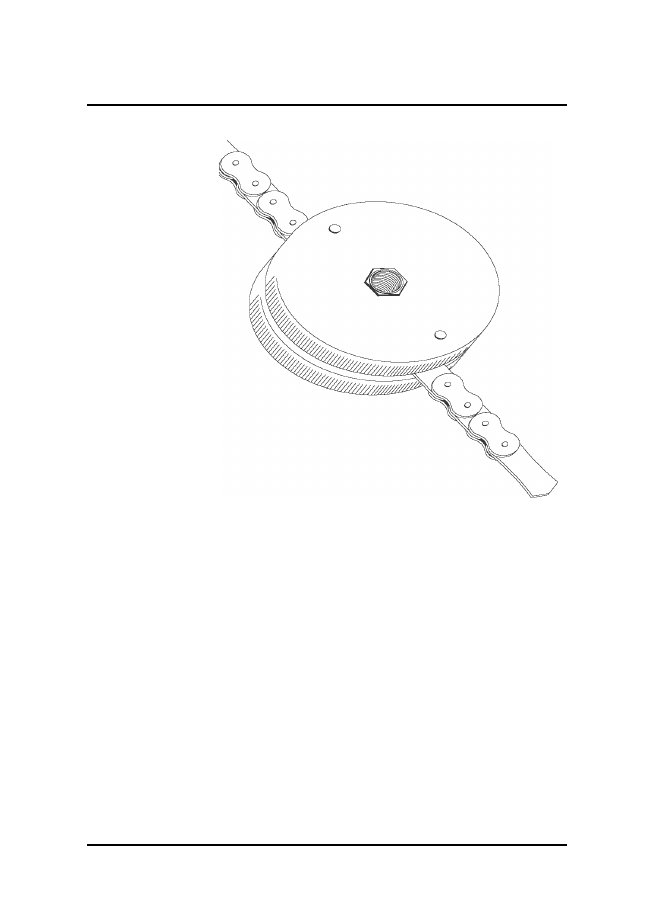
be used as fillingfor a bean bag.brush-cutter,clearingsaworgrasstrimmermeansadevice—(a)consistingof,orfittedwith,arotatingchainofmetallinks for cutting
as shown in figure 1; and(b)intended for
cutting brush, grass, shrubs, small trees orweeds.Reprint 3H effective 23 August 2010Page
39
Fair
Trading Regulation 2001Schedule 6Page 40Figure 1—Device consisting of a rotating
chain of metal links for cuttingchild-resistantzip-fastenermeansazip-fastenerhavingasliding piece that—(a)doesnothaveattachedtoitanytag,handleorotherobjecttofacilitatethemovementoftheslidingpiece;and(b)incorporates a
locking mechanism to prevent the slidingpieceopeningthezip-fastenerunlessanentirelyseparatedeviceisusedtodisengagethelockingmechanism and
form a handle to move the sliding piecebetween the two
edges of the slide fastener that separateto open the slide
fastener.corded interior window coveringsmeans
any form of interiordrapery hardware or window covering product,
for example, acurtain, shade, blind or traverse rod or
track, that incorporatesa looped cord in its operation, other
than as a tie-back for thecovering.Reprint 3H
effective 23 August 2010
Fair
Trading Regulation 2001Schedule 6cotdoes
not include a folding cot or carry cot.dischargemechanismmeansamechanismdesignedandmanufactured to discharge an object
through the air.Examples of discharge mechanisms—a bow, dart gun or popgungross vehicle massorGVMmeans the maximum loaded massof a
motor vehicle—(a)statedonthecomplianceplate,registrationcertificate,or build plate
for the vehicle; or(b)stated in the handbook for the
vehicle; or(c)stated in documentation for the
vehicle available fromthe vehicle’s manufacturer.ground frame, for a moveable
soccer goal, means a part of thestructure that
joins the base of an upright post and runs alongthe
ground.importedmeansimportedintoAustraliafromanothercountry.improvised projectilesee section
13(3).leathermeans the tanned
hide or skin of an animal.leather goods productmeans—(a)a
clothing product, other than textile goods or shoes; or(b)a ball, boxing glove, golf bag or
other sporting goodsproduct; or(c)a
trunk, suitcase or other travelware product; or(d)ahandbag,purse,walletorotherproductforcarryingpersonal items;
or(e)an attache case, school bag or case,
instrument case orother carrying case or bag; or(f)a saddle, bridle, harness or other
similar product;theoutsidesurfaceareaofwhichismorethan155squarecentimetres and
more than 50% leather, artificial leather or amaterial
resembling leather.Reprint 3H effective 23 August 2010Page
41
Fair
Trading Regulation 2001Schedule 6Page 42lockingdevice,forafoldinglaundrytrolley,meansamechanismordesignfeatureonthetrolleythatpreventsaccidental or
inadvertent folding or collapse of the trolley.looped beaded
chainmeans a series of small beads,
equallyspaced on a cord or connected by metal
shafts, that is curvedor doubled, or the ends of which are
joined by a device, toform a closed loop.looped cordmeans any of the
following—(a)anytypeofrope,straporstringthatiscurvedordoubled, or the ends of which are joined by
a device, toform a closed loop;(b)a
looped beaded chain;(c)another type of flexible
device.mini-motorbikemeans a motorbike
that can not be registeredunder theTransport
Operations (Road Use Management) Act1995becauseitdoesnotcomplywithAustralianDesignRulesapplyingtomotorbikesundertheMotorVehicleStandards Act 1989(Cwlth).minimumbreakingstrength,foramotorvehiclerecoverystrap, means the minimum load necessary to
cause the strap tofail.motor vehicle
recovery strapmeans a strap, commonly calleda
snatch strap, for attaching to a bogged vehicle to tow it
clearof the bogged situation.moveablesoccergoalmeansafreestandingstructureconsisting of at least 2 upright posts, a
crossbar and supportbars designed—(a)for
use by adults or children as a soccer goal; and(b)for
use with a temporary anchoring device including, forexample, a peg or stake; and(c)to be moved to different
locations.projectilemeans an object
designed to be propelled throughtheairbyadischargemechanism,orbybeingthrownorreleased, whether or not the object is
restrained by a string,elastic or another attachment.Reprint 3H effective 23 August
2010
Fair
Trading Regulation 2001Schedule 6Examples of
projectiles—•an arrow or
dart•a model glider or rubber band powered
model aeroplane•anobjectrestrainedattheendofastringanddesignedtobedischarged from a popgunprojectile toy with stored energysee
section 13(3).quarter lining, of a shoe,
means the material used to line theinside of the
upper of the shoe from the waist on one side ofthe shoe around
the heel of the shoe to the waist on the otherside of the
shoe.set up moveable soccer goalmeans
a moveable soccer goalset up according to its manufacturer’s
instructions on a flat,levelsurfacebutwithoutanyformoftemporaryanchoringdevice.shank, of a shoe,
means the part of the shoe between the heelandtheballortreadandincludesalongpieceofwood,leather, steel or
plastic placed between the insole and the solefrom the heel
seat forward intended to support that part of theshoe
and the arch of the foot.shoemeansanyfootwearandincludesaboot,sandalorslipper.sock
lining, of a shoe, means a thin slip of leather,
paper orsimilar material attached to the upper
surface of the insole ofthe shoe.sole, of
a shoe, means the part of the shoe that is under thefoot
of the wearer and includes the heel of the shoe but doesnot
include—(a)the insole of the shoe; or(b)the sock lining of the shoe; or(c)thread,wax,rivets,pegs,nails,toe-plates,heel-tipsorheel-caps.textile
goodsmeans—(a)felted,knittedorwovenmaterialsmanufacturedfromfibre; orReprint 3H
effective 23 August 2010Page 43
Fair
Trading Regulation 2001Schedule 6Page 44(b)lace, threads, tops and yarns;
or(c)articles manufactured in whole or in
part from materialsmentionedinparagraph(a)or(b),butnotincludinglinings,inter-liningsortrimmingsformingpartofthearticles; or(d)carpetsorpilefabrics,butnotincludingbackings,linings,inter-liningsortrimmingsformingpartofcarpets or pile
fabrics.toy—1Atoyis a thing
manufactured as a plaything that—(a)is
obviously designed for children under 14 years;or(b)islabelled,packaged,advertised,marketedordisplayed in a way that indicates or
suggests it isforchildrengenerallyorforchildrenunder14years.2However, a thing manufactured as a plaything
is not atoyif—(a)itisnotpackaged,advertised,marketedordisplayed in a way that indicates or
suggests it isforchildrengenerallyorforchildrenunder14years; and(b)it is
labelled prominently with any of the followingor similar
words—•‘not for children under 14’•‘unsuitable for children under
14’•‘only for children 14+’•‘ages 14+’•‘ages
14 and upwards’•‘ages 14–adult’.Examples of
things that are toys—1A bow and arrow
set or a darts set manufactured as playthings andobviously designed for children under 14
years.Reprint 3H effective 23 August
2010
Fair
Trading Regulation 2001Schedule 62A
projectile discharge mechanism, manufactured as a plaything is
atoy if—(a)its
packagingshowsyoungchildrenonitevenifitisnotobviously designed for children under 14
years; or(b)it is displayed for sale in a toy
store.Example of things that are not toys—darts manufactured as sporting
equipment for use with a standard dartboardTPAISmeans a consumer
product information standard madeunder theTrade Practices Act 1974(Cwlth).TPASSmeansaconsumerproductsafetystandardmadeunder theTrade Practices
Act 1974(Cwlth).upper, of
a shoe, means the outer covering of the part of theshoe
that is above the sole, including the insole of the shoeandthesocklining,butnotincludingthread,lace,eyelets,buckles, buttons or other adornments.waist, of a shoe,
means the narrowest part of a shoe measuredfrom one side of
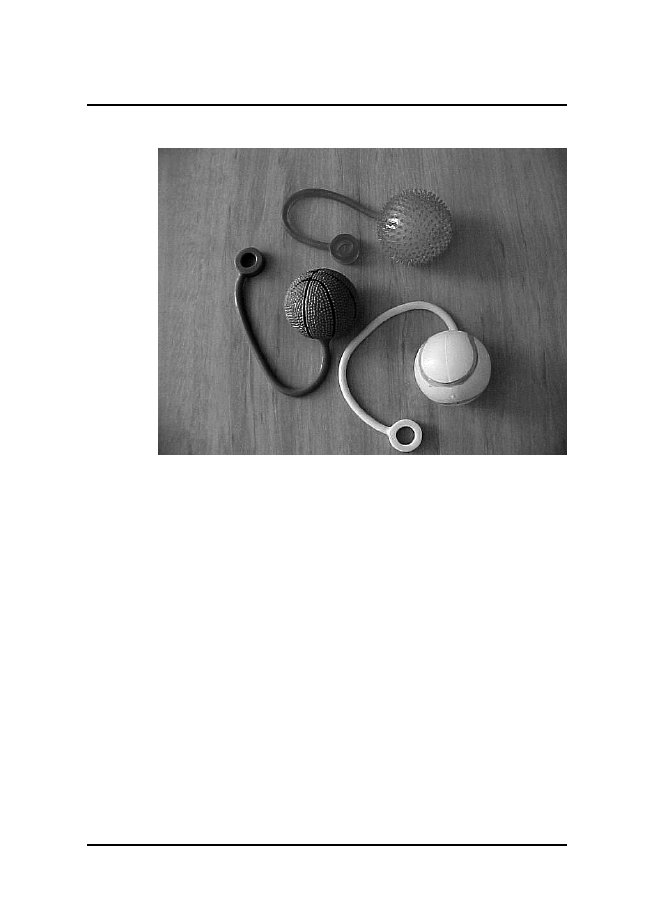
the shoe to the other side of the shoe.yo yo
ballmeans a rubbery object consisting of an
extendablestrap—(a)with
a sphere, or other shape, whether or not containingliquid or a novelty; and(b)with
or without a loop to put a finger through.Examples (some
of which are illustrated in figure 2)—yo yo
water ball, yo yo water hammer ball, yo yo sports ball, yo
yometeoric ball, yo yo light ballReprint 3H effective 23 August 2010Page
45
Fair
Trading Regulation 2001Endnotes3KeyKey to abbreviations in list of
legislation and annotationsKeyAIAamdamdtchdefdivexpgazhdginslapnotfdnumo in comorigpparaprecpresprevExplanation=Acts
Interpretation Act 1954=amended=amendment=chapter=definition=division=expires/expired=gazette=heading=inserted=lapsed=notified=numbered=order
in council=omitted=original=page=paragraph=preceding=present=previousKey(prev)procprovptpubdR[X]RArelocrenumrep(retro)rvsschsdivSIASIRSLsubunnumExplanation=previously=proclamation=provision=part=published=Reprint No. [X]=Reprints Act 1992=relocated=renumbered=repealed=retrospectively=revised edition=section=schedule=subdivision=Statutory Instruments Act 1992=Statutory Instruments Regulation
2002=subordinate legislation=substituted=unnumbered4Table of reprintsReprints are
issued for both future and past effective dates. For the most
up-to-date tableof reprints, see the reprint with the latest
effective date.Ifareprintnumberincludesaletterofthealphabet,thereprintwasreleasedinunauthorised, electronic form only.ReprintNo.1Amendments tononeEffective21 December
2001Reprint date1 February
2002ReprintNo.1A1B1C1D1E1F22A2BAmendments included2002 SL No.
2102002 SL No. 2382003 SL No.
1992004 SL No. 222005 SL No.
762005 SL No. 2742006 SL No.
8—2006 SL No. 1122007 SL No.
342Effective1 November
20021 September 200326 March
20041 July 200518 November
20053 February 20063 February
20062 June 200614 December
2007NotesR1F withdrawn,
see R2Page 48Reprint 3H
effective 23 August 2010
ReprintNo.2C2D2E2F33A3B3C3D3EAmendments included2007
SL No. 194 (amd2007 SL No. 342)2007 SL No. 194
(amd2008 SL No. 71)2008 SL No.
1232008 SL No. 862007 SL No. 194
(amd2008 SL No. 71)2008 SL No.
3532009 SL No. 382009 SL No.
382009 SL No. 382009 SL No.
38Effective1 January
20081 April 20081 June
20081 July 20081 October
20081 March 200927 April
20091 June 200914 June
20091 January 20103F2009
SL No. 383G2009 SL No. 383H2009
SL No. 3826 January 201010 March
201023 August 2010Fair Trading
Regulation 2001EndnotesNotesprov
exp 31 December20095Tables in earlier reprintsName
of tableCorrected minor errorsReprint
No.36List of
legislationFair Trading Regulation 2001 SL No.
291made by the Governor in Council on 20
December 2001notfd gaz 21 December 2001 pp 1482–8commenced on date of notificationexp 1
September 2012 (see SIA s 54)Note—The expiry
date may have changed since this reprint was published. See
thelatest reprint of the SIR for any
change.amending legislation—Fair Trading
Amendment Regulation (No. 1) 2002 SL No. 210notfd gaz 23
August 2002 pp 1478–81ss 1, 3 commenced on date of
notificationremaining provisions commenced 1 November
2002 (see s 3)Fair Trading Amendment Regulation (No. 2)
2002 SL No. 238notfd gaz 13 September 2002 pp 131–2ss
1–2 commenced on date of notificationremaining
provisions commenced 1 November 2002 (see s 2)Reprint 3H
effective 23 August 2010Page 49
Fair
Trading Regulation 2001EndnotesFair Trading
Amendment Regulation (No. 1) 2003 SL No. 199notfd gaz 29
August 2003 pp 1443–4ss 1–2 commenced on date of
notificationremaining provisions commenced 1 September
2003 (see s 2)Fair Trading Amendment Regulation (No. 1)
2004 SL No. 22notfd gaz 26 March 2004 pp 1169–70commenced on date of notificationFair
Trading Amendment Regulation (No. 1) 2005 SL No. 76notfd
gaz 29 April 2005 pp 1392–5ss 1–2 commenced on date of
notificationremaining provisions commenced 1 July 2005
(see s 2)Fair Trading Amendment Regulation (No. 2)
2005 SL No. 274notfd gaz 18 November 2005 pp 1052–3commenced on date of notificationFair
Trading Amendment Regulation (No. 1) 2006 SL No. 8notfd
gaz 3 February 2006 pp 426–7commenced on date
of notificationFair Trading Amendment Regulation (No. 2)
2006 SL No. 112notfd gaz 2 June 2006 pp 572–6commenced on date of notificationFair
Trading Amendment Regulation (No. 1) 2007 SL No. 194 (this
regulation isamended, see amending legislation
below)notfd gaz 10 August 2007 pp 1901–2ss
1–2 commenced on date of notificationss 3–4, 5–6, 7
(other than to the extent it ins sch 5C), 8 (other than to the
extent it insthe def “motor vehicle recovery strap”)
commenced 1 January 2008 (see s 2(1) asamd 2007 SL No.
342 s 5)s 7A commenced 1 October 2008 (see s 2(3) as
amd 2008 SL No. 71 s 3)remaining provisions commenced 1 April
2008 (see s 2(2) as amd 2007 SL No. 342s 5 and 2008 SL
No. 71 s 3)Note—An explanatory note was
prepared.amending legislation—Fair Trading
Amendment Regulation (No. 2) 2007 SL No. 342 pts 1, 3(amends 2007 SL No. 194 above)notfd
gaz 14 December 2007 pp 2131–5commenced on date
of notificationFair Trading Legislation Amendment
Regulation (No. 1) 2008 SL No. 71(amends 2007 SL
No. 194 above)notfd gaz 20 March 2008 pp 1598–9commenced on date of notificationFair
Trading Amendment Regulation (No. 2) 2007 SL No. 342 pts 1–2notfd
gaz 14 December 2007 pp 2131–5commenced on date
of notificationPage 50Reprint 3H
effective 23 August 2010
Fair
Trading Regulation 2001EndnotesFair Trading
Amendment Regulation (No. 1) 2008 SL No. 86notfd gaz 28
March 2008 pp 1721–4ss 1–2 commenced on date of
notificationremaining provisions commenced 1 July 2008
(see s 2)Fair Trading Amendment Regulation (No. 2)
2008 SL No. 123notfd gaz 9 May 2008 pp 277–8ss
1–2 commenced on date of notificationremaining
provisions commenced 1 June 2008 (see s 2)Fair Trading
Amendment Regulation (No. 3) 2008 SL No. 353notfd gaz 24
October 2008 pp 1086–9ss 1–2 commenced on date of
notificationremaining provisions commenced 1 March 2009
(see s 2)Fair Trading Legislation Amendment Regulation
(No. 1) 2009 SL No. 38 pts 1–2notfd gaz 24
April 2009 pp 1880–1ss 1–2 commenced on date of
notifications 4 commenced 1 June 2009 (see s
2(1))s 5 commenced 27 April 2009 (see s
2(2))s 6 commenced 14 June 2009 (see s
2(3))s 7 commenced 26 January 2010 (see s
2(4))s 8 commenced 10 March 2010 (see s
2(5))s 9 commenced 23 August 2010 (see s
2(6))s 10 commenced 1 January 2010 (see s
2(7))remaining provision commenced on date of
notification7List of annotationsNotes
in text3Ains 2005 SL No. 76 s 4Leather goods productss 5amd
2006 SL No. 112 s 3Shoess6amd 2006 SL No.
112 s 4Furnitures 7amd
2006 SL No. 112 s 5Babywalkerss 9A(prev
s 11A) ins 2002 SL No. 210 s 4renum and reloc
2003 SL No. 199 s 4Bean bagss 10amd
2006 SL No. 112 s 6Treadmillss 11prev
s 11 om 2006 SL No. 112 s 7pres s 11 ins 2009 SL No. 38 s
4Reprint 3H effective 23 August 2010Page
51
Fair
Trading Regulation 2001EndnotesBrush-cutter,
clearing saw or grass trimmers 11Ains
2003 SL No. 199 s 5Projectile toy with stored energys
13sub 2005 SL No. 76 s 5Projectile
supplied separately, rather than as part of a projectile toy with
storedenergys 13Ains
2005 SL No. 76 s 5Discharge mechanism supplied separately,
rather than as part of a projectile toy withstored
energys 13Bins 2005 SL No. 76 s 5Projectile toy without stored energys
13Cins 2005 SL No. 76 s 5Arrow supplied
separately, rather than as part of a toy bow and arrow sets
13Dins 2005 SL No. 76 s 5Bow supplied
separately, rather than as part of a toy bow and arrow sets
13Eins 2005 SL No. 76 s 5Other kinds of
goodss 13Fins 2006 SL No. 8 s 3sub
2007 SL No. 194 s 4 (amd 2007 SL No. 342 s 6); 2007 SL No. 194 s
4A(amd 2007 SL No. 342 s 6)Corded
interior window coveringss 13Gins 2006 SL No. 8
s 3om 2007 SL No. 194 s 4 (amd 2007 SL No. 342
s 6)Particular Commonwealth consumer product
safety standards are safety standardss 14amd
2008 SL No. 86 s 4PART 3A—PROHIBITED SUPPLY OF GOODSpt
hdgins 2005 SL No. 274 s 3Yo yo ballss
15Ains 2005 SL No. 274 s 3Novelty
dummiess 15Bins 2006 SL No. 112 s 8Supply
of children’s toys with excessive lead migration levels
prohibiteds 15BAAins 2009 SL No.
38 s 5exp 31 December 2009 (see s 15BAA(3))Toothpastes 15BAins
2009 SL No. 38 s 5Bindeezs 15BBins
2009 SL No. 38 s 6Page 52Reprint 3H
effective 23 August 2010
Fair
Trading Regulation 2001EndnotesFire
Footbags 15BCins 2009 SL No.
38 s 7Amazing jumbo spiky light-up balls
15BDins 2009 SL No. 38 s 8Expandable
toyss 15BEins 2009 SL No.
38 s 9PART 3AA—TEST REPORTSpt 3AA (s
15C)ins 2007 SL No. 194 s 5PART
5—REPEALpt 5 (s 17)exp 22 December
2001 (see s 17(2))SCHEDULE4—SAFETYSTANDARDS—COMMONWEALTHCONSUMERPROTECTION NOTICESamd 2002 SL No.
238 s 4; 2004 SL No. 22 s 3; 2005 SL No. 76 s 6; 2005 SLNo.
274 s 4; 2006 SL No. 112 s 9; 2007 SL No. 342 s 3; 2008 SL No. 86
s5; 2008 SL No. 353 s 4; 2009 SL No. 38 s
10SCHEDULE 5—SAFETY STANDARDS—COMMONWEALTH
REGULATIONSamd 2002 SL No. 210 s 5; 2005 SL No. 274 s
5; 2008 SL No. 123 s 4SCHEDULE 5A—SAFETY STANDARD FOR
MINI-MOTORBIKESins 2006 SL No. 8 s 4SCHEDULE 5B—SAFETY
STANDARD FOR CORDED INTERIOR WINDOWCOVERINGSsch
hdgamd 2007 SL No. 194 s 6sch 5Bins
2006 SL No. 8 s 4SCHEDULE 5C—SAFETY STANDARD FOR MOTOR VEHICLE
RECOVERYSTRAPSsch hdgins
2007 SL No. 194 s 7 (amd 2008 SL No. 71 s 4)Packaging
markings 1ins 2007 SL No. 194 s 7 (amd 2008 SL
No. 71 s 4)Permanently fixed informations
2ins 2007 SL No. 194 s 7A(2)Accompanying informations 3(prev
s 2) ins 2007 SL No. 194 s 7 (amd 2008 SL No. 71 s 4)renum
2007 SL No. 194 s 7A(1) (amd 2008 SL No. 71 s 5)SCHEDULE 5D—SAFETY STANDARD FOR MOVEABLE
SOCCER GOALSins 2007 SL No. 194 s 7SCHEDULE
6—DICTIONARYdef“ANSI A100”ins 2006 SL No. 8
s 5amd 2007 SL No. 194 s 8(3)def“AS 1647, part 2”om 2007 SL No.
194 s 8(1)def“AS 3575–1995”ins 2003 SL No.
199 s 6def“AS/NZS 2172”amd 2007 SL No.
194 s 8(4)Reprint 3H effective 23 August 2010Page
53