QueenslandDangerous Goods
Safety Management Act 2001DangerousGoodsSafetyManagementRegulation2001Reprinted as in force on 25 June 2010Reprint No. 2BThis reprint is
prepared bythe Office of the Queensland Parliamentary
CounselWarning—This reprint is not an authorised
copyNOTE—This is the last reprint before
lapseLapsed by 2011 Act No. 18 s 278
Information about this reprintThis
regulation is reprinted as at 25 June 2010. The reprint shows the
law as amended byall amendments that commenced on or before
that day (Reprints Act 1992 s 5(c)).The reprint
includes a reference to the law by which each amendment was
made—see listof legislation and list of annotations in
endnotes. Also see list of legislation for anyuncommenced
amendments.This page is specific to this reprint. See
previous reprints for information about earlierchanges made under
the Reprints Act 1992. A table of reprints is included in the
endnotes.Also see endnotes for information
about—•when provisions commenced•editorial changes made in earlier
reprints.SpellingThe spelling of
certain words or phrases may be inconsistent in this reprint or
with otherreprints because of changes made in various
editions of the Macquarie Dictionary (forexample, in the
dictionary, ‘lodgement’ has replaced ‘lodgment’). Variations of
spellingwill be updated in the next authorised
reprint.Dates shown on reprintsReprints dated at
last amendmentAllreprintsproducedonorafter1July2002,authorised (that is, hard copy) and
unauthorised (that is, electronic), are dated as at the lastdate
of amendment. Previously reprints were dated as at the date of
publication. If anauthorised reprint is dated earlier than an
unauthorised version published before 1 July2002,itmeansthelegislationwasnotfurtheramendedandthereprintdateisthecommencement of the last amendment.If the
date of an authorised reprint is the same as the date shown for an
unauthorisedversion previously published, it merely means
that the unauthorised version was publishedbeforetheauthorisedversion.Also,anyrevisededitionofthepreviouslypublishedunauthorised
version will have the same date as that version.Replacement reprint dateIf the date of an
authorised reprint is the same as the dateshown on another
authorised reprint it means that one is the replacement of the
other.
Dangerous Goods Safety Management Regulation
2001Part 1 Preliminary[s 1]Dangerous Goods Safety ManagementRegulation 2001[as amended by
all amendments that commenced on or before 25 June 2010]Part
1Preliminary1Short
titleThis regulation may be cited as theDangerous Goods SafetyManagement
Regulation 2001.2CommencementThis regulation
commences on 7 May 2002.3DefinitionsThe dictionary
in schedule 5 defines particular words used inthis
regulation.4Application of regulationThis
regulation does not apply to stated dangerous goods orcombustible liquids at a place if—(a)the goods or liquids are on a vehicle
at the place, and arein transit; and(b)thevehicle,andthegoodsorliquidscomprisingthevehicle’s load, comply with the ADG Code,
the IMDGCode or the IATA Regulations.Reprint 2B effective 25 June 2010Page
9
Dangerous Goods Safety Management Regulation
2001Part 2 Safety obligations for manufacturers,
importers and suppliers[s 5]5Prescription for dangerous goods
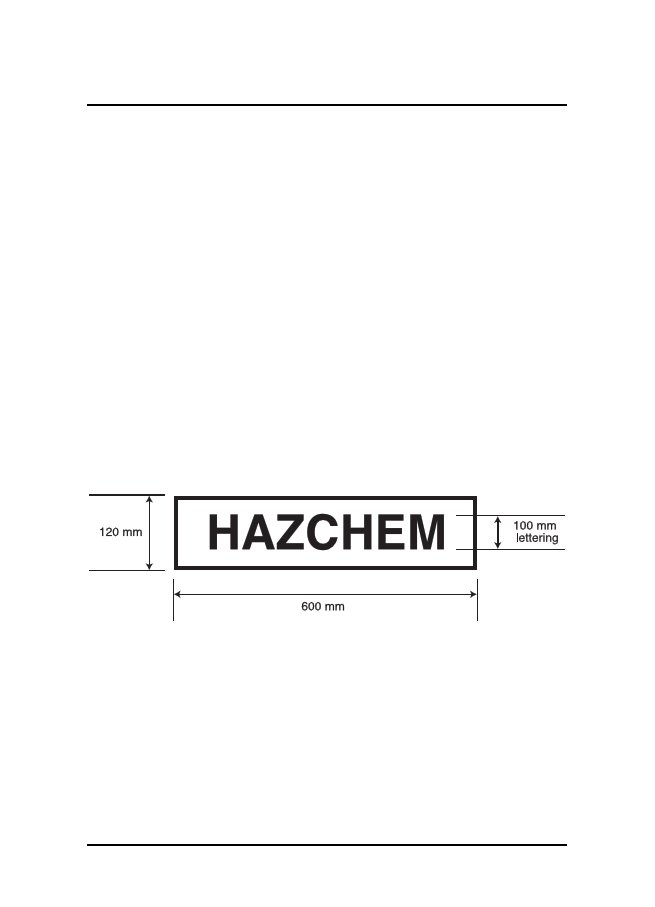
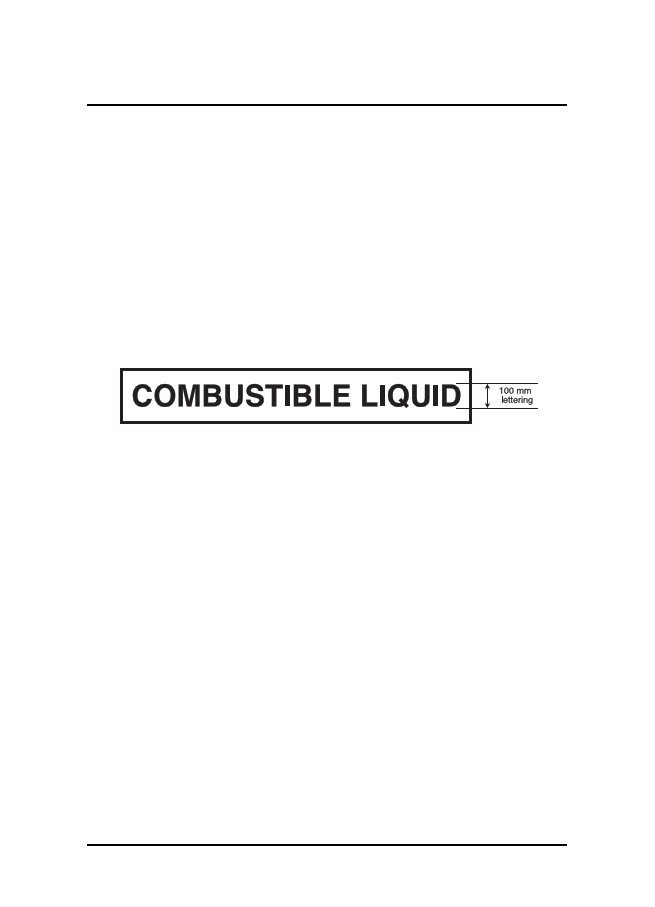
location(1)Schedule1stateswhichdangerousgoodsorcombustibleliquids are
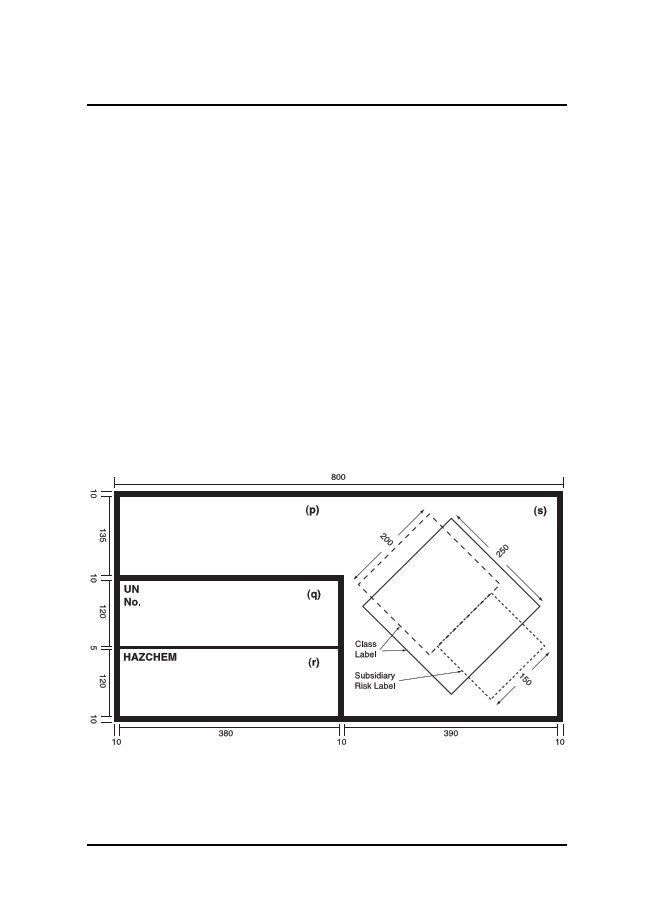
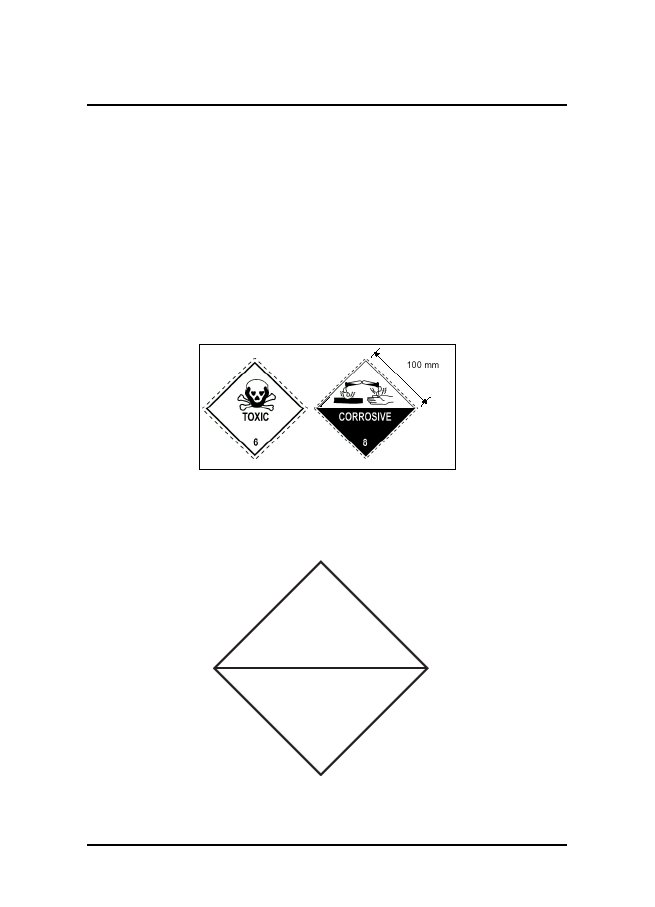
stated dangerous goods or combustible liquids forsection 48(4) of the Act.(2)Schedule1alsoprescribestheminimumquantitiesofthestated dangerous goods or combustible
liquids to decide—(a)whether a place is a dangerous goods
location; and(b)if it is a dangerous goods
location—whether it is a largedangerous goods
location.6Prescription for major hazard facility
or possible majorhazard facilityForsections31(2)and33(1)(a)oftheAct,schedule2prescribes quantities of hazardous
materials stored or handledor that are
likely to be stored or handled.7Conflict with standardsIf there is a
conflict between this regulation and an AustralianStandard mentioned in this regulation, this
regulation prevails.Part 2Safety
obligations formanufacturers, importers andsuppliersDivision 1Packing, marking and supply8Determining whether goods are stated
dangerous goods(1)ThissectionappliesiftherearereasonablegroundsforamanufacturerorimportertosuspectthatgoodsinthePage 10Reprint 2B
effective 25 June 2010
Dangerous Goods Safety Management Regulation
2001Part 2 Safety obligations for manufacturers,
importers and suppliers[s 9]manufacturer’s
or importer’s possession are stated dangerousgoods.(2)The manufacturer or importer must
determine whether or notthe goods are stated dangerous goods
and, if the manufactureror importer determines the goods are
stated dangerous goods,except for goods too dangerous to be
transported, must assignthe appropriate UN number, class,
subsidiary risk and packinggroup under the
ADG Code.Maximum penalty—20 penalty units.(3)Therequirementsundersubsection(2)mustbecompliedwith—(a)foramanufacturer,assoonaspracticableaftermanufacture,butbeforesupplyingthegoodstoanyperson; and(b)foranimporter,beforesupplyingthegoodstoanyperson.(4)A
manufacturerorimporter is taken to have complied
withsubsection (2) if the stated dangerous goods
were assigned aUN number, class, subsidiary risk and
packing group undercorresponding legislation.9Packing and marking by manufacturer or
importer(1)Beforesupplyingstateddangerousgoods(otherthangoodstoo
dangerous to be transported) to a person, a manufactureror
importer of the goods, who assigns a UN number, class,subsidiary risk and packing group to the
goods, must ensurethat the provisions of the ADG Code are
complied with for—(a)the condition of the goods; and(b)packages for the goods; and(c)package marking for the goods.Maximum penalty—20 penalty units.(2)However it is sufficient compliance
with subsection (1)(c) ifthe stated goods are labelled under
the GHS.Reprint 2B effective 25 June 2010Page
11
Dangerous Goods Safety Management Regulation
2001Part 2 Safety obligations for manufacturers,
importers and suppliers[s 10](3)Before supplying goods too dangerous to be
transported or C1combustible liquids to a person, a
manufacturer or importer ofthe goods or
liquids must ensure that the goods or liquids arepacked in packages that are—(a)of a type and in a condition that will
retain the goods orliquidsandwillnotreactadverselywiththegoodsorliquids; and(b)clearly marked with the name of the goods or
liquids.Maximum penalty—20 penalty units.(4)A manufacturerorimporter is taken to have complied
withsubsection (1) or (2) if the goods or
liquids are packed and thepackages marked under corresponding
legislation.10Restrictions on supply(1)Before a person, other than as the
manufacturer or importer,(thefirst
person) supplies the stated dangerous goods
(otherthan goods too dangerous to be transported)
to another personthe first person must ensure that the
provisions of the ADGCode are complied with for—(a)the condition of the goods; and(b)packages and package marking for the
goods.Maximum penalty—20 penalty units.(2)Before supplying goods too dangerous
to be transported or C1combustible liquids to another person,
the first person mustensure that the goods or liquids are
packed in packages thatare—(a)of a
type and in a condition that will retain the goods orliquidsandwillnotreactadverselywiththegoodsorliquids; and(b)clearly marked with the name of the goods or
liquids.Maximum penalty—20 penalty units.Page
12Reprint 2B effective 25 June
2010
Dangerous Goods Safety Management Regulation
2001Part 2 Safety obligations for manufacturers,
importers and suppliers[s 11](3)A
person is taken to have complied with subsection (1) or (2)if
the goods or liquids are packed and the packages markedunder corresponding legislation.(4)This section does not apply to a
retailer who complies withsection 11.11Supply by retailer in purchaser’s
containerAretailerwhosuppliesstateddangerousgoodsorcombustibleliquidsinacontainerprovidedbyapurchasermust—(a)for class 2 stated dangerous goods,
ensure the containerisapackagethatmeetstherequirementsoftheADGCode that relate
to packages for the goods; and(b)for
other stated dangerous goods or combustible liquids,take
all reasonable steps to ensure that the container—(i)is of a type and in a condition that
will retain thestated dangerous goods or combustible
liquids andwill not react adversely with the stated
dangerousgoods or combustible liquids; and(ii)hasthenameofthestateddangerousgoodsorcombustibleliquidsclearlymarkedonthecontainer;
and(iii)is not
ordinarily used to contain foodstuffs.Maximum
penalty—20 penalty units.Division 2Material safety
data sheets12Preparing, amending and reviewing
MSDS(1)A manufacturer or importer
must—(a)prepareadocumentcomplyingwiththissection(amaterialsafetydatasheetorMSDS)forstateddangerous
goods—Reprint 2B effective 25 June 2010Page
13
Dangerous Goods Safety Management Regulation
2001Part 2 Safety obligations for manufacturers,
importers and suppliers[s 12](i)before first manufacturing or importing the
goods;or(ii)ifthatisnotpracticable—assoonaspracticableafterfirstmanufacturingorimportingthegoods;andExample of paragraph (a)(ii)—It may not be practicable to prepare a
MSDS before firstmanufacturing stated dangerous goods that
are discoveredthrough research.(b)review the MSDS at least once every 5 years;
and(c)amendtheMSDSwhenevernecessarytoensureitcontains current information.Maximum penalty—20 penalty units.(2)The MSDS must—(a)be
in English; and(b)contain unit measures commonly used in
Australia; and(c)state the date it was last reviewed
or, if it has not beenreviewed, the date of its preparation;
and(d)state the product name for the stated
dangerous goods;and(e)forthestateddangerousgoods(otherthangoodstoodangerous to be transported), state
the proper shippingname,UNnumber,class,subsidiaryriskandpackinggroup;
and(f)forgoodstoodangeroustobetransported,statethename of the goods listed in the ADG
Code; and(g)state the following information for
the stated dangerousgoods—(i)the
chemical and physical properties;(ii)the
health and safety hazards;(iii)the safe
use;(iv)the first aid
information; andPage 14Reprint 2B
effective 25 June 2010
Dangerous Goods Safety Management Regulation
2001Part 2 Safety obligations for manufacturers,
importers and suppliers[s 13](h)state the importer’s or manufacturer’s name,
Australianaddress and Australian telephone number;
and(i)statethefollowinginformationaboutthestateddangerous
goods—(i)the chemical name of the ingredients
of the goodsor, if the identity of an ingredient is
commerciallyconfidential, the generic name for the
ingredient;(ii)theproportionortheproportionrangesoftheingredients in
the goods.(3)However, subsection (2)(i) does not
apply if—(a)themanufacturerorimporterconsidersgivingtheinformationaboutaningredientwouldcausecommercial
disadvantage; and(b)the ingredient is not dangerous goods;
and(c)the ingredient does not have a known
synergistic effect;and(d)the manufacturer
or importer states on the MSDS for theingredient the
words—‘other ingredients determined not to be
dangerousgoods’.13Recognition of MSDS prepared under
equivalentlegislation(1)Section 12 does not apply to a manufacturer
or importer if themanufacturer or importer has already
prepared a MSDS forstated dangerous goods under equivalent
legislation.(2)Also, section 12 does not apply
if—(a)theimporterormanufacturerhasalreadypreparedasafety data sheet for the stated
dangerous goods underthe GHS; and(b)thesafetydatasheetalsostatestheimporter’sormanufacturer’s name, Australian address and
Australiantelephone number.Reprint 2B
effective 25 June 2010Page 15
Dangerous Goods Safety Management Regulation
2001Part 2 Safety obligations for manufacturers,
importers and suppliers[s 14](3)In
this sectionequivalent legislationmeans—(a)theWorkplace Health
and Safety Regulation 2008; or(b)alawofthe
Commonwealth oranotherStatethathasrequirementssubstantiallythesameasthoseundersection 12.14Manufacturer, importer or supplier to
provide MSDS(1)Amanufacturer,importerorsupplierofstateddangerousgoods must ensure that a copy of the current
MSDS for thegoods is provided—(a)to a
person to whom the goods are supplied on or beforethe
first occasion the goods are supplied for use to theperson; and(b)if
the MSDS is amended under section 12, to a person towhom
the goods are supplied for use on or before thefirst occasion
the goods are supplied to the person afterthe amendment;
and(c)on request—(i)totheoccupierofamajorhazardfacility,dangerous goods location or workplace where
thegoods are stored and handled; or(ii)to the chief
executive.Maximum penalty—20 penalty units.(2)Subsection (1) does not apply to a
supplier—(a)if the supplier is a retailer or a
retail warehouse operatorandthestateddangerousgoodsaresuppliedinconsumer packages; or(b)if
the supplier is a retailer supplying fuel to a vehicle; or(c)if the supplier is a retailer to whom
section 11 applies.Page 16Reprint 2B
effective 25 June 2010
Dangerous Goods Safety Management Regulation
2001Part 3 Safety obligations for
occupiers[s 15]15Information to doctor(1)Despite anything in this division, a
manufacturer or importerof stated dangerous goods must
disclose the chemical name ofan ingredient of
the goods to a doctor if—(a)theMSDSforthegoods,orthemarkingonthecontainerinwhichthegoodsaresupplied,doesnotdisclose the chemical name of the
ingredient; and(b)the doctor requests the chemical name
of the ingredientto help with the management of the doctor’s
patient.(2)The manufacturer or importer must
immediately comply witha request from a doctor under
subsection (1).Maximum penalty—20 penalty units.Part
3Safety obligations foroccupiersDivision 1Obligations
applying to occupiersof major hazard facilities anddangerous goods locationsSubdivision 1Definition for
div 116Definition for div 1In
this division—occupiermeans the
occupier of—(a)a major hazard facility; or(b)a dangerous goods location.Reprint 2B effective 25 June 2010Page
17
Dangerous Goods Safety Management Regulation
2001Part 3 Safety obligations for occupiers[s
17]Subdivision 2Hazard
identification and riskassessment17Identification of hazards(1)Theoccupiermustensurethatahazardassociatedwiththestorage or handling of dangerous goods
or combustible liquidsat the occupier’s facility or location
is, to the extent possiblehavingregardtothecurrentstateofknowledgeaboutthehazard, identified and
recorded.Maximum penalty—(a)for
a major hazard facility—100 penalty units;(b)for
a dangerous goods location—30 penalty units.(2)Forsubsection(1)andwithoutlimitingthesubsection,theoccupier,whenidentifyinghazardsfordangerousgoodsorcombustible liquids, must have regard
to—(a)thechemicalandphysicalpropertiesofthegoodsorliquids; and(b)theMSDSandanyotherinformationaboutthehazardous properties of the goods or
liquids; and(c)any manufacturing and transport
processes involving thegoodsorliquidsattheoccupier’sfacilityorlocation;and(d)the structures, plant, systems of work
and activities usedin the storage or handling of the goods or
liquids at theoccupier’s facility or location; and(e)thephysicallocationandarrangementofareas,structuresandsafetyandhealthsystemsattheoccupier’s
facility or location; and(f)the structures,
plant, systems of work and activities thatare not used to
store or handle the goods or liquids butcould interact
with the goods or liquids at the occupier’sfacility or
location; andPage 18Reprint 2B
effective 25 June 2010
Dangerous Goods Safety Management Regulation
2001Part 3 Safety obligations for
occupiers[s 18](g)the
chemical and physical reaction between the goods orliquids and other substances and articles
with which thegoods or liquids may come into contact at
the occupier’sfacility or location; and(h)any previous incidents involving the
goods or liquids.18Risk assessment(1)If a
hazard is identified under section 17, the occupier mustensure that—(a)an
assessment is made of the risks associated with thehazard (arisk
assessment); and(b)a
dated written record is kept of the risk assessment.Maximum penalty—(a)for
a major hazard facility—100 penalty units;(b)for
a dangerous goods location—30 penalty units.(2)For
subsection (1), the occupier must—(a)have
regard to the matters stated in section 17(2); and(b)in the risk assessment, state the
methods considered andthose implemented to control the risks
associated withthe hazard to achieve an acceptable level of
risk.19Review of risk assessment(1)The occupier must review a risk
assessment and keep a datedwritten record
of the review—(a)if there is a significant change to a
process, system orprocedureinrelationtothestorageorhandlingofdangerousgoodsorcombustibleliquidsattheoccupier’s
facility or location; or(b)if there is
evidence to indicate that the risk assessmentno longer
adequately assesses the risk associated with ahazard.Maximum penalty—Reprint 2B
effective 25 June 2010Page 19
Dangerous Goods Safety Management Regulation
2001Part 3 Safety obligations for occupiers[s
20](a)for a major hazard facility—100
penalty units;(b)for a dangerous goods location—30
penalty units.(2)Ariskassessmentmustbereviewedatleastonceevery5years.Maximum
penalty—(a)for a major hazard facility—100
penalty units;(b)for a dangerous goods location—30
penalty units.Editor’s note—Section 47 requires the review of the risk
assessment under this sectionafteranaccidentinvolvingstateddangerousgoodsorcombustibleliquids causing
material harm.20Copy of risk assessment to be
available to persons likelyto be exposed to a hazard(1)This section applies if a risk
assessment has been made for ahazard at an
occupier’s facility or location.(2)The
occupier must make a copy of the written record of therisk
assessment available to persons likely to be exposed tothe
hazard while working at the facility or location.Maximum penalty—(a)for
a major hazard facility—100 penalty units;(b)for
a dangerous goods location—30 penalty units.Subdivision
3Risk minimisation by substitution ofgoods or reduction of quantity21Occupier must consider substituting
goods or reducingtheir quantityToachieveanacceptablelevelofriskforthestorageorhandling of stated dangerous goods or
combustible liquids atanoccupier’sfacilityorlocation,theoccupiermustconsider—Page 20Reprint 2B effective 25 June
2010
Dangerous Goods Safety Management Regulation
2001Part 3 Safety obligations for
occupiers[s 22](a)substitutingothergoods,orotherstateddangerousgoodsorcombustibleliquids,thathavealowerriskassociated with their storage and handling;
and(b)reducingthequantityofstateddangerousgoodsorcombustible liquids handled.Maximum penalty—(a)for
a major hazard facility—100 penalty units;(b)for
a dangerous goods location—30 penalty units.Subdivision
4Risk minimisation for storage andhandling systems22Use
of new storage or handling system(1)The
occupier must not use a new storage or handling systemwithout first ensuring that the system is
designed, constructedandinstalledsothat,whenusedproperly,riskisatanacceptable
level.Maximum penalty—(a)for
a major hazard facility—100 penalty units;(b)for
a dangerous goods location—30 penalty units.(2)For
this section, a storage or handling system is taken to benew
if—(a)the system has not previously been
used for the storageorhandlingofstateddangerousgoodsorcombustibleliquids at the
occupier’s facility or location; or(b)ifthesystemhasbeen previouslysoused, thesystemhasbeenalteredinawaythatmaycreateanewordifferent risk
associated with that use.23Separation by
distance or barriers(1)The occupier
must, by the design and location of storage orhandlingsystemsattheoccupier’sfacilityorlocation,Reprint 2B
effective 25 June 2010Page 21
Dangerous Goods Safety Management Regulation
2001Part 3 Safety obligations for occupiers[s
24]minimisetheriskfromahazardousmaterialsemergencytopersons, property or the environment outside
the boundary ofthe facility or location.Maximum penalty—(a)for
a major hazard facility—100 penalty units;(b)for
a dangerous goods location—30 penalty units.(2)For
subsection (1), the occupier must consider—(a)the
distance dangerous goods or combustible liquids arestored or handled from the boundary;
and(b)separatingthegoodsorliquidsfromthepersons,property or
environment by physical barriers.24Operation of storage or handling
system(1)The occupier must ensure that a
storage or handling system atthe occupier’s
facility or location is commissioned, operated,tested,
maintained, repaired and decommissioned so that riskis
at an acceptable level.Maximum penalty—(a)for
a major hazard facility—100 penalty units;(b)for
a dangerous goods location—30 penalty units.(2)Ifthemaintenanceorrepairinvolvestheuseofwelding,cuttingorotherprocessesthatgenerateheatorintroduceignition
sources, the occupier must ensure that the risk of afireorexplosioninvolvingstateddangerousgoodsorcombustible liquids is at an acceptable
level.25Stated dangerous goods or combustible
liquids in tanksIf the occupier stores stated dangerous
goods or combustibleliquidsinatankattheoccupier’sfacilityorlocation,theoccupier must ensure that—(a)the tank and its associated pipework
are provided withstable foundations and supports; andPage
22Reprint 2B effective 25 June
2010
Dangerous Goods Safety Management Regulation
2001Part 3 Safety obligations for
occupiers[s 26](b)pipework or equipment connected to the tank
is installedinawaythatpreventsexcessivestressonthetank,pipework or equipment; and(c)thetankanditsassociatedpipeworkareinspectedatintervals that are adequate to ensure their
integrity andserviceability; and(d)adatedwrittenrecordismadeoftheresultsofinspections and kept while the tank remains
in service atthe occupier’s facility or location.Maximum penalty—(a)for
a major hazard facility—100 penalty units;(b)for
a dangerous goods location—30 penalty units.26Cleaning or making safe decommissioned
storage orhandling systems(1)Thissectionappliesifastorageorhandlingsystematanoccupier’s
facility or location is to be disposed of or no longerused
for the storage or handling of stated dangerous goods orcombustible liquids.(2)The
occupier must ensure that the storage or handling systemis—(a)thoroughlycleanedsothatthesystemis,asfaraspracticable,freefromstateddangerousgoodsorcombustible liquids; or(b)otherwise made safe.Maximum penalty—(a)for
a major hazard facility—100 penalty units;(b)for
a dangerous goods location—30 penalty units.27Protection from impactTheoccupiermustensurethatstateddangerousgoodsorcombustibleliquidsandstorageorhandlingsystemsattheReprint 2B
effective 25 June 2010Page 23
Dangerous Goods Safety Management Regulation
2001Part 3 Safety obligations for occupiers[s
28]occupier’sfacilityorlocationare,asfaraspracticable,protected
against damage from impact with vehicles, mobileplant or other things at the facility or
location.Maximum penalty—(a)for
a major hazard facility—100 penalty units;(b)for
a dangerous goods location—30 penalty units.28Use
of new systems or procedures(1)The
occupier must not use a new system or procedure for thestorage or handling of stated dangerous
goods or combustibleliquidsattheoccupier’sfacilityorlocationwithoutfirstensuring that
the risk associated with the system or procedureis
at an acceptable level.Maximum penalty—(a)for
a major hazard facility—100 penalty units;(b)for
a dangerous goods location—30 penalty units.(2)A
system or procedure is taken to be new if—(a)thesystemorprocedurehasnotpreviouslybeenusedfor the storage
or handling of stated dangerous goods orcombustible
liquids at the facility or location; or(b)the
system or procedure has previously been so used andhasbeenalteredinawaythatmaycreateanewordifferent risk
associated with that use.Subdivision 5Risk
minimisation for workers andvisitors29Induction, information, supervision,
education andtraining(1)For
section 23(1)(d) of the Act, for a person involved with thestorage or handling of stated dangerous
goods or combustibleliquids at the occupier’s facility or
location, the occupier mustPage 24Reprint 2B effective 25 June
2010
Dangerous Goods Safety Management Regulation
2001Part 3 Safety obligations for
occupiers[s 29]ensure that the
person is provided with induction, information,supervision,
education and training—(a)in a language or
manner appropriate to the person; and(b)relevant to the roles and duties undertaken
by the personand the risks associated with the roles and
duties.Maximum penalty—(a)for
a major hazard facility—100 penalty units;(b)for
a dangerous goods location—30 penalty units.(2)Theoccupiermustensurethattheinduction,information,educationandtrainingprovidedtothepersonincludesinstruction
in—(a)thenatureofthehazardsandpropertiesofthestateddangerous goods
or combustible liquids; and(b)theprocessesusedtoidentify,assessandcontroltherisks associated with the person’s roles and
duties; and(c)the use and maintenance of the
processes to control therisks; and(d)theappropriateuseandfittingofpersonalprotectiveequipment.Maximum
penalty—(a)for a major hazard facility—100
penalty units;(b)for a dangerous goods location—30
penalty units.(3)A dated written record of induction,
information, education ortraining carried out under this
section must be made and keptfor at least 5
years.Maximum penalty—(a)for
a major hazard facility—100 penalty units;(b)for
a dangerous goods location—30 penalty units.Reprint 2B
effective 25 June 2010Page 25
Dangerous Goods Safety Management Regulation
2001Part 3 Safety obligations for occupiers[s
30]30Personal protective or safety
equipment for workers(1)This section
applies if the occupier requires an employee orotherpersonexposedtostateddangerousgoodsorcombustible liquids to use personal
protective equipment orsafety equipment to achieve an
acceptable level of risk.(2)The occupier
must provide and maintain personal protectiveequipment or
safety equipment that is suitable for use with thegoods or liquids.Maximum
penalty—(a)for a major hazard facility—100
penalty units;(b)for a dangerous goods location—30
penalty units.(3)Apersonmustnotwilfullydamageormakeineffectivepersonal
protective equipment or safety equipment.Maximum
penalty—30 penalty units.31Risk to
visitorsTheoccupiermustensurethatavisitortotheoccupier’sfacilityorlocationisprovidedwiththeinformation,safetyinstructions and supervision necessary to
ensure that risk tothevisitororanyotherpersonatthefacilityorlocationisminimised as far as reasonably
practicable.Maximum penalty—(a)for
a major hazard facility—100 penalty units;(b)for
a dangerous goods location—30 penalty units.32Security at facility or locationTheoccupiermust,asfaraspracticable,preventaccessbyunauthorisedpersonstostateddangerousgoodsorcombustible liquids stored or handled at the
occupier’s facilityor location.Page 26Reprint 2B effective 25 June
2010
Dangerous Goods Safety Management Regulation
2001Part 3 Safety obligations for
occupiers[s 33]Maximum
penalty—(a)for a major hazard facility—100
penalty units;(b)for a dangerous goods location—30
penalty units.Subdivision 6Stability and
interaction of stateddangerous goods or combustibleliquids33Stability(1)Theoccupiermustensure,asfaraspracticable,thatstateddangerousgoodsorcombustibleliquidsdonotbecomeunstable, decompose or change so as
to—(a)createahazardthatisdifferentfromthehazardoriginallycreatedbythestateddangerousgoodsorcombustible liquids; or(b)increasetheriskassociatedwiththestateddangerousgoods or combustible liquids.Maximum penalty—(a)for
a major hazard facility—100 penalty units;(b)for
a dangerous goods location—30 penalty units.(2)Forsubsection(1)butwithoutlimitingthesubsection,theoccupier must ensure that—(a)ifthestabilityofthestateddangerousgoodsorcombustible liquids is dependent on the
maintenance oflevelsofstabilisers—thelevelsaremaintainedasspecified by the manufacturer of the goods
or liquids;and(b)if the stated
dangerous goods or combustible liquids arerequiredtobestoredorhandledbelowaparticularcontrol
temperature specified by the manufacturer—thegoods or liquids
are stored below that temperature.Reprint 2B
effective 25 June 2010Page 27
Dangerous Goods Safety Management Regulation
2001Part 3 Safety obligations for occupiers[s
34]Example of paragraph (b)—Organic peroxides should be stored below
their self-acceleratingdecomposition temperature.(3)Subsection (2) does not apply to
stated dangerous goods orcombustibleliquidsthatareabouttobeusedinamanufacturing process.34Preventing interaction with other
goodsTheoccupiermustensurestateddangerousgoodsorcombustible liquids that are not
compatible with other goodsorliquids(includingotherstateddangerousgoodsorcombustibleliquids)arestoredseparatelyfromtheothergoods or liquids
so that a loss of containment can not cause adangerous
situation.Maximum penalty—(a)for
a major hazard facility—100 penalty units;(b)for
a dangerous goods location—30 penalty units.35Preventing contamination of food or personal
productsTheoccupiermustensurethatstateddangerousgoodsorcombustible liquids stored or handled at the
occupier’s facilityorlocationcannotcontaminatefood,foodpackagingorpersonal use products.Maximum penalty—(a)for
a major hazard facility—100 penalty units;(b)for
a dangerous goods location—30 penalty units.36Elimination of ignition sources(1)The occupier must ensure ignition
sources in a hazardous areaat the
occupier’s facility or location—(a)are
eliminated; orPage 28Reprint 2B
effective 25 June 2010
Dangerous Goods Safety Management Regulation
2001Part 3 Safety obligations for
occupiers[s 37](b)ifitisnotreasonablypracticabletoeliminatethesources,arecontrolledsothatriskisatanacceptablelevel.Maximum penalty—(a)for
a major hazard facility—100 penalty units;(b)for
a dangerous goods location—30 penalty units.(2)In
this section—hazardousareahasthemeaninggivenbyAS2430–‘Classification of Hazardous
Areas’.Subdivision 7Risk
minimisation by spill control37Spill
containment(1)This section applies to each area of a
major hazard facility ordangerousgoodslocationwherestateddangerousgoodsorcombustible liquids are stored or
handled.(2)Theoccupiermustensurethatprovisionismadeforspillcontainment that
will, as far as practicable, contain within theoccupier’sfacilityorlocationaspillorleakofstateddangerous goods
or combustible liquids.Maximum penalty—(a)for
a major hazard facility—100 penalty units;(b)for
a dangerous goods location—30 penalty units.(3)For
stated dangerous goods or combustible liquids containedin a
tank, the spill containment for the tank must not be sharedwith
other goods or liquids that are not compatible with thestated dangerous goods or combustible
liquids in the tank.Maximum penalty—(a)for
a major hazard facility—100 penalty units;(b)for
a dangerous goods location—30 penalty units.Reprint 2B
effective 25 June 2010Page 29
Dangerous Goods Safety Management Regulation
2001Part 3 Safety obligations for occupiers[s
38](4)Ifaspillorleakofstateddangerousgoodsorcombustibleliquids happens,
the occupier must ensure that—(a)immediate action is taken to reduce any risk
associatedwith the spill or leak; and(b)the stated dangerous goods or
combustible liquids andanyresultingeffluentare,assoonasreasonablypracticable—(i)cleaned up and disposed of; or(ii)otherwisetreatedsothatriskisatanacceptablelevel.38Transfer of stated dangerous goods or
combustibleliquids(1)This
section applies to the transfer of stated dangerous goodsor
combustible liquids—(a)fromareatoareawithinamajorhazardfacilityordangerous goods location; or(b)from or into a container on the
facility or location.(2)Theoccupierofthefacilityorlocationmust,totheextentnecessary to achieve an acceptable level of
risk—(a)control spills, leaks and overflows;
and(b)minimise static electricity;
and(c)control vapour generation.Maximum penalty—(a)for
a major hazard facility—100 penalty units;(b)for
a dangerous goods location—30 penalty units.39Equipment for clean upTheoccupiermustensurethatequipmentandmaterialsappropriateforuseforthecontainmentandcleanupofreasonablyforeseeablespillsorleaksofstateddangerousgoods or combustible liquids are—Page
30Reprint 2B effective 25 June
2010
Dangerous Goods Safety Management Regulation
2001Part 3 Safety obligations for
occupiers[s 40](a)kept
at the occupier’s facility or location; and(b)accessibleatalltimestopersonsatthefacilityorlocation.Maximum
penalty—(a)for a major hazard facility—100
penalty units;(b)for a dangerous goods location—30
penalty units.Subdivision 8Risk
minimisation by providinginformation40Material safety data sheets and other
information(1)Theoccupiermust,forstateddangerousgoodsstoredorhandled, or proposed to be stored or
handled at the occupier’sfacility or location—(a)obtain a current MSDS on or before the
first occasionthe goods are supplied to the facility or
location; and(b)ensurethatacurrentMSDSisreadilyaccessibletopersonsatthefacilityorlocationandtoemergencyservices;
and(c)not amend a MSDS other than—(i)under section 12; or(ii)when an overseas
MSDS needs to be reformattedsoitcanbeeasilyunderstoodbypersonsatthefacility or location.Maximum penalty—(a)for
a major hazard facility—100 penalty units;(b)for
a dangerous goods location—30 penalty units.(2)Subsection (1)(a) and (b) do not apply for
stated dangerousgoods that are—(a)in
transit; orReprint 2B effective 25 June 2010Page
31
Dangerous Goods Safety Management Regulation
2001Part 3 Safety obligations for occupiers[s
41](b)stored or handled at a retail outlet
in consumer packagesthat are sold unopened.(3)If, because of subsection (2), the
occupier is not required tohave, and does
not have, a MSDS for stated dangerous goods,the occupier
must ensure that alternative information for thesafe
storage and handling of the goods is readily accessible topersons at the facility or location.Maximum penalty—(a)for
a major hazard facility—100 penalty units;(b)for
a dangerous goods location—30 penalty units.(4)IfanoccupierwhoprovidesaMSDSforstateddangerousgoods also provides other information about
the safe storageand handling of the goods, the occupier must
ensure that theother information is—(a)consistent with the information contained in
the MSDS;and(b)clearlyidentifiedasinformationprovidedbytheoccupier.Maximum penalty—(a)for
a major hazard facility—100 penalty units;(b)for
a dangerous goods location—30 penalty units.41Register of stated dangerous goods or
combustibleliquids(1)The
occupier must ensure that—(a)aregisteriskeptandmaintainedforstateddangerousgoodsorcombustibleliquidsstoredorhandledattheoccupier’s facility or location;
and(b)the register contains a list of all
stated dangerous goodsor combustible liquids stored or
handled at the facility orlocation and, if required, a MSDS for
each of the stateddangerous goods; andPage 32Reprint 2B effective 25 June
2010
Dangerous Goods Safety Management Regulation
2001Part 3 Safety obligations for
occupiers[s 42](c)the
register is readily accessible to persons at the facilityor
location.Maximum penalty—(a)for
a major hazard facility—100 penalty units;(b)for
a dangerous goods location—30 penalty units.(2)Subsection (1) does not apply to stated
dangerous goods orcombustible liquids—(a)receivedinpackagesnotlargeenoughtorequiremarking under
the ADG Code; or(b)in transit.42Records to be given to new occupierIf a
person ceases to be the occupier of a facility or locationandthereisanewoccupierofthefacilityorlocation,thepersonmust,onceasingtobeoccupier,givethenewoccupier—(a)the register under section 41;
and(b)the written records under sections 18,
19, 25(d), 29(3)and 46(c).Maximum
penalty—(a)for a major hazard facility—100
penalty units;(b)for a dangerous goods location—30
penalty units.43Marking of packages(1)If an occupier receives a package of
stated dangerous goods orcombustible liquids at the occupier’s
facility or location andthe occupier knows, or ought
reasonably to know, the packageis not marked
under section 9, the occupier must—(a)not
accept the goods; or(b)accept the goods
and mark the package under the ADGCode; orReprint 2B effective 25 June 2010Page
33
Dangerous Goods Safety Management Regulation
2001Part 3 Safety obligations for occupiers[s
44](c)accept the goods and label the stated
dangerous goods orcombustible liquids under the GHS.Maximum penalty—20 penalty units.(2)Theoccupiermustensurethat,whileapackageofstateddangerousgoodsorcombustibleliquidsisattheoccupier’sfacility or
location—(a)themarkingofthepackagecomplieswiththeADGCode; or(b)if the stated dangerous goods or
combustible liquids areto be used by the occupier only at the
occupier’s facilityor location—the stated dangerous goods or
combustibleliquids are labelled under the GHS.Maximum penalty—20 penalty units.(3)The occupier must ensure that, once
stated dangerous goodsor combustible liquids at the
occupier’s facility or location areremovedfromthepackageandthepackageisfreeofthegoods or liquids, the marking on the
package is removed orotherwise made illegible.Maximum penalty—20 penalty units.44Marking of portable containers(1)Ifstateddangerousgoodsorcombustibleliquidsaretransferred into a portable container
for use at an occupier’sfacility or location, the occupier
must ensure that—(a)thecontainerisclearlylabelledwiththeclasslabel,subsidiaryrisklabelandproductnameofthestateddangerous goods; or(b)ifitisnotpossibletolabelthecontainerunderparagraph(a),anotherwayofclearlyidentifyingthegoods or liquids is used.Maximum penalty—(a)for
a major hazard facility—100 penalty units;(b)for
a dangerous goods location—30 penalty units.Page 34Reprint 2B effective 25 June
2010
Dangerous Goods Safety Management Regulation
2001Part 3 Safety obligations for
occupiers[s 45](2)Subsection (1) does not apply if the goods
or liquids are to beused immediately and the container
thoroughly cleaned so thecontaineris,asfaraspracticable,freefromthegoodsorliquids.Subdivision
9Accidents45Response to hazardous materials
emergencies(1)Thissectionappliesifahazardousmaterialsemergencyhappens at an
occupier’s facility or location.(2)Theoccupiermustrespondtotheemergencybyensuringthat—(a)immediate action is taken to assess
and control any riskassociatedwiththeemergency,includingbymakingsafe,sofarasispracticable,thearea,andplantandequipment, affected by the emergency;
and(b)only persons essential to carry out
the action mentionedin paragraph (a) remain in the
vicinity of the emergency;and(c)the
risk to persons carrying out the action mentioned inparagraph(a)isminimisedasfarasreasonablypracticable.Maximum
penalty—(a)for a major hazard facility—100
penalty units;(b)for a dangerous goods location—30
penalty units.(3)The duties of the occupier under
subsection (2)(b) and (c) donot apply to
emergency services.46Investigation of accidentIfanaccidentatanoccupier’sfacilityorlocationinvolvesstateddangerousgoodsorcombustibleliquidsandcausesmaterial harm,
the occupier must ensure that—Reprint 2B
effective 25 June 2010Page 35
Dangerous Goods Safety Management Regulation
2001Part 3 Safety obligations for occupiers[s
47](a)the accident is investigated;
and(b)theinvestigation,asfaraspracticable,determinesthecause or likely cause of the accident;
and(c)a dated written record of the
investigation is—(i)made; and(ii)kept
for the life of the facility or location; and(iii)ifrequested,readilyavailabletothechiefexecutive.Maximum
penalty—(a)for a major hazard facility—100
penalty units;(b)for a dangerous goods location—30
penalty units.47Risk assessment and control after
accidentsTheoccupierofafacilityorlocationwhereanaccidentmentionedinsection46hashappenedmustassoonasreasonably practicable—(a)review the risk assessment under section 19,
taking intoaccount the results of the investigation
into the accident;and(b)if the review
identifies that risk is not at an acceptablelevel, take the
action necessary to achieve an acceptablelevel of
risk.Maximum penalty—(a)for
a major hazard facility—100 penalty units;(b)for
a dangerous goods location—30 penalty units.48Particulars about accident may be requested
by chiefexecutiveTheoccupierofthefacilityorlocationwhereanaccidentmentioned in
section 46 has happened must, if requested bythechiefexecutive,givetothechiefexecutive,assoonasreasonably practicable, details of—Page
36Reprint 2B effective 25 June
2010
Dangerous Goods Safety Management Regulation
2001Part 3 Safety obligations for
occupiers[s 50](a)the
cause and effect of the accident; and(b)any
action taken or proposed to be taken by the occupierunder sections 46 and 47.Maximum penalty—(a)for
a major hazard facility—100 penalty units;(b)for
a dangerous goods location—30 penalty units.Subdivision
10Risk minimisation by warningplacards50Types
of warning placards(1)The occupier must display warning
placards of the followingtypes at the occupier’s facility or
location—(a)a HAZCHEM outer warning
placard;(b)aninformationplacardforstateddangerousgoodsorcombustible liquids stored—(i)in tanks; or(ii)in
packages.Maximum penalty—30 penalty units.(2)Subsection(1)doesnotapplytoliquifiedpetroleumgasstored in packages outside a building
and connected by pipingto appliances that use gas within the
building.(3)Also,subsection(1)(b)(ii)appliesonlytoeachareaatafacilityorlocationwherestateddangerousgoodsorcombustibleliquidsmentionedincolumn1ofthetableinschedule1arestoredinpackagesinatleastthequantitymentioned in
column 3 of the table for the goods or liquids.(4)The
occupier must ensure the warning placard—(a)is
made of durable and weather-resistant material; andReprint 2B effective 25 June 2010Page
37
Dangerous Goods Safety Management Regulation
2001Part 3 Safety obligations for occupiers[s
51](b)is maintained in good repair and is,
and stays, legible.Maximum penalty for subsection (4)—30
penalty units.51Location of HAZCHEM outer warning
placards(1)TheoccupiermustdisplayaHAZCHEMouterwarningplacard at every
entrance to the occupier’s facility or locationsothatitisclearlyvisiblebyapersonapproachingtheentrance.Maximum
penalty—30 penalty units.(2)Subsection (1)
does not apply to an entrance used by a train.52Location of information placards(1)The occupier must display an
information placard within theoccupier’s
facility or location so that it is clearly visible fromnormal approaches.Maximum
penalty—30 penalty units.(2)For stated
dangerous goods or combustible liquids stored inan
indoor area, the occupier must display the placard—(a)at the main point of entry to a
building where the goodsor liquids are stored; and(b)either—(i)at
every point of entry to a room, enclosure or otherarea
where the goods or liquids are stored; or(ii)adjacent to the goods or liquids.Maximum penalty—30 penalty units.(3)For stated dangerous goods or
combustible liquids stored inanoutdoorarea,theoccupiermustdisplaytheplacardeither—(a)adjacent to the goods or liquids;
or(b)for goods or liquids in a tank,
adjacent to the goods orliquids or on the external surface of
the tank.Page 38Reprint 2B
effective 25 June 2010
Dangerous Goods Safety Management Regulation
2001Part 3 Safety obligations for
occupiers[s 53]Maximum
penalty—30 penalty units.(4)Theoccupiermustdisplayawarningplacardinapositionseparated from any other sign or notice so
that the placard isnot obscured by, or capable of being
confused with, the othersign or notice.Maximum
penalty—30 penalty units.53Form and
dimensions of HAZCHEM outer warningplacardTheoccupiermustensureaHAZCHEMouterwarningplacardattheoccupier’sfacilityorlocationcomplieswithschedule
3.Maximum penalty—30 penalty units.54Form and dimensions of information
placards for stateddangerous goods or combustible liquids in
tanks(1)Theoccupiermustensureaninformationplacardforstateddangerous goods
or combustible liquids stored in tanks at theoccupier’s
facility or location complies with schedule 3.(2)Subsection (1) does not apply if—(a)the goods or liquids are contained in
a tank intended fortransport and placarded under the ADG Code;
or(b)theliquidsarecombustibleliquidsinaquantitynotexceeding10000Landstoredseparatelyandisolatedfrom dangerous
goods; or(c)the goods or liquids are stated
dangerous goods of class2.1or3orcombustibleliquids,whenstoredinanunderground tank
at retail premises where the goods orliquids are used
to refuel vehicles.Maximum penalty—30 penalty units.Reprint 2B effective 25 June 2010Page
39
Dangerous Goods Safety Management Regulation
2001Part 3 Safety obligations for occupiers[s
55]55Form and dimensions of information
placards for stateddangerous goods or combustible liquids in
packagesTheoccupiermustensureaninformationplacardforstateddangerous goods
or combustible liquids stored in packages atthe occupier’s
facility or location complies with schedule 3.Maximum
penalty—30 penalty units.Subdivision 11Risk
minimisation by fire protection56Fire
protection(1)The occupier must ensure that—(a)theareasoftheoccupier’sfacilityorlocationwherestated dangerous goods or combustible
liquids are storedorhandledareprovidedwithafireprotectionsystemthat—(i)isdesignedandconstructedforthetypesandquantitiesofthegoodsorliquidsandtheconditionsunderwhichtheyarestoredandhandled; and(ii)uses
firefighting media compatible with the goodsor liquids and
effective in the control of incidentsinvolving the
types and quantities of the goods orliquids;
and(b)the fire protection system is—(i)properlyinstalled,testedandmaintainedandadatedwrittenrecordkeptoftheresultsofthetesting;
and(ii)at all times
accessible to persons on the facility orlocation and to
emergency services; and(c)firehydrantsandfirehosecouplingpointsattheoccupier’s
facility or location that may be used by theQueensland Fire
and Rescue Authority are suitable foruse by that
authority.Page 40Reprint 2B
effective 25 June 2010
Dangerous Goods Safety Management Regulation
2001Part 3 Safety obligations for
occupiers[s 56]Maximum
penalty—(a)for a major hazard facility—100
penalty units;(b)for a dangerous goods location—30
penalty units.(2)Theoccupiermust,ifanyofthecomponentsofthefireprotectionsystembecomeunserviceableorinoperative,ensure
that—(a)the implications of the components
being unserviceableor inoperative are assessed; and(b)alternativemeasuresaretakentocontrol,tothesamelevel of
effectiveness, those risks that were controlled bythe
system when functioning fully; and(c)thesystemisreturnedtofulloperationassoonaspossible.Maximum
penalty—(a)for a major hazard facility—100
penalty units;(b)for a dangerous goods location—30
penalty units.(3)Forsubsection(2)(b),theoccupiermusthaveregardtotheneed to—(a)provide alternative fire protection
measures; and(b)reducethequantitiesofstateddangerousgoodsorcombustible liquids; and(c)stoporlimittheprocessesusedforthestorageandhandlingofstateddangerousgoodsorcombustibleliquids;
and(d)modify systems of work.Reprint 2B effective 25 June 2010Page
41
Dangerous Goods Safety Management Regulation
2001Part 3 Safety obligations for occupiers[s
57]Division 2Further
obligations applying tooccupiers of major hazard
facilitiesand large dangerous goodslocations57Definition for div 2In this
division—occupiermeans the
occupier of—(a)a major hazard facility; or(b)a large dangerous goods
location.58ManifestTheoccupiermustkeepamanifestofdangerousgoodsorcombustibleliquids,thatcomplieswithschedule4,readilyavailableattheoccupier’sfacilityorlocationforusebyemergency
services.Maximum penalty—(a)for
a major hazard facility—100 penalty units;(b)for
a large dangerous goods location—30 penalty units.59Manifest must be kept up to
dateThe occupier must update a manifest at the
occupier’s facilityorlocationassoonaspracticableafterachangetoinformation mentioned in schedule 4.Maximum penalty—(a)for
a major hazard facility—100 penalty units;(b)for
a large dangerous goods location—30 penalty units.Page
42Reprint 2B effective 25 June
2010
Dangerous Goods Safety Management Regulation
2001Part 3 Safety obligations for
occupiers[s 60]60Location of manifestThe occupier
must keep the manifest in a red weatherproofcontainer
inside, and as close as practicable to, the main entrytotheoccupier’sfacilityorlocationsothatitiseasilyaccessible to
emergency services.Maximum penalty—(a)for
a major hazard facility—100 penalty units;(b)for
a large dangerous goods location—30 penalty units.61Emergency plans and proceduresTheemergencyplansandproceduresmentionedinsection23(2)(a) of the
Act must include details of the following—(a)the
dangerous goods and combustible liquids stored orhandled at the facility or location;(b)thepotentialhazardousmaterialsemergenciesforthegoods and liquids;(c)theorganisationalstructureinplacetodealwithahazardous materials emergency,
including the roles andresponsibilities of persons holding
positions mentionedin the structure;(d)theresourcesandequipmentavailabletodealwithahazardous materials emergency;(e)theproceduresthatmustbefollowedifahazardousmaterials
emergency happens;(f)thesitelayoutofthefacilityorlocationshowingwhere—(i)thedangerousgoodsandcombustibleliquidsarestored or handled; and(ii)the resources
and equipment available to deal witha hazardous
materials emergency are located;(g)thetelephoneorothercontactdetailsofemergencyservices and
other persons who may help in a hazardousmaterials
emergency.Reprint 2B effective 25 June 2010Page
43
Dangerous Goods Safety Management Regulation
2001Part 3 Safety obligations for occupiers[s
62]Maximum penalty—(a)for
a major hazard facility—100 penalty units;(b)for
a large dangerous goods location—30 penalty units.Division 3Further
obligation applying tooccupiers of large dangerous
goodslocations62Notification about large dangerous goods
location(1)For section 49 of the Act,
notification in the approved formmust be given to
the chief executive—(a)for a place that
is a large dangerous goods location at thecommencement of
this section—within 3 months afterthe
commencement; or(b)for a place that becomes a large
dangerous location afterthecommencement—within1monthaftertheplacebecomes a large
dangerous goods location.(2)Further
notification in the approved form must be given to thechiefexecutiveatleastonceevery2yearsafterthefirstnotification.Division 4Obligations applying to occupiersof
workplaces that are not majorhazard
facilities or dangerousgoods locations63Definition for div 4In this
division—occupiermeanstheoccupierofaworkplace,thatisnotamajorhazardfacilityordangerousgoodslocation,wherestated dangerous goods or combustible
liquids are stored orhandled.Page 44Reprint 2B effective 25 June
2010
Dangerous Goods Safety Management Regulation
2001Part 3 Safety obligations for
occupiers[s 64]64Identification of hazardsThe
occupier must review the following to ensure that hazardsassociatedwiththestorageorhandlingofstateddangerousgoods or combustible liquids at the
occupier’s workplace areidentified—(a)the
MSDS for the goods;(b)the hazardous properties of the
liquids.Maximum penalty—20 penalty units.65Assessment and minimisation of
riskIf a hazard is identified under section 64,
the occupier must—(a)review the way stated dangerous goods
or combustibleliquidsarestoredorhandledattheoccupier’sworkplace;
and(b)take the action necessary to eliminate
unsafe practicesand achieve an acceptable level of
risk.Maximum penalty—20 penalty units.66Clearing of decommissioned storage or
handlingsystems(1)Thissectionappliesifastorageorhandlingsystemattheoccupier’s
workplace is to be disposed of or no longer usedforthestorageorhandlingorstateddangerousgoodsorcombustible liquids.(2)The
occupier must ensure that the storage or handling systemis—(a)thoroughlycleanedsothatthesystemis,asfaraspracticable,freefromstateddangerousgoodsorcombustible liquids; or(b)otherwise made safe.Maximum penalty—20 penalty units.Reprint 2B effective 25 June 2010Page
45
Dangerous Goods Safety Management Regulation
2001Part 3 Safety obligations for occupiers[s
67]67Induction, information, education,
training andsupervision(1)Theoccupiermustensurethatapersoninvolvedwiththestorage or handling of stated dangerous
goods or combustibleliquids at the occupier’s workplace is
provided with induction,information, education, training and
supervision that is—(a)in a language or
manner appropriate to the person; and(b)relevant to the roles and duties undertaken
by the personand the risks associated with the roles and
duties.Maximum penalty—20 penalty units.(2)Theoccupiermustensurethattheinduction,information,educationandtrainingprovidedtothepersonincludesinstruction
in—(a)thenatureofthehazardsandpropertiesofthestateddangerous goods
or combustible liquids; and(b)the
use and maintenance of the processes for the controlof
the risks associated with the person’s roles and duties;and(c)theappropriateuseandfittingofpersonalprotectiveequipment.Maximum
penalty—20 penalty units.68Personal
protective or safety equipment for workers(1)This
section applies if the occupier requires an employee orotherpersonexposedtostateddangerousgoodsorcombustible liquids to use personal
protective equipment orsafety equipment to achieve an
acceptable level of risk.(2)The occupier
must provide and maintain personal protectiveequipment or
safety equipment that is suitable for use with thegoods or liquids.Maximum
penalty—20 penalty units.Page 46Reprint 2B
effective 25 June 2010
Dangerous Goods Safety Management Regulation
2001Part 3 Safety obligations for
occupiers[s 69](3)Apersonmustnotwilfullydamageormakeineffectivepersonal
protective equipment or safety equipment.Maximum
penalty—20 penalty units.69Security at
workplaceTheoccupiermust,asfaraspracticable,preventaccessbyunauthorisedpersonstostateddangerousgoodsorcombustible liquids stored at the occupier’s
workplace.Maximum penalty—20 penalty units.70Preventing interaction with other
goodsTheoccupiermustensurestateddangerousgoodsorcombustible liquids that are not
compatible with other goodsorliquids(includingotherstateddangerousgoodsorcombustibleliquids)arestoredseparatelyfromtheothergoods or liquids
so that a loss of containment can not cause adangerous
situation.Maximum penalty—20 penalty units.71Preventing contamination of food or
personal productsTheoccupiermustensurethatstateddangerousgoodsorcombustibleliquidsstoredorhandledattheoccupier’sworkplacecannotcontaminatefood,foodpackagingorpersonal use products.Maximum penalty—20 penalty units.72Elimination of ignition sources(1)The occupier must ensure ignition
sources in a hazardous areaat the
occupier’s workplace—(a)are eliminated;
orReprint 2B effective 25 June 2010Page
47
Dangerous Goods Safety Management Regulation
2001Part 3 Safety obligations for occupiers[s
73](b)ifitisnotreasonablypracticabletoeliminatethesources—are controlled so that risk is at an
acceptablelevel.Maximum
penalty—20 penalty units.(2)In this
section—hazardousareahasthemeaninggivenbyAS2430–‘Classification of Hazardous
Areas’.73Spill containment(1)Theoccupiermustensurethatproceduresareinplaceandequipment is available to contain and clean
up a spill or leakofstateddangerousgoodsorcombustibleliquidsstoredorhandled at the occupier’s workplace.Maximum penalty—20 penalty units.(2)Ifaspillorleakofstateddangerousgoodsorcombustibleliquidshappens,theoccupiermustensurethatimmediateaction is taken
to clean up and dispose of the goods or liquids.Maximum penalty—20 penalty units.74Material safety data sheets(1)Theoccupiermust,forstateddangerousgoodsstoredorhandled, or proposed to be stored or
handled, at the occupier’sworkplace—(a)obtain a current MSDS on or before the first
occasionthe goods are supplied to the workplace;
and(b)ensurethatacurrentMSDSisreadilyaccessibletopersons at the workplace and to emergency
services.Maximum penalty—20 penalty units.(2)Subsection (1) does not apply in
relation to stated dangerousgoods that
are—(a)in transit; orPage 48Reprint 2B effective 25 June
2010
Dangerous Goods Safety Management Regulation
2001Part 3 Safety obligations for
occupiers[s 75](b)stored or handled at a retail outlet in
consumer packagesthat are sold unopened.(3)If,
because of subsection (2), an occupier is not required tohave, and does not have, a MSDS for stated
dangerous goods,the occupier must ensure that alternative
information for thesafe storage and handling of the goods is
readily accessible topersons at the occupier’s
workplace.Maximum penalty—20 penalty units.(4)IfanoccupierwhoprovidesaMSDSforstateddangerousgoods also provides other information about
the safe storageand handling of the goods, the occupier must
ensure that theother information is—(a)consistent with the information contained in
the MSDS;and(b)clearlyidentifiedasinformationprovidedbytheoccupier.Maximum penalty—20 penalty units.75Register of stated dangerous goods or
combustibleliquids(1)The
occupier must ensure that—(a)aregisteriskeptandmaintainedforstateddangerousgoodsorcombustibleliquidsstoredorhandledattheoccupier’s workplace; and(b)the register contains a list of all
stated dangerous goodsorcombustibleliquidsstoredorhandledattheworkplaceand,ifrequired,aMSDSforeachofthestated dangerous goods; and(c)theregisterisreadilyaccessibletopersonsattheworkplace.Maximum
penalty—20 penalty units.(2)Subsection (1)
does not apply to stated dangerous goods orcombustible
liquids—Reprint 2B effective 25 June 2010Page
49
Dangerous Goods Safety Management Regulation
2001Part 3 Safety obligations for occupiers[s
76](a)receivedinpackagesnotlargeenoughtorequiremarking under
the ADG Code; or(b)in transit.76Marking of packages(1)If
the occupier receives a package of stated dangerous goodsorcombustibleliquidsattheoccupier’sworkplaceandtheoccupier knows,
or ought reasonably to know, the package isnot marked under
section 9 so that it complies with the ADGCode, the
occupier must either—(a)not accept the
goods; or(b)accept the goods and mark the package
under the ADGCode.Maximum
penalty—20 penalty units.(2)The occupier
must ensure that, while stated dangerous goodsorcombustibleliquidsareattheoccupier’sworkplace,themarking of the package complies with the ADG
Code.Maximum penalty—20 penalty units.(3)The occupier must ensure that, once
stated dangerous goodsorcombustibleliquidsattheoccupier’sworkplaceareremovedfromthepackageandthepackageisfreeofthegoods or liquids, the marking on the
package is removed orotherwise made illegible.Maximum penalty—20 penalty units.77Information placards for stated
dangerous goods orcombustible liquids in tanks(1)This section applies to stated
dangerous goods or combustibleliquids stored
in tanks at the occupier’s workplace, other thangoods or liquids contained in a tank
intended for transport andplacarded under the ADG Code.(2)Theoccupierofaworkplacemustdisplayaninformationplacard for the
goods or liquids that—Page 50Reprint 2B
effective 25 June 2010
Dangerous Goods Safety Management Regulation
2001Part 4 Flammable and combustible
liquids[s 78](a)complies with schedule 3; and(b)is clearly visible from normal
approaches to the tank.Maximum penalty—20 penalty
units.Part 4Flammable and
combustibleliquidsDivision 1Application of part78Application(1)This
part applies to the storage and handling of flammable andcombustible liquids to which AS 1940
applies.(2)However, this part does not apply to
the storage of flammableor combustible liquids—(a)onlandhavinganareaofmorethan5hausedorintendedtobeusedbytheoccupierforagricultural,horticultural,floriculturalorpastoralpurposes,unlessthe flammable or
combustible liquid is stored for resale;or(b)ifthestorageisclassifiedasminorstorageunderAS1940.79Devolution to local governmentTheadministrationandenforcementofthispartaboutflammable and
combustible liquids is devolved to each localgovernment for
its local government area.Reprint 2B effective 25 June
2010Page 51
Dangerous Goods Safety Management Regulation
2001Part 4 Flammable and combustible
liquids[s 80]80Separation distances(1)For
the purpose of measuring separation distances under AS1940initsapplicationunderthispart,theboundaryoflicensed premises is taken to be protected
works.(2)However, subsection (1) does not apply
to an application for alicence, an application to amend a
licence or an application torenew a licence
under this part if—(a)the occupier of the premises adjoining
the boundary hasagreed in writing that the boundary of
licensed premisesis not to be taken to be protected works;
and(b)thechiefexecutiveofficertowhomtheapplicationismadeconsentstotheagreementandnotesthechiefexecutive
officer’s consent on the licence.(3)Thechiefexecutiveofficer’sconsentappliesonlyfortheduration of the
agreement.Division 2Offences81False or misleading statementsA
person must not, for an application made under this part,stateanythingthepersonknowsisfalseormisleadinginamaterial particular.Maximum penalty—20 penalty units.82Storage of flammable and combustible
liquids onpremisesTheoccupierofpremisesmustnotstoreflammableorcombustible liquid on the premises, or
permit flammable orcombustible liquid to be stored on the
premises, except undera licence.Maximum
penalty—20 penalty units.Page 52Reprint 2B
effective 25 June 2010
Dangerous Goods Safety Management Regulation
2001Part 4 Flammable and combustible
liquids[s 83]83Licensee must comply with licence
conditions(1)A licensee must not contravene a
condition of the licence.Maximum penalty—20 penalty
units.(2)The penalty under subsection (1) may
be imposed whether ornotthelicenceissuspendedorcancelledbecauseofthecontravention.Division 3Licences to store flammable orcombustible liquids84Application for licence(1)Theoccupierofpremisesmayapplytothechiefexecutiveofficer for a licence to store flammable or
combustible liquidon the premises.(2)The
application must comply with section 107.(3)The
application also must—(a)state the
location of the premises; and(b)if
the applicant wants the licence to end earlier than 1year
from the date the licence becomes effective, statethe
earlier date; and(c)be accompanied by a site plan of the
premises showingthe relative positions on the premises of
all existing andproposeddrumdepots,tankdepots,packagestores,protected works
and other buildings; and(d)givedetailsofthemaximumquantitiesofflammableandcombustibleliquidsproposedtobestoredonthepremises(includingdetailsoftheclassandpackinggroupoftheflammableliquids,thecategoryofthecombustibleliquidsandtherespectivequantitiesproposed to be
stored on separate parts of the premises);and(e)givedetailsofhowtheflammableandcombustibleliquidsareproposedtobestored(includingaReprint 2B effective 25 June 2010Page
53
Dangerous Goods Safety Management Regulation
2001Part 4 Flammable and combustible
liquids[s 85]descriptionofthetanks,drumsorotherpackagesproposedtobeusedforstorageanddetailsaboutwhetherthetanksare,orareproposedtobe,above-ground or
underground); and(f)stateAustralianStandardsunderwhichtanksonthepremises are proposed to be, or have
been, built; and(g)givedetailsofexistingorproposedfixedfire-extinguishing systems or water supply
systems forfirefighting purposes; and(h)be accompanied by drawings (in
duplicate and to scale)showing the layout of the proposed
storage or handlingsystems; and(i)state the type of business, trade or
industry proposed tobe carried on at the premises;
and(j)giveotherdetails,andbeaccompaniedbyotherdocuments,relevanttotheapplicationthatthechiefexecutiveofficermay,bywrittennotice,reasonablyrequire.85Consideration of application for
licenceThe chief executive officer must consider
the application andeither grant, or refuse to grant, the
application.86Criteria for granting application for
licence(1)The chief executive officer may grant
the application only ifthe chief executive officer is
satisfied—(a)the premises are suitable for the
proposed storage of theflammable or combustible liquids;
and(b)the applicant is a suitable person to
hold a licence.(2)In deciding whether or not a person is
a suitable person, thechiefexecutiveofficermayhaveregardtothefollowingmatters—Page 54Reprint 2B effective 25 June
2010
Dangerous Goods Safety Management Regulation
2001Part 4 Flammable and combustible
liquids[s 87](a)whether or not the person is likely to
breach a licencecondition;(b)whether the person has a conviction for an
offence underthis part or theBuilding(FlammableandCombustibleLiquids)
Regulation 1994, other than a spent conviction;(c)whetherthepersonhaspreviouslybeenrefusedalicenceorhashadalicencesuspendedorcancelledunderthispartortheBuilding(FlammableandCombustible Liquids) Regulation 1994;(d)whether the
person is affected by bankruptcy action;(e)whether the person is an externally
administered bodycorporate within the meaning of the
Corporations Act;(f)if the applicant is a
corporation—whether a related bodycorporate within
the meaning of the Corporations Act,oranexecutiveofficerofthecorporationorarelatedbody corporate,
is a person mentioned in paragraphs (a)to (c);(g)whether the person or, if the
applicant is a corporation,anexecutiveofficerofthecorporationorofarelatedbody
corporate, is ordinarily accustomed to acting underthe
direction of a person mentioned in paragraphs (a) to(c).(3)Forsubsection(2)(d),apersonisaffectedbybankruptcyaction if the
person—(a)is bankrupt; or(b)has
compounded with creditors; or(c)has
otherwise taken, or applied to take, advantage of anylaw
about bankruptcy.87Inquiries into application for
licence(1)Before deciding the application, the
chief executive officer—(a)may investigate
the applicant; andReprint 2B effective 25 June 2010Page
55
Dangerous Goods Safety Management Regulation
2001Part 4 Flammable and combustible
liquids[s 88](b)may,
by written notice given to the applicant, require theapplicanttogivethechiefexecutiveofficer,withinareasonable period of at least 28 days
stated in the notice,furtherinformationoradocumentthechiefexecutiveofficer reasonably requires to decide the
application.(2)The applicant is taken to have
withdrawn the application if,within the
stated period, the applicant does not comply with arequirement under subsection (1)(b).(3)Anoticeundersubsection(1)(b)mustbegiventotheapplicantwithin60daysafterthechiefexecutiveofficerreceives the
application.88Decision on application for
licence(1)If the chief executive officer decides
to grant the application,the chief executive officer must issue
a licence to the licensee.(2)If, under
section 92(c), the chief executive officer decides toimpose conditions on the licence, the chief
executive officermust give the licensee an information notice
for the decision.(3)Ifthechiefexecutiveofficerdecidestorefusetogranttheapplication, the chief executive officer
must give the applicantan information notice for the
decision.89Failure to decide application for
licence(1)Subjecttosubsections(2)and(3),ifthechiefexecutiveofficer fails to decide the application
within 60 days after itsreceipt,thefailureistakentobeadecisionbythechiefexecutive officer to refuse to grant the
application.(2)Subsection (3) applies if—(a)a person has made an application for a
licence; and(b)thechiefexecutiveofficerhasundersection87(1)(b),required the
applicant to give the chief executive officerfurther
information or a document.(3)The chief
executive officer is taken to have refused to grantthe
application if the chief executive officer does not decidePage
56Reprint 2B effective 25 June
2010
Dangerous Goods Safety Management Regulation
2001Part 4 Flammable and combustible
liquids[s 90]the application
within 28 days after the chief executive officerreceives the further information or
document.(4)Subsection (5) applies if the chief
executive officer has failedtodecideanapplicationundersubsection (1)or(3)buttheapplicant has not applied for internal
review under division 9.(5)Thechiefexecutiveofficermustconsideranddecidetheapplication as soon as practicable.90When licence becomes effectiveA
licence has effect on the day stated in the licence.91Term of licence(1)Alicenceends1yearafteritsissueorrenewal,orontheearlier date
stated in the licence.(2)Anearlierdatemaybestatedonlyifrequestedbytheapplicant.(3)Ifchiefexecutiveofficergrantsalicenceendingonadateotherthanthatrequested,thechiefexecutivemustgivethelicensee an information notice for the
decision.92Conditions of licenceA
licence is subject to the following conditions—(a)the
licensee must comply with the Act;(b)thelicenseemaystoreonlytheflammableandcombustibleliquidsstatedinthelicenceinnotmorethan the
quantities stated in the licence;(c)other reasonable conditions—(i)the chief executive officer considers
appropriate togive effect to the Act; and(ii)stated in the
licence.Reprint 2B effective 25 June 2010Page
57
Dangerous Goods Safety Management Regulation
2001Part 4 Flammable and combustible
liquids[s 93]93Form
of licenceA licence is to be in the form decided by
the chief executiveofficer and must state the following
particulars—(a)the licensee’s name;(b)thelocationofthepremisesonwhichflammableorcombustible liquids may be
stored;(c)the date the licence becomes
effective;(d)the term of the licence;(e)the licence number;(f)the maximum quantity of each class and
packing groupof flammable liquid and each category of
combustibleliquid that may be stored;(g)other licence conditions imposed by
the chief executiveofficer.Division 4Renewal of licences94Applications for renewal of licence(1)Alicenseemayapplytothechiefexecutiveofficerfortherenewal of a licence before the
licence ends.(2)The application must comply with
section 107.(3)The chief executive officer must
consider the application andrenew, or refuse
to renew, the licence.(4)Indecidingwhethertogranttheapplication,thechiefexecutive
officer may have regard to the matters to which thechief executive officer may have regard in
deciding whetheranapplicantforalicenceisasuitablepersontoholdthelicence.Editor’s
note—See section 86 for a list of the
matters.Page 58Reprint 2B
effective 25 June 2010
Dangerous Goods Safety Management Regulation
2001Part 4 Flammable and combustible
liquids[s 95](5)Also,thechiefexecutiveofficermayrenewacontinuedlicence for
premises that do not comply with this part only ifthe
chief executive officer is satisfied the risk associated
withthestorageofflammableorcombustibleliquidsatthepremises is at
an acceptable level.(6)If the chief
executive officer decides to refuse to renew thelicence, the chief executive officer must
immediately give thelicensee an information notice for the
decision.(7)A licence may be renewed by—(a)endorsing the existing licence;
or(b)cancellingtheexistinglicenceandissuinganotherlicence.95Inquiries into application for renewal of
licence(1)Beforedecidingtheapplication,thechiefexecutiveofficermay,bywrittennoticegiventothelicensee,requirethelicenseetogivethechiefexecutiveofficer,withinareasonableperiodofatleast28daysstatedinthenotice,further information or a document the chief
executive officerreasonably considers is needed to decide the
application.(2)Thelicenseeistakentohavewithdrawntheapplicationif,within the stated period, the licensee does
not comply with therequirement.96Licence taken to be in force while
application for renewalis considered(1)Ifanapplicationismadeundersection94,thelicensee’slicenceistakentocontinueinforcefromthedaythatitwould,apartfromthissection,haveexpireduntiltheapplication is decided under section
94 or taken to have beenwithdrawn under section 95(2).(2)However, if the application is
refused, the licence continues inforce until the
information notice for the decision is given tothe
licensee.Reprint 2B effective 25 June 2010Page
59
Dangerous Goods Safety Management Regulation
2001Part 4 Flammable and combustible
liquids[s 97](3)Subsection(1)doesnotapplyifthelicenceisearliersuspended or
cancelled.Division 5Amendment of
licences97Application for amendment of
licence(1)Alicenseemayapplytothechiefexecutiveofficerforanamendment of a licence.(2)The application must comply with
section 107.(3)The chief executive officer must
consider the application andamend, or refuse
to amend, the licence.(4)The chief
executive officer may amend the licence only if thechief executive officer is satisfied on
reasonable grounds thatthe premises comply with the
requirements of this part.(5)However, the
chief executive officer may amend a continuedlicence for
premises that do not comply with this part if thechief executive officer is satisfied the
risk associated with thestorage of flammable or combustible
liquids at the premises isat an acceptable level.(6)If the chief executive officer decides
to refuse to amend thelicence, the chief executive officer
must immediately give thelicensee an information notice for the
decision.(7)A licence may be amended by—(a)endorsingtheexistinglicencewithdetailsoftheamendment;
or(b)cancellingtheexistinglicenceandissuinganotherlicence containing the amendment.98Inquiries into application for
amendment(1)Beforedecidingtheapplication,thechiefexecutiveofficermay,bywrittennoticegiventothelicensee,requirethelicenseetogivethechiefexecutiveofficer,withinareasonableperiodofatleast28daysstatedinthenotice,Page
60Reprint 2B effective 25 June
2010
Dangerous Goods Safety Management Regulation
2001Part 4 Flammable and combustible
liquids[s 99]further
information or a document the chief executive officerreasonably considers is needed to decide the
application.(2)Thelicenseeistakentohavewithdrawntheapplicationif,within the stated period, the licensee does
not comply with therequirement.Division 6Transfer of licences99Application for transfer of licence(1)Alicenseemayapplytothechiefexecutiveofficerforthetransfer of a licence.(2)The application must comply with
section 107.(3)The chief executive officer must
consider the application andtransfer, or
refuse to transfer, the licence.(4)Indecidingwhethertogranttheapplication,thechiefexecutive
officer may, in relation to the proposed transferee,have
regard to the matters to which the chief executive officermay
have regard in deciding whether a person is a suitableperson to hold a licence.Editor’s note—See
section 86 for a list of the matters.(5)If
the chief executive officer decides to refuse to transfer
thelicence, the chief executive officer must
immediately give thelicensee an information notice for the
decision.(6)A licence may be transferred
by—(a)endorsingtheexistinglicencewithdetailsofthetransfer;
or(b)cancellingtheexistinglicenceandissuinganotherlicence to the transferee.Reprint 2B effective 25 June 2010Page
61
Dangerous Goods Safety Management Regulation
2001Part 4 Flammable and combustible
liquids[s 100]100Inquiries into application for transfer of
licence(1)Beforedecidingtheapplication,thechiefexecutiveofficermay,bywrittennoticegiventothelicensee,requirethelicenseetogivethechiefexecutiveofficer,withinareasonableperiodofatleast28daysstatedinthenotice,further information or a document the chief
executive officerreasonably considers is needed to decide the
application.(2)Thelicenseeistakentohavewithdrawntheapplicationif,within the stated period, the licensee does
not comply with therequirement.Division 7Suspension or cancellation oflicences101Grounds for suspension or
cancellation(1)Each of the following is a ground for
suspending or cancellinga licence—(a)the
licensee is not, or is no longer, a suitable person tohold
the licence;(b)the licensee has contravened a
condition of the licence;(c)becauseofachangeofcircumstancesinvolvingthelicensed premises, the licensee can
not comply with thispart as far as it relates to the
premises;(d)the licence was issued because of a
materially false ormisleading representation or
declaration.(2)For forming a belief that the ground
mentioned in subsection(1)(a) exists, the chief executive
officer may have regard tothematterstowhichthechiefexecutiveofficermayhaveregard in
deciding whether a proposed licensee is a suitableperson to hold the licence.Editor’s note—See
section 86 for a list of the matters.Page 62Reprint 2B effective 25 June
2010
Dangerous Goods Safety Management Regulation
2001Part 4 Flammable and combustible
liquids[s 102]102Show
cause notice(1)Ifthechiefexecutiveofficerbelievesagroundexiststosuspend or cancel a licence, the chief
executive officer mustgive the licensee a written notice
under this section (ashowcause
notice).(2)The show cause
notice must state the following—(a)theaction(theproposedaction)thechiefexecutiveofficer proposes
taking under this division;(b)the
grounds for the proposed action;(c)anoutlineofthefactsandcircumstancesformingthebasis for the grounds;(d)if the proposed action is suspension
of the licence—theproposed suspension period;(e)aninvitationtothelicenseetoshowwithinastatedperiod
(theshow cause period) why the
proposed actionshould not be taken.(3)The
show cause period must be a period ending not less than21
days after the show cause notice is given to the licensee.103Representations about show cause
notices(1)The licensee may make representations
about the show causenotice to the chief executive officer
in the show cause period.(2)Thechiefexecutiveofficermustconsiderallwrittenrepresentations(theacceptedrepresentations)madeundersubsection (1).104Ending show cause process without further
action(1)Thissectionappliesif,afterconsideringtheacceptedrepresentations
for the show cause notice, the chief executiveofficer no
longer believes a ground exists to suspend or cancelthe
licence.(2)The chief executive officer must not
take any further actionabout the show cause notice.Reprint 2B effective 25 June 2010Page
63
Dangerous Goods Safety Management Regulation
2001Part 4 Flammable and combustible
liquids[s 105](3)The
chief executive officer must give the licensee a notice thatno
further action is to be taken about the show cause notice.105Suspension or cancellation(1)Thissectionappliesif,afterconsideringtheacceptedrepresentations
for the show cause notice, the chief executiveofficer—(a)stillbelievesagroundexiststosuspendorcancelthelicence; and(b)believessuspensionorcancellationofthelicenceiswarranted.(2)Thissectionalsoappliesiftherearenoacceptedrepresentations
for the show cause notice.(3)The chief
executive officer may—(a)if the proposed
action stated in the showcause noticewas to suspend
the licence for a stated period—suspendthe licence for
not longer than the stated period; or(b)if
the proposed action stated in the showcause
noticewas to cancel the licence—either cancel the
licence orsuspend it for a period.(4)Thechiefexecutiveofficermustimmediatelygiveaninformation notice for the decision to
the licensee.(5)The decision takes effect on—(a)the day the information notice is
given to the licensee; or(b)ifalaterdayofeffectisstatedintheinformationnotice—the later
day.106Return of cancelled licence to chief
executive officer(1)Thissectionappliesifthechiefexecutiveofficerhascancelledalicenceandgivenaninformationnoticeforthedecision to the
licensee.Page 64Reprint 2B
effective 25 June 2010
Dangerous Goods Safety Management Regulation
2001Part 4 Flammable and combustible
liquids[s 107](2)Thelicenseemustreturnthelicencetothechiefexecutiveofficer within 7 days after receiving the
information notice,unless the licensee has a reasonable
excuse.Maximum penalty for subsection (2)—10
penalty units.Division 8Other provisions
about licences107Applications(1)This
section applies to the following applications—(a)an
application for a licence under section 84;(b)an
application for the renewal of a licence under section94;(c)anapplicationforanamendmentofalicenceundersection 97;(d)an
application for the transfer of a licence under section99.(2)The application
must be—(a)in writing; and(b)in
the form decided by the chief executive officer; and(c)signed by or for the applicant;
and(d)accompanied by the fee for the
application.(3)The fee mentioned in subsection (2)(d)
is the amount that—(a)thechiefexecutiveofficerconsiderstobereasonable;and(b)is not more than the reasonable cost
of doing the thingfor which the fee is payable.108Licence issued to more than 1
personIf a licence is issued jointly to more than
1 person, a referencein this part to the licensee is a
reference to each of the persons.Reprint 2B
effective 25 June 2010Page 65
Dangerous Goods Safety Management Regulation
2001Part 4 Flammable and combustible
liquids[s 109]109Surrender of licence(1)A
licensee may surrender the licence by written notice givento
the chief executive officer.(2)The
licence must accompany the notice.(3)The
surrender takes effect on the later of the following—(a)the day the notice is given;(b)the day specified in the
notice.110Replacement of licences(1)Alicenseemayapplytothechiefexecutiveofficerforthereplacement of a licence if it has
been lost, stolen, destroyedor
damaged.(2)The chief executive officer must
consider the application andeither grant, or
refuse to grant, the application.(3)The
chief executive officer must grant the application if thechief executive officer is satisfied the
licence has been lost,stolenordestroyed,ordamagedinawaytorequireitsreplacement.(4)If
the chief executive officer grants the application, the
chiefexecutive officer must, on payment of the
reasonable cost ofreplacing the licence, issue another licence
to the applicant toreplace the lost, stolen, destroyed or
damaged licence.(5)If the chief executive officer refuses
to grant the application,thechiefexecutiveofficermustimmediatelygivetheapplicant an information notice for
the decision.Page 66Reprint 2B
effective 25 June 2010
Division 9Dangerous Goods
Safety Management Regulation 2001Part 4 Flammable
and combustible liquids[s 111]Internal and
external reviewSubdivision 1Internal review
of decisions111Review process starts with internal
review(1)Subjecttothissubdivision,apersonwhoisgiven,orisentitled to be given, an information
notice for a decision underthis part
(theoriginal decision) may apply for
external reviewof the decision under this division.(2)Theapplicationforexternalreviewmustbe,inthefirstinstance, by way of an application for
internal review undersection 112.112Application for internal review to be made
to the chiefexecutive officerThepersonmayapplytothechiefexecutiveofficerforinternal review of the original
decision.113Applying for internal review(1)The application must be made within 28
days after—(a)ifthepersonisgivenaninformationnoticeforthedecision—thedaythepersonisgiventheinformationnotice;
or(b)ifparagraph(a)doesnotapply—thedaythepersonotherwise
becomes aware of the decision.(2)The
chief executive officer may, at any time, extend the timefor
applying for the internal review.(3)The
application must be in writing and state fully the groundsof
the application.114Internal review decision(1)Afterreviewingtheoriginaldecision,thechiefexecutiveReprint 2B effective 25 June 2010Page
67
Dangerous Goods Safety Management Regulation
2001Part 4 Flammable and combustible
liquids[s 115]officermustmakeafurtherdecision(theinternalreviewdecision)
to—(a)confirm the original decision;
or(b)amend the original decision; or(c)substitute another decision for the
original decision.(2)Thechiefexecutiveofficermustimmediatelygivetheapplicantwrittennoticeoftheinternalreviewdecision (theinternal review
notice).(3)If the internal
review decision is not the decision sought by theapplicant,theinternalreviewnoticemustbeaQCATinformation notice for the decision.(4)If the chief executive officer does
not give the notice within60daysaftertheapplicationismade,thechiefexecutiveofficeristakentohavemadeaninternalreviewdecisionconfirmingtheoriginaldecisiononthe60thdayaftertheapplication is made.(5)If
the internal review decision confirms the original decision,forthepurposeofanapplicationforexternalreview,theoriginal decision is taken to be the
internal review decision.(6)If the internal
review decision amends the original decision,forthepurposeofanapplicationforexternalreview,theoriginal decision as amended is taken
to be the internal reviewdecision.115Stay
of operation of decision(1)If an
application is made for an internal review of an originaldecision,theapplicantmayimmediatelyapply,asprovidedunder the QCAT
Act, to QCAT for a stay of the decision.(2)QCAT
may stay the decision to secure the effectiveness of theinternal review and any later application to
QCAT for a reviewof the internal review decision.(3)The stay—(a)maybegivenonconditionsQCATconsidersappropriate;
andPage 68Reprint 2B
effective 25 June 2010
Dangerous Goods Safety Management Regulation
2001Part 4 Flammable and combustible
liquids[s 116](b)operates for the period fixed by QCAT;
and(c)may be revoked or amended by
QCAT.(4)The period of the stay must not extend
past the time when thechiefexecutiveofficermakesaninternalreviewdecisionabout the
original decision and any later period QCAT allowsthe
applicant to enable the applicant to apply for a review ofthe
internal review decision.(5)Theapplicationaffectsthedecision,orcarryingoutofthedecision, only
if the decision is stayed.Subdivision 2External review
by QCAT116External review of internal review
decisionApersonwhoisgiven,orisentitledtobegiven,aQCATinformation
notice about a decision under section 114(3) mayapply to QCAT, as provided under the QCAT
Act, for a reviewof the decision.Division
10Transitional123DefinitionsIn this
division—formerregulationmeanstheBuilding(FlammableandCombustible Liquids) Regulation 1994.124Pending
applications about licences(1)This
section applies to the following applications made underthe
former regulation—(a)an application for a licence;(b)an application for the renewal of a
licence;(c)an application for the amendment of a
licence;Reprint 2B effective 25 June 2010Page
69
Dangerous Goods Safety Management Regulation
2001Part 4 Flammable and combustible
liquids[s 125](d)an
application for the transfer of a licence.(2)Iftheapplicationwaspendingimmediatelybeforethecommencement of this regulation, the
application is taken tohave been made under the relevant
section of this regulation.125Licences(1)This section applies if a person was
the holder of a licence forpremises under
the former regulation immediately before thecommencement of
this regulation.(2)On the commencement of this
regulation, the licence is takento have been
issued to the person for the premises under thisregulation.(3)Subject to this part, a continued licence
remains in force forthe remainder of the period for which
the licence was issuedunder the former regulation.(4)Subsection(2)appliestoalicenceevenifthelicencewassuspended at the commencement of this
regulation.(5)However, a suspended licence does not
take effect under thissection—(a)until the end of the period for which it was
suspended;or(b)if its term ends
during the suspension period.Page 70Reprint 2B effective 25 June
2010
Schedule 1Dangerous Goods
Safety Management Regulation 2001Schedule 1Prescription for dangerousgoods
locations and largedangerous goods locationssection 51What
are stated dangerous goods or combustible liquidsThedangerousgoodsorcombustibleliquidsmentionedincolumns1and2ofthetableinthisschedulearestateddangerousgoodsorcombustibleliquidswiththefollowingexceptions—(a)batteries while they are in use;(b)dangerousgoodsorcombustibleliquidsinafuelcontainer that is fitted to a vehicle or
boat;(c)dangerousgoodsintheformofanapplianceorplantthat forms part
of a vehicle or boat and is necessary forits
operation;(d)dangerousgoodsinportablefirefightingequipment,portablesafetyequipmentorportablemedicalequipment for use at particular
premises;(e)class2.1dangerousgoodsifstoredasfuelforadomesticapplianceataplaceprincipallyusedforresidential purposes.2When is a place a dangerous goods
location(1)Aplace,otherthanaruralplace,isadangerousgoodslocation if the
quantity stored or handled at the place, or likelyto
be stored or handled at the place, of the stated dangerousgoods or combustible liquids mentioned in
columns 1 and 2 ofthe table in this schedule, is equal to or
more than the quantityin column 3 opposite the goods or
liquids.(2)In this section—Reprint 2B
effective 25 June 2010Page 71
Dangerous Goods Safety Management Regulation
2001Schedule 1rural
placemeans a place—(a)that
has an area of 5ha or more; and(b)usedbyitsoccupierforagricultural,horticultural,floricultural,
aquacultural or pastoral purposes; and(c)atwhichtherearenostateddangerousgoodsorcombustible liquids being stored for
resale.3When is a dangerous goods location a
large dangerousgoods locationAdangerousgoodslocationisalargedangerousgoodslocation if the
quantity stored or handled at the location, orlikelytobestoredorhandledatthelocation,ofthestateddangerousgoodsorcombustibleliquidsmentionedincolumns 1 and 2 of the table in this
schedule, is equal to ormorethanthequantityincolumn4oppositethegoodsorliquids.Item12Column 1Column 2Column 3Stateddangerousgoods
orcombustibleliquidsPacking groupQuantity
fordangerousgoodslocationClass 2.
Class 2.1. Class 2.2–Subsidiary
risk5.1. Class 2.2–Other. Class
2.3. Aerosols. Cryogenic
fluidsNot applicableNot
applicableNot applicableNot
applicableNot applicableNot
applicableAny one of class3, 4.1, 4.2,
4.3,5.1, 5.2, 6.1 or 8IIIIII500L2000L5000L50L5000L1000L50kg
or L250kg or L1000kg or
LColumn 4Quantity
fora largedangerousgoodslocation5000L10000L10000L500L10000L10000L500kg
or L2500kg or L10000kg or
LPage 72Reprint 2B
effective 25 June 2010
Dangerous Goods Safety Management Regulation
2001Schedule 1Column 1Column 2Column 3Column 4ItemStateddangerousgoods
orcombustibleliquidsPacking groupQuantity
fordangerousgoodslocationQuantity
fora largedangerousgoodslocation2(cont.)34(a)Class 9Mixed classes
ofstated dangerousgoods
wherenone of theclasses, types
orpacking groups(if any)
presentexceeds thequantitiesspecified in items1, 2 and 3 of
thistableMixed
packinggroups in asingle class
withthe quantity ofeach
packinggroups below thequantityspecified for thepacking
groupIIIIIMixed
packinggroups in class 9with the
quantityof each packinggroup below
thequantityspecified for
thepacking groupNot
applicable1000kg or L1000kg or
L5000kg or L5000kg or
L2000kg or LWhere thequantityspecified in
thisschedule foreach of
theclasses is2000kg or L
orless10000kg or L10000kg or
L10000kg or L10000kg or
L10000kg or LReprint 2B
effective 25 June 2010Page 73
Dangerous Goods Safety Management Regulation
2001Schedule 1Item4(b)567Column 1Column 2Column 3Column 4Stateddangerousgoods
orcombustibleliquidsPacking groupQuantity
fordangerousgoodslocationQuantity
fora largedangerousgoodslocationMixed
classes ofstated dangerousgoods
wherenone of theclasses, types
orpacking groups(if any)
presentexceeds thequantitiesspecified in items1, 2 and 3 of
thistableNot
applicableGoods toodangerous to
betransportedNot
applicableCombustibleliquids with
firerisk dangerousgoodsNot
applicableC1 combustibleliquidsNot
applicable5000kg or LWhere thequantityspecified in
thisschedule forone or more
ofthe classes is5000kg or
Land placardingis not
requiredfor items 1, 2, 3and 4(a)5kg
or L10000kg or L50kg or L1000kg or LIncludes
bothC1 and C210000kg or
LIncludes bothC1 and C210000Lin a tank50000Lin
packages50000Lin tanks
andpackagescombinedprovided thequantity of
C1sin tanks doesnot exceed10000L100000Lin
tanksor packagesPage 74Reprint 2B effective 25 June
2010
Dangerous Goods Safety Management Regulation
2001Schedule 14How
to calculate quantity of stated dangerous goods orcombustible liquids in packages(1)For the table in this schedule, the
quantity of stated dangerousgoods or
combustible liquids in packages must be calculatedunder this section.(2)For
non-liquid stated dangerous goods (other than class 2), thequantity is to be calculated by the net mass
in kilograms of thegoods in the package.(3)Forliquidstateddangerousgoods(otherthanclass2)orcombustible liquids, the quantity is
to be calculated by the netcapacity of the
package.(4)Forclass2stateddangerousgoods,thequantityistobecalculated by
the total capacity of the package.5How
to calculate quantity of stated dangerous goods orcombustible liquids in tanks(1)For the table in this schedule, the
quantity of stated dangerousgoodsorcombustibleliquidsintanksmustbecalculatedunder this
section.(2)For non-liquid stated dangerous goods
(other than class 2), thequantity is to be calculated by the
mass in kilograms the tankis designed to hold.(3)Forliquidstateddangerousgoods(otherthanclass2)orcombustibleliquids,thequantityistobecalculatedbythedesign capacity of the tank in
litres.(4)Forclass2stateddangerousgoods,thequantityistobecalculated by
the total capacity of the tank.6How
to calculate quantity of solid stated dangerousgoods not in a
tank or packageForthetableinthisschedule,thequantityofsolidstateddangerousgoodsnotintanksorpackagesistheundividedmass of the
goods in kilograms.Reprint 2B effective 25 June 2010Page
75
Dangerous Goods Safety Management Regulation
2001Schedule 17How
to calculate quantity of articles or thingsFor the table in
this schedule, the quantity of stated dangerousgoods that are
part of an article or thing is the net quantity ofthat
part of the article or thing that is stated dangerous goods.Page
76Reprint 2B effective 25 June
2010
Schedule 2Dangerous Goods
Safety Management Regulation 2001Schedule 2Hazardous materials andprescribed
quantities for majorhazard facilitiessection 61Prescribed quantity for a hazardous
material or for a type,class or category of hazardous
material(1)The third column of table 1 states the
prescribed quantity forthe hazardous materials mentioned in
columns 1 and 2.(2)The third column of table 2 states the
prescribed quantity forhazardous materials of the type, class
or category mentionedin columns 1 and 2.(3)If a hazardous material is mentioned
in table 1, the prescribedquantity of the material is that
mentioned in table 1, whetheror not the
material also belongs to a type, class or categorymentioned in table 2.(4)If a
hazardous material is not mentioned in table 1, and thematerialbelongstoatype,classorcategorymentionedintable 2, the prescribed quantity for
that material is the quantitymentioned in
table 2 for the type, class or category.(5)If a
hazardous material is not mentioned in table 1, and thematerialbelongstomorethan1ofthetypes,classesorcategories mentioned in table 2, the
prescribed quantity is thequantity applying to the type, class
or category which has thelower or lowest prescribed
quantity.2Calculating prescribed quantity for
more than 1hazardous material(1)If
there is more than 1 material stored or handled, a
prescribedquantityofmaterialsexistsiftheresultofthefollowingaggregation formula exceeds 1—Reprint 2B effective 25 June 2010Page
77
Dangerous Goods Safety Management Regulation
2001Schedule 2qx+qy+....+qnQxQyQnWhere—•x, y … n are the materials stored or
handled or likely tobe stored or handled•qx,
qy… qnis
the quantity of each material x, y … and nstored or
handled or likely to be stored or handled in anisolatedquantitygreaterthan2%ofitsindividualprescribed
quantity•Qx,Qy…Qnistheindividualprescribedquantityofeach material x, y ... and n in tables
1 or 2.(2)In this section—materialmeans—(a)a
hazardous material mentioned in table 1; or(b)hazardousmaterialofatype,classorcategorymentioned in
table 2.3How to calculate quantity of
material(1)Eachofthefollowingmustbeincludedtocalculatethequantity of materials stored or handled, or
likely to be storedor handled, at a facility—(a)the maximum amount of the material
normally presentin process vessels and interconnecting
piping systems;(b)the maximum capacity of storage tanks
and vessels;(c)the maximum quantity of the material
that is likely to bepresent in package storage
areas;(d)themaximumquantityofmaterialscontainedinpipelinesoutsideprocessareasorthemaximumquantity of material that could escape from
a pipeline ifthe pipeline fails.(2)However,anisolatedquantityofamaterialthatdoesnotexceed 2% of its prescribed quantity
need not be included.Page 78Reprint 2B
effective 25 June 2010
Dangerous Goods Safety Management Regulation
2001Schedule 2(3)In
this section—materialmeans—(a)a hazardous material mentioned in
table 1; or(b)hazardousmaterialofatype,classorcategorymentioned in
table 2.Table 1Column 1Column 2Hazardous
materialUN Nosincludedunder
nameACETONE CYANOHYDRIN1541ACETYLENE1001ACROLEIN1092ACRYLONITRILE1093ALLYL
ALCOHOL1098ALLYLAMINE2334AMMONIA, ANHYDRIOUS, LIQUIFIEDorAMMONIASOLUTIONS,relativedensityless
than 0.880 at 150C in water, with morethan
50% ammonia1005AMMONIUM NITRATE FERTILISERS2067206820692070AMMONIUMNITRATE,withnotmorethen
0.2% combustible substances, includingany organic
substance calculated as carbon,to the exclusion
of any other added substance1942Column 3Prescribedquantity(tonnes)20502002002020020050002500Reprint 2B effective 25 June 2010Page
79
Dangerous Goods Safety Management Regulation
2001Schedule 2Column 1Hazardous materialARSENIC PENTOXIDE,
Arsenic (V)Acid and other saltsARSENIC TRIOXIDE,
Arsenious (III)Acid and other saltsARSINEBROMINE or BROMINE SOLUTIONSCARBON
DISULFIDECHLORINEDIOXINSDIPHENYLMETHANE4,4’-DIISOCYANATEETHYL
NITRATEETHYLENE DIBROMIDEETHYLENE
OXIDEETHYLENEIMINEFLUORINEFORMALDEHYDEHYDROFLUORIC ACID
SOLUTION(with concentration greater than 50%)HYDROGENHYDROGEN
CHLORIDE-Anhydrous-Refrigerated liquidHYDROGEN
CYANIDEColumn 2UN Nosincludedunder name1559156121881744113110172489–160510401185104511982209179010491050218610511614Column 3Prescribedquantity(tonnes)100.100.01100200250.10200505050502550505025025020Page
80Reprint 2B effective 25 June
2010
Dangerous Goods Safety Management Regulation
2001Schedule 2Note to Table
1—The UN Number listed against the named
material is given forinformation only. It does not restrict
the meaning of the name,whichalsoappliestomaterialsfallingoutsidetheUNNumber, for example, because they are
too dangerous to betransportedorarepartofmixturescoveredbyanotherUNNumber.However,anymaterialswhicharecoveredbythelisted UN Numbers must be included in
the quantity of thematerial named.Table 2Column
1HazardousmaterialExplosivesmaterialsCompressed andliquified
gasesColumn 2Column 3Type,
class or categoryPrescribedquantity(tonnes)•Explosive of class 1.1A•All
other explosives of class 1.1•Explosives of class 1.2•Explosives of class 1.31050200200•Compressed or liquified gases
of200class 2.1 or subsidiary risk
2.1•Liquified gases of subsidiary
risk2005•Compressedorliquifiedgases20which meet the criteria for
verytoxic in table 4•Compressedorliquifiedgases200which meet the criteria for
toxicin table 4Page 82Reprint 2B effective 25 June
2010
Column
1HazardousmaterialFlammablematerialsOxidisingmaterialsDangerous Goods Safety Management Regulation
2001Schedule 2Column 2Column 3Type, class or
categoryPrescribedquantity(tonnes)•Liquids which meet the criteria200for class 3 packaging group I(Except for crude oil in remotelocations)•Crudeoilinremotelocations2000which meets the criteria for
class3 packaging group I•Liquids which meet the criteria50000for class 3
packaging group II orIII•Liquidswithflashpoints<610C200kept
above their boiling points atambient
conditions•Materials which meet the
criteria200for class 4.1 packaging group I•Spontaneouslycombustible200materials which meet the criteriafor
class 4.2 packaging group Ior II•Materialswhichliberate200flammablegasesorreactviolently on
contact with waterwhich meet the criteria for class4.3
packaging group I or II•Materialswhichbelongto500classes 3 or 8
packaging group Ior II which have hazchem codesof4WE(materialswhichreactviolently with water)•Oxidisingmateriallistedin50appendixAoftheADGCode(7thedition)•Oxidising materials that meet the200criteriaforclass5.1packaginggroup I or
IIReprint 2B effective 25 June 2010Page
83
Dangerous Goods Safety Management Regulation
2001Schedule 2Column 1HazardousmaterialPeroxidesToxic
solidsand liquidsColumn 2Column 3Type, class or
categoryPrescribedquantity(tonnes)•Peroxideswhicharelistedin50appendixAoftheADGCode(7thedition)•Organicperoxideswhichmeet200the criteria for class 5.2•Materials which meet the
criteria20for very toxic in table 4•Materials which meet the
criteria200for toxic in table 4Notes to Table 2—(a)The
quantities stated for explosives relate to the weightofexplosiveexclusiveofpacking,casingsandnon-explosive components.(b)If explosives of different hazard
divisions are present inthe same area or storage, all of the
explosives are takento be classified under the following
table—Page 84Reprint 2B
effective 25 June 2010
Table
3Dangerous Goods Safety Management Regulation
2001Schedule 2Classification of
explosiveswhen stored in the same areaDivision1.1A1.11.21.31.41.51.61.11.1A1.11.11.11.11.11.11.21.1A1.11.21.11.21.11.21.31.1A1.11.11.31.31.11.31.41.1A1.11.21.31.41.51.61.51.1A1.11.11.11.51.51.51.61.1A1.11.21.31.61.51.6Reprint 2B
effective 25 June 2010Page 85
Dangerous Goods Safety Management Regulation
2001Schedule 2Table 4Criteria for toxicity for table 2DescriptionVery toxicToxicOral ToxicityaLD50(mg/kg)DermalToxicitybLD50(mg/kg)InhalationToxicitycLC50(mg/L)LD5055<LD5050LD5040LC500.540<LD502000.5<LC502ain ratsbin
rats or rabbitsc4 hours in ratsNote to Table
4—These criteria are under theNational Standard for the Controlof
Major Hazard Facilities[NOHSC:1014(2002)]—(a)declaredasanationalstandardbytheabolishedNationalOccupationalHealthandSafetyCommissionundertherepealedNationalOccupationalHealthandSafety Commission Act 1985(Cwlth); and(b)continuedineffect,undertheNationalOccupationalHealth and
Safety Commission (Repeal, Consequentialand Transitional
Provisions) Act 2005(Cwlth), schedule1, section 7, as
if it were a national standard made by theAustralian
Safety and Compensation Council under theAustralianWorkplaceSafetyStandardsAct2005(Cwlth).Page
86Reprint 2B effective 25 June
2010
Schedule 3Dangerous Goods
Safety Management Regulation 2001Schedule 3Requirements for warningplacardssections 53, 54, 55 and 771HAZCHEM outer warning placard(1)AHAZCHEMouterwarningplacardmustconformtothefollowing requirements—(a)the form shown in figure 1;(b)dimensions not less than those shown
in figure 1.(2)The placard must display the word
‘HAZCHEM’ in red lettersnot less than 100mm high and of the
style shown in figure 1,on a white or silver
background.(3)Forthepurposesofsubsection(2),‘red’meansthecolour‘signal red’
under AS2700S–1996 (R13).Figure1—FormanddimensionsofaHAZCHEMouterwarning placard2Information placard for stated dangerous
goods of class2, 3, 4, 5, 6.1, 8 or 9 stored in
tanks(1)An information placard for stated
dangerous goods of class 2,3,4,5,6.1,8or9storedintanksmustcomplywiththissection.Reprint 2B effective 25 June 2010Page
87
Dangerous Goods Safety Management Regulation
2001Schedule 3(2)The
placard must—(a)comply with the form shown in figure 2
and the note tothe figure; and(b)subject to subsection (5), have dimensions
not less thanthose in figure 2 and the note to the
figure.(3)Theinformationplacardmustcontainthefollowinginformation—(a)in
space (p) in figure 2, the proper shipping name;(b)in space (q) in figure 2, the UN
number;(c)in space (r) in figure 2, the hazchem
code for the stateddangerous goods specified in the ADG
Code;(d)in space (s) in figure 2,theclasslabelandsubsidiaryrisk label, if
any.(4)For the purposes of subsection
(3)(d)—(a)the class label and the subsidiary
risk label, if any, musthave the form and colouring specified
in the ADG Code;and(b)if there is more
than 1 subsidiary risk label, the width ofthe right hand
portion of the placard may be extended.(5)For
subsection (2)(b), for tanks of a capacity of not more than3000L, the dimensions may be less than, but
must be at leasthalf, those shown in figure 2.(6)Despitethissection,anemergencyinformationpanelunderthe ADG Code
that contains all the information required in aninformation placard for the storage of
stated dangerous goodsin tanks may be used instead of the
placard.3Information placard for tanks
containing goods toodangerous to be transported(1)Aninformationplacardfortankscontaininggoodstoodangerous to be transported must
comply with this section.(2)The placard
must—Page 88Reprint 2B
effective 25 June 2010
Dangerous Goods Safety Management Regulation
2001Schedule 3(a)beintheformshowninfigure2andthenotetothefigure;
and(b)subject to subsection (4), have
dimensions not less thanthose shown in figure 2 and the note
to the figure.(3)The placard must comply with the
following requirements—(a)in space (p) in
figure 2, the name for the goods specifiedin appendix A of
the ADG Code (7thedition) must bestated;(b)space (q) in figure 2, must be left
blank;(c)space (r) in figure 2, must be left
blank;(d)in space (s) in figure 2, the label
specified in figure 4must be included.(4)For
subsection (2)(b), for tanks of a capacity of not more than3000L, the dimensions may be less than, but
must be at leasthalf, those shown in figure 2.Figure2—Templateforaninformationplacardforstateddangerous goods
stored in tanksReprint 2B effective 25 June 2010Page
89
Dangerous Goods Safety Management Regulation
2001Schedule 3Note to figure
2—The numerals and letters used for showing
the proper shippingname or name of the goods, UN number and
hazchem codemust be—(a)black on a white background, except where a
letter ofthe hazchem code is white on a black
background; and(b)at least 100mm high, except where the
proper shippingnamerequires2linestobeused,inwhichcasethelettering must be at least 50mm
high.4Information placard for stated
dangerous goods stored inpackages(1)Aninformationplacardforpackagesofstateddangerousgoods must comply with this section.(2)The placard must—(a)be
in the form shown in figure 3; and(b)beofsufficientsizetoaccommodatethelabelstobedisplayed on the placard; and(c)have a white or silver
background.(3)The placard must contain the following
information—(a)the class label for each class of
stated dangerous goodspresent in a quantity that exceeds the
quantity specifiedin column 3 (Quantity for dangerous goods
location) inthe table in schedule 1;(b)if
the total quantity of mixed classes of stated dangerousgoodsexceedsthemixedclassesquantityspecifiedincolumn 3 of item 4 of the table in
schedule 1—(i)aclasslabelforeachclassofstateddangerousgoodspresentthatexceeds50%ofthequantityspecified for
the class and packing group in items1, 2 or 3 of the
table; or(ii)ifnoclassofstateddangerousgoodspresentexceeds 50% of the quantity specified for
the classand packing group in items 1, 2 or 3 of the
table, aPage 90Reprint 2B
effective 25 June 2010
Dangerous Goods Safety Management Regulation
2001Schedule 3mixed class
label;(d)for combustible liquids with fire risk
dangerous goods inan aggregate quantity exceeding 1000kg or
litres, a class3 class label;(e)forgoodstoodangeroustobetransported,thelabelspecified in
figure 4.(4)Theclasslabel,mixedclasslabelandlabelforgoodstoodangerous to be transported must have sides
at least 100mmlong.Figure3—Formanddimensionsofinformationplacardforpackages of stated dangerous
goodsUNSTABLEGOODSTOO
DANGEROUSTO TRANSPORTFigure4—FormofalabelforgoodstoodangeroustobetransportedReprint 2B
effective 25 June 2010Page 91
Dangerous Goods Safety Management Regulation
2001Schedule 35Information placard for stated combustible
liquids intanks or packages(1)Aninformationplacardfortanksorpackagescontainingstated
combustible liquids must comply with this section.(2)The placard must—(a)be
in the form shown in figure 5; and(b)have
dimensions not less than those shown in figure 5;and(c)have black
letters on a white or silver background.Figure
5—Information placard for stated combustible liquidsPage
92Reprint 2B effective 25 June
2010
Schedule 4Dangerous Goods
Safety Management Regulation 2001Schedule 4Information to be contained ina
manifestsections 58 and 591Information that manifest must
containAmanifestofamajorhazardfacilityorlargedangerousgoodslocationmustcontaintheinformationstatedinthisschedule.2General informationA
manifest must include—(a)the name of the
occupier of the facility or location; and(b)the
address of the facility or location; and(c)thedateitwaslastreviewedor,ifithasnotbeenreviewed, the date of its
preparation.3Emergency contactsAmanifestmustalsoincludecontactdetailsforatleast2persons who may be contacted if a
major accident happens atthe facility or location.4Dangerous goods or combustible liquids
stored in tanksother than in IBCs(1)For
each tank, other than an IBC, containing dangerous goodsor
combustible liquids the manifest must include—(a)the
identification number or code of the tank; and(b)the
type and capacity of the tank; and(c)details of the contents of the tank.(2)For subsection (1)(c) the details must
include the following—Reprint 2B effective 25 June
2010Page 93
Dangerous Goods Safety Management Regulation
2001Schedule 4(a)for
dangerous goods other than goods too dangerous tobe
transported—the proper shipping name, UN number,class and packing group of the dangerous
goods;(b)forcombustibleliquids—theproductnameandthestatement ‘Combustible liquid’;(c)for goods too dangerous to be
transported—the name ofthe goods specified in appendix A of
the ADG Code (7thedition) and the statement ‘Goods too
dangerous to betransported’.5Dangerous goods or combustible liquids in
packages orIBCs(1)This
section applies for each storage area that—(a)containsdangerousgoodsorcombustibleliquidsinpackages or IBCs; and(b)is required to have an information
placard.(2)The manifest must include the
following—(a)the identification number or code for
the storage area;(b)for dangerous goods of packing group I
or class 2.3 thatare kept or likely to be kept in the
area—(i)the proper shipping name of the
dangerous goodsand their class; and(ii)themaximumquantityofeachofthedangerousgoods kept or
likely to be kept;(c)for goods too dangerous to be
transported that are keptor likely to be kept in the
area—(i)the name of the goods specified in
appendix A ofthe ADG Code (7thedition); and(ii)thestatement‘Goodstoodangeroustobetransported’; and(iii)the
maximum quantity of each of the goods kept orlikely to be
kept;Page 94Reprint 2B
effective 25 June 2010
Dangerous Goods Safety Management Regulation
2001Schedule 4(d)for
other dangerous goods that are kept or likely to bekept
in the area, the class of the goods and the maximumquantity of each class;(e)for
combustible liquids that are kept or likely to be keptin
the area, the statement ‘Combustible liquid’ and themaximum quantity of the combustible
liquids.6Dangerous goods or combustible liquids
in manufactureForeachareainwhichdangerousgoodsorcombustibleliquidsaremanufactured,themanifestmustincludethefollowing—(a)the
identification number or code of the area;(b)for
dangerous goods, other than goods too dangerous tobe
transported, the class and the maximum quantity ofeach
class in manufacture;(c)for goods too
dangerous to be transported, the statement‘Goodstoodangeroustobetransported’andthemaximum quantity of the goods in
manufacture;(d)forcombustibleliquids,thestatement‘Combustibleliquid’andthemaximumquantityoftheliquidsinmanufacture.7Dangerous goods in transit(1)This section applies to dangerous
goods in transit at a facilityorlocationforwhichthereareshippingdocumentsthatcomply with the
ADG Code.(2)The information required by sections 4
and 5 of this scheduleistakentobeincludedinthemanifestiftheshippingdocuments are attached to the
manifest.8Plan of premisesAplanofamajorhazardfacilityorlargedangerousgoodslocation must be
included in the manifest and must—(a)show
the location of—Reprint 2B effective 25 June 2010Page
95
Dangerous Goods Safety Management Regulation
2001Schedule 4(i)tanksofdangerousgoodsorcombustibleliquidsmentioned in section 4 of this schedule;
and(ii)thestorageareasfordangerousgoodsorcombustibleliquidsinpackagesorIBCsmentioned in
section 5 of this schedule; and(iii)the
areas mentioned in section 6 of this schedulewhere dangerous
goods or combustible liquids aremanufactured;
and(iv)the areas where
dangerous goods in transit may belocated;
and(b)provide the identification number or
code for tanks andareas mentioned in paragraph (a); and(c)show the location of—(i)the main entrance and the other points
of entry tothe facility or location; and(ii)essential site
services, including fire services andisolation points
for fuel and power; and(iii)drains on the
facility or location; and(iv)the manifest;
and(d)describethenatureoftheoccupancyofadjoiningpremises or
places.Page 96Reprint 2B
effective 25 June 2010
Schedule 5Dangerous Goods
Safety Management Regulation 2001Schedule 5Dictionarysection 3boundaryhas the meaning
given by AS 1940.C1combustibleliquidisacombustibleliquidwithaflashpoint of 150ºC or less.C2combustibleliquidisacombustibleliquidwithaflashpoint of more than 150ºC.chief executive officermeans the chief
executive officer of alocal government.classmeans the class allocated to dangerous goods
under theADG Code or the GHS.class
label, for a class, means the label specified in
the ADGCode for the class of dangerous
goods.compatible, in relation to
2 or more goods, means the goodswillnotreacttogethertocauseafire,explosion,harmfulreactionortheevolutionofflammable,toxicorcorrosivevapours.consumer packagemeans a package
of goods normally soldthrough a retailer or retail warehouse
operator for householdor personal use.continued
licencemeans a licence taken to have been
issuedto a person under section 125(2).convictionmeans a finding
of guilt or the acceptance of a pleaof guilty by a
court, whether or not a conviction is recorded.correspondinglegislationmeanslegislationoftheCommonwealth or another State that
assigns the UN number,class, subsidiary risk and packing
group to dangerous goodsfor their transport by road, rail, air
or sea.fireriskdangerousgoodsmeansdangerousgoodsofclass2.1,3,4or5orsubsidiaryriskof2.1,3,4or5thatburnreadily or support combustion.Reprint 2B effective 25 June 2010Page
97
Dangerous Goods Safety Management Regulation
2001Schedule 5Page 98GHSmeanstheGloballyHarmonisedSystemofClassificationandLabellingofChemicalspublishedbytheUnited
Nations.Editor’s note—Atthecommencementofthisdefinition,theGHSisavailableat<www.unece.org/trans/danger/publi/ghs/ghs_welcome_e.html>.goods too dangerous to be transportedmeans goods definedundertheADGCodeasgoodstoodangeroustobetransported.hazchem
codemeans the Hazchem Emergency Action
Codedefined in the ADG Code.IATA
Regulationsmeans the Dangerous Goods RegulationspublishedbytheInternationalAirTransportAssociation(IATA).IBCmeans an intermediate bulk
container.IMDGCodemeanstheInternationalMaritimeDangerousGoodsCodepublishedbytheInternationalMaritimeOrganisation (IMO).information
notice, for a decision of a chief executive
officerunder part 4, is a written notice stating
the following—(a)the decision;(b)the
reasons for the decision;(c)that the person
to whom the notice is given may have thedecision
reviewed within 28 days;(d)how the person
may have the decision reviewed;(e)if
the decision is that a licence be cancelled—a directionto
the person to return the licence to the chief executiveofficer within 7 days after receiving the
notice.installationhas the meaning
given by AS 1940.intermediate bulk containermeans a rigid or flexible portabletank
for the transport of dangerous goods defined under theADG
Code.in transit, for stated
dangerous goods or combustible liquidsat a place,
means—Reprint 2B effective 25 June
2010
Dangerous Goods Safety Management Regulation
2001Schedule 5(a)at
the place for not more than 5 days; and(b)not
used or to be used at the place; and(c)if
supplied in tanks or packages, the tanks or packagesare
not opened.licencemeans a licence
in force under part 4.licensed premisesmeans premises
to which a licence relates.MSDSstands for Material Safety Data
Sheet.NOHSCmeans the
National Occupational Health and SafetyCommissionestablishedundertheNationalOccupationalHealth and
Safety Commission Act 1985(Cwlth).packagemeans—(a)forclass2dangerousgoods,acontainerhavingacapacity of not more than 500L;
or(b)for other classes of dangerous goods,
a container with acapacity of not more than 450L and a net
mass of notmore than 400kg.packinggroupmeansthepackinggroupallocatedtoadangerous good under the ADG
Code.protected workshas the meaning
given by AS 1940.QCAT information noticemeans a notice
complying with theQCAT Act, section 157(2).remote location, for schedule
2, means a location that is morethan 100km from
any town having a population of more than200
people.retail warehouse operatormeans an operator of a warehousewhere unopened packaged goods, intended for
retail sale, arestored.risk
assessmentmeans an assessment under section 18 of
therisks associated with a hazard.spent convictionmeans a
conviction—(a)for which the rehabilitation period
under theCriminalLaw
(Rehabilitation of Offenders) Act 1986has
expiredunder that Act; andReprint 2B
effective 25 June 2010Page 99
Dangerous Goods Safety Management Regulation
2001Schedule 5(b)thatisnotrevivedasprescribedbysection11ofthatAct.statedcombustibleliquidsmeanscombustibleliquidsprescribed as stated combustible liquids
under section 5 andschedule 1.stated dangerous
goodsmeans dangerous goods prescribed asstated dangerous goods under section 5 and
schedule 1.subsidiary risk, for a
dangerous good, has the same meaningas in the ADG
Code.subsidiaryrisklabelmeansthelabelundertheADGCodeindicating the subsidiary risk for a
dangerous good.tankmeans—(a)forclass2dangerousgoods,acontainerhavingacapacity of more than 500L; or(b)for other classes of dangerous goods,
a container witheitheracapacityofmorethan450Loranetmassofmore than 400kg.underground
tankmeans a tank intended to remain in
placeand which is—(a)whollyburiedbelowthesurfaceofthegroundandcovered by at least 150mm of soil or sand;
or(b)partially buried below the surface of
the ground and allof the tank covered by at least 150mm of
soil or sand.UNnumber,fordangerousgoods,meanstheidentificationserial number
for the goods shown in ADG Code.Page 100Reprint 2B effective 25 June
2010
EndnotesDangerous Goods
Safety Management Regulation 2001Endnotes1Index to endnotesPage2Date to which amendments incorporated
. . . . . . . . . . . . . . . . . . . . . . . . . . . . . . .
.1013Key . . . . . . . . . . . . . . . . .
. . . . . . . . . . . . . . . . . . . . . . . . . . . . . . . . . .
. . . . . . . . . .1014Table of reprints
. . . . . . . . . . . . . . . . . . . . . . . . . . . . . . . . . .
. . . . . . . . . . . . . . . . .1025List
of legislation . . . . . . . . . . . . . . . . . . . . . . . . . .
. . . . . . . . . . . . . . . . . . . . . . . .1026List of annotations . . . . . . . . .
. . . . . . . . . . . . . . . . . . . . . . . . . . . . . . . . . .
. . . . . .1032Date to which amendments
incorporatedThis is the reprint date mentioned in the
Reprints Act 1992, section 5(c). Accordingly, thisreprint includes all amendments that
commenced operation on or before 25 June 2010.Future amendments
of the Dangerous Goods Safety Management Regulation 2001 may
bemade in accordance with this reprint under
the Reprints Act 1992, section 49.3KeyKey to abbreviations in list of
legislation and annotationsKeyAIAamdamdtchdefdivexpgazhdginslapnotfdnumo in comorigpparaprecpresprevExplanation=Acts
Interpretation Act 1954=amended=amendment=chapter=definition=division=expires/expired=gazette=heading=inserted=lapsed=notified=numbered=order
in council=omitted=original=page=paragraph=preceding=present=previousReprint 2B
effective 25 June 2010Key(prev)procprovptpubdR[X]RArelocrenumrep(retro)rvsschsdivSIASIRSLsubunnumExplanation=previously=proclamation=provision=part=published=Reprint No. [X]=Reprints Act 1992=relocated=renumbered=repealed=retrospectively=revised edition=section=schedule=subdivision=Statutory Instruments Act 1992=Statutory Instruments Regulation
2002=subordinate legislation=substituted=unnumberedPage
101
Dangerous Goods Safety Management Regulation
2001Endnotes4Table of reprintsReprints are
issued for both future and past effective dates. For the most
up-to-date tableof reprints, see the reprint with the latest
effective date.Ifareprintnumberincludesaletterofthealphabet,thereprintwasreleasedinunauthorised, electronic form only.ReprintNo.1Amendments tononeEffective7 May 2002Reprint date7 May 2002ReprintNo.1A1B1C22A2BAmendments included—2008
SL No. 2832008 SL No. 427—2009
Act No. 242010 SL No. 153Effective8 May
20071 September 20081 January
20091 January 20091 December
200925 June 2010Notesprov
exp 7 May 2007R1C withdrawn, see R25List
of legislationDangerous Goods Safety Management Regulation
2001 SL No. 200made by the Governor in Council on 1
November 2001notfd gaz 2 November 2001 pp 799–800ss
1–2 commenced on date of notificationremaining
provisions commenced 7 May 2002 (see s 2)exp 1 September
2012 (see SIA s 54)Notes—(1)The expiry date
may have changed since this reprint was published. Seethe
latest reprint of the SIR for any change.(2)An
explanatory note was prepared.amending
legislation—Workplace Health and Safety Regulation 2008
SL No. 283 ss 1–2, 377 sch 17notfd gaz 29
August 2008 pp 2831–5ss 1–2 commenced on date of
notificationremaining provisions commenced 1 September
2008 (see s 2)Note—Two regulatory impact statements and an
explanatory note were prepared.Transport
Operations (Road Use Management—Dangerous Goods) Regulation
2008SL No. 427 ss 1–2, 253 sch 3notfd
gaz 12 December 2008 pp 2044–53ss 1–2 commenced
on date of notificationremaining provisions commenced 1
January 2009 (see s 2)Page 102Reprint 2B
effective 25 June 2010
Dangerous Goods Safety Management Regulation
2001EndnotesQueensland Civil
and Administrative Tribunal (Jurisdiction Provisions)
AmendmentAct 2009 No. 24 ss 1–2, ch 9 pt 15date
of assent 26 June 2009ss 1–2 commenced on date of
assentremaining provisions commenced 1 December
2009 (2009 SL No. 252)Workplace Health and Safety and Another
Regulation Amendment Regulation (No.1) 2010 SL No.
153 s 1, pt 2notfd gaz 25 June 2010 pp 823–30commenced on date of notificationNote—An explanatory note was
prepared.6List of annotationsPacking and marking by manufacturer or
importers 9amd 2010 SL No. 153 s 4Recognition of MSDS prepared under equivalent
legislations 13amd 2008 SL No. 283 s 377 sch 17; 2010
SL No. 153 s 5Marking of packagess 43amd
2010 SL No. 153 s 6Existing placardss 49exp 7
May 2007 (see s 49(4))PART 4—FLAMMABLE AND COMBUSTIBLE
LIQUIDSFailure to decide application for
licences 89amd 2009 Act No. 24 s 1416Division 9—Internal and external
reviewdiv hdgsub 2009 Act No.
24 s 1417Review process starts with internal
reviewprov hdgamd 2009 Act No.
24 s 1418(1)s 111amd 2009 Act No. 24 s
1418(2)–(3)Application for internal review to be made to
the chief executive officerprov hdgamd 2009 Act No.
24 s 1419(1)s 112amd 2009 Act No. 24 s 1419(2)Applying for internal reviewprov
hdgamd 2009 Act No. 24 s 1420(1)s
113amd 2009 Act No. 24 s 1420(2)Internal review decisionprov hdgamd
2009 Act No. 24 s 1421(1)s 114amd 2009 Act No.
24 s 1421(2)–(6)Stay of operation of decisions
115amd 2009 Act No. 24 s 1422Reprint 2B effective 25 June 2010Page
103