Police Powers and Responsibilities Regulation 2000
Police Powers and Responsibilities Regulation 2000
QueenslandPolicePowersandResponsibilitiesAct2000PolicePowersandResponsibilitiesRegulation2000Reprinted as in force on 17 September
2012Reprint No. 6EThis reprint is
prepared bythe Office of the Queensland Parliamentary
CounselWarning—This reprint is not an authorised
copyNOTE—This is the last reprint before
repeal.Repealed by 2012 SL No. 251 s
29
Information about this reprintThisregulationisreprintedasat17September2012.Thereprintshowsthelawasamended by all amendments that
commenced on or before that day (Reprints Act 1992 s5(c)).The reprint
includes a reference to the law by which each amendment was
made—see listof legislation and list of annotations in
endnotes. Also see list of legislation for anyuncommenced
amendments.This page is specific to this reprint. See
previous reprints for information about earlierchanges made under
the Reprints Act 1992. A table of reprints is included in the
endnotes.Also see endnotes for information about when
provisions commenced.SpellingThe spelling of
certain words or phrases may be inconsistent in this reprint or
with otherreprints because of changes made in various
editions of the Macquarie Dictionary (forexample, in the
dictionary, ‘lodgement’ has replaced ‘lodgment’). Variations of
spellingwill be updated in the next authorised
reprint.Dates shown on reprintsReprints dated at
last amendmentAllreprintsproducedonorafter1July2002,authorised (that is, hard copy) and
unauthorised (that is, electronic), are dated as at the lastdate
of amendment. Previously reprints were dated as at the date of
publication. If anauthorised reprint is dated earlier than an
unauthorised version published before 1 July2002,itmeansthelegislationwasnotfurtheramendedandthereprintdateisthecommencement of the last amendment.If the
date of an authorised reprint is the same as the date shown for an
unauthorisedversion previously published, it merely means
that the unauthorised version was publishedbeforetheauthorisedversion.Also,anyrevisededitionofthepreviouslypublishedunauthorised
version will have the same date as that version.Replacement reprint dateIf the date of an
authorised reprint is the same as the dateshown on another
authorised reprint it means that one is the replacement of the
other.
Police Powers and Responsibilities Regulation
2000Part 1 Preliminary[s 1]Police
Powers and Responsibilities Regulation2000[as
amended by all amendments that commenced on or before 17
September2012]Part 1Preliminary1Short
titleThisregulationmaybecitedasthePolicePowersandResponsibilities Regulation
2000.2CommencementThis regulation
commences on 1 July 2000.3DictionaryThedictionaryinschedule12defineswordsusedinthisregulation.Part 2AForensic procedure provisionsDivision 1QDNA
indexes8CQDNA indexesEach of the
following indexes is a QDNA index for the Act,schedule 6,
definitionQDNA index—Reprint 6E effective 17 September 2012Page
7
Police
Powers and Responsibilities Regulation 2000Part 2A Forensic
procedure provisions[s 8D](a)the
crime scene index;(b)the missing persons index;(c)the serious offenders index;(d)the suspects index;(e)the unknown deceased persons
index;(f)the volunteers (limited purpose)
index;(g)the volunteers (unlimited purpose)
index;(h)the statistical index.8DCrime scene index(1)Crime scene indexmeans—(a)anindexoftheresultsofaDNAanalysisofmaterialobtained from a
person or thing at a crime scene or otherplace that is,
or may be, evidence of the commission ofan offence;
or(b)adeclaredagency’sindexoftheresultsofaDNAanalysisofmaterialofa
kindmentionedinparagraph(a).(2)In this section—crime
scenemeans—(a)anyplacewhereanoffencewascommittedorisreasonably suspected of having been
committed; or(b)anyplaceassociatedwith,orrelevantto,thecommission or suspected commission of
an offence.8EMissing persons indexMissing persons indexmeans—(a)anindexoftheresultsofaDNAanalysisofmaterialknown to relate,
or that may relate, to a missing person;orPage
8Reprint 6E effective 17 September
2012
Police Powers and Responsibilities Regulation
2000Part 2A Forensic procedure provisions[s
8F](b)adeclaredagency’sindexoftheresultsofaDNAanalysis of material known to relate, or
that may relate,to a missing person.8FSerious offenders indexSerious
offenders indexmeans—(a)an
index of the results of a DNA analysis of a sampletaken from a person or a prisoner under the
followingprovisions of the Act—(i)section 485;(ii)section 487; or(b)an
index of the results of a DNA analysis of a sampletaken from a person convicted of an
indictable offencethat is not already included because of
paragraph (a); or(c)adeclaredagency’sindexoftheresultsofaDNAanalysis of a sample relating to a person
convicted of anoffence under the law of the Commonwealth or
anotherState.8GSuspects indexSuspects
indexmeans—(a)an
index of the results of a DNA analysis of a sampletaken,underaforensicprocedureorderorotherwise,fromapersonwhoischargedwithorsuspectedofhaving committed an indictable offence;
or(b)adeclaredagency’sindexoftheresultsofaDNAanalysis of a sample taken from a person who
is chargedwithorsuspectedofhavingcommittedanoffenceagainst a law of
the Commonwealth or another State.8HUnknown deceased persons indexUnknown deceased persons indexmeans—Reprint 6E
effective 17 September 2012Page
9
Police
Powers and Responsibilities Regulation 2000Part 2A Forensic
procedure provisions[s 8I](a)an
index of the results of a DNA analysis of a sampletaken from an unknown deceased person;
or(b)adeclaredagency’sindexoftheresultsofaDNAanalysis of a sample taken from an unknown
deceasedperson.8IVolunteers (limited purpose) indexVolunteers (limited purpose) indexmeans—(a)an
index of the results of a DNA analysis of a sampletaken from a person under a forensic
procedure consent,or a consent obtained before 2 February
2004—(i)that limited the purposes for which
the results ofthe analysis may be used; or(ii)that is
otherwise subject to a limitation under theActonthepurposesforwhichtheresultsoftheanalysis may be used; orNote
for subparagraph (ii)—Under section
479(2) of the Act, a DNA sample takenfrom a child
under 14 may only be used for the purpose forwhich consent to
take the sample was given.(b)an index of the
results of a DNA analysis of a samplethat are not
subject to a limitation under the Act but areto be used for a
limited purpose; or(c)adeclaredagency’sindexoftheresultsofaDNAanalysisofasampletakenfromapersonunderaconsentgivenunderalawoftheCommonwealthoranother State—(i)that
limited the purpose for which the result of theanalysis may be
used; or(ii)that is
otherwise subject to a limitation, under thelawunderwhichtheconsentwasgiven,onthepurposes for which the results of the
analysis maybe used.Page 10Reprint 6E effective 17 September
2012
Police Powers and Responsibilities Regulation
2000Part 2A Forensic procedure provisions[s
8J]8JVolunteers (unlimited purpose)
indexVolunteers (unlimited purpose) indexmeans—(a)an
index of the results of a DNA analysis of a sampletaken from a person under a forensic
procedure consent,or a consent obtained before 2 February
2004, that didnotlimitthepurposesforwhichtheresultsoftheanalysis may be used; or(b)an index of the results of a DNA
analysis of a sampletaken from a known deceased person;
or(c)adeclaredagency’sindexoftheresultsofaDNAanalysisofasampletakenfromapersonunderaconsentgivenunderalawoftheCommonwealthoranother State—(i)that
did not limit the purpose for which the resultsof the analysis
may be used; or(ii)that is not
otherwise subject to a limitation, underthe law under
which the consent was given, on thepurposes for
which the results of the analysis maybe used.8KStatistical indexStatistical
indexmeans—(a)an
index of the results of DNA analyses—(i)from
which it is not possible to identify the personto whom the
results relate; and(ii)that is used
only to gather statistical information;or(b)adeclaredagency’sindexoftheresultsofDNAanalyses—(i)from which it is not possible to
identify the personto whom the results relate; and(ii)that is used
only to gather statistical information.Reprint 6E
effective 17 September 2012Page
11
Police
Powers and Responsibilities Regulation 2000Part 2A Forensic
procedure provisions[s 8KA]Division 2Northern Territory database indexes8KADefinitions for div 2In
this division—intimate proceduremeans an
intimate procedure carried outunder thePolice Administration Act(NT).non-intimateproceduremeansanon-intimateprocedurecarried out under thePolice
Administration Act(NT).NT
databasemeans a database maintained under thePoliceAdministration
Act(NT), section 147.8KBNon-volunteers (NT) indexNon-volunteers(NT)indexmeansthatpartofanNTdatabase containing the results of a DNA
analysis of a sampleobtained from—(a)apersonwhowas,orcouldhavebeen,requiredtoundergoanintimateprocedureoranon-intimateprocedure;
or(b)a place; or(c)a
thing.8KCVolunteers (NT) indexVolunteers(NT)indexmeansthatpartofanNTdatabasecontaining the
results of a DNA analysis of a sample obtainedfrom a
person—(a)whohasconsentedtothecarryingoutofanintimateprocedure or a non-intimate procedure;
and(b)whocouldnothavebeenrequiredtoundergotheprocedure.Page 12Reprint 6E effective 17 September
2012
Division 3Police Powers and
Responsibilities Regulation 2000Part 2A Forensic
procedure provisions[s 8L]Permissible
comparisons8LTable of permissible
comparisons(1)ThissectionappliestoacomparisonofaresultofaDNAanalysis in an
index with the results of other DNA analyses inan index or
indexes using the CrimTrac database.(2)The
table in schedule 1 and subsections (3) and (4) state whenaresultofaDNAanalysisincludedinaQDNAindexmentioned in column 1 of the table may be
compared with theresultsofDNAanalysesinanindexmentionedinanothercolumn of the
table.(3)The comparison is permitted if the
word ‘yes’ appears in therelevant column of the table.(4)The comparison is also permitted
if—(a)the words ‘if within purpose’ appear
in a column of thetable; and(b)thepurposefortheproposedcomparisonisconsistentwiththepurposeforwhichthesampletowhichtheresults relate was taken.(5)A comparison permitted under
subsection (3) or (4) may bemade whether or
not—(a)a name stated in the table for an
index is identical to thename of a declared agency’s index;
or(b)for a comparison with a declared
agency’s index—whatmay be included in an index under this part
differs fromwhat may be included in the declared
agency’s index.8MExemptionA comparison of
the results of a DNA analysis included in aQDNA index with
another result of a DNA analysis is exemptfromsection494(2)oftheActifthecomparisonismadeusing—Reprint 6E effective 17 September 2012Page
13
Police
Powers and Responsibilities Regulation 2000Part 2B Provisions
for Act, ss 604–607[s 8N](a)QDNA
only; or(b)a database of a declared agency
without using CrimTrac.Part 2BProvisions for
Act, ss 604–6078NDeclared localities—Act, s 604Eachlocalityshownasaplaceofsafetytrialareaonthefollowing maps is declared for section
604 of the Act—(a)“Place of Safety Trial” Map 1 Mount
Isa;(b)“Place of Safety Trial” Map 2
Cairns;(c)“Place of Safety Trial” Map 3
Townsville;(d)“Place of Safety Trial” Map 4 Inner
Brisbane;(e)“Place of Safety Trial” Map 5
Logan;(f)“Place of Safety Trial” Map 6
Rockhampton;(g)“Place of Safety Trial” Map 6AGracemere–Rockhampton;(h)“Place of Safety Trial” Map 7
Caboolture.Editor’s note—The
map for a declared locality is available for inspection at
eachpolice station in the locality between 8a.m.
and 4p.m. Monday toFriday. All of the maps are available for
inspection at PoliceHeadquarters, 200 Roma Street, Brisbane
between 8a.m. and4p.m. Monday to Friday.8OParticulars for register under Act, s
605For section 605 of the Act, the particulars
are as follows—(a)thenameandaddressofthepersonreleasedundersection 605(1)
or (3) of the Act, if known;(b)the
person’s age and date of birth, if known;Page 14Reprint 6E effective 17 September
2012
Police Powers and Responsibilities Regulation
2000Part 3 Other provisions[s 9](c)when and where the person was
initially detained undersection 604 of the Act;(d)the date of the person’s
release;(e)if the person was released at a place
of safety—(i)the place of safety; and(ii)the person
apparently in possession or in charge ofthe place of
safety.Part 3Other
provisions9Relevant laws(1)Each
Act mentioned in schedule 2 is a relevant law for theAct,
chapter 2, part 1.(2)Subsection (1) is subject to any
restriction stated in schedule 2for the relevant
law.10Prescribed circumstances for requiring
name andaddressEachActmentionedinschedule3isanActfortheenforcement of
which a police officer may require a person tostatetheperson’snameandaddressundertheAct,section41(g).10APrescribed way of giving directions to
regulate traffic(1)Thissectionappliesinrelationtothegivingofdirectionsunder section 59
of the Act to—(a)the driver of a vehicle, animal or
train; or(b)a pedestrian.(2)A
police officer may give a direction—Reprint 6E
effective 17 September 2012Page
15
Police
Powers and Responsibilities Regulation 2000Part 3 Other
provisions[s 10B](a)by
giving the driver or pedestrian an appropriate signal;or(b)by displaying a
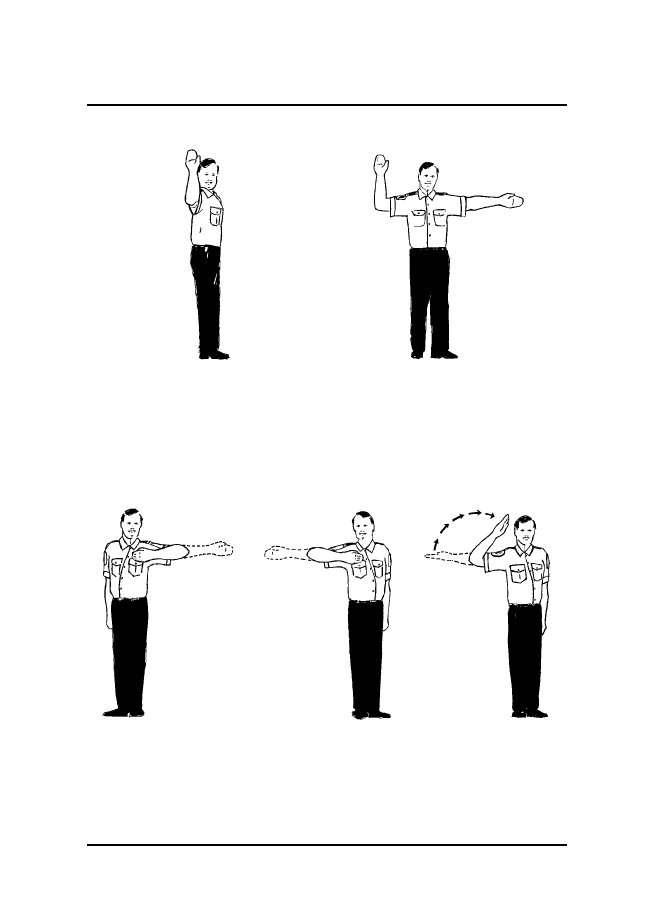
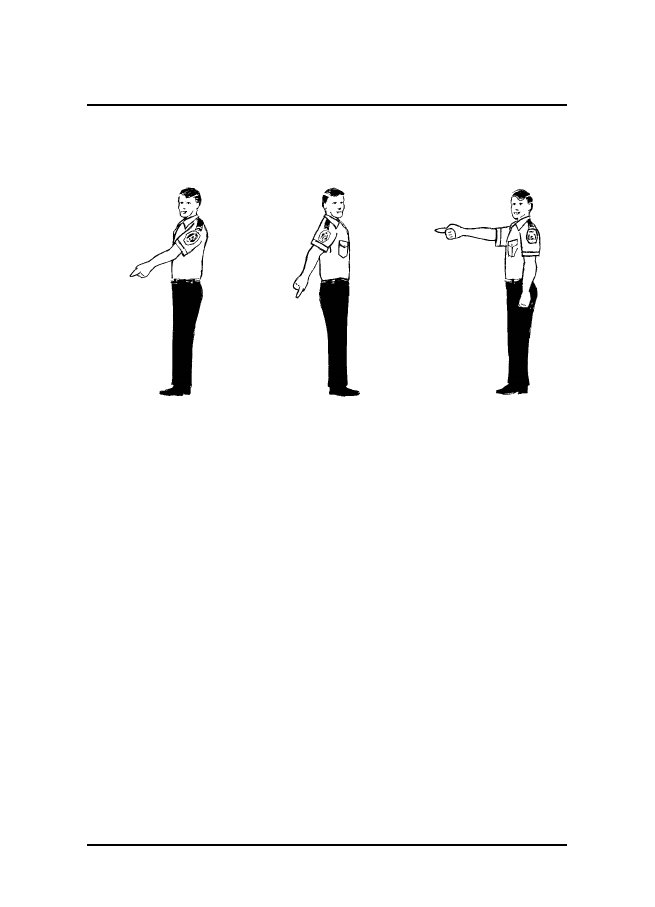
sign.(3)Without limiting subsection (2)(a), a
police officer may give adirectiontothedriverorpedestrianbysignallinginawaystated in
schedule 4—(a)for the driver of a vehicle or
animal—(i)to stop the vehicle or animal;
or(ii)to proceed;
or(iii)to stop the
vehicle or animal at the place indicated;or(b)for the driver of a train—(i)to stop the train; or(ii)to proceed;
or(c)for the pedestrian—(i)to stop; or(ii)to
proceed.(4)A signal shown in schedule 4 may be
given by using a singletraffic wand to signal in a way that
is as near as practicable tothe
signal.(5)In this section—trafficwandmeansadevice,whetherornotilluminated,commonly known
as a traffic wand.10BDeclared sections for Act, s 69A,
definitiontype2vehiclerelatedoffence,
paragraph (e)Each of the following provisions of
theTransport Operations(RoadUseManagement—VehicleStandardsandSafety)Regulation
1999is an offence prescribed for the Act,
section69A, definitiontype 2 vehicle
related offence, paragraph (e)—(a)section 5(1)(a), (b), (f) and (g);Page
16Reprint 6E effective 17 September
2012
Police Powers and Responsibilities Regulation
2000Part 3 Other provisions[s 10C](b)section 9;(c)section 30.10CApplication of Act, ch 4 to type 2 vehicle
relatedoffences—Act, s 73A(3)For section
73A(3) of the Act, the application of chapter 4 ofthe
Act to type 2 vehicle related offences is extended to thewhole State.11Corresponding lawsEach Act
mentioned in schedule 5 is a corresponding law forthe
provision of the Act mentioned in the part heading for thepart
of the schedule in which the Act is mentioned.12Acts
restricting starting of proceedingsEach Act
mentioned in schedule 6 is an Act to which the Act,section 799 applies.13Declared agencies(1)Each
entity mentioned in schedule 7 is a declared agency forthe
Act, schedule 6, definitiondeclared
agency.(2)Subsection (1)
is subject to any restriction stated in schedule 7for
the entity.14Legal aid organisationsEachorganisationmentionedinschedule8isalegalaidorganisationfortheAct,schedule6,definitionlegalaidorganisation.Reprint 6E effective 17 September 2012Page
17
Police
Powers and Responsibilities Regulation 2000Part 3 Other
provisions[s 15]15Relevant diseasesEachcommunicablediseasementionedinschedule9isarelevantdiseasefortheAct,schedule6,definitionrelevantdisease.16Responsibilities codeThe
responsibilities code is in schedule 10.16AAmendment of regulationOnthecommencementofthissection,areferenceinthisregulationtoanumberofaprovisionoftheAct(theoldnumber)thatnowhasanewnumberfollowingthecommencementofsection810oftheActisamendedbyomitting the old number and inserting the
new number.45ADetentions under the Domestic and
Family ViolenceProtection Act 2012Thefollowinginformationaboutanenforcementactconsisting of the detention of a person
under theDomestic andFamily Violence
Protection Act 2012, part 4, division 3 mustbe
included in the register of enforcement acts—(a)the
name and address of the person;(b)when
the person was detained;(c)the name, rank,
registered number, if any, and station ofthe police
officer who took the person into custody;(d)thegroundsthepoliceofficerhasforsuspectingthematters mentioned in theDomestic and
Family ViolenceProtection Act 2012, section
116;(e)iftheDomesticandFamilyViolenceProtectionAct2012, section
119(2)(a), (b) or (c) applies—the groundsfor the police
officer’s reasonable belief as mentioned inthat
subsection;Page 18Reprint 6E
effective 17 September 2012
Police Powers and Responsibilities Regulation
2000Part 3 Other provisions[s 45A](f)if an application is made under
theDomestic and FamilyViolence
Protection Act 2012, section 121—the groundsonwhichtheapplicationwasmade,whentheapplication was made, and the results
of the application;(g)each place to which the person is
taken to or held for thedetention, and when;(h)anyapparentinjurythepersonreceivedduringthedetention;(i)iftheDomesticandFamilyViolenceProtectionAct2012,section119(2)(a)applies—thedateandtimeatwhicharrangementstosafeguardtheaggrievedwerecompleted;(j)iftheDomesticandFamilyViolenceProtectionAct2012,section119(2)(b)applies—thedateandtimeatwhich the police officer reasonably believed
the personwascapableofunderstandingthenatureandeffectofthe
document mentioned in that subsection;(k)iftheDomesticandFamilyViolenceProtectionAct2012,section119(2)(c)applies—thedateandtimeatwhichthepoliceofficerreasonablybelievedtheperson’sbehaviournolongerpresentedacontinuingdanger of
personal injury or property damage;(l)when
the person was released from custody;(m)iftheDomesticandFamilyViolenceProtectionAct2012, section 127(1)
applies—each place the person istaken for
treatment, and the date and time the person istaken to each
place;(n)iftheDomesticandFamilyViolenceProtectionAct2012, section 127(2)
applies—the date, time and placeat which the
person is released from custody;(o)iftheDomesticandFamilyViolenceProtectionAct2012, section 128
applies—the date, time and place ofsafety at which
the person is released from custody, andthe name of the
person at the place who gave a signedundertaking to
provide care for the person.Reprint 6E
effective 17 September 2012Page
19
Police
Powers and Responsibilities Regulation 2000Part 4
Transitional regulations for relevant offences for surveillance
device warrants[s 45A]Part 4Transitional regulations forrelevant offences forsurveillance
device warrantsPage 20Reprint 6E
effective 17 September 2012
Schedule 2Police Powers and
Responsibilities Regulation 2000Schedule 2Relevant lawssection 9Collections Act 1966Drugs Misuse Act
1986Explosives Act 1999Lotteries Act
1997Nature Conservation Act 1992Property Agents and Motor Dealers Act
2000Racing Act 2002Second-hand
Dealers and Pawnbrokers Act 2003Security
Providers Act 1993Tow Truck Act 1973Transport
Operations (Marine Safety) Act 1994Transport
Operations (Passenger Transport) Act 1994Transport
Operations (Road Use Management) Act 1995Weapons Act
1990, but only in relation to a place used for 1
ofthefollowingpurposesunderalicenceorotherauthorityunder that Act—(a)approved range;(b)approved shooting club;(c)armourer;(d)collector;(e)dealer;(f)security guard;(g)security organisation;(h)shooting gallery;(i)theatrical ordnance supplier.Reprint 6E effective 17 September 2012Page
23
Police
Powers and Responsibilities Regulation 2000Schedule 3Schedule 3Acts for which
name andaddress may be requiredsection
10Animal Care and Protection Act 2001Casino Control Act 1982Classification
of Computer Games and Images Act 1995Classification
of Films Act 1991Classification of Publications Act
1991Gaming Machine Act 1991Health Act
1937Liquor Act 1992Nature
Conservation Act 1992Plant Protection Act 1989Public Safety Preservation Act 1986Racing Act 2002Residential
Tenancies and Rooming Accommodation Act 2008Second-hand
Dealers and Pawnbrokers Act 2003Summary Offences
Act 2005Tobacco and Other Smoking Products Act
1998Transport Operations (Road Use Management)
Act 1995Page 24Reprint 6E
effective 17 September 2012
Schedule 4Police Powers and
Responsibilities Regulation 2000Schedule 4Traffic signalssection
10A1 Stop signal for person facing
signalFigure 1figure
1(a)from the frontfigure
1(b)from the rearfigure
1(c)from left sideReprint 6E
effective 17 September 2012Page
25
Police
Powers and Responsibilities Regulation 2000Schedule 4figure 1(d)from right
sidefigure 1(e)combination from
front and rear2 Proceed signal for person facing
signalFigure 2figure
2(a)from left sidefigure
2(b)from right sidefigure
2(c)from right sidePage 26Reprint 6E effective 17 September
2012
Police Powers and Responsibilities Regulation
2000Schedule 43 Signal to stop
at place indicated for person facing signalFigure 3figure 3(a)in frontfigure 3(b)behindfigure 3(c)at kerb
etc.Reprint 6E effective 17 September 2012Page
27
Police
Powers and Responsibilities Regulation 2000Schedule 5Schedule 5Corresponding
lawssection 11Part 1Corresponding laws for Act,chapter 12Crimes (Assumed
Identities) Act 2004(Vic)Part 2Corresponding laws for Act,chapter 13Surveillance
Devices Act 1999(Vic)Part 3Corresponding laws for Act,s
722Crimes Act 1900(ACT)Crimes Act 1958(Vic)CriminalInvestigation(Extra-territorialOffences)Act1984(SA)CriminalInvestigation(Extra-territorialOffences)Act1985(NT)CriminalInvestigation(Extra-territorialOffences)Act1987(Tas)Page
28Reprint 6E effective 17 September
2012
Police Powers and Responsibilities Regulation
2000Schedule 5CriminalInvestigation(Extra-territorialOffences)Act1987(WA)LawEnforcement(PowersandResponsibilities)Act2002(NSW)Reprint 6E effective 17 September 2012Page
29
Police
Powers and Responsibilities Regulation 2000Schedule 6Schedule 6Acts restricting
starting ofproceedingssection
12Adoption of Children Act 1964Classification of Computer Games and Images
Act 1995Classification of Films Act 1991Classification of Publications Act
1991Corrective Services Act 2006Education (General Provisions) Act
2006Education (Queensland College of Teachers)
Act 2005Exotic Diseases in Animals Act 1981Explosives Act 1999Gaming Machine
Act 1991Motor Accident Insurance Act 1994Petroleum Products Subsidy Act 1965Public Trustee Act 1978Queensland
Building Services Authority Act 1991Queensland
Heritage Act 1992Soil Conservation Act 1986Timber Utilisation and Marketing Act
1987Tobacco Products (Licensing) Act 1988Travel Agents Act 1988Page 30Reprint 6E effective 17 September
2012
Schedule 7Police Powers and
Responsibilities Regulation 2000Schedule 7Declared agenciessection
131apoliceforceorpoliceserviceofanotherStateortheCommonwealth2The
following Commonwealth entities—•the
Australian Crime Commission•the
Australian Customs Service•the Australian
Securities and Investments Commission•the
Australian Taxation Office•theCommonwealthdepartmentwithinwhichtheMigration Act 1958(Cwlth) is
administered•Australian Security Intelligence
Organization•Austrac•the
unit of the Australian Defence Force known as theSpecialAirService,butonlywhenhelpingthepoliceservice reduce
the risk of serious injury to a person, andto the extent
disclosure of information under the Act isnecessary to
help reduce the risk.3The following
New South Wales entities—•the New South
Wales Crime Commission•the Police
Integrity Commission•ICAC.4CMC5A
Royal Commission or another commission of inquiry, notalready mentioned in this schedule,
established under a law oftheCommonwealthoraStateforinquiringintoallegationsinvolving the
commission of serious indictable offences.Reprint 6E
effective 17 September 2012Page
31
Police
Powers and Responsibilities Regulation 2000Schedule 76Interpol, but only—(a)forthetransmissionforcomparison,andthecomparison, of the results of a DNA
analysis with theresults of other DNA analyses; and(b)for the communication between the
police service andthe relevant agency of the results of the
comparison andany information about the results.7A law enforcement agency of a foreign
country, but only—(a)forthetransmissionforcomparison,andthecomparison, of the results of a DNA
analysis with theresults of other DNA analyses; and(b)for the communication between the
police service andthe relevant agency of the results of the
comparison andany information about the results.Page
32Reprint 6E effective 17 September
2012
Schedule 8Police Powers and
Responsibilities Regulation 2000Schedule 8Legal
aid organisationssection 14AboriginalandTorres StraitIslanderCorporation(QEAforLegal Services)Aboriginal and
Torres Strait Islanders Legal ServicesBidjara and
South West Queensland Aboriginal Legal ServiceIpswich Regional
Aboriginal and Torres Strait Islander LegalServicesMackayandDistrictAboriginalandTorresStraitIslandersLegal
ServiceNjiku Jowan Legal ServiceQueenslandAboriginalandTorresStraitIslanderLegalServices SecretariatSouth East
Queensland Legal ServiceTharpuntoo Legal ServiceTownsville and Districts Aboriginal and
Torres Strait IslanderLegal ServiceWakka Wakka
Legal Aboriginal CorporationWest Queensland
Aboriginal and Torres Strait Islander LegalServiceReprint 6E effective 17 September 2012Page
33
Police
Powers and Responsibilities Regulation 2000Schedule 9Schedule 9Relevant
diseasesChancroidChlamydiaDonovanosisGonorrhoeaHepatitis
BHepatitis CHepatitis
DHuman immunodeficiency virus (HIV)Lymphogranuloma venereumSyphilissection 15Page 34Reprint 6E effective 17 September
2012
Schedule 10Police Powers and
Responsibilities Regulation 2000Schedule
10Responsibilities codesection
16Part 1Preliminary1Short
titleThiscodemaybecitedasthePoliceResponsibilitiesCode2000.2Code does not generally apply to
covert operationsUnless this code otherwise expressly
provides, this code doesnot apply to functions of a police
officer performed as part ofa covert
operation.2ADefinitionsIn this
code—suspect, for part 6,
division 2, see section 46.Part 2Provisions about
searchwarrants, obtainingdocuments, and
crime scenesDivision 1Search
warrants3Search warrant applicationAn
application for a search warrant must state the following—Reprint 6E effective 17 September 2012Page
35
Police
Powers and Responsibilities Regulation 2000Schedule 10(a)theapplicant’sname,rank,registerednumberandstation;(b)a
description of the place to be searched;(c)for
an occupied place, the name of the occupier of theplace, if known;(d)theoffence,suspectedoffenceorconfiscationrelatedactivitytowhichtheapplicationrelatesor,foraforfeitureproceeding,theActunderwhichtheproceeding may be started;(e)adescriptionofthenatureofthethingsoughtthatisreasonablysuspectedofbeingevidenceofthecommissionoftheoffenceorconfiscationrelatedevidence in relation to the confiscation
related activity;(f)informationorevidencebeingreliedontosupportareasonable suspicion evidence of the
commission of anoffenceortheconfiscationrelatedevidenceisattheplace, or is
likely to be taken to the place within the next72 hours;(g)foreachsearchwarrantissued in the previous year inrelationtotheplaceorapersonsuspectedofbeinginvolved in the
commission of the offence or suspectedoffence, or the
confiscation related activity, to which theapplication
relates—(i)when and where the warrant was issued;
and(ii)the type of
offence or confiscation related activityto which the
warrant related; and(iii)whether anything
was seized under the warrant or aproceeding was
started after a search;Editor’s note—See
the Act, section 150(5)(b) (Search warrant application).(h)if authority to exercise any of the
following powers isbeingsought—whyitisnecessarytoexercisethepower—Page 36Reprint 6E effective 17 September
2012
Police Powers and Responsibilities Regulation
2000Schedule 10(i)powertosearchanyonefoundattheplaceforanythingsoughtunderthewarrantthatcanbeconcealed on the
person;(ii)power to search
anyone or anything in on or aboutto board, or be
put on, a transport vehicle;(iii)power to take a vehicle to, and search for
evidenceofthecommissionofanoffencethatmaybeconcealed in a
vehicle at, a place with appropriatefacilities for
searching the vehicle;(i)ifauthoritytoexecutethewarrantatnightisbeingsought,whyitisnecessarytoexecutethewarrantatnight;(j)for
an application for an order requiring a stated personto
give to a police officer stated documents—the nameor
position of the person to be ordered to produce thedocumentsandadescriptionofthedocumentstheperson is to be required to produce.Editor’s note—SeetheAct,section153(Orderinsearchwarrantaboutdocuments).Examples for
paragraph (h)—1Power to search
anyone found at the place may be necessarybecause the
nature of the thing sought may be concealed ona person.2Power to search anyone or anything in
on or about to board,or be put on, a transport vehicle may
be necessary becausethe offence relates to a transport vehicle
and involves thesafety of the vehicle or anyone who may be
in or on it.3Power to take a vehicle to a place
with appropriate facilitiesforsearchingthevehiclemaybenecessarybecausethenature of the thing sought may be
concealed in a vehicle orbecause the vehicle needs to be
scientifically examined.Example for paragraph (i)—It may be necessary to execute the
warrant at night for an earlymorning search to
prevent the loss or destruction of evidence, orbecause the
occupier is only at the place at night.Reprint 6E
effective 17 September 2012Page
37
Police
Powers and Responsibilities Regulation 2000Schedule 10Example for paragraph (j)—An order requiring a person to give
stated types of documents toa police officer
may be necessary because the place containsmanydocumentsunrelatedtotheoffenceorforfeitureproceeding or
because the documents are stored electronically,and
accessing the relevant documents is difficult.Editor’s
note—ApplicationsaremadeundertheAct,section150(Searchwarrantapplication).4Statement to accompany copy of search
warrantThe statement to be given to the occupier of
a place with acopy of a search warrant must state the
following—(a)the nature of the powers a police
officer may exerciseunder the warrant;(b)the
senior police officer present during the search must,assoonasreasonablypracticable,statetheofficer’sname, rank and
station or, if not in uniform, state he orsheisapoliceofficerandproducehisorheridentitycard
for inspection;(c)the occupier may ask another police
officer present forhis or her name, rank and station and, if
not in uniform,heorshe,ifasked,mustproduceanidentitycardforinspection;(d)the
effect of the Act,sections 622, 623, 626, 681 and691.Editor’s
note—SeetheAct,section158(Copyofsearchwarranttobegiventooccupier).Division 2Post-search approval5Post-search approval applicationAn
application for a post-search approval order must state thefollowing—Page 38Reprint 6E effective 17 September
2012
Police Powers and Responsibilities Regulation
2000Schedule 10(a)theapplicant’sname,rank,registerednumberandstation;(b)informationorevidencereliedontosupportareasonable suspicion—(i)inthecircumstancesexistingbeforethesearch,evidence of the
commission of an offence was at orabout the place,
or in the possession of a person ator about the
place and would have been concealedordestroyedunlesstheplacewasimmediatelyentered and
searched; or(ii)apart2offencehasbeen,isbeing,ormaybecommittedin,onorinrelationtoatransportvehicleandinvolvesthesafetyofthevehicleoranyone who may be in or on it;Editor’s note—See
the Act, section 159 for what is a part 2 offence.(c)in relation to the thing sought—the
type of offence inrelation to which the search was conducted,
or the Actunder which a forfeiture proceeding may be
started;(d)thenatureofthethingsoughtthatwasreasonablysuspectedofbeingevidenceofthecommissionofanoffence;(e)the
time, date and place of the search;(f)a
description of anything seized because of the search;(g)ifknown,thename,ageandaddressofeachpersondetained or searched;(h)informationaboutanyproceedingstartedagainstaperson, before or because of the search, for
an offence inrelation to which the search was
conducted;(i)ifanorderundertheAct,section693or694,fortheretention,disposal,returnordestructionofanythingseized is
sought, why the order should be made.Editor’s
note—ApplicationsaremadeundertheAct,section161(Post-searchapproval).Reprint 6E effective 17 September 2012Page
39
Police
Powers and Responsibilities Regulation 2000Schedule 106Appeal(1)Thissectionappliesifapoliceofficerconsidersthecommissioner should appeal against a
decision of a magistrateto order the disposal, destruction or
return of a thing seizedbecause of a search to prevent loss of
evidence.Editor’s note—See
the Act, section 163 (Appeal).(2)Thepoliceofficermustgivetothecommissionerareportexplaining the
reasons for appealing against the order.(3)The
report must be accompanied by—(a)a
copy of the application; and(b)a
copy of any transcript of the proceeding; and(c)anaffidavitidentifyinganyrelevantdocumentandstating anything else relevant to the
appeal.Division 3Crime
scenes7Who is an authorised assistant for
crime scene powersFortheAct,schedule6,definitionauthorisedassistant,aperson who is
not a police officer is an authorised assistantif—(a)in the opinion of the responsible
officer at a crime scene,the person has specialised knowledge
or skills of a kindnecessary for exercising a power mentioned
in the Act,section 176(1) at the crime scene;
and(b)thepersonisaskedbytheresponsibleofficeroraninvestigating
police officer to exercise the power.Examples—•a doctor,
pathologist or forensic scientist•a
photographer or fingerprint expert•an
electrician or carpenter•a person who can
operate an excavator or another machinePage 40Reprint 6E effective 17 September
2012
Police Powers and Responsibilities Regulation
2000Schedule 108Crime
scene warrant applicationAnapplicationforacrimescenewarrantmuststatethefollowing—(a)theapplicant’sname,rank,registerednumberandstation;(b)adescriptionoftheplacetowhichtheapplicationrelates;(c)for a crime scene that is an occupied
place—(i)thenameoftheoccupieroftheplace,ifknown;and(ii)whentheoccupierwasgivennoticeoftheapplication or,
if the occupier has not been givennotice, why
notice has not been given;(d)informationorevidencebeingreliedontoreasonablysatisfy the
issuer of the warrant—(i)asevenyearimprisonmentoffenceoranoffenceinvolvingdeprivationoflibertyhappenedattheplace; or(ii)there may be at
the place evidence, of a significantprobativevalue,ofthecommissionofaseriousviolent offence
that happened somewhere else;(e)whether the application is to establish a
crime scene orrelatestoacrimesceneestablishedundertheAct,section
165;(f)the suspected offence to which the
application relates;(g)if the crime
scene is a secondary crime scene, when andwhere the
relevant offence was committed, if known;(h)why
it is necessary to protect the place to search for andgatherevidenceofthecommissionofthesuspectedoffence;(i)informationaboutanyproceedingstartedagainstaperson for the offence for which the crime
scene is, or isto be, established.Editor’s
note—Reprint 6E effective 17 September
2012Page 41
Police
Powers and Responsibilities Regulation 2000Schedule 10See
the Act, section 170 (Application for crime scene warrant).9Crime scene warrant extension
applicationAnapplicationfortheextensionofacrimescenewarrantmust be
accompanied by a copy of the original warrant andstate the following—(a)theapplicant’sname,rank,registerednumberandstation;(b)when
and where the crime scene was established;(c)for
a crime scene that is an occupied place—when theoccupierwasgivennoticeoftheapplicationor,iftheoccupier has not
been given notice, why notice has notbeen
given;(d)whatinvestigationshavebeenconductedatthecrimescene;(e)why
it is necessary to extend the warrant;(f)informationaboutanyproceedingstartedagainstapersonfortheoffenceforwhichthecrimescenewasestablished;(g)the
time for which the extension is sought.Editor’s
note—Under the Act, section 173(2), the
application must be made before thewarrant stops
having effect.10Statement to accompany copy of crime
scene warrantThe statement to be given to the occupier of
a place with acopy of a crime scene warrant must state the
following—(a)the nature of the powers a police
officer may exercise atthe crime scene;(b)the
responsible officer at the crime scene must, as soonas
reasonably practicable, state the officer’s name, rankand
station, and, if not in uniform, state he or she is apoliceofficerandproduceanidentitycardforinspection;Page 42Reprint 6E effective 17 September
2012
Police Powers and Responsibilities Regulation
2000Schedule 10(c)the
occupier may ask another police officer present forhis
or her name, rank and station and, if not in uniform,the
officer, if asked, must produce an identity card forinspection;(d)the
effect of the Act, sections 179, 622, 623, 626, 681and
691.Editor’s note—See
the Act, section 175 (Copy of crime scene warrant to be given
tooccupier).Division 4Production notices11Production notice applicationAnapplicationforaproductionnoticemuststatethefollowing—(a)theapplicant’sname,rank,registerednumberandstation;(b)the
name of the cash dealer to be given the notice;(c)theoffence,suspectedoffenceorconfiscationrelatedactivitytowhichtheapplicationrelatesor,foraforfeitureproceeding,theActunderwhichtheproceeding may be started;(d)the nature of the documents
sought;Examples—•documents relating to transactions
conducted by B between31 December 1993 and 1 July
1995•documents relating to mortgages or
property sales to whichB is a party(e)informationorevidencebeingreliedontosupportareasonable suspicion documents held by the
cash dealermay be—(i)evidence of the commission of the offence;
or(ii)confiscationrelatedevidenceinrelationtotheconfiscation related activity;Reprint 6E effective 17 September 2012Page
43
Police
Powers and Responsibilities Regulation 2000Schedule 10(f)the applicant suspects that someone
other than the cashdealercommittedtheoffenceorsuspectedoffenceorwas involved in the confiscation
related activity;(g)foreachproductionnoticeissuedwithinthepreviousyearinrelationtothepersonsuspectedofbeinginvolved in the
commission of the offence or suspectedoffence or the
confiscation related activity, to which theapplication
relates—(i)when and where the notice was issued;
and(ii)the type of
offence or confiscation related activityto which the
notice related; and(iii)whetheranythingwasseizedoraproceedingstarted because
of the notice.Editor’s note—See
the Act, section 180 (Production notices).12Access order application(1)An
application for an access order must state the following—(a)theapplicant’sname,rank,registerednumberandstation;(b)thenameofthecashdealertowhomtheapplicationrelates;(c)the nature of the documents sought
under the productionnotice to which the application
relates;(d)thecashdealerhasproduceddocumentsitclaimscontain
privileged communications;(e)anoutlineofanyreasongivenbythecashdealerforclaimingthedocumentscontainprivilegedcommunications;(f)whennoticeoftheapplicationwasgiventothecashdealer;(g)why access to the documents is
necessary;(h)the type of order sought.Page
44Reprint 6E effective 17 September
2012
Police Powers and Responsibilities Regulation
2000Schedule 10Editor’s
note—SeetheAct,section185(Ifcashdealerclaimsdocumentscontainprivileged
communications).(2)Theapplicationmustbeaccompaniedbyacopyoftheapplication for the production notice,
a copy of the productionnoticegiventothecashdealer,andthesealedcontainerorenvelope containing the relevant
documents.Division 5Production
orders13Production order applicationAnapplicationforaproductionordermuststatethefollowing—(a)theapplicant’sname,rank,registerednumberandstation;(b)the
name of the person to whom the application relates;(c)the name of the person to be given the
production order(thenamed
person);(d)the confiscation
offence or serious crime related activityto which the
application relates;(e)thenatureofthepropertytrackingdocumentssoughtunder the production order;(f)informationorevidencebeingreliedontosupportareasonablesuspicionthenamedpersonpossessesadocumentthatmaybearelevantpropertytrackingdocument;(g)foreachproductionorderissuedwithinthepreviousyear in relation
to the person to whom the applicationrelates—(i)when and where the order was issued;
and(ii)how long the
order was in force; and(iii)thetypeofconfiscationoffenceorseriouscrimerelated activity to which the order related;
andReprint 6E effective 17 September 2012Page
45
Police
Powers and Responsibilities Regulation 2000Schedule 10(iv)howtheorderhelpedintheinvestigationoranother investigation; and(v)information about any proceeding
started becauseof the use of the production order.Editor’s note—See
the Act, section 189 (Production order applications).Part
3Covert evidence gatheringpowersDivision 1Monitoring orders and suspensionorders14Monitoring order and suspension order
applicationAnapplicationforamonitoringorderorsuspensionordermust
state the following—(a)theapplicant’sname,rank,registerednumberandstation;(b)thenameofthefinancialinstitutiontobegiventheorder;(c)the
name of the person about whom the application ismade
(thenamed person);(d)theconfiscationoffence,seriouscrimerelatedactivityorseriouscrimederivedpropertytowhichtheapplication relates;(e)informationorevidencebeingreliedontosupportareasonable suspicion that the named
person—(i)hascommitted,orisabouttocommit,theconfiscation offence; orPage 46Reprint 6E effective 17 September
2012
Police Powers and Responsibilities Regulation
2000Schedule 10(ii)was
involved in the commission, or is about to beinvolvedinthecommission,oftheconfiscationoffence;
or(iii)has benefited
directly or indirectly, or is about tobenefit directly
or indirectly, from the commissionof the
confiscation offence; or(iv)has been, or is
about to be, involved in the seriouscrime related
activity; or(v)hasacquireddirectlyorindirectly,orisabouttoacquiredirectlyorindirectly,theseriouscrimederived property;(f)the
name or names in which each relevant account withthe
financial institution is believed to be held;(g)the
type of information the institution is to be requiredto
give;(h)for each monitoring order or
suspension order issued inthe previous year in relation to an
account held with thefinancial institution by the named
person—(i)when and where the order was issued;
and(ii)how long the
order was in force; and(iii)thetypeofconfiscationoffence,seriouscrimerelated activity or serious crime derived
property towhich the order related; and(iv)howtheorderhelpedintheinvestigationoranother investigation; and(v)information about any proceeding
started becauseof the use of the order.Editor’s
note—SeetheAct,section199(Monitoringorderapplications)or205(Suspension order application).Reprint 6E effective 17 September 2012Page
47
Police
Powers and Responsibilities Regulation 2000Schedule 10Division 2Use of
surveillance devices undersurveillance warrants15Applications to Supreme Court judge to
be made withhelp of lawyerAn application
to a Supreme Court judge for a surveillancewarrant must, if
reasonably practicable, be made with the helpof a lawyer
approved by the commissioner.22Security of facilities used under a
surveillance devicewarrant(1)This
section applies to premises containing equipment beingused
by an interceptor to electronically record a conversationor
visual images under a surveillance device warrant.(2)The premises must—(a)be
capable of being locked; and(b)havesuitablefacilitiesforsecurelystoringrecordingsmade under the
warrant; and(c)be used in a way that prevents anyone
outside it fromhearingorseeinganythingbeinglistenedtoormonitored.(3)The
interceptor must take reasonable steps to ensure—(a)onlypoliceofficershelpingorinvolvedintheinvestigation, other interceptors, and
persons authorisedunder subsection (4) enter the premises;
and(b)whenthepremisesareunattended,thepremisesarelocked and any recordings made under the
warrant aresecurely stored at the premises or another
secure place.(4)Thefollowingpersonsarealsoauthorisedtoenterthepremises—(a)thepoliceofficerwhoappliedforthesurveillancedevice
warrant;(b)personsresponsibleforthemanagementofthepremises;Page 48Reprint 6E effective 17 September
2012
Police Powers and Responsibilities Regulation
2000Schedule 10(c)personsappointedbythecommissionertoinvestigatemisconduct;(d)anyoneelsetheinterceptorpermitstobepresentforhelping in or monitoring the
investigation.(5)ThissectiondoesnotapplytotheexerciseofpowersinQueensland under a corresponding warrant or
correspondingemergency authorisation.Division 3Covert search25Applications to be made with help of
lawyerAn application to a Supreme Court judge for
a covert searchwarrant must, if reasonably practicable, be
made with the helpof a lawyer approved by the
commissioner.26Covert search warrant
applicationThe application must state the
following—(a)theapplicant’sname,rank,registerednumberandstation;(b)a
description of the place to be searched;(c)the
type of organised crime related offence, designatedoffence or terrorism to which the
application relates;(d)foranoccupiedplace—ifknown,thenameoftheoccupieroftheplaceandanypersonreasonablysuspected of
being involved in the offence;(e)adescriptionofthenatureofthethingsoughtthatisreasonablysuspectedofbeingevidenceofthecommissionofanorganisedcrimerelatedoffence,designated offence or terrorism;(f)informationorevidencebeingreliedontosatisfyajudge there are reasonable grounds for
believing there isevidence of the organised crime, designated
offence orterrorism at the place;Reprint 6E
effective 17 September 2012Page
49
Police
Powers and Responsibilities Regulation 2000Schedule 10(g)for each warrant issued in the
previous year in relationto the place or person suspected of
being involved in theorganised crime to which the
application relates—(i)the type of
warrant; and(ii)when and where
the warrant was issued; and(iii)for
a surveillance device warrant or covert searchwarrant, how
long the warrant was in force; and(iv)whether the warrant related to a person or a
place;and(v)thetypeofoffencetowhichthewarrantrelated;and(vi)any evidence
seized during a search; and(vii) how a
previous covert search or surveillance devicewarranthelpedintheinvestigationoranotherinvestigation;
and(viii) information about any proceeding
started after thesearch or use of the surveillance
device.27Covert search warrant extension
applicationAnapplicationforanextensionofacovertsearchwarrantmust state the
following—(a)theapplicant’sname,rank,registerednumberandstation;(b)a
description of the place to be searched;(c)foranoccupiedplace—ifknown,thenameoftheoccupieroftheplaceandanypersonreasonablysuspected of
being involved in the offence;(d)the
type of organised crime related offence to which thewarrant relates;(e)adescriptionofthenatureofthethingsoughtthatisreasonablysuspectedofbeingevidenceofthecommission of an
organised crime related offence;Page 50Reprint 6E effective 17 September
2012
Police Powers and Responsibilities Regulation
2000Schedule 10(f)informationorevidencebeingreliedontosatisfyajudge there are reasonable grounds for
believing there isevidence of organised crime at the
place;(g)informationincludedintheapplicationforthecovertsearch warrant
about each warrant issued in the previousyear in relation
to the place or person suspected of beinginvolved in the
organised crime to which the applicationrelates.28Report on covert searchAreportontheexerciseofpowersunderacovertsearchwarrant must be accompanied by a copy of the
warrant andstate the following—(a)thereportingpoliceofficer’sname,rank,registerednumber and
station;(b)the organised crime related offence to
which the warrantrelates;(c)when
the powers under the warrant were exercised;(d)thefactsandcircumstancesofcompliancewiththewarrant and the conditions of its
issue;(e)particularsofanythingseized,inspectedorphotographed under the warrant;(f)a description of any order sought in
relation to anythingseized or photographed under the
warrant and the reasonfor the order.Examples of an
order—•an order that
anything seized and any photograph taken beretained for the
purpose of the investigation of the organisedcrime related
offence or another serious indictable offence•an
order that anything seized and any photograph taken beretained for the purpose of a proceeding
started under theCriminalProceedsConfiscationAct2002relatingtoanoffence arising out of the
investigation•an order that anything seized and any
photograph taken beretainedforuseasevidenceintheprosecutionofthepersons named in the
applicationReprint 6E effective 17 September 2012Page
51
Police
Powers and Responsibilities Regulation 2000Schedule 10•anorderthatathingseizedbedestroyedinawaythecommissioner considers appropriatePart
4Arrest and custody powers30DNA sample order
application—childAn application for an order of a Childrens
Court authorising aDNA sampler to take a DNA sample from a
child for DNAanalysis must state the following—(a)theapplicant’sname,rank,registerednumberandstation;(b)the
name of the child;(c)a stated indictable offence has been
committed;(d)information or evidence that may be
relied on to supporta reasonable suspicion that the child
has committed theindictable offence;(e)takingaDNAsampleforDNAanalysismaytendtoprove or disprove the child’s involvement in
the offence;(f)notice of the making of the
application has been givenundertheAct,section488andwhenthenoticewasgiven.Editor’s
note—Applications are made under the Act,
section 488 (Taking DNA samplefrom
child).31Disease test order applicationAnapplicationforadiseasetestordermuststatethefollowing—(a)theapplicant’sname,rank,registerednumberandstation;(b)the
name of the person to whom the application relates;Page
52Reprint 6E effective 17 September
2012
Police Powers and Responsibilities Regulation
2000Schedule 10(c)a
stated relevant offence has been committed;(d)takingabloodorurinesamplemayhelpfindoutwhetherthepersonmayhavetransmittedarelevantdisease to the
victim of the offence or another person;(e)informationsupportingtheapplicationandindicatingsemen, blood,
saliva or another bodily fluid may havebeen transmitted
to another person during or soon afterthe commission
of the offence;(f)the person has been advised of the
person’s right to havea lawyer present at the hearing of the
application;(g)ifthepersonisachild—noticeoftheapplicationhasbeen
given under the Act, section 541(2) and when thenotice was given.Editor’s
note—Applications are made under the Act,
section 540 (Application for orderfor blood and
urine testing of person).Part 5Powers and
responsibilitiesrelating to investigations andquestioning for indictableoffencesDivision 1Questioning relevant persons aboutindictable offences32Application of div 1This division
only applies to indictable offences.Reprint 6E
effective 17 September 2012Page
53
Police
Powers and Responsibilities Regulation 2000Schedule 1033Asking persons to attend for
questioning(1)Thissectionappliesifapoliceofficerwantstoquestionaperson as a suspect, other than a person
mentioned in the Act,section 398.(2)Ifthepoliceofficerapproachesthepersonwhennotatapolice station or police establishment, the
police officer mustcaution the person in a way substantially
complying with thefollowing—‘Iam(nameandrank)of(nameofpolicestationorpoliceestablishment).I wish to
question you about (briefly describe offence).Are you prepared
to come with me to (place of questioning)?Do you
understand that you are not under arrest and you donot
have to come with me?’.(3)If the person,
while not in the company of a police officer,attendsapolicestationorpoliceestablishmentforquestioning,thecautionmustsubstantiallycomplywiththefollowing—‘Iam(nameandrank)of(nameofpolicestationorpoliceestablishment).I wish to
question you about (briefly describe offence).Did you come
here of your own free will?’.(4)Beforethepoliceofficerstartstoquestiontheperson,thepolice officer must caution the person in a
way substantiallycomplying with the following—‘Do
you understand you are not under arrest?Do you
understand you are free to leave at any time unlessyou
are arrested?’.(5)If the police officer reasonably
suspects the person does notunderstandthecaution,theofficermayaskthepersontoexplain the meaning of the caution in
the person’s own words.(6)Ifnecessary,thepoliceofficermustfurtherexplainthecaution.Page 54Reprint 6E effective 17 September
2012
Police Powers and Responsibilities Regulation
2000Schedule 1034Right
to communicate with friend, relative or lawyer(1)If a
police officer must advise a relevant person of his or herrighttocontactafriend,relativeorlawyer,theadvicethepoliceofficergivesmustsubstantiallycomplywiththefollowing—‘You have the
right to telephone or speak to a friend or relativeto
inform that person where you are and to ask him or her tobe
present during questioning.You also have
the right to telephone or speak to a lawyer ofyour choice to
inform the lawyer where you are and to arrangeorattempttoarrangeforthelawyertobepresentduringquestioning.Ifyouwanttotelephoneorspeaktoanyofthesepeople,questioningwillbedelayedforareasonabletimeforthatpurpose.Is
there anyone you wish to telephone or speak to?’.Editor’s note—See
the Act, section 418 (Right to communicate with friend, relative
orlawyer).(2)If
the police officer reasonably suspects the relevant persondoes
not understand the advice, the police officer may ask therelevant person to explain the meaning of
theadvice in theperson’s own
words.(3)Ifnecessary,thepoliceofficermustfurtherexplaintheadvice.(4)If
the relevant person wants to speak to a lawyer, the policeofficer must, without unreasonable delay,
make available tothe person—(a)if
there is a regional lawyer list available and the personhasnotaskedtospeaktoaparticularlawyer—theregional lawyer
list; or(b)a telephone directory for the
region.(5)A police officer must not do or say
anything with the intentionof—Reprint 6E effective 17 September 2012Page
55
Police
Powers and Responsibilities Regulation 2000Schedule 10(a)dissuadingtherelevantpersonfromobtaininglegaladvice;
or(b)persuading a relevant person to
arrange for a particularlawyer to be present.Editor’s note—For
circumstances where this may not apply see the Act, section
441(When sections 418–422, 432 and 434 do not
apply).35Right to remain silent not
affected(1)Thissectionappliesifaperson,theperson’slawyer,orsomeone whose presence is required
during questioning of aperson indicates to the police officer
questioning or intendingto question the person—(a)if questioning has not started—the
person does not wantto answer questions; or(b)if questioning has started—the person
does not want toanswer any further questions.(2)Thepoliceofficermustclarifytheperson’sintentiontoexercise his or her right to silence
by asking the person—(a)whetherthepersondoesnotwanttoansweranyquestions generally or only questions about
the offencefor which the person is being questioned;
and(b)if any further question was asked
relating to the offenceoranotheroffence,whetherthepersonwouldnotanswer the question.(3)If the person confirms that he or she
does not want to answerany questions, the police officer must
not question or continueto question the person.(4)However, if the person later indicates
he or she is prepared toanswer questions, a police officer
must, before questioning orcontinuing to
question the person, ask the person—(a)why
he or she has decided to answer questions; and(b)if a
police officer or someone else in authority has toldthe
person to answer questions.Page 56Reprint 6E effective 17 September
2012
Police Powers and Responsibilities Regulation
2000Schedule 1036Questioning of Aboriginal people and Torres
StraitIslanders(1)A
police officer who is about to question a relevant person
thepoliceofficerreasonablysuspectsisanadultAborigineorTorres Strait Islander must, unless he or
she already knowsthe relevant person, first ask questions
necessary to establishthe person’s level of education and
understanding.(2)Thequestionsthepoliceofficermayaskincludequestions,notrelatedtotherelevantperson’sinvolvementintheoffence,thatmayhelpthepoliceofficerdecideiftheperson—(a)is
capable of understanding the questions put to him orher,whatishappeningtohimorher,andhisorherrights at law; and(b)is
capable of effectively communicating answers to thequestions; and(c)is
aware of the reason the questions are being asked.(3)Ifthepoliceofficerconsidersitisnecessarytonotifyarepresentativeofalegalaidorganisationthattherelevantperson is about
to be questioned in relation to an offence, thepolice officer
must inform the relevant person of the intentiontonotifythelegalaidorganisation,inawaysubstantiallycomplying with
the following—‘As you have not arranged for a lawyer to be
present, a legalaid organisation will be notified you are
here to be questionedabout your involvement in an
indictable offence’.Editor’s note—Fortheobligationtonotifythelegalaidorganisation,seetheAct,section
420.(4)If the relevant person has indicated
he or she does not wish totelephone or speak to a support person
or arrange for a supportpersontobepresentduringquestioning,thepoliceofficerconducting the questioning must inform the
relevant personthat he or she may have a support person
present during thequestioning.Reprint 6E
effective 17 September 2012Page
57
Police
Powers and Responsibilities Regulation 2000Schedule 10(5)The information given under subsection
(4) must substantiallycomply with the following—‘Is
there any reason why you don’t want to telephone or speaktoasupportpersonandarrangeforapersontobepresentduring
questioning?Doyouunderstandthatarrangementscanbemadeforasupport person to be present during
the questioning?Do you also understand that you do not have
to have a supportperson present during questioning?Do
you want to have a support person present?’.(6)Ifthepoliceofficerreasonablysuspectsthepersonisatadisadvantage in
comparison with members of the Australiancommunity
generally, and the person has not arranged for asupport person to be present during the
questioning, the policeofficer must arrange for a support
person to be present.Editor’s note—See
the Act, section 440 (List of support persons and
interpreters).37Cautioning relevant persons about the
right to silence(1)Apoliceofficermustcautionarelevantpersonabouttheperson’srighttosilenceinawaysubstantiallycomplyingwith
the following—‘Before I ask you any questions I must tell
you that you havethe right to remain silent.Thismeansyoudonothavetosayanything,answeranyquestion or make any statement unless
you wish to do so.However, if you do say something or make a
statement, it maylater be used as evidence.Do
you understand?’.Editor’s note—See
the Act, section 431 (Cautioning of persons).(2)If
the police officer reasonably suspects the relevant persondoes
not understand the caution, the police officer may ask thePage
58Reprint 6E effective 17 September
2012
Police Powers and Responsibilities Regulation
2000Schedule 10person to
explain the meaning of the caution in his or her ownwords.(3)Ifnecessary,thepoliceofficermustfurtherexplainthecaution.(4)If
questioning is suspended or delayed, the police officer mustensure the relevant person is aware he or
she still has the righttoremainsilentand,ifnecessary,againcautionthepersonwhen questioning
resumes.(5)If a police officer cautions a
relevant person in the absence ofsomeone else who
is to be present during the questioning, thecaution must be
repeated in the other person’s presence.38Provision of information relating to a
relevant person(1)If a person who is a relative, friend
or lawyer of a relevantpersonasksforinformationabouttherelevantperson’swhereabouts, the police officer receiving
the request must, ifthepersonaskingfortheinformationisnotknowntothepolice officer, ask the person—(a)if he or she is a relative, friend or
lawyer of the relevantperson; and(b)for
his or her name and address or, for a lawyer, place ofbusiness; and(c)if
the person makes the request personally—for proof ofhis
or her identity.Editor’s note—See
the Act, section 432 (Provision of information relating to a
relevantperson).(2)The
police officer may also ask any other question the policeofficerconsidersnecessarytoestablishthatthepersonisarelative, friend or lawyer of the
relevant person.(3)Also,thepoliceofficermustmakeorcausetobemadeacheckoftheregisterforinformationabouttherelevantperson.Reprint 6E effective 17 September 2012Page
59
Police
Powers and Responsibilities Regulation 2000Schedule 1039Right to interpreter(1)This section applies for deciding
whether to arrange for thepresenceofaninterpreterduringquestioningofarelevantperson.Editor’s note—See
the Act, section 433 (Right to interpreter).(2)A
police officer may ask the relevant person a question, otherthanaquestionrelatedtotheperson’sinvolvementintheoffence for which the person is to be
questioned, that will helpthe police officer decide if an
interpreter should be present.(3)Inparticular,thepoliceofficermayaskquestionsthatmayhelpthepoliceofficerdecidewhetherornottherelevantperson—(a)is capable of understanding the
questions put to him orher,whatishappeningtohimorher,andhisorherrights at law; and(b)is
capable of effectively communicating answers to thequestions; and(c)is
aware of the reason the questions are being asked.40Right of visiting foreign national to
communicate withembassy etc.(1)This
section applies if a police officer reasonably suspects arelevant person may have the right to
telephone or attempt totelephonetheembassyorconsularofficeofthecountryofwhich the person is a citizen.Editor’s note—SeetheAct,section434(Rightofvisitingforeignnationaltocommunicate with embassy etc.).(2)Fordecidingwhethertherelevantpersonhastherighttotelephoneorattempttotelephoneanembassyorconsularoffice, a police
officer may ask the relevant person a question,other than a
question related to the person’s involvement inthe offence for
which the person is to be questioned.Page 60Reprint 6E effective 17 September
2012
Police Powers and Responsibilities Regulation
2000Schedule 10(3)Ifthepoliceofficerreasonablysuspectsthepersonhastherighttotelephoneorattempttotelephoneanembassyorconsularoffice,thepoliceofficermustinformtherelevantperson of the
right in a way substantially complying with thefollowing—‘Before I ask
you any questions I must tell you that you havethe right to
telephone, or attempt to telephone, the embassy orconsular office of the country of which you
are a citizen.Do you want to telephone your embassy or
consular office?’.(4)If the police officer reasonably
suspects the relevant persondoes not
understand the advice, the police officer may ask theperson to explain the advice in his or her
own words.(5)Ifnecessary,thepoliceofficermustfurtherexplaintheadvice.41Rights of a person to be electronically
recorded(1)Ifitisnotreasonablypracticableforapoliceofficertoelectronicallyrecordthegivingtoarelevantpersonofinformation, including a caution, the
police officer must makeawrittenrecordofthegivingoftheinformationandtheperson’s response.Editor’s
note—SeetheAct,section435(Rightsofapersontobeelectronicallyrecorded).(2)The police officer must make the
record as if the Act, section437 applied to
the giving of the information and the response.42Procedure for reading back a written
record(1)This section applies if a police
officer makes a written recordof things said
by or to a relevant person during questioningbecauseitisnotreasonablypracticabletoelectronicallyrecord the
things said.Editor’s note—SeetheAct,sections436(Recordingofquestioningetc.)and437(Requirements for
written record of confession or admission).Reprint 6E
effective 17 September 2012Page
61
Police
Powers and Responsibilities Regulation 2000Schedule 10(2)Before reading to the relevant person
the written record of thethingssaid,thepoliceofficerquestioningthepersonmustexplain the procedure in a way substantially
complying withthe following—‘Some of the
questions I have asked you and your responseshave not been
electronically recorded.I have made a written record of the
unrecorded conversation.This is your copy of the record. I
will now read the writtenrecord aloud.Ifyouconsiderthereisanerrorintherecordorthereissomething left out of the record, you should
say so after I readthat part of the record aloud.You
will then be asked to say what the record should read.Do
you understand this is your opportunity to disagree withanything in the written record?Do
you understand this procedure?’.(3)If
the police officer reasonably suspects the relevant persondoesnotunderstandtheexplanation,thepoliceofficermayaskthepersontoexplaintheprocedureinhisorherownwords.(4)Ifnecessary,thepoliceofficermustfurtherexplaintheprocedure.Division 2Questioning etc. of personsdetained43Removal order applicationAn
application for a removal order must state the following—(a)theapplicant’sname,rank,registerednumberandstation;(b)the
name and age of the person to whom the applicationrelates;(c)where the person is held in custody;Page
62Reprint 6E effective 17 September
2012
Police Powers and Responsibilities Regulation
2000Schedule 10(d)whether the person is in custody for an
offence that hasnotbeendecided,orundersentenceforatermofimprisonment or, for a child, under a
detention order;(e)the type of indictable offence to
which the questioningor investigation relates;(f)whether the removal of the person into
police custody isfor questioning the person or for a stated
investigativeprocedure;(g)whether the person has been advised of the
application;(h)informationorevidenceaboutthenatureandseriousness of the offence;(i)information or evidence that may be
relied on—(i)tosupportasuspicionthepersonhascommittedthe offence
mentioned in the application; and(ii)to
satisfy a magistrate removal of the person from aprisonordetentioncentreisnecessaryforquestioning the person or the investigation
of theoffence.Editor’s
note—See the Act, section 399 (Application
for removal of person from lawfulcustody).44Detention period extension
application(1)Anapplicationbyapoliceofficerfortheextensionofadetentionperiodmustbemadeinawaythatallowstherelevant person or the person’s lawyer to
make submissionsabout the application.Example for
subsection (1)—If the application is faxed to a
magistrate, the relevant person may speakto the magistrate
by telephone.Editor’s note—ApplicationsaremadeundertheAct,section405(Applicationforextension of detention period).(2)Before the application is made, the
police officer must—Reprint 6E effective 17 September
2012Page 63
Police
Powers and Responsibilities Regulation 2000Schedule 10(a)telltherelevantpersonortheperson’slawyeroftheapplication; and(b)give
the person a copy of the application; and(c)ask
the person or the person’s lawyer if he or she—(i)agrees to the application or wants to oppose
it; and(ii)wants to make
submissions or say anything to thejustice or
magistrate hearing the application.(3)The
application must state the following—(a)theapplicant’sname,rank,registerednumberandstation;(b)the
following information about the person to whom theapplication relates—(i)the
person’s name, age and address;(ii)whetherthepersonisincustodyundertheCorrective Services Act 2000or
theYouth JusticeAct 1992for
an offence that has not been decidedor under a
sentence for a term of imprisonment or,for a child, a
detention order;Editor’s note—Now
see theCorrective Services Act 2006,
section 470.(iii)whether the
person is an Aborigine, a Torres StraitIslander,achild,orapersonwithimpairedcapacity;(iv)ifthepersonisachild—whetheraparentofthechild has been advised of the child’s
detention;(c)whether, since the questioning or
detention started, thepersonhasaskedtotelephoneorspeaktoarelative,friendorlawyerandhassincespokentoarelative,friend, lawyer or support person;(d)when the detention period started, how
long the personhasbeenquestioned,andwhatdelaystoquestioninghave
happened;Page 64Reprint 6E
effective 17 September 2012
Police Powers and Responsibilities Regulation
2000Schedule 10(e)theoffencetowhichthequestioningorinvestigationrelatesandinformationandevidenceaboutthenatureand seriousness
of the offence;(f)informationorevidencesupportingareasonablesuspicion the
relevant person has committed the offencementioned in the
application;(g)what investigations have taken
place;(h)why further detention of the person is
necessary;(i)the time sought for time out, the
purpose of the time out,and the period of time sought for
questioning.(4)The applicant must tell the justice or
magistrate whether ornot the relevant person or the
person’s lawyer wants to makesubmissions or
say anything to the justice or magistrate.Division 3Provisions about support persons44AEnsuring support persons understand
role(1)Beforeapoliceofficerquestionsarelevantpersoninthepresence of a
support person, the police officer must—(a)givethesupportpersoninformationintheapprovedformabouttheroleofsupportpersonsduringquestioning;
and(b)ensure, as far as practicable, that
the person understandsthe nature of the support person’s
role; and(c)ifthesupportpersonasks,giveanexplanationofanythingrelevanttotheperson’sroleasasupportperson;
and(d)inform the support person of the
identity of the relevantperson and why the person is being
questioned.(2)The information must include the
following—(a)a summary of sections 427, 428, 429
and 430 of the Act;(b)a statement that the support person
must act in the bestinterests of the relevant
person;Reprint 6E effective 17 September 2012Page
65
Police
Powers and Responsibilities Regulation 2000Schedule 10(c)a statement that, unless the support
person is a lawyer,the support person must not provide legal
advice to therelevantpersonbutmayasktherelevantpersonquestions to ensure the relevant person
understands—(i)that the person may ask for a lawyer
to be presentduringquestioningoratanytimebeforequestioning
ends; and(ii)thatthepersonisnotobligedtosayanythingduring
questioning; and(iii)thatanythingtherelevantpersonsaysduringquestioningmaybeusedinevidenceinacourt;and(iv)what is said by
a police officer during questioning.Part 6Powers in relation to persons incustodyDivision 1General requirements for witnessidentification45Management of witnesses during
identificationprocedure(1)The
way an identification procedure is conducted must allowonly
1 witness involved in the procedure to see or hear theprocedure at a time.(2)Also,afterawitnesshastakenpartintheprocedure,thewitness must, as far as reasonably
practicable, be preventedfrom speaking about the procedure to
any other witness untilthe procedure ends.(3)Also, if reasonably practicable, the
way a witness identifies apersonduringanidentificationproceduremustbeelectronically recorded.Page 66Reprint 6E effective 17 September
2012
Police Powers and Responsibilities Regulation
2000Schedule 10(4)A
police officer must not stop a person being present duringthe
procedure to support the witness unless—(a)the
other person is a witness involved in the procedure;or(b)theofficersuspectsthepersonwillinfluencethewitness’s decision or disrupt the
procedure.(5)Ifapoliceofficerstopssomeonebeingpresentduringtheprocedure to support a witness, the police
officer must—(a)give to the witness the reasons for
stopping the personbeing present; and(b)advise the witness he or she may arrange for
someoneelse to be present to support the witness;
and(c)if asked, allow someone else to be
present.Division 2Identification
parades46Application of div 2Thisdivisionappliesifapoliceofficerconductsanidentificationparadethatincludesapersonreasonablysuspected of
having committed an offence (thesuspect).47Recording of
identification paradeIfreasonablypracticable,apoliceofficermustcausethebehaviourandpositionofeachpersoninanidentificationparadetobephotographedorotherwiseelectronicallyrecorded.48Explanation of procedure(1)Apoliceofficermustexplaintheprocedureforanidentificationparadetoasuspectbeforeconductingtheidentification parade.Reprint 6E
effective 17 September 2012Page
67
Police
Powers and Responsibilities Regulation 2000Schedule 10(2)If the police officer reasonably
suspects the suspect does notunderstandtheprocedure,thepoliceofficermustaskthesuspect to explain the procedure in
his or her own words.(3)Ifnecessary,thepoliceofficermustfurtherexplaintheprocedure.(4)Theexplanationmustincludethepoliceofficertellingthesuspect the following—(a)the
identification parade can not be conducted unless thesuspect agrees;(b)the
suspect may have a friend, relative or lawyer presentattheidentificationparadeifthatpersoncanattendwithin a
reasonable time;(c)anyone present may not interfere with
the procedure inany way;(d)thesuspectmaychooseapositionintheparadeandchangepositionintheparadeaftereachwitnesshasviewed the parade;(e)thesuspect’sidentitywillnotbegiventoawitnessunless the
witness identifies the person and a proceedingis started
against the person.49Identification parade
conditionsA police officer conducting an
identification parade must, asfarasreasonablypracticable,replicatetheconditions,describedbythewitness,whenthewitnesssawapersoninvolved in the
offence, for example, by—(a)changing the
lighting in the room; or(b)varying the
distance from which the witness views theidentification
parade; or(c)concealingaspectsoftheparticipantsintheidentification parade.50Conducting the identification
parade(1)Each witness must view the
identification parade separately.Page 68Reprint 6E effective 17 September
2012
Police Powers and Responsibilities Regulation
2000Schedule 10(2)The
police officer conducting the identification parade mustaskthewitnesstocarefullyviewtheparadeandtostatewhether the
witness recognises anyone in the parade.(3)The
police officer must ask the question in a way that does notsuggesttheidentityofanyparticipantintheidentificationparade.(4)If the witness indicates he or she
recognises a person in theidentification parade, the police
officer conducting the parademust ask the
witness to clearly identify the person recognised,for
example, by stating the number of the person identified ordescribing his or her position in the
parade.51Use of suitable persons in the
identification paradeAn identification parade must include
the suspect and at least11 other people of similar physical
appearance and wearingsimilar clothing.Division 3Identification using photographs52General requirements for
identification usingphotographsTo avoid
directing the attention of the witness to a particularphotograph, the police officer must ensure
nothing is markedonanyphotographorthebackingboardonwhichthephotograph is mounted.53Conducting a photoboard
identification(1)A police officer showing witnesses a
photoboard must showthe photoboard to each witness
separately.(2)Also, the police officer must ask the
witness to carefully viewthephotoboardandtostatewhetherthewitnessrecognisesanyone whose
photo is on the photoboard.Reprint 6E
effective 17 September 2012Page
69
Police
Powers and Responsibilities Regulation 2000Schedule 10(3)The police officer must ask the
question in a way that does notsuggest the
identity of a person whose photograph is on thephotoboard.(4)Ifthewitnessindicatesheorsherecognisesapersoninaphotoonthephotoboard,thepoliceofficermustaskthewitness to—(a)clearly state the number of the photograph
the witnesshas identified as being that of the person
alleged to beresponsible for committing the relevant
offence; and(b)writethephotographnumberandthedatethephotoboard was shown to the
witness—(i)onthefrontofanunmarkedphotocopyofthephotoboard;
or(ii)onthebackofthephotoboardortheselectedphotograph;
and(c)signthephotoboard,photocopyorphotographwherethe
person has written on it.Part 7The
register54Searches of personsThefollowinginformationaboutanenforcementactconsistingofasearchofapersonmustbeincludedintheregister of enforcement acts—(a)if known, the name of the
person;(b)when and where the person was
searched;(c)the purpose of the search;(d)whetherthesearchinvolvedtheremovalofouterclothingincircumstancesrequiringthesearchtobeconducted out of public view;Page
70Reprint 6E effective 17 September
2012
Police Powers and Responsibilities Regulation
2000Schedule 10(e)forasearchbecauseofareasonablesuspicion—howlong the person
was detained for the search;(f)a
description of anything seized because of the search;(g)information about the return,
destruction or disposal ofanything seized.55Searches of vehiclesThefollowinginformationaboutanenforcementactconsistingofasearchofavehiclemustbeincludedintheregister of enforcement acts—(a)if known, the name of the person in
possession of thevehicle and anyone detained;(b)the registration number or a
description of the vehicle;(c)when
and where the search took place;(d)the
purpose of the search;(e)how long the
vehicle was detained for the search;(f)a
description of anything seized because of the search;(g)whether anything was damaged because
of the search;(h)information about the return,
destruction or disposal ofanything seized.56Searches of places other than
vehiclesThefollowinginformationaboutanenforcementactconsisting of a search of a place other than
a vehicle must beincluded in the register of enforcement
acts—(a)if known, the name of the person in
possession of theplace and anyone detained;(b)when and where the search took
place;(c)the purpose of the search;(d)a description of anything seized
because of the search;(e)whether anything
was damaged because of the search;Reprint 6E
effective 17 September 2012Page
71
Police
Powers and Responsibilities Regulation 2000Schedule 10(f)information about the return,
destruction or disposal ofanything seized.57Arrests and detentionsThefollowinginformationaboutanenforcementactconsisting of an arrest, the detention of a
person detained forinvestigationsorquestioningorarelevantpersonundersection415oftheActmustbeincludedintheregisterofenforcement acts—(a)if
known, the name of the person;(b)when
the person was arrested or detained;(c)for
an arrest, where a person is held;(d)for
a person detained, each place to which the person istaken to or held for the investigation or
questioning, andwhen;(e)anysignificanteventaffectingthetimeforwhichquestioningwassuspendedordelayed,forexample,because of a
time out period and the purpose of the timeout;(f)any apparent injury the person
received during the arrestor detention.Editor’s
note—See the Act, section 403 (Initial
period of detention for investigation orquestioning).58Search warrantsThe following
details about search warrants must be includedin the register
of enforcement acts—(a)when and where
the warrant was issued;(b)ifknown,thenameofthepersonmentionedintheapplicationforthesearchwarrantasthepersonsuspectedofbeinginvolvedintheoffence,suspectedoffenceorconfiscationrelatedactivitytowhichtheapplication relates;Page 72Reprint 6E effective 17 September
2012
Police Powers and Responsibilities Regulation
2000Schedule 10(c)the
type of offence or the confiscation related activity towhich the warrant related;(d)if the search warrant related to an
existing or proposedforfeiture proceeding—the type of
forfeiture proceedingto which the warrant related;(e)thebenefitsderivedfromthewarrant,including,forexample,anythingseizedduringthesearchandanyproceeding started after the
search.59Production noticesThe following
information about a production notice must beincluded in the
register of enforcement acts—(a)when
and where the notice was issued;(b)ifknown,thenameofthepersonmentionedintheapplicationfortheproductionnoticeasthepersonsuspectedofbeinginvolvedintheoffence,suspectedoffenceorconfiscationrelatedactivitytowhichtheapplication relates;(c)the
type of offence or the confiscation related activity towhich the production notice related;(ca)iftheproductionnoticerelatedtoanexistingorproposedforfeitureproceeding—thetypeofforfeitureproceeding to
which the production notice related;(d)thebenefitsderivedfromtheproductionnotice,including, for example, any document
produced underthe notice and any proceeding started after
the documentwas produced;(e)information about the return of any document
produced.Editor’s note—See
the Act, section 180 (Production notices).60Production ordersThe following
information about a production order must beincluded in the
register of enforcement acts—Reprint 6E
effective 17 September 2012Page
73
Police
Powers and Responsibilities Regulation 2000Schedule 10(a)when and where the order was
issued;(b)ifknown,thenameofthepersonmentionedintheapplication for
the production order as the person whowasfoundguiltyoftheconfiscationoffence,issuspected of having committed the
confiscation offenceor is suspected of having engaged in
the serious crimerelated activity to which the application
relates;(c)the type of confiscation offence or
serious crime relatedactivity to which the production order
related;(d)thebenefitsderivedfromtheproductionorder,including, for example, any document
produced underthe order and any proceeding started after
the documentwas produced;(e)information about the return of any document
produced.Editor’s note—See
the Act, section 189 (Production order applications).61Monitoring orders and suspension
ordersThe following information about applications
for monitoringorders or suspension orders must be recorded
in the register ofcovert acts—(a)when
and where the application for the order was made;(b)thenameofthefinancialinstitutionmentionedintheapplication;(c)thenameofthepersoninrelationtowhomtheapplication was made;(d)whether or not the order was issued;(e)if the order was issued—(i)the type of information the financial
institution wasrequired to give; and(ii)how
long the order was in force;(f)thebenefitsderivedfromtheorder,including,forexample—Page 74Reprint 6E effective 17 September
2012
Police Powers and Responsibilities Regulation
2000Schedule 10(i)any
proceeding started; and(ii)a brief
description of how using the order helped intheinvestigationofthesuspectedconfiscationoffenceorseriouscrimerelatedactivityorinidentifying,locatingorquantifyingthesuspectedserious crime
derived property in relation to whichthe order was
issued.Editor’s note—SeetheAct,section199(Monitoringorderapplications)or205(Suspension order application).64Things seized other than during a
searchThefollowinginformationaboutthingsseizedotherthanduringasearchmustbeincludedintheregisterofenforcement acts—(a)if
known, the name of the person from whom the thingwas
seized;(b)when and where it was seized;(c)the reason it was seized;(d)a description of the thing
seized;(e)information about the return,
destruction or disposal ofthe thing.65Directions givenThe following
information about a direction given to a personunder the Act,
section 48 must be included in the register ofenforcement
acts—(a)when the direction was given;(b)the location of the person when given
the direction;(c)the name of the person given the
direction, if known;(d)the reason for
giving the direction;(e)the apparent
demographic category of the person.Reprint 6E
effective 17 September 2012Page
75
Police
Powers and Responsibilities Regulation 2000Schedule 1065AExclusions of support persons from
questioningThefollowinginformationaboutsupportpersonsexcludedfrom questioning
under the Act, chapter 15, part 3, division 5must be included
in the register of enforcement acts—(a)the
excluded person’s name;(b)when and why the
person was excluded;(c)whether an
electronic record was made of the reason forthe exclusion
and if not, why not;(d)ifquestioningresumedaftertheperson’sexclusion—when
questioning resumed;(e)ifanothersupportpersonwaspresentduringquestioningwhenquestioningresumed—thatperson’sname.Part 8Dealing with things in thepossession of police service66Receipt for seized propertyAreceiptgivenforathingseizedmustincludethefollowing—(a)the
date and time the thing was seized;(b)iftakenfromaperson—thename,addressandtelephone contact number of the person, if
known;(c)if taken from an occupied place—the
name, address andtelephone contact number of the occupier of
the place, ifknown;(d)a
description of the thing seized;(e)the
name, rank, station and telephone contact number ofthe
police officer who seized the thing;(f)where the thing will be taken, if
known;Page 76Reprint 6E
effective 17 September 2012
Police Powers and Responsibilities Regulation
2000Schedule 10(g)the
date the receipt is issued.Editor’s
note—See the Act, section 622 (Receipt for
seized property).67Functions of property officer(1)A property officer has the following
functions—(a)to receive anything seized by a police
officer under theAct;(b)tokeeprecordsofanythingreceivedatthepropertypoint or by the property officer,
including—(i)the date the thing was received;
and(ii)the particulars
of the police officer who seized thething;
and(iii)a description of
the thing seized; and(iv)ifitisremovedfromthepropertyofficer’scustody—whenandwhyitleftthepropertyofficer’s
custody and when it was returned;(c)toensurethesafeandsecurestorageatthepropertypoint of the thing seized;(d)if appropriate, to transfer or arrange
the transfer of thething seized to—(i)anotherpropertypointforitssafeandsecurestorage;
or(ii)another place
for destruction or disposal; or(iii)a
declared agency;(e)if required under the Act or any other
Act—to destroy ordisposeofthethingseized inthewaydecidedbythecommissioner;(f)ifthethingismoneyotherthanmoneythatmustberetainedsoitcanbeusedasanexhibitinacourt—depositingthemoneyinafinancialinstitutionaccount operated
by the police service.Reprint 6E effective 17 September
2012Page 77
Police
Powers and Responsibilities Regulation 2000Schedule 10(2)Also,assoonasreasonablypracticableafterthepropertyofficerreceivesaseizedthing,thepropertyofficermustensure the thing
is capable of being easily identified.Example for
subsection (2)—The thing may have attached to it a
label or tag with a number or otheridentifier
identical to the number or identifier the property officer
hasassigned to the thing in the record.68Order after property seizedAn
application under the Act, section 694 or 695 for an orderrelating to a seized thing must state the
following—(a)theapplicant’sname,rank,registerednumberandstation;(b)a
description of the thing;(c)the
circumstances of the seizure, including, for example,if
the thing was seized under a search warrant;(d)relevantinformationaboutthething,including,forexample, the following—(i)the
nature of any interest a person has in the thing;(ii)the approximate
value of the thing;(iii)whether the
thing may be needed as evidence in aproceedingandthetypeofoffenceorforfeitureproceeding for
which it may be evidence;(e)the order
sought;(f)the reasons for seeking the
order.Page 78Reprint 6E
effective 17 September 2012
Schedule 12Police Powers and
Responsibilities Regulation 2000Schedule
12Dictionarysection 3AustracmeanstheAustralianTransactionReportsandAnalysis Centre under theFinancial Transaction Reports Act1988(Cwlth).crime scene indexsee section
8D.ICACmeanstheIndependentCommissionAgainstCorruptionundertheIndependentCommissionAgainstCorruption Act 1988(NSW).intimate procedure, for part 2A,
division 2, see section 8KA.missing persons
indexsee section 8E.New South Wales
Crime Commissionmeans the New SouthWales Crime
Commission under theNew South Wales CrimeCommission Act 1985(NSW).non-intimate procedure, for part 2A,
division 2, see section8KA.non-volunteers
(NT) index, for part 2A, see section 8KB.NT
database, for part 2A, division 2, see section
8KA.PoliceIntegrityCommissionmeansthePoliceIntegrityCommission under thePolice Integrity
Commission Act 1996(NSW).serious
offenders indexsee section 8F.statistical
indexsee section 8K.suspects
indexsee section 8G.unknown deceased
persons indexsee section 8H.volunteers
(limited purpose) indexsee section 8I.volunteers (NT)
index, for part 2A, see section 8KC.volunteers (unlimited purpose) indexsee
section 8J.Reprint 6E effective 17 September 2012Page
79
Police
Powers and Responsibilities Regulation 2000EndnotesEndnotes1Index to endnotesPage2Date to which amendments incorporated
. . . . . . . . . . . . . . . . . . . . . . . . . . . . . . . .
.803Key . . . . . . . . . . . . . . . . .
. . . . . . . . . . . . . . . . . . . . . . . . . . . . . . . . . .
. . . . . . . . . . .804Table of reprints
. . . . . . . . . . . . . . . . . . . . . . . . . . . . . . . . . .
. . . . . . . . . . . . . . . . . .815List
of legislation . . . . . . . . . . . . . . . . . . . . . . . . . .
. . . . . . . . . . . . . . . . . . . . . . . . .836List of annotations . . . . . . . . .
. . . . . . . . . . . . . . . . . . . . . . . . . . . . . . . . . .
. . . . . . .882Date to which amendments
incorporatedThis is the reprint date mentioned in the
Reprints Act 1992, section 5(c). Accordingly, thisreprint includes all amendments that
commenced operation on or before 17 September2012. Future
amendments of the Police Powers and Responsibilities Regulation
2000 maybe made in accordance with this reprint under
the Reprints Act 1992, section 49.3KeyKey to abbreviations in list of
legislation and annotationsKeyAIAamdamdtchdefdivexpgazhdginslapnotfdnumo in comorigpparaprecpresprevExplanation=Acts
Interpretation Act 1954=amended=amendment=chapter=definition=division=expires/expired=gazette=heading=inserted=lapsed=notified=numbered=order
in council=omitted=original=page=paragraph=preceding=present=previousPage 80Key(prev)procprovptpubdR[X]RArelocrenumrep(retro)rvsschsdivSIASIRSLsubunnumExplanation=previously=proclamation=provision=part=published=Reprint No. [X]=Reprints Act 1992=relocated=renumbered=repealed=retrospectively=revised edition=section=schedule=subdivision=Statutory Instruments Act 1992=Statutory Instruments Regulation
2002=subordinate legislation=substituted=unnumberedReprint 6E
effective 17 September 2012
Police Powers and Responsibilities Regulation
2000Endnotes4Table of reprintsReprints are
issued for both future and past effective dates. For the most
up-to-date tableof reprints, see the reprint with the latest
effective date.Ifareprintnumberincludesaletterofthealphabet,thereprintwasreleasedinunauthorised, electronic form only.ReprintNo.11A1B1C1D1E1F1G1H2Amendments tonone2000
SL No. 2092001 SL No. 532001 SL No.
1332001 SL No. 1622001 SL No.
1812001 SL No. 2692002 SL No.
822002 SL No. 1312002 SL No.
131Effective1 July
200011 August 20001 June
200110 August 200121 September
20018 October 20011 February
20021 May 20027 June
20027 June 2002Reprint
date7 July 200018 August
200010 August 200117 August
200128 September 200112 October
20011 February 200215 May
200221 June 20025 July
2002ReprintNo.2A2B2C2D2E2F rv2G2H2I2JAmendments included2002
SL No. 1962002 SL No. 2652002 SL No.
2702003 SL No. 62003 SL No.
282003 SL No. 922003 SL No.
2082003 SL No. 2512003 SL No.
286—2K2003 SL No.
3252L2003 SL No. 3542003 SL No.
3562M2003 SL No. 3553 rv2004
SL No. 53A2004 SL No. 953B2004
SL No. 1193C2004 SL No. 1493D2004
SL No. 2113E2004 SL No. 2212004 SL No.
2253F2004 SL No. 2463G—Effective9 August
20024 October 200228 October
200231 January 200328 February
200331 May 200320 September
200327 October 200322 November
20032 December 200312 December
200319 December 20032 February
200420 February 20041 July
20045 July 200410 August
20048 October 200422 October
200420 November 20044 December
2004Notesprov exp 1
December2003Revision notice issuedfor
R3prov exp 3 December2004Reprint 6E effective 17 September 2012Page
81
Police
Powers and Responsibilities Regulation 2000EndnotesReprintNo.3H3I3J3K3L3M3N44A4BAmendments included2004
SL No. 2722004 SL No. 2972005 SL No.
902005 SL No. 842005 SL No.
1432005 SL No. 1672005 SL No.
1432005 SL No. 2262005 SL No.
2572005 SL No. 270—4C2005 SL No. 2994D2005
SL No. 3104E2006 SL No. 154F2006
SL No. 884G—4H2006
SL No. 1314I2006 SL No. 1454J2006
SL No. 1312006 SL No. 1454K—4L2006 SL No.
1454M—4N—4O—4P2006 SL No. 24652006
SL No. 2915A2006 Act No. 575B2006
SL No. 3065C—5D2007
SL No. 1795E2007 SL No. 2016—6A2007 SL No. 2916B2008
SL No. 1766C2008 Act No. 736D2009
Act No. 346E2012 Act No. 5Effective10
December 200417 December 200420 May
20051 July 200522 July
20051 August 200516 September
200521 October 200519 November
20053 December 20059 December
20051 January 200617 February
200615 May 200629 May
200616 June 200630 June
20061 July 200611 August
200628 August 20068 October
200627 October 200628 October
200630 October 20061 December
20067 December 200615 December
20061 July 200730 July
200727 August 200727 August
200730 November 20071 July
20081 July 200929 March
201017 September 2012Notesprovs
exp 30 June 2005prov exp 2 December2005prov
exp 28 May 2006prov exp 10 August2006prov
exp 7 October2006prov exp 26 October2006prov exp 27 October2006provs exp 30 June 2007R5E
withdrawn, see R6Page 82Reprint 6E
effective 17 September 2012
Police Powers and Responsibilities Regulation
2000Endnotes5List
of legislationPolice Powers and Responsibilities Regulation
2000 SL No. 175made by the Governor in Council on 29 June
2000notfd gaz 30 June 2000 pp 736–48ss
1–2 commenced on date of notificationremaining
provisions commenced 1 July 2000 (see s 2)exp 31 August
2013 (see SIA s 56A(2) and SIR s 4 sch 2 pt 2)Note—The expiry
date may have changed since this reprint was published. See
thelatest reprint of the SIR for any
change.amending legislation—Police Powers and
Responsibilities Amendment Regulation (No. 1) 2000 SL No.
209notfd gaz 11 August 2000 pp 1322–3commenced on date of notificationPolice
Powers and Responsibilities Amendment Regulation (No. 1) 2001 SL
No. 53notfd gaz 25 May 2001 pp 334–6ss
1–2 commenced on date of notificationremaining
provisions commenced 1 June 2001 (see s 2)Police Powers and
Responsibilities Amendment Regulation (No. 2) 2001 SL No.
133notfd gaz 10 August 2001 pp 1390–1commenced on date of notificationPolice
Powers and Responsibilities Amendment Regulation (No. 3) 2001 SL
No. 162notfd gaz 14 September 2001 pp 139–40ss
1–2 commenced on date of notificationremaining
provisions commenced 21 September 2001 (see s 2)Police
Powers and Responsibilities Amendment Regulation (No. 4) 2001 SL
No. 181notfd gaz 5 October 2001 pp 411–12ss
1–2 commenced on date of notificationremaining
provisions commenced 8 October 2001 (see s 2)Pharmacists
Registration Regulation 2001 SL No. 267 ss 1–2, 14 sch 4notfd
gaz 14 December 2001 pp 1351–4ss 1–2 commenced
on date of notificationremaining provisions commenced 1
February 2002 (see s 2)Speech Pathologists Registration
Regulation 2001 SL No. 269 ss 1–2, 10 sch 3notfd gaz 14
December 2001 pp 1351–4ss 1–2 commenced on date of
notificationremaining provisions commenced 1 February
2002 (see s 2)Podiatrists Registration Regulation 2002 SL
No. 80 ss 1–2, 10 sch 3notfd gaz 26 April 2002 pp
1540–3ss 1–2 commenced on date of
notificationremaining provisions commenced 1 May 2002
(see s 2)Reprint 6E effective 17 September 2012Page
83
Police
Powers and Responsibilities Regulation 2000EndnotesPsychologists Registration Regulation 2002 SL
No. 82 ss 1–2, 60 sch 2notfd gaz 26 April 2002 pp
1540–3ss 1–2 commenced on date of
notificationremaining provisions commenced 1 May 2002
(see s 2)Police Powers and Responsibilities Amendment
Regulation (No. 1) 2002 SL No. 131notfd gaz 7 June
2002 pp 575–8commenced on date of notificationPolice
Powers and Responsibilities Amendment Regulation (No. 2) 2002 SL
No. 196notfd gaz 9 August 2002 pp 1362–3commenced on date of notificationPolice
Powers and Responsibilities Amendment Regulation (No. 3) 2002 SL
No. 265notfd gaz 4 October 2002 pp 423–4commenced on date of notificationPolice
Powers and Responsibilities Amendment Regulation (No. 4) 2002 SL
No. 270notfd gaz 11 October 2002 pp 526–7ss
1–2 commenced on date of notificationremaining
provisions commenced 28 October 2002 (see s 2)Police Powers and
Responsibilities Amendment Regulation (No. 1) 2003 SL No. 6notfd
gaz 31 January 2003 pp 318–19commenced on date
of notificationPolice Powers and Responsibilities Amendment
Regulation (No. 2) 2003 SL No. 28notfd gaz 28
February 2003 pp 774–5commenced on date of
notificationPolice Powers and Responsibilities Amendment
Regulation (No. 3) 2003 SL No. 92notfd gaz 23 May
2003 pp 287–8ss 1–2 commenced on date of
notificationremaining provisions commenced 31 May 2003
(see s 2)Police Powers and Responsibilities Amendment
Regulation (No. 4) 2003 SL No. 208notfd gaz 12
September 2003 pp 128–31ss 1–2 commenced on date of
notificationremaining provisions commenced 20 September
2003 (see s 2)Police Powers and Responsibilities Amendment
Regulation (No. 5) 2003 SL No. 251notfd gaz 24
October 2003 pp 624–5ss 1–2 commenced on date of
notificationremaining provisions commenced 27 October
2003 (see s 2)Police Powers and Responsibilities Amendment
Regulation (No. 6) 2003 SL No. 286notfd gaz 21
November 2003 pp 963–4ss 1–2 commenced on date of
notificationremaining provisions commenced 22 November
2003 (see s 2)Police Powers and Responsibilities Amendment
Regulation (No. 7) 2003 SL No. 325notfd gaz 12
December 2003 pp 1203–7commenced on date of
notificationPage 84Reprint 6E
effective 17 September 2012
Police Powers and Responsibilities Regulation
2000EndnotesPolice Powers and
Responsibilities Amendment Regulation (No. 8) 2003 SL No.
354notfd gaz 19 December 2003 pp 1307–13commenced on date of notificationPolice
Powers and Responsibilities Amendment Regulation (No. 9) 2003 SL
No. 355notfd gaz 19 December 2003 pp 1307–13ss
1–2 commenced on date of notifications 3 sch amdt 12
commenced 2 February 2004 (see s 2) (amdt could not be giveneffect)remaining
provisions commenced 2 February 2004 (see s 2)Police Powers and
Responsibilities Amendment Regulation (No. 10) 2003 SL No.
356notfd gaz 19 December 2003 pp 1307–13commenced on date of notificationPolice
Powers and Responsibilities Amendment Regulation (No. 1) 2004 SL
No. 5notfd gaz 20 February 2004 pp 703–4commenced on date of notificationPolice
Powers and Responsibilities Amendment Regulation (No. 2) 2004 SL
No. 95notfd gaz 25 June 2004 pp 573–81ss
1–2 commenced on date of notificationremaining
provisions commenced 1 July 2004 (see s 2)Second-hand
Dealers and Pawnbrokers Regulation 2004 SL No. 119 ss 1–2, 14 sch
3notfd gaz 2 July 2004 pp 705–7ss
1–2 commenced on date of notificationremaining
provisions commenced 5 July 2004 (see s 2)Note—A regulatory
impact statement and explanatory note were prepared.Police
Powers and Responsibilities Amendment Regulation (No. 3) 2004 SL
No. 149notfd gaz 6 August 2004 pp 1080–1ss
1–2 commenced on date of notificationremaining
provisions commenced 10 August 2004 (see s 2)Police Powers and
Responsibilities Amendment Regulation (No. 4) 2004 SL No.
211notfd gaz 8 October 2004 pp 477–8commenced on date of notificationPolice
Powers and Responsibilities Amendment Regulation (No. 5) 2004 SL
No. 221notfd gaz 22 October 2004 pp 657–8commenced on date of notificationPolice
Powers and Responsibilities Amendment Regulation (No. 6) 2004 SL
No. 225notfd gaz 22 October 2004 pp 657–8commenced on date of notificationPolice
Powers and Responsibilities Amendment Regulation (No. 7) 2004 SL
No. 246notfd gaz 19 November 2004 pp 955–6ss
1–2 commenced on date of notificationremaining
provisions commenced 20 November 2004 (see s 2)Reprint 6E
effective 17 September 2012Page
85
Police
Powers and Responsibilities Regulation 2000EndnotesTobacco and Other Smoking Products Amendment
Regulation (No. 1) 2004 SL No.272 s 1, pt
4notfd gaz 10 December 2004 pp 1195–8commenced on date of notificationPolice
Powers and Responsibilities Amendment Regulation (No. 8) 2004 SL
No. 297notfd gaz 17 December 2004 pp 1277–85commenced on date of notificationPolice
Powers and Responsibilities Amendment Regulation (No. 1) 2005 SL
No. 84notfd gaz 13 May 2005 pp 149–50ss
1–2 commenced on date of notificationremaining
provisions commenced 1 July 2005 (see s 2)Note—An
explanatory note was prepared.Police Powers and
Responsibilities Amendment Regulation (No. 2) 2005 SL No. 90notfd
gaz 20 May 2005 pp 224–6commenced on date of
notificationPolice Powers and Responsibilities Amendment
Regulation (No. 3) 2005 SL No. 143notfd gaz 1 July
2005 pp 763–6ss 7–8 commenced 1 August 2005 (see s
2)remaining provisions commenced on date of
notificationPolice Powers and Responsibilities Amendment
Regulation (No. 4) 2005 SL No. 167notfd gaz 22 July
2005 pp 988–9commenced on date of notificationPolice
Powers and Responsibilities Amendment Regulation (No. 5) 2005 SL
No. 226notfd gaz 16 September 2005 pp 226–7commenced on date of notificationPolice
Powers and Responsibilities Amendment Regulation (No. 6) 2005 SL
No. 257notfd gaz 21 October 2005 pp 690–1commenced on date of notificationPolice
Powers and Responsibilities Amendment Regulation (No. 7) 2005 SL
No. 270notfd gaz 18 November 2005 pp 1052–3ss
1–2 commenced on date of notificationremaining
provisions commenced 19 November 2005 (see s 2)Police Powers and
Responsibilities Amendment Regulation (No. 8) 2005 SL No.
299notfd gaz 9 December 2005 pp 1375–8commenced on date of notificationEducation and Other Legislation Amendment
Regulation (No. 1) 2005 SL No. 310pts 1, 4notfd
gaz 16 December 2005 pp 1490–6ss 1–2 commenced
on date of notificationremaining provisions commenced 1
January 2006 (see s 2)Police Powers and Responsibilities
Amendment Regulation (No. 1) 2006 SL No. 15notfd gaz 17
February 2006 pp 699–700Page 86Reprint 6E
effective 17 September 2012
Police Powers and Responsibilities Regulation
2000Endnotescommenced on date
of notificationPolice Powers and Responsibilities Amendment
Regulation (No. 2) 2006 SL No. 88notfd gaz 11 May
2006 pp 159–60ss 1–2 commenced on date of
notificationremaining provisions commenced 15 May 2006
(see s 2)Police Powers and Responsibilities Amendment
Regulation (No. 3) 2006 SL No. 131notfd gaz 16 June
2006 pp 787–90ss 1–2 commenced on date of
notifications 4 commenced 1 July 2006 (see s 2)remaining provisions commenced on date of
notificationNote—An explanatory note was
prepared.Police Powers and Responsibilities and Other
Legislation Amendment Regulation(No. 1) 2006 SL
No. 145 pts 1, 3 s 10 schnotfd gaz 23 June 2006 pp
898–902ss 1–2 commenced on date of
notificationss 11, 14 commenced 1 July 2006 (see s
2(1)–(2))s 18 commenced 28 August 2006 on the day s
124 of the Corrective Services Act2006 commenced
(see s 2(3) and 2006 SL No. 213)remaining
provisions commenced 30 June 2006 (see s 2(1))Education (General
Provisions) Regulation 2006 SL No. 246 ss 1, 2(3), 90(1) sch
1notfd gaz 6 October 2006 pp 577–80ss
1–2 commenced on date of notificationremaining
provisions commenced 30 October 2006 (see s 2(3))Police
Powers and Responsibilities Amendment Regulation (No. 4) 2006 SL
No. 291notfd gaz 1 December 2006 pp 1587–90commenced on date of notificationPolice
Powers and Responsibilities and Other Legislation Amendment Act
2006 No.57 s 1, pt 3date of assent 7
December 2006commenced on date of assentPolice
Powers and Responsibilities and Other Legislation Amendment
Regulation(No. 2) 2006 SL No. 306 pts 1–2notfd
gaz 15 December 2006 pp 1861–5ss 6(3), 7(3)
commenced on date of notification (amdts could not be given
effect)commenced on date of notificationSummary Offences and Another Regulation
Amendment Regulation (No. 1) 2007 SLNo. 179 ss
1–2(1), pt 2notfd gaz 27 July 2007 pp 1645–6ss
1–2 commenced on date of notificationremaining
provisions commenced 30 July 2007 (see s 2(1))Recreation Areas
Management Regulation 2007 SL No. 201 ss 1–2, 67 sch 1notfd
gaz 17 August 2007 pp 2023–5ss 1–2 commenced
on date of notificationReprint 6E effective 17 September
2012Page 87
Police
Powers and Responsibilities Regulation 2000Endnotesremaining provisions commenced 27 August
2007 (see s 2)Note—A regulatory impact statement and
explanatory note were prepared.Police Powers and
Responsibilities Amendment Regulation (No. 1) 2007 SL No.
291notfd gaz 30 November 2007 pp 1824–6ss
1–2 commenced on date of notificationremaining
provisions commenced 30 November 2007 (see s 2)Note—An
explanatory note was prepared.Police Powers and
Responsibilities Amendment Regulation (No. 1) 2008 SL No.
176notfd gaz 27 June 2008 pp 1268–78ss
1–2 commenced on date of notificationremaining
provisions commenced 1 July 2008 (see s 2)Note—An
explanatory note was prepared.Residential
Tenancies and Rooming Accommodation Act 2008 No. 73 ss 1–2, 554
sch1date of assent 11 December 2008ss
1–2 commenced on date of assentremaining
provisions commenced 1 July 2009 (2009 SL No. 40)Juvenile Justice and Other Acts Amendment Act
2009 No. 34 ss 1, 2(2), 45(1) sch pt 1amdt 28date
of assent 17 September 2009ss 1–2 commenced on date of
assentremaining provisions commenced 29 March 2010
(2010 SL No. 37)Domestic and Family Violence Protection Act
2012 No. 5 ss 1–2, pt 11 div 4date of assent 17
February 2012ss 1–2 commenced on date of assentremaining provisions commenced 17 September
2012 (see s 2)6List of annotationsDictionarys 3amd
2003 SL No. 355 s 3 sch; 2004 SL No. 5 s 3PART 2—NOTIFIED
AREASpt hdgom 2006 SL No.
291 s 3Applying for notified area declarations
4amd 2001 SL No. 133 s 3; 2005 SL No. 299 s
3om 2006 SL No. 291 s 3Content of
approved forms 5amd 2002 SL No. 270 s 4om
2006 SL No. 291 s 3Steps before applying for a temporary
declarations 6om 2006 SL No. 291 s 3Page
88Reprint 6E effective 17 September
2012
Police Powers and Responsibilities Regulation
2000EndnotesSteps before
applying for an extended declarations 7amd
2005 SL No. 299 s 4om 2006 SL No. 291 s 3Information to be
included in notices 8om 2006 SL No. 291 s 3Extension of period for which an area is a
notified areas 8Ains 2001 SL No. 133 s 5om
2006 SL No. 291 s 3Declaration of notified areas—Act, s
41s 8B(prev s 8A) ins 2000 SL No. 209 s
3sub 2001 SL No. 53 s 4renum 2001 SL No.
133 s 4amd 2003 SL No. 355 s 3 sch; 2004 SL No. 5 s
4om 2006 SL No. 291 s 3PART 2A—FORENSIC
PROCEDURE PROVISIONSDivision 1—QDNA indexesdiv hdgins
2004 SL No. 297 s 3QDNA indexess 8Cins
2003 SL No. 355 s 4Crime scene indexs 8Dins
2003 SL No. 355 s 4amd 2004 SL No. 297 s 4; 2006 SL No. 145 s
10 schMissing persons indexs 8Eins
2003 SL No. 355 s 4amd 2006 SL No. 145 s 10 schSerious offenders indexs 8Fins
2003 SL No. 355 s 4amd 2005 SL No. 226 s 3; 2006 SL No. 145 s
10 schSuspects indexs 8Gins
2003 SL No. 355 s 4amd 2006 SL No. 145 s 10 schUnknown deceased persons indexs
8Hins 2003 SL No. 355 s 4amd 2006 SL No.
145 s 10 schVolunteers (limited purpose) indexs
8Iins 2003 SL No. 355 s 4amd 2004 SL No.
297 s 5; 2006 SL No. 145 s 10 schVolunteers
(unlimited purpose) indexprov hdgamd 2004 SL No.
297 s 6(1)s 8Jins 2003 SL No. 355 s 4amd
2004 SL No. 297 s 6(2)–(3); 2006 SL No. 145 s 10 schReprint 6E effective 17 September 2012Page
89
Police
Powers and Responsibilities Regulation 2000EndnotesStatistical indexs 8Kins
2003 SL No. 355 s 4amd 2006 SL No. 145 s 10 schDivision 2—Northern Territory database
indexesdiv 2 (ss 8KA–8KC)ins 2004 SL No.
297 s 7Division 3—Permissible comparisonsdiv
hdgins 2004 SL No. 297 s 7Table of
permissible comparisonss 8Lins 2003 SL No.
355 s 4amd 2006 SL No. 145 s 10 schExemptions 8Mins
2003 SL No. 355 s 4amd 2006 SL No. 145 s 10 schPART
2B—PROVISIONS FOR ACT, ss 604–607pt hdgprev
pt 2B hdg ins 2004 SL No. 95 s 4exp 30 June 2005
(see prev s 8P)pres pt 2B hdg ins 2005 SL No. 167 s
3amd 2007 SL No. 179 s 4Declared
localities—Act, s 604s 8Nprev s 8N ins
2004 SL No. 95 s 4exp 30 June 2005 (see prev s 8P)pres
s 8N ins 2005 SL No. 167 s 3amd 2006 SL No.
131 s 4Particulars for register under Act, s
605s 8Oprev s 8O ins 2004 SL No. 95 s
4exp 30 June 2005 (see prev s 8P)pres
s 8O ins 2005 SL No. 167 s 3Extension of
operation of ss 604–608 of Act—Act, s 608s 8Pprev
s 8P ins 2004 SL No. 95 s 4exp 30 June 2005 (see prev s
8P)pres s 8P ins 2005 SL No. 84 s 4amd
2006 SL No. 131 s 5; 2006 SL No. 306 s 3om 2007 SL No.
179 s 5Expiry of parts 8Qins
2005 SL No. 84 s 4amd 2006 SL No. 131 s 6; 2006 SL No. 306 s
4om 2007 SL No. 179 s 5Relevant
lawss 9amd 2003 SL No. 355 s 3 schPrescribed circumstances for requiring name
and addresss 10amd 2003 SL No. 355 s 3 schPrescribed way of giving directions to
regulate traffics 10Ains 2003 SL No. 356 s 3Page
90Reprint 6E effective 17 September
2012
Police Powers and Responsibilities Regulation
2000Endnotesamd 2003 SL No.
355 s 3 schDeclaredsectionsforAct,s69A,definition“type2vehiclerelatedoffence”,paragraph
(e)s 10Bins 2006 Act No. 57 s 45Application of Act, ch 4 to type 2 vehicle
related offences—Act, s 73A(3)s 10Cins
2007 SL No. 291 s 4amd 2008 SL No. 176 s 4Corresponding
lawss 11amd 2003 SL No. 355 s 3 sch; 2004 SL
No. 5 s 5sub 2006 SL No. 145 s 11Acts restricting
starting of proceedingss 12amd 2003 SL No.
355 s 3 sch; 2004 SL No. 5 s 6Declared
agenciesprov hdgsub 2006 SL No.
145 s 12s 13amd 2003 SL No. 355 s 3 sch; 2004 SL
No. 5 s 7; 2006 SL No. 145 s 12Legal aid
organisationss 14amd 2003 SL No. 355 s 3 sch; 2004 SL
No. 5 s 8Relevant diseasess 15amd
2003 SL No. 355 s 3 sch; 2004 SL No. 5 s 9Responsibilities
codes 16amd 2003 SL No. 355 s 3 sch; 2004 SL
No. 5 s 10Amendment of regulations 16Ains
2006 SL No. 291 s 4Detentions under the Domestic and Family
Violence Protection Act 2012s 45Ains
2012 Act No. 5 s 229PART 4—TRANSITIONAL REGULATIONS FOR RELEVANT
OFFENCES FORSURVEILLANCE DEVICE WARRANTSpt
hdgprev pt 4 hdg om R1 (see RA s 40)pres
pt 4 hdg ins 2006 SL No. 145 s 13Relevant offences
for Act, s 351s 17orig s 17 om R1 (see RA s 40)prev
s 17 ins 2006 SL No. 145 s 13exp 30 June 2007
(see s 17(3))Regulation amended in pt 4s
18om R1 (see RA s 40)SCHEDULE 1—TABLE
OF PERMISSIBLE COMPARISONSins 2003 SL No. 355 s 9sub
2004 SL No. 297 s 8SCHEDULE 2—RELEVANT LAWS(prev sch 1) amd
2002 SL No. 131 s 3; 2002 SL No. 270 s 5Reprint 6E
effective 17 September 2012Page
91
Police
Powers and Responsibilities Regulation 2000Endnotesrenum
2003 SL No. 355 s 8amd 2004 SL No. 119 s 14 sch 3; 2004 SL No.
221 s 2 sch; 2005 SL No. 143 s4SCHEDULE3—ACTSFORWHICHNAMEANDADDRESSMAYBEREQUIRED(prev sch 2) amd
2002 SL No. 270 s 6; 2003 SL No. 354 s 3renum 2003 SL No.
355 s 8amd 2004 SL No. 119 s 14 sch 3; 2004 SL No.
221 s 2 sch; 2004 SL No. 272 s10; 2006 SL No.
145 s 10 sch; 2008 Act No. 73 s 554 sch 1SCHEDULE 4—TRAFFIC
SIGNALS(prev sch 2A) ins 2003 SL No. 356 s 5renum
2003 SL No. 355 s 8SCHEDULE 5—CORRESPONDING LAWS(prev
sch 3) renum 2003 SL No. 355 s 8amd 2006 SL No.
15 s 3sub 2006 SL No. 145 s 14SCHEDULE 6—ACTS
RESTRICTING STARTING OF PROCEEDINGS(prev sch 4) amd
2001 SL No. 267 s 14 sch 4; 2001 SL No. 269 s 10 sch 3;2002
SL No. 80 s 10 sch 3; 2002 SL No. 82 s 60 sch 2; 2002 SL No. 131
s4renum 2003 SL No. 355 s 8amd
2005 SL No. 143 s 5; 2005 SL No. 310 s 8; 2006 SL No. 131 s 7;
2006SL No. 246 s 90(1) sch 1; 2006 SL No. 306 s
5; 2007 SL No. 201 s 67 sch 1SCHEDULE
7—DECLARED AGENCIESsch hdgamd 2006 SL No.
145 s 15sch 7(prev sch 5) amd 2002 SL No. 131 s 5;
2003 SL No. 6 s 3; 2003 SL No. 355 s5renum
2003 SL No. 355 s 8SCHEDULE 8—LEGAL AID ORGANISATIONS(prev
sch 6) renum 2003 SL No. 355 s 8SCHEDULE
9—RELEVANT DISEASES(prev sch 7) amd 2003 SL No. 356 s 4renum
2003 SL No. 355 s 8SCHEDULE 10—RESPONSIBILITIES CODE(prev
sch 8) renum 2003 SL No. 355 s 8Definitionss
2Ains 2004 SL No. 5 s 11def“interceptor”om 2006 SL No.
306 s 6(1)Search warrant applications
3amd 2003 SL No. 354 s 4Who is an
authorised assistant for crime scene powerss 7amd
2005 SL No. 299 s 5(1)Page 92Reprint 6E
effective 17 September 2012
Police Powers and Responsibilities Regulation
2000EndnotesProduction notice
applications 11amd 2003 SL No. 354 s 5; 2005 SL No.
299 s 5(2)–(3)Production order applications
13amd 2003 SL No. 354 s 6PART 3—COVERT
EVIDENCE GATHERING POWERSDivision 1—Monitoring orders and
suspension ordersdiv hdgsub 2003 SL No.
354 s 7Monitoring order and suspension order
applicationprov hdgsub 2003 SL No.
354 s 8(1)s 14amd 2003 SL No. 354 s 8(2)–(5)Surveillance warrant application—Supreme
Court judges 16amd 2005 SL No. 299 s 5(4)–(6)om
2006 SL No. 145 s 16(1)Surveillance warrant
application—Magistrates 17amd 2005 SL No.
299 s 5(7)–(8)om 2006 SL No. 145 s 16(1)Surveillance warrant extension
applications 18om 2006 SL No. 145 s 16(1)Approval of emergency use of surveillance
devices applications 19om 2006 SL No. 145 s 16(1)Powers
relating to use of surveillance devices 20amd
2004 SL No. 221 s 2 schom 2006 SL No. 145 s 16(1)Report
on activities under a surveillance warrants 21om
2006 SL No. 145 s 16(1)Security of facilities used under a
surveillance device warrantprov hdgamd 2006 SL No.
145 s 16(2)s 22amd 2006 SL No. 145 s 16(3)–(5)Storage of recordings made under a
surveillance warrants 23om 2006 SL No. 145 s 16(1)Destruction of recordings made under a
surveillance warrants 24om 2006 SL No. 145 s 16(1)Covert
search warrant applications 26amd 2005 SL No.
143 s 6; 2006 SL No. 145 s 16(6)–(7)Report on covert
searchs 28amd 2003 SL No. 325 s 3; 2004 SL No.
221 s 2 sch; 2005 SL No. 299 s 5(9)Medical or dental
procedure order applications 29om 2003 SL No.
355 s 6(1)Reprint 6E effective 17 September 2012Page
93
Police
Powers and Responsibilities Regulation 2000EndnotesDNA
sample order application—childs 30amd
2003 SL No. 355 s 6(2)PART5—POWERSANDRESPONSIBILITIESRELATINGTOINVESTIGATIONS AND QUESTIONING FOR
INDICTABLE OFFENCESQuestioning of Aboriginal people and Torres
Strait Islanderss 36amd 2004 SL No. 221 s 2 schDetention period extension applications
44amd 2002 SL No. 131 s 6; 2009 Act No. 34 s
45(1) sch pt 1 amdt 28Division 3—Provisions about support
personsdiv 3 (s 44A)ins 2005 SL
No.143 s 7Arrests and detentionss 57amd
2004 SL No. 221 s 2 schSearch warrantss 58amd
2003 SL No. 28 s 3; 2003 SL No. 354 s 9; 2006 SL No. 306 s
6(2)Production noticess 59amd
2003 SL No. 354 s 10; 2006 SL No. 306 s 6(3) (amdt could not be
giveneffect)Production
orderss 60amd 2003 SL No. 354 s 11Monitoring orders and suspension
ordersprov hdgsub 2003 SL No.
354 s 12(1)s 61amd 2003 SL No. 354 s 12(2)–(3)Surveillance warrantss 62om
2006 SL No. 145 s 16(1)Disclosure of information about covert
actss 63om 2006 SL No. 145 s 16(1)Exclusions of support persons from
questionings 65Ains 2005 SL No.143 s 8Functions of property officers
67amd 2006 SL No. 145 s 10 schSCHEDULE 11—NOTIFIED AREAS(prev
sch 8A) amd 2001 SL No. 133 s 6(1)renum 2003 SL No.
355 s 8amd 2003 SL No. 355 s 3 sch (amdt could not
be given effect)om 2006 SL No. 291 s 5Boyne Island—Bray
Parkprov hdgins 2003 SL No.
325 s 2 schs 1(prev s 3) ins 2001 SL No. 162 s
4amd 2003 SL No. 208 s 4; 2003 SL No. 325 s 2
schreloc and renum 2003 SL No. 325 s 2
schamd 2005 SL No. 226 s 4(1)Page
94Reprint 6E effective 17 September
2012
Police Powers and Responsibilities Regulation
2000Endnotesom 2006 SL No.
291 s 5Brisbane—Citys 1Aorig
s 1A ins 2003 SL No. 286 s 4exp 1 December
2003 (see sch 8A s 1A(2))prev s 1A ins 2006 SL No. 15 s
4om 2006 SL No. 291 s 5Brisbane—Goodwill
Bridge and area at its South Bank endprov hdgins
2003 SL No. 325 s 2 schs 2(prev s 5) ins
2001 SL No. 181 s 4amd 2002 SL No. 265 s 3; 2003 SL No. 325 s 2
schreloc and renum 2003 SL No. 325 s 2
schamd 2004 SL No. 211 s 3exp 7 October
2006 (see sch 11 s 2(3))Burleigh Heads—John Laws Park and
Justin Parks 3ins 2003 SL No. 325 s 4(1)amd
2005 SL No. 299 s 6om 2006 SL No. 291 s 5Cairns—Cairns
libraryprov hdgins 2003 SL No.
325 s 2 schs 4(prev s 12) ins 2002 SL No. 270 s
7(2)amd 2003 SL No. 325 s 2 schreloc
and renum 2003 SL No. 325 s 2 schamd 2004 SL No.
221 s 2 schexp 27 October 2006 (see sch 11 s
4(2))Cairns—in the vicinity of the
Esplanadeprov hdgins 2003 SL No.
325 s 2 schs 5(prev s 11) ins 2002 SL No. 270 s
7(2)amd 2003 SL No. 325 s 2 schreloc
and renum 2003 SL No. 325 s 2 schamd 2004 SL No.
221 s 2 schexp 27 October 2006 (see sch 11 s
5(2))Kingaroy—bus terminals 6ins
2003 SL No. 325 s 4(2)amd 2005 SL No. 299 s 6om
2006 SL No. 291 s 5Kingaroy—civic centres 7ins
2003 SL No. 325 s 4(2)amd 2005 SL No. 299 s 6om
2006 SL No. 291 s 5Kingaroy—O’Neill Squares 8ins
2003 SL No. 325 s 4(2)amd 2005 SL No. 299 s 6om
2006 SL No. 291 s 5Reprint 6E effective 17 September 2012Page
95
Police
Powers and Responsibilities Regulation 2000EndnotesMount
Isa—central business districtprov hdgins
2003 SL No. 325 s 2 schs 9(prev s 13) ins
2003 SL No. 251 s 4(2)amd 2003 SL No. 325 s 2 schreloc
and renum 2003 SL No. 325 s 2 schamd 2004 SL No.
225 s 3exp 26 October 2006 (see sch 11 s
9(2))New Farm—New Farm Park and Brisbane
Powerhouse Centre for the Artss 9Ains
2006 SL No. 15 s 4om 2006 SL No. 291 s 5Port
Douglas—Esplanade and Jalun Parks 9Bins
2006 No. 88 s 4exp 28 May 2006 (see sch 11 s 9B(2))Rockhampton—in the vicinity of the Alexandra
Bridgeprov hdgins 2003 SL No.
325 s 2 schs 10(prev s 6) ins 2002 SL No. 270 s
7(2)amd 2003 SL No. 251 s 4(1); 2003 SL No. 325
s 2 schreloc and renum 2003 SL No. 325 s 2
schamd 2005 SL No. 257 s 3(1)om
2006 SL No. 291 s 5Rockhampton—Bencke Parkprov hdgins
2003 SL No. 325 s 2 schs 11(prev s 9) ins
2002 SL No. 270 s 7(2)amd 2003 SL No. 325 s 2 schreloc
and renum 2003 SL No. 325 s 2 schamd 2004 SL No.
221 s 2 schexp 27 October 2006 (see sch 11 s
11(2))Rockhampton—central business districtprov
hdgins 2003 SL No. 325 s 2 schs
12(prev s 7) ins 2002 SL No. 270 s 7(2)amd
2003 SL No. 251 s 4(1); 2003 SL No. 325 s 2 schreloc and renum
2003 SL No. 325 s 2 schamd 2005 SL No. 257 s 3(2)om
2006 SL No. 291 s 5Rockhampton—Central Parkprov hdgins
2003 SL No. 325 s 2 schs 13(prev s 8) ins
2002 SL No. 270 s 7(2)amd 2003 SL No. 325 s 2 schreloc
and renum 2003 SL No. 325 s 2 schamd 2004 SL No.
221 s 2 schexp 27 October 2006 (see sch 11 s
13(2))Page 96Reprint 6E
effective 17 September 2012
Police Powers and Responsibilities Regulation
2000EndnotesRockhampton—Kershaw Gardensprov
hdgins 2003 SL No. 325 s 2 schs
14(prev s 10) ins 2002 SL No. 270 s
7(2)amd 2003 SL No. 325 s 2 schreloc
and renum 2003 SL No. 325 s 2 schamd 2004 SL No.
221 s 2 schexp 27 October 2006 (see sch 11 s
14(2))South Brisbane—Kurilpa Points
14Aorig s 14A ins 2004 SL No. 246 s 4exp 3
December 2004 (see sch 11 s 14A(2))prev s 14A ins
2006 SL No. 15 s 4om 2006 SL No. 291 s 5Surfers
Paradise—Esplanadeprov hdgins 2003 SL No.
325 s 2 schamd 2005 SL No. 270 s 4(1)s
15(prev s 1) ins 2000 SL No. 209 s 4sub
2001 SL No. 53 s 5amd 2001 SL No. 133 s 6(2); 2002 SL No. 196
s 3; 2003 SL No. 325 s 2 schreloc and renum
2003 SL No. 325 s 2 schamd 2004 SL No. 149 s 4exp
10 August 2006 (see sch 11 s 15(2))Surfers
Paradise—between Esplanade and low water marks 15Ains
2005 SL No. 270 s 4(2)exp 2 December 2005 (see sch 11 s
15A(2))Tannum Sands—Millennium Esplanade Recreation
Areaprov hdgins 2003 SL No.
325 s 2 schs 16(prev s 4) ins 2001 SL No. 162 s
4amd 2002 SL No. 270 s 7(1); 2003 SL No. 208
s 4; 2003 SL No. 325 s 2 schreloc and renum
2003 SL No. 325 s 2 schamd 2005 SL No. 226 s 4(2)om
2006 SL No. 291 s 5Townsville—Dean Parks 16Ains
2005 SL No. 90 s 3(2)om 2006 SL No. 291 s 5Townsville—Echlin Street and West End Quarry
Reserves 16Bins 2005 SL No. 90 s 3(2)om
2006 SL No. 291 s 5Townsville—Flinders Streets
16Cins 2005 SL No. 90 s 3(2)om
2006 SL No. 291 s 5Townsville—Palmer Streets 16Dins
2005 SL No. 90 s 3(2)om 2006 SL No. 291 s 5Reprint 6E effective 17 September 2012Page
97
Police
Powers and Responsibilities Regulation 2000EndnotesTownsville—Perfume Gardens and Old
Magistrates Courts 16Eins 2005 SL No. 90 s 3(2)om
2006 SL No. 291 s 5Townsville—The Strandprov hdgins
2003 SL No. 325 s 2 schs 17(prev s 2) ins
2001 SL No. 53 s 5amd 2001 SL No. 133 s 6(3); 2003 SL No. 92 s
4; 2003 SL No. 325 s 2 schreloc and renum 2003 SL No. 325 s 2
schamd 2005 SL No. 90 s 3(1)om
2006 SL No. 291 s 5Townsville—Victoria Bridges
17Ains 2005 SL No. 90 s 3(2)om
2006 SL No. 291 s 5Townsville—West End Parks 17Bins
2005 SL No. 90 s 3(2)om 2006 SL No. 291 s 5SCHEDULE 11A—RELEVANT OFFENCES FOR CHAPTER 13
DISCLOSUREOF INFORMATION PROVISIONSins
2006 SL No. 145 s 17exp 30 June 2007 (see s 17(3))Child
Protection (Offender Reporting) Act 2004s 1ins
2006 SL No. 145 s 17exp 30 June 2007 (see s 17(3))Corrective Services Act 2006s
2(prev s 3) ins 2006 SL No. 145 s
18(2)renum and reloc 2006 SL No. 306 s
7(1)exp 30 June 2007 (see s 17(3))Criminal Codes 3(prev
s 2) renum and reloc 2006 SL No. 306 s 7(1)exp 30 June 2007
(see s 17(3))Criminal Proceeds Confiscation Act
2002s 4(prev s 3) ins 2006 SL No. 145 s
17renum 2006 SL No. 145 s 18(1)exp
30 June 2007 (see s 17(3))Explosives Act 1999s 5(prev
s 4) ins 2006 SL No. 145 s 17renum 2006 SL No.
145 s 18(1)amd 2006 SL No. 306 s 7(2)exp
30 June 2007 (see s 17(3))Juvenile Justice Act 1992s
6(prev s 5) ins 2006 SL No. 145 s 17renum
2006 SL No. 145 s 18(1)exp 30 June 2007 (see s 17(3))Page
98Reprint 6E effective 17 September
2012