Transport Operations (Road Use Management) Regulation 1995
Transport Operations (Road Use Management) Regulation
1995
QueenslandTransport
Operations (Road Use Management) Act 1995TransportOperations(RoadUseManagement)Regulation1995Reprinted as in force on 12 August
2005Reprint No. 4NThis reprint is
prepared bythe Office of the Queensland Parliamentary
CounselWarning—This reprint is not an authorised
copyNOT FURTHER AMENDEDLAST REPRINT
BEFORE REPEALSee 2005 SL No. 188 s 58
Information about this reprintThis
regulation is reprinted as at 12 August 2005.The reprint shows
the law as amendedby all amendments that commenced on or before
that day (Reprints Act 1992 s 5(c)).The reprint
includes a reference to the law by which each amendment was
made—see listof legislation and list of annotations in
endnotes. Also see list of legislation for anyuncommenced
amendments.This page is specific to this reprint. See
previous reprints for information about earlierchanges made under
the Reprints Act 1992. A table of reprints is included in the
endnotes.Also see endnotes for information
about—•when provisions commenced•editorial changes made in earlier
reprints.Dates shown on reprintsReprints dated at
last amendmentAll reprints produced on or after 1 July
2002, hardcopy and electronic, are dated as at the last
date of amendment. Previously reprints weredated as at the
date of publication. If a hard copy reprint is dated earlier than
an electronicversion published before 1 July 2002, it
means the legislation was not further amendedand the reprint
date is the commencement of the last amendment.If the date of a
hard copy reprint is the same as the date shown for an electronic
versionpreviously published, it merely means that
the electronic version was published before thehard copy version.
Also, any revised edition of the previously published electronic
versionwill have the same date as that
version.Replacement reprint dateIf the date of a
hard copy reprint is the same as the date shownon another hard
copy reprint it means that one is the replacement of the
other.
s
111s 4ATransport
Operations (Road Use Management)Regulation
1995Transport Operations (Road Use
Management)Regulation 1995[as amended by
all amendments that commenced on or before 12 August 2005]Part
1Preliminary1Short
titleThisregulationmaybecitedastheTransportOperations(Road Use
Management) Regulation 1995.2CommencementThis regulation
commences on 1 July 1995.3DefinitionsThe dictionary in
schedule 13 defines particular words used inthis
regulation.4Acts that are transport ActsTheTow Truck Act 1973is a transport
Act.4AApproval of random inspection
program(1)The chief executive may only approve a
program for stoppingprivate vehicles for the Act, section 47, if
the program—(a)statesthatonlyanauthorisedofficerwhohassuccessfully finished a particular
course of training mayexercisethepowersofanauthorisedofficeratacheckpoint;
and
s
4B12s 4BTransport
Operations (Road Use Management)Regulation
1995(b)requiresanauthorisedofficertowearauniformapprovedbythechiefexecutivewhentheauthorisedofficer is on
duty at the checkpoint; and(c)requires a police
officer in uniform to be present at thecheckpoint at
night; and(d)establishesparticularobjectivecriteriafortherandomselection of motor vehicles for stopping at
checkpointsExamplesofobjectivecriteriaforrandomselectionofmotorvehicles—1Every fifth motor
vehicle passing the checkpoint is to bechecked.2Everysecondmotorvehiclepassingthecheckpointthatappears to the authorised officer to be
older than 5 years.(2)Theprogrammayincludeothermattersthechiefexecutiveconsiders appropriate.(3)The
exercise of a power under the Act, section 31(2)(a) is notinvalidonlybecausetheauthorisedofficerdidnottellthedrivertheparticularobjectivecriterionusedtoselectthedriver’s vehicle for stopping the vehicle at
a checkpoint.(4)A training course mentioned in
subsection (1) must educateauthorised officers about the powers
and duties of authorisedofficers under the Act and the
appropriate way of exercisingthe powers and
duties.4BRegulation and control of powers of
certain authorisedofficers(1)Thissectionappliestoanauthorisedofficer,whoisnotapoliceofficer,whenexercisingpowerstostopaprivatevehicle.(2)An authorised officer may only require
the driver of a privatevehicle to stop the vehicle during
daylight.(3)Inaddition,anauthorisedofficerwhoisnotwearingauniform approved by the chief executive may
only exercisethepowersofanauthorisedofficerinrelationtoaprivatevehiclethattheauthorisedofficerreasonablybelievesisso
s
4C13s 4CATransport
Operations (Road Use Management)Regulation
1995dangerous as to be likely to cause loss of
life or bodily injuryto a person.4CRequirement to remain at a place(1)Thissectionappliesifthepersonincontrolofavehicleisrequired to—(a)stop
the vehicle under section 31 or 32 of the Act; or(b)move the vehicle to a place under
section 33 of the Act.(2)Thepersonmustensureitremainsattheplacewherethevehicleisstoppedormovedto,forthetimereasonablynecessarytoenabletheauthorisedofficertoperformafunction or exercise a power under those
sections.Maximum penalty—(a)for a
private vehicle—60 penalty units; or(b)for a
heavy vehicle—80 penalty units.4CAWay
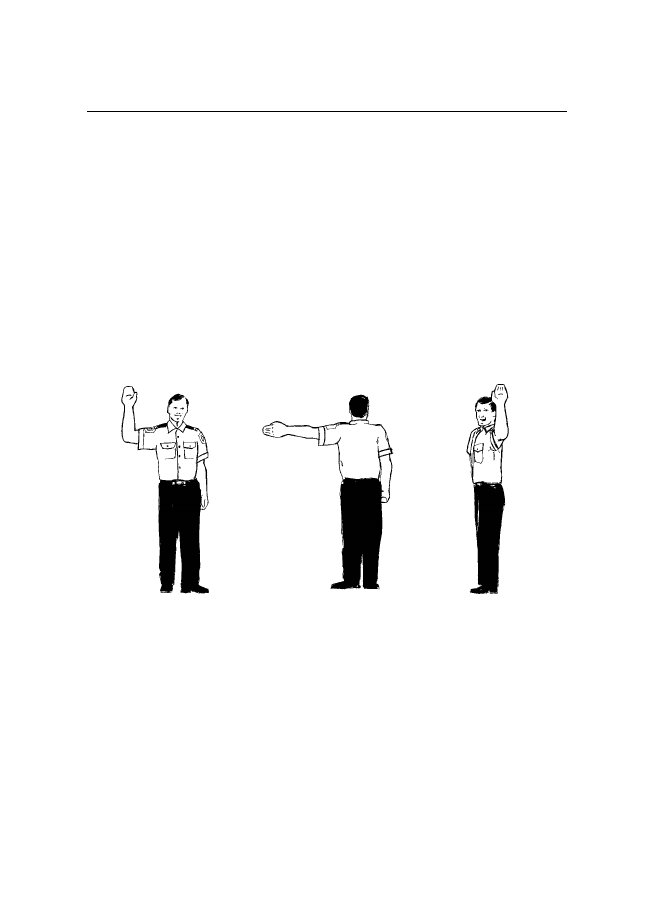
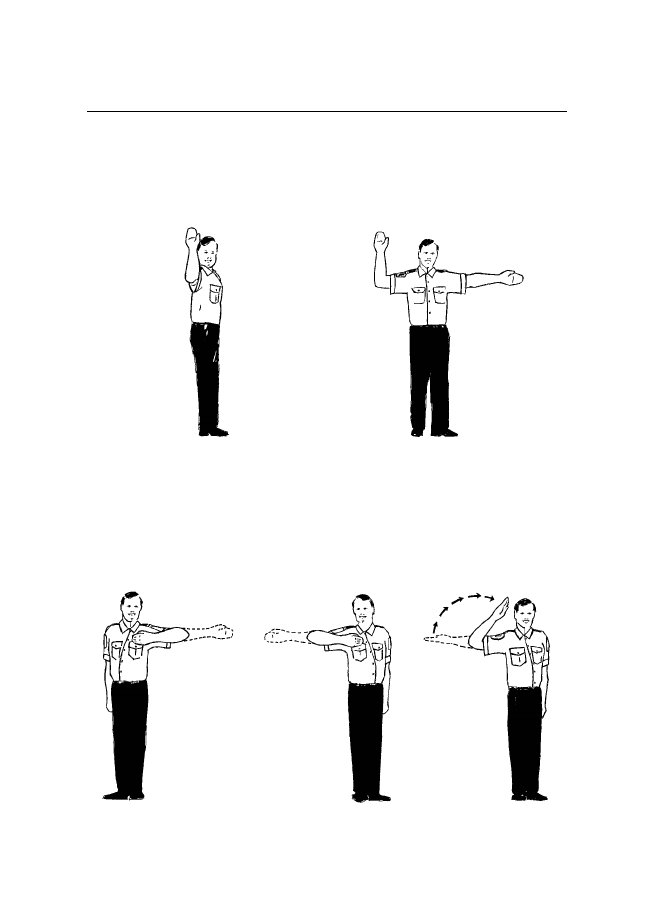
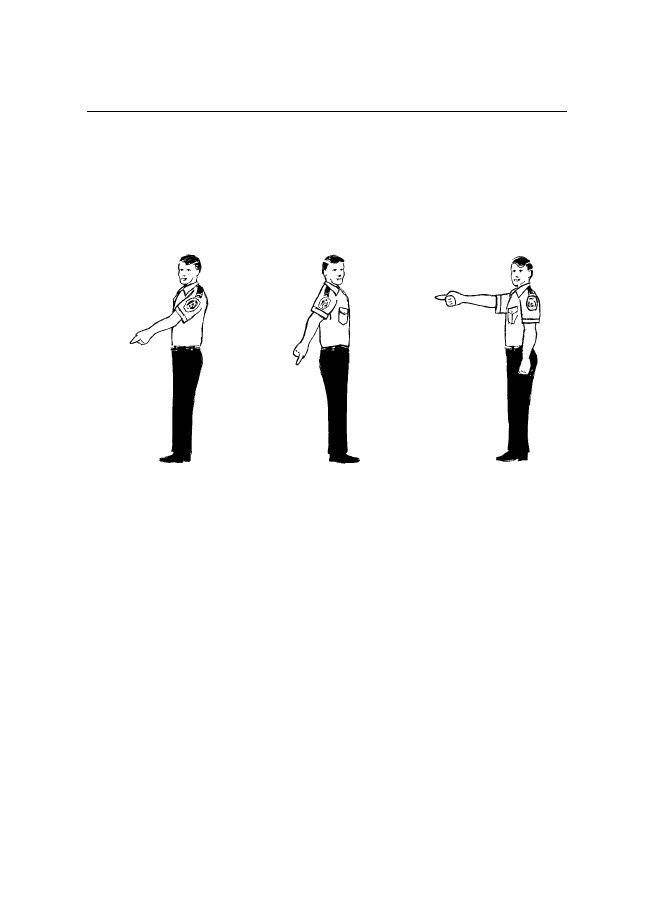
to require vehicles to stop or move in preparation forstopping(1)Forsection31(2)or32(2)oftheAct,anauthorisedofficermay
require the person in control of a motor vehicle to stopthevehicleorforsection32(3)tomovethevehicleinpreparation for stopping it—(a)by signalling in a way stated in
schedule 1A; or(b)by a sign displayed—(i)by the authorised officer; or(ii)on or in the vicinity of the
road.Examples of paragraph (b)(ii)—•Asignindicatingthattrucksmuststopataweighbridge when it is open•A sign indicating that trucks must use
left lane•A sign indicating that trucks must
exit(2)To help in attracting the attention of
the person in control ofthe motor vehicle to the authorised
officer’s signal or sign, an
s
4CB14Transport Operations (Road Use
Management)Regulation 1995s9authorisedofficerwhoisnotapoliceofficermay,ontheofficer’s vehicle—(a)display flashing magenta coloured lights;
or(b)operate a horn.4CBMoving loads before weighing(1)This section applies if the person in
control of a heavy vehicleis required to—(a)stop
the vehicle under section 32 of the Act; or(b)move
the vehicle to a place, under section 33 of the Act,to
enable the vehicle to be weighed.(2)The
person must not unload or alter the position of any part ofthe
load on the vehicle, for the time reasonably necessary toenable the authorised officer to perform a
function or exercisea power under those sections.Maximum penalty—80 penalty units.Part
2Fees4FFees
generallyThe fees payable under this regulation are
in schedule 1.9Indivisible load permit fees(1)This section applies to a motor
vehicle with at least 1 trailer (avehicle
combination) that—(a)is
loaded with an indivisible load; and(b)has a
loaded mass of more than 125t.(2)Thefeeforthegrantofapermittooperatethevehiclecombination is
worked out using the formula—journey length x
total esa x $0.04
s
1015s 11Transport
Operations (Road Use Management)Regulation
1995(3)In this section—averageloadperrowmeansthemass(intonnes)oftheloadedtrailerthatistransmittedtothegroundthroughitstyres, divided by the number of rows
of tyres on the trailer.equivalentstandardaxlesmeansthenumbershowninschedule 2 opposite the number for the
average load per row.journey lengthmeans the number
of kilometres involved inthe journey for which the permit is
granted.totalesameanstheequivalentstandardaxlesmultipliedbythe number of rows of tyres on the
trailer.Example—For a
trailer with a loaded mass of 129.5t and 7 rows of tyres,
theaverage load per row is 18.5t (ie 129.5t ÷
7).According to schedule 2, the equivalent
standard axles of a trailer thathas an average
load per row of 18.5t is 4.6.The total esa for
a trailer with equivalent standard axles of 4.6 andhaving 7 rows of tyres is 32.2 (ie 4.6 x
7).So the fee for a journey of 100km for a
vehicle with a total esa of 32.2 is$128.80 (ie 100 x
32.2 x $0.04).10Axles(1)Schedule 3 sets out the axle load limits for
each type of axle oraxle group.(2)Two
axles less than 1m apart are to be regarded as 1 axle.(3)Three axles not more than 2m apart are
to be regarded as 2axles.(4)Four
axles not more than 3.2m apart are to be regarded as 3axles.11Measurement of distance between axlesForthisregulation,thedistancebetweenaxlesismeasuredbetween the
centres of the wheels mounted on the axles andparallel to the
length of the vehicle.
s
11A16Transport Operations (Road Use
Management)Regulation 1995s 11APart
2AGuidelines and permits11AGuidelines and permits for vehicles(1)The chief executive may issue—(a)a guideline, in an approved form, for
the safe movementon a road of a type of vehicle; or(b)a permit for the safe movement on a
road of a particularvehicle or type of vehicle.(2)Thecommissionermayissueonlyapermitforthesafemovement on a
road of a particular oversize vehicle or type ofoversize vehicle.(3)The
chief executive or commissioner may issue a permit byphone,fax,radiooranotherformofcommunicationifthechiefexecutiveorcommissionerconsidersitnecessarybecause of urgent
circumstances.(4)A guideline or permit can not allow a
combination to be morethan—(a)foracombinationconsistingof1motorvehicle—themotor vehicle’s
GCM; or(b)foracombinationconsistingofmorethan1motorvehicle—the total
of each motor vehicle’s GCM.(5)The
matters a guideline or permit may relate to include thefollowing—(a)the
roads on which the vehicle may be driven;(b)themaximumpermissibledimensionsofthevehicletogether with any load;(c)the
maximum permissible mass of—(i)the
vehicle together with any load; or(ii)parts
of the vehicle;(d)anypermissibleorrequisitemodificationstothevehicle;
s
11AA17Transport Operations (Road Use
Management)Regulation 1995s 11BExample of paragraph (d)—Extra
lightingmay be required to be added to the side of
avehicle carrying a wide load.(e)the times when the vehicle may be
driven;(f)signsandwarningdevicestobedisplayedonthevehicle;(g)whenthevehiclemusttravelwithapilotvehicleorescort vehicle;(h)requirements for pilot vehicles and pilot
vehicle drivers,and escort vehicles and escort vehicle
drivers;(i)themaximumspeedsatwhichthevehiclemaybedriven;(j)othermattersrelevanttothesafemovementofthevehicle.(6)The roads on which the vehicle may be
driven may be shownon a map in the guideline.11AAStatutory condition on guidelines and
permits foroversized vehicles(1)A
guideline for a type of oversize vehicle or a permit for aparticularoversizevehicleortypeofoversizevehiclementioned in
section 11A is granted on the conditions statedin schedule 3AA
for the guideline or permit.(2)A
condition imposed under subsection (1) applies despite anyother
provision of the guideline or permit.11BPermit contents and conditions(1)Apermit,otherthanapermitissuedunderalternativearrangements
under section 11BA, must state—(a)ifthepermitrelatestoaparticularvehicle,theregistration number of the vehicle it
relates to; and(b)the name and address of the person the
permit is issuedto; and
s
11BA18Transport Operations (Road Use
Management)Regulation 1995s 11BA(c)how long the permit is in force for;
and(d)the conditions of the permit.(2)The conditions of a permit may include
a condition requiringthe permit holder—(a)topaythereasonablecostsincurredbytheStateinrelationtotheissueofthepermit,includingforexample, the costs of—(i)assessing the roads the vehicle is to
be driven on;or(ii)preparing any
relevant plans and cost estimates; or(iii)preparingorstrengtheningroadtransportinfrastructure;
or(iv)repairing,replacingorreconstructingroadtransport infrastructure; or(v)ensuring the permit conditions are
observed; or(b)to deposit an amount reasonably
required by the chiefexecutiveassecurityforthecostsmentionedinparagraph (a).(3)If,nolaterthan28daysafterthepermitends,thechiefexecutive decides
an amount deposited as a condition of thepermitisnotsufficientsecurityforthecosts,thechiefexecutive may
require a further amount to be deposited withina reasonable
stated time.(4)Thechiefexecutivemust,within28daysafterthepermitends—(a)calculate the costs incurred by the
State; and(b)if the costs incurred are less than
the amount depositedas security for costs, refund the difference
to the permitholder.11BAAlternative arrangements for permits(1)The chief executive may enter into
arrangements with personsfor the issue to them of permits other
than in accordance withthe requirements of sections 11A and
11B.
s
11C19Transport Operations (Road Use
Management)Regulation 1995s 11C(2)The arrangements—(a)mayonlybemadeincircumstancesinwhichitisimpracticable for the requirements of
sections 11A and11B to be fully complied with; and(b)must provide for compliance with
sections 11A and 11Bto the greatest practicable extent.Example of arrangements under subsections
(1) and (2)—The issue of a permit for a particular
journey using a 2 stage process forthe issue of the
permit that involves—(a)theidentification,inadocumentofgeneralapplication,ofthecontents of permits to apply for all
journeys of a particular type; and(b)completing the issue of the permit for the
particular journey by theelectronic issue of a ticket.11CDriving under guideline or
permit(1)A person who is—(a)driving a vehicle in accordance with a
current guideline,or a permit, issued for the vehicle;
and(b)if a permit has been issued for the
vehicle, carrying thepermit in the vehicle;isexemptfromcomplyingwiththeprovisionsofthisregulationforwhichtheguidelineorpermitstatesitisameans
of alternative compliance.(2)However, a
guideline or permit that is a means of alternativecompliance for section 62B need not state
that fact.(3)A person must ensure a sign or warning
device that is requiredunder a guideline or permit is not
displayed on a vehicle beingdriven by the
person unless the person is driving the vehiclefor the purpose
for which the guideline or permit was issued.Maximum
penalty—30 penalty units.
s
11CA20Transport Operations (Road Use
Management)Regulation 1995s 11CAPart
2BVehicle dimensions11CAMeaning ofrear
overhangandrear overhang linefor pt2B(1)This section
definesrear overhangandrear
overhang lineforthis part.(2)Therear overhangof a vehicle is
the distance between therear of the vehicle and the rear
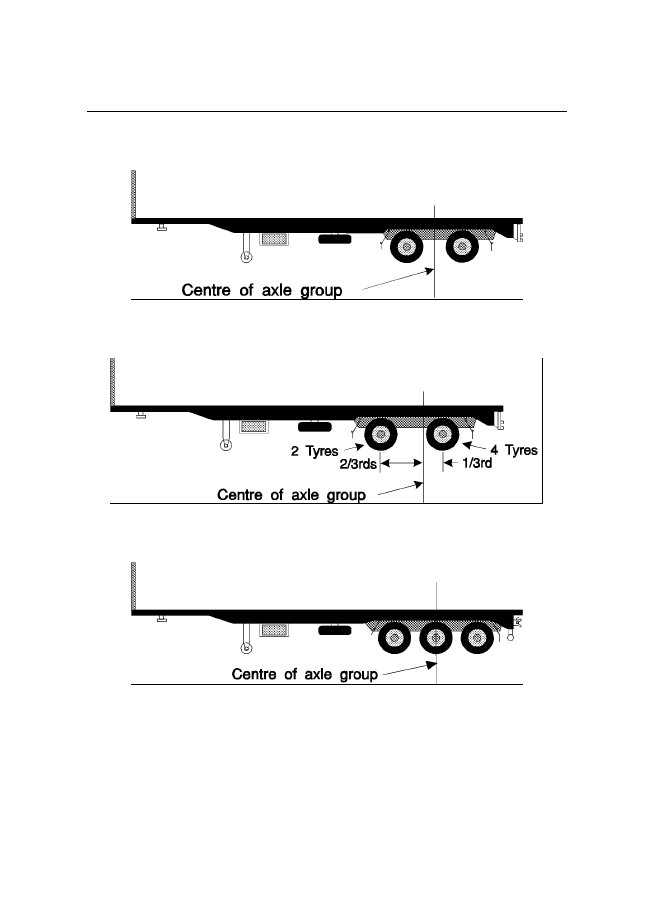
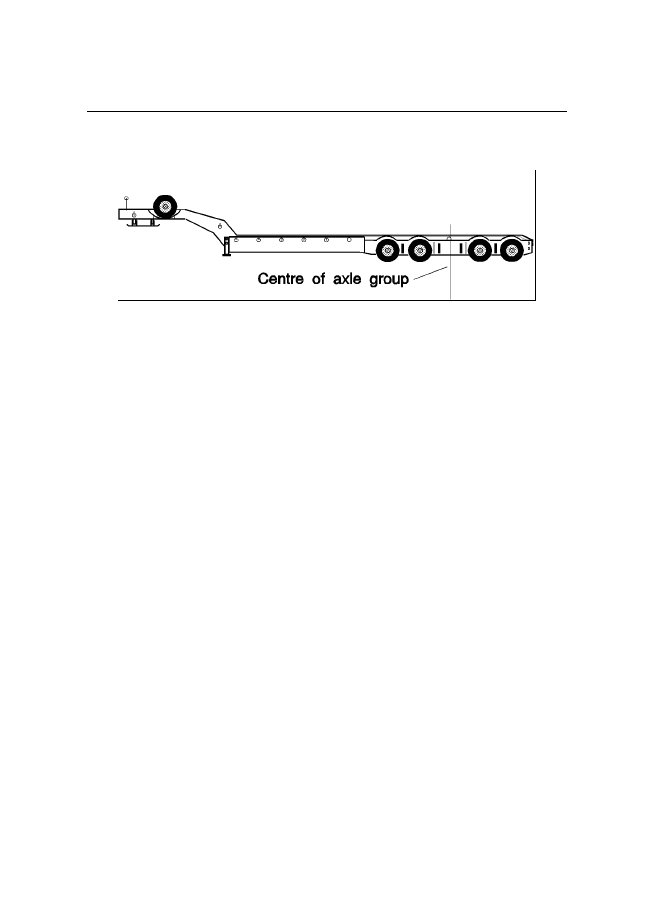
overhang line of the vehicle.(3)For a
vehicle with an axle group at the rear comprising only 1axle,
therear overhang lineis a line running
along the centreof the axle.(4)Foravehiclewithanaxlegroupattherearcomprising2axles, 1 of which is fitted with twice
the number of tyres asthe other, therear overhang
lineis a line running parallel tothe
axles that is—(a)closer to the axle carrying the
greater number of tyresthan it is to the other axle;
and(b)located at one-third of the distance
between the 2 axles.(5)For a vehicle with an axle group at
the rear that is not an axlegroup mentioned
in subsection (3) or (4), therear
overhanglineis a line running parallel to the
axles down the centre ofthe axle group.(6)For
applying subsection (3), (4) or (5) to a vehicle—(a)an axle group is taken to comprise
only the fixed andretractableaxlesincontactwiththegroundattheparticular time the subsection is
applied to the vehicle;and(b)an
axle group is taken not to comprise any steerable axleunless—(i)the
group comprises only 1 axle and that axle is asteerable axle;
or(ii)all the axles in the group are
steerable axles.
s
11D21Transport Operations (Road Use
Management)Regulation 1995s 11G11DLoad and other things are part of
vehicle’s dimensionsfor pt 2BInthispart,avehicleistakentoincludeanythingonthevehicle, unless
otherwise stated.11ELength—motor vehiclesA
person must not drive a vehicle longer than—(a)foracombination(otherthanaB-doubleorroadtrain)—19m;
or(b)for an articulated bus—18m; or(c)for any other vehicle—12.5m.Maximum penalty—30 penalty units.11FWidth(1)A
person must not drive a vehicle wider than 2.5m.Maximum penalty—30 penalty units.(2)When measuring the width of a vehicle
for subsection (1), anyof the following items that may be
fitted to the vehicle are tobe
disregarded—(a)anti–skid devices mounted on
wheels;(b)central tyre inflation systems;(c)lights,mirrors,reflectors,signallingdevicesortyrepressure gauges.11GHeightA person must not
drive a vehicle higher than—(a)foravehiclebuilttocarrycattle,horses,pigsorsheep—4.6m; or(b)foravehiclebuiltwithatleast2decksforcarryingvehicles,whencarryingavehicleontheupperdeck—4.6m;
or
s
11H22Transport Operations (Road Use
Management)Regulation 1995s 11I(c)for a double-decker bus—4.4m;
or(d)for another vehicle—4.3m.Maximum penalty—30 penalty units.11HHeight—ground clearance(1)A person must not drive a vehicle with
a ground clearance ofless than—(a)at a
point within 1m of an axle—100mm; and(b)at
the midpoint between adjacent axles—one-thirtieth ofthe
distance between the centre of each axle; and(c)at
any other point—the distance that allows the vehicleto
pass over a peak in the road if the gradient on eitherside
of the peak is 1:15.Maximum penalty—30 penalty units.(2)In this section—ground
clearanceof a vehicle means the minimum
distancebetween the ground and the vehicle’s
underside (other than itstyres,wheels,wheelhubs,brakebackingplates,flexiblemudguards and mudflaps).11ILength—trailers(1)A
person must not drive a vehicle towing a semitrailer or dogtrailer if the semitrailer or dog trailer
does not comply withthis section.Maximum
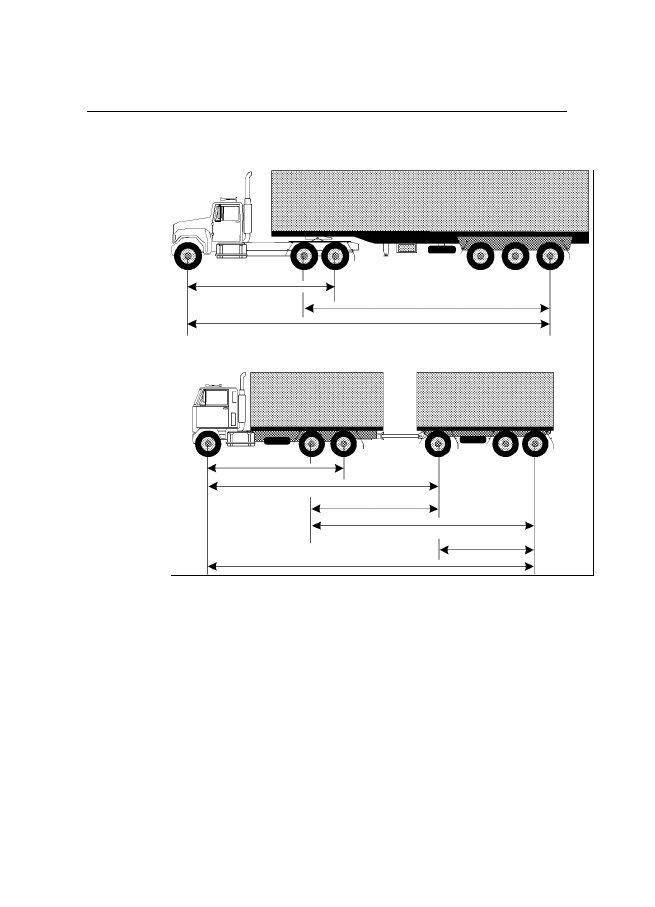
penalty—30 penalty units.(2)Onasemitrailerordogtrailer,thedistancefromthefrontarticulation
point to—(a)the rear overhang line must not be
more than 9.5m; and(b)the rear of the trailer must not be
more than 12.3m.(3)The part of a semitrailer or anything
attached to a semitrailerinfrontofthetrailer’sfrontarticulationpoint(otherthananothervehicle)mustnotprotrudebeyondtheprescribedlimit.
s
11J23Transport Operations (Road Use
Management)Regulation 1995s 11J(4)The prescribed limit is an imaginary
line created by drawing asemicircle of 1.9m radius from the
centre of, and forward of,the front articulation point.(5)A semitrailer with more than 1 front
articulation point mustcomply with subsections (2) and (3)
when measured at one ofthe points.(6)A
trailer built to carry cattle, horses, pigs or sheep (animals)on 2
or more partly or completely overlapping decks must nothave
more than 12.5m of its length available to carry animals.(7)In a B–double built to carry animals,
the 2 semitrailers mustnot have more than 18.8m of their
combined length availableto carry animals.(8)Forsubsection(6)and(7),thelengthavailableforthecarriage of
animals on a trailer is measured from the inside ofthe
front wall or door of the trailer to the inside of the rearwallordoorofthetrailer,withanyinterveningpartitionsdisregarded.11JLength—rear overhang(1)A
person must not drive a vehicle that does not comply withthis
section.Maximum penalty—30 penalty units.(2)Therearoverhangofavehiclemustnotbemorethanthelesser of 3.7m
and—(a)forasemitrailerordogtrailer—60%ofthedistancebetweenthefrontarticulationpointandtherearoverhang line; or(b)for
any other trailer—the distance between the front ofthebodyorloadcarryingareaandtherearoverhangline; or(c)foranothervehicle—60%ofthedistancebetweenthecentre of the front axle and the rear
overhang line.(3)A semitrailer with more than 1 front
articulation point mustcomplywithsubsection(2)(a)whenmeasuredatthesame
s
11K24Transport Operations (Road Use
Management)Regulation 1995s 11KApointthatisusedformeasurementforcomplianceundersection 11I(5).(4)Despite subsection (2), if a vehicle built
to carry vehicles hasat least 2 decks and a vehicle it is
carrying overhangs its rear,the rear overhang
of the vehicle built to carry vehicles mustnot be more than
4.9m.11KLength—trailer drawbars(1)A person must not drive a vehicle
towing a trailer if the trailerdoes not comply
with this section.Maximum penalty—30 penalty units.(2)On a dog trailer, the distance between
the coupling pivot pointon the drawbar and the centre of the
front axle group—(a)must not be more than 5m; and(b)if the trailer is used in a road train
that is longer than19m—must not be less than 3m.(3)On a trailer (other than a
semitrailer) with only a single axlegroup, the
distance between the coupling pivot point on thedrawbar and the centre of the axle group
must not be morethan 8.5m.11KALimits on projections of loads on
vehicles(1)A person must not drive, park or stop
a vehicle on a road ifany load on the vehicle
projects—(a)for a motorbike without a
sidecar—(i)more than 150mm in front of the outer
extremity ofthe motorbike’s front wheel; or(ii)morethan300mmbehindtheouterextremityofthe motorbike’s back wheel; or(iii)past the outer
extremity of the motorbike on eitherside; or(b)for a motorbike with a
sidecar—
s
11KA25Transport Operations (Road Use
Management)Regulation 1995s 11KA(i)more than 600mm in front of the outer
extremity ofthe motorbike’s front wheel; or(ii)morethan900mmbehindtheouterextremityofthe motorbike’s back wheel; or(iii)pasttheouterextremityofthevehicleoneitherside; or(c)for a motorbike trailer—(i)more than 300mm behind the trailer;
or(ii)past the outer extremity of the
trailer on either side;or(d)for a
motor vehicle, other than a motorbike, without atrailer—(i)morethan1.2minfrontofthemotorvehicle’sheadlights; or(ii)more
than 1.2m behind the motor vehicle; or(iii)more
than 150mm past the outer extremity of themotor vehicle on
either side; or(e)foramotorvehicle,otherthanamotorbike,withatrailer—(i)morethan1.2minfrontofthemotorvehicle’sheadlights; or(ii)more
than 1.2m behind either the motor vehicle orthe trailer;
or(iii)morethan150mmpasttheouterextremityofeither the motor vehicle or the
trailer on either side;or(f)for a
vehicle drawn by an animal—(i)past the animal’s
head; or(ii)if the vehicle is a 2wheeled vehicle—more than1m
behind the vehicle’s body; or(iii)if
the vehicle is a 4wheeled vehicle—more than1m
behind the vehicle’s body or the back wheels;or
s
11KA26Transport Operations (Road Use
Management)Regulation 1995s 11KA(iv)ifthevehicleisapoletypejinker—behindtheback
end of the pole; or(v)more than 300mm past the outer
extremity of thevehicle’s body or wheels on either
side.Maximum penalty—20 penalty units.(2)Despite subsection (1)(d), (e) and
(f), a load may project morethan 1.2m behind
either a motor vehicle or a trailer, or morethan 1m behind a
vehicle drawn by an animal, if—(a)a
brightly coloured red, red and yellow, or yellow flag atleast
450mm by 450mm is fixed to the extreme back ofthe load;
and(b)at night—(i)a
light showing a clear red light to the back, visibleunder
normal atmospheric conditions at a distanceof at least 200m,
is fixed to the extreme back of theload; or(ii)atleast2reflectors,capableofprojectingaredreflectionoflightfromtheheadlightofanyfollowing vehicle, are fixed to the
extreme back ofthe load.(3)If
part of the load on a motor vehicle, or on a trailer towed
bya motor vehicle, projects in a way that it
would not be readilyvisible to a person following immediately
behind the vehicle,the driver of the vehicle must
ensure—(a)a red, red and yellow, or yellow flag
at least 450mm by450mm is fixed to the extreme back of the
load; and(b)at night—(i)a
light showing a clear red light to the back, visibleunder
normal atmospheric conditions at a distanceof at least 200m,
is fixed to the extreme back of theload; or(ii)atleast2reflectors,capableofprojectingaredreflectionoflightfromtheheadlightofany
s
11L27Transport Operations (Road Use
Management)Regulation 1995s 12following vehicle, are fixed to the extreme
back ofthe load.Maximum
penalty—20 penalty units.(4)Whenmeasuringavehicle’swidthforthissection,aback-vision mirror, light or reflector
attached to the vehicle isnot to be taken into account.(5)Nothing in subsections (1) to (4)
authorises a person to drive avehicleonaroadotherthanincompliancewiththerequirements of sections 11E to
11K.(6)In this section—loadincludes equipment and the pole of a
pole-type trailer orjinker.11LInformation and extended liability
offencesAn offence against this part involving a
heavy vehicle is—(a)an information offence for the Act,
section 50;1and(b)an
extended liability offence for the Act, section 57B.2Part 3Mass12Application of partThis
part applies to the following when on a road—(a)a
vehicle with a GVM of more than 4.5t;(b)acombinationthatincludesavehiclewithaGVMofmore
than 4.5t;(c)a combination that includes a prime
mover.1Section 50 (Power to require
information) of the Act2Section 57B
(Further liability provisions for extended liability offences) of
the Act
s
1328s 16Transport
Operations (Road Use Management)Regulation
199513Performance standards for massThe
performance standard for mass is the mass (not more thanthe
GVM or GCM) a vehicle and its load may achieve if theappropriate fees are paid.14Compliance with
requirements—vehiclesThepersonincontrolofavehiclemustensurethevehiclecomplies with a
mass requirement applying to it.Maximum
penalty—(a)for an excessive overloading
offence—50 penalty units;or(b)foradangerousorextremeoverloadingoffence—80penalty units.15Compliance with requirements—trailersThe
person in control of a vehicle towing a trailer must ensurethe
trailer complies with a mass requirement applying to it.Maximum penalty—(a)for
an excessive overloading offence—50 penalty units;or(b)foradangerousorextremeoverloadingoffence—80penalty units.16Compliance with
requirements—combinationsThepersonincontrolofacombinationmustensureitcomplies with a mass requirement applying to
it.Maximum penalty—(a)for
an excessive overloading offence—50 penalty units;or(b)foradangerousorextremeoverloadingoffence—80penalty units.
s
1729s 19ATransport
Operations (Road Use Management)Regulation
199517Vehicle tareThe tare of a
vehicle may be determined—(a)by weighing the
vehicle on a weighing device; or(b)fromthecertificateofregistrationinforceforthevehicle under State or Commonwealth
law.18Tyre massThetyremassofavehicletyremaybedeterminedbyweighing on a weighing device.19Axle mass(1)An
axle mass of a vehicle may be determined—(a)for a
single axle that is not part of a group of axles—byweighing with the tyres of the axle
simultaneously on aweighing device; and(b)for a
group of axles—by weighing with the tyres of thegroup
of axles simultaneously on a weighing device.(2)However, the axle mass of an axle fitted
with dual tyres maybedeterminedbyplacingonlytheoutsidetyresontheweighing
device.19AAxle mass—complying buses(1)This section applies despite schedule
4, section 1(6).(2)The total mass on the axles of a
complying bus must not bemore than—(a)for a
bus with 2 axles—16t; or(b)for a bus with a
rear tandem axle group fitted with singletyres on 1 axle
and dual tyres on the other axle—20t; or(c)for a
bus with a rear tandem axle group fitted with dualtyres
on both axles—22.5t.(3)The total mass on the axles of a
complying bus with a trailermust not be more
than the total of—
s
19A30Transport Operations (Road Use
Management)Regulation 1995s 19A(a)the mass for the bus allowed under
subsection (2); and(b)the mass for the trailer allowed under
schedule 5.(4)In this section—air suspension
systemof a vehicle means a suspension
systemin which—(a)vertical movement between each axle, and the
body, ofthe vehicle is controlled by variations in
the air pressurein an air spring; and(b)the
proportion of the vehicle’s mass that is borne by theairspringremainssubstantiallyconstantdespitevariations in the
air pressure in the air spring.complyingbusmeansabuswith2or3axles(includingasingle steer axle) that—(a)for a
bus manufactured before 1 July 1994—has beenissued with a
complying bus approval; or(b)for a bus
manufactured on or after 1 July 1994 that doesnothaveacomplianceplate—hasbeenissuedwithacomplying bus approval; or(c)for a bus manufactured on or after 1
July 1994 that has acompliance plate—(i)is
fitted with an air suspension system; and(ii)meetstheoccupantprotectionspecificationsinADR
68.complyingbusapproval,forabus,meansthechiefexecutive’sapprovalundertheTransportInfrastructure(Roads)
Regulation 1991, section 44 that states the bus—(a)meets—(i)the
emergency exit specifications in ADR 44; and(ii)the
rollover strength specifications in ADR 59; and(iii)the
occupant protection specifications in ADR 68;and(b)is fitted with an air suspension
system.
s
19B31Transport Operations (Road Use
Management)Regulation 1995s 21A19BAxle mass for ultra-low floor route
bus(1)This section applies despite schedule
4, section 1(6).(2)Thetotalmassontheaxlesofanultra-lowfloorroutebusmust
not be more than 16t.(3)Thetotalmassontheaxlesofanultra-lowfloorroutebuswith a trailer must not be more than
the total of—(a)the mass for the bus allowed under
subsection (2); and(b)the mass for the trailer allowed under
schedule 5.20Vehicle massThemassofavehicleorvehiclecombinationmaybedetermined—(a)byweighingallaxlessimultaneouslyonaweighingdevice; or(b)by totalling the axle mass of each
axle of the vehicle orvehicle combination.21Other ways of determining mass may be
usedThis part does not limit the way a vehicle’s
tare or mass or avehicle’s tyre or axle mass may be
determined.21AWay of stating GVMForthedefinitionGVMinschedule3oftheAct,themaximum loaded mass of a vehicle may
be—(a)iftheGVMisnotstatedonthevehicle’scomplianceplate, the compliance plate is illegible, or
the vehicle hasno compliance plate—stated in writing by the
vehicle’smanufacturer; or(b)for a
vehicle registered—(i)in Queensland—stated in the vehicle’s
registrationcertificate issued under a transport Act;
or(ii)inanotherState—statedinwritingbytheState’sregistration
authority; or
s
21B32Transport Operations (Road Use
Management)Regulation 1995s 26(c)stated in a certificate of
modification for the vehicle, orinamodificationplateattachedtothevehicle,issuedunder—(i)a
transport Act; or(ii)a corresponding law.21BProof of GCM or GVMA
certificate purporting to be signed by the chief executive
orcommissioner and stating the following
matters for a vehicleis evidence of the matters—(a)a vehicle’s GCM and the way it has
been stated for thedefinitionGCMin
schedule 13;(b)a vehicle’s GVM and the way it has
been stated underthe Act.21CProof
of mass(1)Inaproceedingunderthisregulation,acertificateofaservicing licensee or trade
measurement inspector, stating thataweighingdevicewastestedonastateddate,is(within1year
after that date) evidence that the mass indicated by theweighingdeviceisaccuratetotheextentstatedinthecertificate.(2)In
this section—servicing licenseemeans a licensee
under a servicing licencegranted under theTrade
Measurement Act 1990.trademeasurementinspectormeans
an inspector under theTrade Measurement Act 1990.26Information and
extended liability offencesAn offence against this part
is—
s
2733s 30Transport
Operations (Road Use Management)Regulation
1995(a)an information offence for the Act,
section 50;3and(b)an
extended liability offence for the Act, section 57B.4Part 4Loading27Application of partThis
part applies to a load on a vehicle or combination.28Performance standards for
loadingAwayofloadingavehiclethatensuresthefollowingisaperformance standard—(a)risks to other road users are
minimised;(b)the loading does not reduce the
vehicle’s stability;(c)the load is restrained to prevent it
falling off the vehicleor dislodging when the vehicle is
moving.29Compliance with
requirements—vehiclesThe person in control of a vehicle
must ensure a load on itcomplies with a loading requirement
applying to it.Maximum penalty for a private vehicle—20
penalty units.Maximum penalty for a heavy vehicle—35
penalty units.30Compliance with
requirements—trailersThe person in control of a vehicle
towing a trailer must ensurethe trailer
complies with a loading requirement applying to it.3Section 50 (Power to require
information) of the Act4Section 57B
(Further liability provisions for extended liability offences) of
the Act
s
3134s 33Transport
Operations (Road Use Management)Regulation
1995Maximum penalty for a private vehicle—20
penalty units.Maximum penalty for a heavy vehicle—35
penalty units.31Compliance with
requirements—combinationsThepersonincontrolofacombinationmustensureitcomplies with a loading requirement applying
to it.Maximum penalty for a private vehicle—20
penalty units.Maximum penalty for a heavy vehicle—35
penalty units.32Proof of loading offencesInaproceedingforanoffenceagainstaloadingrequirement—(a)evidence that a load on a vehicle was not
placed, securedor restrained in a way that met a
performance standardundertheLoadRestraintGuideisevidenceofacontravention of a loading
requirement; and(b)evidence that a load, or part of a
load, has fallen off avehicleisevidencethattheloadwasnotproperlysecured, unless
the contrary is proved; and(c)a court must
presume a document purporting to be theLoad Restraint
Guide is the Load Restraint Guide, untilthe contrary is
proved.33Information and extended liability
offencesAn offence against this part involving a
heavy vehicle is—(a)an information offence for the Act,
section 50;5and(b)an
extended liability offence for the Act, section 57B.65Section 50 (Power
to require information) of the Act6Section 57B (Further liability provisions
for extended liability offences) of the Act
s
33A35Transport Operations (Road Use
Management)Regulation 1995s 33DPart
4AAccredited personsDivision 1Accredited persons generally33AApplying to be appointed as an
accredited person(1)A person may apply to the chief
executive to be appointed asan accredited
person.(2)The application must be—(a)made in the approved form; and(b)supportedbyenoughinformationtoenablethechiefexecutive to
decide the application; and(c)accompanied by
the appropriate fee.33BDeciding applicationThe
chief executive must consider the application within 28days
after receiving all necessary information relevant to theapplication and either—(a)grant
the application; or(b)refuse the application.33CGranting applicationIfthechiefexecutivedecidestogranttheapplication,thechiefexecutivemust,bywrittennotice(theinstrumentofappointment)giventotheapplicantwithin14daysaftermakingthedecision,appointtheapplicantasanaccreditedperson.33DRefusing application(1)The chief executive may refuse the
application if the applicanthas been—(a)convicted of a disqualifying offence;
or
s
33DA36Transport Operations (Road Use
Management)Regulation 1995s 33E(b)charged with a disqualifying offence
and the charge hasnot been finally disposed of; or(c)convictedofanoffenceagainstthisAct,oracorrespondinglaw,within5yearsimmediatelybeforethe
application was made.(2)Subsection (1)
does not limit the grounds on which the chiefexecutive may
refuse the application.7(3)Ifthechiefexecutivedecidestorefusetheapplication,thechief
executive must give the applicant written notice of thedecision within 14 days after making the
decision.(4)The notice must state—(a)the reasons for the decision;
and(b)the applicant may apply, within 28
days after the givingof the notice, to have the decision
reviewed; and(c)how the applicant may apply for the
review.33DAStatutory conditions on
appointmentTheconditionsonwhichanaccreditedpersonholdsofficeincludetheconditionsstatedinschedule3Afortheaccreditation.33EAccreditation documents and identity
cards(1)Onappointingapersonasanaccreditedperson,thechiefexecutive must
give the person—(a)an accreditation document; or(b)an identity card.(2)The
accreditation document must—(a)identify the person as an accredited person;
and(b)state the person’s accreditation
number; and(c)state an expiry date.7See section 21(1) (Appointment of
accredited persons) of the Act and sections 33N,33P
and 33T of this regulation.
s
33F37Transport Operations (Road Use
Management)Regulation 1995s 33G(3)The identity card must—(a)contain a recent photograph of the
person; and(b)identify the person as an accredited
person; and(c)state the person’s accreditation
number; and(d)state an expiry date; and(e)be signed by the accredited
person.33FDisplay of accreditation document or
identity card(1)An accredited person must, while
performing the function ofanaccreditedperson,displaytheperson’saccreditationdocument or
identity card so it is clearly visible.Examples of how
document or card may be displayed—1Displaying the document on premises or
in a vehicle being used bythe person.2Wearing the card on the person’s
clothing.Maximum penalty—20 penalty units.(2)However, if it is not practicable to
display the accreditationdocument or identity card, including,
for example, because ofitssizeorbecauseitcannotbeattachedtotheperson’sclothing, the
person must—(a)carrythedocumentorcardwhileperformingtheperson’s function; and(b)produce it for inspection if asked by
a police officer oranother authorised officer.Maximum penalty—20 penalty units.33GReplacement of accreditation document
or identity card(1)An accredited person may apply to the
chief executive for thereplacement of an accreditation
document or identity card ifthe document or
card is lost, damaged, destroyed or stolen.(2)The
application must—
s
33H38Transport Operations (Road Use
Management)Regulation 1995s 33I(a)be made in the approved form;
and(b)be accompanied by the appropriate
fee.(3)If the chief executive is satisfied
the accreditation documentor identity card has been lost,
damaged, destroyed or stolen,the chief
executive must replace it.33HResignation from
appointmentIfanaccreditedpersonresignstheirappointmentasanaccreditedperson,thepersonstopsbeinganaccreditedperson—(a)on the day on which notice of
resignation is given to thechief executive; or(b)if a later day is stated in the
notice, the later day.33ISurrender of
accreditation document or identity card(1)A
person who stops being an accredited person8must
returntheiraccreditationdocumentoridentitycardtothechiefexecutive as soon as practicable (but within
7 days) after theperson stops being an accredited person,
unless the person hasa reasonable excuse.Maximum penalty—20 penalty units.(2)If a person returns an accreditation
document or identity cardtothechiefexecutivebecausetheperson’sappointmentissuspended, the chief executive must return
it to the person atthe end of the suspension term.8In addition to resigning their
appointment, an accredited person also stops being anaccreditedpersoniftheperson’sappointmentissuspendedorcancelledunderchapter 3, part 1A of the Act.
s
33J39Transport Operations (Road Use
Management)Regulation 1995s 33L33JAccreditation prescribed for the Act,
ss 17B(2) and18(c)(ii)Anaccreditationunderthispartisprescribedforsections17B(2) and
18(c)(ii)9of the Act.33KEmployer’s duty(1)Theemployerofanaccreditedpersonmustensuretheaccreditedpersoncomplieswiththeconditionsstatedinschedule 3A for the accreditation
(statutory conditions) andwiththeconditionsofappointmentstatedintheperson’sinstrument of appointment (appointment conditions).Maximum penalty—80 penalty units.(2)The employer does not commit an
offence against subsection(1) if the employer exercised
reasonable diligence and tookreasonablestepstoensuretheaccreditedpersoncompliedwith statutory
conditions and appointment conditions.33KAOnly
accredited person to be employed or engaged astraffic
controllerA person must not employ, or otherwise
engage, an individualtocarryoutthefunctionofatrafficcontrollerunlesstheindividual is a traffic
controller.Maximum penalty—20 penalty units.33LPowers of accredited personsAn
accredited person has the power to do all things necessaryorconvenienttobedonefor,orinconnectionwith,theperformance of the accredited person’s
functions.9Sections17B(Granting,renewingorrefusingapproval)and18(Groundsforamending, suspending or cancelling
approvals) of the Act
s
33M40Transport Operations (Road Use
Management)Regulation 1995s 33ODivision 2Pilot vehicle
drivers33MFunctionsThe function of
an accredited person who is a pilot vehicledriver is to
drive a pilot vehicle in order to warn other roadusers
of the presence of an oversize vehicle.33NNecessary expertise for appointment(1)Forsection2110oftheAct,apersonhasthenecessaryexpertisetobeappointedasapilotvehicledriveriftheperson—(a)holds, and has held for the entire 3
year period beforethe day of application, a provisional or
open licence fora motor car; and(b)either—(i)passes a written competency test for pilot
vehicledriversapprovedandconductedbythechiefexecutive;
or(ii)has other qualifications that the
chief executive issatisfiedareequivalentto,orbetterthan,thosementioned in
subparagraph (i).(2)The chief executive may approve a
competency test for thissection only if satisfied that a
person who passes the test willhave the skills
and knowledge to perform the function of anaccredited person
who is a pilot vehicle driver.Division 3Escort vehicle drivers33OFunctionsThe function of
an accredited person who is an escort vehicledriver is to
drive an escort vehicle in order to warn other roadusers
of the presence of an oversize vehicle.10Section 21 (Appointment of accredited
persons) of the Act
s
33P41Transport Operations (Road Use
Management)Regulation 1995s 33Q33PNecessary expertise for
appointment(1)Forsection2111oftheAct,apersonhasthenecessaryexpertisetobeappointedasanescortvehicledriveriftheperson—(a)holds, and has held for the entire 3
year period beforethe day of application, a provisional or
open licence fora motor car; and(b)either—(i)completesatrainingcourseforescortvehicledrivers approved by the chief executive;
or(ii)has other qualifications that the
chief executive issatisfiedareequivalentto,orbetterthan,thosementioned in
subparagraph (i).(2)Thechiefexecutivemayapproveatrainingcourseforthissectiononlyifsatisfiedthatapersonwhocompletesthecoursewillhavetheskillsandknowledgetoperformthefunctionofanaccreditedpersonwhoisanescortvehicledriver.Division 4Vehicle safety inspections33QFunction(1)ThefunctionofanaccreditedpersonwhoisanapprovedexamineristoinspectavehicleundertheTransportOperations (Road
Use Management—Vehicle Standards andSafety)
Regulation 1998to decide whether or not the vehicleis
defective.(2)Thefunctionofanaccreditedpersonwhoisanapprovedperson is to inspect a modified vehicle
under theTransportOperations (Road
Use Management—Vehicle Standards andSafety)Regulation1998todecidewhetherornotthemodification makes the vehicle
defective.(3)In this section—11Section 21 (Appointment of accredited
persons) of the Act
s
33R42Transport Operations (Road Use
Management)Regulation 1995s 33RdefectiveseetheTransportOperations(RoadUseManagement—VehicleStandardsandSafety)Regulation1998.33RNecessary
expertise—Act, s 21(1)(1)A person has the
necessary expertise to be accredited as anapproved examiner
to inspect a private vehicle if the person—(a)holds
a certificate that the chief executive considers tobeatleastequaltoacertificateformotormechanicsissued under—(i)theVocationalEducation,TrainingandEmployment Act 2000;
or(ii)theTradesmen’sRightsRegulationAct1946(Cwlth); or(b)hassuccessfullycompletedamotormechanic’sapprenticeship.(2)A
person has the necessary expertise to be accredited as anapproved examiner to inspect a motorcycle
if—(a)thepersonholdsacertificatethatthechiefexecutiveconsiderstobeatleastequaltoacertificateformotorcycle mechanics issued under—(i)theVocationalEducation,TrainingandEmployment Act 2000;
or(ii)theTradesmen’sRightsRegulationAct1946(Cwlth); or(b)thepersonhassuccessfullycompletedamotorcyclemechanic’s
apprenticeship; or(c)the person—(i)thepersonholdsacertificatethatthechiefexecutiveconsiderstobeatleastequaltoacertificate for motor mechanics issued
under—(A)theVocationalEducation,TrainingandEmployment Act 2000;
or
s
33R43Transport Operations (Road Use
Management)Regulation 1995s 33R(B)theTradesmen’s
Rights Regulation Act 1946(Cwlth); and(ii)hasatleast1year’scontinuousexperienceinrepairing or maintaining motorcycles.(3)A person has the necessary expertise
to be accredited as anapproved examiner to inspect a heavy
vehicle if—(a)thepersonholdsacertificatethatthechiefexecutiveconsiders to be at least equal to a
certificate for motormechanics issued under—(i)theVocationalEducation,TrainingandEmployment Act 2000;
or(ii)theTradesmen’sRightsRegulationAct1946(Cwlth); or(b)thepersonhassuccessfullycompletedamotormechanic’s
apprenticeship; or(c)the person—(i)holdsacertificatethatthechiefexecutiveconsiderstobeatleastequaltoacertificateofEngineeringTradesPerson(HeavyCommercialVehicle);
and(ii)hasatleast1year’scontinuousexperienceinrepairing or maintaining heavy
vehicles.(4)A person has the necessary expertise
to be accredited as anapproved examiner to inspect a light
trailer if the person—(a)holds a
certificate that the chief executive considers tobeatleastequaltoacertificateformotormechanicsissued under—(i)theVocationalEducation,TrainingandEmployment Act 2000;
or(ii)theTradesmen’sRightsRegulationAct1946(Cwlth); or(b)hassuccessfullycompletedamotormechanic’sapprenticeship; or
s
33R44Transport Operations (Road Use
Management)Regulation 1995s 33R(c)holds a certificate that the chief
executive considers tobeatleastequaltoacertificateofcompetencytoexaminetrailersapprovedbytheNationalTrainingBoard
under the National Competency Standards.(5)A
person has the necessary expertise to be accredited as anapproved examiner to inspect a heavy trailer
if—(a)the person—(i)holdsacertificatethatthechiefexecutiveconsiders to be at least equal to a
certificate—(A)formotormechanicsissuedundertheVocationalEducation,TrainingandEmployment Act 2000;
or(B)formotormechanicsissuedundertheTradesmen’sRightsRegulationAct1946(Cwlth); or(C)ofEngineeringTradesPerson(HeavyCommercial Vehicle); or(ii)hassuccessfullycompletedamotormechanic’sapprenticeship; and(b)the
person has at least 1 year’s continuous experience inrepairing or maintaining heavy
trailers.(6)A person has the necessary expertise
to be accredited as anapproved person to inspect and approve
a type of modificationto a vehicle if the person has
successfully completed a trainingcourseapprovedbythechiefexecutiveforthattypeofmodification.(7)In
this section—heavy trailermeans a trailer
with an ATM of more than 3.5t.light
trailermeans a trailer with an ATM of more than
0.75tbut not more than 3.5t.
s
33S45Transport Operations (Road Use
Management)Regulation 1995s 33TDivision 5Traffic
controllers33SFunctionThe function of
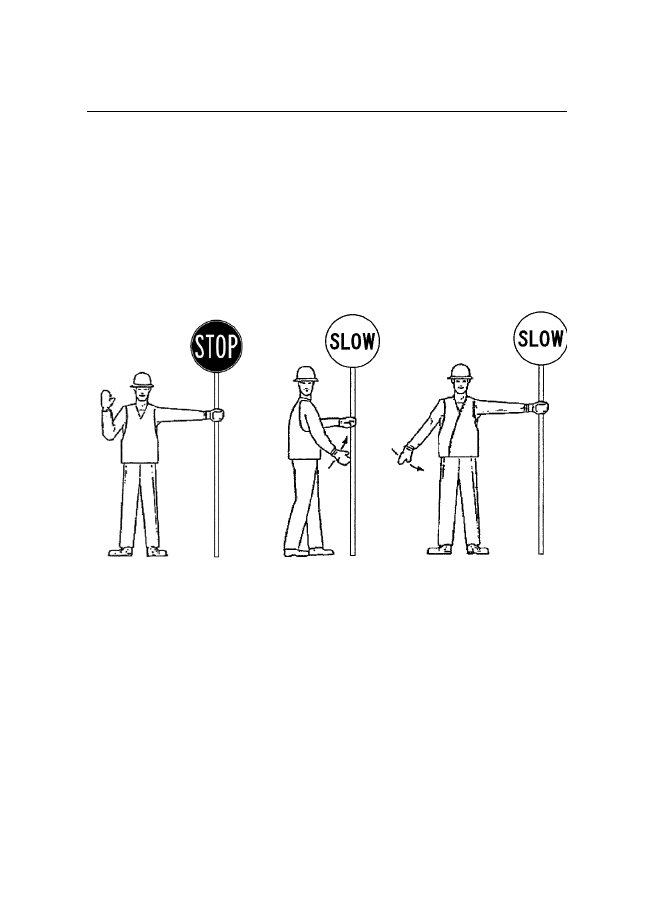
an accredited person who is a traffic controlleristodirecttrafficinawaystatedintheMUTCD,theTCASAP and schedule 1B.33TNecessary expertise for
appointment(1)For section 21 of the Act, a person
has the necessary expertiseto be appointed as a traffic
controller if the person—(a)has successfully
completed an approved training course;and(b)has,withinthelast5years,heldaqualifyingdriverlicence for a continuous period of at least
1 year.(2)In this
section—approved training coursemeans—(a)a training course for traffic
controllers approved by thechiefexecutiveofthedepartmentthatadministerstheTransport Infrastructure Act 1994to
the extent it relatesto roads; or(b)another course the chief executive of that
department issatisfied is at least the equivalent of a
course mentionedin paragraph (a).qualifying
driver licencemeans an Australian driver licenceother
than a learner licence or a licence equivalent to a learnerlicence.
s
3446s 37Transport
Operations (Road Use Management)Regulation
1995Part 4BAccrediting
driver trainers andrider trainersDivision 1Definitions and basic concepts34Definitions for pt 4BIn
this part—councilmeanstheTrainingandEmploymentRecognitionCouncil
established under theVocational Education, Trainingand
Employment Act 2000, section 167.pre-licence
driver trainingmeans driver training for a learnerwho
holds a driver licence authorising the learner to learn todrive
the class of motor vehicle for which the training is beinggiven.qualificationsincludes
experience.registered training organisationmeans
a registered trainingorganisationundertheVocationalEducation,TrainingandEmployment Act 2000.35Who is adriver trainerAdrivertrainerisapersonwho,forreward(whetherasaself-employed person or as an employee
for somebody else),gives a learner driver training.36What isdriver
trainingDrivertrainingisadvice,demonstration,instructionortraining for driving a motor vehicle.37Who is anaccredited rider
trainerAnaccredited rider traineris a
person who—(a)is granted accreditation as a rider
trainer under this part;and
s
3847s 39Transport
Operations (Road Use Management)Regulation
1995(b)may,eitherasaregisteredserviceproviderorasanemployee of a registered service provider,
give a learnerQ-Ride training.38What
isQ-Ride trainingQ-Ride
trainingis—(a)advice,demonstration,instructionortraininginthecompetencies for riding a class RE or
R motorbike; and(b)an assessment of the attainment of the
competencies;provided by a registered service
provider.Division 2Accrediting
driver trainers and ridertrainers39Accrediting driver trainers(1)A person may apply to the chief
executive for the grant of anaccreditation as
a driver trainer.(2)Thechiefexecutivemaygranttheaccreditationonlyiftheapplicant—(a)holds, and has held for at least 1
year, an O type licenceauthorisingtheapplicanttodrivetheclassofmotorvehiclestatedintheapplicationastheclassofmotorvehicleforwhichtheapplicantproposestogivetraining;
and(b)satisfies the chief executive the
applicant is competent togive driver training by having
successfully completed atleast 1 of the following—(i)adrivertrainercourseaccreditedbythecouncilandconductedbyaregisteredtrainingorganisation;(ii)a
driver trainer competency assessment conductedby a registered
training organisation;(iii)adrivertrainercourseaccreditedbyatrainingauthorityunderacorrespondinglawtothe
s
4048s 40Transport
Operations (Road Use Management)Regulation
1995VocationalEducation,TrainingandEmploymentAct 2000.(3)Despite
subsection (2)(b), the chief executive may be satisfiedtheapplicantiscompetenttogivedrivertrainingiftheapplicant has
other qualifications as a driver trainer that thechiefexecutiveissatisfiedareequivalentto,orbetterthan,those
mentioned in subsection (2)(b).(4)Without limiting subsection (2) or (3), the
chief executive mayrefuse to grant the accreditation if the
applicant has been—(a)convicted of a disqualifying offence;
or(b)charged with a disqualifying offence
and the charge hasnot been finally disposed of.(5)In this section—OtypelicenceseetheTransportOperations(RoadUseManagement—Driver Licensing)
Regulation 1999.40Accrediting rider trainers(1)A person may apply to the chief
executive for the grant of anaccreditation as
a rider trainer.(2)Thechiefexecutivemaygranttheaccreditationonlyiftheapplicant—(a)is an accredited driver trainer who is
accredited to givedriver training for a class R motorbike;
and(b)satisfies the chief executive the
applicant is competent togive Q-Ride training by having
successfully completedat least 1 of the following—(i)acertificateIVinassessmentandworkplacetrainingissuedbyaregisteredtrainingorganisation;(ii)acertificatecorrespondingtoacertificatementionedinsubparagraph(i)issuedunderacorrespondinglawtotheVocationalEducation,Training and
Employment Act 2000.(3)Despite
subsection (2)(b), the chief executive may be satisfiedtheapplicantiscompetenttogiveQ-Ridetrainingifthe
s
4149s 43Transport
Operations (Road Use Management)Regulation
1995applicant has other qualifications in
training and assessmentthat the chief executive is satisfied
are equivalent to, or betterthan, those
mentioned in subsection (2)(b).(4)Without limiting subsection (2) or (3), the
chief executive mayrefuse to grant the accreditation if the
applicant has been—(a)convicted of a disqualifying offence;
or(b)charged with a disqualifying offence
and the charge hasnot been finally disposed of.Division 3Applying for
accreditation41Definition for div 3In
this division—accreditationmeans
accreditation as a driver trainer or ridertrainer.42Applying for accreditationAn
application for accreditation must be—(a)made
to the chief executive in the approved form; and(b)supportedbyenoughinformationtoenablethechiefexecutive to
decide the application; and(c)accompanied by
the appropriate fee.43Deciding application for
accreditation(1)Thechiefexecutivemustconsideranapplicationforaccreditationwithin14daysafteritismadeanddecideeither—(a)to grant the accreditation; or(b)to refuse to grant the
accreditation.(2)The chief executive may grant an
accreditation on conditionsthe chief executive considers
reasonable and relevant.
s
4450s 46Transport
Operations (Road Use Management)Regulation
199544Statutory conditions on
accreditation(1)The conditions on which the
accreditation of a driver trainerorridertrainerisgrantedincludetheconditionsstatedinschedule 3B.(2)This
section does not limit section 43(2).45Notice of granting of accreditation(1)If the chief executive decides to
grant the accreditation, thechief executive
must give the applicant a signed notice of thedecision (accreditation notice) within 14 days
after makingthe decision.(2)If
the chief executive imposes a condition on the
accreditation,the chief executive must—(a)state the condition in the
accreditation notice; and(b)givetheapplicantaninformationnoticeforthecondition.46Issue of identity card(1)If the chief executive decides to
grant the accreditation, thechiefexecutivemustissueanidentitycardintheapprovedformtotheapplicantwithin14daysaftermakingthedecision.(2)The
identity card must—(a)contain a recent photo of the person;
and(b)contain a copy of the person’s
signature; and(c)identify the person as—(i)an accredited driver trainer;
or(ii)an accredited driver trainer and rider
trainer; and(d)state—(i)the
person’s accreditation number; and(ii)the
day the accreditation ends.
s
4751s 50Transport
Operations (Road Use Management)Regulation
199547Notice of refusal to grant
accreditationIfthechiefexecutivedecidestorefusetogranttheaccreditation, the chief executive must give
the applicant aninformation notice within 14 days after
making the decision.48Duration of accreditation(1)An accreditation as a driver trainer
is granted for 1 year.(2)An accreditation
as a rider trainer is granted for the term of theapplicant’s unexpired accreditation as a
driver trainer.49Renewal of accreditation(1)An accredited driver trainer or rider
trainer may apply to thechief executive to renew the
accreditation.(2)The application must be—(a)made in the approved form; and(b)supportedbyenoughinformationtoenablethechiefexecutive to
decide the application; and(c)accompanied by
the appropriate fee; and(d)made at least 14
days before the accreditation ends.50Application of declared sections to renewal
ofaccreditation(1)Each
declared section applies with all necessary changes tothe
renewal of accreditation in the same way it applies to thegrant
of accreditation.(2)Also,inapplyingthedeclaredsections,thechiefexecutivemay
refuse an application for renewal of accreditation if theaccreditation was issued—(a)in error; or(b)because of a document or representation that
is—(i)false or misleading;(ii)obtained or made in another improper
way.
s
5152s 53Transport
Operations (Road Use Management)Regulation
1995(3)In this section—declared
sectionmeans section 39(2) to (4), section 40(2)
to(4) and sections 43 to 47.51Duration of renewal of
accreditationThe renewal of an accreditation is granted
for 1 year.52Replacement of identity card(1)An accredited driver trainer or rider
trainer may apply to thechiefexecutiveforthereplacementofthetrainer’sidentitycard
if the card is damaged, destroyed, lost or stolen.(2)The application must—(a)be made in the approved form;
and(b)beaccompaniedbytheappropriatefeefortheapplication.(3)If
the chief executive is satisfied the card has been damaged,destroyed, lost or stolen, the chief
executive must replace it.Division 4Continuity of
accreditation53Accreditation dependent on driver
licence(1)This section applies if—(a)the driver licence held by an
accredited driver trainer orrider trainer is
suspended or cancelled; or(b)the trainer
surrenders the licence.(2)The trainer’s
accreditation under this part is—(a)if
the licence is suspended—automatically suspended onthe
day the licence is suspended and of no effect whilethe
licence is suspended; or(b)if the licence is
cancelled or surrendered—automaticallycancelledorsurrenderedonthedaythelicenceiscancelled or surrendered.
s
5453s 55Transport
Operations (Road Use Management)Regulation
199554Accreditation as rider trainer
dependent on continuationof accreditation as driver
trainer(1)Thissectionappliesifanaccreditedridertrainer’sdrivertrainer accreditation is—(a)amendedsothatthedrivertrainerisnolongeraccreditedtogivedrivertrainingforaclassRmotorbike; or(b)suspended; or(c)cancelled or surrendered.(2)The rider trainer accreditation
is—(a)ifsubsection(1)(a)happens—automaticallycancelledon
the day the driver trainer accreditation is amended; or(b)ifthedrivertraineraccreditationissuspended—automaticallysuspendedonthedaythedriver trainer accreditation is
suspended and of no effectwhile the driver trainer accreditation
is suspended; or(c)ifthedrivertraineraccreditationiscancelledorsurrendered—automatically cancelled or
surrendered onthedaythedrivertraineraccreditationiscancelledorsurrendered.55Voluntary surrender of accreditation(1)An accredited driver trainer or rider
trainer may surrender thetrainer’saccreditationbywrittennoticegiventothechiefexecutive.(2)Tobeeffective,thenoticemustbeaccompaniedbythetrainer’sidentitycard,unlessthetrainerhasareasonableexcuse for not
returning it.(3)The surrender of the accreditation
takes effect—(a)on the day on which the notice is
given; or(b)if a later day is stated in the
notice—on the later day.
s
5654s 57ATransport
Operations (Road Use Management)Regulation
199556Return of identity cardApersonwhoseaccreditationasadrivertrainerorridertrainer is
suspended, cancelled or surrendered under section53 or
54 (event) must return the
person’s identity card to thechief executive
immediately after the event, unless the personhas a reasonable
excuse.Maximum penalty—40 penalty units.Division 5Accreditation as
a driver trainernecessary to give pre-licence drivertraining57Driver trainer giving pre-licence driver
training to beaccredited(1)Adrivertrainermustnotgivepre-licencedrivertrainingunless the driver
trainer is an accredited driver trainer.Maximum
penalty—40 penalty units.(2)However a driver
trainer does not contravene subsection (1) ifthe driver
trainer, while engaged or employed in a business orcalling, gives pre-licence driver training
to another person—(a)so that the person may be engaged or
employed in thebusiness or calling; and(b)without receiving any reward from, or on
behalf of, theperson.Division 6Recommending issue ofcompetency
declaration57AEmployed accredited rider trainer may
recommendlearner be given competency
declaration(1)An accredited rider trainer who is an
employee of a registeredserviceprovidermayrecommendtotheproviderthattheprovider give a learner who completes
Q-Ride training with
s
57B55Transport Operations (Road Use
Management)Regulation 1995s 57Ctheprovideracompetencydeclarationfortheclassofmotorbike for which the training is
given.(2)Therecommendationhasnoeffectunlesstheridertrainermakes
it in writing (competency recommendation notice)
andgivesthecompetencyrecommendationnoticetotheprovider.1257BRequirement to
issue competency recommendationnotice(1)This section applies if a
learner—(a)completes Q-Ride training; and(b)isassessedashavingattainedthecompetenciesbyanaccreditedridertrainerwhoisanemployeeoftheregistered
service provider.(2)The rider trainer must, no later than
1 day after assessing thelearner as having attained the
competencies, give the providera competency
recommendation notice for the learner for theclass of
motorbike for which the training is given.Maximum
penalty—40 penalty units.57CRestriction on
giving competency recommendationnoticeAn
accredited rider trainer who is an employee of a registeredserviceprovidermustnotgivetheprovideracompetencyrecommendation
notice for a learner to whom the provider isproviding Q-Ride
training unless the learner—(a)completes the training; and(b)isassessedbytheridertrainerashavingattainedthecompetencies.Maximum
penalty—40 penalty units.12Section57ZFprovidesforthegivingofacompetencydeclarationwhenanaccredited rider trainer is a
registered service provider.
s
57CA56Transport Operations (Road Use
Management)Regulation 1995s 57EDivision 7Other
provisions57CADefinition for div 7In
this division—L platemeans a plate or
sign with an area, measuring at least146mm by 146mm,
that shows only a black upper case letter‘L’ clearly
marked on a yellow background.57DCode
of conduct(1)The chief executive may make a code
(code of conduct) fortheconductforaccrediteddrivertrainersandridertrainerswhen
giving learners driver training or Q-Ride training.(2)Thecodemayprovideforanymatterthechiefexecutiveconsiders appropriate.Examples of
appropriate matters—1What is
inappropriate behaviour or misconduct by a driver traineror
rider trainer towards a learner.2The
non-disclosure or inappropriate use by a driver trainer or
ridertrainer of a learner’s personal
particulars.(3)The chief executive must—(a)notify the making of the code by
gazette notice; and(b)make the code available for inspection
at offices of thedepartment during normal office
hours.57ERequirements for car used to give
training(1)An accredited driver trainer must
ensure that a car the drivertrainerprovidestogivepre-licencedrivertrainingisfittedwith the
following equipment when the car is used to give thetraining on a road—(a)training controls that are easily accessible
for immediateuse by a driver trainer sitting in the front
passenger seatof the car;(b)L
plates that are conspicuous to anyone else looking atthe
front and rear of the car;
s
57EA57Transport Operations (Road Use
Management)Regulation 1995s 57EA(c)asignorplatedisplayedconspicuouslyonthecarshowing—(i)the driver trainer’s name and
accreditation numberas a driver trainer; or(ii)if
the driver trainer—(A)carriesonthebusinessofdrivertrainingunderaregisteredbusinessname—theregistered
business name and the address ofits principal
place of business; or(B)gives the
training as an employee of anotherpersoncarryingonthebusinessofdrivertraining—the
person’s name and address orifthepersoncarriesonbusinessunderaregisteredbusinessname,theregisteredbusinessnameandtheaddressofitsprincipal place of business;(d)an internal rear view mirror for the
trainer as well as thedriver’s rear view mirror;(e)an external driving mirror on each
side of the car.Maximum penalty—20 penalty units.(2)In this section—training
controls, for a car, means—(a)ifthecarhasautomatictransmission—dualfootbrakeand
accelerator controls; or(b)if the car has
manual transmission—dual foot brake andclutch
controls.57EARequirements for motorbike used to
give training(1)This section applies to a person
who—(a)is—(i)anaccrediteddrivertrainergivingpre-licencedriver training
for a motorbike; or(ii)an accredited rider trainer;
and
s
57EB58Transport Operations (Road Use
Management)Regulation 1995s 57G(b)provides a motorbike to give the
training.(2)ThepersonmustensurethatanLplateisconspicuoustoanyoneelselookingattherearofthemotorbikewhenthemotorbike is used to give the training
on a road.Maximum penalty—20 penalty units.57EBRequirements for other motor vehicles
used to givetrainingAn accredited
driver trainer must ensure that a motor vehicle,other
than a car or a motorbike, that the driver trainer providesto
give pre-licence driver training is fitted with L plates
thatare conspicuous to anyone else looking at
the front or rear ofthe motor vehicle when the motor vehicle is
used to give thetraining on a road.Maximum
penalty—20 penalty units.57FDisplay of
identity cardWhen an accredited driver trainer is giving
pre-licence drivertrainingoranaccreditedridertrainerisgivingQ-Ridetraining, the trainer must display the
trainer’s identity card soas to be clearly visible to the
learner.Maximum penalty—20 penalty units.57GDriver training records(1)An accredited driver trainer must keep
a written record (drivertraining
record) of the pre-licence driver training the
drivertrainer gives to a learner.Maximum penalty—20 penalty units.(2)The driver trainer must—(a)make the driver training record within
1 day of givingthe training; and(b)include in the record the following
particulars about thetraining—(i)the
learner’s name and address;
s
57H59Transport Operations (Road Use
Management)Regulation 1995s 57I(ii)the date, time and duration of the
training;(iii)theregistrationnumberofthemotorvehicleinwhich
the training is given.Maximum penalty—20 penalty
units.(3)In this section—pre-licence
driver trainingdoes not include Q-Ride training.57HQ-ride training records(1)AnaccreditedridertrainerwhogivesalearnerQ-Ridetraining must keep a written record (Q-Ride training record)of
the Q-Ride training the rider trainer gives to the learner.Maximum penalty—20 penalty units.(2)The rider trainer must—(a)make the record within 1 day of giving
the training; and(b)include in the record the following
particulars—(i)the learner’s name and address;(ii)the registered service provider’s
name;(iii)the date, time
and duration of the training;(iv)theclassofmotorbikeforwhichthetrainingisgiven;(v)the
registration number of the motorbike on whichthe learner is
given the training;(vi)theresultsofassessmentsofthelearner’sachievements
towards attaining the competencies.Maximum
penalty—20 penalty units.57IHow long records
to be keptAn accredited driver trainer or an
accredited rider trainer or aperson who ceases
to be so accredited must keep a learner’sdriver training
records or Q-Ride training records for at least 2years
from the date the record was made.Maximum
penalty—20 penalty units.
s
57J60Transport Operations (Road Use
Management)Regulation 1995s 57L57JRecords for registered service
provider(1)This section applies if an accredited
rider trainer who is anemployeeofaregisteredserviceprovidergivesalearnerQ-Ride
training.(2)The rider trainer must, within 1 day
of making the learner’sQ-Ride training record, give the
provider a copy of the record.Maximum
penalty—20 penalty units.57KAccreditation
prescribed for ss 17B(2) and 18(c)(ii) of ActAn accreditation
of a person as a driver trainer or rider traineris
prescribed for sections 17B(2) and 18(c)(ii) of the Act.Part
5Registration of serviceprovidersDivision 1Basic
concepts57LWho is aneligible
personfor Q-Ride training(1)A
person is aneligible personto receive Q-Ride
training—(a)for a class RE motorbike, if the
person holds a class RElearnerlicenceoradriverlicencegrantedoutsideQueensland that
corresponds to that licence; or(b)for a
class R motorbike, if the person—(i)holds—(A)aclassREprovisional,probationaryoranopen licence; or(B)a
driver licence granted outside Queenslandthatcorrespondstoalicencementionedinparagraph (b)(i)(A);and
has held the licence for at least 1 year; or
s
57M61Transport Operations (Road Use
Management)Regulation 1995s 57N(ii)holdsaclassRElicencegrantedbythechiefexecutive because the person holds a
competencydeclaration for a class RE motorbike;
or(iii)holds—(A)a class RE learner licence; and(B)aclassC,LR,MR,HR,HCorMCprovisional, probationary or open
licence ora driver licence granted outside
Queenslandthat corresponds to that licence and has
heldthe licence for at least 3 years.(2)Forcalculatingtheperiodapersonhasheldalicence,theperiod is taken to include the sum of
any periods, within theprevious 5 years, that the person has
held a valid licence of thesame class.57MWho
is aregistered service providerAregistered service provideris a
person who—(a)underanarrangementforrewardbetweenthepersonand a learner,
provides a program of Q-Ride training forthe learner;
and(b)is registered under this part.Division 2Applying for
registration57NApplying for registration(1)Apersonmayapplytothechiefexecutiveforthegrantofregistration as a registered service
provider.(2)The application must be—(a)in the approved form; and(b)accompanied by the appropriate
fee.
s
57O62Transport Operations (Road Use
Management)Regulation 1995s 57Q57OSuitability for registration(1)The chief executive may register the
applicant only if the chiefexecutive is satisfied the applicant
is able to conform with theregistered service provider
standards.(2)Withoutlimitingsubsection(1),thechiefexecutivemayrefusetogranttheregistrationiftheapplicantor,iftheapplicant is a
corporation, an executive officer of the applicanthas
been—(a)convicted of a disqualifying offence;
or(b)charged with a disqualifying offence
and the charge hasnot been finally disposed of.57PDeciding application(1)Thechiefexecutivemustconsideranapplicationforregistration within 28 days after it is made
and decide either—(a)to grant the registration; or(b)to refuse to grant the
registration.(2)The chief executive may grant a
registration on conditions thechief executive
considers reasonable and relevant.57QGranting registration(1)Ifthechiefexecutivedecidestogranttheregistration,thechief
executive must give the applicant a signed notice of thedecision (registration
notice), within 14 days after making thedecision.(2)The
registration notice must state the following—(a)theregisteredserviceprovider’snameandplaceofbusiness;(b)the
registered service provider’s registration number;(c)the commencement and expiry date for
the registration;(d)the place of business is required to
be open to inspectionby an authorised officer;
s
57R63Transport Operations (Road Use
Management)Regulation 1995s 57U(e)anyconditionsimposedbythechiefexecutiveontheregistration.(3)Theregistrationnoticemayalsoincludeanyotherinformation the
chief executive decides appropriate.(4)If
the chief executive imposes a condition on the registration,the
chief executive must also give the applicant an informationnotice for the condition with the
registration notice.57RNotice of refusal to grant
registrationIfthechiefexecutivedecidestorefusetogranttheregistration,thechiefexecutivemustgivetheapplicantaninformation notice within 14 days after
making the decision.57SStatutory conditions on
registration(1)Theconditionsonwhichtheregistrationofaregisteredserviceproviderisgrantedincludetheconditionsstatedinschedule 3C.(2)This
section does not limit section 57P(2).57TDuration of registrationThe term of a
registration is the term, not longer than 2 years,stated in the registration notice.57URenewal of registration(1)A registered service provider may
apply to the chief executiveto renew the
registration.(2)The application must be—(a)made in the approved form; and(b)supportedbyenoughinformationtoenablethechiefexecutive to
decide the application; and(c)accompanied by
the appropriate fee; and(d)made at least 28
days before the registration ends.
s
57V64Transport Operations (Road Use
Management)Regulation 1995s 57X57VApplication of declared sections to
renewal ofregistration(1)Each
declared section applies to the renewal of a registrationin
the same way it applies to the grant of the registration.(2)Also,inapplyingthedeclaredsections,thechiefexecutivemay
refuse an application for renewal of a registration if theregistration was issued—(a)in
error; or(b)because of a document or
representation that is—(i)false or
misleading; or(ii)obtained or made in another improper
way.(3)In this section—declared
sectionmeans sections 57O to 57S.57WDuration of renewal of
registrationThetermoftherenewalofaregistrationistheterm,notlonger than 5 years, stated in the
registration notice.57XVoluntary surrender of
registration(1)Aregisteredserviceprovidermaysurrendertheprovider’sregistration by
written notice given to the chief executive.(2)The
surrender takes effect—(a)on the day on
which the notice is given; or(b)if a
later day is stated in the notice—on the later day.(3)The provider must, before the
surrender takes effect, ensurethatanycompetencydeclarationformsissuedbythechiefexecutive to the
provider that are unused are returned to thechief
executive.Maximum penalty—40 penalty
units.
s
57Y65Transport Operations (Road Use
Management)Regulation 1995s 57ZA57YRegistration not transferrableThe
registration of a registered service provider is not able tobe
assigned or transferred.57ZImmediate
cancellationAregisteredserviceprovider’sregistrationisimmediatelycancelled on the
happening of any of the following events—(a)if
the provider is an individual—the individual dies orbecomes an insolvent under
administration;(b)if the provider is a body
corporate—the corporation isbeing wound
up.57ZAReturn of unused competency
declarations(1)This section applies if the
registration of a registered serviceprovider is not
renewed or is cancelled.(2)Thechiefexecutivemay,bysignednoticetoaresponsibleperson require
the person within the time stated in the notice,notlessthan14days,toreturntothechiefexecutiveanycompetency declaration forms issued by
the chief executive tothe provider that are unused.(3)The responsible person must not
contravene the requirementunless the person has a reasonable
excuse.Maximum penalty—40 penalty units.(4)In this section—responsiblepersonmeansapersonwhoceasestobearegisteredserviceprovider,orifthepersonisadeceasedindividual, the
person’s personal representative.
s
57ZB66Transport Operations (Road Use
Management)Regulation 1995s 57ZCDivision 3Records57ZBRecords registered service provider
must keep(1)Aregisteredserviceprovidermustkeepawrittenrecord(registered service provider’s learner
record) of each learnerto whom the
provider provides Q-Ride training.Maximum
penalty—40 penalty units.(2)Theprovidermustincludeintherecordthefollowingparticulars—(a)the
learner’s name and address;(b)thelearner’sdriverlicencenumberandlicencetype,class
and expiry date;(c)thedocumentsorinformationthelearnerproducedtotheprovidertoverifythelearner’seligibilityasaneligible person for Q-Ride
training;(d)the date the provider starts providing
the training;(e)thedateacompetencyrecommendationnoticeforthelearner was
received;(f)the serial number of a competency
declaration given tothe learner.57ZCWhere
and how long training records to be kept(1)A
registered service provider or a person who ceases to be aregistered service provider must ensure
that—(a)a learner’s training records are kept
for at least 2 yearsfromthedatetherecordwasmadeorgiventotheprovider;
and(b)the training records are kept
at—(i)the provider’s place of business;
or(ii)iftheproviderceasestobearegisteredserviceprovider—theplacestatedbytheproviderinasigned notice to the chief
executive.Maximum penalty—40 penalty
units.
s
57ZD67Transport Operations (Road Use
Management)Regulation 1995s 57ZE(2)In this section—training
records, for a learner, means the following—(a)theregisteredserviceprovider’slearnerrecordforthelearner;(b)the copy of the learner’s Q-Ride
training record given tothe provider;(c)the
competency recommendation notice for the learnergiven
to the provider;(d)thecopyofthecompetencydeclarationgiventothelearner.Division 4Competency
declarations57ZDRegistered service provider may give
competencydeclarations(1)Aregisteredserviceprovidermaygivealearnerwhoisundertaking
Q-Ride training with the provider a competencydeclaration.(2)The
declaration has no effect unless it is signed by—(a)if the provider is an individual—the
individual; or(b)if the provider is a corporation—an
executive officer ofthe provider nominated by signed notice by
the provider(nominatedexecutiveofficer)andgiventothechiefexecutive.57ZEDuration of competency
declarationA competency declaration for a learner is
valid only for 1 yearfrom the day the registered service
provider completes it forgiving to the learner.
s
57ZF68Transport Operations (Road Use
Management)Regulation 1995s 57ZG57ZFRequirement to give competency
declaration(1)Thissectionappliesifaregisteredserviceproviderthatprovides Q-Ride training to a learner
reasonably believes thelearner has—(a)completed the training; and(b)attained the competencies.(2)Itisnotareasonablebeliefforsubsection(1)unlessthegrounds for the belief include the happening
of either of thefollowing events—(a)anaccreditedridertrainerwhoisanemployeeoftheprovidergivestheprovideracompetencyrecommendation
notice for the learner;(b)theproviderisalsoanaccreditedridertrainerandassesses the learner as having
attained the competencies.(3)The provider must
promptly, but in any event within 3 daysafter an event
mentioned in subsection (2)(a) or (b) happens,complete and give
to the learner a competency declaration.Maximum
penalty—40 penalty units.57ZGRestriction on
giving competency declaration(1)A
registered service provider that provides Q-Ride training toa
learner must not give the learner a competency declarationtheproviderknowsisfalseormisleadinginamaterialparticular.Maximum
penalty—80 penalty units.Example of how a competency
declaration may be false or misleading in amaterial
particular—Theregisteredserviceprovidergivesthelearneracompetencydeclaration for a
class of motorbike knowing that—(a)the
learner has not attained the competencies to ride the class
ofmotorbike; or(b)noassessmentofthelearner’scompetencetoridetheclassofmotorbike has been made; or(c)the declaration is for a class of
motorbike other than that for whichthe training has
been provided.
s
57ZH69Transport Operations (Road Use
Management)Regulation 1995s 57ZI(2)It is enough for a complaint against
the provider for an offenceagainst subsection (1) to state that
the declaration was ‘falseor misleading’.57ZHDestroyed, lost or stolen competency
declaration notgiven to learner(1)This
section applies if a competency declaration issued by thechief
executive to a registered service provider but not givenby
the provider to a learner is destroyed, lost or stolen (lossevent).(2)The provider must
give the chief executive a signed notice ofthelosseventassoonaspossible,butwithin3days,afterbecoming aware of the happening of the
event.Maximum penalty—40 penalty units.(3)The notice must state the following
particulars—(a)the provider’s name and registration
number;(b)the serial number of the
declaration;(c)how and when the event
happened.57ZIReplacement of competency declaration
given to learner(1)Aregisteredserviceproviderwhogivesalearneracompetency declaration (original
declaration) may give thelearner a
replacement declaration (replacement declaration)iftheproviderissatisfiedtheoriginaldeclarationhasbeendestroyed, lost or stolen.(2)If the provider gives a learner a
replacement declaration, theprovider must
give the chief executive a signed notice of thegivingofthedeclarationassoonaspossible,butwithin3days,
after giving it to the learner.Maximum
penalty—40 penalty units.(3)The notice must
state the following particulars—(a)the
provider’s name and registration number;
s
57ZJ70Transport Operations (Road Use
Management)Regulation 1995s 57ZL(b)theserialnumbersoftheoriginaldeclarationandthereplacement declaration;(c)the learner’s name and driver licence
number.Division 5Other
provisions57ZJFalse statementsAperson(firstperson)whoisnotaregisteredserviceprovider must not
state, either orally or in writing, anything toanother person
that is likely to induce the person to believe thefirst
person—(a)is a registered service provider;
or(b)may provide Q-Ride training; or(c)may give a person a competency
declaration.Maximum penalty—80 penalty units.57ZKFalse advertisingApersonwhoisnotaregisteredserviceprovidermustnotpublish, or cause to be published, an
advertisement stating orimplying the person—(a)is a registered service provider;
or(b)may provide Q-Ride training; or(c)may give a person a competency
declaration.Maximum penalty—80 penalty units.57ZLRegistration prescribed for ss 17B(2)
and 18(c)(ii) of ActRegistrationofapersonasaregisteredserviceproviderisprescribed for sections 17B(2) and 18(c)(ii)
of the Act.
s
57ZM71Transport Operations (Road Use
Management)Regulation 1995s 57ZN57ZMRegistered service provider
standards(1)The chief executive may make standards
(registered serviceprovider
standards) for the provision of Q-Ride training by
aregistered service provider.(2)The standards must relate to the
following—(a)theproviderdevelopingitsowncodeofpracticeforproviding the training;(b)the
provider’s management systems;(c)the
equipment necessary for providing the training;(d)the
training and assessment environment;(e)the
provider’s employee training program;(f)theproceduresandpracticesfordeterminingtheeligibility of learners to undertake the
training;(g)procedures and practices the
provider’s accredited ridertrainers must conform with in giving
the training;(h)therecordstheprovidermustkeepforamattermentioned in
paragraph (a) to (g).(3)The chief
executive must—(a)notify the making of the standards by
gazette notice; and(b)make the standards available for
inspection at offices ofthe department during normal office
hours.57ZNCompetency standards(1)Thechiefexecutivemaymakestandards(competencystandards)
about—(a)thecompetenciesthatalearnermustattainunderQ-Ridetrainingtorideamotorbikecompetently(competencies);(b)the level of performance that a
learner must consistentlyachieve to attain the competencies;
and(c)theassessmentofthelearner’sattainmentofthecompetencies by an accredited rider
trainer.
s
57ZO72Transport Operations (Road Use
Management)Regulation 1995s 57ZO(2)The standards must include provisions
for the following unitsof competency—(a)preparing the motorbike for
operation;(b)manoeuvring the motorbike at low
speed;(c)controlling the motorbike at road
speeds;(d)applying roadcraft for the safe and
efficient operation ofthe motorbike.(3)The
chief executive must—(a)notify the making
of the standards by gazette notice; and(b)make
the standards available for inspection at offices ofthe
department during normal office hours.57ZOAuditor register(1)The
chief executive may keep a register (auditor
register) ofauditors.(2)Theregistermaybekeptinanywaythechiefexecutiveconsiders appropriate.(3)Thechiefexecutivemustrecordaperson’snameintheregister as an
auditor if the person—(a)is—(i)registered with the Quality Society of
Australasia;and(ii)certifiedbythesocietyasaqualityauditororsenior quality auditor; and(b)completesaninformationsession,conductedbythechief executive, about the scheme;
and(c)requeststhechiefexecutiveinwritingtorecordtheperson’s name in the register.(4)Despite subsection (3)(a), the chief
executive must record theperson’s name in the register as an
auditor if the person hasanother registration or certification
that the chief executive issatisfiedisequivalentto,orbetterthan,thatmentionedinsubsection (3)(a).
s
57ZP73Transport Operations (Road Use
Management)Regulation 1995s 57ZR57ZPForm of audit reportsAn
audit report that a registered service provider must give tothe
chief executive under a statutory condition mentioned inschedule3Cmustbeintheapprovedformandincludethefollowing particulars (mandatory
particulars)—(a)the auditor’s
name;(b)the day the audit started;(c)the day the report was
completed;(d)the provider’s name, address and
registration number;(e)the type of audit conducted;(f)detailsoftheparticularregisteredserviceproviderstandardsexaminedbytheauditorandtheprovider’scompliance or non-compliance with those
standards.57ZQRegistration notice prescribed for Act
s 26(1)(c)A registration notice is prescribed for the
Act section 26(1)(c).57ZRReasonable
excuseIt is a reasonable excuse for a registered
service provider tofail to comply with a requirement under
schedule 3C, section5(4) or (5) or section 6(1)(b) or (2) if the
auditor’s report ornotice tends to incriminate the provider in
an offence againstthis regulation.
s
5874s 58ATransport
Operations (Road Use Management)Regulation
1995Part 5AAlternative
complianceschemes58Mass(1)Sections14to1613areprescribedprovisionsforsection15(1)14of the Act.(2)Thepurposeofaprescribedprovisionistoensurethatthemassofavehicle,trailerorcombinationmentionedintheprovision, and
the mass placed on components of the vehicle,combination or
trailer, is safe.Part 5BMoving vehicles
on or fromprescribed roads58ADefinitions for pt 5BIn this
part—moving expensesmean reasonable
expenses relating to 1 ormore of the following acts—(a)callingaserviceortowingvehicletoavehicleonaprescribed
road;(b)moving the vehicle on the prescribed
road;(c)removing the vehicle from the
prescribed road;(d)storing the vehicle after it has been
removed;(e)releasing the vehicle from
storage;(f)ifthevehicleisdisposedofotherthanbybeingsold—disposing of
the vehicle.13Sections14(Compliancewithrequirements—vehicles),15(Compliancewithrequirements—trailers) and 16 (Compliance
with requirements—combinations)14Under
the Act, section 15, an operator of a vehicle may apply to the
chief executivefor approval of an alternative compliance
scheme for prescribed provisions.
s
58B75Transport Operations (Road Use
Management)Regulation 1995s 58Cprescribed roadmeans a
franchised road or a State-controlledroad under
theTransport Infrastructure Act 1994.58BMoving abandoned
vehicles(1)This section applies if—(a)the chief executive reasonably
believes that a vehicle ona prescribed road has been abandoned;
and(b)the chief executive—(i)can not immediately find the person in
charge ofthe vehicle; or(ii)ifthepersoncanbefound—reasonablybelievesthat
the person is unable or unwilling to move thevehicle
immediately.(2)The chief executive may take the steps
that are reasonable andnecessary to—(a)move
the vehicle on the prescribed road; or(b)remove the vehicle from the prescribed
road.Examples of reasonable and necessary
steps—1pushing the
vehicle2towing the vehicle.(3)Ifthechiefexecutiverequestsaserviceortowingvehicleoperator to move or remove the vehicle, the
operator may takethe steps that are reasonable and necessary
to move or removethe vehicle, as requested.58CMoving other stationary
vehicles(1)This section applies if—(a)a vehicle on a prescribed road
is—(i)immobilisedbyabreakdown,collisionorfuelshortage;
or(ii)otherwise stationary; and(b)section 58B(1)(a) does not apply to
the vehicle; and
s
58D76Transport Operations (Road Use
Management)Regulation 1995s 58D(c)the chief executive—(i)can not immediately find the person in
charge ofthe vehicle; or(ii)ifthepersoncanbefound—reasonablybelievesthat
the person is unable or unwilling to move thevehicle
immediately; and(d)thechiefexecutivereasonablybelievesthatitisnecessary for the
safety or convenience of people usingthe prescribed
road to—(i)move the vehicle on the prescribed
road; or(ii)remove the vehicle from the prescribed
road.(2)The chief executive may take the steps
that are reasonable andnecessary to—(a)ifthechiefexecutivereasonablybelievesthatitisnecessary for the
safety or convenience of people usingtheprescribedroadtomovethevehicle—movethevehicle; or(b)ifthechiefexecutivereasonablybelievesthatitisnecessary for the
safety or convenience of people usingthe prescribed
road to remove the vehicle—remove thevehicle.Examples of reasonable and necessary
steps—1pushing the
vehicle2towing the vehicle.(3)Ifthechiefexecutiverequestsaserviceortowingvehicleoperator to move or remove the vehicle, the
operator may takethe steps that are reasonable and necessary
to move or removethe vehicle, as requested.58DRecovering moving expensesThe
chief executive may recover the moving expenses from—(a)thepersonwhowasinchargeofthevehicleimmediately
before it was moved or removed; or
s
58E77Transport Operations (Road Use
Management)Regulation 1995s 58F(b)ifthatperson’sidentitycannotbediscovered—thevehicle’sowner,unlessthevehiclewasbeingusedwithout the owner’s consent.58ENotice to owner(1)When
practicable, but within 14 days after removing a vehiclefromaprescribedroad,thechiefexecutivemustgiveitsowner
a written notice—(a)stating that it has been removed;
and(b)explaining how it may be recovered;
and(c)stating that it may be sold if it is
not recovered.(2)Iftheownercannotbeidentifiedorlocatedwithinthe14days, the notice
may be given by publishing it in a newspapercirculating
generally in the State.(3)The chief
executive need not give the notice required by thissection if—(a)theproceedsofthevehicle’ssalearenotlikelytocover—(i)the
moving expenses; and(ii)theexpensesreasonablyincurredbythechiefexecutive in selling the vehicle (thesale
expenses);or(b)it is
otherwise impracticable to give the notice.(4)In
this section—owner,ofaregisteredvehicle,meansthepersoninwhosename the vehicle
is registered.58FReleasing removed vehiclesThe
chief executive must release a vehicle that was removedfrom
a prescribed road to its owner—(a)ifthevehiclewasused,immediatelybeforeitwasremoved, by a
person without the owner’s consent; or
s
58G78Transport Operations (Road Use
Management)Regulation 1995s 58G(b)if—(i)thevehiclewasused,immediatelybeforeitwasremoved,bytheownerorapersonwiththeowner’s consent;
and(ii)the moving expenses have been
paid.58GDisposing of removed vehicles(1)The chief executive may dispose of a
vehicle removed from aprescribed road if—(a)thepersonnotifiedofthevehicle’swhereaboutsdoesnotpaythemovingexpenseswithin2monthsofthenotification; or(b)if
the chief executive decides not to give a notice aboutitsremoval—atleast2monthshavepassedsincethedecision.(2)The
chief executive may only dispose of the vehicle—(a)by selling it; or(b)iftheproceedsofitssalearenotlikelytocoverthemovingexpensesandsaleexpenses—inthewaythechief executive
considers appropriate.(3)Ifthevehicleissold,thesaleproceedsmustbeappliedinmaking payments in the following
order—(a)the sale expenses;(b)the
moving expenses;(c)any balance to the owner.(4)If the sale proceeds are less than the
moving expenses and saleexpenses, the difference is a debt
payable to the State by theperson who is liable for the moving
expenses.(5)The chief executive may waive the
whole or any part of theexpenses.(6)Compensation is not recoverable against the
chief executive orthe State for a payment under this
section.
s
62A79Transport Operations (Road Use
Management)Regulation 1995s 62AAPart
6MiscellaneousDivision 1Review of decisions62AReview of decisions(1)A
person whose interests are affected by a decision stated inschedule11mayapply,underchapter415oftheAct,forareviewofthedecisionasifthedecisionwerestatedinschedule 3 of the Act.(2)A
person who may seek a review of a decision is entitled toreceive a statement of reasons for the
decision.(3)An appeal may be made against a
reviewed decision to thecourt stated in schedule 11 for the
decision.(4)Chapter 4 of the Act applies to a
review and an appeal underthis section.Division
1ALights or signs creating danger totraffic62AALight
or sign creating danger to traffic(1)Thissectionappliesifthechiefexecutiveorcommissionerconsiders a light
or sign in, on, or near a road, or attached to abuilding or other structure in the vicinity
of a road, may createa danger to traffic.(2)The chief executive or commissioner
may give the owner ofthe light or sign a written notice
requiring the owner, withinthe time stated in the notice,
to—(a)remove the light or sign; or(b)modify the light or sign, in the way
stated in the notice,so it does not create a danger to
traffic.15Chapter 4 (Review of and appeals
against decisions) of the Act
s
62B80Transport Operations (Road Use
Management)Regulation 1995s 62BB(3)The owner must comply with the notice
unless the owner hasa reasonable excuse.Maximum
penalty—40 penalty units.(4)Iftheownerdoesnotcomplywiththenotice,thechiefexecutive or
commissioner may—(a)remove the light or sign; and(b)recover the removal costs from the
owner as a debt.Division 2Pilot and escort
vehicles62BOffence to drive pilot or escort
vehicleA person must not drive a pilot or escort
vehicle other than inaccordance with a guideline or permit
under part 2A.Maximum penalty—30 penalty units.Division 2AATraffic
controllers62BATraffic controller to comply with
condition of appointmentAtrafficcontrollermustnotcontraveneaconditionofthetraffic controller’s
appointment.Maximum penalty—20 penalty units.62BBOffence to carry out traffic
controller’s functionA person who is not a traffic
controller must not carry out thefunction of a
traffic controller.Maximum penalty—20 penalty
units.
s
62C81Transport Operations (Road Use
Management)Regulation 1995s 62CDivision 2AProtection of
roads and structures62CDamage to road transport
infrastructure(1)Apersonmustnotuse,orpermittobeused,onaState-controlledroad,whetherwithagravelformationorsealed surface, a vehicle or other
kind of equipment that maydamage the road, except under a permit
issued by the chiefexecutive.Maximum
penalty—80 penalty units.(2)Apersonmustnotuse,orpermittobeused,onaState-controlledroad,avehicleorotherkindofequipmentthat is not
fitted with pneumatic or rubber tyres, except—(a)under
a permit issued by the chief executive; or(b)for
the construction of works for, or the maintenance of,road
transport infrastructure.(3)A written
application for a permit under subsection (1) or (2)must
be made to the chief executive at least 10 business daysbeforethevehicleorotherequipmentisusedontheState-controlled road.(4)A permit may include conditions
about—(a)the State-controlled roads on which
the vehicle or otherequipment may be used; and(b)the period for which the vehicle or
other equipment maybe used on State-controlled roads;
and(c)themaximummassanddimensionsforthevehicleorother equipment; and(d)preparing or strengthening road
transport infrastructure;and(e)therepair,replacementorreconstructionofroadtransport infrastructure; and(f)other matters the chief executive
considers necessary orappropriate.
s
62D82Transport Operations (Road Use
Management)Regulation 1995s 62D(5)Before granting the permit, or as a
condition of it, the chiefexecutivemayrequiretheapplicanttopaythechiefexecutive’s costs or estimated costs of the
following—(a)assessing the vehicle’s route and
preparing the relevantplans and estimates;(b)preparingandstrengtheningroadtransportinfrastructure on
the route;(c)repairing,replacingorreconstructingroadtransportinfrastructure on
the route;(d)ensuringcompliancewithaconditionoraproposedcondition of the permit.(6)Apermitissuedunderthissectionisvoidifaconditionincluded in the
permit is contravened.62DRestriction of
loads on structures(1)The chief executive may—(a)decide the maximum loaded mass for a
vehicle that mayuse a bridge or culvert forming part of a
State-controlledroad; and(b)erectonorinthevicinityofthebridgeorculvertaconspicuous notice stating—(i)the maximum loaded mass for a vehicle
that mayuse the bridge or culvert; and(ii)anyreasonableandrelevantconditionsthechiefexecutive
considers should apply for the safe use ofthe bridge or
culvert by a vehicle.(2)A person must not
drive a vehicle over a bridge or culvert if—(a)anoticehasbeenerectedundersubsection(1)(b)inrelation to the bridge or culvert;
and(b)at least 1 of the following
applies—(i)the loaded mass of the vehicle is
greater than themass stated on the notice as the maximum
loadedmassforavehiclethatmayusethebridgeorculvert;
s
62E83Transport Operations (Road Use
Management)Regulation 1995s 62F(ii)thevehicleisdriveninawaythatcontravenesaconditionstatedinthe noticeasapplyingforthesafe use of the bridge or culvert by a
vehicle.Maximum penalty—80 penalty units.(3)A person does not contravene
subsection (2) if the person—(a)beforedrivingthevehicleoverthebridgeorculvert,obtainsthewrittenconsentofthechiefexecutivetodrive
the vehicle over the bridge or culvert; and(b)indrivingthevehicleoverthebridgeorculvert,complieswithallconditionstowhichthechiefexecutive
subjects the written consent.Division
2BSpecial event permits62EDefinitions for div 2BIn this
division—authorisingofficermeansthechiefexecutiveorthecommissioner.eventincludes a happening or activity.special eventsee section
62F.specialeventpermitmeansapermittoconductaspecialevent described
in the permit.take part in, a special
event, includes help with the running ofthe special
event.62FMeaning ofspecial
eventfor div 2B(1)For
this division, an event is aspecial
eventif—(a)the event is
wholly, or generally, of a public nature; and(b)the
event requires the use of roads for its conduct; and(c)the conduct of the event involves, or
may reasonably beexpectedtoinvolve,someinconsistencywiththerequirementsofthisregulation,theTransport
s
62G84Transport Operations (Road Use
Management)Regulation 1995s 62HOperations (Road Use Management—Vehicle
StandardsandSafety)Regulation1999ortheQueenslandRoadRules.(2)Withoutlimitingsubsection(1),aspecialeventwouldordinarily,
though not necessarily, be expected to be unique oroccasional in nature.Examples of
special events—Charity collections at traffic lights,
fun runs, group bicycle rides forcharity,
walkathons.62GAuthority of special event
permit(1)This section applies if a special
event permit has been issuedunder this
division for the conduct of a special event.(2)Apersontakingpartinthespecialeventisnotrequiredtocomplywithaprovisionofthisregulation,theTransportOperations(RoadUseManagement—VehicleStandardsandSafety) Regulation 1999or
the Queensland Road Rules to theextent that
compliance with the provision—(a)is
excused under the special event permit; or(b)isinconsistentwiththeconductofthespecialeventdescribedinthepermitinthewayrequiredunderthepermit.(3)However, subsection (2) applies to a person
taking part in thespecial event only if the person is taking
part in the specialevent, as described in the permit, in the
way required underthe permit, including in accordance with the
conditions statedin the permit.62HIssuing a special event permit(1)A person proposing to conduct a
special event may apply toan authorising officer for a special
event permit for the event.(2)Theauthorisingofficermayissuethespecialeventpermitonly if the
authorising officer is satisfied—(a)generally,thattheissuingofthepermitwillnotcompromise public safety;
and
s
62H85Transport Operations (Road Use
Management)Regulation 1995s 62H(b)more particularly, that the person
conducting the eventwill ensure that appropriate arrangements
will be put inplace—(i)to
minimise danger for persons taking part in thespecial event;
and(ii)to manage the impact of the special
event on roadusers not taking part in the event.(3)A special event permit must include
the following—(a)a description of the special event to
be conducted underthe permit;(b)requirementsabouthowthespecialeventistobeconducted.(4)Therequirementsabouthowthespecialeventistobeconducted may
include conditions that must be complied within the conduct of
the special event.(5)Withoutlimitingsubsection(4),conditionsincludedinaspecialeventpermitmayimposerequirements,ifrelevant,about any of the
following—(a)advising persons about the special
event, including forexampleemergencyserviceorganisations,localgovernments,passengertransportprovidersandmembersofthepubliclikelytobeaffectedbythespecial
event;(b)liaisonwithrelevantpoliceofficersbeforethespecialevent takes
place, and obeying police directions duringthe conduct of
the event;(c)having the permit available for
inspection at the site ofthe special event;(d)management and use of vehicles providing
support forthe special event;(e)the
display of warning signs and warning lights;(f)what
parts of roads may be used;(g)limitations about
where fundraising may be conducted;
s
62I86Transport Operations (Road Use
Management)Regulation 1995s 62K(h)erectinganddismantlingappropriatesignsandbarricading;(i)available routes for emergency
vehicles;(j)minimisingoravoidingobstructionofexitsfromandaccess to places where, or near where,
the special eventis to be conducted;(k)theprovisionandplacementofadequatemarshalstosupervise the special event with
safety;(l)the employment of police to monitor
safety;(m)advisingpersonstakingpartintheeventoftheconditions
included in the special event permit.62IResponsibility of permiteeApersontowhomaspecialeventpermitisissuedmustensure that the conditions of the permit are
complied with.Maximum penalty—20 penalty units.Division 2CSpecial
circumstances permits62JDefinitions for
div 2CIn this division—authorisingofficermeansthechiefexecutiveorthecommissioner.special
circumstances permitmeans a permit under which thepermitee is allowed to use roads in a
particular way.62KAuthority of special circumstances
permit(1)This section applies if a special
circumstances permit has beenissued under this
division for a person’s use of roads.(2)The
person, when using a road, is not required to comply witha
provision of this regulation or the Queensland Road Rules tothe
extent that compliance with the provision—
s
62L87Transport Operations (Road Use
Management)Regulation 1995s 62L(a)is excused under the special
circumstances permit; or(b)is inconsistent
with the person’s use of the road in theway permitted or
required under the permit.(3)However,subsection(2)appliestothepersononlyiftheperson is using
the road in the way required under the permit,includinginaccordancewiththeconditionsstatedinthepermit.62LIssuing a special circumstances
permit(1)Apersonmayapplytoanauthorisingofficerforaspecialcircumstances permit.(2)Theauthorisingofficermay
issue the special circumstancespermit only if
the authorising officer is satisfied—(a)that
special circumstances apply to the person; and(b)that
it would be unreasonable if, because of the specialcircumstances,thepersonweretobeexcludedfromusing roads; and(c)it is
reasonable that the person be permitted to use roadsin a
particular way that allows for the person’s specialcircumstances; and(d)generally,thattheissuingofthepermitwillnotcompromise public safety; and(e)more particularly, that appropriate
arrangements will bein place—(i)to
minimise danger for the permitee; and(ii)to
manage the impact of permitee’s use of roads, inthe
way permitted under the permit, on other roadusers.Examples of special circumstances applying
to a person—The person has a disability, and use
of the roads in a way that adequatelyallows for the
disabilitywould involve some inconsistency with
therequirements of this regulation or the
Queensland Road Rules.The person has a particular task to
perform, and performance of the taskeffectively would
involve some inconsistency with the requirements ofthis
regulation or the Queensland Road Rules.
s
6388s 63Transport
Operations (Road Use Management)Regulation
1995(3)The permit must—(a)include a description of the particular way
the permiteeis to be permitted to use roads; and(b)state the period for which the permit
applies.(4)The permit must not be issued for a
period lasting more than 2years.(5)Thepermitmayincludeconditionsthatmustbecompliedwith by the
permitee.(6)Withoutlimitingsubsection(5),conditionsincludedinthepermit may impose
requirements, if relevant, about any of thefollowing—(a)havingthepermitavailableforinspectionwhenusingroads under the
authority of the permit;(b)the display of
warning signs and warning lights;(c)what
parts of roads may be used;(d)limitations about
which roads may be used;(e)minimisingoravoidinginterferencewithotherroadusers.Division 3Continuation of certain subordinatelegislation63Subordinate legislation continuing to have
effect—Act, s93AllsubordinatelegislationmadeunderthefollowingActscontinue to have effect under the Act past
the time they wouldotherwise cease to have effect until 30 June
1999—(a)Carriage of Dangerous Goods by Road
Act 1984;(b)Motor Vehicles
Control Act 1975;(c)Motor Vehicles
Safety Act 1980;(d)State Transport
Act 1960;(e)Transport
Infrastructure (Roads) Act 1991.
s
6489s 64Transport
Operations (Road Use Management)Regulation
1995Part 7Transitional
provisionsDivision 1Transitional
provisions forTransport Operations (Road UseManagement) AmendmentRegulation (No.
1) 1998Subdivision 1Oversize and
overmass vehicles64Existing guidelines and permits
continue(1)A guideline issued by the chief
executive under the repealedsection23andinforceimmediatelybeforethecommencementofthissectionistakentobeaguidelineissuedunderpart2Aasanalternativemeansofcomplyingwith sections 14
to 16.(2)A performance guideline issued by the
chief executive undertheTrafficRegulation1962,section185andinforceimmediatelybeforethecommencementofthissectionistakentobeaperformanceguidelineissuedunderthisregulation as an alternative means of
complying with sections11E to 11K.(3)AnexcessdimensionvehiclepermitissuedbythechiefexecutiveundertheTrafficRegulation1962,section13or102andinforceimmediatelybeforethecommencementistakentobeapermitissuedunderthisregulationasanalternative means of complying with
sections 14 to 16.(4)A permit issued by the chief executive
under theTransportInfrastructure(Roads)Regulation1991,section8andinforce immediately
before the commencement is taken to be apermit issued
under this regulation as an alternative means ofcomplying with sections 11E to 11K.(5)An excess dimension vehicle permit
issued under theTrafficRegulation
1962, section 13 or 102 and in force
immediatelybefore the commencement of this
subsection—
s
6590s 66Transport
Operations (Road Use Management)Regulation
1995(a)is taken to be a permit issued under
this regulation as analternativemeansofcomplyingwithsections11Eto11K; and(b)expires on 1 July 2001.Subdivision
2Pilot vehicle drivers65Existing licences continue(1)The holder of a pilot vehicle driver’s
licence issued under theTraffic Regulation 1962and
in force immediately before thecommencementofthissectionistakentobeanaccreditedpersonwiththefunctionsofapilotvehicledriverfortheunexpired term of the licence.(2)Ifaconditionappliedtotheholderunderthepilotvehicledriver’slicence,theconditioncontinuestoapplytotheaccredited person to the greatest
practicable extent.(3)Iftheaccreditedperson’sprovisionaloropenlicenceforamotor car is suspended, the person
automatically stops beingan accredited person for the
suspension term.(4)Iftheaccreditedperson’sprovisionaloropenlicenceforamotorcariscancelledorsurrendered,thepersonautomatically
stops being an accredited person.Division 2Transitional provision for Transportand
Other Legislation AmendmentRegulation (No.
1) 200366Particular persons taken to be traffic
controllers(1)This section applies to a person who,
immediately before thecommencement, is the holder of a
current authority.(2)Thepersonisatrafficcontrollerbytheoperationofthissection until the earliest of the
following days—
s
6691s 66Transport
Operations (Road Use Management)Regulation
1995(a)if the person applies under part 4A
for appointment as atraffic controller—the day the chief
executive grants, orrefuses to grant, the application;(b)the day the person’s current authority
expires;(c)thedaythepersonsurrenderstheperson’scurrentauthority to the chief executive;(d)the day that is 1 year after the
commencement.(3)The person holds office as a traffic
controller by the operationof this section on the conditions, if
any, stated in the person’scurrent authority.(4)In
this section—commencementmeans the
commencement of this section.current
authoritymeans a certificate—(a)issuedbyanentitythatwas,whenthecertificatewasissued,accreditedbythechiefexecutiveofthedepartment that administers theTransport InfrastructureAct1994totheextentitrelatestoroadstoprovidetrainingforpersonswho,beforethecommencement,carried out the
function that is the function of a trafficcontroller under
this regulation; and(b)that has not expired or been cancelled
or surrendered;statingthatapersonhasreceivedthetrainingmentionedinparagraph (a).
Part
493Transport Operations (Road Use
Management)Regulation 1995Schedule 1
(continued)Other$1Approval of an alternative compliance
scheme (s 58). .67.402Foreachvehicleaccreditedtoparticipateinanalternative compliance scheme. . .
. . . . . . . . . . . . . . . .22.45
94Transport Operations (Road Use
Management)Regulation 1995Schedule 1AStop
and move signals byauthorised officers, other thanpolice officerss 4CA1.‘Stop’signal—forpersonsfacingsignalFigure 1figure
1(a)from the frontfigure
1(b)from the rearfigure
1(c)from left side
95Transport Operations (Road Use
Management)Regulation 1995Schedule 1A
(continued)figure 1(d)from right
sidefigure 1(e)combination from
front and rear2. ‘Move vehicle in preparation for
stopping’ signal—for personfacing
signalFigure 2figure
2(a)from left sidefigure
2(b)from right sidefigure
2(c)from right side
96Transport Operations (Road Use
Management)Regulation 1995Schedule 1A
(continued)3. ‘Move vehicle to stop at place indicated’
signal—for person facingsignalFigure 3figure 3(a)in frontfigure 3(b)behindfigure 3(c)at kerb
etc.
97Transport Operations (Road Use
Management)Regulation 1995Schedule 1BApproved stop, go and slowhand
signals for trafficcontrollerssection
33Sfigure 1to stopfigure 2to gofigure 3to
slow
98Transport Operations (Road Use
Management)Regulation 1995Schedule 2Part
1Equivalent standard axlessection 9Trailers with
rows of 8 tyresAverage load per row (tonnes)10 or
more but less than 1111 or more but less than 1212 or
more but less than 1313 or more but less than 1414 or
more but less than 1515 or more but less than 1616 or
more but less than 1717 or more but less than 1818 or
more but less than 1919 or more but less than 2020 or
more but less than 2121 or more but less than 2222 or
more but less than 2323 or more but less than 2424 or
moreEquivalent standardaxles per
row0.40.60.91.21.72.22.83.64.65.76.98.410.212.114.4
99Transport Operations (Road Use
Management)Regulation 1995Part 2Schedule 2 (continued)Trailers with
rows of 4 tyresAverage load per row (tonnes)5 or
more but less than 66 or more but less than 77 or more but less
than 88 or more but less than 99 or more but less
than 1010 or more but less than 1111 or
more but less than 1212 or moreEquivalent
standardaxles per row0.10.30.50.91.52.23.24.6
102Transport Operations (Road Use
Management)Regulation 1995Schedule 3AStatutory conditions forappointment as
accreditedpersonsection
33DA1Accredited person who is an approved
examinerAn accredited person who is an approved
examiner—(a)must not contravene the Act;
and(b)mustnotcontravenetheCodeofPractice—VehicleInspectionGuidelinesmentionedintheTransportOperations (Road Use Management—Vehicle
Standardsand Safety) Regulation 1999,
section 13(e).2Accredited person who is an approved
personAn accredited person who is an approved
person—(a)must not contravene the Act;
and(b)must not contravene the Codes of
Practice mentioned intheTransportOperations(RoadUseManagement—VehicleStandardsandSafety)Regulation
1999, section 30(2).1616Section 30 (Approval of modified
vehicle)
103Transport Operations (Road Use
Management)Regulation 1995Schedule
3AAStatutory conditions onguidelines and
permits foroversized vehicless 11AA1Driving restrictions on guidelines or
permits foroversized vehicles(1)Thissectionappliestoaguidelineorpermitissuedbythechiefexecutiveorthecommissioner(issuer)foratypeofoversize vehicle or a particular
oversize vehicle under section11A if the
issuer—(a)reasonablybelievesthatdrivingthetypeofvehicleunder
the guideline or the particular vehicle or type ofvehicle under the permit during a particular
period, orperiods or along a particular road or roads
would—(i)unduly hinder or obstruct other road
users; or(ii)compromise road safety; and(b)publishes a gazette notice (restriction notice) stating—(i)the type of vehicle or particular
vehicle; and(ii)the dimensions of the type of vehicle
or particularvehicle mentioned in paragraph (b)(i);
and(iii)the period and
road;to which the restriction notice
applies.(2)Apersonmustnotdrivethetypeofvehicleundertheguideline or the particular vehicle or
type of vehicle under thepermit contrary to the provisions of
the restriction notice.(3)However, the
issuer may by signed notice (waiver
notice) toaneligiblepersonwaivetherequirementsofarestrictionnoticeapplyingtoaguidelineorpermitiftheissuerissatisfied that—(a)special circumstances exist;
and
104Transport Operations (Road Use
Management)Regulation 1995Schedule 3AA
(continued)(b)in the circumstances the driving of
the type of oversizevehicle under the guideline or the
particular vehicle ortype of vehicle under the permit would
not compromiseroad safety.(4)The
issuer may impose reasonable and relevant conditions inthewaivernoticefordrivingthetypeofvehicleundertheguideline or the particular vehicle or type
of vehicle under thepermit in addition to the conditions, if
any, in the guideline orpermit.(5)The
waiver notice is taken to be included in, and a part of, theguideline or permit for section 11C.(6)In this section—eligible
personmeans—(a)for a
guideline—a person who, apart from a restrictionnotice, would be authorised to drive the
type of oversizevehicle under the guideline; or(b)for a permit—the holder of the
permit.
105Transport Operations (Road Use
Management)Regulation 1995Schedule 3BStatutory accreditationconditions for
accredited drivertrainers or rider trainerssection 441Compliance with code of conductThe
trainer must not contravene the code of conduct.2Maintaining competencyThetrainermust,throughouttheaccreditation,maintainatleast the level of competence required
under section 39(2) or(3) or 40(2) or (3) for
accreditation.3Review by chief executiveIfthechiefexecutivereasonablybelievesthetrainerisnotcompetent to give the training and
gives the trainer not lessthan 7 days written notice requiring
the trainer to demonstratethe trainer’s competence to give the
training, the trainer mustdemonstratetothereasonablesatisfactionofthechiefexecutive that
the trainer is competent to give the training.4Random review(1)If
the chief executive selects the trainer by random selectionandgivesthetrainernotlessthan7dayswrittennoticerequiring the trainer to demonstrate the
trainer’s competencetogivethetraining,thetrainermustdemonstratetothereasonable satisfaction of the chief
executive that the trainer iscompetent to give
the training.(2)However,thechiefexecutivemaynotmakearequirementundersubsection(1)onthetrainermorethanonceevery2years.
106Transport Operations (Road Use
Management)Regulation 1995Schedule 3B
(continued)5Cooperation with chief
executiveToenablethechiefexecutivetocarryoutareviewundersection3or4thetrainermustcooperatewitheveryreasonable
requirement of the chief executive in carrying outthe
review.Example of a reasonable requirement—The chief executive may require the
trainer to allow the chief executiveto observe the
trainer giving a learner training.6Notifiable eventsThe trainer must
give the chief executive signed notice of anyofthefollowingeventswithin14daysaftertheeventhappens—(a)the trainer changes the trainer’s
name;(b)the trainer is—(i)convicted of a disqualifying offence;
or(ii)chargedwithadisqualifyingoffenceandthecharge has not
been finally disposed of.
107Transport Operations (Road Use
Management)Regulation 1995Schedule 3CStatutory registrationconditions for
registeredservice providerssection
57S1Compliance with registered service
provider standardsTheregisteredserviceprovider(provider)mustnotcontravenetheregisteredserviceproviderstandards(standards).2Provider’s place of business to be
open for inspectionThe provider’s place of business must be
open for inspectionbyanauthorisedofficerwhentheplaceisopenfortheconduct of business or otherwise open for
entry.3Compliance with declared
sections(1)The provider must not contravene a
declared section.(2)In this section—declaredsectionmeanssection57ZB,57ZC,57ZF(3)or57ZG.4Establishing eligibility of person to be
trainedTheprovidermust,beforeprovidingoragreeingtoprovideQ-Ride training
to a person, be reasonably satisfied the personis an eligible
person for the training.5Scheduled
compliance audits(1)The provider must, at the provider’s
cost, ensure that withinthe times mentioned in subsection (2)
or (3)—
108Transport Operations (Road Use
Management)Regulation 1995Schedule 3C
(continued)(a)anauditorundertakesandcompletestheaudits,mentionedinsubsection(2)or(3),oftheprovider’scompliance with
the standards; and(b)the auditor gives the provider a
report of the audit; and(c)the report
includes the mandatory particulars.17(2)For the first year after registration,
the audit must be started nosoonerthan28daysbeforethefirstanniversaryoftheprovider’sregistrationandcompletednolaterthan28daysafter the
anniversary.(3)For the second and each subsequent
year after registration, theauditmustbestartednosoonerthan56daysbeforetheanniversaryoftheprovider’sregistrationandcompletedbefore the
anniversary.(4)Theprovidermustgivethechiefexecutiveacopyoftheauditor’s report within 14 days after
the day the audit report iscompleted unless the provider has a
reasonable excuse.(5)Iftheauditor’sreportidentifiesnon-compliancewiththestandards,thereportmust,unlesstheproviderhasareasonable excuse, be accompanied by a
signed notice fromthe provider stating the action the provider
has taken to—(a)rectify the non-compliance; or(b)ensure that it does not continue or
reoccur.6Audit for non-compliance with
standards(1)If the chief executive reasonably
believes the provider is notcomplyingwiththestandards,thechiefexecutivemay,bysigned notice to
the provider, require the provider to—(a)arrange for an auditor to audit the
provider’s compliancewith the standards within the time
stated in the notice,not less than 14 days; and17See also the Act, chapter 3 (Road user
performance and compliance), part 3 (Powersof authorised
officers) for the powers of authorised officers to monitor and
enforcecompliance with the Act.
109Transport Operations (Road Use
Management)Regulation 1995Schedule 3C
(continued)(b)givethechiefexecutiveacopyoftheauditor’sreportwithin 14 days after the report is
completed, unless theprovider has a reasonable
excuse.(2)Iftheauditor’sreportidentifiesnon-compliancewiththestandards,thereportmust,unlesstheproviderhasareasonable excuse, be accompanied by a
signed notice fromthe provider stating the action the provider
has taken to—(a)rectify the non-compliance; or(b)ensure that it does not continue or
reoccur.(3)If the auditor’s report identifies
material non-compliance withthe standards,
the provider must pay the cost of the audit andthereportotherwisethecostistobepaidbythechiefexecutive.7Restriction on engaging auditorThe
provider must not engage the same auditor for more than2
consecutive audits.8Only accredited rider trainers to give
Q-Ride trainingTheprovidermust,whenprovidingQ-Ridetrainingtoalearner, ensure that the training is
given by—(a)anaccreditedridertrainerwhoisanemployeeoftheservice provider; or(b)if the provider is an individual who
is also an accreditedridertrainer—theindividualasanaccreditedridertrainer.9Notifiable eventsThe provider must
give the chief executive signed notice ofanyofthefollowingeventswithin14daysaftertheeventhappens—(a)theproviderchangestheprovider’snameorplaceofbusiness;
110Transport Operations (Road Use
Management)Regulation 1995Schedule 3C
(continued)(b)the provider changes its nominated
executive officer orthe provider’s nominated executive officer
changes theofficer’s name;(c)theprovider,oriftheproviderisacorporationanexecutive officer of the provider, has
been—(i)convicted of a disqualifying offence;
or(ii)chargedwithadisqualifyingoffenceandthecharge has not
been finally disposed of.
111Transport Operations (Road Use
Management)Regulation 1995Schedule 4Mass
requirementsschedule 13, definitionmass
requirement1Mass limits for tyres, wheels and
axles(1)The mass on a wheel or axle must not
be more than the limitset by its manufacturer.(2)The mass on a tyre must not be more
than the highest loadcapacity determined for the tyre by
the manufacturer at a coldinflation pressure of not more
than—(a)for a radial ply tyre—825kPa;
or(b)for an other type of
tyre—700kPa.(3)The mass on an axle group or single
axle must not be morethan the limit for the axle group or
axle in schedule 5.(4)Forsubsection(3),themasslimitforanaxlegroupthatincludes a retractable axle must be
determined as if the axledid not exist.(5)However,aretractableaxleispartofanaxlegroupforschedule 5 if—(a)the
mass on the group is more than—(i)for a
tandem axle group fitted with single tyres of asection width
of—(A)less than 375mm—4t; or(B)at least 375mm—6.5t; or(ii)foratandemaxlegroupfittedwithdualtyres—6.5t;
or(iii)for a triaxle
axle group fitted with single tyres of asection width
of—(A)less than 375mm—10t; or(B)at least 375mm—13t; or(iv)for a triaxle axle group fitted with
dual tyres—13t;and
112Transport Operations (Road Use
Management)Regulation 1995Schedule 4
(continued)(b)the tyres on the axle are in contact
with the ground andthe load-sharing suspension system is
operating on eachaxle, including the retractable axle, and
each tyre in thegroup.(6)The
sum of the mass on the axle groups and single axles on asingle vehicle or combination must not be
more than the sumof the mass limits in schedule 5 for the
axle groups and singleaxles.2Mass
limits relating to axle spacing(1)If
the total mass of a vehicle or combination and a load on itcannotlawfullybemorethan42.5t,themasslimitforthevehicle or combination must not be
more than the mass limitin the table in schedule 6 for the
axle spacing distance for thevehicle or
combination.(2)Each distance is—(a)the
distance from the centre of a single axle to the centreof
another single axle; or(b)the distance from
the centre of a single axle to the centreof the furthest
axle in any axle group; or(c)the greatest
distance between the centres of axles in any2 axle
groups.
113Transport Operations (Road Use
Management)Regulation 1995Schedule 4
(continued)Measurement of distances for schedule
6(3)The mass limits apply to the sum of
the mass on each axlegroup or single axle in the distance
in the table, including theaxles between which the distance is
measured.(4)Ifthedistancebetweenany2axlesthatarenotpartofthesame
axle group is less than 2.5m, the total mass of a vehicleor
combination and any load on it must not be more than 15t.3Mass limit for a single vehicleThe
total mass of a single vehicle and a load on it must not bemore
than the vehicle’s GVM.
114Transport Operations (Road Use
Management)Regulation 1995Schedule 4
(continued)4Mass limits for combinations(1)The total mass of a combination (other
than a road train orB-double) and a load on it must not be more
than 42.5t.(2)Theloadedmassofadogtrailerorpigtrailermustnotbemore than the
loaded mass of the towing vehicle.(3)The
total axle mass of a tag trailer must not be more than thetotal
axle mass of the towing vehicle.(4)The
total mass of a combination and a load on it must not bemore
than the towing vehicle’s GCM.5Load
sharing suspensionTheaxlesineachaxlegroup(otherthanatwinsteeraxlegroup)mustrelatetoeachotherthroughaloadsharingsuspension system.6Non-complying vehiclesIf an axle or
axle group on a vehicle or combination does nototherwise comply
with this schedule, schedule 7 applies to theaxle or axle
group.
116Transport Operations (Road Use
Management)Regulation 1995Schedule 5
(continued)Description of single axle or axle
groupSingle axles and single axle groups(b)at least 375mm but less than 450mm. .
. . . . . . .(c)at least 450mm. . . . . . . . . . . .
. . . . . . . . . . . . . .Tandem axle group fitted with single
tyres on 1 axle anddual tyres on the other axle on—(a)a complying bus . . . . . . . . . . .
. . . . . . . . . . . . . .(b)any other motor
vehicle . . . . . . . . . . . . . . . . . . .Tandem axle group
fitted with dual tyres on—(a)a pig trailer. .
. . . . . . . . . . . . . . . . . . . . . . . . . . .(b)another vehicle. . . . . . . . . . . .
. . . . . . . . . . . . . .Triaxle groupsTriaxle group on a
vehicle fitted with single tyres withsection width of
less than 375mm on all axles, or singletyres on 1 or 2
axles and dual tyres on the other axle oraxles . . . . . .
. . . . . . . . . . . . . . . . . . . . . . . . . . . . . . . . . .
. .Triaxle group on a pig trailer with either
single tyres withsection width of at least 375mm, dual tyres
on all axles,or a combination of the tyres . . . . . . . .
. . . . . . . . . . . . . . .Triaxle group, on
a vehicle other than a pig trailer, witheither single
tyres with section width of at least 375mm,dual tyres, or a
combination of the tyres . . . . . . . . . . . . . .Quad-axle groupsQuad-axle group
fitted with single tyres with sectionwidth of less than
375mm . . . . . . . . . . . . . . . . . . . . . . . . .Quad-axle group fitted with single tyres with
sectionwidth of at least 375mm or dual tyres . . . .
. . . . . . . . . . . .Mass limit(tonnes)13.314.014.013.015.016.515.018.020.015.020.0
117Transport Operations (Road Use
Management)Regulation 1995Schedule 6Mass
limits relating to axlespacingschedule 4,
section 2(1)Distance(metres)more
thannot more than0.03.73.73.83.84.04.04.24.24.34.34.54.54.74.74.84.85.05.05.25.25.35.35.55.55.75.75.85.86.06.06.26.26.36.36.56.56.76.76.86.87.07.07.27.27.37.37.57.57.77.77.87.88.08.08.28.28.3Mass
limit(tonnes)23.023.524.024.525.025.526.026.527.027.528.028.529.029.530.030.531.031.532.032.533.033.534.034.535.035.536.036.537.0
118Transport Operations (Road Use
Management)Regulation 1995Schedule 6
(continued)8.38.58.58.78.78.88.89.09.09.29.29.39.39.59.59.79.79.89.810.010.037.538.038.539.039.540.040.541.041.542.042.5
119Transport Operations (Road Use
Management)Regulation 1995Schedule 7Mass
limits for non-conformingvehicles with single axlesor
axle groupsschedule 4, section 61Mass
limits for single axles and axle groupsThe mass on a
single axle or axle group must not be more thanthe limit for the
axle or axle group in schedule 8.2Mass
limits for vehicles and vehicle combinations(1)Theloadedmassofavehicleorcombinationmustnotbemore than the
mass in schedule 9.(2)The total mass of a single vehicle
must not be more than thevehicle’s GVM.(3)The
total mass of a combination and a load on it must not bemore
than the towing vehicle’s GCM.(4)The
sum of the mass on the axle groups and single axles on asingle vehicle or combination must not be
more than the sumof the mass limits in schedule 8 for the
axle groups and singleaxles.
120Transport Operations (Road Use
Management)Regulation 1995Schedule 8Mass
limits for nonconformingsingle axles and axle groupsschedule 7, section 2Column 1Axle
configurationSingle axles1Single axle fitted with 2 tyres . . . . . .
. . . . . . . . . . . . .2Single axle
fitted with dual tyres or 4 or more tyres(however
arranged) . . . . . . . . . . . . . . . . . . . . . . . . . .
.Axle groups without retractable axles3A group of 2 axles with a load sharing
system, bothaxles fitted with dual tyres or 4 or more
tyres (howeverarranged), and a distance between axles of
more than2.4m . . . . . . . . . . . . . . . . . . . .
. . . . . . . . . . . . . . . . . . .4A
group of 2 axles with a load sharing system, bothaxles
fitted with dual tyres or 4 or more tyres (howeverarranged), and a distance between axles of
not morethan 2.4m . . . . . . . . . . . . . . . . .
. . . . . . . . . . . . . . . . . .5A
group of 2 axles with a load sharing system, 1 axlefitted with dual tyres, the other axle with
single tyres,and a distance between axles of more than
2.4m. . . . .6A group of 2 axles with a load sharing
system, 1 axlefitted with dual tyres, the other axle with
single tyres,and a distance between axles of not more
than 2.4m.7Tandem axle group
with both axles fitted with singletyres . . . . . .
. . . . . . . . . . . . . . . . . . . . . . . . . . . . . . . .
.8Twinsteeraxlegroupwithbothaxlesfittedwithsingle tyres . . . . . . . . . . . . .
. . . . . . . . . . . . . . . . . . . . .9Triaxle group with each axle fitted with
dual tyres or 4or more tyres (however arranged) . . . . . .
. . . . . . . . . .10Triaxle group with 2 axles fitted with
dual tyres andthe other axle with single tyres . . . . . .
. . . . . . . . . . . .Column 2Axle mass(tonnes)4.68.115.013.212.011.29.09.018.017.5
121Transport Operations (Road Use
Management)Regulation 1995Schedule 8
(continued)Column 1Axle
configurationSingle axles11Triaxle group with 2 axles fitted with
single tyres andthe other axle with dual tyres. . . . . . .
. . . . . . . . . . . . .12Triaxle group
with each axle fitted with single tyres.13Quadaxle group or a group of more than
4 axles witheachaxlefittedwithdualtyresor4ormoretyres(however
arranged) . . . . . . . . . . . . . . . . . . . . . . . . . .
.Axle groups with retractable axles14Tandem axle group with 1 axle a
retractable axle andthe other axle is fitted with—(a)dual tyres . . . . . . . . . . . . . .
. . . . . . . . . . . . . . . . .(b)single tyres . . . . . . . . . . . . . . . .
. . . . . . . . . . . . . .15Triaxlegroupwith1axlearetractableaxleandtheother axles are
fitted with—(a)dual tyres . . . . . . . . . . . . . .
. . . . . . . . . . . . . . . . .(b)single tyres . . . . . . . . . . . . . . . .
. . . . . . . . . . . . . .(c)dual tyres on 1
axle and single tyres on the otheraxle. . . . . . .
. . . . . . . . . . . . . . . . . . . . . . . . . . . . .Column 2Axle mass(tonnes)15.013.818.08.14.613.29.011.2
122Transport Operations (Road Use
Management)Regulation 1995Schedule 9Non-conforming vehicle loadedmassschedule 7,
section 2Column 1Column 2Distance between extremeLoaded mass
(tonnes)axles (metres)fromto
less than3.03.33.33.63.63.93.94.24.24.54.54.84.85.15.15.45.45.75.76.06.06.36.36.66.66.96.97.27.27.57.57.87.88.12axles16.416.7..............................3axles18.619.019.319.720.020.320.621.021.321.621.922.322.623.023.323.6..4axles..21.321.621.922.222.522.823.123.423.724.024.324.624.925.225.625.95axles..........24.925.125.425.726.026.326.626.827.127.427.727.96axles..........24.925.125.425.726.026.326.626.827.127.427.727.9
123Transport Operations (Road Use
Management)Regulation 1995Schedule 9
(continued)8.18.48.48.78.79.09.09.39.39.69.69.99.910.210.210.510.510.810.811.111.111.411.411.711.712.012.012.312.312.612.612.912.913.213.213.513.513.813.814.114.114.414.414.714.715.015.015.315.315.615.615.9....26.228.228.2....26.528.528.5....26.828.828.8....27.129.131.5....27.429.431.8....27.729.632.1....28.029.932.2....28.330.232.6....28.630.532.9....28.930.733.1....29.231.033.4....29.531.333.7....29.831.633.9....30.131.934.2....30.432.234.5....30.732.434.7......32.735.1......33.035.3......33.335.6......33.535.9......33.836.0......34.136.0......34.436.0......34.736.0......35.036.0......35.336.0
124Transport Operations (Road Use
Management)Regulation 1995Schedule 9
(continued)15.916.216.216.5............35.536.035.836.0
125Transport Operations (Road Use
Management)Regulation 1995Schedule 10Loading requirementsschedule 13,
definitionloading requirement1Loading obligations(1)A
load on a vehicle must not be placed in a way that makesthe
vehicle unstable or unsafe.(2)A load on a
vehicle must be secured so it is unlikely to fall orbe
dislodged from the vehicle.(3)An appropriate
method must be used to restrain the load on avehicle.182Trailers(1)Atrailerinacombinationmustbesecurelycoupledtothevehicle in front
of it.(2)The components of a coupling used
between vehicles must becompatible and properly connected to
each other.18See the Load Restraint Guide for
examples of safe ways of loading vehicles.
126Transport Operations (Road Use
Management)Regulation 1995Schedule 11Review of and appeals againstdecisionssection
62ASection33D4343, 49 and 5057P57P,
57U and57VDescription of decisionRefusingapplicationforappointmentasaccreditedpersonRefusing to grant accreditationorgrantingaccreditationonacondition imposed by the chiefexecutiveRefusingtograntrenewalofaccreditationorgrantingrenewalofaccreditationonacondition imposed by the chiefexecutiveRefusingtograntregistrationorgrantingregistrationonacondition imposed by the chiefexecutiveRefusingtograntrenewalofregistrationorgrantingrenewalofregistrationonacondition imposed by the chiefexecutiveCourtMagistratesMagistratesMagistratesMagistratesMagistrates
127Transport Operations (Road Use
Management)Regulation 1995Schedule 13Dictionarysection 3accreditationfor part 4B,
division 3, see section 41.accredited,foradrivertrainer,meansaccreditedunderthisregulation.accredited rider
trainersee section 37.ADRmeansanationalstandardundertheMotorVehicleStandards Act 1989(Cwlth), section
7.advertisementincludes
circular, notice, sign and matter that isnotinwritingbutwhich
conveysamessagebecauseoftheform or context
in which it appears.agriculturalimplementmeansavehiclewithoutitsownautomotive power,
built to perform agricultural tasks.Examples—Augers,conveyors,emptyfieldbins,harvesterfronts,irrigatingequipment and machinery fully carried on the
three-point linkage of atractor.agriculturalmachinemeansamachinewithitsownautomotive power
built to perform agricultural tasks.Examples—Tractors and harvesters.agriculturalvehiclemeansanagriculturalimplementoragricultural machine.approvedexaminermeansapersonwhoholdsanappointment under part 4A as an accredited
person with thefunction of an approved examiner.articulated busmeans a bus with
2 or more rigid sections thatare connected to
one another in a way that allows—(a)passenger access between the sections;
and(b)rotary movement between the
sections.
128Transport Operations (Road Use
Management)Regulation 1995Schedule 13
(continued)auditormeans a person
whose name is recorded in the auditorregister.auditor registersee section
57ZO.authorising officersee—(a)for part 6, division 2B—section 62E;
and(b)for part 6, division 2C—section
62J.average load per rowsee section
9.axlemeanstheaxisofrotationofarowoftyresacrossavehicle.axle
groupmeans 1 axle or consecutive axles connected
by aload sharing suspension system or steering
mechanism.B-doublemeans a
combination consisting of a prime movertowing 2
semitrailers.Typical B-doublebusmeans
a motor vehicle built mainly to carry more than 12seated adults.carrying
capacityof a vehicle means the vehicle’s GVM
lessthe vehicle’s tare.centre of an
axle groupmeans—(a)alinelocatedmidwaybetweenthecentre-linesoftheoutermost axles of the group;
or(b)if there are 2 axles in the group and
one of them is fittedwith twice the number of tyres as the
other axle—a linelocated one third of the way from the
centre-line of theaxle with more tyres towards the centre-line
of the axlewith fewer tyres.
129Transport Operations (Road Use
Management)Regulation 1995Schedule 13
(continued)Centre of a typical tandem axle group fitted
with an equal number oftyres on each axleCentre of a
typical tandem axle group fitted with a different number oftyres on each axleCentre of a
typical triaxle group
130Transport Operations (Road Use
Management)Regulation 1995Schedule 13
(continued)Centre of a typical quad-axle groupcode
of conductsee section 57D.combinationmeans a motor
vehicle connected to one or moretrailers.commercial vehiclemeans a motor
vehicle built—(a)in accordance with an Australian
Design Rule for MotorVehiclesandTrailersasendorsedbytheAustralianTransportAdvisoryCouncilandissuedbytheCommonwealth Department of Transport;
and(b)mainly to—(i)carry
goods; or(ii)tow a trailer.competenciessee section
57ZN.competencydeclaration,forridingaclassREorRmotorbike, means
a declaration, in the approved form, by aregisteredserviceproviderthatthelearnernamedinthedeclaration has attained the
competencies to ride the class ofmotorbike stated
in the declaration.competency recommendation noticesee
section 57A.competency standardssee section
57ZN.compliance platesee theMotor Vehicle Standards Act 1989(Cwlth).converter
dollymeans a trailer with one axle group or
singleaxleandafifthwheelcouplingdesignedtoconvertasemitrailer into a dog trailer.
131Transport Operations (Road Use
Management)Regulation 1995Schedule 13
(continued)Typical converter dollycouncil, for
part 4B, see section 34.dangerous overloading offencemeans
an offence committedwhen a vehicle is loaded to at least 120%
but less than 160%of a mass requirement that applies to the
vehicle.dog trailermeans a trailer
that has 2 axle groups with the frontaxle group being
steered by connection to the towing vehicle.dollymeans
a specially designed pig trailer used to convert asemitrailer into a dog trailer.drawbarmeans a part of a
trailer (other than a semitrailer) thatconnects the
trailer body to a coupling for towing purposes.drivermeansthepersondrivingorincontrolofamotorvehicle.driver
trainersee section 35.driver
trainingsee section 36.driver training
recordsee section 57G.eligible
personsee section 57L.employeeincludes agent or contractor.equipmenttrailermeansavehiclebuilttotransportmachineryorequipmentthatformsanintegralpartofthevehicle.equivalent standard axlessee
section 9.escort vehiclemeans a vehicle
that—(a)travels with an oversize vehicle to
warn other road usersof the oversize vehicle’s presence;
and(b)is required to be driven by an escort
vehicle driver undera guideline or permit under part
2A.
132Transport Operations (Road Use
Management)Regulation 1995Schedule 13
(continued)escortvehicledrivermeansapersonwhoholdsanappointment under part 4A as an accredited
person with thefunctions of an escort vehicle
driver.event, for part 6,
division 2B, see section 62E.excessiveoverloadingoffencemeansanoffencecommittedwhenavehicleisloadedtomorethan100%butlessthan120%
of a mass requirement that applies to the vehicle.exempted vehiclesee section
8.extreme overloading offencemeans
an extreme overloadingoffence under section 163 of the
Act.fifthwheelcouplingmeansadevice,otherthantheupperrotatingelementandthekingpin(whicharepartsofasemitrailer),usedwithaprimemover,semitraileroraconverter dolly to permit quick
coupling and uncoupling andto provide for a point of
rotation.frontarticulationpointofatrailermeansthepointofarticulation at the front of the
trailer.GCM(gross combination mass) means the
maximum loadedmassofamotorvehicleandanyvehiclesitmaylawfullytow—(a)stated by the
vehicle’s manufacturer—(i)on the vehicle’s
compliance plate; or(ii)if there is no compliance plate—in
another place;or(b)stated by the
vehicle registration authority if—(i)themanufacturerhasnotstatedthevehicle’smaximum loaded
mass; or(ii)the manufacturer cannot be identified;
or(iii)thevehiclehasbeenmodifiedandthemaximumloadedmassstatedbythemanufacturerisnolonger appropriate.
133Transport Operations (Road Use
Management)Regulation 1995Schedule 13
(continued)indivisibleloadmeansaloadthatcannot,withoutdisproportionate
effort, expense or risk of damage, be dividedinto 2 or more
smaller loads for transportation.informationnotice,foradecisionofthechiefexecutive,means
a signed notice stating the following—(a)the
decision;(b)the reasons for the decision;(c)the day the decision has
effect;(d)thepersontowhomthenoticeisgivenmay,undersection62A,askforthedecisiontobereviewedandmay
appeal against the reviewed decision.insolventunderadministrationseetheCorporationsAct,section 9.journey
lengthsee section 9.L plate, for
part 4B, division 7, see section 57CA.learnermeans—(a)forapersonwhoisundertakingdrivertraining—aperson who holds
a driver licence authorising the personto learn to drive
the class of motor vehicle for which thetraining is
given; or(b)forapersonwhoisundertakingQ-Ridetraining—aneligible person
for the class of motorbike.livestockvehiclemeansasinglevehicleoracombinationbuilt to carry
livestock.load, of a vehicle, includes—(a)anything normally removed from the
vehicle when it isnot in use; and(b)anythingthatmayfallfromthevehiclewhenitisinmotion.load carrying
vehiclemeans a vehicle designed and built tocarrygoodsinadditiontoanyfuel,water,lubricants,tools
134Transport Operations (Road Use
Management)Regulation 1995Schedule 13
(continued)andanyotherequipmentoraccessoriesnecessaryforthevehicle’s normal
operation.loaded massof a vehicle
means the vehicle’s mass togetherwith the mass of
the vehicle’s load that is transmitted to theground.loadingrequirement,foravehicle,meansaprovisionofschedule 10 applying to it.load-sharingsuspensionmeansanaxlegroupsuspensionsystem—(a)built to divide the load between the
tyres on the group sono tyre carries a mass more than 10%
above the mass itwould carry if the load were divided
equally; and(b)with effective damping characteristics
on all axles of thegroup.mandatory
particularssee section 57ZP.massrequirement,foravehicle,meansaprovisionofschedule 4 or 7 applying to it.motorbike,forparts4Band5,meansa2wheeledmotorvehicle that does
not have a sidecar attached to it.motorisedcaravanmeansamotorvehicledesignedmainlyfor
people to live in.nominatedmeans nominated
by the person in an applicationfor registration
of a vehicle.nominated executive officersee
section 57ZD.overmass vehiclemeans a vehicle
that, together with any load,does not comply
with part 3.oversize vehiclemeans a vehicle
that, together with any load,does not comply
with part 2B.pre-licence driver training, for
part 4B, see section 34.pig trailermeans a
trailer—(a)with 1 axle group near the middle of
its load carryingsurface; and
135Transport Operations (Road Use
Management)Regulation 1995Schedule 13
(continued)(b)connected to the towing vehicle by a
drawbar.pilot vehiclemeans a vehicle
that—(a)travels with an oversize vehicle to
warn other road usersof the oversize vehicle’s presence;
and(b)under a guideline or permit under part
2A, is required tobe driven by—(i)a
pilot vehicle driver; or(ii)an escort vehicle
driver; or(iii)another person
stated in the guideline or permit.pilot vehicle
drivermeans a person who holds an
appointmentunder part 4A as an accredited person with
the functions of apilot vehicle driver.pole type
trailermeans a trailer—(a)attached to a towing vehicle by a pole or by
somethingfitted to a pole; and(b)usedtotransportloadsthatarecapableofsupportingthemselves as
beams between supports.Example of loads transported by pole
type trailers—Logs or pipes.primaryproducermeansapersonengagedmainlyintheproduction of—(a)tobacco; or(b)raw
material for clothing or food derived from—(i)agriculture; or(ii)dairying; or(iii)fishing; or(iv)livestock production; or(v)viticulture.primemovermeansamotorvehicledesignedtotowasemitrailer.
136Transport Operations (Road Use
Management)Regulation 1995Schedule 13
(continued)Q-Ride trainingsee section
38.Q-Ride training recordsee section
57H.quadaxle groupmeans a group of
4 axles with a horizontaldistancebetweenthecentrelinesoftheoutermostaxlesofmore
than 3.2m but not more than 4.9m.qualifications, for part 4B,
see section 34.rear overhang, for part 2B,
see section 11CA.rear overhang line, for part 2B,
see section 11CA.registered service providersee
section 57M.registeredserviceprovider’slearnerrecordseesection57ZB.registered service provider standardssee
section 57ZM.registered training organisation, for
part 4B, see section 34.registration authoritymeans
the authority that is responsiblefor registering
vehicles.registration noticesee section
57Q.retractable axlemeans an axle
that can be raised so the tyreson it do not
touch the ground.rewardincludes benefit,
commission, fee, salary and wage.roadtrainmeansacombination(otherthanaB-double)consistingofamotorvehicletowingatleast2trailers(countingasonetraileraconverterdollysupportingasemitrailer).Typical triple
road trainroadtransportinfrastructureseetheTransportInfrastructure
Act 1994.schememeans the scheme
for Q-Ride training provided for inparts 4B and
5.
137Transport Operations (Road Use
Management)Regulation 1995Schedule 13
(continued)semitrailermeans a trailer
(including a pole type trailer) thathas—(a)1 axle group towards the rear;
and(b)a way of attaching to a prime mover
that results in someof the load being imposed on the prime
mover.short combination truckmeans a truck
nominated to tow 1trailer.single axle
groupmeans a group of 2 or more axles with
ahorizontal distance between the centre-lines
of the outermostaxles of less than 1m.specialcircumstancespermit,forpart6,division2C,seesection 62J.special
event, for part 6, division 2B, see section
62F.special event permit, for part 6,
division 2B, see section 62E.State-controlled
roadmeans a road or land, or part of a
roadorland,declaredtobeaState-controlledroadundertheTransport Infrastructure Act 1994,
section 24.tag trailermeans a
semitrailer that does not impose a load onthe front axle or
axle group of the towing vehicle.take part
in, for part 6, division 2B, see section
62E.tandem axle groupmeans a group of
at least 2 axles with ahorizontal distance between the
centre-lines of the outermostaxles of at least
1m but not more than 2m.tareof a vehicle
means the mass of—(a)the unloaded vehicle; and(b)anyfuel,water,lubricants,toolsandanyotherequipmentoraccessoriesnecessaryforthevehicle’snormal operation.
138Transport Operations (Road Use
Management)Regulation 1995Schedule 13
(continued)TCASAPmeansthedocumentcalledTrafficControllerAccreditation Scheme Approved Procedure
published by thedepartment.19total esasee section
9.traffic controllermeans a person
who holds an appointmentunder part 4A as an accredited person
with the function of atraffic controller.trailerdoes not include
a vehicle that is not a load carryingvehicle.triaxlegroupmeansagroupofatleast3axleswithahorizontal distance between the
centre-lines of the outermostaxle of more than
2m but not more than 3.2m.twinsteer axle groupmeans
a group of 2 axles connected tothe same steering
mechanism on a motor vehicle fitted withsingletyres,andwithahorizontaldistancebetweenthecentre-lines of the axles of at least
1m but not more than 2m.Typical twinsteer axle group on a
motor vehicleultra-lowfloorroutebusmeansabuswith2axlesthatisspecially designed to incorporate the
following—(a)spaces for standing passengers;(b)stairless entry of passengers.19AcopyofthisdocumentmaybeobtainedduringbusinesshoursfromanyQueensland Transport Customer Service
Centre.
139Transport Operations (Road Use
Management)Regulation 1995Schedule 13
(continued)vehicleincludes anything
the vehicle carries that is essentialfor its
operation.VIN,ofavehicle,meanstheuniquevehicleidentificationnumber assigned
to the vehicle.
140Transport Operations (Road Use
Management)Regulation 1995Endnotes1Index to endnotesPage2Date to which amendments incorporated
. . . . . . . . . . . . . . . . . . . . . . . . . . . . . . .
.1403Key . . . . . . . . . . . . . . . . .
. . . . . . . . . . . . . . . . . . . . . . . . . . . . . . . . . .
. . . . . . . . . .1404Table of reprints
. . . . . . . . . . . . . . . . . . . . . . . . . . . . . . . . . .
. . . . . . . . . . . . . . . . .1415List
of legislation . . . . . . . . . . . . . . . . . . . . . . . . . .
. . . . . . . . . . . . . . . . . . . . . . . .1426List of annotations . . . . . . . . .
. . . . . . . . . . . . . . . . . . . . . . . . . . . . . . . . . .
. . . . . .1462Date to which amendments
incorporatedThis is the reprint date mentioned in the
Reprints Act 1992, section 5(c). Accordingly, thisreprint includes all amendments that
commenced operation on or before 12 August 2005.Future
amendments of the Transport Operations (Road Use Management)
Regulation1995 may be made in accordance with this
reprint under the Reprints Act 1992, section49.3KeyKey to
abbreviations in list of legislation and annotationsKeyAIAamdamdtchdefdivexpgazhdginslapnotfdo in comorigpparaprecpresprevExplanation=Acts
Interpretation Act 1954=amended=amendment=chapter=definition=division=expires/expired=gazette=heading=inserted=lapsed=notified=order
in council=omitted=original=page=paragraph=preceding=present=previousKey(prev)procprovptpubdR[X]RArelocrenumrep(retro)rvsschsdivSIASIRSLsubunnumExplanation=previously=proclamation=provision=part=published=Reprint No.[X]=Reprints Act 1992=relocated=renumbered=repealed=retrospectively=revised edition=section=schedule=subdivision=Statutory Instruments Act 1992=Statutory Instruments Regulation
2002=subordinate legislation=substituted=unnumbered
141Transport Operations (Road Use
Management)Regulation 19954Table of reprintsReprints are
issued for both future and past effective dates. For the most
up-to-date tableof reprints, see the reprint with the latest
effective date.Ifareprintnumberincludesaletterofthealphabet,thereprintwasreleasedinunauthorised, electronic form only.ReprintNo.11A1B1C22A2B2C33A3B3C44A4BAmendments tonone1996
SL No. 1061996 SL No. 2721997 SL No.
1241997 SL No. 4861998 SL No.
1701998 SL No. 2541998 SL No.
3541999 SL No. 2992000 SL No.
1952000 SL No. 2972001 SL No.
282001 SL No. 572001 SL No.
2352002 SL No. 32Effective1
July 19951 July 199611 October
19961 July 19971 January
199822 May 19981 November
199822 January 19991 December
199914 July 200027 November
20006 April 20011 July
20013 December 20011 March
2002Reprint date2 July
199525 July 199618 December
199618 July 19976 March
19983 June 199820 November
199819 February 19991 December
199921 July 20008 December
200018 May 20016 July
200114 December 200115 March
2002ReprintNo.4C4D4E4F4G4H4I4J4K4L4M4NAmendments included2002 SL No.
1122002 SL No. 2852003 SL No.
1062003 SL No. 1802003 SL No.
3582003 Act No. 632004 SL No.
542004 SL No. 2292004 SL No.
3022004 SL No. 2492005 SL No.
912005 SL No. 186Effective1
July 20021 November 20021 July
20031 September 200319 December
20031 January 20041 July
20041 December 200417 December
200431 January 20051 July
200512 August 2005Notes
142Transport Operations (Road Use
Management)Regulation 19955List
of legislationTransport Operations (Road Use Management)
Regulation 1995 SL No. 157made by the Governor in Council on 1
June 1995notfd gaz 2 June 1995 pp 1062–4ss
1–2 commenced on date of notificationremaining
provisions commenced 1 July 1995 (see s 2)exp 1 September
2005 (see SIA s 54)Note—The expiry date may have changed since
this reprint was published. See thelatest reprint of
the SIR for any change.amending legislation—Transport and Traffic Amendment Regulation
(No. 1) 1995 SL No. 401 pts 1–2notfd gaz 22
December 1995 pp 1672–6commenced on date of
notificationNote—A regulatory impact statement and an
explanatory note were preparedTransport
Legislation Amendment Regulation (No. 1) 1996 SL No. 29 pts 1,
3notfd gaz 16 February 1996 pp 735–6commenced on date of notificationDepartment of Transport (Variation of Fees)
Regulation (No. 1) 1996 SL No. 106 ss1–2, 3(c) sch
3notfd gaz 24 May 1996 pp 715–16ss
1–2 commenced on date of notificationremaining
provisions commenced 1 July 1996 (see s 2)Department of
Transport (Variation of Fees) Regulation (No. 3) 1996 SL No. 240
ss1–2, 3(c) sch 3notfd gaz 13
September 1996 pp 166–7ss 1–2 commenced on date of
notificationremaining provisions commenced 8 October
1996 (see s 2)Transport Operations (Road Use Management)
Amendment Regulation (No. 1) 1996SL No. 272notfd
gaz 11 October 1996 pp 543–4commenced on date
of notificationDepartment of Transport (Variation of Fees)
Regulation (No. 1) 1997 SL No. 120 ss1–2, 3(k) sch
11notfd gaz 16 May 1997 pp 242–4ss
1–2 commenced on date of notificationremaining
provisions commenced 1 July 1997 (see s 2)Transport
Operations (Road Use Management) Amendment Regulation (No. 1)
1997SL No. 124 ss 1–2(1), 3–6notfd
gaz 23 May 1997 pp 357–8commenced on date of
notification
143Transport Operations (Road Use
Management)Regulation 1995Transport
Operations (Road Use Management) Amendment Regulation (No. 2)
1997SL No. 486notfd gaz 19
December 1997 pp 1770–7ss 1–2 commenced on date of
notificationremaining provisions commenced 1 January
1998 (see s 2)Transport Legislation Amendment Regulation
(No. 1) 1998 SL No. 170 pts 1, 3notfd gaz 22 May
1998 pp 509–14commenced on date of notificationTransport Legislation Amendment Regulation
(No. 2) 1998 SL No. 254 ss 1–2, 3(g)sch 7notfd
gaz 18 September 1998 pp 239–40ss 1–2 commenced
on date of notificationremaining provisions commenced 1
November 1998 (see s 2)Transport and Other Legislation
Amendment Regulation (No. 1) 1998 SL No. 321 pts1,
3notfd gaz 4 December 1998 pp 1270–1commenced on date of notificationTransport Operations (Road Use Management)
Amendment Regulation (No. 1) 1998SL No. 354 ss
1–2, 3(2)–23notfd gaz 18 December 1998 pp 1551–7ss
1–2 commenced on date of notificationremaining
provisions commenced 22 January 1999 (see s 2)Transport
Operations (Road Use Management) Amendment Regulation (No. 1)
1999SL No. 14notfd gaz 5 March
1999 pp 950–3commenced on date of notificationTransport Legislation Amendment Regulation
(No. 1) 1999 SL No. 113 ss 1–2, 3(e)sch 5notfd
gaz 11 June 1999 pp 675–8ss 1–2 commenced on date of
notificationremaining provisions commenced 1 July 1999
(see s 2)TransportOperations(RoadUseManagement—VehicleStandardsandSafety)Regulation 1999
SL No. 213 ss 1–2 ch 7 pt 3notfd gaz 10 September 1999 pp
180–3ss 1–2 commenced on date of
notificationremaining provisions commenced 1 October
1999 (see s 2)Note—A regulatory impact statement and an
explanatory note were preparedTransport
Operations (Road Use Management—Vehicle Registration)
Regulation1999 SL No. 225 ss 1–2(1), pt 14notfd
gaz 1 October 1999 pp 468–9ss 1–2 commenced on date of
notificationremaining provisions commenced 1 October
1999 (see s 2(1))
144Transport Operations (Road Use
Management)Regulation 1995Road Transport
Reform Regulation 1999 SL No. 286 ss 1–4, sch 1–2notfd
gaz 19 November 1999 pp 1149–52s 3 sch 1
commenced 22 November 1999 (see s 2(1))s 4 sch 2
commenced 1 December 1999 (see s 2(2))remaining
provisions commenced on date of notificationTraffic and Other
Legislation Amendment Regulation (No. 1) 1999 SL No. 299 ss1–2,
3(2) sch pt 2notfd gaz 26 November 1999 pp 1268–70ss
1–2 commenced on date of notificationremaining
provisions commenced 1 December 1999 (see s 2)Transport
Legislation Amendment Regulation (No. 1) 2000 SL No. 89 pts 1,
9notfd gaz 19 May 2000 pp 218–19ss
1–2 commenced on date of notificationremaining
provisions commenced 1 July 2000 (see s 2)Transport
Legislation Amendment Regulation (No. 3) 2000 SL No. 195 pts
1–2notfd gaz 14 July 2000 pp 946–7commenced on date of notificationTransport Legislation Amendment Regulation
(No. 4) 2000 SL No. 297 pts 1, 6notfd gaz 24
November 2000 pp 1188–9ss 1–2 commenced on date of
notificationremaining provisions commenced 27 November
2000 (see s 2)Transport Legislation Amendment Regulation
(No. 1) 2001 SL No. 28 pts 1, 3notfd gaz 6 April
2001 pp 1452–3commenced on date of notificationTransport Legislation Amendment Regulation
(No. 2) 2001 SL No. 57 pts 1, 10notfd gaz 25 May
2001 pp 334–6ss 1–2 commenced on date of
notificationremaining provisions commenced 1 July 2001
(see s 2)Transport Legislation Amendment Regulation
(No. 3) 2001 SL No. 109 pts 1, 3notfd gaz 13 July
2001 pp 1041–2commenced on date of notificationTransportOperations(RoadUseManagement—DriverLicensing)AmendmentRegulation (No.
1) 2001 SL No. 235 ss 1–2, 3(2) sch 2notfd gaz 30
November 2001 pp 1179–82ss 1–2 commenced on date of
notificationremaining provisions commenced 3 December
2001 (see s 2)Transport Legislation Amendment Regulation
(No. 1) 2002 SL No. 32 pts 1, 5notfd gaz 1 March
2002 pp 850–2commenced on date of notificationTransport Legislation Amendment Regulation
(No. 2) 2002 SL No. 112 pts 1, 13notfd gaz 24 May
2002 pp 308–10ss 1–2 commenced on date of
notificationremaining provisions commenced 1 July 2002
(see s 2)
145Transport Operations (Road Use
Management)Regulation 1995Transport
Legislation Amendment Regulation (No. 5) 2002 SL No. 285 s 1, pt
6notfd gaz 1 November 2002 pp 759–62commenced on date of notificationTransport Legislation Amendment Regulation
(No. 2) 2003 SL No. 106 pts 1, 14notfd gaz 30 May
2003 pp 371–6ss 1–2 commenced on date of
notificationremaining provisions commenced 1 July 2003
(see s 2)Transport and Other Legislation Amendment
Regulation (No. 1) 2003 SL No. 180 pts1, 3notfd
gaz 15 August 2003 pp 1312–13ss 1–2 commenced
on date of notificationremaining provisions commenced 1
September 2003 (see s 2)Training Reform Act 2003 No. 63 ss 1,
2(2), 60 schdate of assent 13 October 2003ss
1–2 commenced on date of assentremaining
provisions commenced 1 January 2004 (2003 SL No. 293)Transport Legislation Amendment Regulation
(No. 3) 2003 SL No. 358 pts 1, 5notfd gaz 19
December 2003 pp 1307–13commenced on date of
notificationTransport Legislation Amendment Regulation
(No. 1) 2004 SL No. 54 pts 1, 13notfd gaz 14 May
2004 pp 112–14ss 1–2 commenced on date of
notificationremaining provisions commenced 1 July 2004
(see s 2)Transport Operations (Road Use Management)
and Other Legislation AmendmentRegulation (No.
1) 2004 SL No. 229 pts 1–2notfd gaz 29 October 2004 pp
734–7ss 1–2 commenced on date of
notificationremaining provisions commenced 1 December
2004 (see s 2)Transport and Other Legislation Amendment
Regulation (No. 2) 2004 SL No. 249 pts1, 4notfd
gaz 19 November 2004 pp 955–6ss 1–2 commenced
on date of notificationremaining provisions commenced 31
January 2005 (see s 2)Transport Legislation and Another
Regulation Amendment Regulation (No. 1) 2004SL No. 302 s 1,
pt 5notfd gaz 17 December 2004 pp 1277–85commenced on date of notificationTransport Legislation Amendment Regulation
(No. 1) 2005 SL No. 91 pts 1, 14notfd gaz 20 May
2005 pp 224–6ss 1–2 commenced on date of
notificationremaining provisions commenced 1 July 2005
(see s 2)
146Transport Operations (Road Use
Management)Regulation 1995Transport
Legislation Amendment Regulation (No. 2) 2005 SL No. 186 pts 1,
7notfd gaz 12 August 2005 pp 1297–1303commenced on date of notification6List of annotationsDefinitionss 3amd
1997 SL No. 486 s 4sub 1999 SL No. 225 s 91Acts that are
transport Actss 4sub 1995 SL No. 401 s 3amd
1997 SL No. 124 s 3sub 2000 SL No. 297 s 21Approval of random
inspection programs 4Ains 1995 SL No. 401 s 3Regulation and control of powers of certain
authorised officerss 4Bins 1995 SL No. 401 s 3Requirement to remain at a places
4Cins 1995 SL No. 401 s 3sub 1997 SL No.
124 s 4Way to require vehicles to stop or move in
preparation for stoppings 4CAins 1997 SL No.
124 s 4amd 1999 SL No. 299 s 3(2) sch pt 2sub
2002 SL No. 32 s 10Moving loads before weighings
4CBins 1997 SL No. 124 s 4Function of
traffic controllerss 4Dins 1996 SL No. 29 s 6om
1998 SL No. 354 s 4Definition for pt 2s 4Eins
1996 SL No. 29 s 6sub 1998 SL No. 354 s 5om 1999 SL No.
225 s 92Fees generallys 4Fins
1998 SL No. 354 s 5amd 1999 SL No. 225 s 93
147Transport Operations (Road Use
Management)Regulation 1995Registration
feesprov hdgamd 1998 SL No.
354 s 6(1)s 5amd 1995 SL No. 401 s 4; 1996 SL No.
106 s 3(c) sch 3; 1996 SL No. 240 s3(c) sch 3; 1997
SL No. 120 s 3(k) sch 11; 1997 SL No. 124 s 5; 1998 SLNo.
254 s 3(g) sch 7; 1998 SL No. 354 s 6(2)–(4); 1999 SL No. 113 s
3(e)sch 5om 1999 SL No.
225 s 94Concessional registration fees—primary
producerss 6amd 1996 SL No. 106 s 3(c) sch 3; 1996
SL No. 240 s 3(c) sch 3; 1997 SL No.120 s 3(k) sch
11; 1998 SL No. 254 s 3(g) sch 7om 1999 SL No.
225 s 94Concessional registration fees—eligible
personss 7sub 1998 SL No. 321 s 12om
1999 SL No. 225 s 94Concessional registration fees—otherss
8amd 1996 SL No. 240 s 3(c) sch 3; 1998 SL
No. 254 3(g) sch 7; 1999 SL No.113 s 3(e) sch
5om 1999 SL No. 225 s 94Axless
10amd 1999 SL No. 213 s 69Measurement of
distance between axless 11sub 1999 SL No.
225 s 95PART 2A—GUIDELINES AND PERMITSpt
hdgins 1998 SL No. 354 s 7Guidelines and
permits for vehicless 11Ains 1998 SL No. 354 s 7amd
1999 SL No. 225 s 96; 2000 SL No. 297 s 22; 2002 SL No. 32 s
11Statutory condition on guidelines and permits
for oversized vehicless 11AAins 2002 SL No.
32 s 12Permit contents and conditionss
11Bins 1998 SL No. 354 s 7amd 2000 SL No.
297 s 23; 2001 SL No. 28 s 8Alternative
arrangements for permitss 11BAins 2000 SL No.
297 s 24Driving under guideline or permits
11Cins 1998 SL No. 354 s 7PART 2B—VEHICLE
DIMENSIONSpt hdgins 1998 SL No.
354 s 7Meaning of “rear overhang” and “rear overhang
line” for pt 2Bs 11CAins 2000 SL No.
297 s 25
148Transport Operations (Road Use
Management)Regulation 1995Load and other
things are part of vehicle’s dimensions for pt 2Bs
11Dins 1998 SL No. 354 s 7Length—motor
vehicless 11Eins 1998 SL No. 354 s 7Widths 11Fins 1998 SL No.
354 s 7amd 1999 SL No. 213 s 70Heights
11Gins 1998 SL No. 354 s 7Height—ground
clearances 11Hins 1998 SL No. 354 s 7Length—trailerss 11Iins
1998 SL No. 354 s 7amd 1999 SL No. 213 s 71Length—rear
overhangs 11Jins 1998 SL No. 354 s 7amd
1999 SL No. 213 s 72Length—trailer drawbarss 11Kins
1998 SL No. 354 s 7Limits on projections of loads on
vehicless 11KAins 1999 SL No.
299 s 3(2) sch pt 2Agricultural vehicless 11KBins
1999 SL No. 299 s 3(2) sch pt 2om 2001 SL No. 28
s 9Information and extended liability
offences11Lins 1998 SL No. 354 s 7sub
2001 SL No. 28 s 10PART 3—MASSpt hdgprev
pt hdg om R1 (see RA s 7(1)(k))pres pt hdg ins
1995 SL No. 401 s 5Application of parts 12prev
s 12 om R1 (see RA s 40)pres s 12 ins 1995 SL No. 401 s
5amd 2005 SL No. 186 s 37Performance
standards for masss 13ins 1995 SL No. 401 s 5Compliance with requirements—vehicless
14ins 1995 SL No. 401 s 5amd 1999 SL No.
286 s 3 sch 1
149Transport Operations (Road Use
Management)Regulation 1995Compliance with
requirements—trailerss 15ins 1995 SL No.
401 s 5amd 1999 SL No. 286 s 3 sch 1Compliance with
requirements—combinationss 16ins 1995 SL No.
401 s 5amd 1999 SL No. 286 s 3 sch 1Vehicle tares 17ins
1995 SL No. 401 s 5Tyre masss 18ins
1995 SL No. 401 s 5Axle masss 19ins
1995 SL No. 401 s 5Axle mass—complying busess 19Ains
1998 SL No. 354 s 8Axle mass for ultra-low floor route
buss 19Bins 2000 SL No. 297 s 26Vehicle masss 20ins
1995 SL No. 401 s 5Other ways of determining mass may be
useds 21ins 1995 SL No. 401 s 5Way of
stating GVMs 21Ains 1996 SL No. 272 s 3Proof
of GCM or GVMs 21Bins 1996 SL No. 272 s 3Proof
of masss 21Cins 1997 SL No. 124 s 6amd
1998 SL No. 354 s 9Livestock vehicles—use on roadss
22ins 1995 SL No. 401 s 5om 1998 SL No.
354 s 10Guideliness 23ins
1995 SL No. 401 s 5om 1998 SL No. 354 s 10Transport of
livestocks 24ins 1995 SL No. 401 s 5amd
1998 SL No. 354 s 11exp 30 June 2003 (see s 24(7))Phasing out of semitrailers used as livestock
vehicless 25ins 1995 SL No. 401 s 5exp
30 June 2003 (see s 25(4))
150Transport Operations (Road Use
Management)Regulation 1995Information and
extended liability offencess 26ins 1995 SL No.
401 s 5amd 1999 SL No. 286 s 3 sch 1sub
2001 SL No. 28 s 11PART 4—LOADINGpt hdgins
1995 SL No. 401 s 5Application of parts 27ins
1995 SL No. 401 s 5Performance standards for loadings
28ins 1995 SL No. 401 s 5Compliance with
requirements—vehicless 29ins 1995 SL No.
401 s 5Compliance with requirements—trailerss
30ins 1995 SL No. 401 s 5Compliance with
requirements—combinationss 31ins 1995 SL No.
401 s 5Proof of loading offencess 32ins
1995 SL No. 401 s 5Information and extended liability
offencess 33ins 1995 SL No. 401 s 5sub
2001 SL No. 28 s 12PART 4A—ACCREDITED PERSONSpt
hdgins 1998 SL No. 354 s 12Division
1—Accredited persons generallydiv hdgins
1998 SL No. 354 s 12Applying to be appointed as an accredited
persons 33Ains 1998 SL No. 354 s 12Deciding applications 33Bins
1998 SL No. 354 s 12Granting applications 33Cins
1998 SL No. 354 s 12Refusing applications 33Dins
1998 SL No. 354 s 12amd 1999 SL No. 213 s 73; 2003 SL No. 180 s
6Statutory conditions on appointments
33DAins 2001 SL No. 28 s 13amd 2003 SL No.
180 s 7Accreditation documents and identity
cardss 33Eins 1998 SL No. 354 s 12
151Transport Operations (Road Use
Management)Regulation 1995Display of
accreditation document or identity cards 33Fins
1998 SL No. 354 s 12sub 2003 SL No. 180 s 8Replacement of
accreditation document or identity cards 33Gins
1998 SL No. 354 s 12Resignation from appointments
33Hins 1998 SL No. 354 s 12Surrender of
accreditation document or identity cards 33Iins
1998 SL No. 354 s 12Accreditation prescribed for the Act, ss
17B(2) and 18(c)(ii)s 33Jins 1998 SL No. 354 s 12Employer’s dutys 33Kins
1998 SL No. 354 s 12amd 2001 SL No. 28 s 14; 2002 SL No. 32 s
13Only accredited person to be employed or
engaged as traffic controllers 33KAins
2003 SL No. 180 s 9Powers of accredited personss
33Lins 1998 SL No. 354 s 12Division 2—Pilot
vehicle driversdiv hdgins 1998 SL No.
354 s 12Functionss 33Mins
1998 SL No. 354 s 12Necessary expertise for appointments
33Nins 1998 SL No. 354 s 12Division 3—Escort
vehicle driversdiv hdgins 1998 SL No.
354 s 12Functionss 33Oins
1998 SL No. 354 s 12Necessary expertise for appointments
33Pins 1998 SL No. 354 s 12Division 4—Vehicle
safety inspectionsdiv hdgins 1999 SL No.
213 s 74Functions 33Qins
1999 SL No. 213 s 74amd 2002 SL No. 285 s 29Necessary
expertise—Act, s 21(1)s 33Rins 1999 SL No.
213 s 74amd 2002 SL No. 285 s 30; 2003 No. 63 s 60
schDivision 5—Traffic controllersdiv 5
(ss 33S–33T)ins 2003 SL No. 180 s 10
152Transport Operations (Road Use
Management)Regulation 1995PART
4B—ACCREDITING DRIVER TRAINERS AND RIDER TRAINERSpt
hdgins 2001 SL No. 109 s 12Division
1—Definitions and basic conceptsdiv hdgins
1997 SL No. 486 s 5sub 2001 SL No. 109 s 12Definitions for pt
4Bs 34ins 1997 SL No. 486 s 5amd
1999 SL No. 286 s 4 sch 2sub 2001 SL No. 109 s 12def“council”sub 2003 No. 63 s
60 schdef“registered training
organisation”amd 2003 No. 63 s 60 schWho is a “driver
trainer”s 35ins 1997 SL No. 486 s 5sub
2001 SL No. 109 s 12What is “driver training”s 36ins
1997 SL No. 486 s 5sub 2001 SL No. 109 s 12Who is an
“accredited rider trainer”s 37ins 1997 SL No.
486 s 5sub 2001 SL No. 109 s 12What is “Q-ride
training”s 38ins 1997 SL No. 486 s 5sub
2001 SL No. 109 s 12Division 2—Accrediting driver trainers and
rider trainersdiv hdgins 1997 SL No.
486 s 5sub 2001 SL No. 109 s 12Accrediting driver
trainerss 39ins 1997 SL No. 486 s 5sub
2001 SL No. 109 s 12amd 2002 SL No. 285 s 31; 2003 SL No. 358 s
20; 2003 No. 63 s 60 schAccrediting rider trainerss
40ins 1997 SL No. 486 s 5sub 2001 SL No.
109 s 12amd 2003 No. 63 s 60 schDivision
3—Applying for accreditationdiv hdgins
1997 SL No. 486 s 5sub 2001 SL No. 109 s 12Definition for div
3s 41ins 1997 SL No. 486 s 5sub
2001 SL No. 109 s 12
153Transport Operations (Road Use
Management)Regulation 1995Applying for
accreditations 42ins 1997 SL No. 486 s 5sub
2001 SL No. 109 s 12Deciding application for accreditations
43ins 1997 SL No. 486 s 5sub 2001 SL No.
109 s 12Statutory conditions on accreditations
44ins 1997 SL No. 486 s 5sub 2001 SL No.
109 s 12Notice of granting of accreditations
45ins 1997 SL No. 486 s 5sub 2001 SL No.
109 s 12Issue of identify cards 46ins
1997 SL No. 486 s 5sub 2001 SL No. 109 s 12Notice of refusal
to grant accreditations 47ins 1997 SL No.
486 s 5sub 2001 SL No. 109 s 12Duration of
accreditations 48ins 1997 SL No. 486 s 5sub
2001 SL No. 109 s 12Renewal of accreditations 49ins
1997 SL No. 486 s 5sub 2001 SL No. 109 s 12Application of
declared sections to renewal of accreditations 50ins
1997 SL No. 486 s 5sub 2001 SL No. 109 s 12Duration of
renewal of accreditations 51ins 1997 SL No.
486 s 5sub 2001 SL No. 109 s 12Replacement of
identify cards 52ins 2001 SL No. 109 s 12Division 4—Continuity of accreditationdiv
hdgins 1997 SL No. 486 s 5sub 2001 SL No.
109 s 12Accreditation dependant of driver
licences 53ins 1997 SL No. 486 s 5sub
2001 SL No. 109 s 12Accreditation as rider trainer dependant on
continuation of accreditation as drivertrainers
54ins 1997 SL No. 486 s 5sub 2001 SL No.
109 s 12
154Transport Operations (Road Use
Management)Regulation 1995Voluntary
surrender of accreditations 55ins 1997 SL No.
486 s 5sub 2001 SL No. 109 s 12Return of identity
cards 56prev s 56 ins 1997 SL No. 486 s
5om 1998 SL No. 354 s 14pres s 56 ins
2001 SL No. 109 s 12Division 5—Accreditation as a driver trainer
necessary to give pre-licence drivertrainingdiv
hdgins 2001 SL No. 109 s 12Driver trainer
giving pre-licence driver training to be accrediteds
57ins 1997 SL No. 486 s 5sub 2001 SL No.
109 s 12Division 6—Recommending issue of competency
declarationdiv hdgins 1997 SL No.
486 s 5sub 2001 SL No. 109 s 12Employed
accredited rider trainer may recommend learner be given
competencydeclarations 57Ains
2001 SL No. 109 s 12Requirement to issue competency
recommendation notices 57Bins 2001 SL No.
109 s 12Restriction on giving competency
recommendation notices 57Cins 2001 SL No.
109 s 12Division 7—Other provisionsdiv
hdgins 2001 SL No. 109 s 12Definition for div
7s 57CAins 2004 SL No.
249 s 14Code of conducts 57Dins
2001 SL No. 109 s 12Requirements for car used to give
trainingprov hdgamd 2004 SL No.
249 s 15(1)s 57Eins 2001 SL No. 109 s 12amd
2004 SL No. 249 s 15(2)–(4)Requirements for motorbike used to give
trainings 57EAins 2004 SL No.
249 s 16Requirements for other motor vehicles used to
give trainings 57EBins 2004 SL No.
249 s 16Display of identity cards 57Fins
2001 SL No. 109 s 12Driver training recordss 57Gins
2001 SL No. 109 s 12
155Transport Operations (Road Use
Management)Regulation 1995Q-ride training
recordss 57Hins 2001 SL No. 109 s 12How
long records to be kepts 57Iins 2001 SL No.
109 s 12Records for registered service
providers 57Jins 2001 SL No. 109 s 12Accreditation prescribed for ss 17B(2) and
18(c)(ii) of Acts 57Kins 2001 SL No. 109 s 12PART
5—REGISTRATION OF SERVICE PROVIDERSpt hdgins
1997 SL No. 486 s 5sub 2001 SL No. 109 s 12Division 1—Basic
conceptsdiv hdgins 2001 SL No.
109 s 12Who is an “eligible person” for Q-Ride
trainings 57Lins 2001 SL No. 109 s 12amd
2001 SL No. 235 s 3(2) sch 2; 2003 SL No. 358 s 21Who is
a “registered service provider”s 57Mins
2001 SL No. 109 s 12Division 2—Applying for registrationdiv 2
(ss 57N–57ZA)ins 2001 SL No. 109 s 12Division
3—Recordsdiv 3 (ss 57ZB–57ZC)ins 2001 SL No.
109 s 12Division 4—Competency declarationsdiv
hdgsub 2005 SL No. 186 s 38div 4 (ss
57ZD–57ZI)ins 2001 SL No. 109 s 12Division 5—Other
provisionsdiv hdgins 2001 SL No.
109 s 12False statementss 57ZJins
2001 SL No. 109 s 12False advertisings 57ZKins
2001 SL No. 109 s 12Registration prescribed for ss 17B(2) and
18(c)(ii) of Acts 57ZLins 2001 SL No.
109 s 12Registered service provider standardss
57ZMins 2001 SL No. 109 s 12Competency
standardss 57ZNins 2001 SL No.
109 s 12Auditor registers 57ZOins
2001 SL No. 109 s 12
156Transport Operations (Road Use
Management)Regulation 1995Form of audit
reportss 57ZPins 2001 SL No.
109 s 12amd 2003 SL No. 358 s 22Registration
notice prescribed for Act s 26(1)(c)s 57ZQins
2001 SL No. 109 s 12Reasonable excuses 57ZRins
2001 SL No. 109 s 12PART 5A—ALTERNATIVE COMPLIANCE SCHEMESpt 5A
(s 58)ins 2000 SL No. 195 s 3PART 5B—MOVING
VEHICLES ON OR FROM PRESCRIBED ROADSpt 5B (ss
58A–58G)ins 2004 SL No. 229 s 4PART
6—MISCELLANEOUSpt hdgins 1998 SL No.
170 s 5Division 1—Review of decisionsdiv
hdg(prev pt 5 div 5) ins 1997 SL No. 486 s
5reloc and renum 1998 SL No. 354 s 13Review
of decisionss 62A(prev s 52) ins 1997 SL No. 486 s
5reloc and renum 1998 SL No. 354 s 13amd
2002 SL No. 32 s 14Division 1A—Lights or signs creating danger
to trafficdiv hdgins 2000 SL No.
297 s 27Light or sign creating danger to
traffics 62AAins 2000 SL No.
297 s 27Division 2—Pilot and escort vehiclesdiv
hdgins 1998 SL No. 354 s 16Offence to drive
pilot or escort vehicles 62Bins 1998 SL No.
354 s 16Division 2AA—Traffic controllersdiv
2AA (ss 62BA–62BB)ins 2003 SL No. 180 s 11Division
2A—Protection of roads and structuresdiv hdgins
1999 SL No. 225 s 97Damage to road transport
infrastructures 62Cins 1999 SL No. 225 s 97Restriction of loads on structuress
62Dins 1999 SL No. 225 s 97Division
2B—Special event permitsdiv hdgins 1999 SL No.
299 s 3(2) sch pt 2Definitions for div 2Bs 62Eins
1999 SL No. 299 s 3(2) sch pt 2
157Transport Operations (Road Use
Management)Regulation 1995Meaning of
“special event” for div 2Bs 62Fins 1999 SL No.
299 s 3(2) sch pt 2amd 2002 SL No. 32 s 15Authority of
special event permits 62Gins 1999 SL No. 299 s 3(2) sch pt
2amd 2002 SL No. 32 s 16Issuing a special
event permits 62Hins 1999 SL No. 299 s 3(2) sch pt
2Responsibility of permitees
62Iins 1999 SL No. 299 s 3(2) sch pt 2Division 2C—Special circumstances
permitsdiv hdgins 1999 SL No.
299 s 3(2) sch pt 2Definitions for div 2Cs 62Jins
1999 SL No. 299 s 3(2) sch pt 2Authority of
special circumstances permits 62Kins
1999 SL No. 299 s 3(2) sch pt 2Issuing a special
circumstances permits 62Lins 1999 SL No. 299 s 3(2) sch pt
2Division 3—Continuation of certain
subordinate legislationdiv hdgins 1998 SL No.
354 s 16Subordinate legislation continuing to have
effect—Act, s 93s 63ins 1998 SL No. 170 s 5PART
7—TRANSITIONAL PROVISIONSpt hdgins 1998 SL No.
354 s 17sub 2000 SL No. 297 s 28Division1—TransitionalprovisionsforTransportOperationsManagement) Amendment Regulation (No. 1)
1998div hdgins 1998 SL No.
354 s 17sub 2003 SL No. 180 s 12(RoadUseSubdivision 1—Oversize and overmass
vehiclessdiv hdgins 2003 SL No.
180 s 12Existing guidelines and permits
continues 64ins 1998 SL No. 354 s 17amd
2000 SL No. 297 s 29Subdivision 2—Pilot vehicle driverssdiv
hdg(prev div 2 hdg) ins 1998 SL No. 354 s
17sub 2003 SL No. 180 s 13Existing licences
continues 65ins 1998 SL No. 354 s 17
158Transport Operations (Road Use
Management)Regulation 1995Division
2—Transitional provision for Transport and Other Legislation
AmendmentRegulation (No. 1) 2003div hdgins
2003 SL No. 180 s 14Particular persons taken to be traffic
controllerss 66prev s 66 (prev s 58) ins 1997 SL No.
486 s 5reloc and renum 1998 SL No. 354 s
15(4)om 2001 SL No. 109 s 13pres s 66 ins
2003 SL No. 180 s 14Division 3—Motor Vehicle Driving Instruction
School Act 1969div hdg(prev pt 5 div 7)
ins 1997 SL No. 486 s 5sub 1998 SL No. 354 s 15(1)reloc
and renum 1998 SL No. 354 s 15(4)om 2001 SL No.
109 s 13Duration of provisional accreditation of
licensed driving instructorss 67(prev
s 59) ins 1997 SL No. 486 s 5reloc and renum
1998 SL No. 354 s 15(4)amd 2001 SL No. 28 s 15om
2001 SL No. 109 s 13Renewal of provisional accreditation for
licensed driving instructorss 68(prev
s 60) ins 1997 SL No. 486 s 5amd 1998 SL No.
354 s 15(2)reloc and renum 1998 SL No. 354 s
15(4)om 2001 SL No. 109 s 13Interim
accreditation of new trainerss 69(prev
s 61) ins 1997 SL No. 486 s 5amd 1998 SL No.
354 s 15(3)reloc and renum 1998 SL No. 354 s
15(4)om 2001 SL No. 109 s 13Application of ss
47 to 51 and 55 for this divisions 70(prev
s 62) ins 1997 SL No. 486 s 5reloc and renum
1998 SL No. 354 s 15(4)om 2001 SL No. 109 s 13SCHEDULE 1—FEESsch hdgsub
1998 SL No. 354 s 18(1)sch 1amd 1998 SL No.
254 s 3(g) sch 7; 1998 SL No. 354 s 18; 1999 SL No. 113 s3(e)
sch 5; 1999 SL No. 213 s 75; 1999 SL No. 225 s 98sub
2000 SL No. 89 s 18amd 2000 SL No. 195 s 4sub 2001 SL No.
57 s 20amd 2001 SL No. 109 s 14sub 2002 SL No.
112 s 26; 2003 SL No. 106 s 28amd 2003 SL No.
180 s 15sub 2004 SL No. 54 s 26; 2005 SL No. 91 s
28
159Transport Operations (Road Use
Management)Regulation 1995SCHEDULE 1A—STOP
AND MOVE SIGNALS BY AUTHORISED OFFICERS,OTHER THAN POLICE
OFFICERSins 2002 SL No. 32 s 17SCHEDULE1B—APPROVEDSTOP,GOANDSLOWHANDSIGNALSFORTRAFFIC CONTROLLERSins 2003 SL No.
180 s 16SCHEDULE3A—STATUTORYCONDITIONSFORAPPOINTMENTASACCREDITED PERSONins 2001 SL No.
28 s 16Accredited person who is an approved
examiners 1 prov hdgins 2004 SL No.
302 s 14(1)Accredited person who is an approved
persons 2ins 2004 SL No. 302 s 14(2)SCHEDULE3AA—STATUTORYCONDITIONSONGUIDELNESANDPERMITS FOR OVERSIZED VEHICLESins
2002 SL No. 32 s 18SCHEDULE3B—STATUTORYACCREDITATIONCONDITIONSFORACCREDITED DRIVER TRAINERS OR RIDER
TRAINERSins 2001 SL No. 109 s 15SCHEDULE3C—STATUTORYREGISTRATIONREGISTERED
SERVICE PROVIDERSins 2001 SL No. 109 s 15CONDITIONSFORSCHEDULE 4—MASS REQUIREMENTSprev
sch 4 om R1 (see RA s 40)pres sch 4 ins 1995 SL No. 401 s
6Mass limits for tyres, wheels and
axless 1ins 1995 SL No. 401 s 6amd
1998 SL No. 354 s 19Mass limits relating to axle spacings
2ins 1995 SL No. 401 s 6Mass limit for a
single vehicles 3ins 1995 SL No. 401 s 6Mass
limits for combinationss 4ins 1995 SL No.
401 s 6Load sharing suspensions 5ins
1995 SL No. 401 s 6Non-complying vehicless 6ins
1995 SL No. 401 s 6
160Transport Operations (Road Use
Management)Regulation 1995SCHEDULE 5—MASS
LIMITS FOR SINGLE AXLES AND AXLE GROUPSprev sch 5 renum
as sch 11 1995 SL No. 401 s 7pres sch 5 ins
1995 SL No. 401 s 6amd 1998 SL No. 354 s 20; 2000 SL No. 297 s
30SCHEDULE 6—MASS LIMITS RELATING TO AXLE
SPACINGins 1995 SL No. 401 s 6SCHEDULE 7—MASS
LIMITS FOR NON-CONFORMING VEHICLES WITHSINGLE AXLES OR
AXLE GROUPSins 1995 SL No. 401 s 6SCHEDULE 8—MASS
LIMITS FOR NONCONFORMING SINGLE AXLES ANDAXLE
GROUPSins 1995 SL No. 401 s 6SCHEDULE
9—NON-CONFORMING VEHICLE LOADED MASSins 1995 SL No.
401 s 6SCHEDULE 10—LOADING REQUIREMENTSins
1995 SL No. 401 s 6SCHEDULE 11—REVIEW OF AND APPEALS AGAINST
DECISIONSins 1997 SL No. 486 s 7amd 1998 SL No.
354 s 21sub 2001 SL No. 109 s 16SCHEDULE 12—FEES
FOR PART 5ins 1997 SL No. 486 s 7om 1998 SL No.
354 s 22SCHEDULE 13—DICTIONARYsch hdgnew
sch 11 (prev sch 5) renum 1995 SL No. 401 s 7new sch 13 (prev
sch 11) renum 1997 SL No. 486 s 6def“accreditation”ins 2001 SL No.
109 s 17def“accredited”ins 2001 SL No.
109 s 17def“accredited rider trainer”ins
2001 SL No. 109 s 17def“ADR”ins 1998 SL No.
354 s 23def“advertisement”ins 2001 SL No.
109 s 17def“agricultural implement”ins
1999 SL No. 299 s 3(2) sch pt 2def“agricultural machine”ins 1999 SL No.
299 s 3(2) sch pt 2def“agricultural vehicle”ins
1999 SL No. 299 s 3(2) sch pt 2def“approved examiner”ins 2001 SL No.
28 s 17(2)def“ATM”om 1999 SL No.
225 s 99(1)def“auditor”ins 2001 SL No.
109 s 17def“auditor register”ins 2001 SL No.
109 s 17def“authorising officer”ins
1999 SL No. 299 s 3(2) sch pt 2def“B-double”ins 1995 SL No.
401 s 7def“bus (type 1)”om 1999 SL No.
225 s 99(1)def“bus (type 2)”om 1999 SL No.
225 s 99(1)def“caravan”om 1999 SL No.
225 s 99(1)def“centre of an axle group”ins
1995 SL No. 401 s 7
161Transport Operations (Road Use
Management)Regulation 1995def“code
of conduct”ins 2001 SL No. 109 s 17def“combination”ins 1995 SL No.
401 s 7def“competencies”ins 2001 SL No.
109 s 17def“competency declaration”ins
2001 SL No. 109 s 17def“competency recommendation
notice”ins 2001 SL No. 109 s 17def“competency standards”ins 2001 SL No.
109 s 17def“compliance plate”ins 1998 SL No.
354 s 23def“converter dolly”ins 1995 SL No.
401 s 7def“council”ins 2001 SL No.
109 s 17def“dangerous overloading offence”ins
1999 SL No. 286 s 3 sch 1def“drawbar”ins
1995 SL No. 401 s 7def“driver”ins 1995 SL No.
401 s 7def“driver trainer”ins 2001 SL No.
109 s 17def“driver training”ins 2001 SL No.
109 s 17def“driver training record”ins
2001 SL No. 109 s 17def“eligible person”ins 2001 SL No.
109 s 17def“employee”ins 2001 SL No.
109 s 17def“escort vehicle”ins 1998 SL No.
354 s 23def“escort vehicle driver”ins
1998 SL No. 354 s 23def“event”ins 1999 SL No.
299 s 3(2) sch pt 2def“excessive overloading offence”ins
1999 SL No. 286 s 3 sch 1def“extreme
overloading offence”ins 1999 SL No. 286 s 3 sch 1amd
1999 SL No. 286 s 4 sch 2def“fifth wheel
coupling”ins 1995 SL No. 401 s 7def“front articulation point”ins
1998 SL No. 354 s 23def“GCM”ins 1995 SL No.
401 s 7def“GTMR”om 1999 SL No.
225 s 99(1)def“information notice”ins
2001 SL No. 109 s 17def“insolvent under
administration”ins 2001 SL No. 109 s 17def“learner”ins 2001 SL No.
109 s 17def“livestock vehicle”ins
1995 SL No. 401 s 7def“load”ins 1995 SL No.
401 s 7def“loading requirement”ins
1995 SL No. 401 s 7def“load-sharing suspension”ins
1995 SL No. 401 s 7def“long combination prime mover (type
1)”om 1999 SL No. 225 s 99(1)def“long combination prime mover (type
2)”om 1999 SL No. 225 s 99(1)def“long combination truck”om
1999 SL No. 225 s 99(1)def“L plate”ins
2004 SL No. 249 s 16def“mandatory particulars”ins
2001 SL No. 109 s 17def“mass requirement”ins 1995 SL No.
401 s 7def“medium combination prime
mover”om 1999 SL No. 225 s 99(1)def“medium combination truck”om
1999 SL No. 225 s 99(1)def“mobile
machinery”om 1999 SL No. 225 s 99(1)def“motorbike”ins 2001 SL No.
109 s 17def“MRC”om 1999 SL No.
225 s 99(1)def“nominated executive officer”ins
2001 SL No. 109 s 17def“overmass vehicle”ins 1998 SL No.
354 s 23def“oversize vehicle”ins 1998 SL No.
354 s 23amd 1999 SL No. 14 s 3
162Transport Operations (Road Use
Management)Regulation 1995def“pensioner”om 1999 SL No.
225 s 99(1)def“pensioner concession card”om
1999 SL No. 225 s 99(1)def“pilot
vehicle”ins 1998 SL No. 354 s 23amd 2001 SL No.
28 s 17(3)def“pilot vehicle driver”ins
1998 SL No. 354 s 23def“pre-licence driver training”ins
2001 SL No. 109 s 17def“primary production vehicle”om
2001 SL No. 28 s 17(1)def“Q-Ride
training”ins 2001 SL No. 109 s 17def“Q-Ride training record”ins 2001 SL No.
109 s 17def“quadaxle group”ins 1995 SL No.
401 s 7def“qualifications”ins 2001 SL No.
109 s 17def“rear overhang”ins 1998 SL No.
354 s 23sub 2000 SL No. 297 s 31def“rear
overhang line”ins 1998 SL No. 354 s 23sub 2000 SL No.
297 s 31def“registered service provider”ins
2001 SL No. 109 s 17def“registered service provider’s learner
record”ins 2001 SL No. 109 s 17def“registered service provider
standards”ins 2001 SL No. 109 s 17def“registered training organisation”ins
2001 SL No. 109 s 17def“registration notice”ins
2001 SL No. 109 s 17def“retractable axle”ins 1995 SL No.
401 s 7def“reward”ins 2001 SL No.
109 s 17def“road train”ins 1995 SL No.
401 s 7def“road transport infrastructure”ins
1998 SL No. 354 s 23def“scheme”ins 2001 SL No.
109 s 17def“short combination prime mover”om
1999 SL No. 225 s 99(1)def“single axle
group”ins 1995 SL No. 401 s 7def“special circumstances permit”ins
1999 SL No. 299 s 3(2) sch pt 2def“special event”ins 1999 SL No.
299 s 3(2) sch pt 2def“special event permit”ins
1999 SL No. 299 s 3(2) sch pt 2def“special purpose vehicle”om
1999 SL No. 225 s 99(1)def“special purpose
vehicle (type 1)”om 1999 SL No. 225 s 99(1)def“special purpose vehicle (type
2)”om 1999 SL No. 225 s 99(1)def“State-controlled road”ins
1999 SL No. 225 s 99(2)amd 2004 SL No. 229 s 5def“tag trailer”ins 1995 SL No.
401 s 7def“take part in”ins 1999 SL No.
299 s 3(2) sch pt 2def“tandem axle group”ins
1995 SL No. 401 s 7def“TCASAP”ins 2003 SL No.
180 s 17def“tractor”om 1999 SL No.
225 s 99(1)def“traffic controller”ins
2003 SL No. 180 s 17def“triaxle group”ins 1995 SL No.
401 s 7def“truck”om 1999 SL No.
225 s 99(1)def“truck (type 1)”om 1999 SL No.
225 s 99(1)def“truck (type 2)”om 1999 SL No.
225 s 99(1)def“twinsteer axle group”ins
1995 SL No. 401 s 7def“ultra-low floor route bus”ins
2000 SL No. 297 s 31(2)def“vehicle”ins
1995 SL No. 401 s 7def“vehicle coding manual”om
1999 SL No. 225 s 99(1)