QueenslandCasino Control
Act 1982CASINOGAMINGRULES1985Reprinted as in force on 4 September
1998(includes amendments up to SL No. 234 of
1998)Reprint No. 1CThis reprint is
prepared bythe Office of the Queensland Parliamentary
CounselWarning—This reprint is not an authorised
copy
Information about this reprintThese
rules are reprinted as at 4 September 1998.The
reprint—•showsthelawasamendedbyallamendmentsthatcommencedonorbeforethat day
(Reprints Act 1992 s 5(c))•incorporatesallnecessaryconsequentialamendments,whetherofpunctuation,numbering or
another kind (Reprints Act 1992 s 5(d)).Thereprintincludesareferencetothelawbywhicheachamendmentwasmade—see list of legislation and list of
annotations in endnotes.Thispageisspecifictothisreprint.SeepreviousreprintsforinformationaboutearlierchangesmadeundertheReprintsAct1992.Atableofearlierreprintsisincluded in the endnotes.Also
see endnotes for information about—•when
provisions commenced•editorial changes made in earlier
reprints.
s
121s 3Casino Gaming
Rules 1985CASINO GAMING RULES 1985[as amended by
all amendments that commenced on or before 4 September 1998]†PART 1—PRELIMINARY˙Short
title1.These rules may be cited as theCasino Gaming Rules 1985.˙Definitions—the dictionary2.The dictionary1in
the schedule defines particular words used in theserules.†PART
2—GENERAL PROVISIONS˙Application of
rules3.(1)Theserulesshallapplytothegamesthatmaybeconductedorplayed in a casino pursuant to a casino
licence and shall be binding on thecasino operator
and the casino operator’s employees and agents.(2)By
participating in a game a player undertakes to comply with and
bebound by these rules and to accept as binding
on the player the decisionsmadebythecasinooperatorandthecasinooperator’semployeesandagents pursuant to these rules.1Insomesubordinatelegislation,definitionsarecontainedinadictionarythatappearsasthelastscheduleandformspartofthesubordinatelegislation—ActsInterpretation Act 1954,section 14
andStatutory Instruments Act 1992,section 14.
s
422s 5Casino Gaming
Rules 1985˙Use of calculators and other devices
prohibited4.(1)A person shall
not, either alone or in concert with any other person,use
or have in the person’s possession or control at or near a gaming
tableor location related to the playing of a game
a calculator, computer, or otherelectronic,
electrical or mechanical apparatus or device that is capable,
withrespect to a game or a part thereof, of
recording, projecting or analysing anoutcome or the
changing probabilities or the playing strategies to be used.(2)Where a floor manager/person or casino
key employee is satisfiedthataplayerhascontravenedanyprovisionofsubsection(1)heorshemay—(a)declare that any
wager made by the player shall be void; and(b)direct that the player shall be excluded
from further participationin the game.(3)Subsection (1) is not applicable in the case
of a person who is actingunderandinaccordancewithapermitinwritinggrantedbythechiefexecutive who may issue any such permit in
respect of a person or class ofperson.˙Permissible wagers only5.(1)Aplayershallnotmake,andthecasinooperatororthecasinooperator’s employee or agent shall not
accept, in connection with any gamea wager
if—(a)the wager is not expressly permitted
by the rules of the game; or(b)theamountthereofiscontrarytothepermissibleminimumormaximumwagerindicatedonthesigndisplayedpursuanttosection 64 of the Act.(2)Where a wager is inadvertently made and
accepted in contraventionof subsection (1) such wager—(a)if less than the permissible
minimum—shall be regarded as validonce only in
respect of any player but otherwise shall be void;(b)if in excess of the permissible
maximum—shall be void only tothe extent of
such excess.(3)The casino operator may require that
bets be placed in increments of a
s
623s 8Casino Gaming
Rules 1985specific amount, which amount shall not be in
excess of the minimum betspecified for the table
concerned.(4)The amount of any such increment shall
be displayed at the table onthe same sign on
which the minimum bet value is displayed.˙Use of
cash in certain games6.(1)The casino
operator may—(a)permit the players to place
wagers;(b)pay winning wagers;in
connection with the games of baccarat, mini-baccarat, blackjack,
craps,two-up, tri-chro and triple penny two-up by
the use of prescribed coins and,in any such case,
a reference in these rules to chips shall, where
appropriate,be read as including a reference to
prescribed coins.(2)In this section—“prescribed
coins”means Australian coins of 50c
denomination.(3)The casino operator may pay winning
wagers in connection with anyvideo gaming
machine by cash.†PART 3—CASINO TOURNAMENTS˙Definition7.In
this part—“tournament”meansatournamentbasedontheplayingofanyofthegames provided for in these
rules.˙Tournament may be held with Minister’s
approval8.The casino operator from time to time,
subject to the prior approval oftheMinisterandinconformitywiththetermsofsuchapproval,mayconduct tournaments.
s
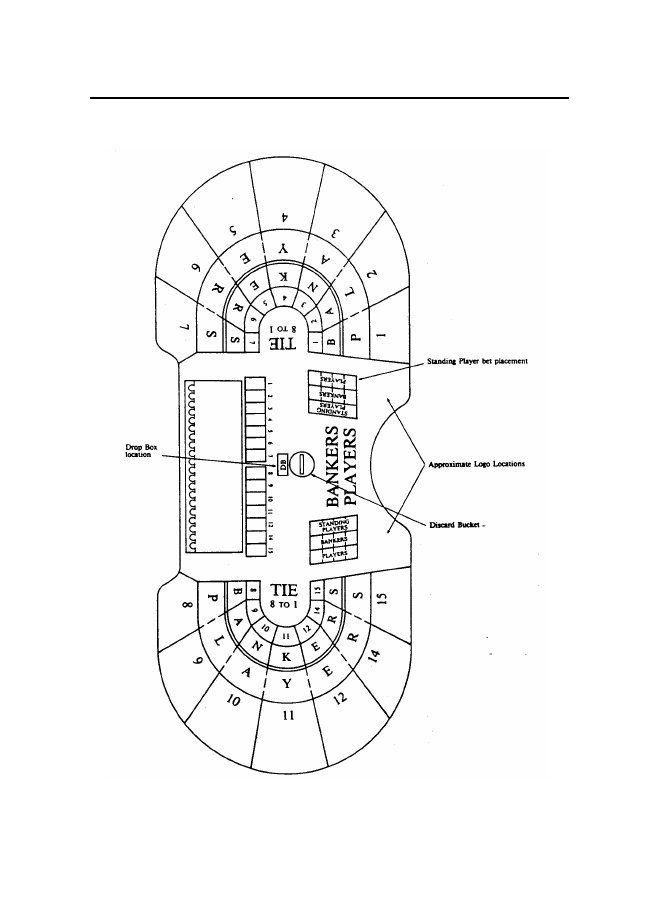
924s 10Casino Gaming
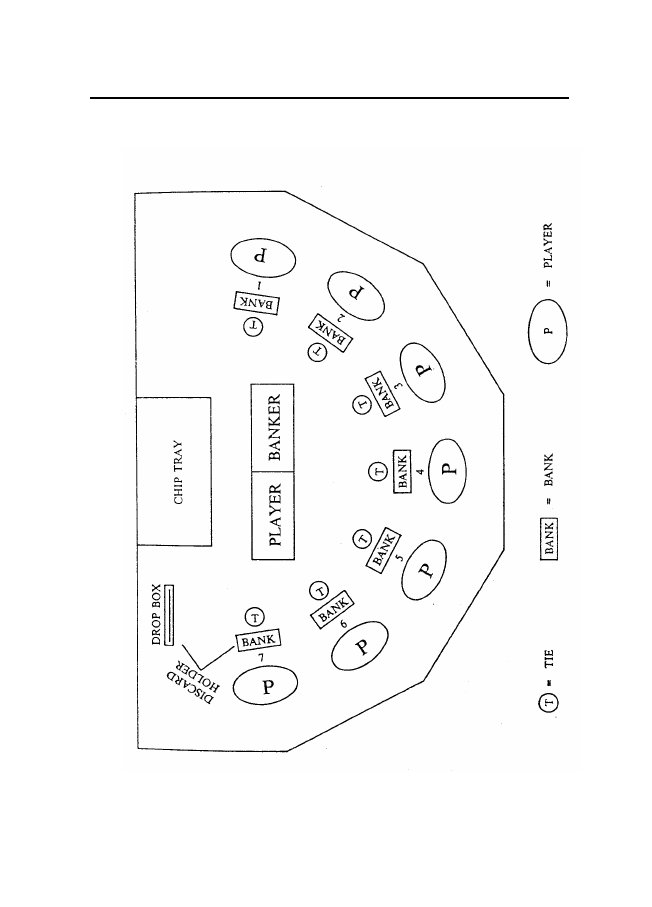
Rules 1985˙Application for Minister’s
approval9.(1)The casino
operator shall, at least 2 months prior to the date onwhich
any tournament is to be conducted, submit to the chief executive
forthe approval of the Minister an application
in writing containing with respectto each proposed
tournament—(a)astatementoftheentryfeeandotherconditionsofentry,includingtheentryformthatistobecompletedbyintendingplayers;
and(b)a statement of the conditions of play,
including—(i)procedures for the conduct and playing
of the tournamentgames; and(ii)express references to any provisions of
these rules that arenottoapplyoraretobealteredforthepurposeofconducting the tournament; and(iii)anyadditionalrulesthataretoapplyforthepurposeofconducting the tournament; and(c)suchfurtherinformationandparticularsasthechiefexecutivemay
require.(2)Any alterations of the provisions of
these rules, as specified in theproposed
conditions of play, shall be limited to those alterations that
arereasonably necessary for the purpose of
conducting a tournament.(3)An application
may be in respect of—(a)1 tournament;
or(b)2ormoretournamentstobeconductedoveraperiodnotexceeding 1 year.˙Entry
fees for tournament10.The following provisions shall apply
to every tournament—(a)all entry fees
received by the casino operator shall be included in aprize pool for distribution to the winning
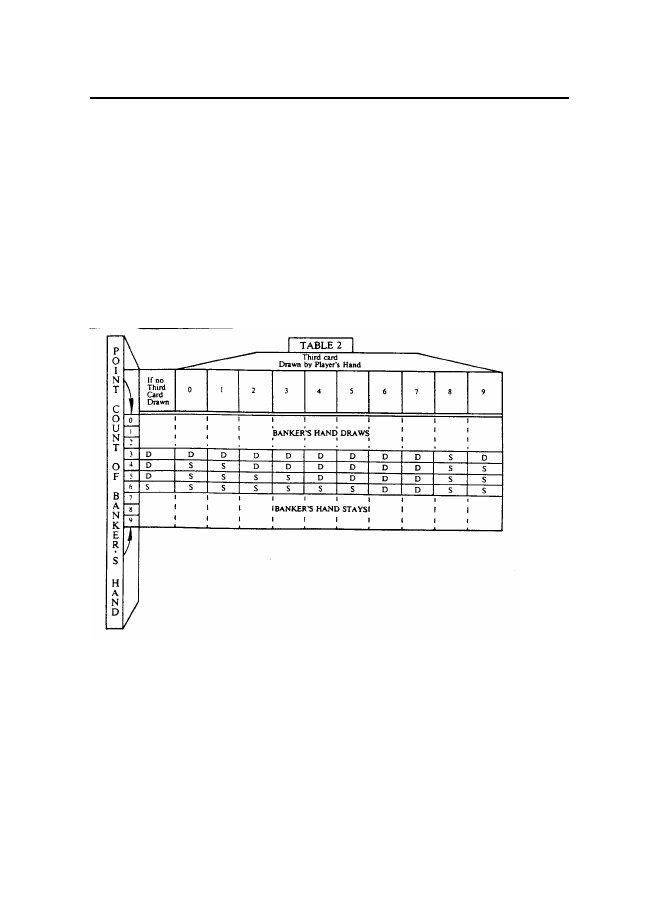
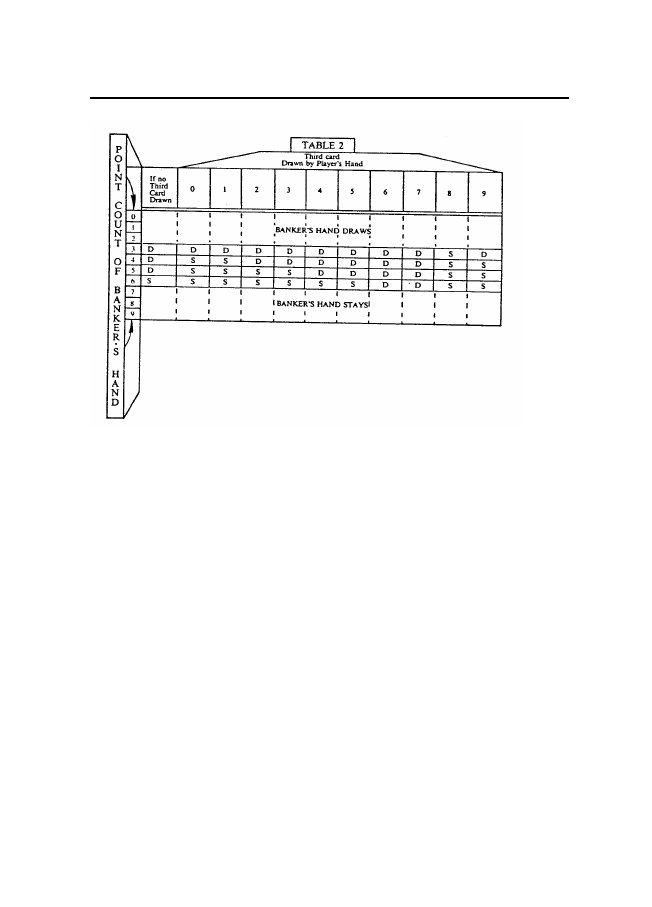
players in accordancewith the conditions of play and no
entry fee or part thereof shallbe refunded to
any person unless specifically permitted by theconditions of
entry or conditions of play;
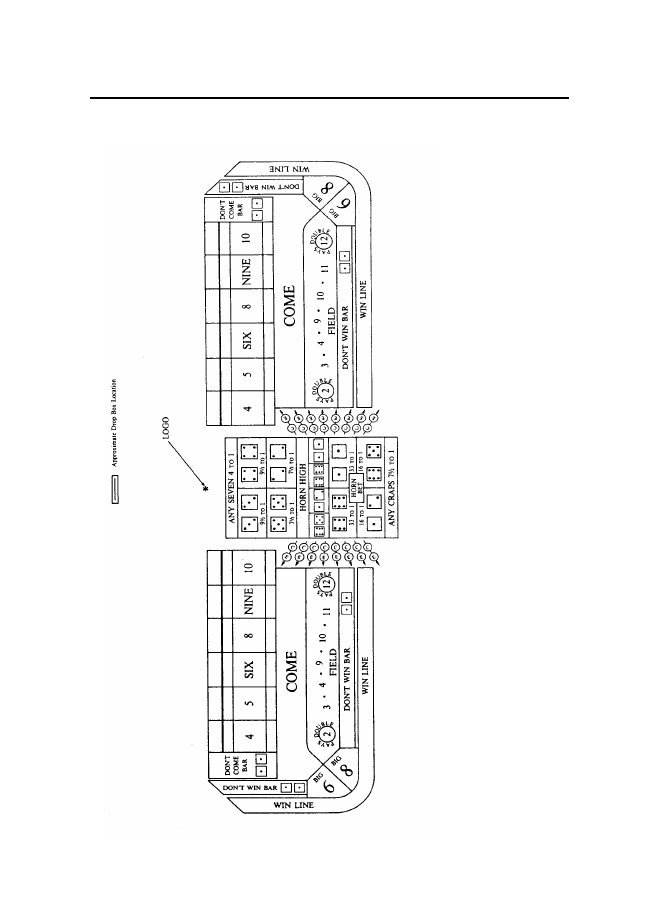
s
1125s 13Casino Gaming
Rules 1985(b)every entry fee shall be in the amount
approved by the Minister inrespect of the
tournament.˙Review of applications and
consideration by Minister11.(1)The chief
executive shall review each application received by thechief
executive pursuant to section 9 and make a recommendation to
theMinister with respect to the
application.(2)TheMinister,uponaconsiderationoftherecommendationofthechief executive and such other matters
with respect to the application as theMinister thinks
fit, may—(a)approve the application without
alteration; or(b)approve the application subject to
such alterations as the Ministerthinks fit;
or(c)refuse the application.˙Cancellation in certain circumstances
if approval relates to more than1
tournament12.Where the Minister has approved an
application that relates to theconduct of 2 or
more tournaments by the casino operator, the Minister maycancel his or her approval if the Minister is
advised by the chief executivethat the conduct
of any tournament by the casino operator has been in anyrespectcontrarytothetermsoftheapprovalorthatforothersufficientreason the
approval should be cancelled.†PART
4—BLACKJACK†Division 1—Table etc.˙Table and layout13.(1)Blackjack shall be played at a table having
on one side places for
s
1426s 14Casino Gaming
Rules 1985the players and on the opposite side a place
for the dealer.(2)The layout cloth for the blackjack
table must have printed on it thename of, or logo
for, the casino and—(a)rectangular,
circular or oval areas to indicate boxes for wagers; or(b)ifthechiefexecutivehasapprovedachangetotheboxesforsuper sevens wagers—the boxes as
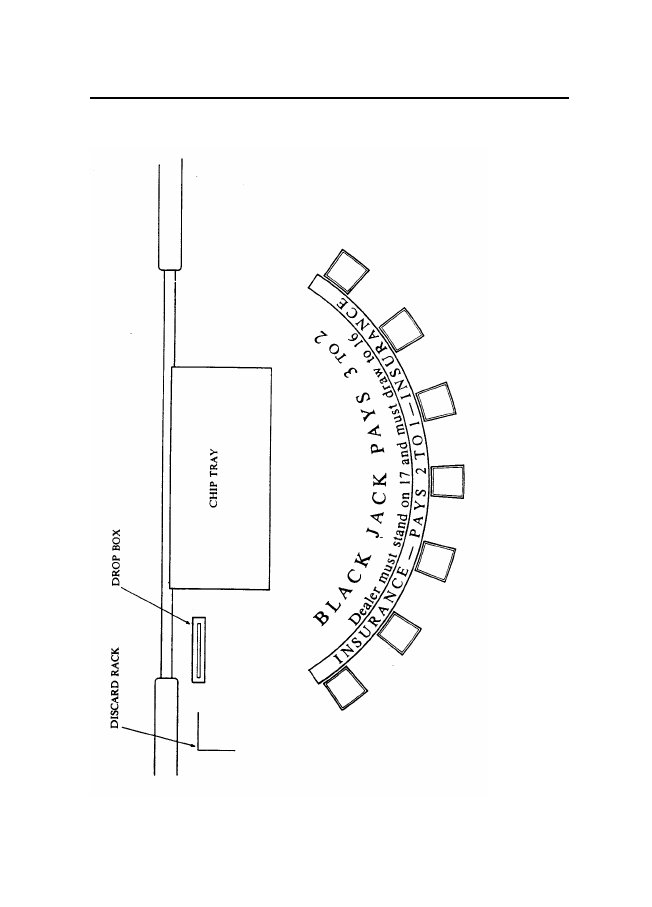
approved.(3)The following inscriptions shall
appear on the layout cloth—(a)blackjack pays 3 to 2;(b)dealer must stand on 17 and must draw to
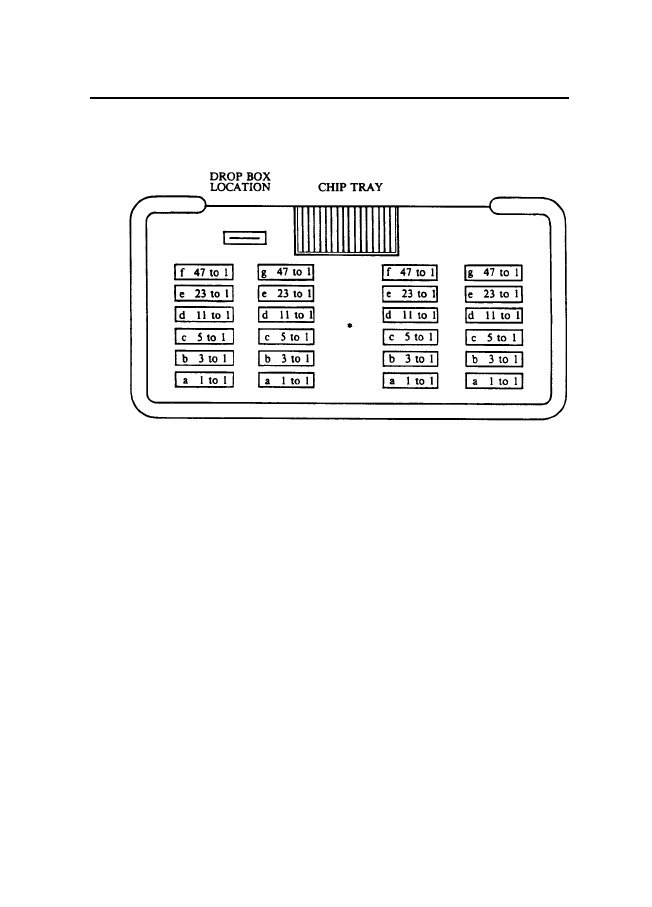
16;(c)insurance pays 2 to 1.˙Drop box and discard rack14.Each blackjack table shall have a drop
box and a discard rack attachedto it at
approximately the locations shown in diagram 1.
s
1427s 14Casino Gaming
Rules 1985DIAGRAM 1—LAYOUT OF BLACKJACK
TABLE
s
1528s 18Casino Gaming
Rules 1985†Division 2—General rules of
blackjack˙Definitions15.In
this part—“blackjack”means an ace and
any card having a point value of 10 dealt asthe initial 2
cards to a player or a dealer.“dealer”means the person responsible for dealing the
cards at a blackjacktable.“hard
total”means the point total of a hand which
contains no aces orwhich contains aces that are each counted as
1 in value.“soft total”means the point
total of a hand containing an ace when the aceis counted as 11
in value.˙Number of decks16.Blackjack shall be played with 5 to 8 decks
of cards with backs of thesame colour and design and 2 additional
red cutting cards.˙Value of cards17.The
value of the cards contained in each deck shall be as
follows—(a)any card from 2 to 10 shall have its
face value;(b)any jack, queen or king shall have a
value of 10;(c)an ace shall have a value of 11 except
where that would give aplayer or the dealer a point total in
excess of 21, in which case, itshall have a
value of 1 and except as provided in section 37.˙Winning and losing wagers18.Prior to the first card being dealt
for each round of play, each playeratthegameofblackjackshallmakeawageragainstthedealerwhichshall—(a)win
if the point total of the player is 21 or less and that of
thedealer is in excess of 21;
s
1929s 21Casino Gaming
Rules 1985(b)winifthepointtotaloftheplayerexceedsthatofthedealerwithout either exceeding 21;(c)win if the player has a blackjack and
the dealer has achieved apoint total of 21 in more than 2
cards;(d)lose if the dealer has a blackjack and
the player has achieved apoint total of 21 in more than 2
cards;(e)except as provided in paragraphs (c)
and (d), be void if the pointtotal of the
player is the same as the dealer or if the dealer and theplayer both have a blackjack;(f)lose if the point total of the player
is in excess of 21;(g)loseifthepointtotalofthedealerexceedsthatoftheplayerwithout either exceeding 21.˙Way wagers may be made19.(1)Allwagersatthegameofblackjackshallbemadebyplacinggamingchips,withthesmallerdenominationchipsontop,intheappropriate wager area of the blackjack
layout.(2)Orally declared wagers shall not be
accepted at blackjack.(3)Subject to
section 6, wagers may be placed by the use of coins.˙Payout odds for winning wagers20.All winning wagers made in accordance
with section 18 shall be paidat odds of 1 to 1
with the exception of blackjack which shall be paid at oddsof 3
to 2.˙Time for wagering21.(1)Once
the first card of any hand has been removed from the shoeand
dealt by the dealer, no player shall handle, remove or alter any
wagersthat have been made until a decision has been
rendered and implementedwith respect to that wager except as
explicitly permitted by these rules; andno dealer or
other person shall permit any player to do so.(2)Once
a wager on the insurance line, a wager to double down or
a
s
2230s 23Casino Gaming
Rules 1985wager to split pairs has been made and
confirmed by the dealer, no playershall handle,
remove or alter such wagers until a decision has been
renderedand implemented with respect to that wager,
except as explicitly permittedby these rules
and no dealer or other person shall permit any player to doso.˙Entry to or
exclusion from game after first round22.(1)A
casino operator may preclude any person who has not made awager
on the first round of play from entering on a subsequent round
ofplay, prior to a reshuffle of cards
occurring.(2)Any person permitted by the casino
operator to enter the game afterthe first round
of cards is dealt from the dealing shoe, may be required bythe
casino operator to wager only the minimum wager posted at the
table,until the cards are reshuffled and a new shoe
is commenced.(3)Anyplayerwho,afterplacingawageronagivenroundofplay,declinestoplaceawageronanysubsequentroundofplaymaybeprecluded by the casino operator from
placing any further wagers until thatshoe of cards is
completed and a new shoe is commenced.˙Minimum and maximum wagers for tables23.(1)The casino
operator must set minimum and maximum wagers foreach
blackjack table.(2)The minimum and maximum wagers must be
displayed on a sign ateach table with letters and numbers not
less than 8 mm high.(3)If the minimum wager at a table is $5
or less the maximum wagermust be at least $100.(4)However, the casino operator may
operate a maximum of 8 tables atwhich—(a)the minimum wager is $2 and the
maximum wager is $10; and(b)casino patrons
are instructed in the rules, procedures and basicplaying strategies of
blackjack.
s
2431s 26Casino Gaming
Rules 1985˙Sorting of cards and player
inspection24.(1)After receiving
the 5 to 8 decks of cards at the table, both thedealerandfloormanager/personshallsortandinspectthecardsindependently of
each other.(2)After the sorting and inspection under
subsection (1), the cards mustbespreadfaceuponthetableinawaymakingiteasyforapersoninspecting them
to see if each deck is complete.(3)After the first player or players are
afforded an opportunity to visuallyinspect the
cards, the cards shall be turned face downward on the table,stacked and shuffled.˙Shuffling of cards25.Thedealershallshufflethecardssothattheyarerandomlyintermixed—(a)immediately prior to the start of play;
or(b)after any round of play, if so
directed by a pit boss, assistant pitbossorfloormanager/person,whichdirectionmust,unlessallplayers at the table are in agreement with
the decision to shuffle,be reported immediately to an
inspector; or(c)at the appropriate time, as provided
for under these rules, after thecutting card is
reached in the shoe; or(d)after each shoe
of cards is dealt.˙Cutting of cards by player and
dealer26.(1)After the cards
have been shuffled, the cards shall be cut.(2)Two
cut cards shall be used.(3)The dealer shall
offer the stack of cards, with backs facing away fromthe
dealer, to the players to be cut.(4)The
player designated in section 27 shall cut the cards by placing 1
ofthe cutting cards in the stack at least 10
cards from either end.(5)The stack of
cards shall be cut only once by the player.
s
2732s 28Casino Gaming
Rules 1985(6)After the cutting card has been
inserted into the stack by the player,the dealer shall
take the cutting card and all cards in front of the cutting
cardand place them to the back of the
stack.(7)Thedealershallinserttheothercuttingcardinapositionapproximately1/4ofthewayinfromthebackofthestackoratthediscretionofapitbossorassistantpitbossinsertthecuttingcardinaposition not more
than about 2/3 of the way in from the back of the stack.(8)Thestackofcardsshallthenbeinsertedinthedealingshoeforcommencement of play.˙Selecting player to cut cards27.(1)The player to
cut the cards shall be—(a)the first player
to the table immediately prior to the start of play;(b)the player on whose box the cutting
card appeared during the lastround of
play;(c)theplayeratthefarthestpointtotherightofthedealerifthecutting card appeared on the dealer’s
hand during the last round ofplay;(d)theplayeratthefarthestpointtotherightofthedealerifthereshuffleorreplacementofthecardswasinitiatedundersection 25(b).(2)If
the player designated in subsection (1) refuses to cut, the
cardsshall be offered to each other player moving
clockwise around the table untila player accepts
the cut.(3)Ifnoplayeracceptsthecut,thepitboss,assistantpitboss,floormanager/person or the dealer shall cut the
cards.˙Replacing the cards28.A
pit boss, assistant pit boss or floor manager/person may, after
anyround of play, direct that the cards shall be
replaced and, if he or she doesso, the new cards
shall be shuffled and cut in accordance with these
rules.
s
2933s 30Casino Gaming
Rules 1985˙Using a dealing shoe29.(1)Allcardsusedinthegameofblackjackshallbedealtfromadealing shoe specifically designed for
such purpose and located on the tableto the left of
the dealer.(2)The dealer shall remove cards from the
shoe with the left hand, andthen with the
right hand place them, face up, on the appropriate area of
thelayout, except that the dealer has the option
to deal hit cards to the first2 positions with
the dealer’s left hand.˙Dealing the
cards30.(1)Atthecommencementofeachroundofplay,thedealershall,starting on the dealer’s left and continuing
around the table, deal the cards inthe following
order—(a)1cardfaceuptoeachboxonthelayoutinwhichawageriscontained;(b)1
card face up to the dealer;(c)a
second card face up to each box in which a wager is
contained.(2)After 2 cards have been dealt to each
player and 1 card to the dealer,thedealer,beginningfromthedealer’sleft,shallannouncetheplayers’point total and
shall let each player indicate whether the player wishes todouble down, split pairs, stand, or
draw.(3)As each player indicates his or her
decision(s), the dealer shall dealfaceupwhateveradditionalcardsarerequiredtogiveeffecttosuchdecision(s)andshallannouncethepointtotalofsuchplayeraftereachadditional card is dealt.(4)Afterthedecisionsofeachplayerhavebeencompletedandalladditional cards have been dealt, the
dealer shall deal a second card face upto the
dealer.(5)Any additional cards dealt to the hand
of the dealer shall be dealt faceup at this time
after which the dealer shall announce the dealer’s point
total.
s
3134s 35Casino Gaming
Rules 1985˙Collecting and discarding cards after
play31.(1)At the
conclusion of a round of play, all cards still remaining onthe
layout shall be picked up by the dealer in order and in such a way
thattheycanbereadilyarrangedtoindicateeachplayer’shandincaseofquestion or dispute.(2)The
cards must be placed in the discard rack.˙Procedure when cutting card is reached32.(1)Whenever the
cutting card is reached in a round of play, the dealershall
continue dealing the cards until that round of play is completed
afterwhich the dealer shall reshuffle the
cards.(2)Whenever the cutting card is drawn as
the first card of a new roundof play, the
cards shall be immediately reshuffled.(3)Subsection(4)appliesif,beforeanewroundofplaystarts,andbefore the cutting card has been dealt,
a pit boss or assistant pit boss directsonly 3 more
rounds to be played before the table is closed.(4)Despite subsections (1) and (2), if the
cutting card is dealt in 1 of the3 rounds of play
mentioned in subsection (3), the 3 rounds may be finishedwithout a card reshuffle.˙Players not to handle cards etc.33.No player or spectator shall handle,
remove or alter any cards used togameatblackjackexceptasexplicitlypermittedbytheserules,andnodealer or other
person shall permit a player or spectator to do so.˙Player responsible for own point
total34.Each player at the table shall be
responsible for correctly computingthe point total
of the player’s hand and no player shall be entitled to rely
onthe point total announced by the
dealer.˙Play if player has blackjack35.(1)If the first
face up card dealt to the dealer is 2, 3, 4, 5, 6, 7, 8 or
9
s
3635s 36Casino Gaming
Rules 1985and a player has blackjack, the dealer shall
announce and pay the blackjackat odds of 3 to 2
and shall remove the player’s cards before any playerreceives a third card.(2)If
the first face up card dealt to the dealer is an ace, king, queen,
jackor 10 and a player has a blackjack, the
dealer shall announce the blackjackbut shall make no
payment nor remove any cards until all other cards aredealt
to the players and the dealer receives his or her second
card.(3)If the dealer’s second card does not
give the dealer blackjack, thedealer shall
complete his or her hand and any player having blackjack
shallbe paid at the odds of 3 to 2.(4)Notwithstanding any other provision of
these rules, when a playerhas blackjack and the dealer’s first
card is an ace, the dealer shall pay theplayer
immediately at odds of 1 to 1 in full settlement of the player’s
wagerif so requested by the player.†Division 3—Different types of wagers,
extra players and other matters˙Insurance wagers36.(1)Whenever the first card dealt to the dealer
is an ace, each playershallhavetherighttomakeaninsurancewagerwhichshallwinifthedealer’s second card is a king, queen, jack
or 10 and shall lose if the dealer’ssecond card is an
ace, 2, 3, 4, 5, 6, 7, 8 or 9.(2)If
subsection (1) applies, the dealer must call for insurance wagers
bycalling ‘insurance’.(3)An
insurance wager may be made by placing on the insurance line
anamount not more than half the amount staked
on the player’s initial wagerwhich shall be
accomplished immediately after the second card is dealt toeach
player and prior to any additional cards being dealt to
them.(4)However, the insurance wager may
exceed half the amount staked onthe player’s
initial wager by 25c in order to ensure an even dollar payout,
ifthe insurance wager wins.(5)All
winning insurance wagers shall be paid at odds of 2 to 1.(6)Alllosinginsurancewagersshallbecollectedbythedealer
s
3736s 38Casino Gaming
Rules 1985immediately after the dealer draws his or her
second face up card and beforethe dealer draws
any additional cards.˙Doubling
down37.(1)A player may
elect to double down, (i.e. make an additional wagernot
in excess of the amount of the player’s original wager), on the
first2cardsdealttotheplayerorthefirst2cardsofanysplitpairontheconditions that
the point count of the first 2 cards total either 9, 10 or
11,and that 1, and only 1, additional card shall
be dealt to the hand on which theplayer has
elected to double down.(2)In such
circumstances, the 1 additional card shall be dealt face up
andplaced sideways on the layout.(3)Any ace in the first 2 cards of any
double down situation shall have avalue of 1 and
not 11.(4)If the dealer obtains blackjack after
a player doubles down, the dealershall only
collect the amount of the original wager of such player and
shallnot collect the additional amount wagered in
doubling down.˙Splitting cards38.(1)If
the initial 2 cards dealt to a player are identical in value,
theplayermayelecttosplitthehand,makingeachcardthefirstcardofaseparate
hand.Example—If a
player’s hand consists of a queen and a 10, the 2 cards may be
split, makingthe queen the first card of 1 hand and the 10
the first card of a separate hand.(2)However, the player must wager on each hand
the amount wageredon the original hand before it was
split.(3)When a player splits cards, the dealer
shall deal a second card to thefirst of the
hands so formed and shall complete the player’s decisions
withrespect to that hand before proceeding to
deal any cards to the second hand.(4)After a second card is dealt to a split
card, the dealer shall announcethepointtotalofsuchhandandtheplayershallindicatetheplayer’sdecision to
stand, draw or double down with respect thereto except
that—
s
3937s 40Casino Gaming
Rules 1985(a)a player shall not split cards again;
and(b)a player splitting aces shall only
have 1 card dealt to each ace andmay not elect to
receive additional cards; and(c)a
player splitting aces or 10 point value cards shall not be
capableof achieving a blackjack.(5)If the dealer obtains a blackjack
after a player splits cards, the dealershall only
collect the amount of the original wager of such player and
shallnot collect the additional amount wagered in
splitting cards.˙Additional cards for players39.(1)A player may
elect to draw additional cards whenever the player’spoint
total is less than 21 except that—(a)a
player having blackjack or a hard or soft total of 21 may
notdraw additional cards;(b)aplayerelectingtodoubledownshalldraw1andonly1
additional card;(c)a player splitting aces shall only
have 1 card dealt to each ace andmay not elect to
receive additional cards.(2)A dealer may
direct that a player shall draw 1 additional card whenthe
point total of the player is 11 or less, except when that total
includes anace which has been given a value of 1 or when
the provisions of section 37apply.˙Additional cards for dealer40.(1)Exceptasprovidedinsubsection(2),adealershalldrawadditional cards
to his or her hand until the dealer has a hard or soft total
of17, 18, 19, 20 or 21 at which point no
additional cards shall be drawn.(2)A
dealer shall draw no additional cards to his or her hand,
regardlessof the point total, if decisions have been
made on all players’ hands and theadditional cards
would have no effect on the outcome of the round of
play.
s
4138s 43Casino Gaming
Rules 1985˙One player for each box
generally41.Except as provided in section
42—(a)only 1 player shall be allowed to play
on a box at a blackjacktable; and(b)the
dealer shall not allow any player to place a wager on
anotherplayer’s hand.˙Circumstances when more than 1 player for a
box etc.42.(1)The casino
operator may permit up to 3 players to wager on any1 box
at a blackjack table.(2)The casino
operator may direct that the total of all players’ wagers onany 1
box shall not exceed the table maximum or that the separate
wagersfor each player shall not exceed the table
maximum.˙Relationship between players on same
box43.Whenever more than 1 player wagers on
a box—(a)the first player shall have the
exclusive right to make the decisionswith regard to
the cards to be dealt to such box;(b)the
first player shall place his or her wager in that portion of
thebox closest to the dealer’s side of the
table and all other playersshall place
their wagers immediately behind and in a straight linewith
the wager of the first player;(c)ifthefirstplayerdecidestodoubledown,asprovidedinsection 37, the other players may also
double down but shall notbe required to do so.In
any event, only 1 additional card shall be dealt to the hand
thatis subject to the double down
situation;(d)if the first player decides to split
cards, the other players shalleither make an
additional wager as provided in section 38 to covereach
split card or designate to which of the split cards they
wishtheir initial wager to apply;
s
4439s 47Casino Gaming
Rules 1985(e)all players shall have the right to
make an insurance wager asprovided in section 36.˙Circumstances when a player may wager
on more than 1 box44.(1)A player may be
permitted by a casino operator to wager on morethan 1 box at a
blackjack table with the understanding that, when there areinsufficient seats in the casino to
accommodate patron demand, a playerwagering on more
than 1 box shall give up a box or boxes to accommodateother
players.(2)Where a player is permitted to wager
on more than 1 box at a table,such player shall
make at least the minimum wager on each hand played.†Division 4—Super sevens wagers˙Additional super sevens wager45.A player may choose to place an
additional wager if the boxes forwagers on the
blackjack table layout provide for super sevens wagers (a“super
sevens wager”).˙Placing a super
sevens wager46.(1)A player may
place a super sevens wager on any box on whichthe player has
placed a blackjack wager.(2)The wager must
be placed before any cards in the game are dealt.˙Winning and losing super sevens wagers
and payout odds47.(1)A super sevens
wager wins if—(a)the first, second and third cards
dealt to the player placing thewager are all
sevens; or(b)the first and second cards dealt to
the player placing the wager areboth sevens, but
the wager does not win under paragraph (a); or(c)the
first card dealt to the player placing the wager is seven, but
the
s
4840s 48Casino Gaming
Rules 1985wager does not win under paragraph (a) or
(b).(2)Winning super sevens wagers have the
following payouts—(a)for 3 sevens (see subsection
(1)(a))—(i)if the 3 sevens are all the same
suit—5 000 to 1; or(ii)if the 3 sevens
are not all the same suit—500 to 1;(b)for
2 sevens (see subsection (1)(b))—(i)if
the 2 sevens are both the same suit—100 to 1; or(ii)if the 2 sevens
are not both the same suit—50 to 1;(c)for
1 seven (see subsection (1)(c))—3 to 1.(3)A
super sevens wager loses if the first card dealt to the player
placingthe wager is not seven.˙How
super sevens wagers are dealt with48.(1)Aftereachplayerhasbeendealttheplayer’sfirst2cards,thedealer takes away all losing super sevens
wagers.(2)Thedealerthenmakespayoutstoeachplayerwhosefirstcardisseven
but whose second card is not seven.(3)The
dealer then goes on to deal with each player in the usual way
forblackjack.(4)If a
player with 2 sevens declines a third card, the dealer
immediatelymakes a payout for the player’s winning super
sevens wager.(5)If a player with 2 sevens takes a
third card and it is seven, the dealerimmediately makes
a payout for the player’s winning super sevens wager.(6)If a player with 2 sevens takes a
third card and it is not seven, but theplayer does not
bust, the dealer immediately makes a payout for the player’swinning super sevens wager.(7)If a player with 2 sevens takes a
third card and busts, the dealer takesaway the player’s
blackjack wager, then makes a payout for the player’swinning super sevens wager, and lastly takes
away the player’s cards.
s
4941s 50ACasino Gaming
Rules 1985˙Splitting sevens49.(1)If a
player who makes a super sevens wager splits 2 sevens, theplayer’s super sevens result is decided from
those 2 cards and the next carddealt to the
player (that is, the 2 sevens that were split and the card dealt
asthe second card to the first of the split
sevens).(2)The dealer makes a payout for the
super sevens wager immediatelythe result is
decided.˙When 2 or more players on a box50.(1)If2ormoreplayerswageronaboxwherethefirstplayerispermitted to make super sevens wagers,
the other player or players mayalsomakesupersevenswagers,butthefirstplayer’srighttomakedecisions about
the cards to be dealt is not affected.(2)If
the first player splits a pair of sevens, the cards that decide
thesuper sevens result for the first player also
decide the super sevens result foranotherplayerwageringforthebox,whetherornottheotherplayerchooses to make
an additional blackjack wager to cover each split card.†Division 4A—Bonus blackjack˙Additional bonus blackjack wager50A.(1)Aplayermayplaceanadditional$1wager(a“bonusblackjack
wager”) if—(a)the
boxes for wagers on the blackjack table layout provide forbonus blackjack; and(b)asignatthetableshowstheamountsofthebonusblackjackpayouts for the table.(2)Bonus blackjack may be played only if either
6 or 8 decks of cardsare used for the game of
blackjack.(3)The casino operator may offer bonus
blackjack to blackjack playersunderanothernameifthecasinooperatorconsiderstheothernameappropriate.
s
50B42Casino Gaming Rules 1985s
50C˙Placing a bonus blackjack wager50B.(1)A player may
place a bonus blackjack wager on a box if theplayer is the
first player for the box.(2)If 2 or more
players wager on a box where the first player may makea
bonus blackjack wager, the other player or players may not make a
bonusblackjack wager, even if the first player
elects not to make a bonus blackjackwager.(3)The wager must be placed before any
cards in a round are dealt.(4)The wager must
be made by placing chips in the appropriate area ofthe
layout.(5)Only 1 bonus blackjack wager may be
placed on a box for a round ofplay.˙Winning bonus blackjack wagers and
payouts50C.(1)A bonus
blackjack wager wins if—(a)4 cards are
dealt to the player placing the wager, and 3 of the4
cards are fives and the other card is a six; or(b)3
cards are dealt to the player placing the wager and they are
allsevens; or(c)3
cards are dealt to the player placing the wager and 1 card is
asix, 1 card is a seven, and 1 card is an
eight; or(d)a nominated blackjack is dealt to the
player placing the wager.(2)Winningbonusblackjackwagershavethefollowingpayoutamounts—(a)for
3 fives and a six (see subsection (1)(a))—(i)if
the 4 cards are all the same suit—$25 000; or(ii)if
the 4 cards are not all the same suit—$1 500;(b)for
3 sevens (see subsection (1)(b))—(i)if
the 3 cards are all the same suit—$5 000; or(ii)if
the 3 cards are not all the same suit—$500;
s
50D43Casino Gaming Rules 1985s
50D(c)for a six, a seven and an eight (see
subsection (1)(c))—(i)if the 3 cards are all the same
suit—(A)if8decksofcardsareinuseforthegameofblackjack—$750; or(B)if6decksofcardsareinuseforthegameofblackjack—$800; or(ii)if
the 3 cards are not all the same suit—$50;(d)for
a nominated blackjack (see subsection (1)(d))—$175.(3)In this section—“nominated
blackjack”means a blackjack consisting of an ace of a
suitnominated for the round of play on a sign on
the table and anothercard, also nominated on the sign, of
the same suit as the ace.˙Dealing with bonus
blackjack wagers50D.(1)This section
applies to a player who makes a bonus blackjackwager in addition
to the player’s blackjack wager.(2)If
the dealer settles a winning blackjack wager for the player and
theplayer has blackjack, the dealer must—(a)iftheplayer’sbonusblackjackwagerisnotawinningbonusblackjack wager—take away the bonus
blackjack wager; or(b)ifthebonusblackjackwagerisawinningbonusblackjackwager—also
settle the winning bonus blackjack wager.(3)If
the player’s bonus blackjack wager cannot be a winning bonusblackjackwager,thedealermusttakeawaythewagerassoonasitisevident that no
more cards are to be dealt to the player.(4)If
the player’s bonus blackjack wager is a winning bonus
blackjackwager, but subsection (2) does not apply, the
dealer must leave the wager inits place.(5)Iftheplayer’sbonusblackjackwagerisleftinitsplaceundersubsection (4), the dealer must settle it
after all players’ blackjack wagershave been
settled.
s
50E44Casino Gaming Rules 1985s
53˙Splitting cards50E.If a
player who makes a bonus blackjack wager splits 2 cards, theplayer’s bonus blackjack result is decided
from the hand dealt to the first ofthe split
cards.†Division 5—Irregularities˙Exposed card in rack51.A card found turned face up in the
shoe shall be removed from playand placed in the
discard rack.˙Card drawn in error to be used in
play52.(1)A card drawn in
error without its face being exposed shall be usedas
though it were the next card from the shoe.(2)After the initial 2 cards have been dealt to
each player and a card isdrawn in error and exposed to the
players, such card shall be dealt to aplayer or the
dealer as though it were the next card from the shoe.(3)Any player refusing to accept such
card shall not have any additionalcards dealt to
that hand during that round.(4)Ifthecardisrefusedbytheplayersitshallbecomethedealer’ssecond card
except as provided in section 62.˙Card
drawn in error not to be used53.(1)Subsection (2) applies if the dealer—(a)has 17 or more points; and(b)accidentally deals another card to the
dealer’s hand; and(c)exposes the face of the card to the
players.(2)The card must be removed from play and
placed in the discard rack.
s
5445s 57Casino Gaming
Rules 1985˙No first card dealt to dealer’s
hand54.If a dealer is dealing the second card
to each player and discovers heorshemisseddealingafirstcardtohimselforherself,thedealermustcontinue the play in the following
sequence—(a)the dealer must finish dealing the
second card to each player;(b)the
dealer must deal 1 card to the dealer’s hand;(c)the
dealer must give each player the choice of withdrawing theplayer’s wager;(d)the
dealer must finish acting on each player’s hand that has notbeen
withdrawn;(e)the dealer must finish dealing the
hand in the usual way.˙Insufficient cards
in shoe to complete round of play55.If
there are insufficient cards remaining in the shoe to complete
around of play, all of the cards in the
discard rack shall be shuffled and cut inaccordance with
the procedures laid down in these rules.˙No
cards dealt to a player’s hand56.(1)If
no cards are dealt to the player’s hand, the player’s hand is
deadand the player shall retract his or her
wager.(2)Ifonly1cardisdealttoaplayer’shand(otherthantheplayerimmediately
before the dealer), the player shall have the option of
retractinghisorherwagerorreceivingasecondcardafterallotherplayershavereceived a second
card and before any other card is dealt.˙No
second card to last player if dealer has no second card57.(1)This section
applies to the player immediately before the dealerif—(a)the dealer has
not dealt a second card to the player; and(b)all
other players have been dealt the second card and hit with
theadditional cards that each has requested;
and
s
5846s 59Casino Gaming
Rules 1985(c)the dealer has not dealt himself or
herself a second card.(2)The player may
choose—(a)to retract the player’s wager;
or(b)to be dealt a second card and any
additional cards and before thedealer deals a
second card to himself or herself.˙No
additional cards offered to player58.Ifaplayermissesbeinghitwithadditionalcards(otherthantheplayer immediately before the dealer),
the player shall have the option ofretracting the
player’s bet or playing out the hand after all other players
havecompleted their hands and before any other
card is dealt.˙No second card to last player if dealer
has second card and more59.(1)This section
applies to the player immediately before the dealerif—(a)the dealer has
not dealt the second card to the player, or offered tohit
the player with additional cards; and(b)thedealerhasdealthimselforherselfthesecondcardandhithimself or
herself with an additional card.(2)Thedealermustseparateoutthedealer’ssecondcardandanyadditional cards in the order in which
they were dealt.(3)For the purposes of subsections (4)
and (5) and before taking anyother cards from
the shoe, the dealer must use the second card and anyadditional cards that have been separated out
in the order that the cards wereoriginally taken
from the shoe.(4)The dealer is to deal the player
immediately before the dealer—(a)if
the player was not dealt a second card—a second card; and(b)if the player indicates that he or she
wants to be hit with additionalcards—as many
additional cards as the player indicates.(5)The
dealer must deal a second card to himself or herself and may
hitthe dealer’s hand in the usual
way.
s
6047s 62Casino Gaming
Rules 1985˙Player given extra cards60.If a player is inadvertently dealt
more than 2 cards in respect of theoriginal deal or
more than 1 card in respect of any hit to the player’s hand,the
dealer shall call a floor manager/person who may—(a)declare that the wager of the player
shall be void; or(b)direct that 1 or more of the player’s
cards shall be removed fromplay and placed
in the discard rack; or(c)direct that all
cards of the player’s hand shall be deemed to havebeen
correctly dealt.˙Dealer with no first card61.(1)If a dealer is
acting on a player’s hand and discovers he or she hasmissed dealing a first card to himself or
herself, the dealer must—(a)give each player
the choice of withdrawing the player’s wager;and(b)finish acting on all players’ hands
that have not been withdrawn.(2)Thedealermusttake2cards,andifnecessary,finishhittingthedealer’s hand, if there is at least 1
player—(a)who did not withdraw the player’s
wager; and(b)whose point total is not more than
21.(3)The dealer need not deal to the
dealer’s hand if either of the followingapplies to each
of the players—(a)the player withdrew the player’s
wager;(b)the player obtained a point total of
more than 21.˙Dealer with too many cards62.If contrary to section 30(1) the
dealer has inadvertently dealt 2 ormorecardstohimselforherself,allcardsheldbythedealershallbedeemed to be the point total normally counted
after the dealer’s second cardhas been dealt
but not a blackjack.
s
6348s 65ACasino Gaming
Rules 1985˙Extra hand dealt63.A
hand dealt in error superfluously shall be regarded as void.˙Player refusing to act on hand after
wagering64.If a player who has made the initial
wager required by section 18 failswithin a
reasonable period, or refuses or is not present, to act on the
player’shand,apitboss,assistantpitbossorfloormanager/personmaydirectthat—(a)the 2 initial cards shall be dealt to
the player’s hand;(b)further cards shall be dealt to the
player’s hand, whilst the hardtotal of the
hand does not exceed 11.˙Paramount
provision if only 1 card incorrectly placed65.Notwithstanding sections 51 to 64, where
during dealing the dealerbecomes aware that a single card has
been placed in an incorrect position,thenprovidedthatnoothercardhasbeenexposedsubsequenttotheincorrect placement, the dealer shall
move the card to its correct position.†Division 6—Use of card machine˙Card machine65A.(1)A
card machine may be used for blackjack.(2)However, a card machine must not be used for
a game of blackjack ifsuper sevens or bonus blackjack is
offered with the game.(3)If a card
machine is used, the operation of divisions 1 to 5 is
changedto the extent necessary for the following to
have effect—(a)the number of decks used must be not
less than the minimum,andnotmorethanthemaximum(whichinturnmustbenotmore than 8),
number of decks approved by the chief executivefor use in the
card machine;(b)whenplayisstarted,orifthecardsinthecardmachineare
s
65B49Casino Gaming Rules 1985s
65Breplaced under section 28,2the cards must be sorted,
inspectedand shuffled in the way stated in division
2, but are then placed inthe card machine;(c)the
cards do not need to be cut before being placed in the cardmachine;(d)a
cutting card may be used to conceal the bottom card of the
cardsplacedintothemachineunderparagraph(b),butitmustberemovedfromthemachinebeforecardsforthefirstroundofplay are dealt;(e)cutting cards are not used for the game,
other than in the waymentioned in paragraph (d);(f)fordealingthecards,thecardmachinetakestheplaceofthedealing shoe;(g)cardsthatwouldotherwisebeplacedinthediscardrackareplaced in the card machine to be mixed
with the remaining cardsin the machine.(4)Sections 223and
25(b)4do not apply if a card machine is
used.˙Card machine malfunction without damage
to cards65B.(1)This section
applies if—(a)a card machine is in use for a game of
blackjack; and(b)it becomes evident, in a round of play
for which 1 or more cardshave been dealt, that the card machine
is no longer capable ofoperating in the way it is intended to
operate; and(c)themalfunctioningofthemachinehasnotoperatedtothedisadvantage of the casino operator or
a player; and(d)cards have not been damaged in the
malfunctioning machine; and(e)another card machine is readily available;
and2Section 28 (Replacing the
cards)3Section 22 (Entry to or exclusion from
game after first round)4Section 25
(Shuffling of cards)
s
65C50Casino Gaming Rules 1985s
65D(f)it is practicable to transfer cards to
the other card machine.(2)The cards in the
malfunctioning machine must be transferred to theother
card machine and the game continued.˙Card
machine malfunction with damage to cards65C.(1)This
section applies if—(a)a card machine is in use for a game of
blackjack; and(b)it becomes evident, in a round of play
for which 1 or more cardshave been dealt, that the card machine
is no longer capable ofoperating in the way it is intended to
operate; and(c)themalfunctioningofthemachinehasnotoperatedtothedisadvantage of the casino operator or
a player; and(d)cards have been damaged in the
malfunctioning machine; and(e)another card machine is readily available;
and(f)it is practicable to transfer cards to
the other card machine.(2)The following
process must be applied—(a)the damaged
cards are removed from play, including from themalfunctioning
machine;(b)theundamagedcardsstillinthemalfunctioningmachinearetransferredfromthemalfunctioningmachinetotheothercardmachine;(c)the damaged cards are replaced with
cards from a new deck, andthe replacing cards are placed in the
other card machine to bemixed with the undamaged cards;(d)the game is continued.˙Card machine malfunction with no
transfer of cards to another cardmachine65D.(1)This section
applies if—(a)a card machine is used for a game of
blackjack; and(b)it becomes evident, in a round of play
for which 1 or more cards
s
6651s 66Casino Gaming
Rules 1985have been dealt, that the card machine is no
longer capable ofoperating in the way it is intended to
operate; and(c)the game is not continued using
another card machine.(2)The following
process must be applied—(a)each player must
be given the opportunity to have each amountwagered by the
player in the round of play returned to the player;(b)damaged cards are replaced with cards
from a new deck;(c)the replacement cards and undamaged
cards are shuffled and cutin the way the rules provide for
manual shuffling and cutting, andplaced in a
dealing shoe;(d)theroundofplayiscompletedusingthedealingshoefortheplayers who have
not had their wagers returned.(3)The
shuffle mentioned in subsection (2)(c) is taken to be a
shuffledirected and reported under section
25(b).†PART 5—SIC-BO˙Table
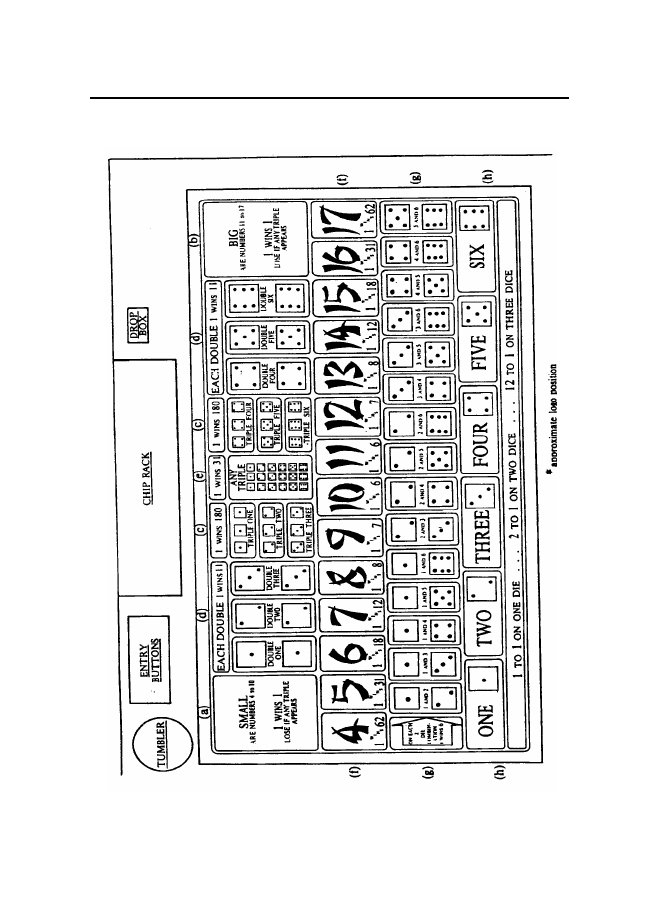
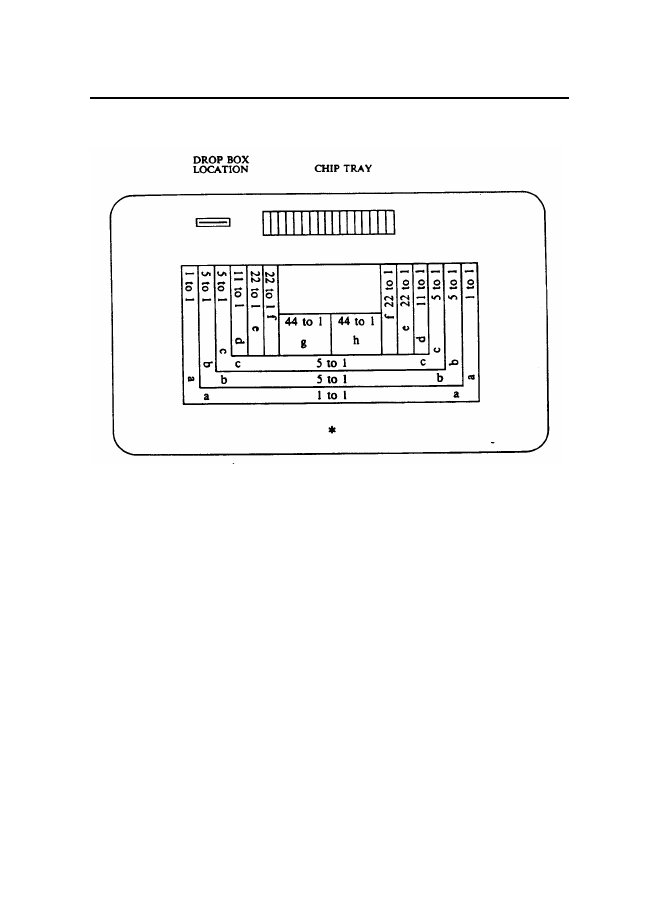
layout, dice tumbler and 3 identical dice66.(1)Sic-bo shall be played at a table having on
one side places for theplayers and on the opposite side a
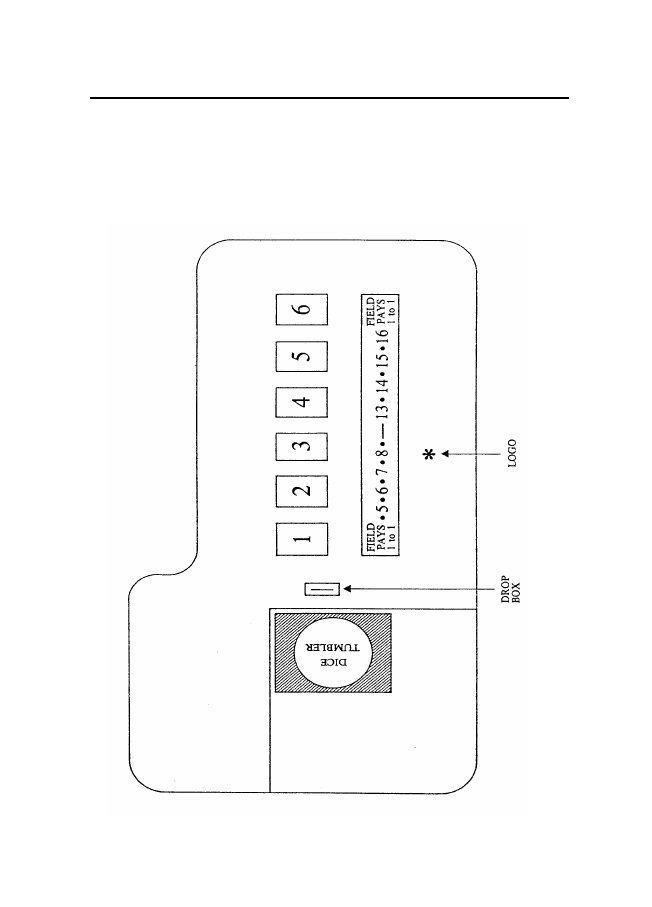
place for the dealer.(2)The name of, or
logo for, the casino must be included in the tablelayout in the way shown in diagram 2.(3)The sic-bo table shall have a dice
tumbler containing 3 identical diceand an entry
terminal.(4)The dice tumbler and the entry
terminal shall be affixed to the table.(5)Each
sic-bo table shall have a drop box attached to it.(6)The table layout must include the
various wagers and their respectivepayout
odds.(7)The 3 dice shall remain in the dice
tumbler under seal.
s
6652s 66Casino Gaming
Rules 1985DIAGRAM 2—SIC-BO TABLE LAYOUT(NB
Wagers and payout odds available to players are marked (a) to
(h)on this diagram and correspond with the
wagers described in section 70 andpayout odds set
out in section 75(a) to (h).)
s
6753s 70Casino Gaming
Rules 1985˙Electronic equipment and entry terminal
for results67.(1)Directly below
the glass top of the table shall be located electronicequipment.(2)Thisequipmentshallbeprogrammedsothatwhen3numberscorrespondingtoadeclaredresultofthegameareenteredintoit,allwinning areas of
the layout shall be illuminated.(3)Linked to the electronic equipment shall be
an entry terminal itselfaffixed to the top of the table.(4)Such entry terminal shall have—(a)6 buttons numbered 1, 2, 3, 4, 5 and
6; and(b)1 entry button; and(c)1 LED (light-emitting diode) which
gives visual verification ofthelast3numberedbuttonsdepressed,beingthe3numbersentered into the electronic equipment when
the entry button isdepressed.˙Permissible wagers68.The
wagers defined in this section shall be the permissible wagers
bya player at the game of sic-bo.˙Uppermost side of die used to decide
results69.(1)The decision on
the win or loss of the wagers shall be determinedby
the numbers appearing on the high or uppermost sides of the
dice.(2)Only 1 face on each die shall be
considered skyward.˙Meaning of “total”, permissible wagers
and results of wagers70.In this
rule—“3 dice totals”, 4, 5, 6, 7, 8,
9, 10, 11, 12, 13, 14, 15, 16 or 17, means awager on any 1
of these specific totals which shall win if that totalappears in any combination of the 3 dice and
shall lose if any othertotal appears.
s
7054s 70Casino Gaming
Rules 1985“any triple”means a wager
which shall win if any triple 6, 5, 4, 3, 2 or 1appears and shall lose if any other
combination appears.“big”means a wager
which shall win if any of the totals of 11, 12, 13, 14,15,
16 or 17 appears in any combination of the 3 dice, except in
thecase of triple 4 or triple 5, and shall lose
if any other total appears or ifthe totals of 12
or 15 are determined as a result of the combination ofthe
dice showing triple 4 or triple 5 respectively.“dice
combinations”—•1 and 2, 3, 4, 5
or 6•2 and 3, 4, 5 or 6•3
and 4, 5 or 6•4 and 5 or 6•5
and 6means a wager on any 1 of these specific
combinations which shallwin if that combination appears and
shall lose if any other combinationappears.“doubles”,double6,5,4,3,2or1,meansawageronany1ofthesespecific doubles
which shall win if that double appears and shall lose ifthat
double does not appear.“individual die face values”, 1,
2, 3, 4, 5 or 6, means a wager on any 1 ofthese specific
numbers which shall win if that number appears on 1 ormore
of the dice and shall lose if that number does not appear.“small”means a wager
which shall win if any of the totals of 4, 5, 6, 7, 8,9 or
10 appears in any combination of the 3 dice except in the case
oftriple 2 or triple 3 and shall lose if any
other total appears or if the totalsof 6 or 9 are
determined as a result of the combination of the diceshowing triple 2 or triple 3
respectively.“total(s)”means the total
of the high or uppermost sides of the 3 dice inany given spin
of the dice in the dice tumbler.“triples”,
triple 6, 5, 4, 3, 2 or 1, means a wager on any 1 of these
specifictriples which shall win if that triple
appears and shall lose if any othercombination
appears.
s
7155s 73Casino Gaming
Rules 1985˙Gaming chips to be used for
wagering71.(1)All wagers at
sic-bo shall be made by placing gaming chips, withthe
smaller denomination chips on top, in the appropriate wager area of
thesic-bo layout.(2)Orally declared wagers shall not be
accepted.(3)Each player shall be responsible for
positioning the player’s wager orwagers on the
layout.˙Dealer to call no more bets at proper
time72.(1)Before
activating the dice tumbler the dealer must call ‘no morebets’.(2)Awagercannotbeplaced,changedorwithdrawnoncethedicetumbler has been
activated.(3)Alternatively,ifacovereddicetumblerisused,wagersmaybeplaced after it
has been activated, but the dealer must call ‘no more bets’before the cover is taken off to reveal the
result.(4)Ifsubsection(3)applies,awagercannotbeplaced,changedorwithdrawn once the dealer starts to take off
the cover.˙Use of non-value chips73.(1)Thedealermustnotissueplayerswithidenticallycolourednon-value chips unless all the players who
are issued with the chips agree tothe issue.(2)Non-valuechipsmaybeusedonlyatthetableatwhichtheyareissued.(3)The
dealer may accept non-value chips in exchange for value
chipsonly if—(a)the
non-value chips were issued at the dealer’s table; or(b)the non-value chips were issued at a
table that is closed when aplayer asks for
the non-value chips to be redeemed.
s
7456s 75Casino Gaming
Rules 1985˙Minimum and maximum wagers74.(1)The casino
operator shall set the minimum and maximum wagersat
each sic-bo table.(2)The minimum and maximum wagers shall
be displayed on a sign ateach sic-bo table with the letters and
numbers not less than 8 mm high.(3)Anyminimumwagerindicatedshallnotbechangedtoahigherminimum unless the sign indicating the new
minimum and the proposedtime of change is displayed at the
table at least 20 minutes prior to the timeof the proposed
change.˙Payout odds for winning wagers75.Winning wagers at the game of sic-bo
shall be paid at the odds listedhereunder—WagerPayout
odds(a)small. . . . . . . .
. . . . . . . . . . . . . . . . . . . . . . . . . .1 to
1(b)big. . . . . . . .
. . . . . . . . . . . . . . . . . . . . . . . . . . . .1 to
1(c)triples—triple 6, 5, 4,
3, 2 or 1. . . . . . . . . . . . . . . . . . .180
to 1(d)doubles—doubles 6, 5, 4,
3, 2 or 1. . . . . . . . . . . . . . . . .11
to 1(e)any triple. . . . . . . .
. . . . . . . . . . . . . . . . . . . . . . .31 to 1(f)3 dice totals—total 4 or
17. . . . . . . . . . . . . . . . . . . . . .
. . . . .62 to 1total 5 or
16. . . . . . . . . . . . . . . . . . . . . .
. . . . .31 to 1total 6 or
15. . . . . . . . . . . . . . . . . . . . . .
. . . . .18 to 1total 7 or
14. . . . . . . . . . . . . . . . . . . . . .
. . . . .12 to 1total 8 or
13. . . . . . . . . . . . . . . . . . . . . .
. . . . .8 to 1total 9 or
12. . . . . . . . . . . . . . . . . . . . . .
. . . . .7 to 1total 10 or
11. . . . . . . . . . . . . . . . . . . . . .
. . . .6 to 1(g)dice
combinations—1 and 2, 3, 4, 5 or 6. . . . . . . .
. . . . . . . . . . . . .6 to 12 and 3, 4, 5 or
6. . . . . . . . . . . . . . . . . . . . . .
.6 to 13 and 4, 5 or
6. . . . . . . . . . . . . . . . . . . . . .
. . .6 to 1
s
7657s 77Casino Gaming
Rules 19854 and 5 or 6. . . . . . . .
. . . . . . . . . . . . . . . . . . .6 to 15
and 6 . . . . . . . . . . . . . . . . . . . . . . . . . . . . . .
.6 to 1(h)individual dieif numberif
numberif numberface
valuesappears onappears
onappears on1 die2
dice3 dice1, 2, 3, 4, 5 or
61 to 12 to 112
to 1˙Three spins of dice tumbler or dice
must spin 3 times76.The dice tumbler must be activated so
that—(a)thebottomofthedicetumblerisbroughttothetopatleast3 times;
or(b)the dice are spun within the dice
tumbler at least 3 times.˙Announcing result
of spin77.(1)Subsections (2)
and (3) apply—(a)if a covered dice tumbler is used—once
the dice tumbler has beenactivated, the 3 dice have come to
rest in the bottom section of thedice tumbler,
and the dice tumbler’s cover has been taken off; or(b)if a dice tumbler other than a covered
dice tumbler is used—oncethe dice tumbler has been activated
and the 3 dice have come torest in the
bottom section of the dice tumbler.(2)If
all of the dice are lying flat,5the
dealer must announce the result bycalling the high
or uppermost face of each die in order from the smallestnumber to the highest.(3)The
dealer must also announce the total of the numbers.(4)Doubles and triples and the total
shall be called in similar fashion.Example—double 3, 4; total 10.triple 5; total 15.5Section 80 explains what happens if 1 or
more of the dice are not lying flat.
s
7858s 80Casino Gaming
Rules 1985˙Entering results into the electronic
equipment78.(1)As well as
announcing the result, the dealer must enter the resultinto
the electronic equipment program.(2)When
the sequence referred to in subsection (1) has been
completedall winning areas will be illuminated.(3)Prior to the entry button being
depressed, an incorrect entry shall berectified by
depressing the 3 correct buttons in sequence.(4)These correct numbers shall be entered into
the electronic equipmentby depressing the entry button.(5)If, subsequent to the entry button
being depressed, it is found that theincorrect numbers
have been entered, these numbers shall be cleared bydepressing the entry button a second
time.(6)The correct numbers shall then be
entered in the normal manner.(7)A
result is valid even if a winning area does not illuminate.˙No unauthorised operation of dice
tumbler or entry button79.No person other
than a casino employee or a casino key employeewhoisresponsiblefortheoperationofthegameshallactivatethedicetumbler or
operate the entry button.˙Irregularities80.(1)If
any of the 3 dice are not lying flat in the bottom section of
thetumbler after the dice have been spun in
accordance with section 76 thedealer shall
announce ‘no spin’ in a clearly audible voice.(2)If
the dice tumbler after being activated does not operate correctly,
thedealer shall announce ‘no spin’ in a clearly
audible voice.
s
8159s 82Casino Gaming
Rules 1985†PART 6—BACCARAT˙Table
and layout81.(1)Baccarat shall
be played on a table having numbered places for 10to 14
seated players.(2)The layout cloth covering the table
shall have imprinted thereon thename or logo of
the casino and shall be marked in a manner similar to thatshown
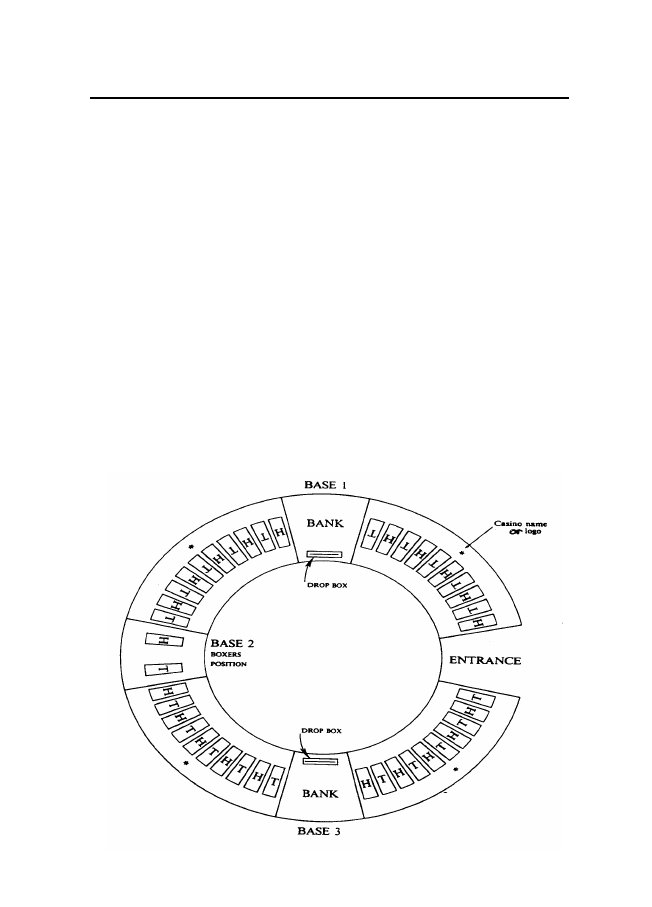
in diagram 3.˙Drop box and discard bucket82.The baccarat table shall have a drop
box and a discard bucket attachedto it at
approximately the location shown in diagram 3.
s
8260s 82Casino Gaming
Rules 1985DIAGRAM 3—BACCARAT TABLE LAYOUT
s
8361s 85Casino Gaming
Rules 1985˙Standing players83.(1)Whenallnumberedplacesatthetableareoccupiedbyseatedplayers, players
who are standing may also participate in the game.(2)Standing players shall—(a)place the wager in that part of the
layout specifically identified forstanding player
bets;(b)not participate in the cut of the
cards or touch or handle the cardsused in the game
in any manner;(c)not be appointed banker;(d)for all winning wagers on the banker’s
hand, immediately suchwinnings become payable, pay or have
deducted therefrom theappropriate commission calculated in
accordance with section 90.˙Number
of decks and way cards are dealt84.(1)Baccarat shall be played with 8 decks of
cards with backs of thesame colour and design and 2 additional
solid red, yellow or green cuttingcards.(2)All cards shall be dealt from a
dealing shoe specifically designed forsuch
purpose.˙Value of cards and point count of
hands85.(1)The value of the
cards in each deck shall be as follows—(a)any
card from 2 to 9 shall have its face value;(b)any
10, jack, queen or king shall have a value of 0;(c)any ace shall have a value of
1.(2)The“point
count”of a hand shall be a single digit number
from 0 to9 inclusive and shall be determined by
totalling the value of the cards in thehand.(3)If the total of the cards in a hand is
a 2-digit number, the left digit ofsuch number shall
be discarded having no value and the right digit shallconstitute the point count of the
hand.
s
8662s 88Casino Gaming
Rules 1985˙Permissible wagers and results86.The wagers defined in this section
shall be the permissible wagers bya player at the
game of baccarat—(a)a wager on the banker’s hand which
shall—(i)win if the banker’s hand has a point
count higher than that ofthe player’s hand;(ii)lose
if the banker’s hand has a point count lower than that ofthe
player’s hand;(iii)bevoidifthepointcountsofthebanker’shandandtheplayer’s hand are equal;(b)a wager on the player’s hand which
shall—(i)win if the player’s hand has a point
count higher than that ofthe banker’s hand;(ii)lose
if the player’s hand has a point count lower than that ofthe
banker’s hand;(iii)bevoidifthepointcountsofthebanker’shandandtheplayer’s hand are equal;(c)a tie bet which shall win if the point
counts of the banker’s handand the player’s
hand are equal and shall lose if such point countsare
not equal.˙Gaming chips to be used for wagering
etc.87.(1)All wagers at
baccarat shall be made by placing gaming chips,with the smaller
denomination chips on top, on the appropriate wager areaof
the baccarat layout.(2)Orally declared wagers shall not be
accepted.(3)Subject to section 6, wagers may be
placed by the use of coins.˙Changing wagers88.A
wager can not be placed, changed or withdrawn after the first
cardof a round has been dealt.
s
8963s 90Casino Gaming
Rules 1985˙Minimum and maximum wagers89.(1)The casino
operator shall set the minimum and maximum wagersat
each table.(2)However—(a)if
the minimum wager at a table is $10 or less—the maximumwager shall be at least $500;(b)a tie bet shall not exceed 1/8 of the
specified maximum wager forthat table so
that a winning tie bet may never be paid more thanthat
maximum limit.(3)The minimum and maximum wagers shall
be displayed on a sign ateach table with the letters and numbers
not less than 8 mm high.(4)Anyminimumwagerindicatedshallnotbechangedtoahigherminimum unless the sign indicating the new
minimum and the proposedtime of change is displayed at the
table at least 20 minutes prior to the timeof the proposed
change.˙Payout odds and commission90.(1)A winning wager
made on the player’s hand shall be paid at oddsof 1 to 1.(2)A winning wager made on the banker’s
hand shall be paid at odds of1 to 1 except
that a 5% charge (a“commission”) shall be
payable to thecasino operator on the amount won.(3)However such commission may be rounded
off to 50c or the nexthighestmultipleof50cwhenthecommissionisnotexactly50coramultiple
thereof.(4)Thecommissionshallbecollectedfromaplayeratthetimethewinning pay-off is made, but for seated
players only, it may be deferred to alater
time.(5)However,alloutstandingcommissionshallbecollectedpriortoreshuffling the cards in the shoe and
in no event shall the collection of anycommission be
deferred beyond such point.(6)Theamountofanycommissionnotcollectedatthetimeofthewinningpayoutshallbeevidencedbytheplacingofamarkerbutton
s
9164s 92Casino Gaming
Rules 1985containing the amount of the commission owed
in a rectangular space infront of the dealer on the layout
imprinted with the number of the playerowing such
commission.(7)A winning tie bet shall be paid at
odds of 8 to 1.˙Sorting and inspecting cards and other
procedures91.(1)After receiving
the 8 decks of cards at the table, both the floormanager/person and the dealer shall sort and
inspect the cards independentlyof each
other.(2)After the sorting and inspection under
subsection (1), the cards mustbespreadfaceuponthetableinawaymakingiteasyforapersoninspecting them
to see if each deck is complete.(3)After the first player or players are
afforded an opportunity to visuallyinspect the
cards, the cards shall be turned face downward on the table,mixed
thoroughly by a washing of the cards, stacked and shuffled.(4)Despitesubsections(1)to(3),acasinoemployeeofthelevelofassistant pit boss or higher may direct
the dealer to begin the game usingcards that have
been preshuffled by being sorted, inspected, spread, mixed,stacked and shuffled in the way required by
subsections (1) to (3) (whetheror not there was
a player present to inspect the cards).˙Shuffling the cards92.(1)Immediately prior to the commencement of
play and after eachshoe of cards is completed, the dealers shall
shuffle the cards so that theyare randomly
intermixed.(2)At the completion of a shoe, a pit
boss or an assistant pit boss mayremove all decks
in play from the table and replace them with new decksthat—(a)must
be sorted, inspected, spread, mixed, stacked and shuffled inthe
way set out in section 91 (whether or not there is a playerpresent to visually inspect the cards);
or(b)have been preshuffled by being sorted,
inspected, spread, mixed,stacked and shuffled (whether or not
there was a player present tovisually inspect
the cards).
s
92A65Casino Gaming Rules 1985s
93˙Use of preshuffled cards92A.If,beforethefirstcardfromashoeisdealt,aplayerasksforpreshuffled cards to be re-shuffled,
the dealer must shuffle and cut the cardsin the way
required by sections 92 and 93.˙Cutting the cards93.(1)After the cards have been shuffled, the
dealer calling the gameshall offer the stack of cards, with
backs facing away from the dealer, to theplayers to be
cut.(2)The dealer shall begin with the player
seated in the highest numberposition at the
table and working clockwise around the table, shall offer
thestack to each player until a player accepts
the cut.(3)Ifnoplayeracceptsthecut,thepitboss,assistantpitboss,floormanager/person or dealer shall cut the
cards.(4)The cards shall be cut by placing the
cutting card in the stack at least10 cards in from
either end.(5)Oncethecuttingcardhasbeeninsertedintothestack,thedealercalling the game
shall take all cards in front of the cutting card and placethem
to the back of the stack.(6)Thedealershalltheninsert1cuttingcardinapositionatleast14 cards in from
the back of the stack and the second cutting card at the endof
the stack.(7)The stack of cards shall then be
inserted into the dealing shoe forcommencement of
play.(8)Before commencing play, the dealer
must remove the first card fromthe shoe and
place it, and an additional number of cards equal to the
facevalue of the first card drawn, in the discard
holder after the faces of all cardsdrawn have been
shown to the players.(9)In this
procedure, 10, jack, queen and king cards shall have a facevalue
of 10 and an ace card a face value of 1.
s
9466s 96Casino Gaming
Rules 1985˙Selecting the banker94.(1)Subjecttosection96,thedealercallingthegameshall,atthecommencement of
play, offer the shoe to the player in seat number 1 at thetable.(2)If
such player rejects the shoe or if there is no-one in seat number
1,the dealer shall offer the shoe to each of
the other seated players in turncounterclockwise
around the table until one of the players accepts the shoe.(3)The player who accepts the shoe shall
be responsible for dealing thecardsinaccordancewiththeserules,andtheinstructionsofthedealercalling the
game.(4)The player who accepts the shoe shall
be known as the ‘banker’.(5)The shoe shall
not be offered to any standing player and any standingplayer shall not be appointed as the
banker.˙Banker must make minimum wagers95.(1)A player wishing
to continue as banker shall wager at least theminimum table bet
either on the banker’s hand or on the player’s hand.(2)Should both options be declined the
player shall then relinquish theshoe.(3)A player who is the banker may place
wagers on either the banker’shandortheplayer’shandandmayswitchbetweensuchhandsonsuccessive deals.˙Dealer
may be the banker96.(1)The casino
operator may direct that the dealer calling the gameshall
at all times be the banker during any game of baccarat.(2)During any game of baccarat whilst a
direction given pursuant tosubsection (1) is
in force—(a)thedealercallingthegameshallbethebankerandshallberesponsible for dealing the cards in
accordance with these rules;and(b)except when participating in the cut
of the cards or permitted to do
s
9767s 98Casino Gaming
Rules 1985so by a dealer, a player shall not touch or
handle the cards in anymanner; and(c)anyprovisionoftheserulesthatisinconsistentwithsubsection(1)orthissubsectionshall,tothatextent,beinoperative.˙Dealing of initial 2 cards to each
hand97.(1)There shall be 2
hands dealt in the game of baccarat one of whichshall
be designated the player’s hand and the other designated the
banker’shand.(2)At the
commencement of each round of play, the dealer calling thegame
shall announce ‘no more bets’, after which the dealer shall
announce‘cards’ and the banker shall then commence
dealing the cards.(3)Thebankershalldealaninitial4cardsfromtheshoe,allfaceupwards or face
down.(4)The first and third cards dealt shall
constitute the first and secondcards of the
player’s hand.(5)The second and fourth cards dealt
shall constitute the first and secondcards of the
banker’s hand.(6)After the cards are dealt to each
hand, the dealer calling the game shallplace them face
upwards in front of himself or herself.˙Announcement of point count of each hand
after initial cards etc.98.(1)After the
initial 4 cards have been dealt, the dealer calling the gameshall
announce the point count of the player’s hand.(2)After the dealer calling the game takes and
positions the cards of thebanker’shandinfrontofthedealer,thedealercallingthegameshallannounce the point count of the banker’s
hand.(3)Following the announcement of the
point counts of each hand, thebanker shall deal
a third card to each hand in accordance with sections 101to
103.
s
9968s 102Casino Gaming
Rules 1985˙Dealing of additional cards99.(1)If—(a)the player’s hand requires a third
card to be dealt to it; and(b)the
banker’s hand requires a third card to be dealt to it;the
player’s hand is to be dealt to first.(2)In
no event shall more than 1 additional card be dealt to either
hand.˙Appearance of cutting card during
play100.(1)When the cutting
card appears during play, it must be removed,and the round of
play finished.(2)When the round of play is finished,
the dealer must tell the playersthe last round is
about to be played, and a further round is then played.(3)When the further round is finished, no
more cards may be dealt untilthe cards are
shuffled or new cards are brought into play.(4)However, if the cutting card is the first
card out of the shoe at the startof a round, the
dealer must tell the players the last round is about to beplayed, and only that round may be played
before the cards are shuffled ornew cards are
brought into play.˙No additional cards may be drawn in
certain circumstances101.If the point
count of either the player’s hand or the banker’s handafter
the initial 2 cards are dealt to each is an 8 or 9, which shall be
called a“natural”, no more cards
shall be dealt to either hand.˙Additional cards for player’s hand in certain
circumstances102.If the point
count of the banker’s hand on the first 2 cards is 0 to 7inclusive, the player’s hand shall draw (i.e.
take a third card) or stay (i.e. nottake a third
card) in accordance with the requirements of table 1—
s
10369Casino Gaming Rules 1985s
103Player having0 to 56 to
7Table 1Third card
determinationdrawsstays˙Additional cards for banker’s hand in
certain circumstances103.(1)Thebanker’shandshalldraw(i.e.takeathirdcard)orstay(i.e. not take a
third card) in accordance with the requirements of table 2—(2)The first vertical column in table 2
labelled ‘point count of banker’shand’ refers to
the point count of the banker’s hand after the first 2 cardshave
been dealt to it.(3)The first horizontal column at the top
of table 2 labelled ‘third carddrawn by player’s
hand’ refers to the value of the third card drawn by theplayer’s hand as distinguished from the point
count of the player’s hand.(4)The letter ‘D’
used in table 2 means that the banker’s hand shall drawa
third card and the letter ‘S’ used in table 2 means that the
banker’s handshall stay (i.e. not draw a third
card).
s
10470Casino Gaming Rules 1985s
105(5)The method of using table 2 shall be
to find the point count of thebanker’s hand in
the first vertical column and trace that horizontally acrossthe
table until it intersects the third card drawn by the player’s
hand.(6)The box at which such intersection
takes place will show whether thebanker’s hand
shall draw a third card or stay.˙Deciding the results of the round and dealing
with wagers104.(1)After each hand
has received all the cards it is entitled to by therules, the dealer shall announce the final
point count of each hand indicatingwhich hand has
won the round.(2)If the 2 hands have equal point
counts, the dealer shall announce ‘tiehand’.(3)Aftertheresultoftheroundisannounced,thedealerordealersresponsible for
the wagers on the table shall collect all losing wagers, pay
allwinning wagers and either collect or mark up
any commission owed.˙Continuing as
banker or selecting a new banker105.(1)This
part applies subject to section 96.(2)After any round of play, the banker may
elect to pass the shoe orremain as banker except that—(a)the banker shall pass the shoe
whenever the banker’s hand loses;(b)the
dealer or a floor manager/person may order the banker to
passthe shoe if the banker unreasonably delays
the game, repeatedlymakes invalid deals or violates the
rules of the game.(3)Wheneveravoluntaryorcompulsoryrelinquishmentoftheshoeoccurs,thedealercallingthegameshalloffertheshoetotheplayerimmediately to
the right of the previous banker and, if the player does notaccept it or there is no player in that
position, the dealer shall offer the shoeto each of the
other seated players in turn counterclockwise around the
table.(4)Thefirsttoaccepttheshoewhenofferedshallbecomethenewbanker.
s
10671Casino Gaming Rules 1985s
106˙Irregularities106.(1)Athirdcarddealttotheplayer’shandwhennothirdcardisauthorised by these rules shall become
the third card of the banker’s hand ifthe banker’s hand
is obliged to draw by section 103, table 2.(2)If,
in such circumstances, the banker’s hand is required to stay,
thecard dealt in error shall become the first
card of the next hand unless it hasbeen
disclosed.(3)A card drawn in excess from the shoe
if not disclosed shall be usedas the first card
of the next hand of play.(4)If a card that
would have been the first card of the next hand—(a)has been disclosed; or(b)is found face up in the shoe;the
card becomes the first card of a dummy round.(5)A
dummy round—(a)can only arise under subsection (4);
and(b)must be played in accordance with
sections 97 to 103.(6)A player must not make a wager on a
dummy round.(7)If, after the start of a hand, a card
is found face up in the shoe, thecard—(a)is taken to be a live card; and(b)must be played as if it were found
face down.(8)If there are insufficient cards
remaining in the shoe to complete around of
play—(a)that round has no effect; and(b)a new round must
commence.
s
10772Casino Gaming Rules 1985s
107†PART 7—CRAPS˙Table
and layout107.(1)Craps shall be
played on a table oblong in shape with roundedcorners and high
walled sides.(2)Theclothofthetableshallhavethenameorlogoofthecasinoimprinted thereon
and shall be marked as shown in diagram 4.
s
10773Casino Gaming Rules 1985DIAGRAM 4—CRAPS TABLE AND LAYOUTs
107
s
10874Casino Gaming Rules 1985s
109˙Definitions108.In
this part—“7out”meansatotalof7thrownbytheshootersubsequenttotheshooter’s establishment of a come out
point.“come out point”means a total of
4, 5, 6, 8, 9 or 10 thrown by the shooteron the come out
roll.“come out roll”means the first
roll of the dice at the opening of the gameand the first
roll of the dice after a decision with respect to win bet
anddon’t win bet has been effected.“come
point”means a total of 4, 5, 6, 8, 9 or 10 thrown
by the shooter onthe next roll following placement of a come
bet or don’t come bet.“roll”means the throw
of the dice by the shooter.“shooter”means the player
who throws the dice.“total”means the sum of
the numbers shown on the high or uppermostsides of the 2
dice on any given roll.˙Permissible wagers
and results109.The wagers
defined in this section shall be the permissible wagersby a
player at the game of craps—“4thehardway”means a wager
that may be made at any time, whichshall win if a
total of 4 is thrown the hardway (i.e. with 2 appearing oneach
die) before 4 is thrown in any other way and before a 7 is
thrown.All 4 the hardway bets shall be void on any
come out roll unless called‘on’ by the
player and confirmed by the dealer through placement ofan
on marker button on the top of each player’s wager.“6thehardway”means a wager that may be made at any time,
whichshall win if a total of 6 is thrown the
hardway (i.e. with 3 appearing oneach die) before
6 is thrown in any other way and before a 7 is thrown.All
6 the hardway bets shall be void on any come out roll unless
called‘on’ by the player and confirmed by the
dealer through placement ofan on marker
button on the top of each player’s wager.“8thehardway”means a wager
that may be made at any time, which
s
10975Casino Gaming Rules 1985s
109shall win if a total of 8 is thrown the
hardway (i.e. with 4 appearing oneach die) before
8 is thrown in any other way and before a 7 is thrown.All
8 the hardway bets shall be void on any come out roll unless
called‘on’ by the player and confirmed by the
dealer through placement ofan on marker
button on the top of each player’s wager.“10 the
hardway”means a wager that may be made at any time,
whichshall win if a total of 10 is thrown the
hardway (i.e. with 5 appearingon each die)
before 10 is thrown in any other way and before a 7 isthrown.All10thehardwaybetsshallbevoidonanycomeoutrollunlesscalled‘on’bytheplayerandconfirmedbythedealerthroughplacement of an on marker button on the top
of each player’s wager.“11 in 1 roll”means a 1 roll
wager that may be made at any time, whichshall win if a
total of 11 is thrown on the roll immediately followingplacement of such bet and shall lose if any
other total is thrown.“any 7”means a 1 roll
wager that may be made at any time, which shallwinifatotalof7isthrownontherollimmediatelyfollowingplacement of such bet and shall lose if any
other total is thrown.“any craps”means a 1 roll
wager that may be made at any time, whichshall win if a
total of 2, 3 or 12 is thrown on the roll immediatelyfollowing placement of such bet and shall
lose if any other total isthrown.“big 6”means a wager that may be made at any time,
which shall win if atotal of 6 is thrown before a 7 and
shall lose if a 7 is thrown before a 6.“big 8”means a wager that may be made at any time,
which shall win if atotal of 8 is thrown before a 7 and
shall lose if a 7 is thrown beforean 8.“come
bet”means a wager placed at any time after the
come out roll whichshall—(a)win
if, on the roll immediately following placement of such bet—(i)a total of 7 or 11 is thrown;
or(ii)a total of 4, 5,
6, 8, 9 or 10 is thrown and that total is againthrown before a
7 appears;
s
10976Casino Gaming Rules 1985s
109(b)lose if, on the roll immediately
following placement of such bet—(i)a
total of 2, 3 or 12 is thrown; or(ii)a
total of 4, 5, 6, 8, 9 or 10 is thrown and a 7 subsequentlyappears before that total is again
thrown.“craps 2”means a 1 roll
wager that may be made at any time, which shallwinifatotalof2isthrownontherollimmediatelyfollowingplacement of such bet and shall lose if any
other total is thrown.“craps 3”means a 1 roll
wager that may be made at any time, which shallwinifatotalof3isthrownontherollimmediatelyfollowingplacement of such bet and shall lose if any
other total is thrown.“craps 12”means a 1 roll
wager that may be made at any time, which shallwinifatotalof12isthrownontherollimmediatelyfollowingplacement of such bet and shall lose if any
other total is thrown.“don’t come bet”means a wager
placed at any time after the come out rollwhich
shall—(a)win if, on the roll immediately
following placement of such bet—(i)a
total of 3 or 12 is thrown; or(ii)a
total of 4, 5, 6, 8, 9 or 10 is thrown and a 7 subsequentlyappears before that total is again
thrown;(b)lose if, on the roll immediately
following placement of such bet—(i)a
total of 7 or 11 is thrown; or(ii)a
total of 4, 5, 6, 8, 9 or 10 is thrown and that total is
againthrown before a 7 appears;(c)be void if, on the roll immediately
following placement of suchbet, a total of
2 is thrown.“don’t win bet”means a wager
placed immediately prior to the come outroll which
shall—(a)win if, on the come out roll—(i)a total of 3 or 12 is thrown;
or(ii)a total of 4, 5,
6, 8, 9 or 10 is thrown and a 7 subsequentlyappears before
that total is again thrown;
s
10977Casino Gaming Rules 1985s
109(b)lose if, on the come out roll—(i)a total of 7 or 11 is thrown;
or(ii)a total of 4, 5,
6, 8, 9 or 10 is thrown and that total is againthrown before a
7 appears;(c)be void if, on the come out roll, a
total of 2 is thrown.“field bet”means a 1 roll
wager that may be made at any time which shallwin if any 1 of
the totals 2, 3, 4, 9, 10, 11 or 12 is thrown on the rollimmediately following placement of such bet
and shall lose if a total of5, 6, 7 or 8 is
thrown on such roll.“horn bet”means a 1 roll
wager that may be made at any time, which shallwinifany1ofthetotals2,3,11or12isthrownontherollimmediatelyfollowingplacementofsuchbetandshallloseifanyother total is
thrown.“hornhighbet”meansa1rollwagerthatmaybemadeatanytime,which shall win
if any 1 of the totals 2, 3, 11 or 12 is thrown on theroll
immediately following placement of such bet and shall lose if
anyother total is thrown.A horn high bet
shall be placed in units of 5 with 4 units wagered as ahorn
bet and an additional unit wagered on 1 of the totals 2, 3,
11or 12.“lay bet”means a wager that may be made at any time
against any of thenumbers 4, 5, 6, 8, 9 or 10 which shall win
if a 7 is thrown before theparticular
number against which the wager is placed and shall lose iftheparticularnumberagainstwhichthewagerisplacedisthrownbefore a 7
appears.“place bet to win”means a wager
that may be made at any time on any ofthe numbers 4,
5, 6, 8, 9 or 10 which shall win if the number on whichthewagerwasplacedisthrownbeforea7andshallloseifa7isthrown before such number.All
place bets shall be void on any come out roll unless called ‘on’
bythe player and confirmed by the dealer
through placement of an onmarker button on top of such player’s
wager.“win bet”means a wager
placed immediately prior to the come out roll,which
shall—
s
11078Casino Gaming Rules 1985s
111(a)win if, on the come out roll—(i)a total of 7 or 11 is thrown;
or(ii)a total of 4, 5,
6, 8, 9 or 10 is thrown and that total is againthrown before a
7 appears;(b)lose if, on the come out roll—(i)a total of 2, 3 or 12 is thrown;
or(ii)a total of 4, 5,
6, 8, 9 or 10 is thrown and a 7 subsequentlyappears before
that total is again thrown.˙Time
and way for wagering110.(1)Wagers should be
made before the dice are thrown but they maybe made between
the time the dice leave the shooter’s hand and the time thedice
come to rest provided that they are confirmed orally by the dealer
and aboxperson.(2)A
wager at craps is made by placing chips on the appropriate area
ofthe layout.(2A)However, an orally declared wager
accompanied by cash placed onthe layout may be
accepted if—(a)the wager is orally confirmed by the
dealer and a boxperson; and(b)the
cash is, as soon as practicable, replaced by chips placed on
theappropriate area of the layout.(3)Theonlytimeacashwagershallbeacceptediswhenthereisinsufficient time to effect a
conversion of cash into gaming chips (i.e. whenthe dice are in
the air); when such a cash wager wins, the cash shall beimmediately converted into gaming chips
before the winning wager is paid.˙Removal or reduction of wager111.(1)A wager may be
removed or reduced at any time prior to a rollthat decides the
outcome of such wager except that a win bet and a come betshall
not be removed or reduced after a come out point or come point
isestablished with respect to such bet.(2)A don’t come bet or a don’t win bet
may be removed or reduced at
s
11279Casino Gaming Rules 1985s
114anytimebutmaynotbereplacedorincreasedaftersuchremovalorreduction.˙Circumstances when place bets inactive or
active112.(1)All buy and
place bets to win, come odds, and hardway wagersshall
be inactive on any come out roll unless called ‘on’ by the player
andconfirmed by the dealer or boxperson through
placement of an on markerbutton on the top of each player’s
wager.(2)However, 1 wager marked with an on
marker button shall indicatethat all similar
wagers for that player are “on” unless otherwise specified
bysuch players.(3)All
other wagers shall be considered “on”.˙Minimum and maximum wagers113.(1)Thecasinooperatorshallsettheminimumandmaximumwagers at each
table.(2)However—(a)iftheminimumwageratatableis$5orless—themaximumwager shall be
at least $200;(b)the maximum wager on the win, don’t
win, come, or don’t comeshallnotprecludeaplayerfromtakingtheoddsorlayingtheodds
in accordance with the rules.(3)The
minimum and maximum wagers shall be displayed on a sign ateach
table with the letters and numbers not less than 8 mm high.(4)Anyminimumwagerindicatedshallnotbechangedtoahigherminimum unless
the sign indicating the new minimum and the proposedtime
of change is displayed at the table at least 20 minutes prior to
the timeof the proposed change.˙Player
responsible when wagering or giving instructions114.(1)Each player
shall be responsible for the correct positioning of theplayer’swagersonthecrapslayoutregardlessofwhethertheplayeris
s
11580Casino Gaming Rules 1985s
115assisted by the dealer or stickperson.(2)Each player shall ensure that any
instructions the player gives to thedealer or
stickperson regarding the placement of the player’s wagers
arecorrectly carried out.˙Payout
odds for winning wagers115.(1)Winning wagers
at the game of craps shall be paid at the oddslisted
below.WagerPayout
oddswin betdon’t win
betcome betdon’t come
bet1 to 11 to 11 to
11 to 1place bet 4 to
winplace bet 5 to winplace bet 6 to
winplace bet 8 to winplace bet 9 to
winplace bet 10 to win9 to 57 to
57 to 67 to 67 to
59 to 5big 6big
81 to 11 to 14
the hardway6 the hardway8 the
hardway10 the hardwayfield betany
7any craps7.5 to 19.5
to 19.5 to 17.5 to 11 to
1 on 3, 4, 9, 10, 112 to 1 on 22 to 1 on
124 to 17.5 to
1
s
11681Casino Gaming Rules 1985s
117craps 233 to 1craps 316 to 1craps 1233 to 111
in 1 roll16 to 1(2)A
horn bet or horn high bet shall be paid as if it were 4
separatewagers on 2, 3, 11 and 12.˙True odds for buy bets116.(1)In addition to
the payout odds set forth in section 115 for placebetstowinon4,5,6,8,9and10,aplayershallhavetheoptionofreceiving true odds on these bets in return
for the player paying to the casinooperator,atthetimeofmakingthebet,apercentageoftheamounttheplayer wagers on such bet which shall be 5%
where applicable, but in noevent shall
exceed 5% of such wager.(2)Winningwagersonthesebetsshallbepaidattheoddslistedbelow—WagerPayout odds4 to win5 to
win6 to win8 to win9 to
win10 to win2 to 13 to
26 to 56 to 53 to
22 to 1˙True
odds for lay bets117.(1)A player may
wager on the 4, 5, 6, 8, 9 or 10 to lose and shallreceive true odds on these bets in return for
the player paying to the casinooperator,atthetimeofmakingthebet,apercentageoftheamounttheplayer could win on such bet which shall be
5% where applicable, but in noevent shall
exceed 5% of such amount.(2)Winningwagersonthesebetsshallbepaidattheoddslistedbelow—
s
11882Casino Gaming Rules 1985s
119Wager4 to lose5 to
lose6 to lose8 to lose9 to
lose10 to losePayout
odds1 to 22 to 35 to
65 to 62 to 31 to
2˙Percentages, fees and other
matters118.(1)Any percentage,
fee or vigorish paid by a player as provided forin
section 116 or 117 shall be returned to the player should the wager
beremoved at any time prior to a roll that
decides the outcome of such wager.(2)Exceptasprovidedinsection116or117,nopercentage,feeorvigorish shall be charged to a player
in making any wager in the game ofcraps.˙Supplemental wagers after come out roll
for win bets119.(1)Whenever a
player makes a win bet and a total of 4, 5, 6, 8, 9 or10 is
thrown on the come out roll, the player may make an additional
wagerin support of the win bet.(1A)The additional
wager may be—(a)an amount equal to the amount of the
original win bet; or(b)iftheplayerasksandthecasinooperatoragrees—anamountequal to twice
the amount of the original win bet.(1B)Iftheamountofwinningsforawagermentionedinsubsection (1A)(a) or (b) would include
part of a dollar, the amount of thewinnings may be
rounded up to the next whole dollar.(2)If,
in such circumstances, the win bet wins, the original amount of
thewin bet shall be paid at odds of 1 to 1 and
the supplemental amount shall bepaid at odds of 2
to 1 if the come out point was 4 or 10, 3 to 2 if the comeout
point was 5 or 9, or 6 to 5 if the come out point was 6 or
8.
s
12083Casino Gaming Rules 1985s
121˙Supplemental wagers after come out roll
for don’t win bets120.(1)Whenever a
player makes a don’t win bet and a total of 4, 5, 6, 8,9 or
10 is thrown on the come out roll, the player may make an
additionalwager in support of the don’t win bet.(1A)The additional
wager may be—(a)an amount calculated to provide
winnings equal to the amount ofthe original
don’t win bet; or(b)iftheplayerasksandthecasinooperatoragrees—anamountcalculated to
provide winnings equal to twice the amount of theoriginal don’t win bet.(1B)If
the amount of winnings mentioned in subsection (1A)(a) or
(b)would include part of a dollar, the amount
may be rounded up to the nextwhole
dollar.(2)If, in such circumstances, the don’t
win bet wins, the original amountof the don’t win
bet shall be paid at odds of 1 to 1 and the supplementalamount shall be paid at odds of 1 to 2 if the
come out point was 4 or 10, 2to 3 if the come
out point was 5 or 9, or 5 to 6 if the come out point was 6or
8.˙Supplemental wagers after come out roll
for come bets121.(1)Whenever a
player makes a come bet and a total of 4, 5, 6, 8, 9or 10
is thrown on the roll immediately following placement of such
bet,the player may make an additional wager in
support of the come bet.(1A)The additional
wager may be—(a)an amount equal to the amount of the
original come bet; or(b)iftheplayerasksandthecasinooperatoragrees—anamountequal to twice
the amount of the original come bet.(1B)Iftheamountofwinningsforawagermentionedinsubsection (1A)(a) or (b) would include
part of a dollar, the amount of thewinnings may be
rounded up to the next whole dollar.(2)If,
in such circumstances, the come bet wins, the original amount
ofthe come bet shall be paid at odds of 1 to 1
and the supplemental amountshall be paid at
odds of 2 to 1 if the come point was a 4 or 10, 3 to 2 if
the
s
12284Casino Gaming Rules 1985s
123come point was 5 or 9, or 6 to 5 if the come
point was 6 or 8.(3)All additional bets in support of the
come bet shall be inactive on anycome out roll
unless called ‘on’ by the player and confirmed by the dealerthroughplacementofanonmarkerbuttononthetopofeachplayer’swager.(4)All
other wagers shall be considered “on”.˙Supplemental wagers after come out roll for
don’t come bets122.(1)Whenever a
player makes a don’t come bet and a total of 4, 5, 6,8, 9
or 10 is thrown on the roll immediately following placement of
suchbet, the player may make an additional wager
in support of the don’t comebet.(1A)The additional
wager may be—(a)an amount calculated to provide
winnings equal to the amount ofthe original
don’t come bet; or(b)iftheplayerasksandthecasinooperatoragrees—anamountcalculated to
provide winnings equal to twice the amount of theoriginal don’t come bet.(1B)If
the amount of winnings mentioned in subsection (1A)(a) or
(b)would include part of a dollar, the amount
may be rounded up to the nextwhole
dollar.(2)If,insuchcircumstances,thedon’tcomebetwins,theoriginalamountofthedon’tcomebetshallbepaidatoddsof1to1andthesupplemental
amount shall be paid at odds of 1 to 2 if come point was 4
or10, 2 to 3 if the come point was 5 or 9, or 5
to 6 if the come point was 6or 8.˙Control of dice123.(1)Asetof5diceshallbepresentatthecrapstableatthecommencement of
play.(2)Control of the dice shall be the
responsibility of the stickperson at thetable who shall
retain all dice, except those in active play, in a dice cup at
thetable.
s
12485Casino Gaming Rules 1985s
125˙Selecting the shooter and matters about
inactive dice124.(1)At the
commencement of play, the stickperson shall offer the setof
dice to the player immediately to the left of the boxperson at the
table.(2)If the player rejects the dice, the
stickperson shall offer the dice toeach of the other
players in turn clockwise around the table until 1 of theplayers accepts the dice.(3)The
first player to accept the dice when offered shall become
theshooter who shall select and retain 2 of the
dice offered.(4)The remaining dice of the set shall be
returned to the dice cup whichshall be placed
immediately in front of the stickperson.˙Procedure if die goes off table125.Intheeventofadieordicegoingoffthetablethefollowingprocedures shall
be followed—(a)an immediate effort shall be made to
retrieve the die or dice;(b)the remaining
dice shall be offered to the shooter to select newdice.However, the
shooter may request the original dice back again orselect new dice;(c)if
the missing die or dice are found they shall be checked by
theboxperson then—(i)if
requested by the player, returned to the player;(ii)if not requested
by the player, placed back in the dice cup;(d)intheeventthat2dicearelost—anewsetofdiceshallbeexpeditiously placed at the table and the
remaining dice of the setpreviously in use shall be removed
from the table.However, to avoid any delay in the game, the
shooter at the timeof the dice becoming lost shall be allowed
to continue with theremaining dice of the original set
until the win line bet is lost bythe shooter
rolling a 7 out or until the shooters wager wins andthe
shooter declines further rolls of the dice.
s
12686Casino Gaming Rules 1985s
127˙Wagering and dice throwing by
shooter126.(1)Upon selection
of the dice, the shooter shall make a win or don’twin
bet, after which the shooter shall throw the 2 selected dice so
that theyleave the shooter’s hand simultaneously and
in a manner calculated to causethem to strike
the end of the table farthest from the shooter.(2)Following the come out roll, a player shall
continue to wager on thewin or don’t win line on each
succeeding roll to be eligible to continue asthe
shooter.(3)When handling or throwing the dice,
the shooter shall use 1 handonly.˙Invalid roll of the dice127.(1)A roll of the
dice shall be invalid if—(a)either or both
of the dice go off the table; or(b)1
die comes to rest on top of the other; or(c)either or both of the dice come to rest on
the chips constituting thecraps bank of chips located in front
of the boxperson; or(d)either or both
of the dice come to rest in the dice cup in front ofthe
stickperson or on 1 of the rails surrounding the table; or(e)more than 1 side of a die is resting
on a stack of chips or otherobject;
or(f)a fraudulent device or technique is
used in the roll of the dice; or(g)dice
other than those approved for the game are used in the roll.(2)Aboxpersonorstickpersonmayinvalidatearollofthedicebycalling ‘no roll’ if—(a)the
dice do not leave the shooter’s hand simultaneously; or(b)either or both of the dice fail to
strike an end of the table; or(c)whereforanyotherreasontheboxpersonorstickpersonconsiders the
throw to be improper.(3)Thecallof‘noroll’bytheboxpersonorstickpersonunder
s
12887Casino Gaming Rules 1985s
129subsection (2) shall be made, whenever
possible, before both dice come torest.(4)A throw of the dice which results in
the dice coming into contact withany chips on the
table, other than the craps bank of chips located in front
ofthe boxperson shall not be a cause for a call
of ‘no roll’.˙Declaration by stickperson may be
overruled etc.128.(1)Theboxpersonmayoverrulethestickpersonifintheboxperson’s
judgment an error in calling the throw of the dice has beenmade
by the stickperson.(2)The floor manager/person may overrule
the stickperson or boxpersonif in his or her
judgment an error in calling the throw of the dice has beenmade
by the stickperson or boxperson.(3)An
assistant pit boss or a more senior casino employee may
overrulethestickperson,boxpersonorfloormanager/personifinhisorherjudgment an error in calling the throw
of the dice has been made by thestickperson,
boxperson or floor manager/person.˙Calling the results of throw and dealing with
wagers129.(1)When the dice
come to rest from a valid throw, the stickpersonshall
at once call out the sum of the numbers on the high or
uppermostsides of the 2 dice.(2)Only
1 face on each die shall be considered skyward.(3)In
the event either or both of the dice do not land flat on the table,
theside directly opposite the side that is
resting on the chips or other objectshall be
considered uppermost and skyward.(4)After calling the throw, the stickperson
shall collect the dice and bringthem to the
centre of the table between the stickperson and the
boxperson.(5)Allwagersdecidedbythatthrowshallthenbecollectedorpaid,following which
the stickperson shall pass the dice to the shooter for thenext
throw.(6)Whencollectingthediceandpassingthemtotheshooter,thestickperson shall use a stick
designated for that purpose.
s
13088Casino Gaming Rules 1985s
131˙Continuing shooter or selecting new
shooter130.(1)The shooter may,
after any roll, either pass the dice or remain theshooter except that—(a)the
shooter shall pass the dice upon throwing a loser seven;(b)theboxpersonmayordertheshootertopassthediceiftheshooter unreasonably delays the game,
repeatedly makes invalidrolls or contravenes the rules of the
game.(2)Wheneveravoluntaryorcompulsoryrelinquishmentofthediceoccurs by the
shooter, the stickperson shall offer the complete set of
dicecurrently in play to the player immediately
to the left of the previous shooterand,iftheplayerdoesnotaccept,toeachoftheotherplayersinturnclockwise around
the table.(3)The first player to accept the dice
when offered shall become the newshooter who shall
select and retain 2 of the dice offered.(4)The
remaining dice of the set shall be returned to the dice cup
whichshall be placed immediately in front of the
stickperson.†PART 8—ROULETTE˙Table,
layout and ball131.(1)Roulette shall
be played on a table having a roulette wheel of notless
than 0.75 m in diameter at one end of the table and a roulette
layoutimprinted on the opposite end of the
table.(2)A roulette wheel must be of a single
zero variety with 37 equallyspaced
compartments around the wheel.(2A)One
of the compartments must be marked with a zero and colouredgreen, and the other compartments must be
marked with a number from1 to 36, with 18 of the compartments
coloured red and 18 coloured black.(2B)The
numbers and colours must be arranged around the wheel in theway
approved by the chief executive.(2C)However, it is not necessary to obtain the
chief executive’s approval
s
13189Casino Gaming Rules 1985s
131under subsection (2B) for the arrangement of
numbers and colours shownin diagram 5.
s
13190Casino Gaming Rules 1985DIAGRAM 5—ROULETTE WHEELs 131(3)The layout cloth of each roulette
table shall have the name or logo ofthe casino
imprinted thereon and shall be marked in a manner similar to
thatshown in diagram 6.
s
13191Casino Gaming Rules 1985DIAGRAM 6—ROULETTE TABLE LAYOUTs
131*Approximate casino name or logo
location(4)Each ball used in gaming at roulette
shall be made completely of anon-metallic
substance and shall be not less than 17 mm nor more than23 mm
in diameter.
s
13292Casino Gaming Rules 1985s
135˙Rotating the wheel and ball and
controlling wagering132.(1)Therouletteballshallbespunbythedealerinadirectionopposite to the
rotation of the wheel and shall complete at least 4
revolutionsaround the track of the wheel to constitute a
valid spin.(2)While the ball is still rotating
around the wheel, the dealer shall call‘no more
bets’.˙Announcing the winning number, placing
the crown and dealing withwagers133.(1)Upon
the ball coming to rest in a compartment around the wheel,the
dealer shall announce the number of such compartment and shall
place apoint marker to be known as a“crown”on that number
on the roulettelayout.(2)After placing the crown on the layout, the
dealer shall first collect alllosing wagers and
then pay all winning wagers.˙No
unauthorised interference with gaming equipment134.Duringplaynoperson,otherthanacasinokeyemployeeoracasino employee who is responsible for
the operation and integrity of thegame, shall
interfere with the wheel, the ball or the rotation of the wheel
orthe ball.˙Permissible wagers and results135.The wagers
defined in this section shall be the permissible wagersby a
player at the game of roulette—“1 number or
straight up”which shall win if a single number from 1
to36or0iswageredandspunandshallloseifanyothernumberisspun.“2 numbers or
split”which shall win if—(a)either of the 2 numbers wagered is spun;
or(b)0 and either of 1, 2 or 3 is wagered
and any one of them is spun;but otherwise
shall lose.
s
13593Casino Gaming Rules 1985s
135“3 numbers or street”which shall win
if—(a)any one of the 3 numbers in the row
wagered is spun;(b)0 and 1 and 2 are wagered and any one
of them is spun; or(c)0 and 2 and 3 are wagered and any one
of them is spun;but otherwise shall lose.“4
numbers or corner”which shall win if—(a)any
one of the 4 numbers wagered is spun; or(b)0
and 1, 2 and 3 are wagered and any one of them is spun;but
otherwise shall lose.“6 numbers or 6-line”which shall win if any one of the 6 numbers
in the2rowswageredisspunandshallloseifanyothernumberor0isspun.“black”which shall win
if the colour of the number wagered and spun isblack and shall
lose if the colour spun is not black.“column”which shall win if any one of the 12 numbers
in the columnwagered is spun and shall lose if any other
number or 0 is spun.“dozen”whichshallwinifanyoneofthe12numbersinthedozenwagered (1–12,
13–24, or 25–36) is spun and shall lose if any othernumber or 0 is spun.“even”which shall win if the number wagered and
spun is an even numberand shall lose if the number spun is
an odd number or 0.“high—(19–36)”which shall win
if any one of the 18 numbers wagered isspun and shall
lose if any other number or 0 is spun.“low—(1–18)”which shall win
if any one of the 18 numbers wagered isspun and shall
lose if any other number or 0 is spun.“odd”which shall win if the number wagered and
spun is an odd numberand shall lose if the number spun is
an even number or 0.“red” which shall win if the colour of the
number wagered and spun is redand shall lose
if the colour spun is not red.
s
13694Casino Gaming Rules 1985s
136˙Way wagers are made and changed136.(1)Aplayermakesawagerbyplacinggamingchipsintheappropriate wager position on the
roulette layout or by having someone elseplace the gaming
chips in the appropriate position on the player’s behalf.(2)A wager may be orally declared, but it
has no effect as a wager untilthe chips have
been placed under subsection (1).(3)An
illustration of the correct manner of placement of wagers on
theroulette layout is indicated in diagram
7.
s
13695Casino Gaming Rules 1985s
136DIAGRAM 7—ILLUSTRATION OF MANNER OF PLACEMENT
OFWAGERS
s
13796Casino Gaming Rules 1985s
140(4)No wagers shall be placed, changed or
withdrawn after the dealer hascalled ‘no more
bets’.(5)A winning wager may be withdrawn
before the next spin.˙Use of non-value
chips137.(1)Thedealermustnotissueplayerswithidenticallycolourednon-value chips unless all the players who
are issued with the chips agree tothe issue.(2)Non-valuechipsissuedataroulettetableshallonlybeusedforgaming at that table and shall not be used
for gaming at any other table inthe
casino.(3)The dealer may accept non-value chips
in exchange for value chipsonly if—(a)the non-value chips were issued at the
dealer’s table; or(b)the non-value chips were issued at a
table that is closed when aplayer asks for
the non-value chips to be redeemed.˙Responsibilities of player for placing wagers
etc.138.(1)Each player
shall be responsible for the correct positioning of theplayer’s wagers on the layout regardless of
whether the player is assisted bythe
dealer.(2)Each player shall ensure that any
instructions the player gives to thedealer regarding
the placement of the player’s wagers are correctly carriedout.˙Wagers dealt with
when ball falls to rest139.Each wager shall
be settled strictly in accordance with its positionon
the layout when the ball falls to rest in a compartment of the
wheel.˙Change to application of ss 138 and 139
if unfair140.(1)The casino
operator may modify the application of section 138 or139
if it is apparent, in the circumstances, that a strict application
of the rule
s
14197Casino Gaming Rules 1985s
141would be unfair to the player.Example 1—Ifadealeroperatingunderastandingrequestfromaplayertokeepplacingaparticularbetinadvertentlyfailstoplacethebetorplacesitinthewrongposition,the
casino operator might decide it would be unfair, in the
circumstances, to strictlyapply section 138 or 139.Example 2—Ifaplayerhasplacedawagerbuttheplayer’schipsarelaterinadvertentlybumped into
another position, the casino operator might decide it would be
unfair, inthe circumstances, to strictly apply section
139.(2)However,thecasinooperatormustnotactundersubsection(1)without first telling an inspector what the
casino operator proposes to do.˙Minimum and maximum wagers141.(1)Subjecttosubsection(2),thecasinooperatorshallsettheminimum and maximum wagers at each
table.(2)If the minimum wager for the type of
wager mentioned in column 1is set at or less
than the amount in column 2, the maximum wager must notbe
less than the amount specified in column 3 for the type of
wager.Column 1Column 2Column 3Type of
wagerMinimum wagerMaximum
wager1 number or straight up. . . . .
.$5$202 numbers or
split. . . . . . . . . .$5$403 numbers or street. . . . . . . .
.$5$604 numbers or
corner . . . . . . . . .$5$806
numbers or 6-line. . . . . . . . .$5$120column . . . . .
. . . . . . . . . . . . . .$25$250dozen. .
. . . . . . . . . . . . . . . . . .$25$250low—(1–18). .
. . . . . . . . . . . .$25$500high—(19–36) . . . . . . . . . . . . .$25$500even. .
. . . . . . . . . . . . . . . . . . .$25$500
s
14298Casino Gaming Rules 1985s
143odd . . . . . . . . . . . . . . . . . . . . .
.$25$500red. .
. . . . . . . . . . . . . . . . . . . .$25$500black . . . . . .
. . . . . . . . . . . . . . .$25$500(3)The minimum and
the maximum wagers shall be displayed on a signat each table
with the letters and numbers not less than 8 mm high.(4)Anyminimumwagerindicatedshallnotbechangedtoahigherminimumlimitunlessthesignindicatingthenewminimumandtheproposed time of change is displayed at
the table at least 20 minutes prior tothe time of the
proposed change.˙Use of value chips142.The
casino operator, its employees or agents may permit, limit
orprohibit the use of value chips by a player
at the roulette table.˙Payout odds for
winning wagers143.(1)Winning wagers
at the game of roulette shall be paid at the oddslisted below—WagerPayout odds1 number or
straight up . . . . . . . . . . . . . . . . . . . . . . . . .
.2 numbers or split . . . . . . . . . . . . .
. . . . . . . . . . . . . . . . .3 numbers or
street. . . . . . . . . . . . . . . . . . . . . .
. . . . . . .4 numbers or corner. . . . . . . .
. . . . . . . . . . . . . . . . . . . .6 numbers or
6-line . . . . . . . . . . . . . . . . . . . . . . . . . . . .
.column. . . . . . . .
. . . . . . . . . . . . . . . . . . . . . . . . . . . . . .dozen
. . . . . . . . . . . . . . . . . . . . . . . . . . . . . . . . . .
. . . . . .low—(1–18). . . . . . . .
. . . . . . . . . . . . . . . . . . . . . . . . . .high—(19–36) . . . . . . . . . . . . . . . .
. . . . . . . . . . . . . . . . .even . . . . . .
. . . . . . . . . . . . . . . . . . . . . . . . . . . . . . . . . .
.odd. . . . . . . . . . . . . . . . . . .
. . . . . . . . . . . . . . . . . . . . . .red . . . . . . .
. . . . . . . . . . . . . . . . . . . . . . . . . . . . . . . . . .
.black. . . . . . . .
. . . . . . . . . . . . . . . . . . . . . . . . . . . . . . .
.35 to 117 to 111
to 18 to 15 to 12 to
12 to 11 to 11 to
11 to 11 to 11 to
11 to 1
s
14499Casino Gaming Rules 1985s
144(2)When the ball comes to rest in the
compartment of the wheel marked‘zero’ or ‘0’,
all wagers shall lose other than those made straight up on
thezero or 0 or made in any available
combination of the zero or 0 and thenumbers 1, 2 and
3.(3)Winning wagers made straight up on the
zero or 0 or made in anyavailable combination of the zero or 0
and the numbers 1, 2 and 3, shall bepaidthesameoddsaswouldapplyinrespecttothesametypeofbetinvolving any
other numbered square on the layout.˙Irregularities and announcing no spin144.(1)If the ball is
spun in the same direction as the wheel, the dealer ora
more senior casino employee shall immediately announce ‘no spin’
andwhereupon the dealer shall attempt to remove
the ball from the wheel priorto its coming to
rest in 1 of the compartments.(2)If
the dealer anticipates that the ball will not complete 4
revolutionsaround the track of the wheel, the dealer or
a more senior casino employeeshallimmediatelyannounce‘nospin’andwhereuponthedealershallattempt to remove the ball from the wheel
prior to its coming to rest in 1 ofthe
compartments.(3)If a foreign object enters the wheel
prior to the ball coming to rest, orif the ball is
unduly hung up in an air pocket, the dealer or a more seniorcasino employee shall immediately announce
‘no spin’ and whereupon thedealer shall
attempt to remove the ball from the wheel prior to its coming
torest in 1 of the compartments.(4)If the ball is propelled or falls out
of the wheel head during a spin, thedealer or a more
senior casino employee shall announce ‘no spin’.(5)Once the dealer or a more senior
casino employee has announced ‘nospin’, it shall
be an invalid spin regardless of whether or not the ball
comesto rest in 1 of the compartments prior to the
dealer’s attempt to remove theball from the
wheel.
s
145100Casino Gaming Rules 1985s
145†PART 9—WHEEL OF FORTUNE†Division 1—Rules for when wheel has 50
spaces˙Wheel and layout145.(1)Wheel of fortune shall be played with a
circular wheel which isnot less than 1.5 m in diameter.(2)The rim of the wheel shall be divided
into 50 equally spaced sectionsas
follows—(a)24 sections exhibiting 1 particular
symbol;(b)8 sections exhibiting a second
particular symbol;(c)8 sections exhibiting a third
particular symbol;(d)4 sections exhibiting a fourth
particular symbol;(e)2 sections exhibiting a fifth
particular symbol;(f)2 sections exhibiting a sixth
particular symbol;(g)1 section exhibiting a seventh
particular symbol;(h)1 section exhibiting an eighth
particular symbol.(3)The sections shall be arranged around
the rim of the wheel as shownin diagram
8.
s
145101Casino Gaming Rules 1985s
145DIAGRAM 8—ARRANGEMENT OF WHEEL OF
FORTUNE(4)Each wheel of fortune table layout
cloth shall have the name or logoofthecasino,the8symbolsandtheoddsapplicabletoeachsymbolimprintedthereoninthemannershownindiagram9orinamannerapproved by the
chief executive.
s
146102Casino Gaming Rules 1985s
146DIAGRAM 9—WHEEL OF FORTUNE TABLE
LAYOUT*Approximate casino name or location(5)Each symbol shall be imprinted in a
clearly defined area of the layoutcloth,whichareashallbeusedbytheplayersinplacingwagersatthisgame.(6)Thecasinooperatormaypresentthisgametotheplayersbyanyname the casino operator considers to
be appropriate.˙Spinning the wheel146.(1)The
direction of each spin of the wheel may be alternated.(2)The wheel shall be spun by the dealer
grasping the rim of the wheelor the spinning
knobs and not the spokes or pegs.(3)At
least 4 revolutions of the wheel shall be completed to constitute
avalid spin.(4)Prior to spinning the wheel the dealer shall
call ‘no more bets’.
s
147103Casino Gaming Rules 1985s
152˙Announcing the winning symbol and
dealing with wagers147.Upon the
indicator coming to rest in a slot, the dealer shall
announcethe winning symbol of such slot whereupon the
dealer shall first collect alllosing wagers and
then pay all winning wagers.˙No
unauthorised interference with gaming equipment148.Duringplaynoperson,otherthanacasinokeyemployeeoracasino employee who is responsible for
the operation and integrity of thegame, shall
interfere with the wheel or its rotation.˙Permissible wagers and results149.The permissible
wagers by a player at the game of wheel of fortuneshall
be a wager on a particular symbol which shall win if that symbol
isspun and shall lose if any other symbol is
spun.˙Way wagers may be made or
withdrawn150.(1)All wagers at
wheel of fortune shall be made by placing gamingchips
with the smaller denomination chips on top, in the appropriate area
ofthe layout.(2)Orally declared wagers shall not be
accepted.(3)No wager shall be placed, changed or
withdrawn after the dealer hascalled ‘no more
bets’.(4)A winning wager may be withdrawn
before the next spin.˙Player responsible
when wagering151.Each player
shall be responsible for the correct positioning of theplayer’s wagers on the layout.˙Wagers dealt with when indicator rests
in slot152.Each wager shall
be settled strictly in accordance with its positionon
the layout when the indicator falls to rest in a slot of the
wheel.
s
153104Casino Gaming Rules 1985s
154˙Minimum and maximum wagers153.(1)Thecasinooperatorshallsettheminimumandmaximumwagers at each
table.(2)However, if the minimum wager is $5 or
less the maximum wagersshall be at least—(a)$400, where the payout odds are 1 to
1;(b)$80, where the payout odds are 5 to
1;(c)$40, where the payout odds are 11 to
1;(d)$20, where the payout odds are 22 to
1;(e)$10, where the payout odds are 44 to
1.(3)The minimum and the maximum wagers
shall be displayed on a signat each table
with the letters and numbers not less than 8 mm high.(4)Anyminimumwagerindicatedshallnotbechangedtoahigherminimumunlessthesignindicatingthenewminimumlimitandtheproposed time of
change is displayed at the table at least 20 minutes prior
tothe time of the proposed change.˙Payout odds for winning wagers154.(1)Winning wagers
at wheel of fortune shall be paid at the oddslisted
below—Wagersymbol asymbol bsymbol csymbol dsymbol esymbol fsymbol gsymbol hPayout
odds1 to 15 to 15 to
111 to 122 to 122
to 144 to 144 to 1(2)If the indicator comes to rest between
2 symbols (i.e. stops on a peg)only 1 symbol
shall be considered the winning symbol and that
winning
s
155105Casino Gaming Rules 1985s
156symbol shall be the symbol that last passed
the indicator.(3)Each wheel of fortune table shall have
the following notice posted infull public
view—‘Should the indicator stop on a peg, the
previous symbol will be the winnerand not the
oncoming symbol.’˙Irregularities155.(1)If a
mechanical malfunction of the wheel occurs the dealer shallannounce‘nospin’andthespinshallbeaninvalidspinregardlessofwhether or not the indicator comes to rest in
1 of the slots on the wheel.(2)If
the dealer calls ‘no spin’ all wagers shall be void on that
spin.†Division 2—Changed rules for wheel
with 52 spaces˙Wheel and layout156.(1)Subject to the prior approval of the chief
executive, an alternativewheel of fortune may be played with a
circular wheel which is not less than1.5 m in
diameter.(2)The rim of the wheel shall be divided
into 52 equally spaced sectionsas
follows—(a)24 sections exhibiting 1 particular
symbol;(b)12 sections exhibiting a second
particular symbol;(c)8 sections exhibiting a third
particular symbol;(d)4 sections exhibiting a fourth
particular symbol;(e)2 sections exhibiting a fifth
particular symbol;(f)1 section exhibiting a sixth
particular symbol;(g)1 section exhibiting a seventh
particular symbol.(3)The sections shall be arranged around
the rim of the wheel as shownin diagram
10.
s
156106Casino Gaming Rules 1985s
156DIAGRAM 10—ARRANGEMENT OF ALTERNATIVE
WHEELOF FORTUNE*Approximate
casino name or logo location(4)Each
alternative wheel of fortune table layout cloth shall have
thename or logo of the casino, the 7 symbols and
the odds applicable to eachsymbolimprintedthereoninthemannershownindiagram11orinamanner approved by the chief
executive.
s
157107Casino Gaming Rules 1985s
159DIAGRAM 11—ALTERNATIVE WHEEL OF FORTUNE
TABLELAYOUT*Approximate
casino name or logo location(5)The
provisions of section 145(5) and (6) shall apply to the
alternativewheel of fortune.˙Spinning the wheel157.The
provisions of sections 146 to 148 shall apply to the
alternativewheel of fortune.˙Permissible wagers and results158.Theprovisionsofsections149to152and153(3)and(4)shallapply to the
alternative wheel of fortune.˙Minimum and maximum wagers159.(1)Thecasinooperatorshallsettheminimumandmaximumwagers at each
table provided that if the minimum wager is $5 or less themaximum wagers shall be at least—(a)$200, where the payout odds are 1 to
1;
s
160108Casino Gaming Rules 1985s
161(b)$80, where the payout odds are 3 to
1;(c)$40, where the payout odds are 5 to
1;(d)$20, where the payout odds are 11 to
1.(2)Inaddition,iftheminimumwageris$2orless,themaximumwagers shall be
at least—(a)$10, where the payout odds are 23 to
1;(b)$5, where the payout odds are 47 to
1.˙Payout odds for winning wagers160.(1)Winning wagers
at the alternative wheel of fortune shall be paidat
the odds listed below—Wagersymbol asymbol bsymbol csymbol dsymbol esymbol fsymbol gPayout odds1 to 13 to
15 to 111 to 123
to 147 to 147 to 1(2)The provisions of section 154(2) and
(3) shall apply to the alternativewheel of
fortune.˙Irregularities161.The
provisions of section 155 shall apply to the alternative wheel
offortune.
s
162109Casino Gaming Rules 1985s
162†PART 10—TWO-UP˙Table
and layout162.(1)Two-up shall be
played at a circular table having on one side,places for the
players and supervisors and on the opposite side, places forthe
dealers and a spinner.(2)Thelayoutclothcoveringthetwo-uptableshallhaverectangularareas marked ‘H’
or ‘T’ to indicate the boxes for wagers.(3)There shall be an area, directly opposite
the entrance and below thelevel of the layout, for the spinners
wager.(4)Each two-up layout shall have 2 drop
boxes attached to it and shallhaveimprintedonthelayoutthenameorlogoofthecasino,atapproximately the positions shown in diagram
12.DIAGRAM 12—TWO-UP TABLE AND
LAYOUT
s
163110Casino Gaming Rules 1985s
165˙Definitions163.In
this part—“boxer”means the dealer
who will control the spinner and conduct thegame from centre
ring.“heads”means the 2
coins lying on the floor of the ring with the head sideuppermost on each.“kip”means a rectangular implement, having 1 side
partially covered withbaize, used for spinning the
coins.“odds”means the 2
coins lying on the floor of the ring with 1 coin headside
uppermost and the other coin tail side uppermost.“ring”means the floor
area contained within the layout but not includingthe
entrance.“spinner”means the player
who has elected to enter the ring and spin thecoins.“tails”means the 2
coins lying on the floor of the ring with the tail sideuppermost on each.˙Coins
to be used in the game164.(1)A set of 5 coins
shall be present at the commencement of play.(2)Control of the coins shall be the
responsibility of the boxer who shallretain the coins,
except those in play, in a bowl at the table in the area setaside
for them.(3)Two coins only shall be spun in the
game.(4)The tail side of all 5 coins shall be
marked with a white or yellowcross.(5)Subject to section 165(2) to (4), the
set of 5 coins shall be retained foruse in the game
and no player shall be entitled to demand a new set ofcoins.˙Coins
outside of ring or lost coins165.(1)In
the event of a coin or coins leaving the ring the
following
s
166111Casino Gaming Rules 1985s
167procedure shall be followed—(a)an immediate effort shall be made to
retrieve the coin or coins;(b)uponretrieval,theboxershallexaminethecoinorcoinsforauthenticity before returning it or them to
the spinner.(2)In the event of a coin being lost, the
game may continue with 4 coins.(3)If 2
coins are lost, a new set shall be expeditiously placed at the
tableand the remaining coins of the set previously
in use shall be removed fromthe table.(4)However, to avoid delay in the game,
the spinner at the time of thecoins being lost
will be allowed to continue with the remaining coins of theoriginal set until the spinner’s wager is
lost or the spinner’s wager wins andthe spinner
declines further spins.˙Selecting the
spinner and coins for spinning166.(1)At
the commencement of play, the boxer shall offer the set ofcoins
to the first player to the right hand side of the entrance (looking
fromcentre ring) to act as spinner.(2)If this player declines to spin, then
the boxer shall offer the spin in aclockwise
direction until a player accepts the spin.(3)The
first player to accept the spin shall become the spinner and
shallcome into the ring and select 2 of the coins
offered.(4)The remaining coins shall be placed in
a bowl and set aside.˙Spinner’s role,
wagers and results167.(1)This section
explains how the spinner takes part in a game oftwo-up.(2)Beforestartingtospinthecoins,thespinnermustplace(orhaveplaced on the
spinner’s behalf) a wager on either heads or tails in the
sectionof the layout for the spinner’s wager.(3)If the spinner’s wager is on heads,
the spinner—(a)wins by spinning heads 3 times,
without spinning tails once, andwithout spinning
odds 5 times consecutively; and
s
168112Casino Gaming Rules 1985s
168(b)loses by spinning tails once;
and(c)loses by spinning odds 5 times
consecutively.(4)If the spinner’s wager is on tails,
the spinner—(a)wins by spinning tails 3 times,
without spinning heads once, andwithout spinning
odds 5 times consecutively; and(b)loses by spinning heads once; and(c)loses by spinning odds 5 times
consecutively.(5)If the spinner wins, the spinner may
retire as spinner, or elect to keepspinning.(6)If the spinner loses, the spinner must
retire as spinner.(7)If the spinner makes at least 1 valid
spin, but stops spinning the coinsbefore winning or
losing, the boxer must take over the spinning of the coinsuntil
the result of the spinner’s wager is decided.(8)The
spinner’s wager can not be withdrawn once the spinner has
madeat least 1 valid spin.˙Player’s role, wagers and results168.(1)Thissectionexplainshowaplayertakespartinagameoftwo-up.(2)A
player places a wager on either heads or tails on a section of
thelayout for a player’s wager.(3)However,aplayermayplaceawageronheadsandalsoplaceaseparate wager on tails.(4)If a player’s wager is heads, the
player—(a)wins if heads are spun once;
and(b)loses if tails are spun once;
and(c)loses if odds are spun 5 times
consecutively.(5)If a player’s wager is tails, the
player—(a)wins if tails are spun once;
and(b)loses if heads are spun once;
and
s
169113Casino Gaming Rules 1985s
171(c)loses if odds are spun 5 times
consecutively.(6)Ifoddsarespunandtheresultofaplayer’swagerhasnotbeendecided—(a)the
player’s wager must remain in place unchanged; and(b)no player or intending player may make
a new wager.˙Other matters about wagers by spinners
and players169.(1)Nothing in
section 167 or 168 prevents the spinner from alsomaking a wager as a player.(2)If new wagers by players may be made,
the boxer must call ‘no morebets’ before the
spinner spins the coins.(3)A player’s wager
can not be placed, changed or withdrawn once thecoins
leave the kip.˙Way wagers may be made170.(1)All wagers at
two-up shall be made by placing gaming chips,with the smallest
denomination chips on top, in the appropriate wager areaof
the layout.(2)Subject to section 6, wagers may be
placed by the use of coins.(3)Orally declared
wagers shall not be accepted.˙Minimum and maximum wagers171.(1)Thecasinooperatorshallsettheminimumandmaximumwagers at each
table.(2)However,iftheminimumwageratatableis$5orlessthemaximum wager shall be at least $100.(3)Theminimumandmaximumwagersshallbedisplayedwiththenumbers and letters not less than 8 mm
high, on a sign at each table.(4)Anyminimumwagershallnotbechangedtoahigherminimumwager
unless the sign indicating the new minimum and the proposed
time
s
172114Casino Gaming Rules 1985s
175of change is displayed at the table at least
20 minutes prior to the time of theproposed
change.˙Procedure when 3 consecutive invalid
spins172.(1)Where from the
first 3 spins of a game the spinner has thrown3 consecutive
invalid spins, the spinner shall elect to retire as spinner
orhaveahousespinnercontinuethegameuntilthespinner’swagerisdetermined.(2)Where the spinner has thrown 3 consecutive
invalid spins during thegameorisunableorunwillingtocontinueasthespinner,afloormanager/person
may direct a house spinner to continue the game until thespinner’s wager is determined.˙Indicator lights for showing results of
spins etc.173.(1)Spin results
must be shown—(a)ifthespinisodds—bytheswitchingonof1lightinasetof5 lights that are all the 1 colour;
and(b)if the spin is heads—by the switching
on of 1 light in a set of3 lights that are all a second colour;
and(c)ifthespinistails—bytheswitchingonof1lightinasetof3 lights that are all a third
colour.(2)In the event of light failure, cards
shall be displayed to indicate theresult of each
spin of the coins.˙Payout odds for winning wagers174.(1)A winning wager
on heads shall be paid at odds of 1 to 1.(2)A
winning wager on tails shall be paid at odds of 1 to 1.(3)A winning spinner’s wager shall be
paid at odds of 7.5 to 1.˙Coins to spin in
certain way or otherwise spin may be declared invalid175.(1)Coins not
turning over in the air at least once, called“floaters”
s
176115Casino Gaming Rules 1985s
176may be declared invalid by the boxer or a
floor manager/person, who shallannounce ‘no
spin’ or ‘barred’ before the coins hit the floor.(2)The boxer or floor manager/person
shall declare a spin invalid byannouncing ‘no
spin’ or ‘barred’ if—(a)the coins are
not spun about 1 m or more above the spinner’shead; or(b)a coin or coins land outside the ring;
or(c)either or both coins hit anything
except each other or the sides ofthe ring below
the layout surface; or(d)thespinnerisnotcompletelyinsidetheareaoftheringwhenspinning; or(e)1
coin lands on top of the other or 1 coin is resting on the
other.(3)A player, whether acting as spinner or
not, shall not be entitled todeclare a spin
invalid.(4)The spinner shall use the ‘kip’ when
spinning the coins.(5)The coins shall be clearly visible
before the spin and shall have 1 headuppermost and 1
tail uppermost.†PART 11—MINI-DICE˙Table
layout, dice number and 3 identical dice176.(1)Mini-dice shall be played at a table having
on one side places forthe players and on the opposite side a
place for the dealer.(2)Alayoutclothcoveringthemini-dicetableshallhaveimprintedthereon the name
or logo of the casino and shall have rectangular boxes toindicate boxes for wagers.(3)Such boxes to be marked as shown in
diagram 13.(4)The mini-dice table shall have a dice
tumbler containing 3 identicaldice.(5)The dice tumbler shall be affixed to
the table.
s
176116Casino Gaming Rules 1985(6)Each mini-dice table shall have a drop
box attached to it.(7)The 3 dice shall remain in the dice
tumbler under seal.DIAGRAM 13—MINI-DICE TABLE LAYOUTs
176
s
177117Casino Gaming Rules 1985s
179˙Inspecting dice tumbler and seal before
opening table for gaming177.Priortoopeningamini-dicetableforgaming,afloormanager/person
shall—(a)inspect the dice tumbler and ensure
that it is functioning correctlyby spinning the
dice; and(b)ensure that the 3 dice in the dice
tumbler are properly under sealand that the
seal has not been interfered with in any way.˙Permissible wagers and results178.(1)Thewagersdefinedinthissectionshallbethepermissiblewagers by a
player at the game of mini-dice.(2)The
decisions on the win or loss of the wagers shall be determined
bythe numbers appearing on the high or
uppermost sides of the dice.(3)Only
1 face of each die shall be considered skyward.(4)In
this section—“field”means a wager
which shall win if any of the totals of 5, 6, 7, 8, 13,14,
15 or 16 appears in any combination of the 3 dice and shall lose
ifany other total appears.“individual die
face values”, 1, 2, 3, 4, 5 or 6, means a wager on any 1
ofthese specific numbers which shall win if
that number appears on 1 ormore of the dice
and shall lose if that number does not appear.“total’s”means the total of the high or uppermost
sides of the 3 dice in anygiven spin of the dice tumbler.˙Way wagers may be made179.(1)All wagers at
mini-dice shall be made by placing gaming chips,with
the smaller denomination chips on top, in the appropriate wager
area ofthe mini-dice layout.(2)Orally declared wagers shall not be
accepted.
s
180118Casino Gaming Rules 1985s
184˙Player responsible when wagering or
giving instructions180.(1)Each player
shall be responsible for the correct positioning of theplayer’s wagers on the layout regardless of
whether the player is assisted bythe
dealer.(2)Each player shall ensure that any
instructions the player gives to thedealer regarding
the placement of the player’s wagers are correctly carriedout.˙Time for
wagering181.(1)Before
activating the dice tumbler the dealer must call ‘no morebets’.(2)Awagercannotbeplaced,changedorwithdrawnoncethedicetumbler has been
activated.˙Non-value chips may not be used182.Non-value chips
shall not be used for gaming at mini-dice.˙Minimum and maximum wagers183.(1)Thecasinooperatorshallsettheminimumandmaximumwagers at each
mini-dice table.(2)The minimum and maximum wagers shall
be displayed on a sign ateach mini-dice table with the letters
and numbers not less than 8 mm high.(3)Anyminimumwagerindicatedshallnotbechangedtoahigherminimum unless the sign indicating the new
minimum and the proposedtime of change is displayed at the
table at least 20 minutes prior to the timeof the proposed
change.˙Payout odds for winning wagers184.Winning wagers
at the game of mini-dice shall be paid at the oddslisted hereunder—
s
185119Casino Gaming Rules 1985s
187Wager(a)field(b)individual dieface
values1, 2, 3, 4, 5 or6Payoutodds1 to
1if numberappears
on1 die1 to 1if
numberappears on2 dice2 to
1if numberappears
on3 dice12 to 1˙Use of dice tumbler185.The
dice tumbler must be activated so that—(a)thebottomofthedicetumblerisbroughttothetopatleast3 times;
or(b)the dice are spun within the dice
tumbler at least 3 times.˙Announcing the
result186.(1)When the 3 dice
have come to rest in the bottom section of thedice tumbler, and
providing the dice are lying flat, the dealer shall announcethe
result by calling the high or uppermost face of each die in order
from thesmallest number to the highest.(2)In addition to calling the numbers on
the 3 uppermost faces of thedice, the dealer
shall announce the total of the 3 uppermost faces of the
dice.Example—2, 3,
6; total 11.(3)Doubles and triples and the total
shall be called in similar fashion.Example—double 3, 4; total 10triple 5; total 15.˙No
unauthorised interference with gaming equipment187.No
person other than a casino employee or a casino key
employee
s
188120Casino Gaming Rules 1985s
190whoisresponsiblefortheoperationofthegameshallactivatethedicetumbler or
interfere with the operation of the dice tumbler.˙Irregularities188.(1)After the dice have been spun in accordance
with section 185, ifany of the 3 dice are not lying flat in
the bottom section of the tumbler thedealer shall
announce ‘no spin’ in a clearly audible voice.(2)If
the dice tumbler after being activated does not operate correctly,
thedealer shall announce ‘no spin’ in a clearly
audible voice.†PART 12—MINI-BACCARAT˙Table and layout189.(1)Mini-baccarat is to be played at a table
having numbered placesfor up to 9 players.(2)The layout cloth covering the
mini-baccarat table must have imprintedon it—(a)the casino’s name; or(b)the casino’s logo; or(c)the casino’s name and logo.(3)The table must have 3 betting areas
for each player.(4)The betting areas at the table
must—(a)clearly indicate their use; and(b)be marked in a way similar to that
shown in diagram 14.˙Drop box and
discard holder190.The
mini-baccarat table shall have a drop box and discard holderattached to it at approximately the locations
shown in diagram 14.
s
191121Casino Gaming Rules 1985s
191˙Standing players191.(1)Apersonwhoisstandingmayparticipateinthegameeventhough all numbered places at the table are
not occupied by seated players.(2)Standing players—(a)may
place a wager on any 1 seated player’s box; and(b)must
not participate in the cut of the cards or touch or handle
thecards used in the game in any
way.
s
192122Casino Gaming Rules 1985s
192DIAGRAM 14—MINI-BACCARAT TABLE LAYOUT˙Number of decks and way cards are
dealt192.(1)Mini-baccarat
shall be played with 6 or 8 decks of cards withbacks of the same
colour and design and 2 additional solid red, yellow
or
s
193123Casino Gaming Rules 1985s
194green cutting cards.(2)All
cards shall be dealt from a dealing shoe specifically designed
forsuch purpose.˙Value
of cards and point value of hand193.(1)The
value of the cards in each deck shall be as follows—(a)any card from 2 to 9 shall have its
face value;(b)any 10, jack, queen or king shall have
a value of 0;(c)any ace shall have a value of
1.(2)The“point
count”of a hand shall be a single digit number
from 0 to9 inclusive and shall be determined by
totalling the value of the cards in thehand.(3)If the total of the cards in a hand is
a two-digit number, the left digitof such number
shall be discarded having no value and the right digit shallconstitute the point count of the
hand.˙Permissible wagers and results194.The wagers
defined in this section shall be the permissible wagersby a
player at the game of mini-baccarat—(a)a
wager on the banker’s hand which shall—(i)win
if the banker’s hand has a point count higher than that ofthe
player’s hand;(ii)lose if the
banker’s hand has a point count lower than that ofthe
player’s hand;(iii)bevoidifthepointcountsofthebanker’shandandtheplayer’s hand are equal;(b)a wager on the player’s hand which
shall—(i)win if the player’s hand has a point
count higher than that ofthe banker’s hand;(ii)lose
if the player’s hand has a point count lower than that ofthe
banker’s hand;
s
195124Casino Gaming Rules 1985s
197(iii)bevoidifthepointcountsofthebanker’shandandtheplayer’s hand are equal;(c)a tie bet which shall win if the point
counts of the banker’s handand the player’s
hand are equal and shall lose if such point countsare
not equal.˙Gaming chips to be used for
wagering195.(1)All wagers at
mini-baccarat shall be made by placing gamingchips, with the
smaller denomination chips on top, on the appropriate wagerarea
of the mini-baccarat layout.(2)Orally declared wagers shall not be
accepted.(3)Subject to section 6, wagers may be
placed by the use of coins.˙Changing wagers196.A
wager can not be placed, changed or withdrawn once the firstcard
for a round has been dealt.˙Minimum and maximum wagers197.(1)Thecasinooperatorshallsettheminimumandmaximumwagers at each
table.(2)However—(a)if
the minimum wager at a table is $5 or less then the maximumwager shall be at least $200.(b)a tie bet shall not exceed 1/8 of the
specified maximum wager forthat table so
that a winning tie bet may never be paid more thanthat
maximum limit(3)The minimum and maximum wagers shall
be displayed on a sign ateach table with letters and numbers not
less than 8 mm high.(4)Anyminimumwagerindicatedshallnotbechangedtoahigherminimum unless
the sign indicating the new minimum and the proposedtime
of change is displayed at the table at least 20 minutes prior to
the timeof the proposed change.
s
198125Casino Gaming Rules 1985s
200(5)Theamountwageredbyaplayeronanyroundofplaymustnotexceed the maximum wager for the
table.˙Payout odds for winning wagers198.(1)Awinningwagermadeontheplayer’shandshallbepaidatodds
of 1 to 1.(2)A winning wager made on the banker’s
hand shall be paid at odds of19 to 20.(3)A winning tie bet shall be paid at
odds of 8 to 1.˙Sorting and inspecting cards before
washing them199.(1)After receiving
the 6 or 8 decks of cards at the table, both thefloormanager/personandthedealershallsortandinspectthecardsindependently of
each other.(2)After the sorting and inspection under
subsection (1), the cards mustbespreadfaceuponthetableinawaymakingiteasyforapersoninspecting them
to see if each deck is complete.(3)After the first player or players are
afforded an opportunity to visuallyinspect the
cards, the cards shall be turned face downward on the table,mixed
thoroughly by a washing of the cards, stacked and shuffled.(4)Despitesubsections(1)to(3),acasinoemployeeofthelevelofassistant pit boss or higher may direct
the dealer to begin the game usingcards that have
been preshuffled by being sorted, inspected, spread, mixed,stacked and shuffled in the way required by
subsections (1) to (3) (whetheror not there was
a player present to inspect the cards).˙Shuffling the cards200.(1)Immediately prior to the commencement of
play and after eachshoe of cards is completed, the dealer shall
shuffle the cards so that they arerandomly
intermixed.(2)Alternatively, at the end of a shoe, a
pit boss or an assistant pit bossmay remove all
decks in play from the table and replace them with newdecks
that—
s
200A126Casino Gaming Rules 1985s
201(a)must be sorted, inspected, spread,
mixed, stacked and shuffled inthe way
specified in section 199; or(b)have
previously been sorted, inspected, spread, mixed, stackedand
shuffled (whether or not there was a player present to
inspectthe cards).˙Use of
preshuffled cards200A.If,beforethefirstcardfromashoeisdealt,aplayerasksforpreshuffled cards to be re-shuffled,
the dealer must shuffle and cut the cardsas required by
sections 200 and 201.˙Cutting the
cards201.(1)After the cards
have been shuffled, the dealer shall offer the stackof
cards, with backs facing away from the dealer, to the players to be
cut.(2)The dealer shall begin with the
players seated in the lowest numberposition at the
table and working clockwise around the table, shall offer
thestack to each player until a player accepts
the cut.(3)Ifnoplayeracceptsthecut,thepitboss,assistantpitboss,floormanager/person or dealer shall cut the
cards.(4)The cards shall be cut by placing the
cutting card in the stack at least10 cards in from
either end.(5)Once the cutting card has been
inserted into the stack, the dealer shalltake all cards in
front of the cutting card and place them to the back of thestack.(6)The
dealer shall then insert the second cutting card in a position
atleast 14 cards in from the back of the stack
and leave the second cutting cardat the end of the
stack.(7)The stack of cards shall then be
inserted into the dealing shoe forcommencement of
play.(8)Before commencing play, the dealer
must remove the first card fromthe shoe face
down and place it in the discard holder.(9)However, if a player asks, the dealer must
show the face of the cardto the players.
s
202127Casino Gaming Rules 1985s
203(10)If a player asks
and all other players at the table agree, a casinoemployee of the level of assistant pit boss
or higher may direct the dealer toremove an
additional number of cards equal to the face value of the
firstcard drawn and to place them in the discard
holder after the faces of allcards drawn have
been shown to the players.(11)For subsection
(10)—(a)a 10, jack, queen or king card has a
face value of 10; and(b)an ace card has
a face value of 1.˙Dealing of initial 2 cards to each
hand202.(1)There shall be 2
hands dealt in the game of mini-baccarat, 1 ofwhich shall be
designated the“player’s hand”and the other
designated the“banker’s hand”.(2)Atthecommencementofeachroundofplay,thedealershallannounce ‘no more bets’, and shall then
commence dealing the cards.(3)The dealer shall
deal an initial 4 cards from the shoe.(4)The
first and third cards dealt shall constitute the first and
secondcards of the player’s hand and shall be
placed next to the player box.(5)The
second and fourth cards dealt shall constitute the first and
secondcards of the banker’s hand and shall be
placed on the banker box.(6)All cards must
be dealt—(a)face up; or(b)face
down.˙Announcing point count of each hand
after initial cards and dealingadditional
cards203.(1)After the
initial 4 cards have been dealt, the dealer shall announcethe
point count of the player’s hand first and the dealer shall then
announcethe point count of the banker’s hand.(2)Following the announcement of the
point counts of each hand, thedealer shall deal
a third card to each hand if required in accordance withsections 205 to 207.
s
204128Casino Gaming Rules 1985s
207(3)In no event shall more than 1
additional card be dealt to either hand.˙Appearance of cutting card during play204.(1)When the cutting
card appears during play, it must be removedand the round of
cards finished.(2)When the round is finished, the dealer
must tell the players a lastround is about to
be played.(3)When the further round is finished, no
more cards may be dealt untilthe cards are
shuffled or new cards are brought into play.(4)However, if the cutting card is the first
card out of the shoe at the startof a round of
cards, the dealer must tell the players a last round is about
tobe played, and only that round may be played
before the cards are shuffledor new cards are
brought into play.˙No additional cards may be drawn in
certain circumstances205.If the point
count of either the player’s hand or the banker’s handafter
the initial 2 cards are dealt to each is an 8 or 9, which shall be
called a“natural”, no more cards
shall be dealt to either hand.˙Additional cards for player’s hand in certain
circumstances206.If the point
count of the banker’s hand on the first 2 cards is 0 to 7inclusive, the player’s hand shall draw (i.e.
take a third card) or stay (i.e. nottake a third
card) in accordance with the requirements of table 1—Table
1Player having0 to 56 to
7Third card determinationdrawsstays˙Additional card for banker’s hand in certain
circumstances207.(1)The banker’s
hand shall draw (i.e. take a third card) or stay (i.e.not
take a third card) in accordance with the requirements of table
2—
s
208129Casino Gaming Rules 1985s
208(2)The first vertical column in table 2
labelled ‘point count of banker’shand’ refers to
the point count of the banker’s hand after the first 2 cardshave
been dealt to it.(3)The first horizontal column at the top
of table 2 labelled ‘third carddrawn by player’s
hand’ refers to the value of the third card drawn by theplayer’s hand as distinguished from the point
count of the player’s hand.(4)The letter ‘D’
used in table 2 means that the banker’s hand shall drawa
third card and the letter ‘S’ used in table 2 means that the
banker’s handshall stay (i.e. not draw a third
card).(5)The method of using table 2 shall be
to find the point count of thebanker’s hand in
the first vertical column and trace that horizontally acrossthe
table until it intersects the third card drawn by the player’s
hand.(6)The box at which such intersection
takes place will show whether thebanker’s hand
shall draw a third card or stay.˙Deciding the round and dealing with
wagers208.(1)After each hand
has received all the cards it is entitled to by therules, the dealer shall announce the final
point count of each hand indicatingwhich hand has
won the round.
s
209130Casino Gaming Rules 1985s
209(2)If the 2 hands have equal point
counts, the dealer shall announce ‘tiehand’.(3)After the result of the round is
announced, the dealer shall collect alllosing wagers and
pay all winning wagers.˙Irregularities209.(1)Athirdcarddealttotheplayer’shandwhennothirdcardisauthorised by these rules shall become
the third card of the banker’s hand ifthe banker’s hand
is obliged to draw by section 207(1), table 2.(2)If,
in such circumstances, the banker’s hand is required to stay,
thecard dealt in error shall become the first
card of the next hand unless it hasbeen
disclosed.(3)A card drawn in excess from the shoe
if not disclosed shall be usedas the first card
of the next hand of play.(4)If a card that
would have been the first card of the next hand—(a)has been disclosed; or(b)is found face up in the shoe;the
card becomes the first card of a dummy round.(5)A
dummy round—(a)can only arise under subsection (4);
and(b)must be played in accordance with
sections 202 to 207.(6)A player must not make a wager on a
dummy round.(7)If, after the start of a hand, a card
is found face up in the shoe, thecard—(a)is taken to be a live card; and(b)must be played as if it were found
face down.(8)If there are insufficient cards
remaining in the shoe to complete around of
play—(a)that round has no effect; and(b)a new round must
commence.
s
210131Casino Gaming Rules 1985s
210†PART 13—KENO˙Definitions210.In
this part—“catch”means the spots
drawn as winning numbers in a game of keno.“keno ball drawing
device”means a device that—(a)encloses 80 balls that are identical in
every respect other than thatthey are
numbered 1 to 80; and(b)is designed to
select at random, and 1 at a time, 20 balls.“kenoday”means a period
of 24 hours fixed by the casino operator orother period
approved by an inspector.“keno dollars”means chips
capable of being used in the place of moneyforthemakingofwagersandthepaymentofwinningsonakenoself-service
terminal or at a keno writer terminal.“kenodrawingdevice”meansakenoballdrawingdeviceorakenorandom number generator.“kenoentryticket”meansablankorkenocardbothcontainingthenumbers 1 to 80 and marked by the player
with the player’s selectionof a number or
numbers.“keno random number generator”means an electronic device designedto
select at random, from the numbers 1 to 80, 20 numbers.“keno
self-service terminal”means a player-operated device capable
ofissuing keno tickets after the validation of
a wager by a central kenocomputer system.“kenosupervisor”means any person
employed or working in a casinowhosedutiesorresponsibilitiesaretosupervisetheconductofthegame of keno, and includes any person
for the time being acting as akeno
supervisor.“keno ticket”means the
printed ticket produced or validated by a kenocomputer
terminal and showing the number or numbers selected bythe
player and the other particulars prescribed by section 217.“keno
writer”means a person working in a casino whose
duties include
s
211132Casino Gaming Rules 1985s
213accepting keno wagers, issuing keno tickets
and making payments onwinning wagers.“major
prize”means any prize of $200 or more.“schedule of prizes”foragameofkenoplayedatacasinomeanstheschedule of prizes approved for the game at
the casino by the chiefexecutive.“spot”means a number, marked on a keno ticket,
wagered on by a player.˙Drawing
equipment211.(1)The casino
operator must use a keno drawing device to establishthe
result of a game of keno.(2)If a keno ball
drawing device is used at a casino, a keno supervisorshall, at the beginning of each keno day,
replace all the balls in the kenodrawing device
and from time to time inspect all the balls therein for
faultsor flaws and ensure that any defective balls
are replaced.˙Supervision of game212.A
keno supervisor shall be present while the game of keno is
inprogress and shall be responsible for—(a)ensuringthatthegameisconductedinaccordancewiththeserules;
and(b)the drawing, calling, entering into
the computer and notificationon all display
boards of each number drawn; and(c)the
correct settlement of all winning wagers.˙Selecting of numbers on keno entry
ticket213.(1)A player shall
mark a keno entry ticket with the player’s selectionwhich
may be a single number or 2 or more numbers as provided in
theschedule of prizes, together with the amount
being wagered on each gameand the number of games (not exceeding
the prescribed number) in whichthe player wishes
to enter the ticket.
s
214133Casino Gaming Rules 1985s
217(2)The“prescribed
number”shall be 10 or such other number as
thechief executive may approve.˙Way wagers may be made214.A wager may be
placed by the use of cash or chips.˙Spot
tickets215.A completed keno
entry ticket may be described by the number ofnumbers selected
and ‘spot ticket’.Example—A 10
spot ticket is a completed keno entry ticket on which the player
has selected10 numbers.˙Permissible wagers216.(1)A
player may mark a blank as a way bet, so as to incorporate2ormorewaysonthe1kenoentryticketforanygameorgames,byclearly indicating all the ways the player
has selected, so that the playerthereby wagers on
all the separate ways indicated.(2)A
keno card shall not be used for a way bet unless the keno
writerterminal is capable of validating a way bet
on a keno card.(3)The minimum wager for each keno entry
ticket must be—(a)for a jackpot wager—at least $1;
and(b)for other wagers—at least 50c.(4)Wagers may be accepted in multiples
of—(a)for a jackpot wager—$1; and(b)for other wagers—10c.˙Submitting entry to keno writer and
obtaining keno ticket217.(1)A player shall
submit his or her entry to a keno writer, togetherwith
the total amount of the wager.
s
218134Casino Gaming Rules 1985s
218(2)The particulars recorded on the keno
entry ticket shall be entered intothe writer
terminal by the keno writer, who shall issue to the player a
kenoticket marked with the following—(a)the numbers selected by the
player;(b)the amount wagered per game;(c)the number of games entered;(d)the total amount wagered;(e)the keno writer’s name or
identification number;(f)the time and
keno day of issue;(g)the station number;(h)a jackpot indication, if
applicable;(i)the ticket serial number;(j)the number of the first game
entered;(k)a machine readable identification bar
code.(3)Akenoticketmaycontainotherinformationandparticularsnotinconsistent with these rules.(4)The keno entry ticket shall be
returned to the player upon request.(5)It
shall be the responsibility of the player to ensure that the
particularson the keno ticket issued to the player are
the same as those on the kenoentry ticket
submitted.(6)Aclaimforapayoutonthegroundsthatakenotickethasbeenincorrectly
produced shall not be recognised by the casino operator.˙Wagers may be made at self-service
terminals218.(1)Despite sections
213 to 217, a player may make a wager in agame of keno by
depositing Australian currency or keno dollars or both in akeno
self-service terminal.(2)Keno dollars may
be issued by a keno self-service terminal or a kenowriter, after validation by a central keno
computer system.(3)It is the responsibility of the player
to ensure that the keno ticket
s
219135Casino Gaming Rules 1985s
219issued by the keno self-service terminal or
keno writer terminal correspondswith the details
of the wager requested by the player.(4)Keno
dollars may be redeemed for cash—(a)at a
keno writer terminal within 28 days of the keno day of
issue;or(b)on presentation
to the casino cashier after that day.(5)Keno
dollars may only be used for keno wagers within 28 days ofthe
keno day of issue.˙Results of wagers and way winnings
collected219.(1)A winning wager
by a player shall be one where—(a)theselectionofanumberornumbersforaparticulargamematchesanumberornumbersselectedbythekenodrawingdevice as
winning numbers for that game; and(b)thecatchrepresentsawinningwagerinaccordancewiththeschedule of prizes, but otherwise the
wager shall lose.(2)However, only 1 prize is payable for a
winning wager.Example—If 6
of the numbers selected on a 7 spot ticket are selected by the keno
drawingdevice, the only prize won by the ticket is
the prize listed in the schedule of prizesfor a catch of
6.(3)All winning wagers shall be paid out
in cash except that a major prizemay be paid by
cheque.(4)Winnings may be paid in chips upon
request by the player.(5)All winning
tickets shall be paid by keno writers using keno writerterminals, and in accordance with the
schedule of prizes.(6)A winning wager shall not be paid
without the prior presentation ofthe relevant keno
ticket.(7)A refund shall be allowed on a keno
ticket that is valid for games ofkeno not yet
played.(8)Nothing in this part prevents winnings
in keno wagers being paid in
s
220136Casino Gaming Rules 1985s
222kenodollarsissuedfromakenoself-serviceterminalorakenowriterterminal.˙Unpaid winnings220.(1)In
this section—“unpaidwinnings”forawinningwagermeanswinningsnotpaidoutwithin—(a)28
days after the keno day on which the wager was made; or(b)a longer period approved by the chief
executive.(2)All amounts of unpaid winnings must
be—(a)given by cheque to the chief executive
as soon as practicable afterbecoming unpaid
winnings; and(b)accompanied by information that will
help the chief executive todecide who is
entitled to payment of the amounts.˙Payment out of unpaid winnings given to the
chief executive221.If an amount of
unpaid winnings is given to the chief executiveunder section
220, the chief executive may pay the amount to the personentitled to the amount if the person gives
the chief executive—(a)the keno ticket
for the winning wager; and(b)ifthechiefexecutiveasksforanyotherinformation—theinformation.˙Closing the game, drawing winning numbers and
malfunctions222.(1)No keno ticket
shall be produced or validated for a particulargame of keno once
the keno drawing device has been activated for thatgame.(2)Atthecloseofeachgameofkenoandbeforeeachdrawing,theplayers shall be notified on display boards
located in playing areas that aparticular game
is closed.(3)Drawing of all winning numbers shall
take place in the main keno
s
222137Casino Gaming Rules 1985s
222lounge in such a manner that the players may
view each drawing.(4)Twentynumbersshallberandomlyselectedbythekenodrawingdevice for each
game.(5)These numbers shall represent the 20
numbers related to the catch ofeach individual
wager.(6)Subsections (7) to (11) apply if the
keno drawing device being usedis a keno ball
drawing device.(7)In the event of an equipment
malfunction or an error in the transfer ofwinningnumbersfromthe20drawnballstothedisplayboards,thenumbers on the 20 drawn balls shall be
the official record.(8)However,ifakenoballbreaksandaportionofitisdrawnasawinning number,
then it shall be void and shall not be counted as a winningnumber.(9)The
keno supervisor shall at the completion of that drawing
removeand replace all the balls in the presence of
an inspector.(10)In the event of
a malfunction of a keno drawing device during adrawing, or
before a drawing commences and another keno drawing deviceis
not available for use, the keno supervisor shall turn the keno
drawingdevice manually to complete or conduct the
drawing of winning numbersuntil such time as repairs can be
effected.(11)When activated,
whether automatically or manually, a keno drawingdevice shall—(a)rotate in 1 direction for at least 1
revolution, allowing any ballsheld in the
retaining arms to re-enter the main body of the device;then
the device shall rotate in the other direction drawing no
morethan 1 ball each revolution until 20 balls
are drawn; or(b)operateinsuchothermannerthatisdesignedtoensuretherandom selection of the 20 balls.(12)This section
applies if the keno drawing device being used is a kenorandom number generator.(13)If
the keno drawing device malfunctions during the selection of
acatch, the numbers selected are not the
result for the draw and a new catchmust be
selected.
s
223138Casino Gaming Rules 1985s
224(14)However, the new
catch can not be selected without the approval ofan
inspector.˙Jackpot keno223.(1)Playersofjackpotkenomaywageronlyon6,7,8,9or10spots.(2)Six,
7, 8, 9 and 10 spot jackpots in any 1 game are separate.(3)The jackpot is payable only for a
total catch, being 6 out of 6, 7 out of7, 8 out of 8, 9
out of 9, or 10 out of 10.(4)At least 15% of
the amount wagered by players of jackpot keno mustbe
put aside to accumulate as a jackpot pool.(5)Where 2 or more tickets are eligible for the
same jackpot, then thetotaljackpotpayableistobesharedbythewinningplayersandabatedproportionately.†PART
14—CARIBBEAN STUD POKER†Division
1—Interpretation˙Definitions224.In
this part—“ante wager”means a wager
made by a person to enable the person to takepart in a round
of the game as a player.“bet wager”means a wager
made by a player after the cards have beendealt and the
player has had an opportunity to look at the player’s hand.“closes a player’s hand”see section
225.“continuing player”means a player
who has made an ante wager and hasnot
folded.“dead man’s hand”means a hand
with a pair of aces, a pair of eights and
s
224139Casino Gaming Rules 1985s
2241 other odd card.“face
value”, of a card, means—(a)the
number of the card, namely, 2, 3, 4, 5, 6, 7, 8, 9 or 10; or(b)the type of card, namely, jack, queen,
king or ace.“flush”see section
228.“fold”means to stop
taking part in a round of the game.“4 of a
kind”see section 228.“full
house”see section 228.“game”means caribbean stud poker.“jackpot prize”, for the game
at a casino, means an amount worked out orstated under the
approved pit procedures for the game in the casino.“jackpot wager”means a wager
made by a player by placing the wager inthe area for
jackpot wagers on the table, or the appropriate slot, beforethe
cards for a round are dealt.“maximumpayment”, for a bet
wager at a table, means the maximumamountstatedbythecasinooperatorinthesignundersection232(1)(b)6forthetableasthemaximumpaymentforawinning bet wager.“oddcard”, in relation to
another card or cards, means a card that is adifferent face
value to the other card or cards.“odd card
hand”see section 228.“1 pair”see
section 228.“poker ranking”, of a hand,
means the ranking of the hand worked outunder section
229.“qualifies”, for a dealer’s
hand, see section 226.“round”, of the game,
includes the wagering, dealing of cards, playing thegame
with the cards as dealt, deciding the winning hands,
collectinglosing wagers and paying for winning
hands.“royal flush”see section
228.6Section 232(1)(b) (Other
equipment)
s
225140Casino Gaming Rules 1985“straight”see section
228.“straight flush”see section
228.“3 of a kind”see section
228.“2 pairs”see section
228.“wager”means an ante
wager, bet wager or jackpot wager.“winning jackpot
hand”see section 227.s 227˙Meaning of “closes a player’s
hand”225.A dealer“closes a player’s hand”by—(a)collecting the player’s ante wager,
jackpot wager and cards; and(b)individuallyspreadingoutthecollectedcards,facedown,andcounting them; and(c)placing the cards into the table’s discard
rack.˙Meaning of “qualifies” for a dealer’s
hand226.A dealer’s
hand“qualifies”if it is—(a)an odd card hand and the combination
of 5 cards includes anace and a king; or(b)a
poker hand ranking higher than an odd card hand.˙Meaning of “winning jackpot
hand”227.(1)Each of the
following is a“winning jackpot hand”—•flush•full
house•4 of a kind•straight flush•royal flush.(2)Also, if the approved pit procedures for a
casino state a dead man’s
s
228141Casino Gaming Rules 1985s
228hand is a winning jackpot hand, a“winning jackpot hand”for the
casinoincludes a dead man’s hand.˙Meaning of various poker hands228.The following
poker hands have the meaning given opposite thehand—Poker
handCards“odd card
hand”“1 pair”anycombinationof5cards,otherthan
another poker hand mentionedin this
section2cardswiththesamefacevalueand 3 other odd
cards
s
229“2 pairs”“3 of a
kind”“straight”“flush”“full
house”“4 of a kind”“straight
flush”“royal flush”142Casino Gaming Rules 1985s 2292cardswiththesamefacevalue,another 2 cards
with the same facevalue (other than the face value ofthefirst2cards)and1otheroddcard3cardswiththesamefacevalueand 2 other odd
cards5 cards of more than 1 suit runningconsecutively in face value5cardsofthesamesuitbutnotrunning
consecutively in face value3cardswiththesamefacevalueand another 2
cards with same facevalue4cardswiththesamefacevalueand 1 other odd
card5cardsofthesamesuitrunningconsecutivelyinfacevalue,otherthan a royal
flush10, jack, queen, king and ace of thesame
suit.˙Ranking of poker hands and cards229.(1)Therankingofpokerhands,fromlowesttohighest,isasfollows—•odd
card hand•1 pair•2
pairs•3 of a kind•straight•flush
s
230143Casino Gaming Rules 1985s
230•full house•4 of
a kind•straight flush•royal flush.(2)All
suits of cards are equal.(3)Hands ranking
the same, but with cards of different face values, rankaccording to the cards’ face values.(4)The ranking of cards, from lowest to
highest, is 2, 3, 4, 5, 6, 7, 8, 9,10, jack, queen,
king and ace.(5)If a player has an ace, 2, 3, 4 and 5,
the ace may rank as 1.(6)If the dealer’s
hand and a player’s hand have the same poker rankingand
face values, it is a stand off.Examples of
application of section—1. A 9, 10, jack, queen, king straight
beats a 7, 8, 9, 10, jack straight.2. If there are 2
hands, each containing 2 pairs, the hand holding the highest
pairin face values is ranked the higher.If
each hand has an equally ranked pair, the facevaluesofthesecondpairsdecidetheoutcome.Ifeachhandhas2equallyrankedpairs,
the face value of the fifth card of each hand decides the
outcome.If each ofthe fifth cards is
equally ranked, it is a stand off.†Division 2—Table, layout and
equipment˙Table and layout230.(1)Caribbean stud poker is played at a table
with places on 1 side forplayers and a place for the dealer on
the opposite side.(2)The layout cloth for the table must
have printed on it—(a)the name of, or logo for, the casino;
and(b)the words ‘dealer only plays with ace
& king or higher’; and(c)rectangular,
circular or oval areas for wagers.(3)The
areas for wagers must be marked—(a)for
ante wagers—by the word ‘ante’; and
s
230144Casino Gaming Rules 1985s
230(b)for bet wagers—by the word ‘bet’;
and(c)for jackpot wagers (if the table is
not equipped with slots for thewagers)—by the
word ‘jackpot’ or, if the approved pit proceduresfor
the casino state another description, the other description.(4)The layout for the table is the layout
in diagram 15 or a similar layoutapproved by the
chief executive.7(5)A casino
operator may offer the game by a name the casino operatorconsiders to be appropriate.7See section 62 (Gaming equipment and
chips) of the Act
s
230145Casino Gaming Rules 1985Diagram 15Layout of table
for caribbean stud pokers 230
s
231146Casino Gaming Rules 1985s
232˙Special jackpot equipment231.(1)A table for the
game may be equipped with—(a)a slot for a
jackpot wager by each player; and(b)a
light for each slot that lights up if a chip is placed in the slot
by aplayer and is accepted.(2)A
table must have a meter or sign to show the amount of the
jackpotprize for the table.(3)A
casino operator may link 2 or more tables together electronically
toformaprogressivejackpotlinkarrangement,ifthechiefexecutivehasapproved the arrangement.(4)Thearrangementmustincludeaprogressivejackpotmeterthatdisplays the amount of the jackpot prize at
any time for all tables under thearrangement.(5)Subsection (2) does not apply to a table
under the arrangement.˙Other
equipment232.(1)A table for the
game also must be equipped with—(a)a
dealing shoe or mechanical shuffling device; and(b)a sign for the table stating the
maximum payment; and(c)a drop box and
discard rack at, or about, the location shown indiagram 15.(2)A
casino operator may comply with subsection (1)(b) for a table
bystating the maximum payment on the sign
required under section 64(1)(d)of the
Act.88Section 64(1)(d)
(Help for patrons about rules of games) of the Act
s
233147Casino Gaming Rules 1985s
235†Division 3—Preparation for the game at
a table˙Cards233.(1)Caribbean stud poker must be played with 1
deck of cards withbacks of the same colour and design and 1
cutting card.(2)However, if a mechanical shuffling
device is in use at a table—(a)the
device may be loaded with 1 deck of cards while another deckis
used in play; and(b)the backs of the 2 decks of cards must
have different colours.˙Sorting,
inspecting and shuffling cards234.(1)Afterreceivingthecardsatatable,thedealerandthefloormanager for the
table must sort and inspect the cards independently.(2)Afterthecardshavebeensortedandinspected,thedealermustspreadthecardsfaceuponthetableinawaythatmakesiteasyforsomeone inspecting them to see if the deck is
complete.(3)After a player has been given an
opportunity to look at the cards, thecards must be
turned face down on the table, washed, stacked and shuffledby
hand.(4)If a mechanical shuffling device is
not in use at a table, the dealermust cut the
cards once only, place the cutting card over the bottom card
ofthe deck and place the cards into the dealing
shoe.(5)If a mechanical shuffling device is in
use at the table, the dealer mustimmediately
insert the cards into the shuffling device.˙Shuffling cards at end of each round and at
other times235.(1)If a mechanical
shuffling device is not in use at a table, the dealermust
shuffle the cards by hand at the end of each round.(2)Even if a shuffling device is in use
at a table, the dealer may shufflethe cards after a
round.
s
236148Casino Gaming Rules 1985s
238†Division 4—Placing wagers and playing
the game˙Placing ante and jackpot wagers236.(1)Before a round
of the game may begin, each player must—(a)make
an ante wager; and(b)be given an opportunity to make a
jackpot wager.(2)Subsection(1)(b)doesnotapplyiftheequipmentformakingajackpot wager has malfunctioned or requires
maintenance.˙Way wagers are made237.(1)Allwagersmustbemadebyplacingchips,withthesmallerdenomination
chips on the top, in the appropriate areas for wagers on thetable.(2)However, if the table is equipped with slots
for jackpot wagers, ajackpot wager must be made by placing a
chip of the correct denominationin the
appropriate slot.(3)If a player places a chip in a slot
for a jackpot wager, the player mustcheck if the
appropriate light is lit after the wager has been placed in the
slotand, if it is not lit, must notify the dealer
immediately.(4)A player must not wager on more than 1
hand in a round.(5)Only 1 wager may be accepted on each
area for wagers.(6)After the first card of a round is
dealt, a person must not change, takeaway or touch a
wager until a decision about the wager is made, and thewager
is dealt with, by the dealer.˙Dealing the cards238.(1)Afterallantewagersforaroundhavebeenmadeandimmediately before the start of a round, the
dealer must deal the cards bystarting from the
dealer’s left and continuing clockwise around the table.(2)Under the approved pit procedures for
the casino, the cards may bedealt—
s
239149Casino Gaming Rules 1985s
240(a)by placing in turn—(i)1 card to each area containing an ante
wager; and(ii)1 card to the
dealer; and(iii)a second, third,
fourth and fifth card, in sequence, to eacharea containing
an ante wager; and(iv)a second, third,
fourth and fifth card to the dealer; or(b)by
placing in turn—(i)5 cards at a time to each area
containing an ante wager; and(ii)5
cards at a time to the dealer.(3)All
cards must be dealt face down, other than 1 of the dealer’s
cards.˙Players may look at cards and fold or
place a bet wager239.(1)After the cards
for a round have been dealt, the players may lookat
their cards.(2)If a player decides to fold, the
player must place the cards face downon the
table.(3)If a player decides to continue to
play in the round, the player mustplace a bet wager
in the appropriate area and place the cards face down onthe
table.(4)A player’s bet wager must be twice the
amount of the player’s antewager.(5)If a player folds, the dealer must
close the player’s hand.˙Declaration by
dealer240.After all
continuing players have made bet wagers and placed theircards
face down on the table, the dealer must turn all the dealer’s
remainingcards face up and declare—(a)whether or not the dealer’s hand
qualifies; and(b)if the dealer’s hand qualifies—the
highest poker ranking of thedealer’s
hand.
s
241150Casino Gaming Rules 1985s
243˙If dealer’s hand does not
qualify241.(1)This section
applies if the dealer’s hand does not qualify.(2)After declaring that the dealer’s hand does
not qualify, the dealermust—(a)paytheantewagersofthecontinuingplayersattheoddsof1 to 1; and(b)count and collect the cards of the
continuing players and placethem in the
discard rack.(3)The bet wagers are void.(4)However, if a player has made a
jackpot wager and has a winningjackpot hand, the
dealer must not collect the player’s cards until the dealerhas
dealt with it under sections 245 to 247.9˙If dealer’s hand qualifies242.(1)This section
applies if the dealer’s hand qualifies.(2)After declaring that the dealer’s hand
qualifies, the dealer, starting onthe dealer’s
right and continuing anti-clockwise around the table, must—(a)turn the cards of each continuing
player face up; and(b)decide the highest poker ranking of
the player’s hand.†Division 5—Deciding the outcome of
wagers and paying the winningwagers˙Player’s hand—when it wins, loses or is
a stand off243.(1)A player’s hand
wins if the poker ranking of the player’s hand ishigher than the poker ranking of the dealer’s
hand.(2)If a player’s hand wins, the dealer
must—9Section 245 (Winning jackpot
hands)Section 246 (Payments for winning jackpot
hands)Section 247 (More than 1 straight flush or
royal flush as winning jackpot handsin a
round)
s
244151Casino Gaming Rules 1985s
244(a)pay the ante wager at the odds of 1 to
1; and(b)pay the bet wager at the odds
mentioned in section 244(1);10and(c)close the
player’s hand.(3)A player’s hand loses if the poker
ranking of the player’s hand islower than the
poker ranking of the dealer’s hand.(4)If a
player’s hand loses, the dealer must—(a)collect both the ante and bet wagers for the
hand; and(b)close the player’s hand.(5)A player’s hand is a stand off if the
poker ranking of the player’shand is equal to
the poker ranking of the dealer’s hand.(6)If a
player’s hand is a stand off, the dealer must close the
player’shand.(7)However, if a
player has made a jackpot wager and has a winningjackpot hand, the dealer must not close the
player’s hand until the dealer hasdealt with it
under sections 245 to 247.11˙Payment odds for bet wagers244.(1)The payment odds
for winning bet wagers are as follows—Ranking of winning
handPayment oddsodd card hand or
1 pair1 to 12 pairs2 to
13 of a kind3 to 1straight4 to 1flush5 to 1full
house7 to 110Section 244(1) (Payment odds for bet
wagers)11Section 245 (Winning jackpot
hands)Section 246 (Payments for winning jackpot
hands)Section 247 (More than 1 straight flush or
royal flush as winning jackpot handsin a
round)
s
245152Casino Gaming Rules 1985s
2464 of a kind20 to 1straight flush50 to 1royal
flush250 to 1.(2)However, the total payment for a bet wager
at a table is limited to themaximum payment
for the table.˙Winning jackpot hands245.(1)Aplayerwhohasmadeajackpotwagerandhasawinningjackpot hand wins
the payment mentioned in section 246 for the hand.(2)Subsection (1) applies whether or not
the dealer’s hand qualifies.(3)Payments for winning jackpot hands are made
after all ante and betwagers have been collected or
paid.(4)A payment for a winning jackpot hand
is in addition to a payment fora winning ante
wager or bet wager.(5)Before a payment mentioned in section
246 is made for a winningjackpot hand that is a straight flush
or royal flush, the dealer must—(a)notify the floor manager; and(b)count the cards in the deck in use at
the table.˙Payments for winning jackpot
hands246.(1)The following
amounts must be paid for each winning jackpothand—HandPaymentdeadman’shand(ifapplicablein$50the casino)flush$100full house$1504 of a
kind$500straight
flushthe greater of $1 000 or 10% of thejackpot prize
s
247153Casino Gaming Rules 1985s
248royal flushthe greater of
$10 000 or 100% ofthe jackpot prize.(2)This
section is subject to section 247.˙More
than 1 straight flush or royal flush as winning jackpot hands
ina round247.(1)This
section applies to a player in a round of the game who hasmade
a jackpot wager for the round and has a straight flush or royal
flush.(2)The player shares the jackpot prize in
the way stated in the approvedpit procedures
for the casino if—(a)another player has made a jackpot
wager for the round andhas a straight flush or royal flush;
and(b)theapprovedpitproceduresforthecasinostateawayinwhich the players share in the jackpot
prize, other than theway mentioned in section
246(1).(3)However, subsection (2) applies only
if, when the round was played,a sign was on the
relevant table stating the way in which the jackpot prize isto be
shared if 2 or more players have winning jackpot hands that are
astraight flush or royal flush.†Division 6—Irregularities˙Players must not exchange cards or
communicate248.(1)A player must
not—(a)exchange cards; or(b)exchangeorcommunicate,orcausetobeexchangedorcommunicated, information about the player’s
hand.(2)If a dealer or floor manager
reasonably suspects that a player hasbreachedsubsection(1),afloormanagermaydeclarethewagerofanyplayer involved in the breach is
void.(3)Also, the floor manager may direct the
following—(a)the players at the relevant table must
be silent after the first card of
s
249154Casino Gaming Rules 1985s
249the round is dealt;(b)the
players involved in the breach must not play the game at thesame
table.†PART 15—MANILA POKER†Division 1—Interpretation˙Definitions249.In
this part—“act”, in a round of
betting, means to check, fold, call, call and raise, orraise.“active
player”, for a round of play, means a player who
has not folded ortapped out.“bet”means an amount put out for a blind bet, an
opening bet, a call or araise.“blind bet”see
section 267.“buck”means the marker
used to show the player who is to place the blindbet
and be dealt the first cards in a round of play.“buckposition”, for a round of
play, means the position occupied by aplayer who has
the buck for the round of play.“call”see
section 250.“check”see section
277.“closest player”see section
257.“commission”meanstheamountthedealerdeductsfromapotforpayment to the
casino.“communal cards”see section
267.“designated player”, for a round of
play, means—
s
249155Casino Gaming Rules 1985s
249(a)the player in the buck position for
the round of play; or(b)if the player in
the buck position is no longer an active player forthe
round of play—the next player after the player in the buckposition who is still an active player for
the round of play.“face value”, of a card,
means—(a)the number of the card, namely, 7, 8,
9 or 10; or(b)the type of card, namely, jack, queen,
king or ace.“flush”see section
255.“fold”, for a player
in a round of play, means to indicate to the dealer thatthe
player wishes to stop taking part in the round of play.“4 of
a kind”see section 255.“full
house”see section 255.“game”means the game made up of successive rounds
of play of manilapoker.“hand”see
section 251.“hole card”see section
267.“inactive player”, for a round of
play, means a player who has tapped outor
folded.“minimum table stake”see section
259.“misdeal”see section
280.“next player”see section
257.“oddcard”, in relation to
another card or cards, means a card that is adifferent face
value to the other card or cards.“odd card
hand”see section 255.“1 pair”see
section 255.“opening bet”, for a round of
betting, means the bet with which a playeropens the
betting for the round.“player”means a player
in a game of manila poker.“poker hand”see section
255.
s
250156Casino Gaming Rules 1985s
250“poker ranking”see section
256.“pot”means an
accumulation of amounts bet during a round of play.“raise”see section
252.“reduced deck”means a deck of
32 identically backed cards containing anace,king,queen,jack,10,9,8and7ineachofspades,hearts,diamonds and clubs.“round of
betting”means the betting that happens in a round of
play aftereach communal card is dealt.“roundofplay”ordinarilyincludesdealingthecards,bettingatthesuccessive
rounds of betting, deciding the winning hand, deducting thecommission and the winner collecting the
pot.“royal flush”see section
255.“showdown”see section
272.“straight”see section
255.“straight flush”see section
255.“table stake”, of a player,
means the amount (in chips) the player has onthe table,
before a round of play of the game starts, for betting in
theround of play.“tap out”see
section 274.“3 of a kind”see section
255.“2 pairs”see section
255.˙Meaning of “call” and “called”250.(1)A player
(“player A”)“calls”in a round of
betting if player Amakes the bet needed to make the total amount
bet by player A for theround of betting equal to the total
amount bet by the player (“player B”)who
has bet the highest total amount in that round of betting.(2)Under subsection (1), player B is the
player who is“called”.(3)Inthefirstroundofbettingforaroundofplayafterthefirstcommunal card is
dealt, the first player entitled to call (or to call and raise
or
s
251157Casino Gaming Rules 1985s
255to fold)“calls”if
the player makes a bet equal to the blind bet made by thedesignated player before the hole cards were
dealt for the round of play.˙Meaning of player’s “hand”251.Aplayer’s“hand”isthebestpokerhandavailablefromacombination of—(a)the
player’s hole cards; and(b)3 of the 5
communal cards.˙Meaning of “raise”252.(1)A
player“raises”in a round of
betting if the player calls andthen bets an
additional amount (a“raise”).(2)Additionally, if a player (“player A”) makes a blind
bet and at least 1other player calls the bet but no player
raises, player A“raises”if player
Athen bets an additional amount.˙Meaning of “round of betting”253.(1)A“roundofbetting”isthebettingthathappensaftereachcommunal card is
dealt.(2)The“first round of
betting”happens after the first communal cardisdealt,the“secondroundofbetting”happensafterthesecondcommunal card is
dealt, and so on until the“final round of betting”whichhappens after the
fifth communal card is dealt.˙Meaning of “showdown”254.A“showdown”happens when,
for deciding the winning hand orhands,1ormoreplayersshowtheirholecardsafterthefinalroundofbetting.˙Meaning of various poker hands255.The following
poker hands have the meaning given opposite the
s
256158Casino Gaming Rules 1985s
256hand—Poker hand“odd card
hand”“1 pair”“2 pairs”“3 of
a kind”“straight”“full
house”“flush”“4 of a
kind”“straight flush”“royal
flush”Cardsanycombinationof5cards,otherthan
another poker hand mentionedin this
section2cardswiththesamefacevalueand 3 other odd
cards2cardswiththesamefacevalue,another 2 cards
with the same facevalue (other than the face value ofthefirst2cards)and1otheroddcard3cardswiththesamefacevalueand 2 other odd
cards5 cards of more than 1 suit runningconsecutively in face value3cardswiththesamefacevalueand another 2
cards with same facevalue5cardsofthesamesuitbutnotrunning
consecutively in face value4cardswiththesamefacevalueand 1 other odd
card5cardsofthesamesuitrunningconsecutivelyinfacevalue,otherthan a royal
flush10, jack, queen, king and ace of thesame
suit.˙Ranking of poker hands and cards256.(1)The ranking of
poker hands (“poker ranking”), from lowest
tohighest, is as follows—
s
257159Casino Gaming Rules 1985s
257•odd card hand•1
pair•2 pairs•3 of
a kind•straight•full
house•flush•4 of
a kind•straight flush•royal flush.(2)All
suits of cards are equal.(3)Hands ranking
the same, but with cards of different face values, rankaccording to the cards’ face values.(4)The ranking of cards, from lowest to
highest, is 7, 8, 9, 10, jack,queen, king and
ace.(5)However, if a player has an ace, 7, 8,
9 and 10, the ace ranks as thelowest card of a
straight having a 10 as its highest card if, before the
roundsof play for the game start, the dealer
announces the ace to be both high andlow for the
game.(6)If 2 or more players’ hands have
identical poker ranking and facevalues, the hands
are of equal value.Examples of application of section—1. A
9, 10, jack, queen, king straight beats a 7, 8, 9, 10, jack
straight.2. If there are 2 hands, each containing 2
pairs, the hand holding the highest pairin face values is
ranked the higher.If each hand has an equally ranked pair, the
facevaluesofthesecondpairsdecidetheoutcome.Ifeachhandhas2equallyrankedpairs,
the face value of the fifth card of each hand decides the
outcome.If each ofthe fifth cards is
equally ranked, the 2 hands are of equal value.˙Clockwise direction to be used257.(1)The“nextplayer”toanotherplayer(the“otherplayer”),
s
258160Casino Gaming Rules 1985s
259means the player seated next to, or the
player positioned after, the otherplayer, going
around the table in a clockwise direction.(2)The“closest player”to another
player (the“other player”) meansthe
player seated closest to the other player, going around the table
in aclockwise direction.(3)If,
in a round of play, the dealer has to deal with players in turn, or
theplayers have to act in turn, the dealer must
deal with the players, or theplayers must act,
going around the table in a clockwise direction.†Division 2—Table, layout and
equipment˙Table and layout258.(1)Manila poker is played at a table with
places for not more than13 players and 1 dealer.(2)Thelayoutforthetableisthelayoutapprovedbythechiefexecutive,12but the layout must include—(a)a circle for discards; and(b)the casino’s name or logo.˙Equipment and information259.(1)A table for the
game must be equipped with the following—(a)a
buck;(b)a cutting card;(c)a
dealing shoe;(d)a drop box.(2)Also, the casino operator must display, at
or near the table, a signshowingtheamountoftheminimumtablestakeandtheamountoftheblind bet, in letters and numbers at
least 8 mm high.(3)The casino operator must ensure the
amount of the minimum table12See
section 62 (Gaming equipment and chips) of the Act.
s
260161Casino Gaming Rules 1985s
261stakeortheamountoftheblindbetisnotchangedtoahigheramountunless—(a)asignshowingthenewamount,andtheproposedtimeofchange, is displayed at or near the
table for at least 20 minutesbefore the
proposed time; or(b)all players at the table agree to the
change.†Division 3—Preparation for the game at
a table˙Cards260.Manila poker is played with a reduced
deck.˙Sorting, inspecting and shuffling
cards261.(1)Afterreceivingacompletedeckof52cardsatthetable,thedealer and a floor manager must sort
and inspect the cards independently.(2)Afterthecardshavebeensortedandinspectedandthecardsnotforming part of a reduced deck have been
removed, the dealer must spreadthe remaining
cards face up on the table in a way that makes it easy forsomeone inspecting them to see if the cards
form a reduced deck.(3)After a player has been given an
opportunity to look at the cards, thecards must be
turned face down on the table, washed, stacked and shuffledby
hand.(4)The dealer must receive a complete
deck of cards at the table, and actunder subsections
(1) to (3)—(a)before the rounds of play for a game
start; and(b)if,afteraroundofplay,thedealer,pitbossorfloormanagerconsiders that at least 1 of the cards in
the deck used for the lastround of play is unfit for further
use.(5)A floor manager may, after a round of
play, ask the dealer to checkthat the 32 cards
required for the reduced deck are all present.
s
262162Casino Gaming Rules 1985s
264˙Seating positions262.(1)If,
before the rounds of play start, 2 or more persons wish to
sitat a particular position at the table, the
seating position must be decided by adraw of the
cards.(2)However, if a seat becomes vacant
during the rounds of play—(a)the order of
priority for filling the seat is the following—(i)playerswhohavebeentakingpartinthegamesincetherounds of play started at the table are
first in priority;(ii)other players
are second in priority;(iii)persons who wish
to become players are third in priority;and(b)if there are 2 or more persons having
the same priority to fill thevacant seat, and
there is no-one with a higher priority, the seatingposition must be decided by a draw of the
cards.˙Shuffling cards before each round of
play263.(1)The dealer must
shuffle the cards by hand immediately beforethe start of a
round of play.(2)After the dealer has shuffled the
cards, the dealer must, in order—(a)cut
the cards once at least 2 cards from either end of the deck;
and(b)place the cards that, before the cut,
formed the top of the decksquarely on top of the cutting card;
and(c)place the cards that, before the cut,
formed the bottom of the decksquarely on top
of the other cards and the cutting card; and(d)place the deck and cutting card in a dealing
shoe.˙The buck264.(1)The
player to the immediate left of the dealer receives the buckfor
the first round of play.(2)At the beginning
of each round of play after the first round of play,the
buck is passed to the next player after the player who had the buck
for
s
265163Casino Gaming Rules 1985s
267the previous round of play.(3)A player may not decline to receive
the buck when it is the player’sturn to receive
it.˙Ace high and low or high only265.Beforetheroundsofplayforagamestart,thedealermustannounce whether the ace is both high and low
or high only.˙Minimum table stake266.(1)Before a person becomes a player in the
first round of play for agame, or in a later round of play for
the game if the person was not a playerfor the
immediately preceding round of play, the person must place on
thetable, in full view of the dealer and all
players or intending players for thenext round of
play, the player’s table stake in the form of chips, or in
theform of cash to be immediately converted into
chips.(2)The table stake must be at least the
minimum table stake.(3)A player must not add to or reduce
(other than by taking part in around of betting)
the player’s table stake in a round of play.˙Play
sequence267.(1)This section
states the sequence for a round of play that includesall
steps.(2)The designated player makes a bet
(the“blindbet”),
equal to theminimum permissible table wager.(3)The dealer deals 2 cards (“hole
cards”), face down, to the designatedplayer, and then deals 2 cards (also“hole
cards”), face down, to each otherplayer in turn, making sure that a player is
dealt both hole cards before thenext player is
dealt cards.(4)The dealer then deals not more than 5
cards (“communal cards”)face
up in the middle of the table.(5)There is a round of betting after each
communal card is dealt.(6)Finally, a
showdown determines who wins the amounts bet.
s
268164Casino Gaming Rules 1985s
270†Division 4—Playing the game˙How to bet268.(1)A
player bets in a round of play by placing gaming chips, withthe
smaller denomination chips on top, in the appropriate area of the
tablelayout.(2)A
player may not make a bet merely by orally declaring the
intendedbet.˙Placing the blind
bet and dealing the first cards269.(1)Before a round of play can begin, the
designated player mustmake the blind bet.(2)When
the blind bet has been made, the dealer deals the hole cards
andthe first communal card.˙Sequence for first round of betting270.(1)After the first
communal card is dealt, each player (other than thedesignated player) in turn, starting with the
player next to the designatedplayer—(a)calls; or(b)calls and raises; or(c)folds.(2)When
all the players other than the designated player have
called,called and raised, or folded—(a)if all the other players have
folded—the round of play finishes,and the blind
bet is returned to the designated player; or(b)if
none of the players has raised but at least 1 has called—thedesignated player—(i)raises; or(ii)declines to raise; or(c)if1ormoreoftheotherplayershaveraised,thedesignated
s
270165Casino Gaming Rules 1985s
270player—(i)calls; or(ii)calls and raises; or(iii)folds.(3)Once
the designated player has acted under subsection (2)(b) or
(c),each player (including the designated player)
in turn, starting with the playernext to the
designated player, and until the first round of betting
finishes—(a)calls; or(b)calls and raises; or(c)folds.(4)The
first round of betting finishes when—(a)a
player raises and no player calls; or(b)2 or
more players have each contributed an equal amount to thepot,
and both of the following apply—(i)no
other player has contributed a greater amount to the pot;(ii)no player
raises.(5)If subsection (4)(a) applies—(a)the dealer—(i)announces that the pot has been won;
and(ii)returns the
uncalled raise to the player so that the uncalledraise does not form part of the pot;
and(iii)calculates the
amount of the casino operator’s commission;and(iv)announcestheamountofthepotandtheamountofthecommission; and(v)deducts the commission from the pot;
and(vi)passes the pot,
with the commission deducted, to the playerwho raised;
and(b)the round of play, as well as the
first round of betting, finishes.
s
271166Casino Gaming Rules 1985s
271(6)If subsection (4)(b) applies, the
dealer deals the second communalcard.˙Sequence for second, third, fourth and
final rounds of betting271.(1)This section
explains the betting sequence for each of the second,third, fourth and final rounds of
betting.(2)For the second, third and fourth
rounds of betting, the opening betmust be equal to,
or twice, the blind bet.(3)For the final
round of betting, the opening bet be must equal to, ortwice, 3 times or 4 times, the blind
bet.(4)After the communal card needed to
start the round of betting has beendealt, the
designated player—(a)opens the betting by placing a bet in
the pot; or(b)checks; or(c)folds.(5)If
the designated player does not make an opening bet, each player
inturn, starting with the player next to the
designated player—(a)opens the betting by placing a bet in
the pot; or(b)checks; or(c)folds.(6)If
each active player checks in the second, third or fourth round
ofbetting, the round of betting finishes and
the next communal card is dealt.(7)If
no player makes an opening bet in the final round of
betting—(a)the dealer—(i)announces that the pot has been won;
and(ii)calculates the
amount of the casino operator’s commission;and(iii)announcestheamountofthepotandtheamountofthecommission; and(iv)deducts the commission from the pot;
and
s
271167Casino Gaming Rules 1985s
271(v)passes the pot, with the commission
deducted, to the playerwith the highest ranking poker hand;
and(b)the round of play, as well as the
round of betting, finishes.(8)Onceanopeningbethasbeenmade,eachactiveplayerinturn,starting with the
player next to the player who made the opening bet, anduntil
the round of betting finishes—(a)calls; or(b)calls and raises; or(c)folds.(9)If a
player makes an opening bet but no player calls—(a)the dealer—(i)announces that the pot has been won;
and(ii)returnstheuncalledopeningbettotheplayersothattheuncalled opening bet does not form part of
the pot; and(iii)calculates the
amount of the casino operator’s commission;and(iv)announcestheamountofthepotandtheamountofthecommission; and(v)deducts the commission from the pot;
and(vi)passes the pot,
with the commission deducted, to the playerwho made the
uncalled opening bet; and(b)the round of
play, as well as the round of betting, finishes.(10)If a player
calls and raises and no player calls—(a)the
dealer—(i)announces that the pot has been won;
and(ii)returns the
uncalled raise to the player so that the uncalledraise does not form part of the pot;
and(iii)calculates the
amount of the casino operator’s commission;and(iv)announcestheamountofthepotandtheamountofthe
s
272168Casino Gaming Rules 1985s
272commission; and(v)deducts the commission from the pot;
and(vi)passes the pot,
with the commission deducted, to the playerwho raised;
and(b)the round of play, as well as the
round of betting, finishes.(11)The round of
betting, but not the round of play, finishes if 2 or moreplayers have each contributed an equal amount
to the pot, and both of thefollowing
apply—(a)no other player has contributed a
greater amount to the pot;(b)no player
raises.(12)If subsection
(11) applies, and not all of the communal cards havebeen
dealt, the dealer deals the next communal card.˙Showdown272.(1)This
section applies if—(a)the final round of betting is
finished; but(b)no player has won the pot.(2)The last player to be called in the
final round of betting (the“calledplayer”)
shows the called player’s hole cards.(3)However, if all active players checked in
the final round of betting,thedesignatedplayerforthefinalroundofbetting(the“designatedplayer”)
shows the designated player’s hole cards.(4)If
another active player (the“other player”)hasahandequalinvalue
to or of greater value than the called player’s hand (if subsection
(2)applies) or the designated player’s hand (if
subsection (3) applies), the otherplayer shows the
other player’s hole cards.(5)The
dealer—(a)announces the winning hand or winning
hands; and(b)calculates the amount of the casino
operator’s commission; and(c)announcestheamountofthepotandtheamountofthecommission; and
s
273169Casino Gaming Rules 1985s
274(d)deducts the commission from the pot;
and(e)passesthepot,withthecommissiondeducted,tothewinningplayer or players.(6)For
subsection (5)(e), if there are 2 or more winning players, the
potis divided equally, in units of $1.(7)If there is an amount left over after
the division under subsection (6),the amount is
given to the player who—(a)shared in the
pot; and(b)isseatedclosesttothedesignatedplayerinthefinalroundofbetting.(8)The
pot must not be divided on the basis of an agreement between2 or
more players, and each round of play must be played to its
conclusion.˙Raises273.(1)Not
more than 3 players (not including a player who bets lessthan
the amount needed for a raise and taps out) may raise in a round
ofbetting.(2)If a
player makes a raise in the first, second, third or fourth round
ofbetting, the raise must be equal to or twice
the amount of the blind bet.(3)If a
player makes a raise in the final round of betting, the raise
mustbe equal to, or twice, 3 times or 4 times the
amount of the blind bet.(4)A raise made in
a round of betting must not be less than any previousraise
made in the round.(5)Despite subsections (2) to (4), if
only 2 players are contesting a pot,each player may
raise until the player has used the player’s table stake.˙Tapping out274.(1)A
player“taps out”in a round of
betting if the player—(a)wishes to stay
in the round of play, but—(i)has some table
stake remaining, but not enough to call; or(ii)has
only enough table stake remaining to call; or
s
274170Casino Gaming Rules 1985s
274(iii)after calling,
has some table stake remaining, but not enoughto raise;
or(iv)has only enough
table stake remaining to call and raise; and(b)bets
the remaining amount of the player’s table stake by puttingall
the chips remaining in the player’s table stake into the
pot.(2)If a player taps out, the player stays
in the round of play until theshowdown, but
takes no further part in the round of betting in which theplayer taps out, and takes no part in any
subsequent round of betting for theround of
play.(3)Amounts bet by players that are more
than the player who has tappedout has bet are
placed in a separate pot.(4)A player who
taps out is eligible to win a pot only if it was formedbefore the player tapped out.(5)Subsection(6)appliestoaroundofbettingif,intheroundofbetting—(a)a
player (“player A”) raises when
tapping out; and(b)the amount player A bets is less than
the amount needed for araise; and(c)the
order of acting for the round of betting is that all other
activeplayers (the“other
players”) have the opportunity to act beforeplayer A acts.(6)For
the remainder of the round of betting after player A raises
andtaps out, the other players may only
call.(7)If a player (“player B”)
taps out and another player (“player C”)makes an uncalled opening bet or an
uncalled raise for a round of betting,entitlement to
the pot formed before player B tapped out is decided on acomparison of player B’s hand and player C’s
hand.(8)If, when player B’s hand and player
C’s hand are to be comparedundersubsection(7),all5communalcardshavenotbeendealt,theremaining communal cards must be dealt
before the comparison is made.(9)The
size of the pot is announced, and commission is deducted
fromit, before it is handed over.
s
275171Casino Gaming Rules 1985s
276Example of operation of section—Player A taps out in the third round of
betting.The final round of betting finishesandthereisashowdown.PlayersBandCaretheonlystillactiveplayersattheshowdown,allotherplayers(otherthanplayerAwhotappedout)havefolded.Player A’s hand is
greater in value than player B’s hand, which in turn is greater
invaluethanplayerC’shand.PlayerAwinsthepotformedbeforeplayerAtappedout.Player B wins the separate pot formed after
player A tapped out.˙Commission275.(1)The commission
to be deducted from a pot is as follows—(a)for
a pot of $19 or less—nil;(b)for a pot of
more than $19—5% of the highest amount of the potthat
is wholly divisible by 20.(2)However,fordeductingcommissionfromapotthatismorethan100
times the minimum permissible wager for the game, the pot is taken
tobe 100 times the minimum permissible
wager.(3)The casino operator may deduct less
commission from a pot for agame if the
players are told, before the rounds of play start, about the
waythe commission is to be calculated.(4)For calculating commission, if—(a)a player wins more than 1 pot in a
round of play, the amount ofthe pot is taken
to be the total of all pots won; and(b)a
player raises but is not called, the raise is taken not to be part
ofa pot; and(c)2 or
more players, holding hands of equal value, share a pot for
around of play and no other player has
contributed to the pot, nocommission is deducted from the
pot.˙Table stake276.(1)Before the dealer starts to deal the hole
cards for a round of play(the“new
round”), a player who wishes to stay in the game
but who hasno table stake remaining, or whose remaining
table stake is less than theminimum table
stake, must be given the opportunity to increase the
player’stable stake to at least the minimum table
stake for the game.
s
277172Casino Gaming Rules 1985s
278(2)If the player has no table stake
remaining, and does not increase itunder subsection
(1) to at least the minimum table stake, the player mustleave
the game before the new round starts.(3)A
player cannot, in a round of play, bet for another player, or give
orloan chips to another player.˙Checking277.(1)A
player“checks”in a round of
betting if the player declines tomake a bet but
does not fold.(2)A player may check only in the second,
third, fourth or final roundsof
betting.(3)When a player checks, the player is
taken to indicate that the playerwishes to
continue as an active player in the round of play, but does
notwish to make an opening bet.(4)The first player who may check in a
round of betting is the playerwho is entitled
to make the opening bet for the round of betting.(5)If a player checks, the next active
player may also check.(6)However, a
player may not check if a player has made an opening betfor
the round of betting.˙How to fold278.(1)A player“folds”in a round of
play if, in a round of betting—(a)the
player places the player’s hole cards face down on the
table;and(b)the player
clearly indicates to the dealer that the player wishes tostop
taking part in the round of play; and(c)the
cards are collected by the dealer and placed in the circled
areaof the table layout.(2)Subsection (1) is the correct way under
these rules for a player to foldin manila
poker.(3)However, a player is taken to have
folded, even though the player hasfailed to comply
with these rules, if the player—
s
279173Casino Gaming Rules 1985s
280(a)puts the player’s hole cards in the
circled area of the table layout;or(b)in some other way clearly indicates to
the dealer that the playerwishes to stop taking part in the
round of play.†Division 5—Irregularities˙Collusion279.(1)A
player is required to play only in the player’s interest,
andmust not help, or try to help, another player
in a way that could adverselyaffect a third
player.(2)Only 1 player is allowed to play a
hand, and the player must make alldecisions
affecting the hand without help or advice from another
person.(3)In a round of play, a player must make
sure no other person finds outwhat the player’s
hole cards are.(4)Subsection (3) applies even if the
player becomes an inactive playerin the round of
play.(5)Despite subsections (3) and (4), if
information about the hole cards ofa player who has
become an inactive player is gained, through inadvertenceorotherwise,byanactiveplayer,theactiveplayermustmakesuretheinformation is given to all other active
players.(6)If information about the hole cards of
a player who has made a betand has not been
called is gained by another player, the other player mustmake
sure the information is given to all other players.(7)A player may not look at the cards of
a player who has folded, or atany undealt
cards, in or after a round of play.˙Misdeals280.(1)A“misdeal”happens for a
round of play only if—(a)a card is
exposed when the cards are cut; or(b)the
cards are not cut before the first card is dealt for the round
ofplay; or
s
280174Casino Gaming Rules 1985s
280(c)the dealer exposes a hole card during
the deal; or(d)the card intended to be the second
communal card is found faceup in the deck;
or(e)the dealer—(i)deals a hole card out of turn; or(ii)deals no hole
cards to a player; or(iii)fails to deal a
second hole card to a player; or(iv)deals too many hole cards to a player;
or(v)deals a hole card to a position where
there is not a player forthe round of play.(2)Only
the dealer may declare a misdeal.(3)The
dealer must declare a misdeal if the dealer becomes aware,
beforethe first round of betting for the round of
play starts, that the misdeal hashappened.(4)However, the dealer must not declare a
misdeal, and the round ofplay may be continued, if an event
mentioned in subsection (1)(e) happens,but—(a)noplayerwhohasreceivedacardtheplayershouldnothavereceived has
looked at the card; and(b)the dealer
reconstructs the deal and gives the players the cardsthey
should have received.(5)The dealer must
reconstruct the deal under subsection (4)(b) unless itis
not practicable to reconstruct it.(6)If
an event mentioned in subsection (1)(e)(v) happens, but a
misdealcannot be declared, the dealer, on becoming
aware the event has happened,must place each
card that should not have been dealt to the position into
thecircled area of the table layout.(7)If the dealer declares a misdeal for a
round of play, the round of playis taken not to
have started, and the cards must be shuffled and cut for afresh
round of play.
s
281175Casino Gaming Rules 1985s
282˙Betting out of turn281.(1)As
soon as it is discovered in a round of betting that a player(the“out of turn player”)
has acted out of turn in the round of betting,each player
(a“missed player”) who should
have had the opportunity toact in the round
of betting before the out of turn player acted must be giventhe
opportunity to act in the round of betting.(2)If,
when acting out of turn, the out of turn player made a bet
(the“outof turn bet”), the out of
turn bet stands if each missed player—(a)folds; or(b)checks; or(c)makes a bet less than or equal to the out of
turn bet.(3)However, the out of turn player may
fold, call or, if the round ofbetting is
limited to 3 raises and there has not already been 3 raises in
theround of betting, call and raise, if a missed
player makes a bet greater thanthe out of turn
bet.(4)If the out of turn player folds under
subsection (3), the out of turn betmust be returned
to the out of turn player.(5)Despite
subsection (2), if the out of turn bet is greater than the
bettinglimit, the excess amount is returned to the
out of turn player.˙Premature exposure of communal
cards282.(1)Ifitbecomesevidenttothedealer,afteraroundofbetting(the“current round of betting”)
has started, but before it has finished,that the dealer
has exposed the card intended to be the communal card to beexposed after the current round of betting is
finished, the current round ofbetting
continues, but a player may call or fold, but may not raise.(2)Ifthethird,fourthorfifthcommunalcardisexposedbefore,respectively, the second, third or fourth
round of betting has started, the cardislaidoutwiththepreviouslyexposedcommunalcardsandwhentheround
of betting starts, betting is restricted to the table minimum, and
aplayer may call or fold, but may not
raise.
s
283176Casino Gaming Rules 1985s
285˙Holding the wrong number of hole
cards283.(1)The dealer must
declare a player’s hand dead for a round of playif—(a)the dealer
becomes aware that the player holds too few or toomany
hole cards; and(b)a misdeal is not declared for the
round of play.(2)If a player’s hand is declared dead,
the player is taken to have folded,and all bets made
by the player on the hand before the hand is declared deadstay
in the pot.(3)If a player’s hand is, or 2 or more
players’ hands are, declared dead ata showdown and
there is only 1 active player remaining to complete theshowdown, the active player wins the
pot.(4)If a player’s hand is, or 2 or more
players’ hands are, declared dead atashowdownandthereisnoactiveplayerremainingtocompletetheshowdown, the pot is won by the player who
last folded (other than a playerwho is taken to
have folded because the player’s hand was declared dead).˙Moving cards and exchanging
information284.(1)If a player
folds, the player may not retrieve the player’s holecards
from the circled area of the table layout.(2)A
player (“player A”) must
not—(a)exchange cards with another player;
or(b)give information to another player
about player A’s hand.˙Silence285.(1)If a floor
manager has reasonable cause to be concerned that theproper operation of a game at a table for a
round of play is likely to beadversely
affected by a player or players talking, the floor manager
maydirect the players at the table to be silent
in the round of play.(2)If a player
(“player A”) contravenes a
direction of the floor managergiven under
subsection (1), the floor manager may direct player A, and
anyother player identified by the floor manager
as a player to whom player A
s
286177Casino Gaming Rules 1985s
287has given or has tried to give information,
not to play the game at the sametable at the
casino.(3)A player who is given a direction
given under subsection (2) mustcomply with the
direction.˙Exclusion from game286.If a
floor manager suspects on reasonable grounds that a player at
atable has contravened this part, the floor
manager may do either or both ofthefollowingtotheextentthattheactionisreasonableinthecircumstances—(a)declare a bet made by the player to be
void;(b)exclude the player from further
participation in—(i)a round of play; or(ii)the game at the
table.†PART 16—DRAW POKER†Division 1—Interpretation˙Definitions287.In
this part—“act”, in a round of
betting, means to fold, call, call and raise, or raise.“active player”, for a round of
play, means a player who has not folded ortapped
out.“bet”means an amount
put out for a blind bet, an opening bet, a call or araise.“blind bet”means—(a)a
compulsory blind bet; or(b)an over-blind
bet.
s
287178Casino Gaming Rules 1985s
287“buck”means the marker
used to show the player who is to place the firstcompulsory blind bet and be dealt the first
cards in a round of play.“buckposition”,
for a round of play, means the position occupied by aplayer who has the buck for the round of
play.“call”see section
288.“closest player”see section
293.“commission”meanstheamountthedealerdeductsfromapotforpayment to the
casino.“compulsory blind bet”see section
306.“designated player”means—(a)the player in the buck position;
or(b)if the player in the buck position is
no longer an active player forthe round of
play—the next player after the player in the buckposition who is still an active player for
the round of play.“face value”, of a card,
means—(a)the number of the card, namely, 2, 3,
4, 5, 6, 7, 8, 9 or 10; or(b)the type of
card, namely, jack, queen, king or ace.“final round of
betting”means the betting that happens in a round of
playafter each active player has had the
opportunity to replace 1 or more ofthe player’s
cards.“first round of betting”means the
betting that happens in a round of playafter each
player has been dealt the first cards to be dealt for the
roundof play.“flush”see
section 291.“fold”, for a player
in a round of play, means to indicate to the dealer thatthe
player wishes to stop taking part in the round of play.“4 of
a kind”see section 291.“full
house”see section 291.“full pot
betting”see section 311.“game”means the game made up of successive rounds
of play of drawpoker.
s
287179Casino Gaming Rules 1985s
287“hand”, of a player,
means the best poker hand available from the player’scards.“half pot
betting”see section 311.“inactive
player”, for a round of play, means a player who
has tapped outor folded.“minimum table
stake”see section 295.“misdeal”see
section 317.“next player”see section
293.“oddcard”, in relation to
another card or cards, means a card that is adifferent face
value to the other card or cards.“odd card
hand”see section 291.“1 pair”see
section 291.“opening bet”, for a round of
betting, means the bet with which a playeropens the
betting for the round.“over-blind bet”see section
306.“player”means a player
in a game of draw poker.“poker hand”see section
291.“poker ranking”see section
292.“pot”means an
accumulation of amounts bet during a round of play.“raise”see section
289.“reduced deck”means—(a)for a deck of 32 cards, 32 identically
backed cards containing anace, king, queen, jack, 10, 9, 8 and 7
in each of spades, hearts,diamonds and clubs; and(b)for a deck of 40 cards, 40 identically
backed cards containing anace,king,queen,jack,10,9,8,7,6and5ineachofspades,hearts, diamonds
and clubs.“round of betting”, for a round of
play, means—(a)the first round of betting for the
round of play; or(b)the final round of betting for the
round of play.
s
288180Casino Gaming Rules 1985s
289“round of play”ordinarily
includes dealing the cards, betting at the firstroundofbetting,drawingofreplacementcards,bettingatthefinalroundofbetting,decidingthewinninghand,deductingthecommission and the winner collecting the
pot.“royal flush”see section
291.“showdown”see section
310.“straddle betting”see section
311.“straight”see section
291.“straight flush”see section
291.“table stake”, of a player,
means the amount (in chips) the player has onthe table,
before a round of play of the game starts, for betting in
theround of play.“tap out”see
section 312.“3 of a kind”see section
291.“2 pairs”see section
291.˙Meaning of “call” and “called”288.(1)A player
(“player A”)“calls”another player
(“player B”) ifplayer A makes the bet needed to make the
total amount bet by player A ina round of play
equal to the total amount bet by (“player B”) in
the roundof play.(2)Under subsection (1), player B is the player
who is“called”.(3)In the first round of betting, if
player A is the first player entitled tocall another
player, and player B is the player who makes the opening
bet,player A“calls”player B if player A makes a bet that is
enough to bring thetotal amount bet so far by player A for the
round of play equal to all blindbets made by
player B plus player B’s opening bet.˙Meaning of “raise”289.A
player“raises”in a round of
betting if the player calls and thenbets an
additional amount (a“raise”).
s
290181Casino Gaming Rules 1985s
291˙Meaning of “showdown”290.A“showdown”happens when,
for deciding the winning hand orhands, 1 or more
players show their cards after the final round of betting.˙Meaning of various poker hands291.The following
poker hands have the meaning given opposite thehand—Poker
handCards“odd card
hand”anycombinationof5cards,otherthan
another poker hand mentionedin this
section“1 pair”2cardswiththesamefacevalueand 3 other odd
cards“2 pairs”2cardswiththesamefacevalue,another 2 cards
with the same facevalue (other than the face value ofthefirst2cards)and1otheroddcard“3 of a kind”3cardswiththesamefacevalueand 2 other odd
cards“straight”5 cards of more
than 1 suit runningconsecutively in face value“flush”5cardsofthesamesuitbutnotrunning
consecutively in face value
s
292“full house”“4 of a
kind”“straight flush”“royal
flush”182Casino Gaming Rules 1985s
2923cardswiththesamefacevalueand another 2
cards with same facevalue4cardswiththesamefacevalueand 1 other odd
card5cardsofthesamesuitrunningconsecutivelyinfacevalue,otherthan a royal
flush10, jack, queen, king and ace of thesame
suit.˙Ranking of poker hands and cards292.(1)The ranking of
poker hands (“poker ranking”), from lowest
tohighest, is set out in subsections (2) and
(3).(2)For a complete deck of 52 cards, the
ranking is as follows—•odd card
hand•1 pair•2
pairs•3 of a kind•straight•flush•full
house•4 of a kind•straight flush•royal flush.(3)For
a reduced deck of 40 or 32 cards, the ranking is as follows—•odd card hand•1
pair•2 pairs
s
292183Casino Gaming Rules 1985s
292•3 of a kind•straight•full
house•flush•4 of
a kind•straight flush•royal flush.(4)All
suits of cards are equal.(5)Hands ranking
the same, but with cards of different face values, rankaccording to the cards’ face values.(6)The ranking of cards, from lowest to
highest, is as follows—(a)for a complete
deck of 52 cards—2, 3, 4, 5, 6, 7, 8, 9, 10, jack,queen, king and ace;(b)for
a reduced deck of 40 cards—5, 6, 7, 8, 9, 10, jack, queen,king
and ace;(c)for a reduced deck of 32 cards—7, 8,
9, 10, jack, queen, king andace.(7)For a complete deck of 52 cards, or a
reduced deck of 40 cards or32 cards, an ace
ranks in a straight as high (as in a straight consisting of
10,jack, queen, king and ace).(8)For a complete deck of 52 cards, an
ace also ranks in a straight as low(as in a straight
consisting of ace, 2, 3, 4 and 5).(9)Additionally, before the start of rounds of
play using a reduced deckof 40 or 32 cards, the dealer may
announce the ace to be low as well as highfor the
game.(10)If an
announcement is made under subsection (9)—(a)when
a reduced deck of 40 cards is in use, a player with an ace,
5,6,7and8maycounttheaceasthelowestcardofastraighthaving an 8 as its highest card; and(b)when a reduced deck of 32 cards is in
use, a player with an ace, 7,8, 9 and 10 may
count the ace as the lowest card of a straight
s
293184Casino Gaming Rules 1985s
294having a 10 as its highest card.(11)If 2 or more
players’ hands have identical poker ranking and facevalues, the hands are of equal value.Examples of application of section—1. A
9, 10, jack, queen, king straight beats a 7, 8, 9, 10, jack
straight.2. If there are 2 hands, each containing 2
pairs, the hand holding the highest pairin face values is
ranked the higher.If each hand has an equally ranked pair, the
facevaluesofthesecondpairsdecidetheoutcome.Ifeachhandhas2equallyrankedpairs,
the face value of the fifth card of each hand decides the
outcome.If each ofthe fifth cards is
equally ranked, the 2 hands are of equal value.˙Clockwise direction to be used293.(1)The“nextplayer”toanotherplayer(the“otherplayer”),means the player seated next to, or the
player positioned after, the otherplayer, going
around the table in a clockwise direction.(2)The“closest player”to another
player (the“other player”) meansthe
player seated closest to the other player, going around the table
in aclockwise direction.(3)If,
in a round of play, the dealer has to deal with players in turn, or
theplayers have to act in turn, the dealer must
deal with the players, or theplayers must act,
going around the table in a clockwise direction.†Division 2—Table, layout and
equipment˙Table and layout294.(1)Draw
poker is played at a table with places for not more than8
players and 1 dealer.(2)Thelayoutforthetableisthelayoutapprovedbythechiefexecutive,13but
the layout must include—(a)a circle for
discards; and(b)the casino’s name or logo.13See section 62 (Gaming equipment and
chips) of the Act.
s
295185Casino Gaming Rules 1985s
297˙Equipment and information295.(1)A table for the
game must be equipped with the following—(a)a
buck;(b)a cutting card;(c)a
dealing shoe;(d)a drop box.(2)Additionally, a sign must be displayed at or
near the table stating the“minimum table stake”for
the game in letters and numbers not less than8 mm high.(3)The casino operator must ensure the
minimum table stake for thegame at the table
is not changed to a higher minimum table stake unless—(a)asignshowingthenewminimum,andtheproposedtimeofchange, is displayed at or near the
table for at least 20 minutesbefore the time
of the proposed change; or(b)all players at
the table agree to the change.†Division 3—Preparation for the game at a
table˙Cards296.(1)Draw
poker is played with a complete deck of 52 cards, unlesssubsection (2) or (3) applies.(2)Ifthereare5or6playersforaroundofplay,thegamemaybeplayed with a reduced deck of 40
cards.(3)If there are 2, 3 or 4 players for a
round of play, the game may beplayed with a
reduced deck of 32 or 40 cards.(4)For
applying subsections (2) and (3), the dealer decides the deck to
beused, but in consultation with the
players.˙Sorting and inspecting the deck297.(1)This section
applies whether a complete deck or a reduced deckis to
be used.
s
298186Casino Gaming Rules 1985s
298(2)The dealer must receive a complete
deck of cards at the table, and thedealerandthefloormanagermustindependentlysortandinspectthecards—(a)before the rounds of play for a game start;
and(b)if,afteraroundofplay,thedealer,pitbossorfloormanagerconsiders that at least 1 of the cards in
the deck used for the lastround of play is unfit for further
use; and(c)if,duringtheroundsofplay,itisnecessarytochangefromusing—(i)a
reduced deck of 32 cards to using either a reduced deck of40
cards or a complete deck; or(ii)a
reduced deck of 40 cards to using a complete deck.(3)The dealer and the floor manager must
also independently sort andinspect cards
used in the rounds of play if—(a)the
cards are no longer to be used for the rounds of play; or(b)the rounds of play are
finished.(4)A floor manager may, after a round of
play, ask the dealer to checkthat the 32, 40
or 52 cards needed for the game are all present.˙Inspecting and shuffling a complete
deck298.(1)This section
applies if a complete deck is to be used for a roundof
play, other than a round of play happening immediately after a
round ofplay for which the deck was used.(2)Afterthecardshavebeensortedandinspected,thedealermustspreadthecardsfaceuponthetableinawaythatmakesiteasyforsomeone inspecting them to see if the cards
form a complete deck.(3)After a player
has been given an opportunity to look at the cards, thecards
must be turned face down on the table, washed, stacked and
shuffledby hand.
s
299187Casino Gaming Rules 1985s
301˙Inspecting and shuffling a reduced
deck299.(1)This section
applies if a reduced deck is to be used for a round ofplay,
other than a round of play happening immediately after a round
ofplay for which the reduced deck was
used.(2)Afterthecardshavebeensortedandinspectedandthecardsnotforming part of a reduced deck have been
removed, the dealer must spreadthecardsfaceuponthetableinawaythatmakesiteasyforsomeoneinspecting them
to see if the cards form the reduced deck needed for thegame.(3)After a player
has been given an opportunity to look at the cards, thecards
must be turned face down on the table, washed, stacked and
shuffledby hand.˙Seating positions300.(1)If,
before the rounds of play start, 2 or more persons wish to
sitat a particular position at the table, the
seating position must be decided by adraw of the
cards.(2)However, if a seat becomes vacant
during the rounds of play—(a)the order of
priority for filling the seat is the following—(i)playerswhohavebeentakingpartinthegamesincetherounds of play started at the table are
first in priority;(ii)other players
are second in priority;(iii)persons who wish
to become players are third in priority;and(b)if there are 2 or more persons having
the same priority to fill thevacant seat, and
there is no-one with a higher priority, the seatingposition must be decided by a draw of the
cards.˙Shuffling cards before each round of
play301.(1)The dealer must
shuffle the cards by hand immediately beforethe start of a
round of play.(2)After the dealer has shuffled the
cards, the dealer must, in order—
s
302188Casino Gaming Rules 1985s
304(a)cut the cards once at least 2 cards
from either end of the deck; and(b)place the cards that, before the cut, formed
the top of the decksquarely on top of the cutting card;
and(c)place the cards that, before the cut,
formed the bottom of the decksquarely on top
of the other cards and the cutting card; and(d)place the deck and cutting card in a dealing
shoe.˙The buck302.(1)The
player to the immediate left of the dealer receives the buckfor
the first round of play.(2)At the beginning
of each round of play after the first round of play,the
buck is passed to the player next to the player who had the buck
for theprevious round of play.(3)A
player may not decline to receive the buck when it is the
player’sturn to receive it.˙Minimum table stake303.(1)Before a person becomes a player in the
first round of play for agame, or in a later round of play for
the game if the person was not a playerfor the
immediately preceding round of play, the person must place on
thetable, in full view of the dealer and all
players or intending players for thenext round of
play, the player’s table stake in the form of chips, or in
theform of cash to be immediately converted into
chips.(2)The table stake must be at least the
minimum table stake.(3)A player must not add to or reduce
(other than by taking part in around of betting)
the player’s table stake during a round of play.˙Play sequence304.(1)This
section states the sequence for a round of play that
includesall steps.(2)Before any cards are dealt there is blind
betting.(3)After the blind betting is completed,
the dealer deals 5 cards to each
s
305189Casino Gaming Rules 1985s
306player.(4)There is a first round of betting after each
player has received 5 cards.(5)After the first round of betting, each
player is given the opportunity totake part in the
draw.(6)After the draw, there is a final round
of betting.(7)Finally, a showdown determines who
wins the amounts bet.†Division
4—Playing the game˙How to bet305.(1)A
player bets in a round of play by placing gaming chips, withthe
smaller denomination chips on top, in the appropriate area of the
tablelayout.(2)A
player may not make a bet merely by orally declaring the
intendedbet.˙Placing the blind
bets and dealing the first cards306.(1)At
the beginning of a round of play, the designated player for
theroundofplaymakesabet(a“compulsoryblindbet”)equaltotheminimum permissible table wager, and
the player next to the designatedplayer makes a
blind bet (also a“compulsory blind bet”) equal to
twicethe designated player’s blind bet.(2)Startingwiththeplayernexttotheplayerwhomadethesecondcompulsory blind
bet, each player in turn then has the option of making ablind
bet (an“over-blind bet”).(3)Blind betting finishes once a player
declines to make an over-blindbet.(4)The first over-blind bet must be twice
the second compulsory blindbet,andtheneachsuccessiveover-blindbetmustbetwicethelastover–blind bet
made.(5)Whentheblindbettingfinishes,thedealerdeals5cardstoeachplayer.
s
307190Casino Gaming Rules 1985s
307(6)To deal the cards, the dealer deals 1
card, face down, to the designatedplayer, and 1
card, face down, to each other player in turn, and then
repeatsthis until each player has 5 cards.˙Sequence for first round of
betting307.(1)This section
explains the sequence for the first round of betting.(2)After each player has been dealt 5
cards, the player after the playerwho made the last
blind bet may—(a)make an“opening
bet”for the first round of betting; or(b)fold.(3)The
opening bet must be twice the amount of the last blind bet
made.(4)If the player folds under subsection
(2)(b), each player in turn maymake an opening
bet or fold.(5)Ifnoplayermakesanopeningbet,andnoover-blindbetwasmade—(a)the
dealer—(i)announces that the pot has been won;
and(ii)calculates the
amount of the casino operator’s commission;and(iii)announcestheamountofthepotandtheamountofthecommission; and(iv)deducts the commission from the pot;
and(v)passes the pot, with the commission
deducted, to the playerwho made the second compulsory blind
bet; and(b)the round of play, as well as the
first round of betting, finishes.(6)If
no player makes an opening bet, but at least 1 over-blind bet
wasmade—(a)the
dealer—(i)announces that the pot has been won;
and(ii)returns the last
over-blind bet made to the player who made
s
307191Casino Gaming Rules 1985s
307it so that the over-blind bet does not form
part of the pot; and(iii)calculates the
amount of the casino operator’s commission;and(iv)announcestheamountofthepotandtheamountofthecommission; and(v)deducts the commission from the pot;
and(vi)passes the pot,
with the commission deducted, to the playerwho made the
last over-blind bet; and(b)the round of
play, as well as the first round of betting, finishes.(7)Onceanopeningbethasbeenmade,eachactiveplayerinturn,startingwiththeplayerimmediatelynexttotheplayerwhomakestheopening bet, and going around the table as
many times as necessary—(a)calls; or(b)calls and raises; or(c)folds.(8)If a
player makes an opening bet but no player calls—(a)the dealer—(i)announces that the pot has been won;
and(ii)returnstheuncalledopeningbettotheplayersothattheuncalled opening bet does not form part of
the pot; and(iii)calculates the
amount of the casino operator’s commission;and(iv)announcestheamountofthepotandtheamountofthecommission; and(v)deducts the commission from the pot;
and(vi)passes the pot,
with the commission deducted, to the playerwho made the
uncalled opening bet; and(b)the round of
play, as well as the first round of betting, finishes.(9)If a player calls and raises and no
player calls—(a)the dealer—
s
308192Casino Gaming Rules 1985s
308(i)announces that the pot has been won;
and(ii)returns the
uncalled raise to the player so that the uncalledraise does not form part of the pot;
and(iii)calculates the
amount of the casino operator’s commission;and(iv)announcestheamountofthepotandtheamountofthecommission; and(v)deducts the commission from the pot;
and(vi)passes the pot,
with the commission deducted, to the playerwho raised;
and(b)the round of play, as well as the
first round of betting, finishes.(10)The
first round of betting, but not the round of play, finishes if 2
ormore players have each contributed an equal
amount to the pot, and both ofthe following
apply—(a)no other player has contributed a
greater amount to the pot;(b)no player
raises.˙The draw308.(1)Each
player, starting with the designated player, may, in the wayset
out in this section, discard 1 or more of the player’s cards and
have thecards replaced with cards from the deck
(the“draw”).(2)Ifaplayerwishestoreplace1,2,3or4cards,thefollowinghappens—(a)the player states the number of cards
the player wishes to havereplaced;(b)the
player passes the cards to be replaced face down to the
dealer;(c)the dealer immediately deals the
player an identical number ofcards face down
from the top of the deck.(3)If a player
wishes to replace all 5 cards, the replacement happensunder
subsection (4) or (5).(4)If 1 or more
other players are still waiting to have cards replaced or
to
s
309193Casino Gaming Rules 1985s
309be given a fifth card, the following
happens—(a)theplayerpassesthe5cardstobereplacedfacedowntothedealer;(b)the
dealer immediately deals the player 4 cards face down fromthe
top of the deck;(c)the dealer deals the player the fifth
card face down from the top ofthe deck after
all players having 1, 2, 3 or 4 cards replaced havebeen
dealt with;(d)if 2 or more players are having 5
cards replaced—the players aredealt with under
paragraph (c) in the same order they were dealtwith in
receiving their first 4 replacement cards.(5)If
no other player is waiting to have cards replaced, the
followinghappens—(a)theplayerpassesthe5cardstobereplacedfacedowntothedealer;(b)the dealer immediately deals the
player 4 cards face down fromthe top of the
deck;(c)the dealer discards the next card on
the top of the deck;(d)the dealer deals
the player the next card face down from the top ofthe
deck.(6)If the dealer does not have enough
cards in the deck to complete thedraw, the cards
discarded by players (other than cards discarded by a playerwho
has not received the player’s replacement cards) are shuffled, cut,
andused to complete the draw.˙Sequence for final round of
betting309.(1)This section
explains the sequence for the final round of betting.(2)After the draw is finished, the first
active player after the player whomade the last
blind bet may—(a)make an opening bet for the final
round of betting; or(b)fold.(3)Theopeningbetmustbenotlessthantheminimumpermissible
s
309194Casino Gaming Rules 1985s
309wagerforthegameatthetable,andnotmorethanthemaximumpermissible wager
for the game at the table.(4)If the player
folds under subsection (2)(b), each active player in turnmay
make an opening bet or fold.(5)If
no player makes an opening bet—(a)the
dealer—(i)announces that the pot has been won;
and(ii)calculates the
amount of the casino operator’s commission;and(iii)announcestheamountofthepotandtheamountofthecommission; and(iv)deducts the commission from the pot;
and(v)passes the pot, with the commission
deducted, to the playerwhowasthelastplayercalledinthepreviousroundofbetting; and(b)the
round of play, as well as the final round of betting,
finishes.(6)Onceanopeningbethasbeenmade,eachactiveplayerinturn,startingwiththeplayerimmediatelynexttotheplayerwhomakestheopening bet, and going around the table as
many times as necessary—(a)calls; or(b)calls and raises; or(c)folds.(7)If a
player makes an opening bet but no player calls—(a)the dealer—(i)announces that the pot has been won;
and(ii)returnstheuncalledopeningbettotheplayersothattheuncalled opening bet does not form part of
the pot; and(iii)calculates the
amount of the casino operator’s commission;and(iv)announcestheamountofthepotandtheamountofthecommission; and
s
310195Casino Gaming Rules 1985s
310(v)deducts the commission from the pot;
and(vi)passes the pot,
with the commission deducted, to the playerwho made the
uncalled opening bet; and(b)the round of
play, as well as the final round of betting, finishes.(8)If a player calls and raises and no
player calls—(a)the dealer—(i)announces that the pot has been won;
and(ii)returns the
uncalled raise to the player so that the uncalledraise does not form part of the pot;
and(iii)calculates the
amount of the casino operator’s commission;and(iv)announcestheamountofthepotandtheamountofthecommission; and(v)deducts the commission from the pot;
and(vi)passes the pot,
with the commission deducted, to the playerwho raised;
and(b)the round of play, as well as the
final round of betting, finishes.(9)The
final round of betting, but not the round of play, finishes if 2
ormore players have each contributed an equal
amount to the pot, and both ofthe following
apply—(a)no other player has contributed a
greater amount to the pot;(b)no player
raises.˙Showdown310.(1)This
section applies if—(a)the final round of betting is
finished; but(b)no player has won the pot.(2)The last player to be called in the
final round of betting (the“calledplayer”)
shows the called player’s hand.(3)If
another active player (the“other player”)hasahandequalin
s
311196Casino Gaming Rules 1985s
311value to or of greater value than the called
player’s hand, the other playershows the other
player’s hand.(4)The dealer—(a)announces the winning hand or winning hands;
and(b)calculates the amount of the casino
operator’s commission; and(c)announcestheamountofthepotandtheamountofthecommission; and(d)deducts the commission from the pot;
and(e)passesthepot,withthecommissiondeducted,tothewinningplayer or players.(5)For
subsection (4)(e), if there are 2 or more winning players, the
potis divided equally, in units of $1.(6)If there is an amount left over after
the division under subsection (5),the amount is
given to the player who—(a)shared in the
pot; and(b)is seated closest to the designated
player.(7)The pot must not be divided on the
basis of an agreement between2 or more
players, and each round of play must be played to its
conclusion.˙Raises311.(1)Subsection(3)providesfortheminimumraiseaplayermaymake
and subsections (5) to (7) provide for the maximum raise a
playermay make.(2)However,iftheminimumraiseundersubsection(3)wouldbegreater than the maximum raise under
subsection (5), (6) or (7), the raisemust be equal to
the maximum raise.(3)Forboththefirstandfinalroundsofbetting,araiseaplayer(“player A”) makes must be
not less than—(a)ifthebetofthelastplayertobetbeforeplayerA’sbetisanopening bet—the amount of the opening bet;
or(b)if the bet of the last player to bet
before player A’s bet is a call
s
312197Casino Gaming Rules 1985s
312only—the amount of the call; or(c)if the bet of the last player to bet
before player A’s bet is a call anda raise—the
amount of player A’s call.(4)A sign at the
table must indicate whether“full pot betting”,“halfpot
betting”or“straddle betting”applies.(5)If the sign at the table indicates
that“fullpotbetting”applies,
aplayer’s raise must not be more than the
total amount of the pot as it isimmediately
before the player raises.Example for subsection (5)—If
the pot has $200 in it and a player’s call brings it to $250, the
player may thenraise $250.(6)If
the sign at the table indicates that“halfpotbetting”applies,
aplayer’s raise must not be more than half the
total amount of the pot as it isimmediately
before the player raises.Example for subsection (6)—If
the pot has $200 in it and a player’s call brings it to $240, the
player may thenraise $120.(7)If
the sign at the table indicates that“straddle
betting”applies, aplayer’s raise
must not be more than—(a)if the player
has called the player who made the opening bet for around of betting—twice the opening bet;
and(b)if paragraph (a) does not apply, and
the last player to bet calledbut did not call
and raise—twice the amount of the call; or(c)if
both paragraphs (a) and (b) do not apply and the last player
tobet called and raised—twice the total amount
of the call and raise.(8)As a variation
on subsections (4) to (7), and if a sign at the table isapproved by the chief executive for
indicating the variation, there may bestraddle betting
for the first round of betting and full pot or half pot
bettingfor the final round of betting.˙Tapping out312.(1)A
player“taps out”in a round of
betting if the player—(a)wishes to stay
in the round of play, but—
s
312198Casino Gaming Rules 1985s
312(i)has some table stake remaining, but
not enough to call; or(ii)has only enough
table stake remaining to call; or(iii)after calling, has some table stake
remaining, but not enoughto raise; or(iv)has
only enough table stake remaining to call and raise; and(b)bets the remaining amount of the
player’s table stake by puttingall the chips
remaining in the player’s table stake into the pot.(2)If a player taps out, the player stays
in the round of play until theshowdown, but
takes no further part in the round of betting in which theplayer taps out, and takes no part in any
subsequent round of betting for theround of
play.(3)Amounts bet by players that are more
than the player who has tappedout has bet are
placed in a separate pot.(4)A player who
taps out is eligible to win a pot only if it was formedbefore the player tapped out.(5)Subsection(6)appliestoaroundofbettingif,intheroundofbetting—(a)a
player (“player A”) raises when
tapping out; and(b)the amount player A bets is less than
the amount needed for araise; and(c)the
order of acting for the round of betting is that all other
activeplayers (the“other
players”) have the opportunity to act beforeplayer A acts.(6)For
the remainder of the round of betting after player A raises
andtaps out, the other players may only
call.(7)If a player (“player B”)
taps out but there is no showdown (that is,because another
player (“player C”) has made an
uncalled raise, or becauseno player makes an opening bet for a
round of betting and another player(“player C”) was the last
player to be called in the first round of betting),entitlement to the pot formed before player B
tapped out is decided on acomparison of player B’s hand and
player C’s hand.Example of operation of subsections (3) to
(7)—Player A taps out in the first round of
betting.The final round of betting
finishes
s
313199Casino Gaming Rules 1985s
313andthereisashowdown.PlayersBandCaretheonlystillactiveplayersattheshowdown,allotherplayers(otherthanplayerAwhotappedout)havingfolded.Player
A’s hand is greater in value than player B’s hand, which in turn is
greater invaluethanplayerC’shand.PlayerAwinsthepotformedbeforeplayerAtappedout.Player B wins the separate pot formed after
player A tapped out.(8)The size of the pot is announced, and
commission is deducted fromit, before it is
handed over.(9)For the operation of these rules
(other than this section), 2 or morepots formed under
this section are taken to form 1 pot.Example for
subsection (9)—Forcalculatingtheamountofamaximumraiseunderfullpotbetting,2potsformedundertheoperationofthisrulearetakentobe1potcontainingthetotalamount of the 2
pots formed.˙Commission313.(1)The
commission to be deducted from a pot is as follows—(a)for a pot of $19 or less—nil;(b)for a pot of more than $19—5% of the
highest amount of the potthat is wholly divisible by 20.(2)However,fordeductingcommissionfromapotthatismorethan100
times the minimum permissible wager for the game, the pot is taken
tobe 100 times the minimum permissible
wager.(3)The casino operator may deduct less
commission from a pot for agame if the
players are told, before the rounds of play start, about the
waythe commission is to be calculated.(4)For calculating commission, if—(a)a player wins more than 1 pot in a
round of play, the amount ofthe pot is taken
to be the total of all pots won; and(b)a
player raises but is not called, the raise is taken not to be part
ofa pot; and(c)2 or
more players, holding hands of equal value, share a pot for
around of play and no other player has
contributed to the pot, nocommission is deducted from the
pot.
s
314200Casino Gaming Rules 1985s
316˙Table stake314.(1)Before the dealer starts to deal the cards
for a round of play (the“newround”), a
player who wishes to stay in the game but who has notablestakeremaining,orwhoseremainingtablestakeislessthantheminimum table stake, must be given the
opportunity to increase the player’stable stake to at
least the minimum table stake for the game.(2)If
the player has no table stake remaining, and does not increase
itunder subsection (1) to at least the minimum
table stake, the player mustleave the game
before the new round starts.(3)A
player cannot, in a round of play, bet for another player, or give
orloan chips to another player.˙How to fold315.(1)A
player“folds”in a round of
play if, in a round of betting—(a)the
player places the player’s cards face down on the table; and(b)the player clearly indicates to the
dealer that the player wishes tostop taking part
in the round of play; and(c)the cards are
collected by the dealer and placed in a circled area ofthe
table layout designated for the purpose.(2)Subsection (1) is the correct way under
these rules for a player to foldin draw
poker.(3)However, a player is taken to have
folded, even though the player hasfailed to comply
with these rules, if the player—(a)puts
the player’s cards in the circled area of the table layout;
or(b)in some other way clearly indicates to
the dealer that the playerwishes to stop taking part in the
round of play.†Division 5—Irregularities˙Collusion316.(1)A
player is required to play only in the player’s interest,
andmust not help, or try to help, another player
in a way that could adversely
s
317201Casino Gaming Rules 1985s
317affect a third player.(2)Only
1 player is allowed to play a hand, and the player must make
alldecisions affecting the hand without help or
advice from another person.(3)In a round of
play, a player must make sure no other person finds outwhat
the player’s cards are.(4)Subsection (3)
applies even if the player becomes an inactive playerin
the round of play.(5)Despite subsections (3) and (4), if
information about the cards of aplayer who has
become an inactive player is gained, through inadvertence orotherwise,byanactiveplayer,theactiveplayermustmakesuretheinformation is given to all other active
players.(6)If information about the hand of a
player who has made a bet and hasnot been called
is gained by another player, the other player must make surethe
information is given to all other players.(7)A
player may not look at the cards of a player who has folded, or
atany undealt cards, in or after a round of
play.˙Misdeals317.(1)A“misdeal”happens for a
round of play only if—(a)a card is
exposed when the cards are cut; or(b)the
cards are not cut before the first card is dealt for the round
ofplay; or(c)in
the deal that happens immediately after the blind betting—(i)the dealer exposes 2 or more cards;
or(ii)2 or more cards
(1 of which could be the first card to beused in the
draw) are found face up in the deck; or(d)the
dealer, in dealing the first 5 cards to each player—(i)deals a card out of turn; or(ii)deals no cards
to a player; or(iii)fails to deal
the correct number of cards to a player; or(iv)deals an extra card to a player;
or
s
318202Casino Gaming Rules 1985s
318(v)deals a card to a position where there
is not a player for theround of play.(2)Only
the dealer may declare a misdeal.(3)The
dealer must declare a misdeal if the dealer becomes aware,
beforethe first round of betting for the round of
play starts, that the misdeal hashappened.(4)However, the dealer must not declare a
misdeal, and the round ofplay may be continued, if an event
mentioned in subsection (1)(d) happens,but—(a)noplayerwhohasreceivedacardtheplayershouldnothavereceived has
looked at the card; and(b)the dealer
reconstructs the deal and gives the players the cardsthey
should have received.(5)The dealer must
reconstruct the deal under subsection (4)(b) unless itis
not practicable to reconstruct it.(6)If
an event mentioned in subsection (1)(d)(v) happens, but a
misdealcannot be declared, the dealer, on becoming
aware the event has happened,must place each
card that should not have been dealt to the position into
thecircled area of the table layout.(7)If the dealer declares a misdeal for a
round of play, the round of playis taken not to
have started, and the cards must be shuffled and cut for afresh
round of play.˙Betting out of turn318.(1)As
soon as it is discovered in a round of betting that a player(the“out of turn player”)
has acted out of turn in the round of betting,each player
(a“missed player”) who should
have had the opportunity toact in the round
of betting before the out of turn player acted must be giventhe
opportunity to act in the round of betting.(2)If,
when acting out of turn, the out of turn player made a bet
(the“outof turn bet”), the out of
turn bet stands if each missed player—(a)folds; or(b)makes a bet less than or equal to the out of
turn bet.
s
319203Casino Gaming Rules 1985s
320(3)However, the out of turn player may
fold, call or call and raise if amissed player
makes a bet greater than the out of turn bet.(4)If
the out of turn player folds under subsection (3), the out of turn
betmust be returned to the out of turn
player.(5)Despite subsection (2), if the out of
turn bet is greater than the bettinglimit, the excess
amount is returned to the out of turn player.˙Holding the wrong number of cards319.(1)The dealer must
declare a player’s hand dead for a round of playif—(a)the dealer
becomes aware that the player holds too few or toomany
cards; and(b)a misdeal is not declared for the
round of play.(2)If a player’s hand is declared dead,
the player is taken to have folded,and all bets made
by the player on the hand before the hand is declared deadstay
in the pot.(3)If a player’s hand is, or 2 or more
players’ hands are, declared dead ata showdown and
there is only 1 active player remaining to complete theshowdown, the active player wins the
pot.(4)If a player’s hand is, or 2 or more
players’ hands are, declared dead atashowdownandthereisnoactiveplayerremainingtocompletetheshowdown, the pot is won by the player who
last folded (other than a playerwho is taken to
have folded because the player’s hand was declared dead).˙Moving cards and exchanging
information320.(1)If a player
folds, the player may not retrieve the player’s cardsfrom
the circled area of the table layout.(2)A
player (“player A”) must
not—(a)exchange cards with another player;
or(b)give information to another player
about player A’s hand.
s
321204Casino Gaming Rules 1985s
323˙Silence321.(1)If a
floor manager has reasonable cause to be concerned that theproper operation of a game at a table for a
round of play is likely to beadversely
affected by a player or players talking, the floor manager
maydirect the players at the table to be silent
in the round of play.(2)If a player
(“player A”) contravenes a
direction of the floor managergiven under
subsection (1), the floor manager may direct player A, and
anyother player identified by the floor manager
as a player to whom player Ahas given or has
tried to give information, not to play the game at the sametable
at the casino.(3)A player who is given a direction
given under subsection (2) mustcomply with the
direction.˙Exclusion from game322.If a
floor manager suspects on reasonable grounds that a player at
atable has contravened this part, the floor
manager may do either or both ofthefollowingtotheextentthattheactionisreasonableinthecircumstances—(a)declare a bet made by the player to be
void;(b)exclude the player from further
participation in—(i)a round of play; or(ii)the game at the
table.†PART 17—5 CARD STUD POKER†Division 1—Interpretation˙Definitions323.In
this part—
s
323205Casino Gaming Rules 1985s
323“act”, in a round of
betting, means to check, fold, call, call and raise, orraise.“active
player”, for a round of play, means a player who
has not folded ortapped out.“ante bet”see
section 345.“bet”means an amount
put out for an ante bet, a blind bet, an opening bet,a
call or a raise.“blind bet”see section
345.“buck”means the marker
used to show the player who is to place the firstante
or blind bet and be dealt the first cards in a round of
play.“buckposition”, for a round of
play, means the position occupied by aplayer who has
the buck for the round of play.“call”see
section 324.“check”see section
354.“closest player”see section
330.“commission”meanstheamountthedealerdeductsfromapotforpayment to the
casino.“designated player”, for a round of
play, means—(a)the player in the buck position for
the round of play; or(b)if the player in
the buck position is no longer an active player forthe
round of play—the next player after the player in the buckposition who is still an active player for
the round of play.“face up card”means a card
dealt to a player face up.“face value”, of a card,
means—(a)the number of the card, namely, 2, 3,
4, 5, 6, 7, 8, 9 or 10; or(b)the type of
card, namely, jack, queen, king or ace.“flush”see
section 328.“fold”, for a player
in a round of play, means to indicate to the dealer thatthe
player wishes to stop taking part in the round of play.“4 of
a kind”see section 328.
s
323206Casino Gaming Rules 1985s
323“full house”see section
328.“full pot betting”see section
350.“game”means the game
made up of successive rounds of play of 5 cardstud
poker.“half pot betting”see section
350.“hand”, of a player,
means the best poker hand available from the player’scards.“hole card”see
section 345.“inactive player”, for a round of
play, means a player who has tapped outor
folded.“misdeal”see section
357.“minimum table stake”see section
332.“next player”see section
330.“oddcard”, in relation to
another card or cards, means a card that is adifferent face
value to the other card or cards.“odd card
hand”see section 328.“1 pair”see
section 328.“opening bet”, for a round of
betting, means the bet with which a playeropens the
betting for the round.“player”means a player
in a game of 5 card stud poker.“poker
hand”see section 328.“poker
ranking”see section 329.“pot”means an accumulation of amounts bet during
a round of play.“raise”see section
325.“reduced deck”means—(a)for a deck of 32 cards, 32 identically
backed cards containing anace, king, queen, jack, 10, 9, 8 and 7
in each of spades, hearts,diamonds and clubs; and(b)for a deck of 40 cards, 40 identically
backed cards containing anace,king,queen,jack,10,9,8,7,6and5ineachofspades,
s
324207Casino Gaming Rules 1985s
324hearts, diamonds and clubs.“round
of betting”, for a round of play, means the first,
second, third orfinal round of betting for the round of
play.“round of play”ordinarily
includes ante or blind betting, dealing the cards,betting at the successive rounds of betting,
deciding the winning hand,deducting the commission and the
winner collecting the pot.“royal flush”see section
328.“showdown”see section
349.“straight”see section
328.“straight flush”see section
328.“table stake”, of a player,
means the amount (in chips) the player has onthe table,
before a round of play of the game starts, for betting in
theround of play.“tap out”see
section 351.“3 of a kind”see section
328.“2 pairs”see section
328.˙Meaning of “call” and “called”324.(1)A player
(“player A”)“calls”in a round of
betting if player Amakes the bet needed to make the total amount
bet by player A for theround of betting equal to the total
amount bet by the player (“player B”)who
has bet the highest total amount in that round of betting.(2)Under subsection (1), player B is the
player who is“called”.(3)In the first round of betting, if
player A is the first player entitled tocall another
player, and player B is the player who makes the opening
bet,player A“calls”player B if player A makes a bet that is
enough to bring thetotal amount bet so far by player A for the
round of play equal to all ante orblind bets made
by player B plus player B’s opening bet.
s
325208Casino Gaming Rules 1985s
328˙Meaning of “raise”325.A
player“raises”in a round of
betting if the player calls and thenbets an
additional amount (a“raise”).˙Meaning of “round of betting”326.(1)A“round of betting”is the betting
that happens each time theplayers receive a face up card.(2)The“first round of
betting”happens after the first face up card
isdealt, the“second round of
betting”happens after the second face up cardis
dealt, the“third round of betting”happens after
the third face up card isdealt and the“final round of
betting”happens after the fourth face up cardis
dealt.˙Meaning of “showdown”327.A“showdown”happens when,
for deciding the winning hand orhands,1ormoreplayersshowtheirholecardsafterthefinalroundofbetting.˙Meaning of various poker hands328.The following
poker hands have the meaning given opposite thehand—Poker
handCards“odd card
hand”anycombinationof5cards,otherthan
another poker hand mentionedin this
section“1 pair”2cardswiththesamefacevalueand 3 other odd
cards“2 pairs”2cardswiththesamefacevalue,another 2 cards
with the same facevalue (other than the face value ofthefirst2cards)and1otheroddcard
s
329“3 of a kind”“straight”“flush”“full
house”“4 of a kind”“straight
flush”“royal flush”209Casino Gaming Rules 1985s 3293cardswiththesamefacevalueand 2 other odd
cards5 cards of more than 1 suit runningconsecutively in face value5
cards with the same suit but notrunning
consecutively in face value3cardswiththesamefacevalueand another 2
cards with the sameface value4cardswiththesamefacevalueand 1 other odd
card5cardsofthesamesuitrunningconsecutivelyinfacevalue,otherthan a royal
flush10, jack, queen, king and ace of thesame
suit.˙Ranking of poker hands and cards329.(1)The ranking of
poker hands (“poker ranking”), from lowest
tohighest, is set out in subsections (2) and
(3).(2)For a complete deck of 52 cards, the
ranking is as follows—•odd card
hand•1 pair•2
pairs•3 of a kind•straight•flush•full
house•4 of a kind•straight flush
s
329210Casino Gaming Rules 1985s
329•royal flush.(3)For
a reduced deck of 40 or 32 cards, the ranking is as follows—•odd card hand•1
pair•2 pairs•3 of
a kind•straight•full
house•flush•4 of
a kind•straight flush•royal flush.(4)All
suits of cards are equal.(5)Hands ranking
the same, but with cards of different face values, rankaccording to the cards’ face values.(6)The ranking of cards, from lowest to
highest, is as follows—(a)for a complete
deck of 52 cards—2, 3, 4, 5, 6, 7, 8, 9, 10, jack,queen, king and ace;(b)for
a reduced deck of 40 cards—5, 6, 7, 8, 9, 10, jack, queen,king
and ace;(c)for a reduced deck of 32 cards—7, 8,
9, 10, jack, queen, king andace.(7)For a complete deck of 52 cards, or a
reduced deck of 40 cards or32 cards, an ace
ranks in a straight as high (as in a straight consisting of
10,jack, queen, king and ace).(8)For a complete deck of 52 cards, an
ace also ranks in a straight as low(as in a straight
consisting of ace, 2, 3, 4 and 5).(9)Additionally, before the start of rounds of
play using a reduced deckof 40 or 32 cards, the dealer may
announce the ace to be low as well as highfor the
game.
s
330211Casino Gaming Rules 1985s
331(10)If an
announcement is made under subsection (9)—(a)when
a reduced deck of 40 cards is in use, a player with an ace,
5,6,7and8maycounttheaceasthelowestcardofastraighthaving an 8 as its highest card; and(b)when a reduced deck of 32 cards is in
use, a player with an ace, 7,8, 9 and 10 may
count the ace as the lowest card of a straighthaving a 10 as
its highest card.(11)If 2 or more
players’ hands have identical poker ranking and facevalues, the hands are of equal value.Examples of application of section—1. A
9, 10, jack, queen, king straight beats a 7, 8, 9, 10, jack
straight.2. If there are 2 hands, each containing 2
pairs, the hand holding the highest pairin face values is
ranked the higher.If each hand has an equally ranked pair, the
facevaluesofthesecondpairsdecidetheoutcome.Ifeachhandhas2equallyrankedpairs,
the face value of the fifth card of each hand decides the
outcome.If each ofthe fifth cards is
equally ranked, the 2 hands are of equal value.˙Clockwise direction to be used330.(1)The“nextplayer”toanotherplayer(the“otherplayer”),means the player seated next to, or the
player positioned after, the otherplayer, going
around the table in a clockwise direction.(2)The“closest player”to another
player (the“other player”) meansthe
player seated closest to the other player, going around the table
in aclockwise direction.(3)If,
in a round of play, the dealer has to deal with players in turn, or
theplayers have to act in turn, the dealer must
deal with the players, or theplayers must act,
going around the table in a clockwise direction.†Division 2—Table, layout and
equipment˙Table and layout331.(1)Five
card stud poker is played at a table with places for not
morethan 10 players and 1 dealer.
s
332212Casino Gaming Rules 1985s
333(2)Thelayoutforthetableisthelayoutapprovedbythechiefexecutive,14but the layout must include—(a)a circle for discards; and(b)the casino’s name or logo.˙Equipment and information332.(1)A table for the
game must be equipped with the following—(a)a
buck;(b)a cutting card;(c)a
dealing shoe;(d)a drop box.(2)Additionally, a sign must be displayed at or
near the table stating theminimumtablestakeforthegameinlettersandnumbersnotlessthan8 mm
high.(3)The casino operator must ensure the
minimum table stake for thegame at the table
is not changed to a higher minimum table stake unless—(a)asignshowingthenewminimum,andtheproposedtimeofchange, is displayed at or near the
table for at least 20 minutesbefore the time
of the proposed change; or(b)all players at
the table agree to the change.†Division 3—Preparation for the game at a
table˙Cards333.(1)Five
card stud poker is played with a complete deck of 52 cards,unless subsection (2) or (3) applies.(2)If there are 7 players for a round of
play, the game may be playedwith a reduced
deck of 40 cards.14See section 62 (Gaming equipment and
chips) of the Act.
s
334213Casino Gaming Rules 1985s
335(3)If there are 6 or fewer players for a
round of play, the game may beplayed with a
reduced deck of 32 or 40 cards.(4)For
applying subsections (2) and (3), the dealer decides the deck to
beused, but in consultation with the
players.˙Sorting and inspecting the deck334.(1)This section
applies whether a complete deck or a reduced deckis to
be used.(2)The dealer must receive a complete
deck of cards at the table, and thedealerandthefloormanagermustindependentlysortandinspectthecards—(a)before the rounds of play for a game start;
and(b)if,afteraroundofplay,thedealer,pitbossorfloormanagerconsiders that at least 1 of the cards in
the deck used for the lastround of play is unfit for further
use; and(c)if,duringtheroundsofplay,itisnecessarytochangefromusing—(i)a
reduced deck of 32 cards to using either a reduced deck of40
cards or a complete deck; or(ii)a
reduced deck of 40 cards to using a complete deck.(3)The dealer and the floor manager must
also independently sort andinspect cards
used in the rounds of play if—(a)the
cards are no longer to be used for the rounds of play; or(b)the rounds of play are
finished.(4)A floor manager may, after a round of
play, ask the dealer to checkthat the 32, 40
or 52 cards needed for the game are all present.˙Inspecting and shuffling a complete
deck335.(1)This section
applies if a complete deck is to be used for a roundof
play, other than a round of play happening immediately after a
round ofplay for which the deck was
used.
s
336214Casino Gaming Rules 1985s
337(2)Afterthecardshavebeensortedandinspected,thedealermustspreadthecardsfaceuponthetableinawaythatmakesiteasyforsomeone inspecting them to see if the cards
form a complete deck.(3)After a player
has been given an opportunity to look at the cards, thecards
must be turned face down on the table, washed, stacked and
shuffledby hand.˙Inspecting and shuffling a reduced
deck336.(1)This section
applies if a reduced deck is to be used for a round ofplay,
other than a round of play happening immediately after a round
ofplay for which the reduced deck was
used.(2)Afterthecardshavebeensortedandinspectedandthecardsnotforming part of a reduced deck have been
removed, the dealer must spreadthecardsfaceuponthetableinawaythatmakesiteasyforsomeoneinspecting them
to see if the cards form the reduced deck needed for thegame.(3)After a player
has been given an opportunity to look at the cards, thecards
must be turned face down on the table, washed, stacked and
shuffledby hand.˙Seating positions337.(1)If,
before the rounds of play start, 2 or more persons wish to
sitat a particular position at the table, the
seating position must be decided by adraw of the
cards.(2)However, if a seat becomes vacant
during the rounds of play—(a)the order of
priority for filling the seat is the following—(i)playerswhohavebeentakingpartinthegamesincetherounds of play started at the table are
first in priority;(ii)other players
are second in priority;(iii)persons who wish
to become players are third in priority;and(b)if there are 2 or more persons having
the same priority to fill the
s
338215Casino Gaming Rules 1985s
340vacant seat, and there is no-one with a
higher priority, the seatingposition must be
decided by a draw of the cards.˙Shuffling cards before each round of
play338.(1)The dealer must
shuffle the cards by hand immediately beforethe start of a
round of play.(2)After the dealer has shuffled the
cards, the dealer must, in order—(a)cut
the cards once at least 2 cards from either end of the deck;
and(b)place the cards that, before the cut,
formed the top of the decksquarely on top of the cutting card;
and(c)place the cards that, before the cut,
formed the bottom of the decksquarely on top
of the other cards and the cutting card; and(d)place the deck and cutting card in a dealing
shoe.˙The buck339.(1)The
player to the immediate left of the dealer receives the buckfor
the first round of play.(2)At the beginning
of each round of play after the first round of play,the
buck is passed to the next player after the player who had the buck
forthe previous round of play.(3)A player may not decline to receive
the buck when it is the player’sturn to receive
it.˙Ante betting or blind betting340.(1)Beforetheroundsofplayforagamestart,thedealermustannounce whether ante betting or blind
betting applies, and the announcedformofbettingappliesforeachroundofplayuntilitischangedundersubsection
(2).(2)Before a round of play (other than the
first round of play) starts, thedealer may
announce a change from ante betting to blind betting, or
fromblind betting to ante betting, and the
announced form of betting applies untilit is again
changed under this subsection.
s
341216Casino Gaming Rules 1985s
343˙Lowest value card betting or highest
value card betting341.(1)Beforetheroundsofplayforagamestart,thedealermayannounce whether lowest value card betting
applies.(2)If the dealer makes an announcement
under subsection (1), lowestvalue card
betting applies for each round of play until it is changed
undersubsection (4).15(3)If the dealer does not make an
announcement under subsection (1),highest value
card betting applies for each round of play until it is
changedunder subsection (4).(4)Before a round of play (other than the first
round of play) starts, thedealer may announce a change from
lowest value card betting to highestvalue card
betting, or from highest value card betting to lowest value
cardbetting, and the announced form of betting
applies until it is again changedunder this
subsection.˙Minimum table stake342.(1)Before a person becomes a player in the
first round of play for agame, or in a later round of play for
the game if the person was not a playerfor the
immediately preceding round of play, the person must place on
thetable, in full view of the dealer and all
players or intending players for thenext round of
play, the player’s table stake in the form of chips, or in
theform of cash to be immediately converted into
chips.(2)The table stake must be at least the
minimum table stake.(3)A player must not add to or reduce
(other than by taking part in around of betting)
the player’s table stake during a round of play.˙Play sequence343.(1)This
section states the sequence for a round of play that
includesall steps.(2)The
round of play starts with ante betting or blind betting.15Even if lowest value card betting
applies for a round of play, it applies only forthe
first round of betting for the round of play.
s
344217Casino Gaming Rules 1985s
345(3)After the ante betting or blind
betting is finished, the dealer deals eachplayer the
player’s hole card and first face up card, and this is followed
bythe first round of betting.(4)After the first round of betting, the
dealer deals a third card, face up,to each player,
and the second round of betting happens.(5)After the second round of betting, the
dealer deals a fourth card, faceup, to each
player, and the third round of betting happens.(6)After the third round of betting, the dealer
deals a fifth card, face up,to each player,
and the final round of betting happens.(7)Finally, a showdown determines who wins the
amounts bet.†Division 4—Playing the game˙How to bet344.(1)A
player bets in a round of play by placing gaming chips, withthe
smaller denomination chips on top, in the appropriate area of the
tablelayout.(2)A
player may not make a bet merely by orally declaring the
intendedbet.˙Placing the ante
bets or blind bets and dealing the first cards345.(1)To
start a round of play, 1 of the following happens—(a)if ante betting applies—each player
makes a bet (an“ante bet”);(b)ifblindbettingapplies—thedesignatedplayermakesabet(the“blind
bet”).(2)Each ante bet
must be an amount—(a)stated on the sign on the table
showing the minimum permissiblewager for the
table; and(b)not more than the minimum permissible
wager for the table.(3)The blind bet is the minimum
permissible wager for the table.(4)After the ante betting or blind betting is
finished, the dealer deals
s
346218Casino Gaming Rules 1985s
3461 card (a“hole
card”), face down, to each player in turn,
starting with thedesignated player, and then deals 1 card,
face up, to each player in turn,starting with the
designated player.(5)Afterdealingundersubsection(4)isfinished,thefirstroundofbetting starts.˙Making
the opening bet in the first round of betting346.(1)Thissectionprovidesformakingtheopeningbetinthefirstround
of betting.(2)If highest card value betting applies,
the opening bet must be made bythe player whose
first face up card has the highest face value.(3)If
lowest card value betting applies, the opening bet must be made
bythe player whose first face up card has the
lowest face value.(4)For subsections (2) and (3), if 2 or
more players’ cards are equal inface value, the
opening bet must be made by—(a)theplayer(ofthe2ormoreplayers)closesttothedesignatedplayer;
or(b)ifthe2ormoreplayersincludethedesignatedplayer—thedesignated
player.(5)Ifantebettingapplies,theopeningbetmustbenotlessthantheminimum permissible wager for the
table, and not more than—(a)if half pot
betting applies—half the pot; or(b)if
full pot betting applies—the pot.(6)If
blind betting applies, the opening bet may, at the option of
theplayer making the opening bet, be made up of
1 or 2 components.(7)Ifblindbettingapplies,andtheopeningbetismadeupofonly1
component, the opening bet must be the minimum permissible wager
forthe table.(8)Ifblindbettingapplies,andtheopeningbetismadeupof2 components—(a)the
first component must be the minimum permissible wager forthe
table; and
s
347219Casino Gaming Rules 1985s
347(b)thesecondcomponentmustbenotlessthantheminimumpermissible
wager for the table, and not more than—(i)if
half pot betting applies—half the pot; or(ii)if
full pot betting applies—the pot.(9)For
subsection (8)(b), the pot is taken to include the first
component.(10)If blind betting
applies, and it is the designated player who is tomake
the opening bet—(a)subsections (6) to (9) do not apply;
but(b)thedesignatedplayermay,atthedesignatedplayer’soption,make 1 or 2
additional bets (that is, additional to the blind betalready made).(11)If
the designated player chooses to make only 1 additional bet
undersubsection(10)(b),theadditionalbetmustbeequaltotheminimumpermissible wager
for the table.(12)If the
designated player chooses to make 2 additional bets undersubsection (10)(b), the additional bets must
be—(a)a bet equal to the minimum permissible
wager for the table; and(b)a bet not less
than the minimum permissible wager for the table,and
not more than—(i)if half pot betting applies—half the
pot; or(ii)if full pot
betting applies—the pot.(13)For subsection
(12)(b), the pot is taken to include the bet mentionedin
subsection (12)(a).(14)If the
designated player may, but does not, make 1 or 2 additionalbets
under subsections (10)(b), the blind bet is taken to be the opening
betfor the first round of betting.˙Sequence for first round of
betting347.(1)This section
explains the sequence for the first round of betting.(2)Onceanopeningbethasbeenmade,eachactiveplayerinturn,startingwiththeplayerimmediatelynexttotheplayerwhomakesthe
s
347220Casino Gaming Rules 1985s
347opening bet, and going around the table as
many times as necessary—(a)calls; or(b)calls and raises; or(c)folds.(3)If
no player calls, and ante betting applies—(a)the
dealer—(i)announces that the pot has been won;
and(ii)returns the
uncalled opening bet to the player who made it sothat
the uncalled opening bet does not form part of the pot;and(iii)calculates the
amount of the casino operator’s commission;and(iv)announcestheamountofthepotandtheamountofthecommission; and(v)deducts the commission from the pot;
and(vi)passes the pot,
with the commission deducted, to the playerwho made the
uncalled opening bet; and(b)the round of
play, as well as the first round of betting, finishes.(4)If no player calls, and blind betting
applies—(a)the dealer—(i)announces the end of the round of play;
and(ii)returns the
opening bet to the player who made the openingbet; and(iii)iftheblindbetistheopeningbetorformspartoftheopeningbet—returnstheblindbetandanyadditionalbetmade
by the designated player to the designated player; and(b)the round of play, as well as the
first round of betting finishes.(5)Subsection (6) applies if—(a)at least 1 player calls but no player
raises; and(b)blind betting applies;
and
s
348221Casino Gaming Rules 1985s
348(c)all active players, other than the
designated player, have actedonce in the
round of betting.(6)The designated player may, at the
option of the designated player,make an
additional bet.(7)Ifthedesignatedplayermakesanadditionalbetundersubsection
(6)—(a)the additional bet is taken to be a
raise; and(b)the designated player is taken to have
called and raised.(8)If a player calls and raises and no
player calls—(a)the dealer—(i)announces that the pot has been won;
and(ii)returns the
uncalled raise to the player so that the uncalledraise does not form part of the pot;
and(iii)calculates the
amount of the casino operator’s commission;and(iv)announcestheamountofthepotandtheamountofthecommission; and(v)deducts the commission from the pot;
and(vi)passes the pot,
with the commission deducted, to the playerwho raised;
and(b)the round of play, as well as the
first round of betting, finishes.(9)The
first round of betting, but not the round of play, finishes if 2
ormore players have each contributed an equal
amount to the pot, and both ofthe following
apply—(a)no other player has contributed a
greater amount to the pot;(b)no player
raises.˙Sequence for second, third and final
rounds of betting348.(1)This section
explains the betting sequence for each of the second,third
and final rounds of betting.
s
348222Casino Gaming Rules 1985s
348(2)The opening bet must be at least the
minimum permissible wager forthe table, and
must not be more than—(a)if full pot
betting applies—the amount of the pot; or(b)if
half pot betting applies—half the amount of the pot.(3)After the face up card needed to start
the round of betting has beendealt, the active
player whose face up cards have the highest face value(considered from the point of view of poker
ranking)—(a)opens the betting by placing a bet in
the pot; or(b)checks; or(c)folds.(4)If 2
or more active players’ face up cards are equal in face value,
theactive player entitled to act under
subsection (3) is—(a)the player closest to the designated
player; or(b)if the 2 or more active players
include the designated player—thedesignated
player.(5)If the player (“player A”)
entitled to act under subsection (3) doesnot make an
opening bet, each player in turn, starting with the player next
toplayer A—(a)opens the betting by placing a bet in the
pot; or(b)checks; or(c)folds.(6)If
each active player checks in the second or third round of
betting,the round of betting finishes and the dealer
deals the next face up card foreach active
player.(7)If no player makes an opening bet in
the final round of betting—(a)the
dealer—(i)announces that the pot has been won;
and(ii)calculates the
amount of the casino operator’s commission;and(iii)announcestheamountofthepotandtheamountofthecommission; and
s
348223Casino Gaming Rules 1985s
348(iv)deducts the
commission from the pot; and(v)passes the pot, with the commission
deducted, to the playerwhowasthelastplayercalledinthepreviousroundofbetting; and(b)the
round of play, as well as the round of betting, finishes.(8)Onceanopeningbethasbeenmade,eachactiveplayerinturn,starting with the
player next to the player who made the opening bet, anduntil
the round of betting finishes—(a)calls; or(b)calls and raises; or(c)folds.(9)If a
player makes an opening bet but no player calls—(a)the dealer—(i)announces that the pot has been won;
and(ii)returnstheuncalledopeningbettotheplayersothattheuncalled opening bet does not form part of
the pot; and(iii)calculates the
amount of the casino operator’s commission;and(iv)announcestheamountofthepotandtheamountofthecommission; and(v)deducts the commission from the pot;
and(vi)passes the pot,
with the commission deducted, to the playerwho made the
uncalled opening bet; and(b)the round of
play, as well as the round of betting, finishes.(10)If a player
calls and raises and no player calls—(a)the
dealer—(i)announces that the pot has been won;
and(ii)returns the
uncalled raise to the player so that the uncalledraise does not form part of the pot;
and(iii)calculates the
amount of the casino operator’s commission;
s
349224Casino Gaming Rules 1985s
349and(iv)announcestheamountofthepotandtheamountofthecommission; and(v)deducts the commission from the pot;
and(vi)passes the pot,
with the commission deducted, to the playerwho raised;
and(b)the round of play, as well as the
round of betting, finishes.(11)The round of
betting, but not the round of play, finishes if 2 or moreplayers have each contributed an equal amount
to the pot, and both of thefollowing
apply—(a)no other player has contributed a
greater amount to the pot;(b)no player
raises.(12)If subsection
(11) applies, and not all of the face up cards have beendealt, the dealer deals the next face up card
for each active player.˙Showdown349.(1)This section
applies if—(a)the final round of betting is
finished; but(b)no player has won the pot.(2)The last player to be called in the
final round of betting (the“calledplayer”)
shows the called player’s hole card.(3)If
another active player (the“other player”)hasahandequalinvalue
to or of greater value than the called player’s hand, the other
playershows the other player’s hole card.(4)The dealer—(a)announces the winning hand or winning hands;
and(b)calculates the amount of the casino
operator’s commission; and(c)announcestheamountofthepotandtheamountofthecommission; and(d)deducts the commission from the pot;
and
s
350225Casino Gaming Rules 1985s
350(e)passesthepot,withthecommissiondeducted,tothewinningplayer or players.(5)For
subsection (4)(e), if there are 2 or more winning players, the
potis divided equally, in units of $1.(6)If there is an amount left over after
the division under subsection (5),the amount is
given to the player who—(a)shared in the
pot; and(b)isseatedclosesttothedesignatedplayerinthefinalroundofbetting.(7)The
pot must not be divided on the basis of an agreement between
2or more players, and each round of play must
be played to its conclusion.˙Raises350.(1)Subsection(3)providesfortheminimumraiseaplayermaymake
and subsections (5) and (6) provide for the maximum raise a
playermay make.(2)However,iftheminimumraiseundersubsection(3)wouldbegreater than the maximum raise under
subsection (5) or (6), the raise mustbe equal to the
maximum raise.(3)A raise a player (“player A”)
makes must be not less than—(a)ifthebetofthelastplayertobetbeforeplayerA’sbetisanopening bet—the amount of the opening
bet; or(b)if the bet of the last player to bet
before player A’s bet is a callonly—the amount
of the call; or(c)if the bet of the last player to bet
before player A’s bet is a call anda raise—the
amount of player A’s call.(4)A sign at the
table must indicate whether“full pot betting”or“halfpot
betting”applies.(5)If
the sign at the table indicates that“fullpotbetting”applies,
aplayer’s raise must not be more than the
total amount of the pot as it isimmediately
before the player raises.
s
351226Casino Gaming Rules 1985s
351Example for subsection (5)—If
the pot has $200 in it and a player’s call brings it to $250, the
player may thenraise $250.(6)If
the sign at the table indicates that“halfpotbetting”applies,
aplayer’s raise must not be more than half the
total amount of the pot as it isimmediately
before the player raises.Example for subsection (6)—If
the pot has $200 in it and a player’s call brings it to $240, the
player may thenraise $120.˙Tapping out351.(1)A
player“taps out”in a round of
betting if the player—(a)wishes to stay
in the round of play, but—(i)has some table
stake remaining, but not enough to call; or(ii)has
only enough table stake remaining to call; or(iii)after calling, has some table stake
remaining, but not enoughto raise; or(iv)has
only enough table stake remaining to call and raise; and(b)bets the remaining amount of the
player’s table stake by puttingall the chips
remaining in the player’s table stake into the pot.(2)If a player taps out, the player stays
in the round of play until theshowdown, but
takes no further part in the round of betting in which theplayer taps out, and takes no part in any
subsequent round of betting for theround of
play.(3)Amounts bet by players that are more
than the player who has tappedout has bet are
placed in a separate pot.(4)A player who
taps out is eligible to win a pot only if it was formedbefore the player tapped out.(5)Subsection(6)appliestoaroundofbettingif,intheroundofbetting—(a)a
player (“player A”) raises when
tapping out; and(b)the amount player A bets is less than
the amount needed for a
s
352227Casino Gaming Rules 1985s
352raise; and(c)the
order of acting for the round of betting is that all other
activeplayers (the“other
players”) have the opportunity to act beforeplayer A acts.(6)For
the remainder of the round of betting after player A raises
andtaps out, the other players may only
call.(7)If a player (“player B”)
taps out but there is no showdown (that is,because another
player (“player C”) has made an
uncalled raise, or becauseno player makes an opening bet for a
round of betting and another player(“playerC”)wasthelastplayertobecalledinthepreviousroundofbetting), entitlement to the pot formed
before player B tapped out is decidedon a comparison
of player B’s hand and player C’s hand.Example of
operation of subsections (3) to (7)—Player A taps out
in the third round of betting.The final round
of betting finishesandthereisashowdown.PlayersBandCaretheonlystillactiveplayersattheshowdown,allotherplayers(otherthanplayerAwhotappedout)havingfolded.Player
A’s hand is greater in value than player B’s hand, which in turn is
greater invaluethanplayerC’shand.PlayerAwinsthepotformedbeforeplayerAtappedout.Player B wins the separate pot formed after
player A tapped out.(8)The size of the pot is announced, and
commission is deducted fromit, before it is
handed over.(9)For the operation of these rules
(other than this section), 2 or morepots formed under
this section are taken to form 1 pot.Example for
subsection (9)—Forcalculatingtheamountofamaximumraiseunderfullpotbetting,2potsformedundertheoperationofthisrulearetakentobe1potcontainingthetotalamount of the 2
pots formed.˙Commission352.(1)The
commission to be deducted from a pot is as follows—(a)for a pot of $19 or less—nil;(b)for a pot of more than $19—5% of the
highest amount of the potthat is wholly divisible by 20.(2)However,fordeductingcommissionfromapotthatismorethan
s
353228Casino Gaming Rules 1985s
354100 times the minimum permissible wager for
the game, the pot is taken tobe 100 times the
minimum permissible wager.(3)The casino
operator may deduct less commission from a pot for agame
if the players are told, before the rounds of play start, about the
waythe commission is to be calculated.(4)For calculating commission, if—(a)a player wins more than 1 pot in a
round of play, the amount ofthe pot is taken
to be the total of all pots won; and(b)a
player raises but is not called, the raise is taken not to be part
ofa pot; and(c)2 or
more players, holding hands of equal value, share a pot for
around of play and no other player has
contributed to the pot, nocommission is deducted from the
pot.˙Table stake353.(1)Before the dealer starts to deal the hole
cards for a round of play(the“new
round”), a player who wishes to stay in the game
but who hasno table stake remaining, or whose remaining
table stake is less than theminimum table
stake, must be given the opportunity to increase the
player’stable stake to at least the minimum table
stake for the game.(2)If the player has no table stake
remaining, and does not increase itunder subsection
(1) to at least the minimum table stake, the player mustleave
the game before the new round starts.(3)A
player cannot, in a round of play, bet for another player, or give
orloan chips to another player.˙Checking354.(1)A
player“checks”in a round of
betting if the player declines tomake a bet but
does not fold.(2)Aplayermaycheckonlyinthesecond,thirdorfinalroundsofbetting.(3)When
a player checks, the player is taken to indicate that the
playerwishes to continue as an active player in the
round of play, but does not
s
355229Casino Gaming Rules 1985s
356wish to make an opening bet.(4)The first player who may check in a
round of betting is the playerwho is entitled
to make the opening bet for the round of betting.(5)If a player checks, the next active
player may also check.(6)However, a
player may not check if a player has made an opening betfor
the round of betting.˙How to fold355.(1)A player“folds”in a round of
play if, in a round of betting—(a)the
player places the player’s hole card face down on the table;and(b)the player
clearly indicates to the dealer that the player wishes tostop
taking part in the round of play; and(c)the
player’s cards are collected by the dealer and placed in thecircled area of the table layout.(2)Subsection (1) is the correct way
under these rules for a player to foldin 5 card stud
poker.(3)However, a player is taken to have
folded, even though the player hasfailed to comply
with these rules, if the player—(a)puts
the player’s hole card in the circled area of the table layout;
or(b)in some other way clearly indicates to
the dealer that the playerwishes to stop taking part in the
round of play.†Division 5—Irregularities˙Collusion356.(1)A
player is required to play only in the player’s interest,
andmust not help, or try to help, another player
in a way that could adverselyaffect a third
player.(2)Only 1 player is allowed to play a
hand, and the player must make alldecisions
affecting the hand without help or advice from another
person.
s
357230Casino Gaming Rules 1985s
357(3)In a round of play, a player must make
sure no other person finds outwhat the player’s
hole card is.(4)Subsection (3) applies even if the
player becomes an inactive playerin the round of
play.(5)Despite subsections (3) and (4), if
information about the hole card ofa player who has
become an inactive player is gained, through inadvertenceorotherwise,byanactiveplayer,theactiveplayermustmakesuretheinformation is given to all other active
players.(6)If information about the hole card of
a player who has made a bet andhas not been
called is gained by another player, the other player must
makesure the information is given to all other
players.(7)A player may not look at the hole card
of a player who has folded, orat any undealt
cards, in or after a round of play.˙Misdeals357.(1)A“misdeal”happens for a
round of play only if—(a)a card is
exposed when the cards are cut; or(b)the
cards are not cut before the first card is dealt for the round
ofplay; or(c)after the first 2 cards have been dealt to
each player, each playerdoes not have 1 card face down and 1
card face up; or(d)the dealer—(i)deals a hole card out of turn; or(ii)fails to deal a
hole card to a player; or(iii)deals an extra
hole card to a player; or(iv)deals a hole
card to a position where there is not a player forthe
round of play.(2)If a player receives the card intended
to be the player’s hole card faceup, the card
intended to be the player’s first face up card is instead dealt
facedown, but a misdeal happens for the round of
play if the dealer fails to dealthe card face
down.(3)Only the dealer may declare a
misdeal.
s
358231Casino Gaming Rules 1985s
358(4)The dealer must declare a misdeal if
the dealer becomes aware, beforethe first round
of betting for the round of play starts, that the misdeal
hashappened.(5)However, the dealer must not declare a
misdeal, and the round ofplay may be continued, if an event
mentioned in subsection (1)(d) happens,but—(a)noplayerwhohasreceivedacardtheplayershouldnothavereceived has
looked at the card; and(b)the dealer
reconstructs the deal and gives the players the cardsthey
should have received.(6)The dealer must
reconstruct the deal under subsection (5)(b) unless itis
not practicable to reconstruct it.(7)If
an event mentioned in subsection (1)(d)(iv) happens, but a
misdealcannot be declared, the dealer, on becoming
aware the event has happened,must place each
card that should not have been dealt to the position into
thecircled area of the table layout.(8)If the dealer declares a misdeal for a
round of play, the round of playis taken not to
have started, and the cards must be shuffled and cut for afresh
round of play.˙Betting out of turn358.(1)As
soon as it is discovered in a round of betting that a player(the“out of turn player”)
has acted out of turn in the round of betting,each player
(a“missed player”) who should
have had the opportunity toact in the round
of betting before the out of turn player acted must be giventhe
opportunity to act in the round of betting.(2)If,
when acting out of turn, the out of turn player made a bet
(the“outof turn bet”), the out of
turn bet stands if each missed player—(a)folds; or(b)checks; or(c)makes a bet less than or equal to the out of
turn bet.(3)However, the out of turn player may
fold, call or call and raise if amissed player
makes a bet greater than the out of turn bet.
s
359232Casino Gaming Rules 1985s
362(4)If the out of turn player folds under
subsection (3), the out of turn betmust be returned
to the out of turn player.(5)Despite
subsection (2), if the out of turn bet is greater than the
bettinglimit, the excess amount is returned to the
out of turn player.˙Card found face up359.(1)If a
card intended to be the first face up card to be dealt before
anew round of betting starts is found face up
in the deck, it must be shuffledin with the other
cards in the shoe before the face up cards are dealt.(2)If a card intended to be dealt as a
face up card, but not as the first faceup card for a
round of betting, is found face up in the shoe, it may be
dealtas a face up card as if it had not been found
face up.˙Card prematurely exposed by
dealer360.Ifthedealer,beforearoundofbetting(the“currentroundofbetting”)hasfinished,becomesawarethatthedealerhasprematurelyexposed the card
intended to be the next face up card to be dealt after thecurrent round of betting is finished—(a)the current round of betting
continues; and(b)before the next face up cards are
dealt, the exposed card must beshuffled in with
the other cards in the shoe.˙Insufficient cards to complete round of
play361.(1)If it becomes
evident to the dealer after a round of betting in around
of play that there are not enough cards to complete the round of
play,the dealer must take 1 additional card from
the shoe and place it in themiddle of the
table.(2)The additional card becomes a communal
card, and is taken to formpart of each active player’s
hand.˙Holding the wrong number of
cards362.(1)The dealer must
declare a player’s hand dead for a round of play
s
363233Casino Gaming Rules 1985s
364if—(a)the dealer
becomes aware that the player holds too few or toomany
cards; and(b)a misdeal is not declared for the
round of play.(2)If a player’s hand is declared dead,
the player is taken to have folded,and all bets made
by the player on the hand before the hand is declared deadstay
in the pot.(3)If a player’s hand is, or 2 or more
players’ hands are, declared dead ata showdown and
there is only 1 active player remaining to complete theshowdown, the active player wins the
pot.(4)If a player’s hand is, or 2 or more
players’ hands are, declared dead atashowdownandthereisnoactiveplayerremainingtocompletetheshowdown, the pot is won by the player who
last folded (other than a playerwho is taken to
have folded because the player’s hand was declared dead).˙Moving cards and exchanging
information363.(1)If a player
folds, the player may not retrieve the player’s holecard
from the circled area of the table layout.(2)A
player (“player A”) must
not—(a)exchange cards with another player;
or(b)give information to another player
about player A’s hand.˙Silence364.(1)If a floor
manager has reasonable cause to be concerned that theproper operation of a game at a table for a
round of play is likely to beadversely
affected by a player or players talking, the floor manager
maydirect the players at the table to be silent
in the round of play.(2)If a player
(“player A”) contravenes a
direction of the floor managergiven under
subsection (1), the floor manager may direct player A, and
anyother player identified by the floor manager
as a player to whom player Ahas given or has
tried to give information, not to play the game at the sametable
at the casino.
s
365234Casino Gaming Rules 1985s
366(3)A player who is given a direction
given under subsection (2) mustcomply with the
direction.˙Exclusion from game365.If a
floor manager suspects on reasonable grounds that a player at
atable has contravened this part, the floor
manager may do either or both ofthefollowingtotheextentthattheactionisreasonableinthecircumstances—(a)declare a bet made by the player to be
void;(b)exclude the player from further
participation in—(i)a round of play; or(ii)the game at the
table.†PART 18—7 CARD STUD POKER†Division 1—Interpretation˙Definitions366.In
this part—“act”, in a round of
betting, means to check, fold, call, call and raise, orraise.“active
player”, for a round of play, means a player who
has not folded ortapped out.“ante bet”see
section 389.“bet”means an amount
put out for an ante bet, a blind bet, an opening bet,a
call or a raise.“blind bet”see section
389.“buck”means the marker
used to show the player who is to place the firstante
or blind bet and be dealt the first cards in a round of
play.
s
366235Casino Gaming Rules 1985s
366“buckposition”, for a round of
play, means the position occupied by aplayer who has
the buck for the round of play.“call”see
section 367.“check”see section
398.“closest player”see section
374.“commission”meanstheamountthedealerdeductsfromapotforpayment to the
casino.“designated player”, for a round of
play, means—(a)the player in the buck position for
the round of play; or(b)if the player in
the buck position is no longer an active player forthe
round of play—the next player after the player in the buckposition who is still an active player for
the round of play.“face up card”means a card
dealt to a player face up.“face value”, of a card,
means—(a)the number of the card, namely, 2, 3,
4, 5, 6, 7, 8, 9 or 10; or(b)the type of
card, namely, jack, queen, king or ace.“flush”see
section 372.“fold”, for a player
in a round of play, means to indicate to the dealer thatthe
player wishes to stop taking part in the round of play.“4 of
a kind”see section 372.“full
house”see section 372.“full pot
betting”see section 394.“game”means the game made up of successive rounds
of play of 7 cardstud poker.“half pot
betting”see section 394.“hand”see
section 373.“hole card”see sections 389
and 392.“inactive player”, for a round of
play, means a player who has tapped outor
folded.
s
366236Casino Gaming Rules 1985s
366“minimum table stake”see section
376.“misdeal”see section
401.“next player”see section
374.“oddcard”, in relation to
another card or cards, means a card that is adifferent face
value to the other card or cards.“odd card
hand”see section 372.“1 pair”see
section 372.“opening bet”, for a round of
betting, means the bet with which a playeropens the
betting for the round.“player”means a player
in a game of 7 card stud poker.“poker
hand”see section 372.“poker
ranking”see section 373.“pot”means an accumulation of amounts bet during
a round of play.“raise”see section
369.“reduced deck”means—(a)for a deck of 32 cards, 32 identically
backed cards containing anace, king, queen, jack, 10, 9, 8 and 7
in each of spades, hearts,diamonds and clubs; and(b)for a deck of 40 cards, 40 identically
backed cards containing anace,king,queen,jack,10,9,8,7,6and5ineachofspades,hearts, diamonds
and clubs.“roundofbetting”, for a round of
play, means the first, second, third,fourth or final
round of betting for the round of play.“round of
play”ordinarily includes ante or blind betting,
dealing the cards,betting at the successive rounds of betting,
deciding the winning hand,deducting the commission and the
winner collecting the pot.“royal flush”see section
372.“showdown”see section
393.“straight”see section
372.“straight flush”see section
372.
s
367237Casino Gaming Rules 1985s
370“table stake”, of a player,
means the amount (in chips) the player has onthe table,
before a round of play of the game starts, for betting in
theround of play.“tap out”see
section 395.“3 of a kind”see section
372.“2 pairs”see section
372.˙Meaning of “call” and “called”367.(1)A player
(“player A”)“calls”in a round of
betting if player Amakes the bet needed to make the total amount
bet by player A for theround of betting equal to the total
amount bet by the player (“player B”)who
has bet the highest total amount in that round of betting.(2)Under subsection (1), player B is the
player who is“called”.(3)In the first round of betting, if
player A is the first player entitled tocall another
player, and player B is the player who makes the opening
bet,player A“calls”player B if player A makes a bet that is
enough to bring thetotal amount bet so far by player A for the
round of play equal to all ante orblind bets made
by player B plus player B’s opening bet.˙Meaning of player’s “hand”368.Aplayer’s“hand”isthebestpokerhandavailablefromacombination of 5 of the 7 cards dealt
to the player.˙Meaning of “raise”369.A
player“raises”in a round of
betting if the player calls and thenbets an
additional amount (a“raise”).˙Meaning of “round of betting”370.(1)A“round of betting”is the betting
that happens each time theplayers receive a face up card or the
third hole card.(2)The“first round of
betting”happens after the first face up card
isdealt, the“second round of
betting”happens after the second face up
card
s
371238Casino Gaming Rules 1985s
372is dealt, and so on until the“final round of betting”which happens
afterthe third hole card (that is, the card that
is dealt after the fourth face up cardis dealt) is
dealt.˙Meaning of “showdown”371.A“showdown”happens when,
for deciding the winning hand orhands,1ormoreplayersshowtheirholecardsafterthefinalroundofbetting.˙Meaning of various poker hands372.The following
poker hands have the meaning given opposite thehand—Poker
handCards“odd card
hand”anycombinationof5cards,otherthan
another poker hand mentionedin this
section“1 pair”2cardswiththesamefacevalueand 3 other odd
cards“2 pairs”2cardswiththesamefacevalue,another 2 cards
with the same facevalue (other than the face value ofthefirst2cards)and1otheroddcard“3 of a kind”3cardswiththesamefacevalueand 2 other odd
cards“straight”5 cards of more
than 1 suit runningconsecutively in face value“flush”5 cards with the
same suit but notrunning consecutively in face value“full
house”3cardswiththesamefacevalueand another 2
cards with the sameface value
s
373239Casino Gaming Rules 1985s
373“4 of a kind”“straight
flush”“royal flush”4cardswiththesamefacevalueand 1 other odd
card5cardsofthesamesuitrunningconsecutivelyinfacevalue,otherthan a royal
flush10, jack, queen, king and ace of thesame
suit.˙Ranking of poker hands and cards373.(1)The ranking of
poker hands (“poker ranking”), from lowest
tohighest, is set out in subsections (2) and
(3).(2)For a complete deck of 52 cards, the
ranking is as follows—•odd card
hand•1 pair•2
pairs•3 of a kind•straight•flush•full
house•4 of a kind•straight flush•royal flush.(3)For
a reduced deck of 40 or 32 cards, the ranking is as follows—•odd card hand•1
pair•2 pairs•3 of
a kind•straight•full
house
s
373240Casino Gaming Rules 1985s
373•flush•4 of
a kind•straight flush•royal flush.(4)All
suits of cards are equal.(5)Hands ranking
the same, but with cards of different face values, rankaccording to the cards’ face values.(6)The ranking of cards, from lowest to
highest, is as follows—(a)for a complete
deck of 52 cards—2, 3, 4, 5, 6, 7, 8, 9, 10, jack,queen, king and ace;(b)for
a reduced deck of 40 cards—5, 6, 7, 8, 9, 10, jack, queen,king
and ace;(c)for a reduced deck of 32 cards—7, 8,
9, 10, jack, queen, king andace.(7)For a complete deck of 52 cards, or a
reduced deck of 40 cards or32 cards, an ace
ranks in a straight as high (as in a straight consisting of
10,jack, queen, king and ace).(8)For a complete deck of 52 cards, an
ace also ranks in a straight as low(as in a straight
consisting of ace, 2, 3, 4 and 5).(9)Additionally, before the start of rounds of
play using a reduced deckof 40 or 32 cards, the dealer may
announce the ace to be low as well as highfor the
game.(10)If an
announcement is made under subsection (9)—(a)when
a reduced deck of 40 cards is in use, a player with an ace,
5,6,7and8maycounttheaceasthelowestcardofastraighthaving an 8 as its highest card; and(b)when a reduced deck of 32 cards is in
use, a player with an ace, 7,8, 9 and 10 may
count the ace as the lowest card of a straighthaving a 10 as
its highest card.(11)If 2 or more
players’ hands have identical poker ranking and facevalues, the hands are of equal
value.
s
374241Casino Gaming Rules 1985s
375Examples of application of section—1. A
9, 10, jack, queen, king straight beats a 7, 8, 9, 10, jack
straight.2. If there are 2 hands, each containing 2
pairs, the hand holding the highest pairin face values is
ranked the higher.If each hand has an equally ranked pair, the
facevaluesofthesecondpairsdecidetheoutcome.Ifeachhandhas2equallyrankedpairs,
the face value of the fifth card of each hand decides the
outcome.If each ofthe fifth cards is
equally ranked, the 2 hands are of equal value.˙Clockwise direction to be used374.(1)The“nextplayer”toanotherplayer(the“otherplayer”),means the player seated next to, or the
player positioned after, the otherplayer, going
around the table in a clockwise direction.(2)The“closest player”to another
player (the“other player”) meansthe
player seated closest to the other player, going around the table
in aclockwise direction.(3)If,
in a round of play, the dealer has to deal with players in turn, or
theplayers have to act in turn, the dealer must
deal with the players, or theplayers must act,
going around the table in a clockwise direction.†Division 2—Table, layout and
equipment˙Table and layout375.(1)Seven card stud poker is played at a table
with places for notmore than 7 players and 1 dealer.(2)Thelayoutforthetableisthelayoutapprovedbythechiefexecutive,16but the layout must include—(a)a circle for discards; and(b)the casino’s name or logo.16See section 62 (Gaming equipment and
chips) of the Act.
s
376242Casino Gaming Rules 1985s
378˙Equipment and information376.(1)A table for the
game must be equipped with the following—(a)a
buck;(b)a cutting card;(c)a
dealing shoe;(d)a drop box.(2)Additionally, a sign must be displayed at or
near the table stating theminimumtablestakeforthegameinlettersandnumbersnotlessthan8 mm
high.(3)The casino operator must ensure the
minimum table stake for thegame at the table
is not changed to a higher minimum table stake unless—(a)asignshowingthenewminimum,andtheproposedtimeofchange, is displayed at or near the
table for at least 20 minutesbefore the time
of the proposed change; or(b)all players at
the table agree to the change.†Division 3—Preparation for the game at a
table˙Cards377.(1)Sevencardstudpokerisplayedwithacompletedeckof52 cards, unless subsection (2) or (3)
applies.(2)If there are 5 players for a round of
play, the game may be playedwith a reduced
deck of 40 cards.(3)If there are 4 or fewer players for a
round of play, the game may beplayed with a
reduced deck of 32 or 40 cards.(4)For
applying subsections (2) and (3), the dealer decides the deck to
beused, but in consultation with the
players.˙Sorting and inspecting the deck378.(1)This section
applies whether a complete deck or a reduced deckis to
be used.
s
379243Casino Gaming Rules 1985s
379(2)The dealer must receive a complete
deck of cards at the table, and thedealerandthefloormanagermustindependentlysortandinspectthecards—(a)before the rounds of play for a game start;
and(b)if,afteraroundofplay,thedealer,pitbossorfloormanagerconsiders that at least 1 of the cards in
the deck used for the lastround of play is unfit for further
use; and(c)if,duringtheroundsofplay,itisnecessarytochangefromusing—(i)a
reduced deck of 32 cards to using either a reduced deck of40
cards or a complete deck; or(ii)a
reduced deck of 40 cards to using a complete deck.(3)The dealer and the floor manager must
also independently sort andinspect cards
used in the rounds of play if—(a)the
cards are no longer to be used for the rounds of play; or(b)the rounds of play are
finished.(4)A floor manager may, after a round of
play, ask the dealer to checkthat the 32, 40
or 52 cards needed for the game are all present.˙Inspecting and shuffling a complete
deck379.(1)This section
applies if a complete deck is to be used for a roundof
play, other than a round of play happening immediately after a
round ofplay for which the deck was used.(2)Afterthecardshavebeensortedandinspected,thedealermustspreadthecardsfaceuponthetableinawaythatmakesiteasyforsomeone inspecting them to see if the cards
form a complete deck.(3)After a player
has been given an opportunity to look at the cards, thecards
must be turned face down on the table, washed, stacked and
shuffledby hand.
s
380244Casino Gaming Rules 1985s
382˙Inspecting and shuffling a reduced
deck380.(1)This section
applies if a reduced deck is to be used for a round ofplay,
other than a round of play happening immediately after a round
ofplay for which the reduced deck was
used.(2)Afterthecardshavebeensortedandinspectedandthecardsnotforming part of a reduced deck have been
removed, the dealer must spreadthecardsfaceuponthetableinawaythatmakesiteasyforsomeoneinspecting them
to see if the cards form the reduced deck needed for thegame.(3)After a player
has been given an opportunity to look at the cards, thecards
must be turned face down on the table, washed, stacked and
shuffledby hand.˙Seating positions381.(1)If,
before the rounds of play start, 2 or more persons wish to
sitat a particular position at the table, the
seating position must be decided by adraw of the
cards.(2)However, if a seat becomes vacant
during the rounds of play—(a)the order of
priority for filling the seat is the following—(i)playerswhohavebeentakingpartinthegamesincetherounds of play started at the table are
first in priority;(ii)other players
are second in priority;(iii)persons who wish
to become players are third in priority;and(b)if there are 2 or more persons having
the same priority to fill thevacant seat, and
there is no-one with a higher priority, the seatingposition must be decided by a draw of the
cards.˙Shuffling cards before each round of
play382.(1)The dealer must
shuffle the cards by hand immediately beforethe start of a
round of play.(2)After the dealer has shuffled the
cards, the dealer must, in order—
s
383245Casino Gaming Rules 1985s
385(a)cut the cards once at least 2 cards
from either end of the deck; and(b)place the cards that, before the cut, formed
the top of the decksquarely on top of the cutting card;
and(c)place the cards that, before the cut,
formed the bottom of the decksquarely on top
of the other cards and the cutting card; and(d)place the deck and cutting card in a dealing
shoe.˙The buck383.(1)The
player to the immediate left of the dealer receives the buckfor
the first round of play.(2)At the beginning
of each round of play after the first round of play,the
buck is passed to the next player after the player who had the buck
forthe previous round of play.(3)A player may not decline to receive
the buck when it is the player’sturn to receive
it.˙Ante betting or blind betting384.(1)Beforetheroundsofplayforagamestart,thedealermustannounce whether ante betting or blind
betting applies, and the announcedformofbettingappliesforeachroundofplayuntilitischangedundersubsection
(2).(2)Before a round of play (other than the
first round of play) starts, thedealer may
announce a change from ante betting to blind betting, or
fromblind betting to ante betting, and the
announced form of betting applies untilit is again
changed under this subsection.˙Lowest
value card betting or highest value card betting385.(1)Beforetheroundsofplayforagamestart,thedealermayannounce whether lowest value card betting
applies.(2)If the dealer makes an announcement
under subsection (1), lowest
s
386246Casino Gaming Rules 1985s
387value card betting applies for each round of
play until it is changed undersubsection
(4).17(3)If the dealer
does not make an announcement under subsection (1),highest value card betting applies for each
round of play until it is changedunder subsection
(4).(4)Before a round of play (other than the
first round of play) starts, thedealer may
announce a change from lowest value card betting to highestvalue
card betting, or from highest value card betting to lowest value
cardbetting, and the announced form of betting
applies until it is again changedunder this
subsection.˙Minimum table stake386.(1)Before a person becomes a player in the
first round of play for agame, or in a later round of play for
the game if the person was not a playerfor the
immediately preceding round of play, the person must place on
thetable, in full view of the dealer and all
players or intending players for thenext round of
play, the player’s table stake in the form of chips, or in
theform of cash to be immediately converted into
chips.(2)The table stake must be at least the
minimum table stake.(3)A player must not add to or reduce
(other than by taking part in around of betting)
the player’s table stake during a round of play.˙Play sequence387.(1)This
section states the sequence for a round of play that
includesall steps.(2)The
round of play starts with ante betting or blind betting.(3)After the ante betting or blind
betting is finished, the dealer deals eachplayer 2 hole
cards (the first 2 cards) and the first face up card (that is,
thethird card), and this is followed by the
first round of betting.(4)After the first
round of betting, the dealer deals a second face up card17Even if lowest value card betting
applies for a round of play, it applies only forthe
first round of betting for the round of play.
s
388247Casino Gaming Rules 1985s
389(that is, the fourth card) to each player,
and the second round of bettinghappens.(5)After the second round of betting, the
dealer deals a third face up card(that is, the
fifth card) to each player, and the third round of betting
happens.(6)After the third round of betting, the
dealer deals a fourth face up card(thatis,thesixthcard)toeachplayer,andthefourthroundofbettinghappens.(7)After the fourth round of betting, the
dealer deals the third and lasthole card (that
is, the seventh card) to each player, and the final round ofbetting happens.(8)Finally, a showdown determines who wins the
amounts bet.†Division 4—Playing the game˙How to bet388.(1)A
player bets in a round of play by placing gaming chips, withthe
smaller denomination chips on top, in the appropriate area of the
tablelayout.(2)A
player may not make a bet merely by orally declaring the
intendedbet.˙Placing the ante
bets or blind bets and dealing the first cards389.(1)To
start a round of play, 1 of the following happens—(a)if ante betting applies—each player
makes a bet (an“ante bet”);(b)ifblindbettingapplies—thedesignatedplayermakesabet(the“blind
bet”).(2)Each ante bet
must be an amount—(a)stated on the sign on the table
showing the minimum permissiblewager for the
table; and(b)not more than the minimum permissible
wager for the table.(3)The blind bet is the minimum
permissible wager for the table.
s
390248Casino Gaming Rules 1985s
390(4)After the ante betting or blind
betting is finished, the dealer deals,starting with the
designated player—(a)1 card (a“hole
card”), face down to each player in turn;
and(b)then another card (also a“hole
card”) face down to each playerin
turn; and(c)then 1 card, face up, to each player
in turn.(5)Afterdealingundersubsection(2)isfinished,thefirstroundofbetting starts.˙Making
the opening bet in the first round of betting390.(1)Thissectionprovidesformakingtheopeningbetinthefirstround
of betting.(2)If highest card value betting applies,
the opening bet must be made bythe player whose
first face up card has the highest face value.(3)If
lowest card value betting applies, the opening bet must be made
bythe player whose first face up card has the
lowest face value.(4)For subsections (2) and (3), if 2 or
more players’ cards are equal inface value, the
opening bet must be made by—(a)theplayer(ofthe2ormoreplayers)closesttothedesignatedplayer;
or(b)ifthe2ormoreplayersincludethedesignatedplayer—thedesignated
player.(5)Ifantebettingapplies,theopeningbetmustbenotlessthantheminimum permissible wager for the
table, and not more than—(a)if half pot
betting applies—half the pot; or(b)if
full pot betting applies—the pot.(6)If
blind betting applies, the opening bet may, at the option of
theplayer making the opening bet, be made up of
1 or 2 components.(7)Ifblindbettingapplies,andtheopeningbetismadeupofonly1
component, the opening bet must be the minimum permissible wager
forthe table.
s
390249Casino Gaming Rules 1985s
390(8)Ifblindbettingapplies,andtheopeningbetismadeupof2
components—(a)the first component must be the
minimum permissible wager forthe table;
and(b)thesecondcomponentmustbenotlessthantheminimumpermissible
wager for the table, and not more than—(i)if
half pot betting applies—half the pot; or(ii)if
full pot betting applies—the pot.(9)For
subsection (8)(b), the pot is taken to include the first
component.(10)If blind betting
applies, and it is the designated player who is tomake
the opening bet—(a)subsections (6) to (9) do not apply;
but(b)thedesignatedplayermay,atthedesignatedplayer’soption,make 1 or 2
additional bets (that is, additional to the blind betalready made).(11)If
the designated player chooses to make only 1 additional bet
undersubsection(10)(b),theadditionalbetmustbeequaltotheminimumpermissible wager
for the table.(12)If the
designated player chooses to make 2 additional bets undersubsection (10)(b), the additional bets must
be—(a)a bet equal to the minimum permissible
wager for the table; and(b)a bet not less
than the minimum permissible wager for the table,and
not more than—(i)if half pot betting applies—half the
pot; or(ii)if full pot
betting applies—the pot.(13)For subsection
(12)(b), the pot is taken to include the bet mentionedin
subsection (12)(a).(14)If the
designated player may, but does not, make 1 or 2 additionalbets
under subsections (10)(b), the blind bet is taken to be the opening
betfor the first round of betting.
s
391250Casino Gaming Rules 1985s
391˙Sequence for first round of
betting391.(1)This section
explains the sequence for the first round of betting.(2)Onceanopeningbethasbeenmade,eachactiveplayerinturn,startingwiththeplayerimmediatelynexttotheplayerwhomakestheopening bet, and going around the table as
many times as necessary—(a)calls; or(b)calls and raises; or(c)folds.(3)If
no player calls, and ante betting applies—(a)the
dealer—(i)announces that the pot has been won;
and(ii)returns the
uncalled opening bet to the player who made it sothat
the uncalled opening bet does not form part of the pot;and(iii)calculates the
amount of the casino operator’s commission;and(iv)announcestheamountofthepotandtheamountofthecommission; and(v)deducts the commission from the pot;
and(vi)passes the pot,
with the commission deducted, to the playerwho made the
uncalled opening bet; and(b)the round of
play, as well as the first round of betting, finishes.(4)If no player calls, and blind betting
applies—(a)the dealer—(i)announces the end of the round of play;
and(ii)returns the
opening bet to the player who made the openingbet; and(iii)iftheblindbetistheopeningbetorformspartoftheopeningbet—returnstheblindbetandanyadditionalbetmade
by the designated player to the designated player; and
s
391251Casino Gaming Rules 1985s
391(b)the round of play, as well as the
first round of betting finishes.(5)Subsection (6) applies if—(a)at least 1 player calls but no player
raises; and(b)blind betting applies; and(c)all active players, other than the
designated player, have actedonce in the
round of betting.(6)The designated player may, at the
option of the designated player,make an
additional bet.(7)Ifthedesignatedplayermakesanadditionalbetundersubsection
(6)—(a)the additional bet is taken to be a
raise; and(b)the designated player is taken to have
called and raised.(8)If a player calls and raises and no
player calls—(a)the dealer—(i)announces that the pot has been won;
and(ii)returns the
uncalled raise to the player so that the uncalledraise does not form part of the pot;
and(iii)calculates the
amount of the casino operator’s commission;and(iv)announcestheamountofthepotandtheamountofthecommission; and(v)deducts the commission from the pot;
and(vi)passes the pot,
with the commission deducted, to the playerwho raised;
and(b)the round of play, as well as the
first round of betting, finishes.(9)The
first round of betting, but not the round of play, finishes if 2
ormore players have each contributed an equal
amount to the pot, and both ofthe following
apply—(a)no other player has contributed a
greater amount to the pot;(b)no player
raises.
s
392252Casino Gaming Rules 1985s
392˙Sequence for second, third, fourth and
final rounds of betting392.(1)This section
explains the betting sequence for each of the second,third, fourth and final rounds of
betting.(2)The opening bet must be at least the
minimum permissible wager forthe table, and
must not be more than—(a)if full pot
betting applies—the amount of the pot; or(b)if
half pot betting applies—half the amount of the pot.(3)After the face up card needed to start
the round of betting has beendealt, the active
player whose face up cards have the highest face value(considered from the point of view of poker
ranking)—(a)opens the betting by placing a bet in
the pot; or(b)checks; or(c)folds.(4)If 2
or more active players’ face up cards are equal in face value,
theactive player entitled to act under
subsection (3) is—(a)the player closest to the designated
player; or(b)if the 2 or more active players
include the designated player—thedesignated
player.(5)If the player (“player A”)
entitled to act under subsection (3) doesnot make an
opening bet, each player in turn, starting with the player next
toplayer A—(a)opens the betting by placing a bet in the
pot; or(b)checks; or(c)folds.(6)If
each active player checks in the second, third or fourth round
ofbetting, the round of betting finishes and
the dealer deals the next face upcard for each
active player.(7)If no player makes an opening bet in
the final round of betting—(a)the
dealer—(i)announces that the pot has been won;
and
s
392253Casino Gaming Rules 1985s
392(ii)calculates the
amount of the casino operator’s commission;and(iii)announcestheamountofthepotandtheamountofthecommission; and(iv)deducts the commission from the pot;
and(v)passes the pot, with the commission
deducted, to the playerwhowasthelastplayercalledinthepreviousroundofbetting; and(b)the
round of play, as well as the round of betting, finishes.(8)Onceanopeningbethasbeenmade,eachactiveplayerinturn,starting with the
player next to the player who made the opening bet, anduntil
the round of betting finishes—(a)calls; or(b)calls and raises; or(c)folds.(9)If a
player makes an opening bet but no player calls—(a)the dealer—(i)announces that the pot has been won;
and(ii)returnstheuncalledopeningbettotheplayersothattheuncalled opening bet does not form part of
the pot; and(iii)calculates the
amount of the casino operator’s commission;and(iv)announcestheamountofthepotandtheamountofthecommission; and(v)deducts the commission from the pot;
and(vi)passes the pot,
with the commission deducted, to the playerwho made the
uncalled opening bet; and(b)the round of
play, as well as the round of betting, finishes.(10)If a player
calls and raises and no player calls—(a)the
dealer—
s
393254Casino Gaming Rules 1985s
393(i)announces that the pot has been won;
and(ii)returns the
uncalled raise to the player so that the uncalledraise does not form part of the pot;
and(iii)calculates the
amount of the casino operator’s commission;and(iv)announcestheamountofthepotandtheamountofthecommission; and(v)deducts the commission from the pot;
and(vi)passes the pot,
with the commission deducted, to the playerwho raised;
and(b)the round of play, as well as the
round of betting, finishes.(11)The round of
betting, but not the round of play, finishes if 2 or moreplayers have each contributed an equal amount
to the pot, and both of thefollowing
apply—(a)no other player has contributed a
greater amount to the pot;(b)no player
raises.(12)If subsection
(11) applies, and not all of the face up cards have beendealt, the dealer deals the next face up card
for each active player.(13)If subsection
(11) applies, and all the face up cards have been dealt,but
the seventh card has not been dealt, the dealer deals a seventh
card facedown (the third“hole
card”) to each active player.˙Showdown393.(1)This
section applies if—(a)the final round of betting is
finished; but(b)no player has won the pot.(2)The last player to be called in the
final round of betting (the“calledplayer”)
shows the called player’s hole cards.(3)If
another active player (the“other player”)hasahandequalinvalue
to or of greater value than the called player’s hand, the other
playershows the other player’s hole
cards.
s
394255Casino Gaming Rules 1985s
394(4)The dealer—(a)announces the winning hand or winning hands;
and(b)calculates the amount of the casino
operator’s commission; and(c)announcestheamountofthepotandtheamountofthecommission; and(d)deducts the commission from the pot;
and(e)passesthepot,withthecommissiondeducted,tothewinningplayer or players.(5)For
subsection (4)(e), if there are 2 or more winning players, the
potis divided equally, in units of $1.(6)If there is an amount left over after
the division under subsection (5),the amount is
given to the player who—(a)shared in the
pot; and(b)isseatedclosesttothedesignatedplayerinthefinalroundofbetting.(7)The
pot must not be divided on the basis of an agreement between2 or
more players, and each round of play must be played to its
conclusion.˙Raises394.(1)Subsection(3)providesfortheminimumraiseaplayermaymake
and subsections (5) and (6) provide for the maximum raise a
playermay make.(2)However,iftheminimumraiseundersubsection(3)wouldbegreater than the maximum raise under
subsection (5) or (6), the raise mustbe equal to the
maximum raise.(3)A raise a player (“player A”)
makes must be not less than—(a)ifthebetofthelastplayertobetbeforeplayerA’sbetisanopening bet—the amount of the opening
bet; or(b)if the bet of the last player to bet
before player A’s bet is a callonly—the amount
of the call; or(c)if the bet of the last player to bet
before player A’s bet is a call and
s
395256Casino Gaming Rules 1985s
395a raise—the amount of player A’s
call.(4)A sign at the table must indicate
whether“full pot betting”or“halfpot
betting”applies.(5)If
the sign at the table indicates that“fullpotbetting”applies,
aplayer’s raise must not be more than the
total amount of the pot as it isimmediately
before the player raises.Example for subsection (5)—If
the pot has $200 in it and a player’s call brings it to $250, the
player may thenraise $250.(6)If
the sign at the table indicates that“halfpotbetting”applies,
aplayer’s raise must not be more than half the
total amount of the pot as it isimmediately
before the player raises.Example for subsection (6)—If
the pot has $200 in it and a player’s call brings it to $240, the
player may thenraise $120.˙Tapping out395.(1)A
player“taps out”in a round of
betting if the player—(a)wishes to stay
in the round of play, but—(i)has some table
stake remaining, but not enough to call; or(ii)has
only enough table stake remaining to call; or(iii)after calling, has some table stake
remaining, but not enoughto raise; or(iv)has
only enough table stake remaining to call and raise; and(b)bets the remaining amount of the
player’s table stake by puttingall the chips
remaining in the player’s table stake into the pot.(2)If a player taps out, the player stays
in the round of play until theshowdown, but
takes no further part in the round of betting in which theplayer taps out, and takes no part in any
subsequent round of betting for theround of
play.(3)Amounts bet by players that are more
than the player who has tappedout has bet are
placed in a separate pot.
s
395257Casino Gaming Rules 1985s
395(4)A player who taps out is eligible to
win a pot only if it was formedbefore the player
tapped out.(5)Subsection(6)appliestoaroundofbettingif,intheroundofbetting—(a)a
player (“player A”) raises when
tapping out; and(b)the amount player A bets is less than
the amount needed for araise; and(c)the
order of acting for the round of betting is that all other
activeplayers (the“other
players”) have the opportunity to act beforeplayer A acts.(6)For
the remainder of the round of betting after player A raises
andtaps out, the other players may only
call.(7)If a player (“player B”)
taps out but there is no showdown (that is,because another
player (“player C”) has made an
uncalled raise, or becauseno player makes an opening bet for a
round of betting and another player(“playerC”)wasthelastplayertobecalledinthepreviousroundofbetting), entitlement to the pot formed
before player B tapped out is decidedon a comparison
of player B’s hand and player C’s hand.Example of
operation of subsections (3) to (7)—Player A taps out
in the fourth round of betting.The final round
of betting finishesandthereisashowdown.PlayersBandCaretheonlystillactiveplayersattheshowdown,allotherplayers(otherthanplayerAwhotappedout)havingfolded.Player
A’s hand is greater in value than player B’s hand, which in turn is
greater invaluethanplayerC’shand.PlayerAwinsthepotformedbeforeplayerAtappedout.Player B wins the separate pot formed after
player A tapped out.(8)The size of the pot is announced, and
commission is deducted fromit, before it is
handed over.(9)For the operation of these rules
(other than this section), 2 or morepots formed under
this section are taken to form 1 pot.Example for
subsection (9)—Forcalculatingtheamountofamaximumraiseunderfullpotbetting,2potsformedundertheoperationofthisrulearetakentobe1potcontainingthetotalamount of the 2
pots formed.
s
396258Casino Gaming Rules 1985s
397˙Commission396.(1)The
commission to be deducted from a pot is as follows—(a)for a pot of $19 or less—nil;(b)for a pot of more than $19—5% of the
highest amount of the potthat is wholly divisible by 20.(2)However,fordeductingcommissionfromapotthatismorethan100
times the minimum permissible wager for the game, the pot is taken
tobe 100 times the minimum permissible
wager.(3)The casino operator may deduct less
commission from a pot for agame if the
players are told, before the rounds of play start, about the
waythe commission is to be calculated.(4)For calculating commission, if—(a)a player wins more than 1 pot in a
round of play, the amount ofthe pot is taken
to be the total of all pots won; and(b)a
player raises but is not called, the raise is taken not to be part
ofa pot; and(c)2 or
more players, holding hands of equal value, share a pot for
around of play and no other player has
contributed to the pot, nocommission is deducted from the
pot.˙Table stake397.(1)Before the dealer starts to deal the hole
cards for a round of play(the“new
round”), a player who wishes to stay in the game
but who hasno table stake remaining, or whose remaining
table stake is less than theminimum table
stake, must be given the opportunity to increase the
player’stable stake to at least the minimum table
stake for the game.(2)If the player has no table stake
remaining, and does not increase itunder subsection
(1) to at least the minimum table stake, the player mustleave
the game before the new round starts.(3)A
player cannot, in a round of play, bet for another player, or give
orloan chips to another player.
s
398259Casino Gaming Rules 1985s
399˙Checking398.(1)A
player“checks”in a round of
betting if the player declines tomake a bet but
does not fold.(2)A player may check only in the second,
third, fourth or final roundsof
betting.(3)When a player checks, the player is
taken to indicate that the playerwishes to
continue as an active player in the round of play, but does
notwish to make an opening bet.(4)The first player who may check in a
round of betting is the playerwho is entitled
to make the opening bet for the round of betting.(5)If a player checks, the next active
player may also check.(6)However, a
player may not check if a player has made an opening betfor
the round of betting.˙How to fold399.(1)A player“folds”in a round of
play if, in a round of betting—(a)the
player places the player’s hole cards face down on the
table;and(b)the player
clearly indicates to the dealer that the player wishes tostop
taking part in the round of play; and(c)the
cards are collected by the dealer and placed in the circled
areaof the table layout.(2)Subsection (1) is the correct way under
these rules for a player to foldin 5 card stud
poker.(3)However, a player is taken to have
folded, even though the player hasfailed to comply
with these rules, if the player—(a)puts
the player’s hole cards in the circled area of the table
layout;or(b)in some other
way clearly indicates to the dealer that the playerwishes to stop taking part in the round of
play.
s
400260Casino Gaming Rules 1985s
401†Division 5—Irregularities˙Collusion400.(1)A
player is required to play only in the player’s interest,
andmust not help, or try to help, another player
in a way that could adverselyaffect a third
player.(2)Only 1 player is allowed to play a
hand, and the player must make alldecisions
affecting the hand without help or advice from another
person.(3)In a round of play, a player must make
sure no other person finds outwhat the player’s
hole cards are.(4)Subsection (3) applies even if the
player becomes an inactive playerin the round of
play.(5)Despite subsections (3) and (4), if
information about the hole cards ofa player who has
become an inactive player is gained, through inadvertenceorotherwise,byanactiveplayer,theactiveplayermustmakesuretheinformation is given to all other active
players.(6)If information about the hole cards of
a player who has made a betand has not been
called is gained by another player, the other player mustmake
sure the information is given to all other players.(7)A player may not look at the hole
cards of a player who has folded,or at any undealt
cards, in or after a round of play.˙Misdeals401.(1)A“misdeal”happens for a
round of play only if—(a)a card is
exposed when the cards are cut; or(b)the
cards are not cut before the first card is dealt for the round
ofplay; or(c)after the first 3 cards have been dealt to
each player, each playerdoes not have 2 cards face down and 1
card face up; or(d)the dealer—(i)deals a hole card out of turn;
or
s
402261Casino Gaming Rules 1985s
402(ii)fails to deal 2
hole cards to a player; or(iii)deals an extra
hole card to a player; or(iv)deals a hole
card to a position where there is not a player forthe
round of play.(2)If a player receives a card intended
to be 1 of the first 2 hole cards forthe player face
up, the card intended to be the player’s first face up card
isinstead dealt face down, but a misdeal
happens for the round of play if thedealer fails to
deal the card face down.(3)Only the dealer
may declare a misdeal.(4)The dealer must
declare a misdeal if the dealer becomes aware, beforethe
first round of betting for the round of play starts, that the
misdeal hashappened.(5)However, the dealer must not declare a
misdeal, and the round ofplay may be continued, if an event
mentioned in subsection (1)(d) happens,but—(a)noplayerwhohasreceivedacardtheplayershouldnothavereceived has
looked at the card; and(b)the dealer
reconstructs the deal and gives the players the cardsthey
should have received.(6)The dealer must
reconstruct the deal under subsection (5)(b) unless itis
not practicable to reconstruct it.(7)If
an event mentioned in subsection (1)(d)(iv) happens, but a
misdealcannot be declared, the dealer, on becoming
aware the event has happened,must place each
card that should not have been dealt to the position into
thecircled area of the table layout.(8)If the dealer declares a misdeal for a
round of play, the round of playis taken not to
have started, and the cards must be shuffled and cut for afresh
round of play.˙Error in dealing final hole card402.(1)If a player is
dealt, as the player’s final hole card, a card theplayer should not have received, but the
player looks at the card, the dealercompletes the
dealing of the final hole card for each player, and the
final
s
403262Casino Gaming Rules 1985s
404round of betting starts.(2)However, if the player does not look at the
card, the dealer must, if itis practicable,
reconstruct the dealing of the final hole card for each
player.(3)If a player’s final hole card is dealt
face up, the dealer—(a)completes the
dealing of the final hole card for each player; and(b)retrieves the card dealt face up;
and(c)shuffles the card with the undealt
cards still held by the dealer;and(d)deals the player’s final hole
card.˙Betting out of turn403.(1)As
soon as it is discovered in a round of betting that a player(the“out of turn player”)
has acted out of turn in the round of betting,each player
(a“missed player”) who should
have had the opportunity toact in the round
of betting before the out of turn player acted must be giventhe
opportunity to act in the round of betting.(2)If,
when acting out of turn, the out of turn player made a bet
(the“outof turn bet”), the out of
turn bet stands if each missed player—(a)folds; or(b)checks; or(c)makes a bet less than or equal to the out of
turn bet.(3)However, the out of turn player may
fold, call, or call and raise if amissed player
makes a bet greater than the out of turn bet.(4)If
the out of turn player folds under subsection (3), the out of turn
betmust be returned to the out of turn
player.(5)Despite subsection (2), if the out of
turn bet is greater than the bettinglimit, the excess
amount is returned to the out of turn player.˙Card
found face up404.(1)If a card
intended to be the first face up card to be dealt before anew
round of betting starts is found face up in the deck, it must be
shuffled
s
405263Casino Gaming Rules 1985s
406in with the other cards in the shoe before
the face up cards are dealt.(2)If
subsection (1) does not apply, and a card intended to be dealt as
aface up card, but not as the first face up
card for a round of betting, is foundface up in the
shoe, it may be dealt as a face up card as if it had not
beenfound face up.(3)When
a card (the“exposed card”) intended to be
dealt as a third holecard for a player (“player A”) is
found face up in the deck or is exposed bythe dealer, the
dealer must—(a)deal the exposed card to player A;
and(b)after dealing all the third hole
cards, retrieve the exposed cardfrom player A;
and(c)shuffle the exposed card into the
undealt cards; and(d)deal a new third hole card to player
A.˙Card prematurely exposed by
dealer405.Ifthedealer,beforearoundofbetting(the“currentroundofbetting”)hasfinished,becomesawarethatthedealerhasprematurelyexposed the card
intended to be the next face up card to be dealt after thecurrent round of betting is finished—(a)the current round of betting
continues; and(b)before the next face up cards are
dealt, the exposed card must beshuffled in with
the other cards in the shoe.˙Insufficient cards to complete round of
play406.(1)If it becomes
evident to the dealer after a round of betting in around
of play that there are not enough cards to complete the round of
play,the dealer must take 1 additional card from
the shoe and place it in themiddle of the
table.(2)The additional card becomes a communal
card, and is taken to formpart of each active player’s
hand.
s
407264Casino Gaming Rules 1985s
409˙Holding the wrong number of
cards407.(1)The dealer must
declare a player’s hand dead for a round of playif—(a)the dealer
becomes aware that the player holds too few or toomany
cards; and(b)a misdeal is not declared for the
round of play.(2)If a player’s hand is declared dead,
the player is taken to have folded,and all bets made
by the player on the hand before the hand is declared deadstay
in the pot.(3)If a player’s hand is, or 2 or more
players’ hands are, declared dead ata showdown and
there is only 1 active player remaining to complete theshowdown, the active player wins the
pot.(4)If a player’s hand is, or 2 or more
players’ hands are, declared dead atashowdownandthereisnoactiveplayerremainingtocompletetheshowdown, the pot is won by the player who
last folded (other than a playerwho is taken to
have folded because the player’s hand was declared dead).˙Moving cards and exchanging
information408.(1)If a player
folds, the player may not retrieve the player’s holecard
from the circled area of the table layout.(2)A
player (“player A”) must
not—(a)exchange cards with another player;
or(b)give information to another player
about player A’s hand.˙Silence409.(1)If a floor
manager has reasonable cause to be concerned that theproper operation of a game at a table for a
round of play is likely to beadversely
affected by a player or players talking, the floor manager
maydirect the players at the table to be silent
in the round of play.(2)If a player
(“player A”) contravenes a
direction of the floor managergiven under
subsection (1), the floor manager may direct player A, and
anyother player identified by the floor manager
as a player to whom player A
s
410265Casino Gaming Rules 1985s
411has given or has tried to give information,
not to play the game at the sametable at the
casino.(3)A player who is given a direction
given under subsection (2) mustcomply with the
direction.˙Exclusion from game410.If a
floor manager suspects on reasonable grounds that a player at
atable has contravened this part, the floor
manager may do either or both ofthefollowingtotheextentthattheactionisreasonableinthecircumstances—(a)declare a bet made by the player to be
void;(b)exclude the player from further
participation in—(i)a round of play; or(ii)the game at the
table.†PART 19—PAI GOW†Division 1—Interpretation˙Definitions411.In
this part—“chong ranking 3”see section
412.“chung”see section
417.“co-banker”means a player
banking in 50/50 partnership with the house.“exceptions”means the
exceptions stated in division 13.“first
player”, for a box, see section 422.“game”means the game
of pai gow described in this part.“hand”means a setting of 4 tiles consisting of a
low hand and a high hand.
s
412266Casino Gaming Rules 1985s
412“house”means the casino
operator.“house way”means the way
the dealer sets the dealer’s hand, or the handof a player or
player/banker.“la ja”see section
429.“pai gow tiles”means the 32
tiles with pai gow markings used for playingthe game.“player/banker”means a player
who has taken over the bank and who iscovering the
declared wagers of all other players.“round of
play”, for the game, includes the
following—(a)shuffling and stacking the
tiles;(b)placing wagers;(c)dealing the tiles;(d)setting the players’ hands;(e)setting the bank’s hand;(f)determiningandpayingthewinningwagers,determiningandcollectingthelosingwagers,determiningstand-offsanddeducting commission.“shuffle”means turn face down on the table and mix
thoroughly by hand.“tile”see section
414.“tumbler”means a
non-transparent cover in the shape of a cup, used tocontain and shake the 3 dice used in the
game.˙Meaning of “chong ranking 3”412.(1)“Chongranking3”is
made up of 2 tiles with a point valueof 3.(2)The highest single tile of the 2 tiles
must have a ranking of high 6(chong).Example—To achieve chong
ranking 3 in a low hand, it is necessary to have a point value
of3, and to include a single ranking tile of
high 6 or higher (that is, 12, 2, high 8 orhigh
4).
s
413267Casino Gaming Rules 1985s
415†Division 2—Table and layout˙The table413.(1)Paigowisplayedonatablehavingon1sideplacesfortheplayers and on the opposite side a
place for the dealer.(2)The layout for
the table—(a)is the layout in diagram 16 or a
similar layout approved by thechief
executive;18and(b)must
include the following—(i)the name or logo
of the casino;(ii)not more than 8
numbered circular areas to indicate boxesfor
wagers;(iii)2 circular areas
in front of the dealer for placing winning andlosing
wagers;(iv)a drop
box.†Division 3—Tiles and tile
ranking˙Tiles414.Pai
gow is played with 32“tiles”, in the nature
of dominos—(a)thefacesofwhichbearindividualmarkingsshownindiagrams 17, 18 and 19; and(b)the backs of which are of the same
colour and design.˙Tile ranking415.(1)Therankingofpairsfromhighesttolowestisshownindiagram 17, and is as follows—•gee jun18See
section 62 (Gaming equipment and chips) of the Act.
s
415268Casino Gaming Rules 1985s
415•teen•day•yun•gor•mooy•chong•bon•foo•ping•tit•look•chop gow•chop
bot•chop chit•chop
ng.(2)The ranking of wongs, gongs and high
nines from highest to lowestis shown in
diagram 18, and is as follows—•teen
wong•day wong•teen
gong•day gong•teen
high nine•day high nine.(3)The
ranking of single ranking tiles from highest to lowest is shown
indiagram 19, and is as follows—•12•2•high
8
s
416269Casino Gaming Rules 1985s
418•high 4•high
10•high 6•low
4•11•low
10•high 7•low
6•9 (2 tiles)•low
8 (2 tiles)•low 7 (2 tiles)•5 (2
tiles)•3/6 (2 tiles).˙Tile
point counts416.(1)The point count,
if no ranking hand is to be played, is determinedby
totalling the value of the 2 tiles forming the hand.(2)If the total of the tiles is a 2 digit
number, the left digit of the numberis discarded as
having no value, and the right digit (from 0 to 9) is taken
tobe the point count of the hand.†Division 4—Other equipment and its
use˙Chung417.A
marker (a“chung”) must be used
to show who is banking, orwho is co-banking, in a round of
play.˙Tumbler device, dice and cover418.(1)Three identical
dice must be used to decide which box receives
s
419270Casino Gaming Rules 1985s
421the first set of tiles.(2)A
tumbler must be used to shake the dice.˙Use of
dice419.(1)After the tiles
are cut, the dice are shaken in a way ensuring thatall
dice tumble.(2)The total of the 3 dice determines
which box receives the first set oftiles.(3)The dealer counts in a
counterclockwise direction, starting countingwith the box
designated by the chung as 1, 9 or 17.†Division 5—Wagers˙Placing wagers420.(1)Once
the dealer calls ‘no more bets’, a player must not handle,remove or change an original wager, or place
an additional wager, until thewager has been
decided and dealt with.(2)All wagers at
pai gow must be made by placing gaming chips, withthe
smaller denomination chips on top, in the appropriate wager area of
thepai gow layout.˙Maximum and minimum wagers421.(1)Maximumandminimumpermissiblewagerssetforatableapply in a round
of play subject to the following—(a)if a
player is player/banking, wagers are accepted having regard
tothe player’s ability to meet the player’s
maximum liability;(b)if the house is co-banking, the
following apply—(i)a maximum house liability must be
displayed at or near thetable;(ii)no
specific box maximum applies;(iii)wagers must be placed in a way to
ensure—
s
422271Casino Gaming Rules 1985s
423(A)thehouse’smaximumliabilityisnotmorethantheamount displayed; and(B)the
co-banker’s maximum liability is not more than theamount the co-banker is able to meet;(c)if, under an arrangement under section
64A19of the Act, a playerwagersinexcessofthepermissiblemaximumwagerforthetable, the player is the only player
allowed to wager on the box theplayer is
using;(d)if the total of all wagers on a box is
equal to or more than half thestated table
maximum, a marker (a“priority set marker”) mustbe
placed at the box before the tiles are dealt for the round of
play;(e)the maximum house liability when
co-banking must not exceed7 times the box maximum.(2)If a priority set marker is placed at
a box, the hand for that box mustbe set before
players at other boxes look at or start setting their tiles.˙Number of players for a box422.(1)Not more than 3
players may wager on 1 box.(2)If more than 1
player wagers on a box, the decisions about the tilesarecalledbytheplayerwhohasbeenwageringontheboxwithoutinterruption for
the longest time (the“first player”).˙Number of hands for a player423.(1)A player may set
only 1 hand of tiles in a round of play.(2)However, a player may wager on 2 boxes and
set 2 hands of tilesagainst the house if—(a)the player is the only player at the
table; and(b)1 wager is at least twice the amount
of the other wager; and(c)the player first
sets the tiles for the player’s highest wager; and19Section 64A (Wagers other than
permissible minimum and maximum wagers)
s
424272Casino Gaming Rules 1985s
425(d)the player does not change the tiles
mentioned in paragraph (c)once they have been set.†Division 6—The bank˙Use of the chung424.(1)Whenaplayeristhebankforaroundofplay,theplayer’sdesignation as
the bank is shown by placing a chung in front of the
player’sposition.(2)When
the house is the bank, the house’s designation as the bank
isshown by placing a chung in front of the area
designated for the game asbox 1.(3)For
co–banking, a chung must be placed in a way that shows bothhouse
and player participation in the bank.˙Appointment as bank425.(1)Thehouseisthebankexclusivelyunlessaplayerisaplayer/banker or co-banker.(2)For a player to have the option of
player/banking or co-banking, theplayer must have
played the previous round of play on the box on which theplayer intends to take the bank.(3)However, if a player is player/banker
or co-banker for the round ofplay immediately
after a round of play for which the house was the bank,the
player may act as player/banker or co-banker on the box designated
asbox 1.(4)For
a player to be player/banker, the player must be able to cover
allother players’ wagers.(5)A
player who has the option to be player/banker may choose to
co-bank.(6)Twoormoreplayersmaycombinetheirchipstobecomeplayer/banker.(7)If
subsection (6) applies, the players who are
player/banking—
s
426273Casino Gaming Rules 1985s
426(a)must designate a player or players to
handle the tiles; and(b)must not wager
on another hand for the round of play for whichthey are
player/banking.(8)The house, through the dealer, is the
bank for the first round of playafter the start
of play for the game, or after the game is restarted after abreak
in play.(9)After the first round of play
mentioned in subsection (8), the bank isoffered around
the table to the first player at each box, starting with the
firstplayer at the box designated as box 2, and
moving around the table frombox to box in a
counterclockwise direction.(10)A player
(“player A”) may be
player/banker or co-banker for notmore than 2
consecutive rounds of play.(11)AfterplayerAhasbeenplayer/bankerorco-bankerfor2
consecutive rounds of play, the bank is again offered around the
table in acounterclockwise direction, starting with the
player next to player A.(12)If the bank is
offered under subsection (11) but no player, or onlyplayer A, wishes to player/bank or co-bank,
the house must take over thebank exclusively
for at least 1 round of play.(13)If
the house is the bank for a round of play, the tiles for the
bank’shand are delivered to box 1, and another
player must not wager on box 1 forthe round of
play.†Division 7—Payout odds and
commission˙Winning wagers and commission426.(1)A winning wager
on a player’s hand is paid at the odds of evenmoney, but 5% is
deducted from the payout for commission.(2)A
player who has or who shares in the bank for a round of play
ischarged5%commissiononanyprofitsmadeafterallplayers’losingwagers have been collected and all players’
winning wagers have been paid.(3)For
co-banking, if the commission charged cannot be paid exactlyfrom
the table, the amount on which commission is to be paid is
roundeddown to the nearest multiple of the minimum
permissible table wager.
s
427274Casino Gaming Rules 1985s
429Example for subsection (3)—Iftheamountonwhichaco-bankeristopaycommissionis$97.50,andtheminimum table wager is $5, the
commission is paid on $95.00.†Division 8—Opening of table for
gaming˙Sorting, inspecting and shuffling the
tiles427.(1)After receiving
the 32 tiles at the table, the dealer and the floormanager must sort and inspect the tiles
independently.(2)After the tiles have been sorted and
inspected, the dealer must spreadthe tiles face up
on the table in their ranking pairs for visual inspection bythe
first player or players to arrive at the table.(3)After a player or players has been given an
opportunity to look at thetiles, the tiles must be shuffled and
stacked in preparation for the first roundof play.†Division 9—Shuffle and cut of the
tiles˙Shuffling and stacking for each round
of play428.(1)The dealer must
shuffle and stack the tiles at the start of eachround
of play.(2)The dealer must stack the tiles into 8
groups of 4.˙La ja429.(1)Oncethetileshavebeenstacked,thedealermayperformanadditional shuffle known as a“la
ja”, but only if requested by—(a)a player/banker; or(b)if the house is the banker—a player;
or(c)if a player is co-banker—the
player.(2)The dealer must perform a la ja in the
way approved by the chiefexecutive.
s
430275Casino Gaming Rules 1985s
433˙Cutting the tiles430.(1)Tiles must be cut in the way approved by the
chief executive.(2)The approved cuts must be displayed on
a sign on or near the table.(3)If
the house holds the bank the tiles must be cut in the house
way.(4)If a player holds the bank, or is
co-banking, the player may choosethe approved cut
to be used.(5)A player must not touch a tile during
the shuffling or cutting of thetiles for a round
of play.˙Replacing the tiles431.(1)A
tile may be replaced after a round of play if a tile becomesunfit
for further use.(2)If it is decided to replace all the
tiles rather than substitute individualtiles, the new
tiles must be checked, shuffled and cut in the way applyingfor
the start of the rounds of play for the game.(3)At
the discretion of the casino operator at the completion of a
roundof play, but before the shuffle for the next
round of play, the tiles may bechecked, arranged
in rank order, and, if appropriate, removed from the tableand
replaced with new tiles.†Division
10—Dealing the tiles˙The deal432.Once it is
decided which player is to receive the first tiles, a group
of4 tiles is dealt to each player, going around
the table in a counterclockwisedirection.˙Controlling the tiles433.(1)Whenaplayersetstheplayer’stiles,itistheplayer’sownresponsibility to keep the faces of the tiles
concealed from all other players.(2)A
player must keep all tiles under the player’s control
in—
s
434276Casino Gaming Rules 1985s
435(a)the playing area; and(b)the view of the dealer and the floor
manager.(3)Only the first player for a box may
handle the tiles dealt to the box.(4)However, if 2 players are player/banking,
both may handle the tiles.(5)If more than 2
players are player/banking, only 2 of those playersmay
handle the tiles.†Division 11—Setting the hands˙Hands434.(1)A
player forms 2 hands from the 4 tiles dealt to the player.(2)The player aims to form a low hand
from 2 of the tiles and a highhand from 2 of
the tiles.˙Setting the hands435.(1)It
is the responsibility of a player to whom tiles are dealt to
setthe player’s tiles into the low hand and the
high hand.(2)It is the responsibility of each
player to correctly compute the pointcount of the
player’s hand.(3)Once a hand has been set into a low
and a high hand, it must beplaced face down
on the table as 2 separate hands.(4)A
hand’s setting must not be changed until the wager for the
handhas been dealt with in the round of
play.(5)All hands must be set before any tiles
are exposed.(6)Onceallplayers(otherthanaplayerwhoisaplayer/bankeroraco-banker) have set their tiles, the
bank—(a)exposes the bank’s tiles; and(b)sets the bank’s hand.(7)Neitherthedealernoraplayermayviewunplayedtilesuntilsettlement of all wagers is
completed.
s
436277Casino Gaming Rules 1985s
439˙Particular settings436.(1)A
player or player/banker may request the dealer to set the
handof the player or player/banker in the house
way.(2)After the tiles are exposed the dealer
must show the low hand byplacing the low hand tiles horizontally
to the dealer and the high hand byplacing the high
hand tiles vertically to the dealer.(3)When
the house is the bank or has a share in the bank, the dealermust
set the bank’s tiles the house way.†Division 12—Setting the hands the house
way˙This division437.This
division gives directions for setting hands the house way.˙General guide438.As a
general guide, and subject to the exceptions, the dealer sets
thedealer’s hand the house way in the following
basic ranking—(a)play the pairs;(b)play
2 or 12 with 7, 8 or 9;(c)play 2 small
tiles that equal 7, 8 or 9;(d)play
the biggest tile with the smallest.˙General rules439.(1)This
section states general rules for setting a hand the house
way.(2)If it is not possible to set the low
hand at chong ranking 3 or better,the whole hand
must be set to maximise the high hand.(3)If
it is not possible to set the high hand at 7 or better, the whole
handmust be set to minimise the difference
between the high hand and the lowhand.
s
440278Casino Gaming Rules 1985s
442˙Pair splitting440.(1)If
there are 2 ranking pairs play the 2 pairs as 2 hands.(2)The following pairs, and no others,
may be split—•teen (12)•day
(2)•7s, 8s and 9s.(3)However, the pairs may not be split if
higher play is possible.(4)The pairs are
split in the following ways—(a)split teen and day—(i)to
make 6 and 8 or better; and(ii)with
9 and 11;(b)split 9s, to make 9 and 9 or
better;(c)split 8s, to make 7 and 9 or 8 and 8
or better;(d)split 7s, to make 7 and day 9 or
better.˙Wongs, gongs and high nines441.(1)If no pair play
is possible, play a high nine, gong or wong in thatorder.(2)When
there is a choice between playing a teen and playing a daywhen
making a wong, gong or high nine, always play the teen on the
highhand.(3)Alwaysplaygongandwongoverthehighnine,whenchongranking 3 is not achieved on the low
hand.(4)Play wong over gong and high nine when
the fourth tile is 11.˙High ranking
tiles442.(1)If possible,
when the high hand is 7 or less, play the high rankingtile
on the low hand.(2)If possible, when the high hand is 8
or 9, play the high ranking tile on
s
443279Casino Gaming Rules 1985s
444the high hand.(3)If
there is a choice, do not play 2 high ranking tiles on the same
hand.†Division 13—Setting the hands for
exceptions˙Individual exceptions443.(1)Thissectiongivesdirectionsforsettingthehandsfortheexceptions.(2)With
a 7, high 8, high 10 and 11 play 7 and 9.(3)With
a high 4, high 8, low 8 and a 6 or 7, play the high 8 on the
highhand.(4)With a 3, 5, 6
and a 2 or 12 play 7 and 9 instead of 8 and 8.(5)With
a 3, 4, 5, and a tile not making a pair, play the 9.(6)With a high 8, low 8 and a 9 with a
10, play high 8 in the low hand.†Division 14—Payment and collection of
wagers˙Deciding on hands444.(1)A
player’s hand is a winning hand if—(a)the
low hand tiles are higher ranking than the bank’s low handtiles; and(b)the
high hand tiles are higher ranking than the bank’s high handtiles.(2)A
stand off happens between a player and the bank if—(a)the player’s low hand tiles are higher
ranking than the bank’s lowhand tiles, but
the player’s high hand tiles are lower ranking thanthe
bank’s high hand tiles; or(b)the player’s
high hand tiles are higher ranking than the bank’shigh
hand tiles, but the player’s low hand tiles are lower
rankingthan the bank’s low hand tiles.
s
445280Casino Gaming Rules 1985s
447(3)If a player has the same total on both
hands as the bank, only thehighest ranking
individual tile from each hand is considered for deciding
thewinning hand.(4)If
the bank and a player have high hands of the same value and
thebank’shighestrankingtileisofequalrankingtotheplayer’shighestranking tile, the bank’s high hand is taken
to be higher than the player’shigh hand.(5)If the bank and a player have low
hands of the same value and thebank’shighestrankingtileisofequalrankingtotheplayer’shighestranking tile, the
bank’s low hand is taken to be higher than the player’s lowhand.(6)Despite
subsection (5), if both the bank and a player have low handsthatbothtotalzero,thebank’shandwinsregardlessofwhoholdsthehighest ranking tile.˙Wagers
and commission445.After the result
of a round of play is announced, the dealer mustcollectalllosingwagers,payallwinningwagersandcollectanycommission owed.†Division 15—Irregularities˙Dice446.If,
after the dice have been shaken, 1 or more of the 3 dice are
notlying flat on the base of the dice cup, the
shake of the dice is taken to havebeen ineffective,
and the dice cup must be shaken again.˙Shuffling and stacking447.If
the dealer exposes a tile when the tiles are shuffled or
stacked(including when performing la ja), the dealer
must shuffle the tiles again,and stack
them.
s
448281Casino Gaming Rules 1985s
451˙Dealing irregularities448.(1)This section
applies for events that happen when tiles are dealt.(2)Ifthedealerexposes1tileofaplayer’shand(includingaplayer/banker’s hand), the hand must
nevertheless be played.(3)If the dealer
exposes 2 or more tiles of a player’s hand (other than aplayer/banker’s hand), and the player has not
looked at any tile the dealerdid not expose,
the player may choose to—(a)havetheplayer’stilesremovedfromplayandretrievetheplayer’s wager; or(b)play
the hand as dealt, despite the exposed tiles.(4)If
the dealer exposes 2 or 3 tiles of a player/banker’s hand, and
theplayer/bankerhasnotlookedatanytilethedealerdidnotexpose,theplayer/banker may choose to—(a)require the tiles to be shuffled,
stacked and dealt again; or(b)play
the hand as dealt, despite the exposed tiles.(5)Ifthedealerdealsthetilestotheplayersinawaythatdoesnotcomply with this part, or particular
procedures applying in the casino for theplaying of the
game, the tiles must be shuffled, stacked and dealt again.˙Exposing of tiles449.(1)Iftilesinthehouse’soraco-banker’shandareexposed,thehand
must be played.(2)Ifaplayer/bankerexposestheplayer/banker’sowntilesthehandmust be
played.˙Incorrect setting of tiles450.If a hand should
be set in the house way but is not, the hand mustbe
rearranged so that it is set in the house way.˙Abandoned round of play451.Ifaroundofplay(includingthedealingfortheround)isnot
s
452282Casino Gaming Rules 1985s
454completed because, under this division, tiles
must be reshuffled, the playersmay retrieve the
wagers they have made for the round.˙Failure to wager452.Before a new round of play starts, the
dealer may require a player tovacate the
player’s seat at the table if—(a)the
player failed to make a wager for the 3 consecutive previousrounds of play; and(b)for
the new round of play, all other seats at the table are
occupied.˙Silence453.(1)Thissectionappliesifthefloormanagerconsidersthatitisnecessary, for
the proper operation of the game at a table, that a direction
begiven under this section.(2)The
floor manager may direct that all players be silent after the
firsttiles of a round are dealt.(3)Aplayerwhocontravenesadirectiongivenundersubsection(2)contravenes these rules.˙Contravention of rules454.If a
floor manager, believes, on reasonable grounds, that a
playerhas contravened this part, the floor manager
may, as appropriate—(a)cancel the
player’s wager; or(b)exclude the player from the game;
or(c)exclude the player from playing the
game at the same table asanother player.
s
454283Casino Gaming Rules 1985DIAGRAM 16—TABLE LAYOUTs
454
s
454284Casino Gaming Rules 1985DIAGRAM 17—RANKING PAIRSs
454
s
454285Casino Gaming Rules 1985s
454DIAGRAM 18—WONGS, GONGS AND HIGH
NINES
s
454286Casino Gaming Rules 1985DIAGRAM 19—SINGLE RANKING TILESs
454
s
455287Casino Gaming Rules 1985s
456†PART 20—TRI-CHRO˙Definitions455.In
this part—“ball”includes,fortheuseofatri-chrorandomresultgenerator,anelectronic representation of a ball.“required ball selection”, for a
permissible wager for a game of tri-chro,means the balls
that must be selected by the tri-chro drawing deviceused
for the game, if the permissible wager is to be a winning
wager.“tri-chro ball drawing device”means a device—(a)containing—(i)for
54 ball tri-chro—54 balls; and(ii)for
63 ball tri-chro—63 balls; and(b)designed and used to select, at random and 1
at a time, 2 balls.“tri-chro drawing device”means—(a)a tri-chro ball drawing device;
or(b)a tri-chro random result
generator.“tri-chro random result generator”means an electronic device designedand
used—(a)to select, at random, 2 balls
from—(i)for 54 ball tri-chro—54 balls;
and(ii)for 63 ball
tri-chro—63 balls; and(b)to display the 2
balls selected at the table or location at whichtri-chro is being played.˙Table and layout456.(1)Tri-chro is played at a table having a place
for the dealer on oneside and places for the players on the
opposite side.(2)The layout for the table is
shown—
s
457288Casino Gaming Rules 1985s
458(a)for 54 ball tri-chro—in diagram 20;
and(b)for 63 ball tri-chro—in diagram
21.(3)The name of, or logo for, the casino
at which tri-chro is being playedmust be included
in the layout in approximately the position shown—(a)for 54 ball tri-chro—in diagram 20;
and(b)for 63 ball tri-chro—in diagram
21.(4)A drop box must be attached to the
table.(5)The following things must be present
at the table while tri-chro isbeing
played—(a)a tri-chro drawing device;(b)a control panel—(i)to
operate the tri-chro drawing device; and(ii)to
electronically illuminate the winning areas of the layout.(6)The table layout must include the
permissible wagers and their payoutodds.(7)A casino operator may use any name the
casino operator considersappropriate for tri-chro.˙Way wagers may be made457.(1)Awagerontri-chroismadebyplacinggamingchipsintheappropriate area of the tri-chro
layout.(2)A wager cannot be made orally.(3)Eachplayerisresponsibleforcorrectlypositioningtheplayer’swager or wagers
on the layout.˙Use of non-value chips458.(1)The dealer must
not issue the same coloured non-value chips tomore than 1
player unless all the players issued with the chips agree to
theissue.
s
459289Casino Gaming Rules 1985s
460(2)Anon-valuechipmaybeusedonlyatthetableatwhichitwasissued.(3)The
dealer may accept a non-value chip in exchange for a value
chiponly if—(a)the
non-value chip was issued at the dealer’s table; or(b)the non-value chip was issued at a
table that is closed when theplayer asks for
the non-value chip to be redeemed.˙Minimum and maximum wagers459.(1)If the minimum
wager permitted for a game of tri-chro played ata
table or location is $5 or less, the maximum wager permitted for
the tableor location must be at least—(a)if the payout odds are 3 to 4—$1 200;
or(b)if the payout odds are 6 to 5—$800;
or(c)if the payout odds are 33 to 10—$300;
or(d)if the payout odds are 8 to 1—$125;
or(e)if the payout odds are 27 to 1—$35;
or(f)if the payout odds are 38 to 1—$25;
or(g)if the payout odds are 65 to 1—$15;
or(h)if the payout odds are 90 to
1—$10.(2)The letters and numbers on a sign
showing the permissible minimumand maximum
wagers for a game of tri-chro must be at least 8 mm high.˙How tri-chro ball drawing device
operates460.A tri-chro ball
drawing device operates by—(a)rotating the part of the device that holds
the balls in 1 direction forat least 2
revolutions to allow any balls held in the retaining armstoreturntothemainbodyofthedeviceandmixwiththeremainder of the balls; and(b)then rotating the part in the opposite
direction drawing 1 ball onlyon each
revolution until 2 balls are drawn.
s
461290Casino Gaming Rules 1985s
464˙Drawing 54 ball tri-chro461.(1)The result for a
game of 54 ball tri-chro is decided by the randomselection of 2 balls from a total of 54
balls.(2)The 54 balls consist of 3 groups of
18, coloured respectively red,green and
gold.(3)In each colour group, 7 of the 18
balls have a star imprinted on them.˙Drawing 63 ball tri-chro462.(1)The
result for a game of 63 ball tri-chro is decided by the
randomselection of 2 balls from a total of 63
balls.(2)The 63 balls consist of 3 groups of
21, coloured respectively red,green and
gold.(3)In each colour group, 7 of the 21
balls have a star imprinted on them.˙Drawing and notification463.(1)Before activating the tri-chro drawing
device, the dealer must call‘no more
bets’.(2)A wager must not be placed, changed or
withdrawn after the tri-chrodrawing device
has been activated.(3)After the drawing, the dealer—(a)announces the result; and(b)usesthecontrolpaneltoilluminatethewinningareasofthelayout.˙No unauthorised operation of tri-chro
drawing device464.Atri-chrodrawingdevicemaybeoperatedonlybyacasinoemployee or a casino key employee who is
responsible for the operation ofa game of
tri-chro.
s
465291Casino Gaming Rules 1985s
467˙Malfunction by tri-chro ball drawing
device465.(1)This section
applies if a tri-chro ball drawing device malfunctionsduring a drawing.(2)Ifthetri-chroballdrawingdevicecanbeoperatedbyhand,butotherwise in the way it is intended to
operate, a dealer may operate thedevice by hand to
complete the drawing.(3)Ifthetri-chroballdrawingdevicecannotbeoperatedundersubsection (2), the drawing is not effective
for deciding the result.(4)If a ball breaks
and only part of the ball is drawn—(a)the
part ball drawn is not to be used for deciding the result;
and(b)the drawing must be completed;
and(c)at the completion of the drawing, the
dealer, in the presence of aninspector, must
replace the broken ball in the tri-chro ball drawingdevice.˙Malfunction by tri-chro random result
generator466.Ifatri-chrorandomresultgeneratormalfunctionsduringadrawing—(a)any
balls selected are not to be used for deciding the result;
and(b)anewdrawingmaybeconductedonlywithaninspector’sapproval.˙Permissible wagers, required ball
selections and payout odds467.(1)The permissible
wagers, required ball selections and payout oddsfor a
54 ball game of tri-chro are—Permissible
wagerRequired ball selectionPayout
odds1.red star pair2 red balls,
each with a star65 to 12.green star pair2 green balls,
each with a star65 to 13.gold
star pair2 gold balls, each with a star65
to 14.odd stars red and1 red ball and 1
green ball, each27 to 1greenwith
a star
s
467292Casino Gaming Rules 1985s
4675.odd stars green1greenballand1goldball,27 to 1and
goldeach with a star6.oddstarsgold1
gold ball and 1 red ball, each27 to 1and
redwith a star7.any
red pair2 red balls8 to 18.any green pair2 green
balls8 to 19.any
gold pair2 gold balls8 to 110.oddpairred1 red ball and 1 green balland
green33 to 1011.odd
pair green1 green ball and 1 gold balland
gold33 to 1012.oddpairgold1
gold ball and 1 red balland red33 to 1013.no red2 balls, neither
of which is red6 to 514.no
green2balls,neitherofwhichis6 to
5green15.no
gold2 balls, neither of which is gold6 to
516.any red2balls,atleast1ofwhichis3 to
4red17.any green2balls,atleast1ofwhichis3 to
4green18.any
gold2balls,atleast1ofwhichis3 to
4gold19.any star2
balls, at least 1 of which has a3 to 4.star(2)The permissible
wagers, required ball selections and payout odds fora 63
ball game of tri-chro are—Permissible wagerRequired ball
selectionPayout odds1.red
star pair2 red balls, each with a star90
to 12.green star pair2 green balls,
each with a star90 to 13.gold
star pair2 gold balls, each with a star90
to 1
s
467293Casino Gaming Rules 1985s
4674.odd stars red andgreen5.oddstarsgreenand gold6.oddstarsgoldand red7.any red pair8.any
green pair9.any gold pair10.odd
pair red andgreen11.oddpairgreenand
gold12.odd pair gold andred13.no red14.no
green15.no gold16.any
red17.any green18.any
gold19.any star1 red ball and 1
green ball, each38 to 1with a
star1greenballand1goldball,38 to 1each
with a star1 gold ball and 1 red ball, each38
to 1with a star2 red
balls8 to 12 green
balls8 to 12 gold
balls8 to 11 red ball and 1
green ball33 to 101 green ball and
1 gold ball33 to 101 gold ball and
1 red ball33 to 102 balls, neither
of which is red6 to 52balls,neitherofwhichis6 to
5green2 balls, neither
of which is gold6 to 52balls,atleast1ofwhichis3 to
4red2balls,atleast1ofwhichis3 to
4green2balls,atleast1ofwhichis3 to
4gold2 balls, at
least 1 of which has3 to 4.a
star
s
468296Casino Gaming Rules 1985s
469†PART 21—TRIPLE PENNY TWO–UP˙Definitions468.In
this part—“boxer”means the dealer
who controls the spinner and conducts the gameof triple penny
two-up.“heads”, after 3 coins
have been spun, means 2 coins only, with the headside
uppermost, on the floor of the ring.“invalid
spin”means a spin declared invalid under section
477.“kip”means a
rectangular implement used for spinning coins.“ring”means the floor area on the side of the
layout table where the coinsare spun but
does not include the entrance.“spinner”see
section 471.“tails”, after 3 coins
have been spun, means 2 coins only, with the tail sideuppermost, on the floor of the ring.“triple heads”, after 3 coins
have been spun, means 3 coins, with the headside uppermost,
on the floor of the ring.“triple tails”, after 3 coins
have been spun, means 3 coins, with the tail sideuppermost, on the floor of the ring.˙Table and layout469.(1)Triple penny two-up is played at a table
having places for playersand supervisors on one side and places
for dealers and a spinner on theopposite
side.(2)The table layout must be substantially
as shown in diagram 22 andmust include areas marked for the
following—(a)a wager of heads;(b)a
wager of tails;(c)a bonus play wager of heads;(d)a bonus play wager of
tails;
s
470297Casino Gaming Rules 1985s
471(e)the spinner’s wager;(f)the spinner’s bonus wager.(3)A drop box must be attached to the
table.(4)Thenameorlogoofthecasinomustbeshownonthelayoutinapproximately the position shown in diagram
22.(5)The casino operator may use any name
the casino operator considersappropriate,andthathasbeenapprovedbythechiefexecutive,fortriple penny two-up.˙Coins
to be used in the game470.(1)Asetof5coinsmustbepresentatthetimeagameoftriple penny two-up begins.(2)The tail side of all coins in the set
must be marked with a yellow orwhite
cross.(3)Three coins are used for each spin of
the coins in a game.(4)A player is not entitled to require a
new set of coins for a game.˙Selecting the spinner and coins for
spinning471.(1)At the start of
a game of triple penny two-up, the boxer offers theset
of coins to the first player to the right hand side of the entrance
(lookingfrom inside the ring) to act as
spinner.(2)Iftheplayerdeclinestospin,theboxercontinuestoofferinaclockwise direction until a player
(the“spinner”) accepts the
spin.(3)Thespinnercomesintotheringandselects3coinsfromthesetoffered.(4)The remaining coins stay in a bowl
controlled by the boxer.(5)However, a floor
manager may direct the boxer to act as spinner if allplayers decline to spin.(6)Aboxeractingasspinnermustnotplaceaspinner’swageroraspinner’s bonus
wager.
s
472298Casino Gaming Rules 1985s
472˙Spinner’s role, wagers and
results472.(1)This section
explains how a spinner takes part in a game of triplepenny
two-up.(2)The spinner—(a)must
place (or have placed on the spinner’s behalf) chips for awager on either heads or tails in the area
of the layout for thespinner’s wager; and(b)may place (or have placed on the
spinner’s behalf), in the area ofthe layout for
the spinner’s bonus wager, chips for a spinner’sbonus wager of $1 on—(i)if
the spinner’s wager is on heads—heads; or(ii)if
the spinner’s wager is on tails—tails; and(c)may
place (or have placed on the spinner’s behalf) chips for awageroneitherheadsortailsintheareaofthelayoutforaplayer’s wager.(3)Before the spinner spins the coins—(a)the coins in the kip must be clearly
visible to the players; and(b)atleastoneheadsideandonetailsideofthecoinsmustbeuppermost.(4)The
spinner must use the kip to spin the coins.(5)If
the spinner’s wager is on heads—(a)the
spinner’s wager wins if the spinner spins heads or triple
heads3 times without spinning tails or triple
tails; and(b)if the spinner has a bonus wager of
heads—the spinner’s bonuswagerwinsifthespinnerspinstripleheads3timeswithoutspinning heads, tails or triple
tails.(6)If the spinner’s wager is on
tails—(a)the spinner’s wager wins if the
spinner spins tails or triple tails3 times without
spinning heads or triple heads; and(b)if
the spinner has a bonus wager of tails—the spinner’s bonuswagerwinsifthespinnerspinstripletails3timeswithoutspinning tails, heads or triple
heads.
s
473299Casino Gaming Rules 1985s
473(7)If the spinner wins, the spinner may
retire as spinner, or choose tokeep
spinning.(8)If the spinner loses—(a)the spinner must retire as spinner;
and(b)if the results of any players’ wagers
are undecided—the boxermust take over spinning the coins
until the results are decided.(9)If
the spinner spins heads, tails, triple heads or triple tails at
leastonce, but stops spinning before winning or
losing, the boxer must take overspinning the
coins until the result of the spinner’s wager is decided.(10)The spinner’s
wager can not be withdrawn if the spinner has spunheads, tails, triple heads or triple
tails.˙Player’s role, wagers and
results473.(1)Thissectionexplainshowaplayertakespartinagameoftriple penny two-up.(2)The player places chips for a wager on
either heads or tails, or mayplace chips for
separate wagers on both heads and tails, in the area of thelayout for a player’s wager.(3)If the player’s wager is on heads, the
player—(a)wins if the spinner spins heads;
and(b)loses if the spinner spins tails or
triple tails.(4)If the player’s wager is on heads and
the spinner spins triple heads, adealermovestheplayer’swagertotheareaofthelayoutmarkedforabonus play wager of heads.(5)After a player’s wager is moved to the
area marked for a bonus playwager of
heads—(a)the player wins if the spinner’s next
spin is heads or triple heads;and(b)the player loses if the spinner’s next
spin is tails or triple tails.(6)If
the player’s wager is on tails, the player—(a)wins
if the spinner spins tails; and
s
474300Casino Gaming Rules 1985s
475(b)loses if the spinner spins heads or
triple heads.(7)If the player’s wager is on tails and
the spinner spins triple tails, adealermovestheplayer’swagertotheareaofthelayoutmarkedforabonus play wager of tails.(8)After a player’s wager is moved to the
area marked for a bonus playwager of
tails—(a)the player wins if the spinner’s next
spin is tails or triple tails; and(b)the
player loses if the spinner’s next spin is heads or triple
heads.˙Coins outside ring or lost coins474.(1)If a coin comes
to rest outside the ring, an attempt must be madeimmediately to find the coin.(2)If a coin is found, the boxer
must—(a)examine the coin to ensure that it is
from the set in use; and(b)if the coin is
from the set in use—return the coin to the spinner.(3)If a coin is lost, the game may
continue with only 4 coins present.(4)If
more than 1 coin is lost, the remainder of the set in use must
bereplaced by a new set of 5 coins.(5)However, to avoid delay in the game,
the person who was the spinnerwhen the coins
were lost may continue with the coins from the original setuntil—(a)the
spinner’s wager loses; or(b)the spinner’s
wager wins and the spinner declines further spins.˙Other matters about wagers475.(1)A wager can not
be made orally.(2)Only a dealer may move a wager to the
area of the layout marked fora bonus play
wager of heads or a bonus play wager of tails.(3)A
wager in the area of the layout marked for a bonus play wager
ofheads or a bonus play wager of tails must not
be changed or withdrawn.
s
476301Casino Gaming Rules 1985s
477(4)Theboxermustcall‘nomorebets’beforethespinnerspinsthecoins.(5)A
player’s wager must not be placed, changed or withdrawn after
thecoins leave the kip.˙Minimum and maximum wagers476.(1)Iftheminimumwagerpermittedatatableforagameoftriple penny two-up is not more than $5, the
maximum wager permitted forthe table must be
at least $100.(2)The letters and numbers on a sign
showing the permissible minimumand maximum
wagers for a game must be at least 8 mm high.˙Spins
may be declared invalid477.(1)The boxer for a
game of triple penny two-up, or a floor manager,may
declare a spin invalid if the spin is a floater.(2)The boxer or floor manager must
declare a spin invalid if—(a)in the opinion
of the boxer or floor manager, the coins are notspun
at least 1 m above the spinner’s head; or(b)a
coin hits anything other than—(i)another coin being spun; or(ii)the side of the
ring below the level of the layout; or(c)one
or more coins come to rest outside the ring; or(d)a
coin comes to rest on another coin; or(e)the
spinner is not completely inside the ring when the coins arespun.(3)The
boxer or floor manager declares a spin invalid by announcing
‘nospin’ or ‘barred’.(4)However, if the spin is a floater, the
announcement must be madebefore the coins come to rest on the
floor.(5)A player, whether or not acting as
spinner, may not declare a spininvalid.
s
478302Casino Gaming Rules 1985s
480(6)In this section—“floater”means a spin in which at least 1 of the
coins does not turn over inthe air at least
once.˙Consecutive invalid spins478.(1)If a spinner’s
first 3 spins for a game of triple penny two-up areinvalid spins, the spinner must choose
whether—(a)to retire as spinner; or(b)to have the floor manager direct the
boxer to take over spinningthe coins until
the result of the spinner’s wager is decided.(2)A
floor manager may direct the boxer to take over spinning the
coinsuntil the result of the spinner’s wager is
decided if, during a game—(a)the spinner
spins 3 consecutive invalid spins; or(b)the
majority of the spinner’s spins are invalid; or(c)the
spinner is unable or unwilling to continue as spinner.˙Results of spin to be displayed479.After each spin
of the coins during a game of triple penny two-up,the
result of the spin must be displayed by—(a)a
set of lights; or(b)an electronic display; or(c)cards.˙Payout
odds480.(1)The wagers
(other than a spinner’s wager and a spinner’s bonuswager), results of a spin and payout odds for
a game of triple penny two-upare—WagersResult of
spinPayout oddsheadsheads1 to 1tailstails1 to
1
s
480303Casino Gaming Rules 1985s
480bonus headsheadsbonus tailstailsbonus headstriple
headsbonus tailstriple
tails(2)The payout odds are—(a)for a winning spinner’s wager—6.5 to
1; and(b)for a winning spinner’s bonus
wager—495 to 1.2 to 12 to 14 to
14 to 1.
s
480304Casino Gaming Rules 1985s
480DIAGRAM 22—TRIPLE PENNY TWO-UP
LAYOUT
305Casino Gaming Rules 1985¡SCHEDULE†DICTIONARYsection 2“approved pit procedures”, for a casino,
means the part of the system ofcontrols and
procedures for the casino about the conduct and playingof
games, approved by the chief executive under section 75(4)20of theAct.“card
machine”means an item of gaming equipment combining
a cardmixingdeviceandacarddealingdevice,approvedbythechiefexecutive under
section 6221of the Act for use in the game stated
inthe approval, that is used—(a)for randomly mixing discards into the
stack from which cards aredealt; and(b)as a
shoe for dealing cards.“dealing shoe”means an item of
gaming equipment, approved by the chiefexecutiveundersection6222oftheAct,thatisusedforagameinvolving
playing cards—(a)into which the dealer inserts the
cards after shuffling themby hand; and(b)from
which the cards are dealt, when appropriate, one at atime.“discardrack”meansarackrequiredbytheserulesforcertaintablegames involving playing cards into which the
cards must be placed aspart of the game.“floor
manager”, for a casino, means a person who is
licensed for games20Section 75(4) (Content of submission)
of the Act21Section 62 (Gaming equipment and
chips) of the Act22Section 62 (Gaming equipment and
chips) of the Act
306Casino Gaming Rules 1985SCHEDULE (continued)supervisioninthecasinoasacasinoemployeeorcasinokeyemployee.“shuffle”means randomly mix cards.“void”, for a wager,
means the wager neither wins nor loses but is a standoff.“washing”means putting
cards face down on the table and moving themaround so the
cards are randomly mixed.
308Casino Gaming Rules 19853´AIAamdamdtchdefdivexpgazhdginslapnotfdo in compparaprecpres==================KeyKey
to abbreviations in list of legislation and annotationsActs
Interpretation Act 1954amendedamendmentchapterdefinitiondivisionexpires/expiredgazetteheadinginsertedlapsednotifiedorder
in councilomittedpageparagraphprecedingpresentprev(prev)procprovptpubdR[X]RArelocrenumrepsschsdivSIASLsubunnum==================previouspreviouslyproclamationprovisionpartpublishedReprint
No.[X]Reprints Act 1992relocatedrenumberedrepealedsectionschedulesubdivisionStatutory
Instruments Act 1992subordinate legislationsubstitutedunnumbered´4Table of earlier
reprintsTABLE OF EARLIER REPRINTS[If a
reprint number includes a roman letter, the reprint was released in
unauthorised,electronic form only.]Reprint
No.Amendments includedReprint
date1to SL No. 84 of 199531
March 19951Ato SL No. 2 of 199619
September 19961Bto SL No. 223 of 19974
December 1997´5Tables in
earlier reprintsName of tableTABLES IN EARLIER
REPRINTSChanged names and titlesObsolete and
redundant provisionsRenumbered provisionsTransitional and
savings provisionsReprint No.1111A
309Casino Gaming Rules 1985´6ListoflegislationforCasinoControl(Games)Notice
1985Casino Control (Games) Notice 1985pubd
gaz 19 November 1985 pp 1441–523commenced on date
of publicationNote—This notice is exempted from the
application of the Regulatory ReformAct 1986 by order
pubd gaz 30 May 1987 p 832.as amended by—Casino Control
(Games) Amendment Notice (No. 1) 1992 SL No. 325 pts 1–2notfd
gaz 23 October 1992 pp 1066–8commenced on date
of notificationCasino Control (Games) Amendment Notice (No.
1) 1993 SL No. 179 pts 1–2notfd gaz 28 May 1993 pp 646–51ss
1–2 commenced on date of notificationremaining
provisions commenced 1 June 1993 (see s 2)Rules of Casino
Games Amendment Rule 1995 SL No. 84notfd gaz 31
March 1995 pp 1462–5commenced on date of notification´7ListofannotationsforCasinoControl(Games)Notice
1985Notificationamd 1992 SL No.
325 s 3om 1995 SL No. 84 s 3Short titles
1ins 1992 SL No. 325 s 3om 1995 SL No. 84
s 3Notice of games as casino gamess
2ins 1992 SL No. 325 s 3amd 1993 SL No.
179 s 4om 1995 SL No. 84 s 3Account of rules
for playing gamess 3ins 1992 SL No. 325 s 3om
1995 SL No. 84 s 3SCHEDULE—RULES OF CASINO GAMESsch
hdgom 1995 SL No. 84 s 3DIVISION
1—PRELIMINARYdiv hdgom 1995 SL No. 84
s 3
310Casino Gaming Rules 1985Part
1—Preliminarypt hdgom 1995 SL No. 84
s 3Short titles 1.1sub
1995 SL No. 84 s 3´8List of
legislation for Casino Gaming Rules 1985Casino Gaming
Rules 1985pubd gaz 19 November 1985 pp 1441–523commenced on date of publicationNote—These rules are
exempted from the application of the Regulatory ReformAct
1986 by order pubd gaz 30 May 1987 p 832.as amended
by—regulations published gazette—28
May 1986 pp 879–96commenced on date of publication22
November 1986 pp 1696–8commenced on date of
publication17 January 1987 p 87commenced on date
of publication11 April 1987 pp 1815–17commenced on date
of publication25 April 1987 pp 2132–5commenced on date
of publication30 May 1987 pp 866–70commenced on date
of publication20 June 1987 pp 1790–2commenced 7.00
a.m. 1 July 1987 (see s 3)5 September 1987 pp 72–4commenced on date of publication28
November 1987 pp 1286–7commenced on date of
publication26 December 1987 pp 1923–7commenced on date of publication29
October 1988 pp 1017–20commenced on date of
publication17 December 1988 pp 2163–5commenced on date of
publication
311Casino Gaming Rules 19855
August 1989 pp 3015–20commenced on date of
publication2 December 1989 pp 2442–4commenced on date of publication9
December 1989 pp 2529–31commenced on date of
publication27 January 1990 p 475commenced on date
of publication26 May 1990 p 521commenced on date
of publication18 August 1990 p 2395commenced on date
of publication1 September 1990 pp 101–4commenced on date of publication17
November 1990 pp 1371–2commenced on date of
publication23 February 1991 pp 978–81commenced on date of publication20
April 1991 p 2572commenced on date of publicationRules
of Casino Games Amendment Rules (No. 3) 1991 SL No. 39pubd
gaz 3 August 1991 pp 1902–5commenced on date of
publicationRules of Casino Games Amendment Rule (No. 4)
1991 SL No. 233pubd gaz 21 December 1991 pp 2557–8commenced on date of publicationCasino
Control (Games) Amendment Notice (No. 1) 1992 SL No. 325 pts 1,
3notfd gaz 23 October 1992 pp 1066–8commenced on date of notificationCasino
Control (Games) Amendment Notice (No. 1) 1993 SL No. 179 pts 1,
3notfd gaz 28 May 1993 pp 646–51ss
1–2 commenced on date of notificationremaining
provisions commenced 1 June 1993 (see s 2)Rules of Casino
Games Amendment Notice (No. 1) 1994 SL No. 205notfd gaz 17 June
1994 pp 951–2ss 1–2 commenced on date of
notificationremaining provisions commenced 1 July 1994
(see s 2)Rules of Casino Games Amendment Rule 1995 SL
No. 84notfd gaz 31 March 1995 pp 1462–5commenced on date of
notification
312Casino Gaming Rules 1985Casino
Gaming Amendment Rules (No. 1) 1995 SL No. 228notfd gaz 11
August 1995 pp 1955–6commenced on date of
notificationCasino Gaming Amendment Rule (No. 1) 1996 SL
No. 2notfd gaz 12 January 1996 pp 133–4commenced on date of notificationCasino
Gaming Amendment Rule (No. 1) 1997 SL No. 223notfd gaz 18 July
1997 pp 1351–2commenced on date of notificationCasino
Gaming Amendment Rule (No. 1) 1998 SL No. 109noftd gaz 1 May
1998 pp 84–86commenced on date of notificationCasino
Gaming Amendment Rule (No. 2) 1998 SL No. 233noftd gaz 14
August 1998 pp 1835–6commenced on date of
notificationCasino Gaming Amendment Rule (No. 3) 1998 SL
No. 234noftd gaz 14 August 1998 pp 1835–6commenced on date of notification´9ListofannotationsforCasinoGamingRules1985Thisreprinthasbeenrenumbered—seetableofrenumberedprovisionsinendnote 10DIVISION
1—PRELIMINARYdiv hdgom 1995 SL No. 84
s 3PART 1—PRELIMINARYpt hdgprev
pt 1 hdg om 1995 SL No. 84 s 3pres pt 1 hdg ins
1995 SL No. 84 ss 27–28Short titles 1amd
1991 SL No. 39 s 3sub 1995 SL No. 84 s 3List of
contentss 1.2amdregpubdgaz28May1986pp879–96;22November1986pp1696–8;25April1987pp2132–5;30May1987pp866–70;28November1987pp1286–7;26December1987pp1923–7;29 October 1988
pp 1017–20; 5 August 1989 pp 3015–20; 1 September1990
pp 101–4om R1 (see RA s 36)DIVISION 2—GENERAL
PROVISIONSdiv hdgom 1995 SL No. 84
s 27
313Casino Gaming Rules 1985Part
2—General rulespt hdgom 1995 SL No. 84
s 27Definitions—the dictionaryprov
hdgsub 1995 SL No. 84 ss 27–28s
2sub 1995 SL No. 228 s 3def“the
Act”om R1 (see RA s 39)PART 2—GENERAL
PROVISIONSpt hdgins 1995 SL No.
84 ss 27–28Permissible wagers onlys 5amd
reg pubd gaz 28 May 1986 pp 879–96Malfunction of
video gaming machiness 2.5ins reg pubd gaz
28 May 1986 pp 879–96om 1993 SL No. 179 s 6Use of
cash in certain gamess 6ins reg pubd gaz
17 January 1987 p 87amd reg pubd gaz 26 December 1987 pp 1923–7;
1997 SL No. 223 s 3;1998 SL No. 233 s 3Part 2A—Casino
tournamentspt hdgins reg pubd gaz
5 August 1989 pp 3015–20om SL No. 84 s 27PART 3—CASINO
TOURNAMENTSpt hdgins 1995 SL No.
84 ss 27–28Definitionprov hdgins
1995 SL No. 84 ss 27–28s 7ins reg pubd gaz
5 August 1989 pp 3015–20Tournament may be held with Minister’s
approvalprov hdgins 1995 SL No.
84 ss 27–28s 8ins reg pubd gaz 5 August 1989 pp
3015–20Application for Minister’s approvalprov
hdgins 1995 SL No. 84 ss 27–28s
9ins reg pubd gaz 5 August 1989 pp
3015–20Entry fees for tournamentprov hdgins
1995 SL No. 84 ss 27–28s 10ins reg pubd gaz
5 August 1989 pp 3015–20Review of applications and
consideration by Ministerprov hdgins 1995 SL No.
84 ss 27–28s 11ins reg pubd gaz 5 August 1989 pp
3015–20Cancellationincertaincircumstancesifapprovalrelatestomorethan1
tournamentprov hdgins 1995 SL No.
84 ss 27–28s 12ins reg pubd gaz 5 August 1989 pp
3015–20
314Casino Gaming Rules 1985DIVISION 3—BLACKJACKdiv hdgom
1995 SL No. 84 s 27Part 3—Table and layoutpt hdgom
1995 SL No. 84 s 27PART 4—BLACKJACKpt hdgins
1995 SL No. 84 ss 27–28Division 1—Table etc.div
hdgins 1995 SL No. 84 ss 27–28Table
and layoutprov hdgins 1995 SL No.
84 ss 27–28s 13(2) (prev s 3.2) sub 1995 SL No. 84 s
4Drop box and discard racks 14 prov
hdgins 1995 SL No. 84 ss 27–28Part
4—Definitionspt hdgom 1995 SL No. 84
s 27Division 2—General rules of blackjackdiv
hdgins 1995 SL No. 84 ss 27–28Definitions 15 prov
hdgins 1995 SL No. 84 ss 27–28Part
5—Cards, number of decks and valuept hdgom
1995 SL No. 84 s 27Number of deckss 16 prov
hdgins 1995 SL No. 84 ss 27–28Value
of cardss 17 prov hdgins 1995 SL No.
84 ss 27–28Part 6—Wagerspt hdgom
1995 SL No. 84 s 27Winning and losing wagerss 18 prov
hdgins 1995 SL No. 84 ss 27–28s
6.2amd reg pubd gaz 5 September 1987 pp
72–4om 1995 SL No. 84 s 5Way wagers may be
madeprov hdgins 1995 SL No.
84 ss 27–28s 19amd reg pubd gaz 17 January 1987 p
87Payout odds for winning wagerss 20
prov hdgins 1995 SL No. 84 ss 27–28Time
for wageringprov hdgins 1995 SL No.
84 ss 27–28s 21amd reg pubd gaz 5 September 1987 pp
72–4
315Casino Gaming Rules 1985Entry
to or exclusion from game after first rounds 22 prov
hdgins 1995 SL No. 84 ss 27–28Minimum and maximum wagers for tablesprov
hdgins 1995 SL No. 84 ss 27–28s
23sub 1996 SL No. 2 s 3amd 1998 SL No.
109 s 3Part 7—Opening of table for gamingpt
hdgom 1995 SL No. 84 ss 27Sorting of cards
and player inspectionprov hdgins 1995 SL No.
84 ss 27–28s 24(2) (prev s 7.2) sub 1994 SL No. 205 s
4(3) (prev s 7.3) amd 1995 SL No. 84 s
6Part 8—Shuffle and cut of cardspt
hdgom 1995 SL No. 84 s 27Shuffling of
cardsprov hdgins 1995 SL No.
84 ss 27–28s 25amdregpubdgaz28May1986pp879–96;1994SLNo.205s2sch;1996
SL No. 2 s 4Cutting of cards by player and dealerprov
hdgins 1995 SL No. 84 ss 27–28s
26(6)–(7) (prev s 8.5) amd reg pubd gaz 28 May
1986 pp 879–96; 1994 SLNo. 205 s 2 schSelecting player
to cut cardss 27 prov hdgins 1995 SL No.
84 ss 27–28Replacing the cardss 28 prov
hdgins 1995 SL No. 84 ss 27–28Part
9—Dealing of cardspt hdgom 1995 SL No. 84
s 27Using a dealing shoes 29 hdgins
1995 SL No. 84 ss 27–28s 9.3om 1994 SL No.
205 s 2 schDealing the cardsprov hdgins
1995 SL No. 84 ss 27–28s 30(4)–(5) (prev s
9.7) amd 1994 SL No. 205 s 2 schCollecting and
discarding cards after playprov hdgins 1995 SL No.
84 ss 27–28s 31amd 1996 SL No. 2 s 5Procedure when cutting card is reachedprov
hdgins 1995 SL No. 84 ss 27–28s
32amd 1996 SL No. 2 s 6
316Casino Gaming Rules 1985Players not to handle cards etc.s 33
prov hdgins 1995 SL No. 84 ss 27–28Player
responsible for own point totals 34 prov
hdgins 1995 SL No. 84 ss 27–28Part
10—Payment of blackjackpt hdgom 1995 SL No. 84
s 27Play if player has blackjackprov
hdgins 1995 SL No. 84 ss 27–28s
35(4) (prev s 10.3) ins reg pubd gaz 28 May
1986 pp 879–96Part 11—Insurance wagerspt hdgom
1995 SL No. 84 s 27Division 3—Different types of wagers, extra
players and other mattersdiv hdgins 1995 SL No.
84 ss 27–28Insurance wagersprov hdgins
1995 SL No. 84 ss 27–28s 36(2) (prev s 11.2)
sub 1994 SL No. 205 s 5Part 12—Doubling downpt
hdgom 1995 SL No. 84 s 27Doubling
downs 37 prov hdgins 1995 SL No.
84 ss 27–28Part 13—Splitting cardspt hdgamd
1994 SL No. 205 s 2 schom 1995 SL No. 84 s 27Splitting cardsprov hdgins
1995 SL No. 84 ss 27–28s 38(1)–(2) (prev s
13.1) sub 1994 SL No. 205 s 6(3) (prev s 13.2)
amd 1994 SL No. 205 s 2 sch(4) (prev s 13.3) amd 1994 SL No. 205
s 2 sch(5) (prev s 13.4) amd 1994 SL No. 205 s 2
schPart 14—Drawing of additional cardspt
hdgom 1995 SL No. 84 s 27Additional cards
for playersprov hdgins 1995 SL No.
84 ss 27–28s 39amd reg pubd gaz 28 May 1986 pp
879–96Additional cards for dealers 40
prov hdgins 1995 SL No. 84 ss 27–28Part
15—Permissible wagering on boxespt hdgom
1995 SL No. 84 s 27One player on each box generallys 41
prov hdgins 1995 SL No. 84 ss 27–28
317Casino Gaming Rules 1985Circumstances when more than 1 player on a
box etc.prov hdgins 1995 SL No.
84 ss 27–28s 42amd reg pubd gaz 26 December 1987 pp
1923–7; 1992 SL No. 325 s 5Relationship between players on same
boxprov hdgins 1995 SL No.
84 ss 27–28s 43amd reg pubd gaz 26 December 1987 pp
1923–7; 1992 SL No. 325 s 5;1995 SL No. 84 s
7Circumstances when a player may wager on more
than 1 boxs 44 prov hdgins 1995 SL No.
84 ss 27–28Division 4—Super sevens wagersdiv
hdgins 1995 SL No. 84 ss 27–28Additional super sevens wagers
45ins 1995 SL No. 84 s 8Placing a super
sevens wagers 46ins 1995 SL No. 84 s 8Winning and losing super sevens wagers and
payout oddss 47ins 1995 SL No. 84 s 8How
super sevens wagers are dealt withs 48ins
1995 SL No. 84 s 8Splitting sevenss 49ins
1995 SL No. 84 s 8When 2 or more players on a boxs
50ins 1995 SL No. 84 s 8Division 4A—Bonus
blackjackdiv hdgins 1996 SL No. 2
s 7Additional bonus blackjack wagers
50Ains 1996 SL No. 2 s 7Placing a bonus
blackjack wagers 50Bins 1996 SL No. 2 s 7Winning bonus blackjack wagers and
payoutss 50Cins 1996 SL No. 2 s 7Dealing with bonus blackjack wagerss
50Dins 1996 SL No. 2 s 7Splitting
cardss 50Eins 1996 SL No. 2 s 7Part
16—Irregularitiespt hdgom 1995 SL No. 84
s 27Division 5—Irregularitiesdiv hdgins
1995 SL No. 84 ss 27–28
318Casino Gaming Rules 1985Exposed card in racks 51 prov
hdgins 1995 SL No. 84 ss 27–28Card
drawn in error to be used in plays 52 prov
hdgins 1995 SL No. 84 ss 27–28Card
drawn in error not to be used if play endedprov hdgins
1995 SL No. 84 ss 27–28s 53sub 1998 SL No.
109 s 4No first card dealt to dealer’s handprov
hdgins 1995 SL No. 84 ss 27–28s
54sub 1994 SL No. 205 s 7Insufficient cards
in shoe to complete round of playprov hdgins
1995 SL No. 84 ss 27–28s 55amd 1995 SL No.
228 s 4No cards dealt to player’s handprov
hdgins 1995 SL No. 84 ss 27–28s
56amd 1992 SL No. 325 s 6No second card to
last player if dealer has no second cardprov hdgins
1995 SL No. 84 ss 27–28s 57ins 1992 SL No.
325 s 7No additional cards offered to playerprov
hdgins 1995 SL No. 84 ss 27–28s
58amd 1992 SL No. 325 s 8No second card to
last player if dealer has second card and moreprov hdgins
1995 SL No. 84 ss 27–28s 59ins 1992 SL No.
325 s 9Player given extra cardss 60 prov
hdgins 1995 SL No. 84 ss 27–28Dealer
with no first cardprov hdgins 1995 SL No.
84 ss 27–28s 61sub 1994 SL No. 205 s 8Dealer
with too many cardss 62 prov hdgins 1995 SL No.
84 ss 27–28Extra hand dealts 63 prov
hdgins 1995 SL No. 84 ss 27–28Player
refusing to act on hand after wageringprov hdgins
1995 SL No. 84 ss 27–28s 64ins reg pubd gaz
26 December 1987 pp 1923–7amd 1994 SL No. 205 s 2 schParamount provision if only 1 card
incorrectly placedprov hdgins 1995 SL No.
84 ss 27–28s 65ins reg pubd gaz 29 October 1988 pp
1017–20
319Casino Gaming Rules 1985Division 6—Use of card machinediv
hdgins 1996 SL No. 2 s 8Card
machines 65Ains 1996 SL No. 2 s 8Card
machine malfunction without damage to cardss 65Bins
1996 SL No. 2 s 8Card machine malfunction with damage to
cardss 65Cins 1996 SL No. 2 s 8Card
machine malfunction with no transfer of cards to another card
machines 65Dins 1996 SL No. 2 s 8DIVISION 4—SIC-BOdiv hdgom
1995 SL No. 84 s 27Part 17—Table layout and dice numberpt
hdgom 1995 SL No. 84 s 27PART
5—SIC-BOpt hdgins 1995 SL No.
84 ss 27–28Table layout, dice tumbler and 3 identical
diceprov hdgins 1995 SL No.
84 ss 27–28s 66(2)–(4) (prev s 17.2) amd reg pubd gaz
27 January 1990 p 475; 1995 SLNo. 84 s 9(6)
(prev s 17.3) amd 1995 SL No. 84 s 10Electronic
equipment and entry terminal for resultss 67 prov
hdgins 1995 SL No. 84 ss 27–28Part
18—Opening of table for gamingpt 18 (s
18.1)om 1994 SL No. 205 s 2 schPart
19—Wagerspt hdgom 1995 SL No. 84
s 27Permissible wagerss 68 prov
hdgins 1995 SL No. 84 ss 27–28Uppermost side of die used to decide
resultss 69 prov hdgins 1995 SL No.
84 ss 27–28Meaning of “total”, permissible wagers and
results of wagerss 70 prov hdgins 1995 SL No.
84 ss 27–28Gaming chips to be used for wagerings 71
prov hdgins 1995 SL No. 84 ss 27–28Dealer
to call no more bets at proper timeprov hdgins
1995 SL No. 84 ss 27–28s 72sub 1994 SL No.
205 s 9amd 1995 SL No. 84 s 11
320Casino Gaming Rules 1985Use of
non-value chipsprov hdgins 1995 SL No.
84 ss 27–28s 73(1) (prev s 19.5) sub 1992 SL No. 325
s 10; 1994 SL No. 205 s 10(2) (prev s 19.5A) ins 1992 SL No. 325
s 10sub 1994 SL No. 205 s 10(3) (prev s
19.5B) ins 1994 SL No. 205 s 10Minimum and
maximum wagerss 74 prov hdgins 1995 SL No.
84 ss 27–28Part 20—Payout oddspt hdgom
1995 SL No. 84 s 27Payout odds for winning wagersprov
hdgins 1995 SL No. 84 ss 27–28s
75amd 1995 SL No. 84 s 12Part 21—Spin of
dice tumbler and notifying resultpt hdgom
1995 SL No. 84 s 27Three spins of dice tumbler or dice must spin
3 timesprov hdgins 1995 SL No.
84 ss 27–28s 76sub 1994 SL No. 205 s 11Announcing result of spins 77(1)–(3) (prev s 21.2) amd reg pubd gaz 5
August 1989 pp 3015–20(1)–(3) (prev s 21.2) sub 1995 SL No.
84 s 13Entering results into the electronic
equipmentprov hdgins 1995 SL No.
84 ss 27–28s 78(1) (prev s 21.4) sub 1994 SL No. 205
s 12amd 1995 SL No. 228 s 5No unauthorised
operation of dice tumbler or entry buttons 79 prov
hdgins 1995 SL No. 84 ss 27–28Part
22—Irregularitiespt hdgom 1995 SL No. 84
s 27Irregularitiess 80 prov
hdgins 1995 SL No. 84 ss 27–28(1)
(prev s 22.1) amd reg pubd gaz 23 February 1991 pp 978–81DIVISION 5—BACCARATdiv hdgom
1995 SL No. 84 s 27Part 23—Table and layoutpt hdgins
reg pubd gaz 23 February 1991 pp 978–81om 1995 SL No. 84
s 27PART 6—BACCARATpt hdgins
1995 SL No. 84 ss 27–28Table and layouts 81 prov
hdgins 1995 SL No. 84 ss 27–28
321Casino Gaming Rules 1985Drop
box and discard buckets 82 prov hdgins 1995 SL No.
84 ss 27–28Standing playersprov hdgins
1995 SL No. 84 ss 27–28s 83amd reg pubd gaz
5 August 1989 pp 3015–20Part 24—Cards, number of decks and
valuept hdgom 1995 SL No. 84
s 27Number of decks and way cards are
dealts 84 prov hdgins 1995 SL No.
84 ss 27–28Value of cards and point count of
handss 85 prov hdgins 1995 SL No.
84 ss 27–28Part 25—Wagerspt hdgom
1995 SL No. 84 s 27Permissible wagers and resultsprov
hdgins 1995 SL No. 84 ss 27–28s
86amd reg pubd gaz 29 October 1988 pp
1017–20Gaming chips to be used for wagering
etc.prov hdgins 1995 SL No.
84 ss 27–28s 87amd reg pubd gaz 17 January 1987 p
87Changing wagersprov hdgins
1995 SL No. 84 ss 27–28s 88sub 1994 SL No.
205 s 13Minimum and maximum wagersprov
hdgins 1995 SL No. 84 ss 27–28s
89(1)–(2) (prev s 25.4) amd reg pubd gaz 28
May 1986 pp 879–96Part 26—Payout odds and commissionpt
hdgom 1995 SL No. 84 s 27Payout odds and
commissions 90 prov hdgins 1995 SL No.
84 ss 27–28Part 27—Opening of table for gamingpt
hdgom 1995 SL No. 84 s 27Sorting and
inspecting cards and other proceduresprov hdgins
1995 SL No. 84 ss 27–28s 91(2) (prev s 27.2)
sub 1994 SL No. 205 s 14(3) (prev s 27.3) amd 1995 SL No. 84 s
14amd 1998 SL No. 109 s 5Part 28—Shuffle
and cut of the cardspt hdgom 1995 SL No. 84
s 27
322Casino Gaming Rules 1985Shuffling the cardsprov hdgins
1995 SL No. 84 ss 27–28s 92(2) (prev s
28.1A) ins reg pubd gaz 18 August 1990 p 2395(2) (prev s
28.1A) sub 1992 SL No. 325 s 11Use of preshuffled
cardss 92Ains 1998 SL No. 109 s 6Cutting the cardsprov hdgins
1995 SL No. 84 ss 27–28s 93amd 1998 SL No.
109 s 7Part 29—Selection of the bankerpt
hdgom 1995 SL No. 84 s 27Selecting the
bankers 94 prov hdgins 1995 SL No.
84 ss 27–28Banker must make minimum wagerss 95
prov hdgins 1995 SL No. 84 ss 27–28Dealer
may be the bankerprov hdgins 1995 SL No.
84 ss 27–28s 96(2) (prev s 29.7) amd reg pubd gaz 5
September 1987 pp 72–4Part 30—Dealing of initial 2 cards to
each handpt hdgom 1995 SL No. 84
s 27Dealing of initial 2 cards to each
handprov hdgins 1995 SL No.
84 ss 27–28s 97(1) (prev s 30.3) sub 1993 SL No. 179
s 7Part 31—Dealing of additional cardspt
hdgom 1995 SL No. 84 s 27Announcement of
point count of each hand after initial cards etc.s 98
prov hdgins 1995 SL No. 84 ss 27–28Dealing of additional cardsprov
hdgins 1995 SL No. 84 ss 27–28s
99(1) (prev s 31.3) sub 1993 SL No. 179 s
7Appearance of cutting card during playprov
hdgins 1995 SL No. 84 ss 27–28s
100sub 1994 SL No. 205 s 15No additional
cards may be drawn in certain circumstancess 101 prov
hdgins 1995 SL No. 84 ss 27–28Additional cards for player’s hand in certain
circumstancesprov hdgins 1995 SL No.
84 ss 27–28s 102amd reg pubd gaz 23 February 1991 pp
978–81; 1995 SL No. 84 s 15
323Casino Gaming Rules 1985Additional cards for banker’s hand in certain
circumstancesprov hdgins 1995 SL No.
84 ss 27–28s 103(2) (prev s 31.9) amd 1995 SL No. 84 s
16Part 32—Payment and collection of
wagerspt hdgom 1995 SL No. 84
s 27Deciding the results of the round and dealing
with wagerss 104 prov hdgins 1995 SL No.
84 ss 27–28Part 33—Continuation of banker and selection
of new bankerpt hdgom 1995 SL No. 84
s 27Continuing as banker or selecting a new
bankers 105 prov hdgins 1995 SL No.
84 ss 27–28Part 34—Irregularitiespt hdgom
1995 SL No. 84 s 27Irregularitiesprov hdgins
1995 SL No. 84 ss 27–28s 106(1)–(2) (prev s
34.1) amd 1992 SL No. 325 s 12(3) (prev s 34.2)
amd 1992 SL No. 325 s 13(4) (prev s 34.3) sub 1992 SL No. 325
s 14(5) (prev s 34.4) sub 1992 SL No. 325 s
14(6) (prev s 34.5) ins 1992 SL No. 325 s
14(7) (prev s 34.6) ins 1992 SL No. 325 s
14(8) (prev s 34.7) ins 1992 SL No. 325 s
14DIVISION 6—CRAPSdiv hdgom
1995 SL No. 84 s 27Part 35—Table and layoutpt hdgom
1995 SL No. 84 s 27PART 7—CRAPSpt hdgins
1995 SL No. 84 ss 27–28Table and layouts 107 prov
hdgins 1995 SL No. 84 ss 27–28Part
36—Definitionspt hdgom 1995 SL No. 84
s 27Definitionss 108 prov
hdgins 1995 SL No. 84 ss 27–28Part
37—Wagerspt hdgom 1995 SL No. 84
s 27Permissible wagers and resultsprov
hdgins 1995 SL No. 84 ss 27–28s
109amd reg pubd gaz 5 August 1989 pp
3015–20
324Casino Gaming Rules 1985Time
and way for wageringprov hdgins 1995 SL No.
84 ss 27–28s 110(2)–(4) (prev s 37.3) amd reg pubd gaz
17 January 1987 p 87amd 1998 SL No. 109 s 8Removal or
reduction of wagers 111 prov hdgins 1995 SL No.
84 ss 27–28Circumstances when place bets inactive or
actives 112 prov hdgins 1995 SL No.
84 ss 27–28Minimum and maximum wagerss 113
prov hdgins 1995 SL No. 84 ss 27–28Player
responsible when wagering or giving instructionss 114
prov hdgins 1995 SL No. 84 ss 27–28Part
38—Payout oddspt hdgom 1995 SL No. 84
s 27Payout odds for winning wagerss 115
prov hdgins 1995 SL No. 84 ss 27–28s
38.3om reg pubd gaz 28 May 1986 pp 879–96Part
39—True odds on place bets (buy and lay bets)pt hdgom
1995 SL No. 84 s 27True odds for buy betsprov hdgsub
1995 SL No. 84 ss 27–28s 116amd 1995 SL No.
84 s 16True odds for lay betss 117 prov
hdgsub 1995 SL No. 84 ss 27–28Percentages, fees and other matterss 118
prov hdg1995 SL No. 84 ss 27–28Part
40—Supplemental wagers after come out rollpt hdgom
1995 SL No. 84 s 27Supplemental wagers after come out roll for
win betsprov hdgins 1995 SL No.
84 ss 27–28s 119amd 1994 SL No. 205 s 2 sch; 1998 SL
No. 109 s 9Supplemental wagers after come out roll for
don’t win betsprov hdgins 1995 SL No.
84 ss 27–28s 120amd 1998 SL No. 109 s 10Supplemental wagers after come out roll for
come betsprov hdgins 1995 SL No.
84 ss 27–28s 121amd 1994 SL No. 205 s 2 sch; 1998 SL
No. 109 s 11
325Casino Gaming Rules 1985Supplemental wagers after come out roll for
don’t come betsprov hdgins 1995 SL No.
84 ss 27–28s 122amd 1998 SL No. 109 s 12s
40.5amd reg pubd gaz 28 May 1986 pp
879–96om 1994 SL No. 205 s 2 schPart
41—Dice; retention and selectionpt hdgom
1995 SL No. 84 s 27Control of dices 123 prov
hdgins 1995 SL No. 84 ss 27–28Selecting the shooter and matters about
inactive dices 124 prov hdgins 1995 SL No.
84 ss 27–28Procedure if die goes off tableprov
hdgins 1995 SL No. 84 ss 27–28s
125amd 1994 SL No. 205 s 2 schPart
42—Throw of the dicept hdgom 1995 SL No. 84
s 27Wagering and dice throwing by shooters 126
prov hdgins 1995 SL No. 84 ss 27–28Part
43—Invalid roll of the dicept hdgom 1995 SL No. 84
s 27Invalid roll of the dices 127 prov
hdgins 1995 SL No. 84 ss 27–28Declaration by stickperson may be overruled
etc.prov hdgins 1995 SL No.
84 ss 27–28s 128(3) (prev s 43.7) amd 1994 SL No. 205
s 2 schPart 44—Payment and collection of
wagerspt hdgom 1995 SL No. 84
s 27Calling the results of throw and dealing with
wagersprov hdgins 1995 SL No.
84 ss 27–28s 129(4)–(6) (prev s 44.3) amd 1994 SL No.
205 s 2 schPart 45—Continuation of shooter and selection
of new shooterpt hdgom 1995 SL No. 84
s 27Continuing shooter or selecting new
shooters 130 prov hdgins 1995 SL No.
84 ss 27–28DIVISION 7—ROULETTEdiv hdgom
1995 SL No. 84 s 27Part 46—Table, layout and ballpt
hdgom 1995 SL No. 84 s 27PART
8—ROULETTEpt hdgins 1995 SL No.
84 ss 27–28
326Casino Gaming Rules 1985Table,
layout and ballprov hdgins 1995 SL No.
84 ss 27–28s 131(4) (prev s 46.4) amd reg pubd gaz 5
September 1987 pp 72–4amd 1996 SL No. 2 s 9Part
47—Rotation of wheel and ballpt hdgom
1995 SL No. 84 s 27Rotating the wheel and ball and controlling
wagerings 132 prov hdgins 1995 SL No.
84 ss 27–28Announcing the winning number, placing the
crown and dealing with wagerss 133 prov
hdgins 1995 SL No. 84 ss 27–28No
unauthorised interference with gaming equipments 134 prov
hdgins 1995 SL No. 84 ss 27–28Part
48—Wagerpt hdgom 1995 SL No. 84
s 27Permissible wagers and resultss 135
prov hdgins 1995 SL No. 84 ss 27–28Way
wagers are made and changedprov hdgins 1995 SL No.
84 ss 27–28s 136(1)–(2) (prev s 48.2) sub 1994 SL No.
205 s 16(3) (prev s 48.3) amd reg pubd gaz 23
February 1991 pp 978–81Use of non-value chipsprov
hdgins 1995 SL No. 84 ss 27–28s
137(1)(prevs48.5)amdregpubdgaz28May1986pp879–96;1992SLNo. 325 s15(1)
(prev s 48.5) sub 1994 SL No. 205 s 17(3) (prev s 48.7)
sub 1994 SL No. 205 s 18Responsibilities of player for placing
wagers etc.s 138 prov hdgins 1995 SL No.
84 ss 27–28Wagers dealt with when ball falls to
rests 139 prov hdgins 1995 SL No.
84 ss 27–28Change to application of ss 138 and 139 if
unfairprov hdgins 1995 SL No.
84 ss 27–28s 140ins 1994 SL No. 205 s 19Minimum and maximum wagersprov
hdgins 1995 SL No. 84 ss 27–28s
141amd 1995 SL No. 228 s 6Use of value
chipss 142 prov hdgins 1995 SL No.
84 ss 27–28Part 49—Payout oddspt hdgom
1995 SL No. 84 s 27
327Casino Gaming Rules 1985Payout
odds for winning wagersprov hdgins 1995 SL No.
84 ss 27–28s 143(1) (prev s 49.1) amd reg pubd gaz 23
February 1991 pp 978–81Part 50—Irregularitiespt
hdgom 1995 SL No. 84 s 27Irregularities and
announcing no spinprov hdgins 1995 SL No.
84 ss 27–28s 144(1) (prev s 50.1) amd reg pubd gaz 28
May 1986 pp 879–96(2) (prev s 50.2) amd reg pubd gaz 28 May
1986 pp 879–96(3) (prev s 50.3) amd reg pubd gaz 28 May
1986 pp 879–96(4) (prev s 50.4) amd reg pubd gaz 28 May
1986 pp 879–96(5) (prev s 50.5) amd reg pubd gaz 28 May
1986 pp 879–96DIVISION 8—WHEEL OF FORTUNEdiv
hdgom 1995 SL No. 84 s 27Part 51—Wheel and
layoutpt hdgom 1995 SL No. 84
s 27PART 9—WHEEL OF FORTUNEpt hdgins
1995 SL No. 84 ss 27–28Division 1—Rules for when wheel has 50
spacesdiv hdgins 1995 SL No.
84 ss 27–28Wheel and layouts 145 prov
hdgins 1995 SL No. 84 ss 27–28Part
52—Rotation of wheelpt hdgom 1995 SL No. 84
s 27Spinning the wheelprov hdgins
1995 SL No. 84 ss 27–28s 146(2) (prev s 52.2)
amd reg pubd gaz 28 May 1986 pp 879–96Announcing the
winning symbol and dealing with wagerss 147 prov
hdgins 1995 SL No. 84 ss 27–28No
unauthorised interference with gaming equipments 148 prov
hdgins 1995 SL No. 84 ss 27–28Part
53—Wagerspt hdgom 1995 SL No. 84
s 27Permissible wagers and resultss 149
prov hdgins 1995 SL No. 84 ss 27–28Way
wagers may be made or withdrawns 150 prov
hdgins 1995 SL No. 84 ss 27–28Player
responsible when wagerings 151 prov hdgins 1995 SL No.
84 ss 27–28Wagers dealt with when indicator rests in
slots 152 prov hdgins 1995 SL No.
84 ss 27–28
328Casino Gaming Rules 1985Minimum and maximum wagerss 153
prov hdgins 1995 SL No. 84 ss 27–28Part
54—Payout oddspt hdgom 1995 SL No. 84
s 27Payout odds for winning wagersprov
hdgins 1995 SL No. 84 ss 27–28s
154(2) (prev s 54.2) amd reg pubd gaz 5 August
1989 pp 3015–20Part 55—Irregularitiespt hdgom
1995 SL No. 84 s 27Irregularitiess 155 prov
hdgins 1995 SL No. 84 ss 27–28Part
55A—Alternative wheel of fortunept hdgins
reg pubd gaz 30 May 1987 pp 866–70om 1995 SL No. 84
s 27Division 2—Changed rules for wheel with 52
spacesdiv hdgins 1995 SL No.
84 ss 27–28Wheel and layouts 156ins
reg pubd gaz 30 May 1987 pp 866–70amd reg pubd gaz
26 December 1987 pp 1923–7Spinning the wheelprov hdgsub
1995 SL No. 84 ss 27–28s 157ins reg pubd gaz
30 May 1987 pp 866–70Wagerss 55A.3 prov
hdgom 1995 SL No. 84 ss 27–28Permissible wagers and resultsprov
hdgins 1995 SL No. 84 ss 27–28s
158ins reg pubd gaz 30 May 1987 pp
866–70amd 1994 SL No. 205 s 2 schMinimum and maximum wagersprov
hdgins 1995 SL No. 84 ss 27–28s
159ins reg pubd gaz 30 May 1987 pp
866–70amd 1994 SL No. 205 s 2 schPayout
odds for winning wagersprov hdgsub 1995 SL No.
84 ss 27–28s 160ins reg pubd gaz 30 May 1987 pp
866–70Irregularitiess 161ins
reg pubd gaz 30 May 1987 pp 866–70DIVISION
9—TWO-UPdiv hdgom 1995 SL No. 84
s 27Part 56—Table and layoutpt hdgom
1995 SL No. 84 s 27
329Casino Gaming Rules 1985PART
10—TWO-UPpt hdgins 1995 SL No.
84 ss 27–28Table and layoutprov hdgins
1995 SL No. 84 ss 27–28s 162(1) (prev s 56.1)
amd reg pubd gaz 5 August 1989 pp 3015–20Part
57—Definitionspt hdgom 1995 SL No. 84
s 27Definitionsprov hdgins
1995 SL No. 84 ss 27–28s 163amd 1995 SL No.
84 s 17Part 58—Coinspt hdgom
1995 SL No. 84 s 27Coins to be used in the games 164
prov hdgins 1995 SL No. 84 ss 27–28Coins
outside of ring or lost coinss 165 prov
hdgins 1995 SL No. 84 ss 27–28Part
59—Selection of spinnerpt hdgom 1995 SL No. 84
s 27Selecting the spinner and coins for
spinnings 166 prov hdgins 1995 SL No.
84 ss 27–28Part 60—Wagers and continuation of
spinnerpt hdgom 1995 SL No. 84
s 27Spinner’s role, wagers and resultsprov
hdgins 1995 SL No. 84 ss 27–28s
167amd reg pubd gaz 29 October 1988 pp
1017–20sub 1994 SL No. 205 s 20Player’s role,
wagers and resultsprov hdgins 1995 SL No.
84 ss 27–28s 168sub 1994 SL No. 205 s 20Other
matters about wagers by spinners and playersprov hdgins
1995 SL No. 84 ss 27–28s 169(1) (prev s 60.3)
sub 1994 SL No. 205 s 20(2)–(3) (prev s 60.4) sub 1994 SL No.
205 s 20Way wagers may be madeprov hdgins
1995 SL No. 84 ss 27–28s 170(1)–(2) (prev s
60.5) amd reg pubd gaz 17 January 1987 p 87Minimum and
maximum wagerss 171 prov hdgins 1995 SL No.
84 ss 27–28Procedure when 3 consecutive invalid
spinss 172 prov hdgins 1995 SL No.
84 ss 27–28
330Casino Gaming Rules 1985Part
61—Indicator lightspt hdgom 1995 SL No. 84
s 27Indicator lights for showing results of spins
etc.prov hdgins 1995 SL No.
84 ss 27–28s 173(1) (prev s 61.1) sub 1994 SL No. 205
s 21Part 62—Payout oddspt hdgom
1995 SL No. 84 s 27Payout odds for winning wagerss 174
prov hdgins 1995 SL No. 84 ss 27–28Part
63—Spin validitypt hdgom 1995 SL No. 84
s 27Coins to spin in certain way or otherwise
spin may be declared invalidprov hdgins
1995 SL No. 84 ss 27–28s 175(2) (prev s 63.2)
amd 1994 SL No. 205 s 2 schDIVISION 10—MINI DICEdiv
hdgom 1995 SL No. 84 s 27Part 64—Table
layout and dice numberpt hdgom 1995 SL No. 84
s 27PART 11—MINI-DICEpt hdgins
1995 SL No. 84 ss 27–28Table layout, dice tumbler and 3
identical diceprov hdgins 1995 SL No.
84 ss 27–28s 176(2)–(6) (prev s 64.2) amd reg pubd gaz
27 January 1990 p 475Part 65—Opening of table for
gamingpt hdgom 1995 SL No. 84
s 27Inspecting dice tumbler and seal before
opening table for gamings 177 prov hdgins 1995 SL No.
84 ss 27–28Part 66—Wagerspt hdgom
1995 SL No. 84 s 27Permissible wagers and resultss 178
prov hdgins 1995 SL No. 84 ss 27–28Way
wagers may be mades 179 prov hdgins 1995 SL No.
84 ss 27–28Player responsible when wagering or giving
instructionss 180 prov hdgins 1995 SL No.
84 ss 27–28Time for wageringprov hdgins
1995 SL No. 84 ss 27–28s 181sub 1994 SL No.
205 s 22Non-value chips may not be useds 182
prov hdgins 1995 SL No. 84 ss 27–28
331Casino Gaming Rules 1985Minimum and maximum wagerss 183
prov hdgins 1995 SL No. 84 ss 27–28Part
67—Payout oddspt hdgom 1995 SL No. 84
s 27Payout odds for winning wagerss 184
prov hdgins 1995 SL No. 84 ss 27–28Part
68—Spin of dice tumbler and notifying resultpt hdgom
1995 SL No. 84 s 27Use of dice tumblerprov hdgins
1995 SL No. 84 ss 27–28s 185sub 1994 SL No.
205 s 23Announcing the results 186 prov
hdgins 1995 SL No. 84 ss 27–28No
unauthorised interference with gaming equipments 187 prov
hdgins 1995 SL No. 84 ss 27–28Part
69—Irregularitiespt hdgom 1995 SL No. 84
s 27Irregularitiess 188 prov
hdgins 1995 SL No. 84 ss 27–28DIVISION 11—MINI BACCARATdiv hdgom
1995 SL No. 84 s 27Part 70—Table and layoutpt hdgom
1995 SL No. 84 s 27PART 12—MINI-BACCARATpt hdgins
1995 SL No. 84 ss 27–28Table and layoutprov hdgins
1995 SL No. 84 ss 27–28s 189(1) (prev s 70.1)
sub 1992 SL No. 325 s 16(2) (prev s 70.2) sub 1992 SL No. 325
s 16(3) (prev s 70.2A) ins 1992 SL No. 325 s
16(4) (prev s 70.2B) ins 1992 SL No. 325 s
16amd 1998 SL No. 109 s 13Drop box and
discard holders 190 prov hdgins 1995 SL No.
84 ss 27–28Standing playersprov hdgins
1995 SL No. 84 ss 27–28s 191(1) (prev s 70.4)
sub 1992 SL No. 325 s 17(2) (prev s 70.5) sub 1992 SL No. 325
s 17Part 71—Cards, number of decks and
valuept hdgom 1995 SL No. 84
s 27
332Casino Gaming Rules 1985Number
of decks and way cards are dealts 192 prov
hdgins 1995 SL No. 84 ss 27–28Value
of cards and point value of hands 193 prov
hdgins 1995 SL No. 84 ss 27–28Part
72—Wagerspt hdgom 1995 SL No. 84
s 27Permissible wagers and resultsprov
hdgins 1995 SL No. 84 ss 27–28s
194amd reg pubd gaz 5 August 1989 pp
3015–20Gaming chips to be used for wageringprov
hdgins 1995 SL No. 84 ss 27–28s
195amd reg pubd gaz 17 January 1987 p 87Changing wagersprov hdgins
1995 SL No. 84 ss 27–28s 196sub 1994 SL No.
205 s 24Minimum and maximum wagersprov
hdgins 1995 SL No. 84 ss 27–28s
197(1)–(2) (prev s 72.4) amd reg pubd gaz 28
May 1986 pp 879–96; 5 August1989 pp
3015–20(3) (prev s 72.6) ins 1992 SL No. 325 s
18Part 73—Payout oddspt hdgom
1995 SL No. 84 s 27Payout odds for winning wagerss 198
prov hdgins 1995 SL No. 84 ss 27–28Part
74—Opening of table for gamingpt hdgom
1995 SL No. 84 s 27Sorting and inspecting cards before washing
themprov hdgins 1995 SL No.
84 ss 27–28s 199(2) (prev s 74.2) sub 1994 SL No. 205
s 25(3) (prev s 74.3) amd 1995 SL No. 84 s
18amd 1998 SL No. 109 s 14Part 75—Shuffle
and cut of the cardspt hdgom 1995 SL No. 84
s 27Shuffling the cardsprov hdgins
1995 SL No. 84 ss 27–28s 200(2) (prev s
75.1A) ins 1994 SL No. 205 s 26Use of preshuffled
cardss 200Ains 1998 SL No.
109 s 15Cutting the cardsprov hdgins
1995 SL No. 84 ss 27–28s 201(5)–(9) (prev s
75.4) amd 1992 SL No. 325 s 19; 1994 SL No. 205 s 2 schamd
1998 SL No. 109 s 16
333Casino Gaming Rules 1985Part
76—Dealing of initial 2 cards to each handpt hdgom
1995 SL No. 84 s 27Dealing of initial 2 cards to each
handprov hdgins 1995 SL No.
84 ss 27–28s 202(6) (prev s 76.4) sub 1992 SL No. 325
s 20Part 77—Dealing of additional cardspt
hdgom 1995 SL No. 84 s 27Announcing point
count of each hand after initial cards and dealing
additionalcardss 203 prov
hdgins 1995 SL No. 84 ss 27–28Appearance of cutting card during playprov
hdgins 1995 SL No. 84 ss 27–28s
204sub 1994 SL No. 205 s 27No additional
cards may be drawn in certain circumstancess 205 prov
hdgins 1995 SL No. 84 ss 27–28Additional cards for players’ hand in certain
circumstancess 206 prov hdgins 1995 SL No.
84 ss 27–28Additional card for banker’s hand in certain
circumstancesprov hdgins 1995 SL No.
84 ss 27–28s 207(1) (prev s 77.7) amd 1995 SL No. 84 s
19Part 78—Payment and collection of
wagerspt hdgom 1995 SL No. 84
s 27Deciding the round and dealing with
wagerss 208 prov hdgins 1995 SL No.
84 ss 27–28Part 79—Irregularitiespt hdgom
1995 SL No. 84 s 27Irregularitiesprov hdgins
1995 SL No. 84 ss 27–28s 209(1)–(2) (prev s
79.1) amd 1992 SL No. 325 s 21(3) (prev s 79.2)
amd 1992 SL No. 325 s 22(4) (prev s 79.3) sub 1992 SL No. 325
s 23(5) (prev s 79.4) sub 1992 SL No. 325 s
23(6) (prev s 79.5) ins 1992 SL No. 325 s
23(7) (prev s 79.6) ins 1992 SL No. 325 s
23(8) (prev s 79.7) ins 1992 SL No. 325 s
23DIVISION 12—KENOdiv hdgom
1995 SL No. 84 s 27Part 80—Definitionspt hdgom
1995 SL No. 84 s 27PART 13—KENOpt hdgins
1995 SL No. 84 ss 27–28
334Casino Gaming Rules 1985Definitionsprov hdgins
1995 SL No. 84 ss 27–28s 210def“keno
ball drawing device”ins 1994 SL No. 205 s 28def“keno
dollars” ins 1991 SL No. 39 s 4(8)def“keno drawing device”ins
1994 SL No. 205 s 28def“keno random number generator”ins
1994 SL No. 205 s 28def“keno self-service terminal”ins
1991 SL No. 39 s 4(8)def“keno
writer”ins 1994 SL No. 205 s 28def“schedule of prizes”ins 1995 SL No.
84 s 20amd 1991 SL No. 39 s 4(1)–(7)Part
81—Drawing equipment and supervision of the gamept
hdgom 1995 SL No. 84 s 27Drawing
equipmentprov hdgins 1995 SL No.
84 ss 27–28s 211(1) (prev s 81.1) sub 1994 SL No. 205
s 29(2) (prev s 81.2) amd 1994 SL No. 205 s 2
schSupervision of games 212 prov
hdgins 1995 SL No. 84 ss 27–28Part
82—Wagerspt hdgom 1995 SL No. 84
s 27Selecting of numbers on keno entry
tickets 213 prov hdgins 1995 SL No.
84 ss 27–28Way wagers may be mades 214 prov
hdgins 1995 SL No. 84 ss 27–28Spot
ticketss 215ins 1995 SL No. 84 s 21Permissible wagersprov hdgins
1995 SL No. 84 ss 27–28s 216amd 1996 SL No. 2
s 10; 1998 SL No. 234 s 3Submitting entry to keno writer and
obtaining keno ticketprov hdgins 1995 SL No.
84 ss 27–28s 217(1)–(2) (prev s 82.4) amdregpubdgaz26May1990p521;1994SLNo. 205 s 2 schPart
82A—Self-service wagerspt hdgins 1991 SL No.
39 s 5om 1995 SL No. 84 s 27Wagers may be made
at self-service terminalsprov hdgins 1995 SL No.
84 ss 27–28s 218(1) (prev s 82A.1) ins 1991 SL No. 39
s 5(2) (prev s 82A.2) ins 1991 SL No. 39 s
5(3) (prev s 82A.3) ins 1991 SL No. 39 s
5(4) (prev s 82A.4) ins 1991 SL No. 39 s
5(5) (prev s 82A.5) ins 1991 SL No. 39 s
5
335Casino Gaming Rules 1985Part
83—Winningspt hdgom 1995 SL No. 84
s 27Results of wagers and way winnings
collectedprov hdgins 1995 SL No.
84 ss 27–28s 219(1)–(2) (prev s 83.1) amd 1995 SL No.
84 s 22(3)–(4) (prev s 83.2) (prev s 83.4) renum SL
1991 No. 39 s 6(5) (prev s 83.3) (prev s 83.5) renum 1991
SL No. 39 s 7amd 1994 SL No. 205 s 2 sch(6)
(prev s 83.4) (prev s 83.6) renum 1991 SL No. 39 s 8(7)
(prev s 83.5) (prev s 83.7) renum 1991 SL No. 39 s 9(8)
(prev s 83.6) ins 1991 SL No. 39 s 10Unpaid
winningss 220s 83.7 (prev s 83.8) renum 1991 SL No.
39 s 11sub 1995 SL No. 84 s 23Payment out of
unpaid winnings given to the chief executives 221s
83.8 renum as s 83.7 1991 SL No. 39 s 11pres s 221 ins
1995 SL No. 84 s 23Part 84—Closing the game and drawing winning
numberspt hdgom 1995 SL No. 84
s 27Closing the game, drawing winning numbers and
malfunctionsprov hdgins 1995 SL No.
84 ss 27–28s 222(4)–(5) (prev s 84.4) amd 1994 SL No.
205 s 2 sch(6) (prev s 84.4A) ins 1994 SL No. 205 s
30(11) (prev s 84.7) amd 1994 SL No. 205 s 2
sch(12)–(14) (prev s 84.8) ins 1994 SL No. 205
s 31Part 85—Jackpot kenopt hdgsub
reg pubd gaz 17 November 1990 pp 1371–2om 1995 SL No. 84
s 27Jackpot kenoprov hdgins
1995 SL No. 84 ss 27–28s 223sub reg pubd gaz
17 November 1990 pp 1371–2(2) (prev s 85.2) amd 1995 SL No. 84 s
24amd 1996 SL No. 2 s 11; 1998 SL No. 234 s
4Part 85A—9 Spot Jackpot Kenopt 85A
(ss 85A.1–85A.8)ins reg pubd gaz 28 November 1987 pp
1286–7om 1995 SL No. 84 s 25Part 85B—8 Spot
Jackpot Kenopt 85B (ss 85B.1–85B.8)ins reg pubd gaz
1 September 1990 pp 101–4om 1995 SL No. 84 s 25
336Casino Gaming Rules 1985PART
86—Schedule of Prizespt 86om 1995 SL No. 84
s 26s 86.1amd reg pubd gaz
28 May 1986 pp 879–96; 1994 SL No. 205 s 2 schom 1995 SL No. 84
s 26s 86.2sub reg pubd gaz
2 December 1989 pp 2442–4om 1995 SL No. 84 s 26s
86.3om 1995 SL No. 84 s 26s 86.4om
1995 SL No. 84 s 26Schedule of Prizesamdregpubdgaz28May1986pp879–96;20June1987pp1790–2;28November1987pp1286–7;2December1989pp2442–4;1 September 1990
pp 101–4; 17 November 1990 pp 1371–2om 1995 SL No. 84
s 26PART 14—CARIBBEAN STUD POKERpt
hdgprev pt 14 hdg ins 1995 SL No. 84 s
27om R1 (see (RA s 37)pres pt 14 hdg
ins 1995 SL No. 228 s 7Division 1—Interpretationdiv
hdgins 1995 SL No. 228 s 7Definitionss
224prev s 224 ins 1995 SL No. 84 s 27om R1
(see RA s 37)pres s 224 ins 1995 SL No. 228 s 7Meaning of “closes a player’s hand”s
225prev s 225 ins 1995 SL No. 84 s 27om R1
(see RA s 37)pres s 225 ins 1995 SL No. 228 s 7Meaning of “qualifies” for a dealer’s
hands 226ins 1995 SL No. 228 s 7Meaning of “winning jackpot hand”s
227ins 1995 SL No. 228 s 7Meaning of various
poker handss 228ins 1995 SL No. 228 s 7Ranking of poker hands and cardss
229ins 1995 SL No. 228 s 7Division 2—Table,
layout and equipmentdiv hdgins 1995 SL No.
228 s 7Table and layouts 230ins
1995 SL No. 228 s 7Special jackpot equipments 231ins
1995 SL No. 228 s 7
337Casino Gaming Rules 1985Other
equipments 232ins 1995 SL No. 228 s 7Division 3—Preparation for the game at a
tablediv hdgins 1995 SL No.
228 s 7Cardss 233ins 1995 SL No.
228 s 7Sorting, inspecting and shuffling
cardss 234ins 1995 SL No. 228 s 7Shuffling cards at end of each round and at
other timess 235ins 1995 SL No. 228 s 7Division 4—Placing wagers and playing the
gamediv hdgins 1995 SL No.
228 s 7Placing ante and jackpot wagerss
236ins 1995 SL No. 228 s 7amd 1998 SL No.
109 s 17Way wagers are mades 237ins
1995 SL No. 228 s 7Dealing the cardss 238ins
1995 SL No. 228 s 7Players may look at cards and fold or place a
bet wagers 239ins 1995 SL No. 228 s 7Declaration by dealers 240ins
1995 SL No. 228 s 7If dealer’s hand does not qualifys
241ins 1995 SL No. 228 s 7If dealer’s hand
qualifiess 242ins 1995 SL No. 228 s 7Division 5—Deciding the outcome of wagers and
paying the winning wagersdiv hdgins 1995 SL No.
228 s 7Player’s hand—when it wins, loses or is a
stand offs 243ins 1995 SL No. 228 s 7Payment odds for bet wagerss
244ins 1995 SL No. 228 s 7Winning jackpot
handss 245ins 1995 SL No. 228 s 7Payments for winning jackpot handss
246ins 1995 SL No. 228 s 7More than 1
straight flush or royal flush as winning jackpot hands in a
rounds 247ins 1995 SL No. 228 s 7
338Casino Gaming Rules 1985Division 6—Irregularitiesdiv hdgins
1995 SL No. 228 s 7Players must not exchange cards or
communicates 248ins 1995 SL No. 228 s 7PART
15—MANILA POKERpt hdgins 1996 SL No. 2
s 12Division 1—Interpretationdiv hdgins
1996 SL No. 2 s 12Definitionss 249ins
1996 SL No. 2 s 12Meaning of “call” and “called”s
250ins 1996 SL No. 2 s 12Meaning of
player’s “hand”s 251ins 1996 SL No. 2 s 12Meaning of “raise”s 252ins
1996 SL No. 2 s 12Meaning of “round of betting”s
253ins 1996 SL No. 2 s 12Meaning of
“showdown”s 254ins 1996 SL No. 2 s 12Meaning of various poker handss
255ins 1996 SL No. 2 s 12Ranking of poker
hands and cardss 256ins 1996 SL No. 2 s 12Clockwise direction to be useds
257ins 1996 SL No. 2 s 12Division 2—Table,
layout and equipmentdiv hdgins 1996 SL No. 2
s 12Table and layouts 258ins
1996 SL No. 2 s 12Equipment and informations 259ins
1996 SL No. 2 s 12amd 1998 SL No. 234 s 5Division
3—Preparation for the game at a tablediv hdgins
1996 SL No. 2 s 12Cardss 260ins 1996 SL No. 2
s 12Sorting, inspecting and shuffling
cardss 261ins 1996 SL No. 2 s 12
339Casino Gaming Rules 1985Seating positionss 262ins
1996 SL No. 2 s 12Shuffling cards before each round of
plays 263ins 1996 SL No. 2 s 12amd
1998 SL No. 234 s 6The bucks 264ins
1996 SL No. 2 s 12Ace high and low or high onlys
265ins 1996 SL No. 2 s 12Minimum table
stakes 266ins 1996 SL No. 2 s 12Play
sequences 267ins 1996 SL No. 2 s 12Division 4—Playing the gamediv
hdgins 1996 SL No. 2 s 12How to bets
268ins 1996 SL No. 2 s 12Placing the blind
bet and dealing the first cardss 269ins
1996 SL No. 2 s 12Sequence for first round of bettings
270ins 1996 SL No. 2 s 12Sequence for
second, third, fourth and final rounds of bettings
271ins 1996 SL No. 2 s 12amd 1998 SL No.
234 s 7Showdowns 272ins
1996 SL No. 2 s 12Raisess 273ins
1996 SL No. 2 s 12amd 1998 SL No. 234 s 8Tapping outs
274ins 1996 SL No. 2 s 12amd 1998 SL No.
234 s 9Commissions 275ins
1996 SL No. 2 s 12Table stakes 276ins
1996 SL No. 2 s 12Checkings 277ins
1996 SL No. 2 s 12How to folds 278ins
1996 SL No. 2 s 12
340Casino Gaming Rules 1985Division 5—Irregularitiesdiv hdgins
1996 SL No. 2 s 12Collusions 279ins
1996 SL No. 2 s 12Misdealss 280ins
1996 SL No. 2 s 12Betting out of turns 281ins
1996 SL No. 2 s 12Premature exposure of communal cardss
282ins 1996 SL No. 2 s 12Holding the wrong
number of hole cardss 283ins 1996 SL No. 2 s 12Moving
cards and exchanging informations 284ins
1996 SL No. 2 s 12Silences 285ins
1996 SL No. 2 s 12Exclusion from games 286ins
1996 SL No. 2 s 12PART 16—DRAW POKERpt hdgins
1996 SL No. 2 s 12Division 1—Interpretationdiv hdgins
1996 SL No. 2 s 12Definitionss 287ins
1996 SL No. 2 s 12Meaning of “call” and “called”s
288ins 1996 SL No. 2 s 12Meaning of
“raise”s 289ins 1996 SL No. 2 s 12Meaning of “showdown”s 290ins
1996 SL No. 2 s 12Meaning of various poker handss
291ins 1996 SL No. 2 s 12Ranking of poker
hands and cardss 292ins 1996 SL No. 2 s 12Clockwise direction to be useds
293ins 1996 SL No. 2 s 12Division 2—Table,
layout and equipmentdiv hdgins 1996 SL No. 2
s 12
341Casino Gaming Rules 1985Table
and layouts 294ins 1996 SL No. 2 s 12Equipment and informations 295ins
1996 SL No. 2 s 12Division 3—Preparation for the game at a
tablediv hdgins 1996 SL No. 2
s 12Cardss 296ins 1996 SL No. 2
s 12Sorting and inspecting the decks
297ins 1996 SL No. 2 s 12Inspecting and
shuffling a complete decks 298ins 1996 SL No. 2
s 12Inspecting and shuffling a reduced
decks 299ins 1996 SL No. 2 s 12Seating positionss 300ins
1996 SL No. 2 s 12Shuffling cards before each round of
plays 301ins 1996 SL No. 2 s 12amd
1998 SL No. 234 s 10The bucks 302ins
1996 SL No. 2 s 12Minimum table stakes 303ins
1996 SL No. 2 s 12Play sequences 304ins
1996 SL No. 2 s 12Division 4—Playing the gamediv
hdgins 1996 SL No. 2 s 12How to bets
305ins 1996 SL No. 2 s 12Placing the blind
bets and dealing the first cardss 306ins
1996 SL No. 2 s 12Sequence for first round of bettings
307ins 1996 SL No. 2 s 12The draws
308ins 1996 SL No. 2 s 12Sequence for final
round of bettings 309ins 1996 SL No. 2 s 12Showdowns 310ins
1996 SL No. 2 s 12
342Casino Gaming Rules 1985Raisess 311ins
1996 SL No. 2 s 12Tapping outs 312ins
1996 SL No. 2 s 12Commissions 313ins
1996 SL No. 2 s 12Table stakes 314ins
1996 SL No. 2 s 12How to folds 315ins
1996 SL No. 2 s 12Division 5—Irregularitiesdiv hdgins
1996 SL No. 2 s 12Collusions 316ins
1996 SL No. 2 s 12Misdealss 317ins
1996 SL No. 2 s 12Betting out of turns 318ins
1996 SL No. 2 s 12Holding the wrong number of cardss
319ins 1996 SL No. 2 s 12Moving cards and
exchanging informations 320ins 1996 SL No. 2
s 12Silences 321ins
1996 SL No. 2 s 12Exclusion from games 322ins
1996 SL No. 2 s 12PART 17—5 CARD STUD POKERpt hdgins
1996 SL No. 2 s 12Division 1—Interpretationdiv hdgins
1996 SL No. 2 s 12Definitionss 323ins
1996 SL No. 2 s 12Meaning of “call” and “called’s
324ins 1996 SL No. 2 s 12Meaning of
“raise”s 325ins 1996 SL No. 2 s 12Meaning of “round of betting”s
326ins 1996 SL No. 2 s 12
343Casino Gaming Rules 1985Meaning of “showdown”s 327ins
1996 SL No. 2 s 12Meaning of various poker handss
328ins 1996 SL No. 2 s 12Ranking of poker
hands and cardss 329ins 1996 SL No. 2 s 12Clockwise direction to be useds
330ins 1996 SL No. 2 s 12Division 2—Table,
layout and equipmentdiv hdgins 1996 SL No. 2
s 12Table and layouts 331ins
1996 SL No. 2 s 12Equipment and informations 332ins
1996 SL No. 2 s 12Division 3—Preparation for the game at a
tablediv hdgins 1996 SL No. 2
s 12Cardss 333ins 1996 SL No. 2
s 12Sorting and inspecting the decks
334ins 1996 SL No. 2 s 12Inspecting and
shuffling a complete decks 335ins 1996 SL No. 2
s 12Inspecting and shuffling a reduced
decks 336ins 1996 SL No. 2 s 12Seating positionss 337ins
1996 SL No. 2 s 12Shuffling cards before each round of
plays 338ins 1996 SL No. 2 s 12amd
1998 SL No. 234 s 11The bucks 339ins
1996 SL No. 2 s 12Ante betting or blind bettings
340ins 1996 SL No. 2 s 12Lowest value card
betting or highest value card bettings 341ins
1996 SL No. 2 s 12Minimum table stakes 342ins
1996 SL No. 2 s 12Play sequences 343ins
1996 SL No. 2 s 12
344Casino Gaming Rules 1985Division 4—Playing the gamediv
hdgins 1996 SL No. 2 s 12How to bets
344ins 1996 SL No. 2 s 12Placing the ante
bets or blind bets and dealing the first cardss 345ins
1996 SL No. 2 s 12Making the opening bet in the first round of
bettings 346ins 1996 SL No. 2 s 12Sequence for first round of bettings
347ins 1996 SL No. 2 s 12Sequence for
second, third and final rounds of bettings 348ins
1996 SL No. 2 s 12Showdowns 349ins
1996 SL No. 2 s 12Raisess 350ins
1996 SL No. 2 s 12Tapping outs 351ins
1996 SL No. 2 s 12Commissions 352ins
1996 SL No. 2 s 12Table stakes 353ins
1996 SL No. 2 s 12Checkings 354ins
1996 SL No. 2 s 12How to folds 355ins
1996 SL No. 2 s 12Division 5—Irregularitiesdiv hdgins
1996 SL No. 2 s 12Collusions 356ins
1996 SL No. 2 s 12Misdealss 357ins
1996 SL No. 2 s 12Betting out of turns 358ins
1996 SL No. 2 s 12Card found face ups 359ins
1996 SL No. 2 s 12Card prematurely exposed by dealers
360ins 1996 SL No. 2 s 12
345Casino Gaming Rules 1985Insufficient cards to complete round of
plays 361ins 1996 SL No. 2 s 12Holding the wrong number of cardss
362ins 1996 SL No. 2 s 12Moving cards and
exchanging informations 363ins 1996 SL No. 2
s 12Silences 364ins
1996 SL No. 2 s 12Exclusion from games 365ins
1996 SL No. 2 s 12PART 18—7 CARD STUD POKERpt hdgins
1996 SL No. 2 s 12Division 1—Interpretationdiv hdgins
1996 SL No. 2 s 12Definitionss 366ins
1996 SL No. 2 s 12Meaning of “call” and “called’s
367ins 1996 SL No. 2 s 12Meaning of
player’s “hand”s 368ins 1996 SL No. 2 s 12Meaning of “raise”s 369ins
1996 SL No. 2 s 12Meaning of “round of betting”s
370ins 1996 SL No. 2 s 12Meaning of
“showdown”s 371ins 1996 SL No. 2 s 12Meaning of various poker handss
372ins 1996 SL No. 2 s 12Ranking of poker
hands and cardss 373ins 1996 SL No. 2 s 12Clockwise direction to be useds
374ins 1996 SL No. 2 s 12Division 2—Table,
layout and equipmentdiv hdgins 1996 SL No. 2
s 12Table and layouts 375ins
1996 SL No. 2 s 12Equipment and informations 376ins
1996 SL No. 2 s 12
346Casino Gaming Rules 1985Division 3—Preparation for the game at a
tablediv hdgins 1996 SL No. 2
s 12Cardss 377ins 1996 SL No. 2
s 12Sorting and inspecting the decks
378ins 1996 SL No. 2 s 12Inspecting and
shuffling a complete decks 379ins 1996 SL No. 2
s 12Inspecting and shuffling a reduced
decks 380ins 1996 SL No. 2 s 12Seating positionss 381ins
1996 SL No. 2 s 12Shuffling cards before each round of
plays 382ins 1996 SL No. 2 s 12amd
1998 SL No. 234 s 12The bucks 383ins
1996 SL No. 2 s 12Ante betting or blind bettings
384ins 1996 SL No. 2 s 12Lowest value card
betting or highest value card bettings 385ins
1996 SL No. 2 s 12Minimum table stakes 386ins
1996 SL No. 2 s 12Play sequences 387ins
1996 SL No. 2 s 12Division 4—Playing the gamediv
hdgins 1996 SL No. 2 s 12How to bets
388ins 1996 SL No. 2 s 12Placing the ante
bets or blind bets and dealing the first cardss 389ins
1996 SL No. 2 s 12Making the opening bet in the first round of
bettings 390ins 1996 SL No. 2 s 12Sequence for first round of bettings
391ins 1996 SL No. 2 s 12Sequence for
second, third, fourth and final rounds of bettings
392ins 1996 SL No. 2 s 12Showdowns
393ins 1996 SL No. 2 s 12
347Casino Gaming Rules 1985Raisess 394ins
1996 SL No. 2 s 12Tapping outs 395ins
1996 SL No. 2 s 12Commissions 396ins
1996 SL No. 2 s 12Table stakes 397ins
1996 SL No. 2 s 12Checkings 398ins
1996 SL No. 2 s 12How to folds 399ins
1996 SL No. 2 s 12Division 5—Irregularitiesdiv hdgins
1996 SL No. 2 s 12Collusions 400ins
1996 SL No. 2 s 12Misdealss 401ins
1996 SL No. 2 s 12Error in dealing final hole cards
402ins 1996 SL No. 2 s 12Betting out of
turns 403ins 1996 SL No. 2 s 12Card
found face ups 404ins 1996 SL No. 2 s 12Card
prematurely exposed by dealers 405ins
1996 SL No. 2 s 12Insufficient cards to complete round of
plays 406ins 1996 SL No. 2 s 12Holding the wrong number of cardss
407ins 1996 SL No. 2 s 12Moving cards and
exchanging informations 408ins 1996 SL No. 2
s 12Silences 409ins
1996 SL No. 2 s 12Exclusion from games 410ins
1996 SL No. 2 s 12PART 19—PAI GOWpt hdgins
1996 SL No. 2 s 12
348Casino Gaming Rules 1985Division 1—Interpretationdiv hdgins
1996 SL No. 2 s 12Definitionss 411ins
1996 SL No. 2 s 12Meaning of “chong ranking 3”s
412ins 1996 SL No. 2 s 12Division 2—Table
and layoutdiv hdgins 1996 SL No. 2
s 12The tables 413ins
1996 SL No. 2 s 12Division 3—Tiles and tile rankingdiv
hdgins 1996 SL No. 2 s 12Tiless
414ins 1996 SL No. 2 s 12Tile
rankings 415ins 1996 SL No. 2 s 12Tile
point countss 416ins 1996 SL No. 2 s 12Division 4—Other equipment and its usediv
hdgins 1996 SL No. 2 s 12Chungs
417ins 1996 SL No. 2 s 12Tumbler device,
dice and covers 418ins 1996 SL No. 2 s 12Use of
dices 419ins 1996 SL No. 2 s 12Division 5—Wagersdiv hdgins
1996 SL No. 2 s 12Placing wagerss 420ins
1996 SL No. 2 s 12Maximum and minimum wagerss
421ins 1996 SL No. 2 s 12Number of players
for a boxs 422ins 1996 SL No. 2 s 12Number
of hands for a players 423ins 1996 SL No. 2
s 12Division 6—The bankdiv hdgins
1996 SL No. 2 s 12
349Casino Gaming Rules 1985Use of
the chungs 424ins 1996 SL No. 2 s 12Appointment as banks 425ins
1996 SL No. 2 s 12Division 7—Payout odds and commissiondiv
hdgins 1996 SL No. 2 s 12Winning wagers and
commissions 426ins 1996 SL No. 2 s 12Division 8—Opening of table for gamingdiv
hdgins 1996 SL No. 2 s 12Sorting,
inspecting and shuffling the tiless 427ins
1996 SL No. 2 s 12Division 9—Shuffle and cut of the
tilesdiv hdgins 1996 SL No. 2
s 12Shuffling and stacking for each round of
plays 428ins 1996 SL No. 2 s 12La
jas 429ins 1996 SL No. 2 s 12Cutting the tiless 430ins
1996 SL No. 2 s 12Replacing the tiless 431ins
1996 SL No. 2 s 12Division 10—Dealing the tilesdiv
hdgins 1996 SL No. 2 s 12The deals
432ins 1996 SL No. 2 s 12Controlling the
tiless 433ins 1996 SL No. 2 s 12Division 11—Setting the handsdiv
hdgins 1996 SL No. 2 s 12Handss
434ins 1996 SL No. 2 s 12Setting the
handss 435ins 1996 SL No. 2 s 12Particular settingss 436ins
1996 SL No. 2 s 12Division 12—Setting the hands the house
waydiv hdgins 1996 SL No. 2
s 12
350Casino Gaming Rules 1985This
divisions 437ins 1996 SL No. 2 s 12General guides 438ins
1996 SL No. 2 s 12General ruless 439ins
1996 SL No. 2 s 12Pair splittings 440ins
1996 SL No. 2 s 12Wongs, gongs and high niness
441ins 1996 SL No. 2 s 12High ranking
tiless 442ins 1996 SL No. 2 s 12Division 13—Setting the hands for
exceptionsdiv hdgins 1996 SL No. 2
s 12Individual exceptionss 443ins
1996 SL No. 2 s 12Division 14—Payment and collection of
wagersdiv hdgins 1996 SL No. 2
s 12Deciding on handss 444ins
1996 SL No. 2 s 12Wagers and commissions 445ins
1996 SL No. 2 s 12Division 15—Irregularitiess
260ins 1996 SL No. 2 s 12Dices
446ins 1996 SL No. 2 s 12Shuffling and
stackings 447ins 1996 SL No. 2 s 12Dealing irregularitiess 448ins
1996 SL No. 2 s 12Exposing of tiless 449ins
1996 SL No. 2 s 12Incorrect setting of tiless
450ins 1996 SL No. 2 s 12Abandoned round of
plays 451ins 1996 SL No. 2 s 12Failure to wagers 452ins
1996 SL No. 2 s 12
351Casino Gaming Rules 1985Silences 453ins
1996 SL No. 2 s 12Contravention of ruless 454ins
1996 SL No. 2 s 12PART 20—TRI-CHROpt 20 (ss
455–467)ins 1997 SL No. 223 s 4PART 21—TRIPLE
PENNY TWO–UPpt 21 (ss 468–480)ins 1998 SL No.
233 s 4SCHEDULE—DICTIONARYprev sch 1 ins
1995 SL No. 84 s 28om R1 (see RA s 37)pres sch ins 1995
SL No. 228 s 8def“card machine”ins 1996 SL No. 2
s 13SCHEDULE 2ins 1995 SL No.
84 s 28om R1 (see RA s 37)DIVISION 13—VIDEO
GAMING MACHINESdiv hdgom 1993 SL No.
179 s 8Part 87—Video blackjack (summit
machines)pt hdgamd reg pubd gaz
28 May 1986 pp 879–96om 1993 SL No. 179 s 8Generals 87.1amd
reg pubd gaz 28 May 1986 pp 879–96om 1993 SL No.
179 s 8Regular Blackjack—Also Known as “21”s
87.2om 1993 SL No. 179 s 8Double
Blackjacks 87.3om 1993 SL No.
179 s 8Sneaky-peek Blackjacks 87.4om
1993 SL No. 179 s 8Winning Streak Blackjacks 87.5om
1993 SL No. 179 s 8Progressive Regular Blackjack—$1 Game or 20
cent Games 87.6om 1993 SL no.
179 s 8Part 88—Video keno (summit machines)pt
hdgamd reg pubd gaz 28 May 1986 pp
879–96om 1993 SL No. 179 s 8Generals
88.1amd reg pubd gaz 28 May 1986 pp 879–96; 11
April 1987 pp 1815–17om 1993 SL No. 179 s 8
352Casino Gaming Rules 1985RegularKeno—$1gameand20centgameandProgressiveRegularKeno—$1game and 20 cent
games 88.2sub reg pubd gaz
11 April 1987 pp 1815–17amd reg pubd gaz 30 May 1987 pp
866–70om 1993 SL No. 179 s 8Player’s choice
keno—$1 game and 20 cent games 88.3om
reg pubd gaz 11 April 1987 pp 1815–17Part 89—Video
blackjack (IGT machines)pt hdgins reg pubd gaz
28 May 1986 pp 879–96om 1993 SL No. 179 s 8Generals 89.1ins
reg pubd gaz 28 May 1986 pp 879–96amd reg pubd gaz
25 April 1987 pp 2132–5; 29 October 1988 pp 1017–20om
1993 SL No. 179 s 8Regular Blackjack (Also Known as “21”)s
89.2ins reg pubd gaz 28 May 1986 pp
879–96om 1993 SL No. 179 s 8Double Blackjack
(Also Known as 2–Hand ‘21’)s 89.3ins reg pubd gaz
28 May 1986 pp 879–96amd reg pubd gaz 23 February 1991 pp
978–81om 1993 SL No. 179 s 821 Stepss
89.4ins reg pubd gaz 28 May 1986 pp
879–96om 1993 SL No. 179 s 8Part 90—Video keno
(igt machines)pt hdgins reg pubd gaz
28 May 1986 pp 879–96om 1993 SL No. 179 s 8Generals 90.1ins
reg pubd gaz 28 May 1986 pp 879–96amd reg pubd gaz
25 April 1987 pp 2132–5; 29 October 1988 pp 1017–20;1991
SL No. 233 s 3om 1993 SL No. 179 s 8Regular Keno and
Progressive Regular Kenos 90.2ins reg pubd gaz
28 May 1986 pp 879–96amd reg pubd gaz 11 April 1987 pp
1815–17; 25 April 1987 pp 2132–5;5 September 1987
pp 72–4sub reg pubd gaz 23 February 1991 pp
978–81amd reg pubd gaz 20 April 1991 p 2572om
1993 SL No. 179 s 8Alternative Regular Kenos 90.3ins
reg pubd gaz 17 December 1988 pp 2163–5amd 1991 SL No.
39 s 12om 1993 SL No. 179 s 8
353Casino Gaming Rules 1985Part
91—Video draw card (summit machines)pt hdgins
reg pubd gaz 22 November 1986 pp 1696–8om 1993 SL No.
179 s 8Generals 91.1ins
reg pubd gaz 22 November 1986 pp 1696–8amd reg pubd gaz
25 April 1987 pp 2132–5; 5 August 1989 pp 3015–20om
1993 SL No. 179 s 8Draw card $1 and 20 cent game; progressive
draw card $1 and 20 cent games 91.2ins
reg pubd gaz 22 November 1986 pp 1696–8amd reg pubd gaz
5 August 1989 pp 3015–20om 1993 SL No. 179 s 8Part
92—Video draw card (igt machines)pt hdgins
reg pubd gaz 25 April 1987 pp 2132–5om 1993 SL No.
179 s 8Generals 92.1ins
reg pubd gaz 25 April 1987 pp 2132–5amdregpubdgaz5September1987pp72–4;26December1987pp1923–7;29October1988pp1017–20;17December1988pp
2163–5; 5 August 1989 pp 3015–20om 1993 SL No.
179 s 8Draw Card $2, $1 and 20 cent gameprov
hdgsub reg pubd gaz 29 October 1988 pp
1017–20s 92.2ins reg pubd gaz
25 April 1987 pp 2132–5amdregpubdgaz5September1987pp72–4;26December1987pp
1923–7; 1 September 1990 pp 101–4om 1993 SL No.
179 s 8Alternative progressive draw card—$2, $1 and
20 cent gameprov hdgsubregpubdgaz17December1988pp2163–5;5August1989pp
3015–20s 92.3ins reg pubd gaz
5 September 1987 pp 72–4amdregpubdgaz26December1987pp1923–7;17December1988pp
2163–5; 5 August 1989 pp 3015–20; 1 September 1990 pp 101–4om
1993 SL No. 179 s 8Progressive Draw Card—$1 Game and 20 cent
Games 92.4ins reg pubd gaz
26 December 1987 pp 1923–7amdregpubdgaz29October1988pp1017–20;17December1988pp
2163–5; 5 August 1989 pp 3015–20sub reg pubd gaz
9 December 1989 pp 2529–31om 1993 SL No. 179 s 8Alternative Draw Card $1 and 20 cent
games 92.5ins reg pubd gaz
5 August 1989 pp 3015–20om 1993 SL No. 179 s 8Part
93—Progressive jackpotspt 93 (ss 93.1–93.3)ins
reg pubd gaz 30 May 1987 pp 866–70om 1993 SL No.
179 s 8
354Casino Gaming Rules 1985Part
94—Video draw card (aristocrat machines)pt hdgins
reg pubd gaz 26 December 1987 pp 1923–7om 1993 SL No.
179 s 8Generals 94.1ins
reg pubd gaz 26 December 1987 pp 1923–7amd reg pubd gaz
2 December 1989 pp 2442–4om 1993 SL No. 179 s 8Draw
Card $1 and 20 cent game; Progressive Draw Card $1 and 20 cent
gameprov hdgsub reg pubd gaz
2 December 1989 pp 2442–4s 94.2ins reg pubd gaz
26 December 1987 pp 1923–7amd reg pubd gaz 2 December 1989 pp
2442–4om 1993 SL No. 179 s 8Part 95—Video keno
(aristocrat machines)pt hdgins reg pubd gaz
29 October 1988 pp 1017–20om 1993 SL No. 179 s 8Generals 95.1ins
reg pubd gaz 29 October 1988 pp 1017–20om 1993 SL No.
179 s 8Playing of Regular Kenos 95.2ins
reg pubd gaz 29 October 1988 pp 1017–20om 1993 SL No.
179 s 8Playing of 10 Spot Kenos 95.3ins
1992 SL No. 325 s 24om 1993 SL No. 179 s 8Playing of 9 Spot
Progressive Kenos 95.4ins 1992 SL No.
325 s 24om 1993 SL No. 179 s 8DIVISION 14—OTHER
GAMING MACHINESdiv 14 (ss 96.1–99.1)ins 1992 SL No.
325 s 25om 1993 SL No. 179 s 8
355Casino Gaming Rules 1985´10Table of
renumbered provisionsTABLE OF RENUMBERED PROVISIONSunder
the Casino Gaming Rules 1985 part 14(ins 1995 SL No.
84 ss 27–28 and om R1 (see RA s 37))Part 14
provides—PART 14—RENUMBERING AND HEADINGCHANGES FOR REPRINTRenumbering and
insertion of section headings224.(1)A
provision listed in schedule 1, column 1 is renumbered in
theway appearing opposite in schedule 1, column
2.(2)If a heading appears in schedule 1,
column 3, the heading is the newsectionheadingfortheprovisionwhethertheprovisionhasanexistingsection heading
or not.Omission of part and division headings and
insertion of new partheadings225.(1)All
part and division headings (other than the part heading of
thispart) are omitted.(2)The
part and division headings appearing in schedule 2, column 1
areinsertedbeforethesections(asrenumbered)appearingoppositeinschedule 2, column 2.
Column
11.12.12.2(1)2.2(2)2.3(1)2.3(2)2.3(3)2.4(1)2.4(2)2.4(3)2.4(3),2nd
sentence2.6(1)2.6(2)2.6(3)2A.12A.22A.3(1)2A.3(2)2A.3(3)2A.42A.5(1)2A.5(2)2A.5(3)3.13.23.3356Casino Gaming Rules 1985SCHEDULE
1section 224 of the rulesColumn 2123(1)3(2)4(1)4(2)4(3)5(1)5(2)5(3)5(4)6(1)6(2)6(3)789(1)9(2)9(3)1011(1)11(2)1213(1)13(2)13(3)Column 3DefinitionDefinitionTournamentmaybeheldwithMinister’s approvalApplication for
Minister’s approvalEntry fees for tournamentReviewofapplicationsconsideration by
MinisterandCancellation in certain
circumstancesifapprovalrelatestomorethan1
tournamentTable and layout
357Casino Gaming Rules 19853.44.14.1(a)4.1(b)4.1(c)4.1(d)5.15.26.16.36.3,2nd sentence6.3,3rd
sentence6.46.56.66.76.7,2nd
sentence6.86.96.9,
proviso6.106.10,2nd
sentence7.17.2SCHEDULE 1
(continued)141515,def“black-jack”15,def“dealer”15,def“hardtotal”15,def“soft total”16171819(1)19(2)Drop box and
discard rackDefinitionsNumber of
decksValue of cardsWinning and
losing wagersWay wagers may be made19(3)2021(1)21(2)22(1)22(2)Payout odds for winning wagersTime
for wageringEntry to or exclusion from game afterfirst round22(3)23(1)23(2)23(3)23(4)Minimumandmaximumwagersfortables24(1)24(2)Sorting of cards
and player inspection
358Casino Gaming Rules 19857.38.18.28.2,2nd sentence8.38.48.4,2nd
sentence8.58.5,2nd
sentence8.68.78.88.8,2nd sentence8.99.19.29.49.59.69.79.7,2nd sentence9.89.8,2nd sentence9.8,3rd
sentence9.99.109.11SCHEDULE 1 (continued)24(3)2526(1)26(2)Shuffling of cardsCutting of cards
by player and dealer26(3)26(4)26(5)26(6)26(7)26(8)27(1)27(2)27(3)Selecting player
to cut cards2829(1)29(2)30(1)30(2)30(3)30(4)30(5)Replacing the
cardsUsing a dealing shoeDealing the
cards31(1)31(2)Collecting and discarding cards afterplay31(3)32(1)32(2)33ProcedurewhencuttingcardisreachedPlayers not to
handle cards etc.
359Casino Gaming Rules 19859.1210.110.210.2,2nd
sentence10.311.111.211.311.3,2nd
sentence11.411.512.112.1,2nd
sentence12.1,3rd
sentence12.213.1(1)13.1(2)13.213.313.414.1(1)14.1(2)14.214.315.115.2(1)15.2(1),2nd
sentence15.2(2)SCHEDULE 1
(continued)3435(1)35(2)35(3)Player
responsible for own point totalPlay if player
has blackjack35(4)36(1)36(2)36(3)36(4)Insurance
wagers36(5)36(6)37(1)37(2)Doubling down37(3)37(4)38(1)38(2)38(3)38(4)38(5)39(1)39(2)40(1)40(2)4142(1)42(2)Splitting cardsAdditional cards
for playersAdditional cards for dealerOne
player on each box generallyCircumstanceswhenmorethan1
player on a box etc.43Relationship
between players on samebox
360Casino Gaming Rules 198515.315.415A.115A.2(1)15A.2(2)15A.3(1)15A.3(2)15A.3(3)15A.4(1)15A.4(2)15A.4(3)15A.4(4)15A.4(5)15A.4(6)15A.4(7)15A.5(1)15A.5(2)15A.6(1)15A.6(2)16.116.216.316.3,2nd
sentence16.3,3rd
sentence16.416.516.616.6,2nd
sentence16.7SCHEDULE 1 (continued)44(1)44(2)4546(1)46(2)47(1)47(2)47(3)48(1)48(2)48(3)48(4)48(5)48(6)48(7)49(1)49(2)50(1)50(2)5152(1)52(2)52(3)Circumstanceswhenaplayermaywager on more than 1 boxExposed card in
rackCard drawn in error to be used in
play52(4)535455(1)55(2)Card
drawn in error not to be used ifplay
endedNo first card dealt to dealer’s handInsufficient cards in shoe to
completeround of play56(1)No
cards dealt to a player’s hand
361Casino Gaming Rules 198516.7,2nd
sentence16.7A(1)16.7A(2)16.816.8A(1)16.8A(2)16.8A(3)16.8A(4)16.8A(5)16.916.10(1)16.10(2)16.10(3)16.1116.1216.1316.1417.117.2(1)17.2(2)17.2(2),2nd
sentence17.2(3)17.317.417.5(1)17.5(1),2nd
sentence17.5(2)SCHEDULE 1
(continued)56(2)57(1)57(2)5859(1)59(2)59(3)59(4)59(5)6061(1)61(2)61(3)6263646566(1)66(2)66(3)66(4)No
second card to last player if dealerhas no second
cardNo additional cards offered to playerNo
second card to last player if dealerhas second card
and morePlayer given extra cardsDealer with no
first cardDealer with too many cardsExtra hand dealtPlayerrefusingtoactonhandafterwageringParamountprovisionifonly1cardincorrectly
placedTablelayout,dicetumblerand3 identical dice66(5)66(6)66(7)67(1)67(2)Electronicequipmentandentryterminal for
results67(3)
362Casino Gaming Rules 1985SCHEDULE 1 (continued)17.5(2),2nd
sentence19.119.1,2nd
sentence19.1,3rd
sentence19.1,4th
sentence19.1,4thsentence,def
“total(s)”19.1,4th sentence,
(a)19.1,4th sentence,
(b)19.1,4th sentence,
(c)19.1,4th sentence,
(d)19.1,4th sentence,
(e)19.1,4th sentence,
(f)19.1,4th sentence,
(g)19.1,4th sentence,
(h)19.219.2,2nd
sentence19.367(4)6869(1)69(2)7070,def“total(s)”70,def“small”70,def“big”70,def“triples”70,def“doubles”70def“anytriple”70,def“3dice
totals”70, def diceco mbi
na-tions”70,def“individualdiefacevalues”71(1)71(2)71(3)Permissible
wagersUppermost side of die used to decideresultsMeaningof“total”,permissiblewagers and
results of wagersGaming chips to be used for
wagering
363Casino Gaming Rules 198519.4(1)19.4(2)19.4(3)19.4(4)19.519.5A19.5B19.619.719.7,2nd
sentence20.121.121.2(1)21.2(2)21.2(3)21.321.421.521.621.6,2nd
sentence21.721.7,2nd
sentence21.822.122.223.123.1,2nd
sentenceSCHEDULE 1 (continued)72(1)72(2)72(3)72(4)73(1)73(2)73(3)74(1)74(2)74(3)Dealer to call
no more bets at propertimeUse of non-value
chipsMinimum and maximum wagers757677(1)77(2)77(3)77(4)78(1)78(2)78(3)78(4)Payout odds for
winning wagersThreespinsofdicetumblerordicemust spin 3
timesEnteringresultsintotheelectronicequipment78(5)78(6)7980(1)80(2)81(1)81(2)Nounauthorisedoperationofdicetumbler or entry
buttonIrregularitiesTable and
layout
364Casino Gaming Rules 1985SCHEDULE 1 (continued)23.1,3rd
sentence23.223.2,2nd
sentence24.18283(1)83(2)84(1)24.1,2nd
sentence24.284(2)85(1)24.324.3,2nd
sentence25.125.285(2)85(3)8687(1)25.2,2nd
sentence25.2,3rd
sentence25.325.425.4,
proviso25.525.5,2nd
sentence26.126.226.2,2nd
sentence26.2,3rd
sentence26.2,3rdsentence,proviso87(2)87(3)8889(1)89(2)89(3)89(4)90(1)90(2)90(3)90(4)90(5)Drop box and
discard bucketStanding playersNumberofdecksandwaycardsaredealtValueofcardsandpointcountofhandsPermissible
wagers and resultsGaming chips to be used for wageringetc.Changing
wagersMinimum and maximum wagersPayout odds and commission
365Casino Gaming Rules 198526.2,4th
sentence26.327.127.227.328.128.1A28.228.2,2nd
sentence28.2,3rd
sentence28.328.428.4,2nd
sentence28.4,3rd
sentence28.4,4th
sentence28.4,5th
sentence29.129.1,2nd
sentence29.229.2,2nd
sentence29.329.429.4,2nd
sentence29.529.6SCHEDULE 1
(continued)90(6)90(7)91(1)91(2)91(3)92(1)92(2)93(1)93(2)Sorting and
inspecting cards and otherproceduresShuffling the
cardsCutting the cards93(3)93(4)93(5)93(6)93(7)93(8)93(9)94(1)94(2)Selecting the banker94(3)94(4)94(5)95(1)95(2)Banker must make minimum wagers95(3)96(1)Dealer may be the banker
366Casino Gaming Rules 198529.730.130.230.330.3,2nd
sentence30.3,3rd
sentence30.3,4th
sentence31.131.1,2nd
sentence31.231.331.431.5(1)31.5(2)31.5(3)31.5(4)31.631.731.831.931.1031.1131.1231.12,2nd
sentence32.1SCHEDULE 1 (continued)96(2)97(1)97(2)97(3)97(4)Dealing of
initial 2 cards to each hand97(5)97(6)98(1)98(2)Announcement of
point count of eachhand after initial cards etc.98(3)99(1)99(2)100(1)100(2)100(3)100(4)101102103(1)103(2)103(3)103(4)103(5)103(6)Dealing of additional cardsAppearanceofcuttingcardduringplayNo
additional cards may be drawn incertain
circumstancesAdditional cards for player’s hand incertain circumstancesAdditional cards
for banker’s hand incertain circumstances104(1)Deciding the
results of the round anddealing with wagers
370Casino Gaming Rules 198537.1(d)(i)37.1(d)(i)(A)37.1(d)(i)(B)37.1(d)(ii)37.1(d)(ii)(A)37.1(d)(ii)(B)37.1(d)(iii)37.1(e)37.1(f)37.1(g)SCHEDULE 1 (continued)109,def“don’tcomebet”,(a)109,def“don’tcomebet”,(a)(i)109,def“don’tcomebet”,(a)(ii)109,def“don’tcomebet”,(b)109,def“don’tcomebet”,(b)(i)109,def“don’tcomebet”,(b)(ii)109,def“don’tcomebet”,(c)109,def“place bet towin”109,def“lay
bet”109,def“big
6”
37.1(h)37.1(i)37.1(j)37.1(k)37.1(l)37.1(m)37.1(n)37.1(o)37.1(p)37.1(q)37.1(r)37.1(s)37.1(t)37.1(u)37.2371Casino Gaming
Rules 1985SCHEDULE 1 (continued)109,def“big 8”109, def“4thehardway”109,
def“6thehardway”109,
def“8thehardway”109,
def“10thehardway”109,def“field bet”109,def“any 7”109,def“anycraps”109,def“craps 2”109,def“craps 3”109,def“craps 12”109,def“11in1
roll”109,def“horn bet”109,def“hornhighbet”110(1)Time
and way for wagering
372Casino Gaming Rules 198537.337.3,2nd
sentence37.3,3rd
sentence37.437.537.637.6,
proviso37.6,2nd
sentence37.737.7, proviso37.7(a)37.7(b)37.837.8,2nd
sentence37.937.9,2nd
sentence38.138.239.139.1,2nd
sentence39.239.2,2nd
sentence39.339.440.1(1)40.1(2)SCHEDULE 1
(continued)110(2)110(3)110(4)111(1)111(2)112(1)112(2)112(3)Removal or reduction of wagerCircumstanceswhenplacebetsinactive or active113(1)113(2)113(2)(a)113(2)(b)113(3)113(4)Minimum and
maximum wagers114(1)114(2)Player responsible when wagering orgiving instructions115(1)115(2)116(1)116(2)Payout odds for
winning wagersTrue odds for buy bets117(1)117(2)True odds for
lay bets118(1)118(2)119(1)119(2)Percentages, fees and other mattersSupplementalwagersaftercomeoutroll for win bets
373Casino Gaming Rules 198540.2(1)40.2(2)40.3(1)40.3(2)40.3(3)40.3(3),2nd
sentence40.4(1)40.4(2)41.141.1,2nd
sentence41.241.2,2nd
sentence41.341.3,2nd
sentence41.442.142.242.343.143.243.343.443.543.643.7SCHEDULE 1
(continued)120(1)120(2)121(1)121(2)121(3)121(4)Supplementalwagersaftercomeoutroll for don’t win betsSupplementalwagersaftercomeoutroll for come bets122(1)122(2)123(1)123(2)Supplementalwagersaftercomeoutroll for don’t come betsControl of dice124(1)124(2)Selectingtheshooterandmattersabout inactive
dice124(3)124(4)125126(1)126(2)126(3)127(1)127(2)127(3)127(4)128(1)128(2)128(3)Procedure if die goes off tableWageringanddicethrowingbyshooterInvalid roll of
the diceDeclarationbystickpersonmaybeoverruled etc.
374Casino Gaming Rules 198544.144.1,2nd
sentence44.244.344.3,2nd
sentence44.3,3rd
sentence45.145.245.345.3,2nd
sentence46.146.246.346.447.147.247.347.447.548.148.1(a)48.1(b)SCHEDULE 1 (continued)129(1)129(2)Callingtheresultsofthrowanddealing with wagers129(3)129(4)129(5)129(6)130(1)130(2)130(3)130(4)Continuingshooterorselectingnewshooter131(1)131(2)131(3)131(4)132(1)132(2)133(1)133(2)134135135,def“1numberorstraight up”135,def“2numbersorsplit”Table, layout
and ballRotatingthewheelandballandcontrolling wageringAnnouncingthewinningnumber,placingthecrownanddealingwithwagersNounauthorisedinterferencewithgaming equipmentPermissible
wagers and results
376Casino Gaming Rules 198548.1(i)48.1(j)48.1(k)48.1(l)48.1(m)48.2(1)48.2(2)48.348.448.4,2nd
sentence48.548.648.748.848.8,2nd
sentence48.948.9A(1)48.9A(2)48.1048.1148.1248.12,2nd
sentence48.13SCHEDULE 1
(continued)(1–18)”135,def“high—(19–36)”135,def“even”135,def“odd”135,def“red”135,def“black”136(1)136(2)136(3)136(4)136(5)Way
wagers are made and changed137(1)137(2)137(3)138(1)138(2)Use
of non-value chipsResponsibilities of player for
placingwagers etc.139140(1)140(2)141(1)141(2)141(3)141(4)Wagers dealt with when ball falls torestChangetoapplicationofss138and139
if unfairMinimum and maximum wagers142Use of value chips
377Casino Gaming Rules 198549.149.249.350.150.250.350.450.551.151.1,2nd
sentence51.251.351.451.552.152.252.352.452.552.653.153.253.2,2nd
sentence53.353.3,2nd
sentence53.453.553.653.6,
provisoSCHEDULE 1 (continued)143(1)143(2)143(3)144(1)144(2)144(3)144(4)144(5)145(1)145(2)Payout odds for
winning wagersIrregularities and announcing no spinWheel and layout145(3)145(4)145(5)145(6)146(1)146(2)146(3)146(4)147148149150(1)150(2)Spinning the
wheelAnnouncing the winning symbol anddealing with wagersNounauthorisedinterferencewithgaming equipmentPermissible
wagers and resultsWaywagersmaybemadeorwithdrawn150(3)150(4)151152153(1)153(2)Player responsible when wageringWagersdealtwithwhenindicatorrests in
slotMinimum and maximum wagers
378Casino Gaming Rules 198553.753.7,2nd
sentence54.154.254.355.155.255A.1(1)55A.1(1),2nd
sentence55A.1(2)55A.1(3)55A.1(4)55A.255A.3(1)55A.3(2)55A.3(2),proviso55A.3(2)(e)55A.3(2)(f)55A.4(1)55A.4(2)55A.556.156.256.2,2nd
sentence56.357.157.1(a)57.1(b)57.1(c)SCHEDULE 1 (continued)153(3)153(4)154(1)154(2)154(3)155(1)155(2)156(1)156(2)Payout odds for winning wagersIrregularities156(3)156(4)156(5)157158159(1)159(2)Spinning the
wheelPermissible wagers and resultsMinimum and maximum wagers159(2)(a)159(2)(b)160(1)160(2)161162(1)162(2)162(3)Payout odds for
winning wagersTable and layout162(4)163163,def“boxer”163,def“heads”163,def“kip”Definitions
379Casino Gaming Rules 198557.1(d)57.1(e)57.1(f)57.1(g)58.1(1)58.1(1),2nd
sentence58.1(2)58.1(3)58.1(4)58.258.358.3,2nd
sentence58.3,3rd
sentence59.159.1,2nd
sentence59.259.2,2nd
sentence60.1(1)60.1(2)60.1(3)60.1(4)60.1(5)60.1(6)60.1(7)60.1(8)60.2(1)SCHEDULE 1
(continued)163,def“odds”163,def“ring”163,def“spinner”163,def“tails”164(1)164(2)Coins to be used
in the game164(3)164(4)164(5)165(1)165(2)165(3)Coins outside of ring or lost coins165(4)166(1)166(2)Selectingthespinnerandcoinsforspinning166(3)166(4)167(1)167(2)167(3)167(4)167(5)167(6)167(7)167(8)168(1)Spinner’s role, wagers and resultsPlayer’s role, wagers and
results
380Casino Gaming Rules 198560.2(2)60.2(3)60.2(4)60.2(5)60.2(6)60.360.4(1)60.4(2)60.560.5,2nd
sentence60.660.760.7,
proviso60.860.8,2nd
sentence60.960.1061.161.262.162.262.363.163.263.2(i)63.2(ii)63.2(iii)63.2(iv)63.2(v)SCHEDULE 1
(continued)168(2)168(3)168(4)168(5)168(6)169(1)169(2)169(3)170(1)170(2)Othermattersaboutwagersbyspinners and playersWay
wagers may be made170(3)171(1)171(2)171(3)171(4)Minimum and
maximum wagers172(1)172(2)173(1)173(2)174(1)174(2)174(3)175(1)175(2)175(2)(a)175(2)(b)175(2)(c)175(2)(d)175(2)(e)Procedure when 3 consecutive invalidspinsIndicator lights
for showing results ofspins etc.Payout odds for
winning wagersCoinstospinincertainwayorotherwisespinmaybedeclaredinvalid
381Casino Gaming Rules 1985SCHEDULE 1 (continued)63.363.463.4,2nd
sentence64.164.2(1)64.2,2nd
sentence64.2(2)64.2(2),2nd
sentence64.2(3)64.365.166.166.1,2nd
sentence66.1,3rd
sentence66.1,4th
sentence66.1,4th sentence,
def“total’s”66.1 ,4thsentence, (a)66.1 ,4thsentence, (b)66.266.2,2nd
sentence175(3)175(4)175(5)176(1)176(2)176(3)176(4)176(5)176(6)176(7)177178(1)178(2)178(3)178(4)178(4),def“total’s”178(4),def“field”178(4),def“individualdiefacevalues”179(1)179(2)Tablelayout,dicetumblerand3identical
diceInspectingdicetumblerandsealbefore opening
table for gamingPermissible wagers and resultsWay
wagers may be made
382Casino Gaming Rules 198566.366.3,2nd
sentence66.4(1)66.4(2)66.566.666.766.7,2nd
sentence67.168.168.268.2,2nd
sentence68.368.469.169.270.170.270.2A70.2B70.370.470.571.171.1,2nd
sentence71.271.371.3,2nd
sentenceSCHEDULE 1 (continued)180(1)180(2)Player
responsible when wagering orgiving
instructions181(1)181(2)182183(1)183(2)183(3)Time for
wageringNon-value chips may not be usedMinimum and maximum wagers184185186(1)186(2)Payout odds for
winning wagersUse of dice tumblerAnnouncing the
result186(3)187188(1)188(2)189(1)189(2)189(3)189(4)190191(1)191(2)192(1)192(2)Nounauthorisedinterferencewithgaming equipmentIrregularitiesTable and
layoutDrop box and discard holderStanding playersNumberofdecksandwaycardsaredealt193(1)193(2)193(3)Value of cards and point value of
hand
383Casino Gaming Rules 1985SCHEDULE 1 (continued)72.172.272.2,2nd
sentence72.2,3rd
sentence72.372.472.4,
proviso72.4,proviso,(a)72.4,proviso,(b)72.572.5,2nd
sentence72.673.173.273.374.1194195(1)195(2)195(3)196197(1)197(2)197(2)(a)197(2)(b)197(3)197(4)197(5)198(1)198(2)198(3)199(1)74.274.375.175.1A75.275.2,2nd
sentence75.2,3rd
sentence75.375.475.4,2nd
sentence199(2)199(3)200(1)200(2)201(1)201(2)201(3)201(4)201(5)201(6)Permissible wagers and resultsGaming chips to be used for wageringChanging wagersMinimum and
maximum wagersPayout odds for winning wagersSortingandinspectingcardsbeforewashing
themShuffling the cardsCutting the
cards
384Casino Gaming Rules 198575.4,3rd
sentence75.4,4th
sentence75.4,5th
sentence76.176.276.376.3,2nd
sentence76.3,3rd
sentence76.477.177.277.377.4(1)77.4(2)77.4(3)77.4(4)77.577.677.777.877.977.1077.1177.11,2nd
sentenceSCHEDULE 1 (continued)201(7)201(8)201(9)202(1)202(2)202(3)202(4)Dealing of initial 2 cards to each
hand202(5)202(6)203(1)203(2)203(3)204(1)204(2)204(3)204(4)205206207(1)207(2)207(3)207(4)207(5)207(6)Announcing point count of each handafterinitialcardsanddealingadditional
cardsAppearanceofcuttingcardduringplayNo
additional cards may be drawn incertain
circumstancesAdditional cards for player’s hand incertain circumstancesAdditional card
for banker’s hand incertain circumstances
385Casino Gaming Rules 198578.178.1,2nd
sentence78.279.179.1,2nd
sentence79.279.379.479.579.679.780.181.181.281.382.182.1,2nd
sentence82.1,3rd
sentence82.1A82.282.2,2nd
sentence82.382.3,2nd
sentence82.3,3rd
sentence82.3,4th
sentenceSCHEDULE 1 (continued)208(1)208(2)Deciding the
round and dealing withwagers208(3)209(1)209(2)Irregularities209(3)209(4)209(5)209(6)209(7)209(8)210211(1)211(2)212213(1)213(2)DefinitionsDrawing
equipmentSupervision of gameSelectingofnumbersonkenoentryticket214Way
wagers may be made215216(1)216(2)Permissible wagers216(3)216(4)216(5)216(6)
386Casino Gaming Rules 198582.482.4,2nd
sentence82.582.682.782.7,2nd
sentence82A.182A.282A.382A.482A.583.183.1(2)83.283.2,2nd
sentence83.383.483.583.683.7(1)83.7(2)83.884.184.284.384.484.4,2nd
sentence84.4ASCHEDULE 1
(continued)217(1)217(2)Submittingentrytokenowriterandobtaining keno ticket217(3)217(4)217(5)217(6)218(1)218(2)218(3)218(4)218(5)219(1)219(2)219(3)219(4)Wagersmaybemadeatself-serviceterminalsResults of wagers and way winningscollected219(5)219(6)219(7)219(8)220(1)220(2)221222(1)222(2)222(3)222(4)222(5)Closingthegame,drawingwinningnumbers and
malfunctions222(6)
388Casino Gaming Rules 1985SCHEDULE 2section 225 of
the rulesColumn 1Column 2PART
1—PRELIMINARYPART 2—GENERAL PROVISIONSPART 3—CASINO
TOURNAMENTSPART 4—BLACKJACKDivision 1—Table
etc.Division 2—General rules of blackjackDivision 3—Different types of wagers, extra
playersand other mattersDivision 4—Super
sevens wagersDivision 5—IrregularitiesPART
5—SIC-BOPART 6—BACCARATPART
7—CRAPSPART 8—ROULETTEPART 9—WHEEL OF
FORTUNEDivision 1—Rules for when wheel has 50
spacesDivision 2—Changed rules for wheel with 52
spacesPART 10—TWO-UPPART
11—MINI-DICEPART 12—MINI-BACCARATPART
13—KENO1371313153645516681107131145145156162176189210