QueenslandDomesticBuildingContractsAct2000Current as at 1
December 2013Reprint noteThis is the last
reprint before repeal. Repealed on 1 July 2015 by 2014 ActNo. 57
s 79.
Information about this reprintThis
reprint shows the legislation current as at the date on the cover
and is authorised bythe Parliamentary Counsel.AnewreprintofthelegislationwillbepreparedbytheOfficeoftheQueenslandParliamentary
Counsel when any change to the legislation takes effect. This
change maybe because a provision of the original
legislation, or an amendment to it, commences orbecause a particular provision of the
legislation expires or is repealed.When a new reprint
is prepared, this reprint will become a historical reprint. Also,
if it isnecessary to replace this reprint before a
new reprint is prepared, for example, to includeamendments with a retrospective commencement,
an appropriate note would be includedonthecoverofthereplacementreprintandonthecopyofthisreprintatwww.legislation.qld.gov.au.The
endnotes to this reprint contain detailed information about the
legislation and reprint.For example—•The
table of reprints endnote lists any previous reprints and, for this reprint, givesdetails of any discretionary editorial powers under theReprints Act 1992used by theOffice of the Queensland Parliamentary Counsel in preparing it.•Thelistoflegislationendnotegiveshistoricalinformationabouttheoriginallegislationandthelegislationwhichamendedit.Italsogivesdetailsofuncommencedamendmentstothislegislation.Forinformationaboutpossibleamendments to the
legislation by Bills introduced in Parliament, see the
QueenslandLegislationCurrentAnnotationsatwww.legislation.qld.gov.au/Leg_Info/information.htm.•The
list of annotations endnote gives historical information at section
level.All Queensland reprints are dated and
authorised by the Parliamentary Counsel. Theprevious numbering
system and distinctions between printed and electronic reprints
arenot continued.
Domestic Building Contracts Act 2000Part
1 Preliminary[s 1]Domestic Building
Contracts Act 2000[as amended by all amendments that commenced
on or before 1 December 2013]An Act to regulate
certain domestic building contracts, and forother
purposesPart 1Preliminary1Short
titleThis Act may be cited as theDomestic Building Contracts Act2000.2CommencementThis Act
commences on a day to be fixed by proclamation.3Purpose of ActThepurposeofthisAct,inregulatingdomesticbuildingcontracts,
is—(a)to achieve a reasonable balance
between the interests ofbuilding contractors and building
owners; and(b)tomaintainappropriatestandardsofconductinthebuilding industry.Current as at 1
December 2013Page 7
Domestic Building Contracts Act 2000Part 2
Interpretation[s 4]4Act binds all
personsThis Act binds all persons, including the
State, and, so far asthelegislativepoweroftheParliamentpermits,theCommonwealth and the other
States.Editor’s note—See,
however, section 7(2)(b) (Meaning ofdomestic building
contract).Part 2InterpretationDivision 1Dictionary5DefinitionsThe dictionary
in schedule 2 defines particular words used inthis Act.Division 2Basic
concepts6Meaning ofcontract
price(1)This section does not apply to a cost
plus contract.(2)Thecontractprice,foradomesticbuildingcontract,isthetotalamountpayableunderthecontractforthecontractedservices.(3)Thecontract
priceincludes—(a)the
amount the building contractor is entitled to receiveand
keep under the contract; and(b)the
amount the building contractor is entitled to receiveunder the contract for payment to another
person.(4)However, thecontract
pricedoes not include the following—(a)an associated third party
amount;Page 8Current as at 1
December 2013
Domestic Building Contracts Act 2000Part
2 Interpretation[s 7](b)an
amount to which section 53(8) applies.(5)If a
contract is varied, the reference in subsection (2) to thetotal amount payable under the contract is a
reference to thetotal amount payable under the contract, as
varied.7Meaning ofdomestic
building contract(1)Adomestic
building contractis—(a)a contract to
carry out domestic building work; or(b)aconstructionmanagementcontractundertheQueensland Building and Construction
Commission Act1991fortheprovisionofbuildingworkservicesfordomestic building work; or(c)another contract to manage the
carrying out of domesticbuilding work.(2)However, adomestic
building contractdoes not include—(a)acontractbetweenabuildingcontractorandsubcontractor; or(b)a
contract between a building contractor and a buildingownerfortheconstructionof2ormoredetacheddwellings;
or(c)acontractbetweentheholderofanowner-builderpermit and a
building contractor; or(d)a contract under
which the building owner is the State,an entity
representing the State or a local government.(3)Subsection(4)appliesifabuildingcontractorandbuildingowner—(a)enterinto2ormoreseparatecontractseachfortheconstruction of 1 detached dwelling;
and(b)theseparatecontractscouldbethesubjectofasinglecontractfortheconstructionof2ormoredetacheddwellings.Current as at 1
December 2013Page 9
Domestic Building Contracts Act 2000Part 2
Interpretation[s 8](4)The
separate contracts are taken to be a contract between abuilding contractor and a building owner for
the constructionof 2 or more detached dwellings.8Meaning ofdomestic
building work(1)Each of the following isdomestic building work—(a)the erection or construction of a
detached dwelling;(b)therenovation,alteration,extension,improvementorrepair of a home;(c)removal or resiting work for a detached
dwelling.(2)However—(a)removalworkforadetacheddwellingisdomesticbuildingworkonlyifthedwellingisintendedtoberesitedatanotherplaceandused,attheplace,asresidential premises; and(b)resitingworkforadetacheddwellingisdomesticbuilding
workonly if the dwelling is intended to be
usedattheplaceatwhichitisbeingresitedasresidentialpremises.(3)Domestic building workincludes—(a)work(associatedwork)associatedwiththeerection,construction,
removal or resiting of a detached dwelling;and(b)work (associated
work) associated with the renovation,alteration, extension, improvement or repair
of a home.(4)Without limiting subsection (3),
associated work includes—(a)landscaping;
and(b)paving; and(c)theerectionorconstructionofabuildingorfixtureassociated with
the detached dwelling or home.Page 10Current as at 1 December 2013
Domestic Building Contracts Act 2000Part
2 Interpretation[s 8]Examples of
buildings and fixtures for subsection (4)(c)—retaining structures, driveways, fencing,
garages, carports, workshops,swimming pools
and spas(5)Fortheerectionorconstructionofadetacheddwelling,domestic building workincludes the
provision of services orfacilities to the dwelling or the
property on which the dwellingis, or is to be,
situated.(6)Fortherenovation,alteration,extension,improvementorrepairofahome,domesticbuildingworkincludestheprovision of services or facilities to the
home or the propertyon which the home is situated.Examples of services and facilities for
subsections (5) and (6)—lighting,
heating, ventilation, air conditioning, water supply,
sewerageand drainage(7)Also,domestic
building workincludes—(a)site
work relating to work mentioned in subsection (1),(3),
(5) or (6); and(b)workdeclaredunderaregulationtobedomesticbuildingworkiftherearereasonablegroundsforconsidering the work to be domestic
building work.(8)However,domestic
building workdoes not include excludedbuilding work.(9)In
this section—(a)a reference to a detached dwelling
includes a referenceto any part of a detached dwelling;
and(b)a reference to a home includes a
reference to any part ofa home; and(c)areferencetositeworkincludesareferencetoworkrequired to be
carried out to gain access, or to removeimpediments to
access, to a site.(10)In this
section—removal work, for a detached
dwelling, means work relatingto the dwelling
carried out at the place at which the dwellingis located for
relocating the dwelling to another place.Current as at 1
December 2013Page 11
Domestic Building Contracts Act 2000Part 2
Interpretation[s 9]resiting
work, for a detached dwelling, means work
relating tothe dwelling carried out at a place for
resiting the dwelling atthe place following its removal from
another place.9Meaning ofregulated
contract(1)Aregulatedcontractisadomesticbuildingcontractforwhich the contract price is more than the
regulated amount.(2)Aregulatedcontractincludesacostpluscontractunderwhich the total amount payable for the
contracted services isreasonably estimated to be more than
the regulated amount.(3)Aregulatedcontractincludesamixed-purposecontractunder which the amount referable to the
contracted services ismore than the regulated amount.(4)However,acontractmentionedinsubsection(3)isaregulatedcontractonlytotheextenttowhichthecontractrelates to the
contracted services.Division 3Secondary
concepts10Meaning ofassociated third
party amount(1)Anassociatedthirdpartyamount,foradomesticbuildingcontract,isanamountaperson,otherthanthebuildingcontractor,isentitledtoreceivedirectlyfromthebuildingowner
for—(a)conveying services to the building
site; or(b)connecting or installing services for
use at the buildingsite; or(c)issuing a development approval or similar
authorisation.Examples of services for subsection (1)(a)
and (b)—gas, electricity, telephone, water and
sewerage(2)However, an amount is anassociated third party amount,
fora domestic building contract, only if the
matter for which it ispayable relates to the carrying out of
the subject work.Page 12Current as at 1
December 2013
Domestic Building Contracts Act 2000Part
2 Interpretation[s 11]11Meaning ofcost escalation
clause(1)Acost escalation
clauseis a provision of a domestic buildingcontract under which the contract price may
be increased toreflect—(a)increased costs of labour or materials;
or(b)increased costs caused by
delays—(i)in providing the contracted services;
or(ii)if the
contracted services consist of managing thecarrying out of
the subject work—in carrying outthe subject
work.(2)However,acostescalationclausedoesnotincludeaprovisionallowingforanincreaseinthecontractpricetoreflect—(a)cost
increases resulting from the introduction of new, orchanges to existing, government taxes or
charges; or(b)prime cost items; or(c)provisional sums.12Meaning offoundations
data(1)Foundations datais the
information about a building site abuilding
contractor exercising reasonable care and skill wouldneed
to have to prepare—(a)anappropriatefootingsdesignforthesiteand,ifappropriate, an appropriate concrete
slab design for thesite; and(b)anadequateestimateofthecostofconstructingthefootings and, if appropriate, concrete
slab.(2)The information mentioned in
subsection (1) includes—(a)relevantinformationcontainedin,orobtainablefrom,reports,surveys,testresults,plans,specificationsorcomputations prescribed under a regulation;
and(b)other information prescribed under a
regulation.Current as at 1 December 2013Page
13
Domestic Building Contracts Act 2000Part 2
Interpretation[s 13]13Meaning ofhome(1)Ahomeis
any residential premises.(2)Ahomeincludes a part
of commercial or industrial premisesused as
residential premises.(3)However,
ahomedoes not include
the following—(a)premisesnotintendedtobeusedforpermanenthabitation;(b)a
guesthouse, hostel or similar residential premises;(c)amotel,residentialclub,residentialhotel,residentialpart of licensed
premises or serviced apartments;(d)a
hospital, nursing home, aged care home or hostel orretirement village;(e)residentialpremisesassociatedwithahospitaloreducational institution;(f)residential premises specifically set aside
as a place atwhich specialised care services are supplied
to childrenor disabled persons residing at the
place;(g)a prison or similar
establishment;(h)a caravan;(i)residential premises declared under a
regulation not tobeahomeiftherearereasonablegroundsforconsidering the premises not to be a
home.(4)Subsection(3)(e)appliestoresidentialpremisesassociatedwith a hospital
only if the premises—(a)areused,orintendedtobeused,onlyormainlybypatients of, or staff employed at, the
hospital; and(b)are not a detached dwelling.(5)Subsection(3)(e)appliestoresidentialpremisesassociatedwith an
educational institution only if the premises—(a)areused,orintendedtobeused,onlyormainlybystudents of the institution; and(b)are not a detached dwelling.Page
14Current as at 1 December 2013
Domestic Building Contracts Act 2000Part
2 Interpretation[s 14](6)In
this section—caravanmeans a caravan
under theResidential Tenancies andRooming Accommodation Act 2008.licensed premisesmeans licensed
premises under theLiquorAct 1992.retirementvillagemeansaretirementvillageundertheRetirement Villages Act 1988.14Meaning ofprovisional sum(1)Aprovisionalsum,foradomesticbuildingcontract,isanamount that is
an estimate of the cost of providing particularcontracted
services.(2)However,subsection(1)appliesonlytocontractedservicesfor
which the building contractor, after making all reasonableenquiries, can not state a definite amount
when the contract isentered into.(3)The
reference in subsection (1) to the cost of providing thecontractedservicesincludesareferencetothecostofsupplying materials needed for the subject
work.15Meaning ofrepair
contract(1)Arepaircontractisaregulatedcontractunderwhichthesubject work is composed of any 1 or
more of the following—(a)the repair of a
home;(b)work associated with the repair of a
home;(c)theprovision,fortherepairofahome,ofservicesorfacilities to the home or the property on
which the homeis situated;(d)site
work relating to work mentioned in paragraph (a),(b)
or (c).(2)In this section—Current as at 1
December 2013Page 15
Domestic Building Contracts Act 2000Part 2
Interpretation[s 16]repairincludesanalteration,improvementorreplacementthatitisnecessaryorreasonabletocarryoutinsteadofeffecting a repair.16Meaning ofvariation(1)Avariation, of
a domestic building contract, is—(a)anadditionofdomesticbuildingworktothesubjectwork; or(b)an omission from the subject
work.(2)However, for a cost plus contract, an
addition or omission is avariationonly if the
addition or omission is not reasonablycontemplated by
the contract.Division 4Other
concepts17Domestic building work carried out in
stages(1)Thissectionappliesifabuildingcontractorandbuildingownerenterintoaseriesofseparatedomesticbuildingcontractsforthecarryingoutofdomesticbuildingworkinstages.(2)Theseparatecontractsaretakentobeasinglecontractforwhich the contract price is the sum of the
contract prices forthe separate contracts.(3)In
this section, a reference to the contract price for a
contractincludes,foracostpluscontract,areferencetothetotalamount the
building contractor is likely to receive under thecontract.17AMultiple contracts for the same domestic
building work(1)Thissectionappliesifabuildingcontractorandbuildingowner enter into
2 or more separate contracts that—Page 16Current as at 1 December 2013
Domestic Building Contracts Act 2000Part
2 Interpretation[s 18](a)could be the subject of a single contract
for carrying outdomestic building work; and(b)if they were the subject of a single
contract, would be acontract for carrying out domestic
building work.(2)Theseparatecontractsaretakentobeasinglecontractforwhich the contract price is the sum of the
contract prices forthe separate contracts.Example for this
section—A building contractor that
manufactures and installs kitchens enters intoone contract with
a building owner for the manufacture of a kitchen anda
second contract for its installation.18Effective completion date or period(1)Theeffectivecompletiondate,foraregulatedcontractthathas a stated
completion date, is the stated completion date, asadjusted under this section.(2)Theeffective
completion period, for a regulated contract thathasastatedcompletionperiod,isthestatedcompletionperiod, as
adjusted under this section.(3)For
an allowance mentioned in section 33 for which a numberof
days is stated in the contract, the stated completion date
orperiod must be adjusted to take account of
any additional daysrequired to be applied for the allowance for
carrying out thesubject work.(4)If
the carrying out of the subject work is affected by a delaythat
is not a delay of a kind for which an allowance is requiredtobemadeundersection33,thestatedcompletiondateorperiod must be adjusted to take
account of the actual numberof days involved
in the delay.(5)Ifthecontractisvariedandthebuildingcontractorhascomplied with the variation provisions for
the variation, thestatedcompletiondateorperiodmustbeadjustedtotakeaccountofanyadditionaldays,oranyreductioninthenumber of days,
required to carry out the subject work.Current as at 1
December 2013Page 17
Domestic Building Contracts Act 2000Part 2
Interpretation[s 18](6)Ifthecontractisvariedbutthebuildingcontractorhasnotcompliedwithavariationprovisionforthevariation,thestated completion date or period—(a)must be adjusted to take account of
any reduction in thenumber of days required to carry out
the subject work;and(b)may, with the
tribunal’s approval given on an applicationmade, as
provided under the QCAT Act, to the tribunalby the building
contractor, be adjusted to take account ofanyadditionaldaysrequiredtocarryoutthesubjectwork.(7)However,subsection(3)appliesonlyiftheneedforanallowance for
the additional days could not reasonably havebeenforeseenbythebuildingcontractorwhenthecontractwas entered
into.(8)Also, subsection (4) applies for a
delay only if—(a)thecontractcontainsastatementofthemattersmentioned in
section 34(2) for the delay; or(b)the
reason for the delay could not reasonably have beenforeseenbythebuildingcontractorwhenthecontractwas entered
into.(9)Also, for subsection (5), if the
variation is not a variation thatwas originally
sought by the building owner, the subsectionappliesforanadjustmentforadditionaldaysonlyiftheground of unforeseen circumstances
applies.(10)The tribunal may
give an approval for subsection (6)(b) onlyif it is
satisfied that—(a)either of the following
applies—(i)there are exceptional circumstances to
warrant anallowance being made for the additional
days;(ii)the building
contractor would suffer unreasonablehardshipifanallowancefortheadditionaldayswere
not made; andPage 18Current as at 1
December 2013
Domestic Building Contracts Act 2000Part
2 Interpretation[s 19](b)it
would not be unfair to the building owner to make anallowance for the additional days.(11)Forsubsection(9),thegroundofunforeseencircumstancesapplies if the
relevant variation became necessary because ofcircumstances
that could not have been reasonably foreseenby the building
contractor when the contract was entered into.(12)In
this section—variation provisionmeans section
79, 80, 82 or 83.19Mixed-purpose contracts—amount
referable tocontracted services(1)Foramixed-purposecontract,theamountreferabletothecontracted
services is the total of the following amounts—(a)the
amount the building contractor is entitled to receiveunder the contract for unmixed contracted
services;(b)an amount that is a reasonable
estimate of the amountthebuildingcontractorisentitledtoreceiveunderthecontract for mixed contracted
services, based on a fairand reasonable apportionment of the
contracted servicesand the additional element.(2)Thereferenceinsubsection(1)(a)tounmixedcontractedservicesisareferencetocontractedservicesforwhichtheamount the building contractor is entitled
to receive under thecontract is a distinguishable
amount.(3)Thereferenceinsubsection(1)(b)tomixedcontractedservices is a
reference to contracted services—(a)that
are associated with the additional element; and(b)for
which the amount the building contractor is entitledtoreceiveunderthecontractisnot,becauseoftheassociation, a
distinguishable amount.(4)In this
section—distinguishable amount, for a
mixed-purpose contract, meansan amount
that—Current as at 1 December 2013Page
19
Domestic Building Contracts Act 2000Part 2
Interpretation[s 20](a)thebuildingcontractorisentitledtoreceiveunderthecontract for the contracted services;
and(b)isclearlyidentifiableanddistinguishablefromanyamount the building contractor is
entitled to receive forthe additional element.Division 5References to
particular terms20Building contractorsIn
this Act, a reference to a building contractor in
associationwith a reference to a domestic building
contract is a referenceto the building contractor under the
contract.21Building ownersIn this Act, a
reference to a building owner in association witha
reference to a domestic building contract is a reference tothe
building owner under the contract.22Contracted servicesIn this Act, a
reference to contracted services in associationwith a reference
to a domestic building contract is a referenceto the
contracted services for the contract.23Contracts(1)InthisAct,ifareferenceismadetoadomesticbuildingcontract and the contract’s contract price,
the reference to thecontract does not include a reference
to a cost plus contract.(2)However,subsection(1)doesnotapplytoreferencesinsections 17, 64 and 68.Page 20Current as at 1 December 2013
Domestic Building Contracts Act 2000Part
3 Contracts and related documents[s 24]24Contract price(1)This
section applies to a reference in this Act to the contractpriceforaregulatedcontractinacontextinwhichthereferenceisintendedtorefertotheactualamountofthecontract
price.(2)Thereferenceisareferencetotheamountconstitutingthecontractprice,totheextenttheamountisknownattherelevant time.25Subject workIn this Act, a
reference to subject work in association with areference to a
domestic building contract is a reference to thesubject work for the contract.Part
3Contracts and relateddocumentsDivision 1The
contract26Contracts must be in writingAbuildingcontractorwhoentersintoaregulatedcontractmust
ensure the contract—(a)is in written
form when it is entered into; or(b)is
put into written form—(i)as soon as
practicable (but within 5 business days)after it is
entered into; and(ii)before a start
is made in carrying out the subjectwork.Maximum penalty—80 penalty units.Current as at 1 December 2013Page
21
Domestic Building Contracts Act 2000Part 3
Contracts and related documents[s 27]27General contents of contracts(1)Thebuildingcontractorunderaregulatedcontractmustensure the
contract, in written form, complies with the formalrequirements for a regulated
contract.Maximum penalty—20 penalty units.(2)A regulated contract complies with the
formal requirementsfor a regulated contract if the
contract—(a)is in English and is readily legible;
and(b)sets out in full all the terms of the
contract; and(c)setsoutthewarrantiesthatarepartofthecontractbecause of
section 41; and(d)states the required matters;
andEditor’s note—See
section 28 (General contents—required matters).(e)contains the required things; andEditor’s note—See
section 29 (General contents—required things).(f)includesanyplansandspecificationsforthesubjectwork; and(g)each time a word or phrase defined for
the contract isused—indicatesthewordorphraseisdefinedinthecontract’s definition provision;
and(h)complies with any other requirements
prescribed undera regulation.(3)Iftheformalrequirementmentionedinsubsection(2)(f)applies to a contract, and a development
approval or similarauthorisation is required for carrying out
the subject work, thecontract complies with the requirement
only if the plans andspecifications contain the appropriate
information.(4)Forsubsection(3),ifadetailedfootingorslabdesignisrequiredforobtainingthedevelopmentapprovalorsimilarauthorisationforthesubjectwork,theplanscontaintheappropriate information if they
contain—Page 22Current as at 1
December 2013
Domestic Building Contracts Act 2000Part
3 Contracts and related documents[s 28](a)a detailed footing or slab design
suitable for inclusion inthe development approval or similar
authorisation; and(b)a floor plan drawn to scale;
and(c)front and side elevation drawings
drawn to scale.(5)For subsection (3), if a detailed
footing or slab design is notrequiredforobtainingthedevelopmentapprovalorsimilarauthorisationforthesubjectwork,theplanscontaintheappropriate information if they
contain—(a)a floor plan drawn to scale;
and(b)a front elevation drawing drawn to
scale; and(c)a side elevation drawing drawn to
scale.(6)However,subsection(5)appliestoafloorplanordrawingonlyiftheplanordrawingisrequiredforobtainingthedevelopment approval or similar
authorisation for the subjectwork.(7)For subsection (3), the specifications
contain the appropriateinformationiftheycontainthespecificationdetailsforthecontract,totheextentthespecificationdetailsarenotincluded in
plans for the contract, or otherwise included in thecontract.(8)In
this section—specification details, for a
regulated contract, means—(a)details of the
subject work, including details of fixturesand fittings
involved in the subject work; and(b)detailsofmaterialsandproductstobeusedforthesubject work; and(c)details of finishes required for the subject
work; and(d)other details prescribed by
regulation.28General contents—required
matters(1)Thissectionsetsouttherequiredmattersforaregulatedcontract for section 27(2)(d).Current as at 1 December 2013Page
23
Domestic Building Contracts Act 2000Part 3
Contracts and related documents[s 29](2)The required matters are as
follows—(a)the names and addresses of the parties
to the contract;(b)whether or not the building owner is a
resident owner;(c)thebuildingcontractor’s licencenumber,asitappearson
the building contractor’s licence card;(d)the
date the contract is made;(e)thelocation(includingalot-on-plan,orsimilar,description) of
the building site for the subject work;(f)the
date the subject work is to start, or how the date is tobe
decided;(g)ifthestartingdateforthesubjectworkisnotyetknown—that the
building contractor will ensure that thework starts as
soon as it is reasonably possible for it tobe
started;(h)exceptforacostpluscontract—thedatethesubjectwork is to be
finished or, if the starting date for the workisnotyetknown,thenumberofdaysthatwillberequired to finish the work once it is
started;(i)the contract price or, for a cost plus
contract, how theamountthebuildingcontractor
istoreceiveunderthecontract is to be calculated.(3)Acostpluscontractmaystatethemattermentionedinsubsection (2)(h).29General contents—required things(1)Thissectionsetsouttherequiredthingsforaregulatedcontract for section 27(2)(e).(2)The required things are as
follows—(a)a detailed description of the subject
work;(b)a conspicuous notice advising the
building owner of theright the owner may have to withdraw
from the contractunder section 72;Page 24Current as at 1 December 2013
Domestic Building Contracts Act 2000Part
3 Contracts and related documents[s 30](c)a separate provision defining the key
words and phrasesused in the contract.Example of
phrases for paragraph (c)—prime cost item
and provisional sum30Contracts must be signedAregulatedcontracthaseffectonlyifitissignedbythebuildingcontractorandbuildingowner(ortheirauthorisedagents).31Documents that must be kept for 7
years(1)Subsection (2) applies to a regulated
contract entered into by abuilding contractor and the plans,
specifications and variationsrelating to the
contract.(2)The contractor must keep each document
for 7 years from thedate it is put into writing.Maximum penalty—100 penalty units.32Forms of contractThe commission
may prepare and publish suggested forms ofdomestic
building contracts.Division 2Details in
contracts about delaysaffecting time estimates33Calculable delays(1)Thissectionappliestothebuildingcontractorunderaregulated contract in calculating, for
section 28(2)(h)—(a)the date the subject work is to be
finished; orCurrent as at 1 December 2013Page
25
Domestic Building Contracts Act 2000Part 3
Contracts and related documents[s 33](b)ifthestartingdatefortheworkisnotknown—thenumber of days that will be required to
finish the workonce it is started.(2)Thebuildingcontractormustmakethefollowingallowances—(a)an
allowance for the effect of inclement weather that isreasonable, having regard to the time of the
year whenthe subject work is likely to be carried
out;(b)areasonableallowancefordaysthatarenon-workingdays for the
subject work;(c)for any other matter that is
reasonably likely to delay thecarrying out of
the subject work—an allowance that isreasonable,
having regard to the nature of the contract.Maximum
penalty—20 penalty units.(3)However, the
building contractor is required to comply withsubsection (2)
only if—(a)for an allowance mentioned in
subsection (2)(a)—thereis a reasonable likelihood the time
required to carry outthe subject work will be affected by
inclement weather;or(b)for an allowance
mentioned in subsection (2)(b)—thereis a reasonable
likelihood the time required to carry outthe subject work
will be affected by the occurrence ofnon-working
days; or(c)for an allowance mentioned in
subsection (2)(c)—it ispossibleforthebuildingcontractortoadequatelyestimate the
period of likely delay.(4)Foreachtypeofallowancerequiredtobemadebythebuilding
contractor under this section, the building contractormust
ensure the contract states the number of days allowed bythe
building contractor.Maximum penalty for subsection (4)—20
penalty units.Page 26Current as at 1
December 2013
Domestic Building Contracts Act 2000Part
3 Contracts and related documents[s 34]34Incalculable delays(1)This section applies if—(a)thebuildingcontractorunderaregulatedcontractreasonably believes—(i)thecarryingoutofthesubjectworkwillbedelayed; and(ii)that
there is, or will be, a specific reason for thedelayattributabletospecificcircumstancesthebuildingcontractorreasonablybelievesexist,orwill
exist; and(b)itisnotpossibleforthebuildingcontractortoadequately estimate the period of likely
delay.(2)The building contractor must ensure
the contract states—(a)the reason for
the likely delay; and(b)thatitisnotpossibleforthebuildingcontractortoadequately estimate the period of likely
delay; and(c)thegeneraleffectthedelayislikelytohaveonthecarrying out of the subject
work.Maximum penalty—40 penalty units.(3)Subsection (1) does not apply for a
delay caused by—(a)inclement weather; or(b)the occurrence of non-working
days.Division 3Contract
price35Inclusion of fixtures and fittings in
contract price(1)Thecostofanyfixtureorfittingshowninplansandspecifications forming part of a regulated
contract is taken tobe included in the contract
price.(2)However, subsection (1) does not apply
to a fixture or fittingif—Current as at 1
December 2013Page 27
Domestic Building Contracts Act 2000Part 3
Contracts and related documents[s 36](a)the contract states the cost of the
fixture or fitting is notincluded in the contract price;
and(b)thebuildingownerplacestheowner’ssignatureorinitials, or seal, next to the
statement.Division 4Handling of
contracts and relateddocuments36Copy
of contract for building ownerAssoonaspracticable(butwithin5businessdays)afterentering into a
regulated contract, the building contractor mustgive
the building owner a readily legible signed copy of thecontract.Maximum
penalty—20 penalty units.39Copies of
contract related documents(1)Thissectionappliesifthebuildingcontractorunderaregulated contract receives a contract
related document for thecontract.(2)If
the contract related document is a certificate of
inspection,the building contractor must give a copy of
the document tothe building owner as soon as practicable
after receiving thedocument.Maximum
penalty—20 penalty units.(3)If the contract
related document is a document other than acertificate of
inspection, the building contractor must give acopyofthedocumenttothebuildingownerassoonaspracticable after the completion of the
subject work.Maximum penalty—20 penalty units.(4)Subsection (1) or (2) does not apply
to a building contractor ifthebuildingcontractorreasonablybelievesthebuildingowner already
has a copy of the contract related document.(5)In
this section—Page 28Current as at 1
December 2013
Domestic Building Contracts Act 2000Part
3 Contracts and related documents[s 40]certificateofinspection,foraregulatedcontract,meansacertificate that—(a)isissuedunderanActfollowinganinspectionofthesubject work, or a part of the subject
work; and(b)containsacertificationtotheeffectthatthesubjectwork,orastatedstageofthesubjectwork,hasbeensatisfactorily
completed.contract related document,
for a regulated contract, means—(a)a
certificate of inspection; or(b)areport,notice,orderorotherdocumentaboutthesubject work given or issued by a supplier
of services,including, for example, electricity, gas,
telephone, wateror sewerage.40Copy
of contract information statement(1)Thebuildingcontractorunderaregulatedcontractmust,asrequired under this section, give the
building owner a copy oftheappropriatecontractinformationstatementforthecontract.Maximum penalty—20 penalty units.(2)Subsection (1) does not apply to a
building contractor if thebuildingcontractorgaveacopyofthestatementtothebuilding owner before the contract was
entered into.(3)The statement must be given to the
building owner—(a)when the contract is entered into;
or(b)as soon as practicable (but within 5
business days) afterthe contract is entered into.(4)The statement may be given to the
building owner separatefrom, or attached to, the
contract.Current as at 1 December 2013Page
29
Domestic Building Contracts Act 2000Part 4
Warranties[s 41]Part 4WarrantiesDivision 1Incorporation of warranties41Implied warranties(1)Thewarrantiesmentionedindivision2arepartofeveryregulated
contract.(2)A warranty mentioned in a section of
division 3 is part of eachregulated contract that is a contract
of the type to which thesection applies.Division 2Implied warranties for all contracts42Suitability of materials(1)Thebuildingcontractorwarrantsthatallmaterialstobesupplied for use in the subject
work—(a)will be good and, having regard to the
relevant criteria,suitable for the purpose for which they are
used; and(b)unless otherwise stated in the
contract, will be new.(2)Subsection (1)
applies to the building contractor for materialsonly
if the materials are supplied by the responsible person forthe
contract.(3)Despite subsection (2), if the
contract is being administeredby an architect
engaged by the building owner, subsection (1)doesnotapplytothebuildingownerformaterialsiftheresponsible person is subject to the
direction of the architectfor supplying the materials.(4)Also, despite subsection (2),
subsection (1) does not apply tothe building
contactor for materials if—(a)thebuildingownerisresponsiblefornominatingthematerials for use in the subject work;
andPage 30Current as at 1
December 2013
Domestic Building Contracts Act 2000Part
4 Warranties[s 42](b)either—(i)there are no reasonable grounds for not
using thematerials; or(ii)iftherearereasonablegroundsfornotusingthematerials—thebuildingownerinsistsonthematerials being
used despite written advice to thecontrarygiventothebuildingownerbythebuilding
contractor.(5)A building owner is responsible for
nominating materials foruse in the subject work only
if—(a)the building owner nominates the
materials specifically;and(b)thenominationismadewithoutanyrecommendation,representation,
suggestion or other approach being madeto the building
owner by the building contractor—(i)supporting, or approving, the use of the
materials;or(ii)criticising,ordisapprovingtheuseof,othermaterialsthatcouldbeconsideredtobeappropriate for use for the purpose
for which thematerials nominated by the building owner
are tobe used.(6)In
this section—relevant criteria, for materials,
means—(a)generally accepted practices or
standards applied in thebuilding industry for the materials;
or(b)specifications,instructionsorrecommendationsofmanufacturers or suppliers of the
materials.responsible person, for a
regulated contract, means—(a)if the contract
is a contract for carrying out the subjectwork—the
building contractor; orCurrent as at 1 December 2013Page
31
Domestic Building Contracts Act 2000Part 4
Warranties[s 43](b)if
the contract is a contract for managing the carryingoutofthesubjectwork—thepersonresponsibleforcarrying out the work.43Compliance with legal requirementsThebuildingcontractorwarrantsthesubjectworkwillbecarriedoutinaccordancewithallrelevantlawsandlegalrequirements,
including, for example, theBuilding Act
1975.44Standard of work
and exercise of care and skillThebuildingcontractorwarrantsthesubjectworkwillbecarried out—(a)in
an appropriate and skilful way; and(b)with
reasonable care and skill.Division 3Implied
warranties for particularcontracts45Adherence to plans and specifications(1)Thissectionappliestoaregulatedcontractifplansandspecifications form part of the
contract.(2)Thebuildingcontractorwarrantsthesubjectworkwillbecarried out in accordance with the plans and
specifications.46Suitability of premises for
occupation(1)Thissectionappliestoaregulatedcontractifthesubjectwork—(a)consistsoftheerectionorconstructionofadetacheddwelling to a
stage suitable for occupation; or(b)is
work intended to renovate, alter, extend, improve orrepair a home to a stage suitable for
occupation.Page 32Current as at 1
December 2013
Domestic Building Contracts Act 2000Part
4 Warranties[s 47](2)Thebuildingcontractorwarrantsthedetacheddwellingorhomewillbesuitableforoccupationwhentheworkisfinished.47Carrying out work with reasonable
diligence(1)This section applies to a regulated
contract if—(a)the contract is a cost plus contract;
and(b)the contract does not have a stated
completion date orperiod.(2)Thebuildingcontractorwarrantsthesubjectworkwillbecarried out with reasonable
diligence.48Calculation of provisional sums(1)Thissectionappliestoaregulatedcontractprovidingforaprovisional sum.(2)The
building contractor warrants the provisional sum has beencalculated with reasonable care and skill,
having regard to alltheinformationreasonablyavailablewhenthecontractisenteredinto(includinginformationaboutthenatureandlocation of the building site).Division 4General49Warranties run with building(1)Anassociatedpersonforaregulatedcontracthasthesamerights for a
breach of a warranty mentioned in division 2 orsection 45 or 46
as if the person were the building owner.(2)However, subsection (1) applies to the
associated person—(a)onlyif,attherelevanttime,thepersondidnotknow,and could not
reasonably have known, of the existenceof the breach;
andCurrent as at 1 December 2013Page
33
Domestic Building Contracts Act 2000Part 4
Warranties[s 50](b)only
to the extent the rights are rights that, immediatelybefore the person became an associated
person for thecontract, were held by—(i)the
building owner; or(ii)another
associated person for the contract.(3)In
this section—associated person, for a
regulated contract, means a person,other than the
building owner, who is the owner for the timebeing of the
building in relation to which, or land on which,the
subject work was carried out.relevanttime,foranassociatedperson,foraregulatedcontract,meansthetimethepersonenteredintotheagreementunderwhichthepersonbecameanassociatedperson for the
contract.50Protection of rights given by
warrantiesA provision of an agreement or other
document that purportsto restrict or take away the rights of
a person for a breach of awarranty mentioned in this part is
void.51Proceedings for breach of
warranties(1)A proceeding for a breach of a
warranty under this part for aregulated
contract must be started within 6 years and 6 monthsafter—(a)the
subject work is finished; or(b)ifthesubjectworkisnotfinished—thestatedcompletion date or period.(2)In a proceeding for a breach of a
warranty mentioned in thispart,itisadefenceforthedefendanttoprovethatthedeficienciesofwhichtheplaintiffcomplainsarisefrominstructionsgivenbythebuildingownercontrarytothedefendant’s
written advice.Page 34Current as at 1
December 2013
Part
5Domestic Building Contracts Act 2000Part
5 Restrictions relating to contracts[s 52]Restrictions relating tocontractsDivision 1Entering into
contracts52Licensing requirement for building
contractors(1)This section applies if—(a)under the QBCC Act, a building
contractor is requiredtoholdacontractor’slicenceforcarryingoutaparticular kind of domestic building
work; or(b)under another law of the State,
including, for example,theElectrical
Safety Act 2002, a building contractor isrequired to hold a licence, permit or other
authorisationfor carrying out a particular kind of
domestic buildingwork.(2)Thebuildingcontractormustnotenterintoaregulatedcontract to
carry out, or manage the carrying out of, domesticbuildingworkoftheparticularkind,unlessthebuildingcontractor is
appropriately licensed for that kind of domesticbuilding work.Maximum
penalty—80 penalty units.(3)A building
contractor is appropriately licensed for a particularkind
of domestic building work if the building contractor—(a)holdsacontractor’slicenceauthorisingthebuildingcontractortocarryoutthatkindofdomesticbuildingwork; or(b)holdsalicence,permitorotherauthorisationunderalaw of the State, other than the QBCC
Act, authorisingthe building contractor to carry out that
kind of domesticbuilding work.Current as at 1
December 2013Page 35
Domestic Building Contracts Act 2000Part 5
Restrictions relating to contracts[s 53]53Foundations data(1)Thissectionappliesifthesubjectworkproposedforaregulated contract—(a)requires the construction or
alteration of footings, or aconcrete slab,
for a building; or(b)mayadverselyaffectthefootingsofabuildingoraconcrete slab forming part of a
building.(2)Before entering into the contract, the
building contractor mustobtain the foundations data that is
appropriate for the buildingsite, having
regard to the following—(a)the Building
Code of Australia;(b)the need for a drainage plan;(c)the need for engineer’s drawings and
computations;(d)the need for information on the fall
of the land at thebuilding site.Maximum
penalty—100 penalty units.(3)Nothinginsubsection(2)requiresabuildingcontractortocommission the preparation of foundations
data to the extentthedataalreadyexistsanditisreasonableforthebuildingcontractor to
rely on the data.(4)The building contractor must give a
copy of any foundationsdata obtained by the building
contractor for this section to thebuilding owner
on payment by the building owner of the costsincurred by the
building contractor in obtaining the data.Maximum
penalty—10 penalty units.(5)Subsection(4)doesnotapplytoabuildingcontractorforfoundations data if—(a)thedataisgiventothebuildingcontractorbythebuilding owner; or(b)the
building contractor reasonably believes the buildingowner already has a copy of the data.Page
36Current as at 1 December 2013
Domestic Building Contracts Act 2000Part
5 Restrictions relating to contracts[s 54](6)Thebuildingcontractorunderaregulatedcontractcannotseek from the
building owner an amount not already providedfor in the
contract if—(a)the building contractor entered into
the contract beforeobtaining the foundations data under
subsection (2); and(b)theneedfortheadditionalamountcouldreasonablyhave been
established, and the amount calculated, hadthe building
contractor complied with the subsection.(7)For
subsection (6), an amount is not taken to be provided forin a
regulated contract only because the contract contains aprovision allowing for an increase to be
made of the contractprice.(8)Nothing in this section prevents the
building contractor fromclaiming an amount not provided for in
the contract if—(a)thebuildingcontractorhascompliedwithsubsection(2); and(b)theneedfortheadditionalamountcannotbeestablishedfromthefoundationsdataobtainedbythebuilding contractor.54Mixed-purpose contractsAbuildingcontractormustnotenterintoamixed-purposecontractthatwouldbearegulatedcontractunlessthecontract—(a)clearly describes the contracted services;
and(b)clearlydistinguishesthecontractedservicesfromtheadditional element; and(c)states the amount referable to the
contracted services.Maximum penalty—100 penalty
units.55Cost plus contracts(1)A building contractor must not enter
into a cost plus contractthat would be a regulated contract
unless—Current as at 1 December 2013Page
37
Domestic Building Contracts Act 2000Part 5
Restrictions relating to contracts[s 56](a)the contract is included in a class of
contracts prescribedunder a regulation; or(b)the cost of a substantial part of the
subject work can notreasonablybecalculatedwithoutsomeoftheworkbeing carried
out.Maximum penalty—100 penalty units.(2)A building contractor must not enter
into a cost plus contractthat would be a regulated contract
unless the contract containsa fair and
reasonable estimate by the building contractor of thetotal amount the building contractor is
likely to receive underthe contract.Maximum
penalty—100 penalty units.(3)Ifabuildingcontractorentersintoacostpluscontractincontravention of this section, the building
contractor can notenforce the contract against the building
owner.(4)However,thetribunalmay,onanapplicationmade,asprovided under the QCAT Act, to the
tribunal by the buildingcontractor, award the building
contractor the cost of providingthe contracted
services plus a reasonable profit if the tribunalconsiders it would not be unfair to the
building owner to makethe award.56Cost
escalation clauses(1)Acostescalationclauseinaregulatedcontractisvoidunless—(a)thebuildingowner’ssignatureorinitials,orseal,isplaced next to the clause; and(b)either—(i)the
contract satisfies a cost escalation requirement;or(ii)theclausesatisfiesthecostescalationrequirements.(2)For
subsection (1)(b)(i), a regulated contract containing a costescalation clause satisfies a cost
escalation requirement if—Page 38Current as at 1
December 2013
Domestic Building Contracts Act 2000Part
5 Restrictions relating to contracts[s 56](a)the contract price is more than the
set amount; or(b)thecontractistobeadministeredbyanarchitectengaged by the
building owner.(3)Forsubsection(1)(b)(ii),acostescalationclauseinaregulated
contract satisfies the cost escalation requirements ifthe
clause—(a)is a cost escalation clause because of
the operation ofsection 11(1)(b); and(b)is
limited by condition to cases of delay satisfying therequirements of this section; and(c)provides for an increase of the
contract price under thissection.(4)For
subsection (3)(b), the delay must be a delay—(a)foradelayhappeningbeforethesubjectworkisstarted—(i)that
is longer than 4 weeks; and(ii)forwhichthebuildingcontractorisnotresponsible; or(b)for
a delay happening after the subject work is started—(i)for which the building owner is
responsible; or(ii)if the contract
is being administered by an architectengagedbythebuildingowner—forwhichthearchitect is responsible.(5)For subsection (3)(c), the increase
must not be more than thelesser of the following
amounts—(a)theamountofthecostsincurredbythebuildingcontractor
because of the delay;(b)the formula
amount for the delay.(6)In this
section—formula amount, for a delay,
means—Current as at 1 December 2013Page
39
Domestic Building Contracts Act 2000Part 5
Restrictions relating to contracts[s 57](a)ifthedelayhappensbeforethesubjectworkisstarted—theamountrepresenting0.125%ofthecontract price
for each week, or part of a week, of thedelay after the
first 4 weeks of the delay; or(b)ifthedelayhappensafterthesubjectworkisstarted—the amount representing 0.05%
of the contractprice for each day of the delay.set
amountmeans—(a)theamount,above$200000,prescribedunderaregulation as the set amount;
or(b)ifanamountisnotprescribedforparagraph(a)—$200000.57Price
change clauses(1)A building contractor must not enter
into a regulated contractcontaining a price change clause
unless the contract contains awarning
complying with this section.Maximum
penalty—20 penalty units.(2)The warning
must—(a)state the contract price is subject to
change; and(b)statetheprovisionsofthecontractthatallowforthecontract price to be changed;
and(c)appear as near as practicable to the
first reference in thecontract to the contract price.(3)If a warning is not included in a
regulated contract as requiredunderthissection,anypricechangeclauseincludedinthecontracthaseffectonlytotheextentitallowsthecontractprice to
decrease.(4)In this section—price change
clausemeans a provision of a domestic
buildingcontractallowingforachangetobemadetothecontractprice, but does not include a cost
escalation clause.Page 40Current as at 1
December 2013
Domestic Building Contracts Act 2000Part
5 Restrictions relating to contracts[s 58]58Arbitration clauses(1)Aprovisionofaregulatedcontract,orotheragreement,requiringthatadisputeunderthecontractbereferredtoarbitration is void.(2)Subsection (1) does not apply to a provision
of an agreement,otherthanaregulatedcontract,iftheagreementisenteredinto after a
dispute under the contract arises.Division 2Prime cost items and provisionalsums59Stating
amounts(1)A building contractor must not enter
into a regulated contractstating—(a)anamountforaprimecostitemthatislessthanthereasonable cost of supplying and
delivering the item; or(b)a provisional
sum that is less than the reasonable cost ofprovidingthecontractedservicestowhichthesumrelates.Maximum
penalty—50 penalty units.(2)Subsection (1)
does not apply to a building contractor for anitem to be
supplied, or a sum stated, by the building owner.(3)Indeciding,forsubsection(1),whatisareasonablecost,regard must be had to—(a)theinformationthebuildingcontractorhad,orreasonablyshouldhavehad,whenthecontractwasentered into; and(b)the
nature and location of the building site.60Effect of improper statements(1)Thissectionappliesifabuildingcontractorentersintoaregulated contract in contravention of
section 59(1).Current as at 1 December 2013Page
41
Domestic Building Contracts Act 2000Part 5
Restrictions relating to contracts[s 61](2)Thecontraventiondoesnotmakeanyprovisionofthecontract illegal or void.(3)However,thetribunalmay,onanapplicationmade,asprovided under the QCAT Act, to the
tribunal by the buildingowner, reduce the building owner’s
liability, for the item orcontracted services to which the
stated amount or sum relates,to the extent
the tribunal considers appropriate.61Schedule of details(1)A
building contractor must not enter into a regulated contractproviding for prime cost items or
provisional sums unless thecontractcontainsaseparateschedulestatingtherequireddetails for each
item or sum.Maximum penalty—50 penalty units.(2)For subsection (1), the required
details for a prime cost itemare as
follows—(a)a detailed description of the
item;(b)abreakdownofcostestimatesprovidedforintheallowance for
the item;(c)if the building contractor proposes to
charge an amount(theexcessamount)abovetheactualamountofanyincrease in the
cost of the item—how the excess amountis to be
calculated.(3)For subsection (1), the required
details for a provisional sumare as
follows—(a)adetaileddescriptionofthecontractedservicestowhich the sum relates;(b)a breakdown of cost estimates provided
for in the sum;(c)if the building contractor proposes to
charge an amount(theexcessamount)abovetheactualamountofanyincreaseinthesum—howtheexcessamountistobecalculated.Page 42Current as at 1 December 2013
Domestic Building Contracts Act 2000Part
5 Restrictions relating to contracts[s 62](4)Forsubsection(2)(b)or(3)(b),thebreakdownmust,ifappropriate,show,atleast,theestimatedquantitiesofmaterials involved and the unit cost to the
building contractor.62Evidence of cost(1)This
section applies if—(a)aregulatedcontractprovidesforaprimecostitemorprovisional sum; and(b)the building contractor receives a
supporting documentfor the item or sum.(2)The
building contractor must give a copy of the supportingdocumenttothebuildingownerbefore,orwhen,seekingpayment under the contract of—(a)ifthecontractprovidesforprogresspayments—therelated progress
payment; or(b)ifthecontractdoesnotprovideforprogresspayments—the
amount of the contract price.Maximum
penalty—20 penalty units.(3)In this
section—supportingdocument,foraprimecostitemorprovisionalsumincludedinaregulatedcontract,meansaninvoice,receiptorotherdocumentshowingthecosttothebuildingcontractor of
the item, or relating to the sum.63Adjustments(1)A
building contractor must not enter into a regulated contractproviding for a prime cost item or
provisional sum unless thecontract complies with subsection
(2).Maximum penalty—20 penalty units.(2)Thecontractmustbetotheeffectthatanyprimecostorprovisional sum adjustment is to be
allowed for in an increaseor decrease in—Current as at 1
December 2013Page 43
Domestic Building Contracts Act 2000Part 5
Restrictions relating to contracts[s 64](a)ifthecontractprovidesforprogresspayments—therelated progress
payment; or(b)ifthecontractdoesnotprovideforprogresspayments—the
payment of the amount of the contractprice.Division 3Payments
relating to contracts64Deposits(1)The building contractor under a
regulated contract must not,before starting
to provide the contracted services, demand orreceive a
deposit under the contract of more than—(a)ifthecontractpriceisequaltoormorethanthesetamount—5% of the
contract price; or(b)if the contract price is less than the
set amount—10% ofthe contract price.Maximum
penalty—100 penalty units.(2)In this section,
a reference to the contract price for a contractincludes, for a cost plus contract, a
reference to the contractestimated amount for the
contract.(3)In this section—set
amountmeans—(a)theamount,above$20000,prescribedunderaregulation as the set amount;
or(b)ifanamountisnotprescribedforparagraph(a)—$20000.65Progress payments for contracts other than
designatedstages contracts(1)This
section does not apply to a designated stages contract.(2)The building contractor under a
regulated contract must notdemand or
receive an amount under the contract, other than aPage
44Current as at 1 December 2013
Domestic Building Contracts Act 2000Part
5 Restrictions relating to contracts[s 66]deposit, unless the amount is directly
related to the progress ofthe work—(a)carried out under the contract; or(b)the carrying out of which has been
managed under thecontract.Maximum
penalty—50 penalty units.(3)Subsection (2)
does not apply to a building contractor if—(a)the
parties to the contract agree the subsection is not toapply; and(b)theagreementismadeintheway,andsatisfiesanyrequirements, prescribed under a
regulation.66Progress payments for designated
stages contracts(1)This section only applies to
designated stages contracts.(2)This
section has effect for a contract’s original contract price.(3)For a contract to build only to the
enclosed stage, the buildingcontractor must
not demand or receive, at the completion of astage specified
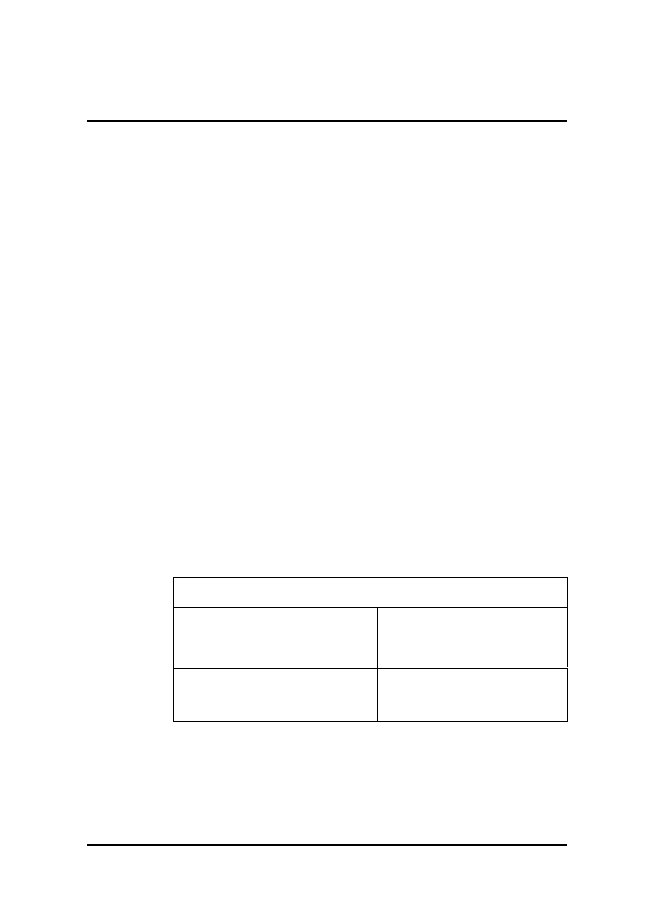
in column 1 of the following table, an amountthat is more
than the percentage of the original contract pricespecified in column 2 of the table opposite
the stage—Table—Contracts to build to enclosed
stageColumn 1StageColumn 2Percentage of
originalcontract priceBase
stageFrame stage20%25%Maximum penalty—50 penalty
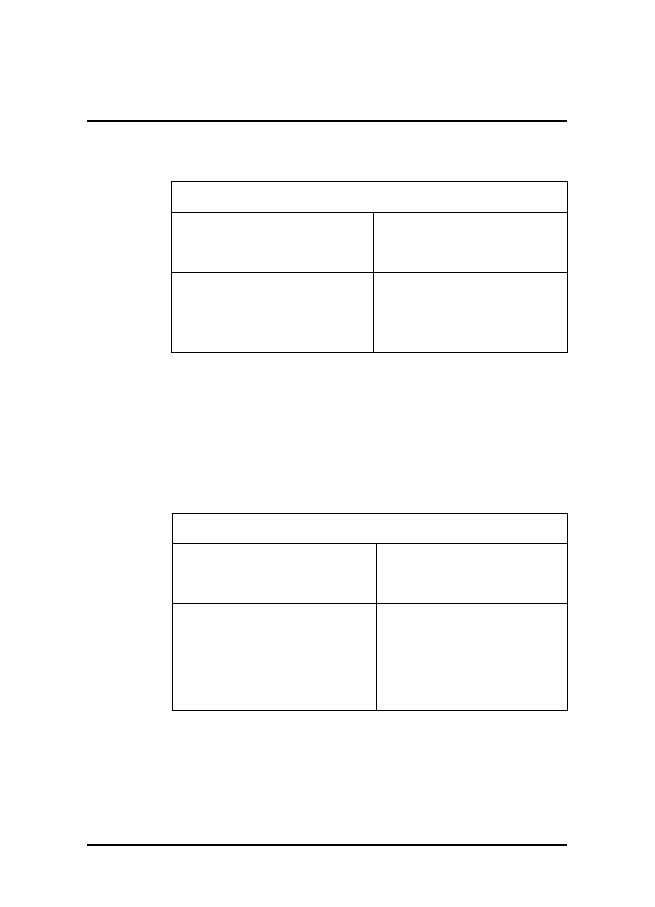
units.(4)For a contract to build only to the
fixing stage, the buildingcontractor must not demand or receive,
at the completion of astage specified in column 1 of the
following table, an amountCurrent as at 1 December 2013Page
45
Domestic Building Contracts Act 2000Part 5
Restrictions relating to contracts[s 66]that
is more than the percentage of the original contract pricespecified in column 2 of the table opposite
the stage—Table—Contracts to build to fixing
stageColumn 1StageColumn 2Percentage of
originalcontract priceBase
stageFrame stageEnclosed
stage12%18%40%Maximum penalty—50 penalty units.(5)For a contract to build all the stages
mentioned in this section,thebuildingcontractormustnotdemandorreceive,atthecompletion of a stage specified in
column 1 of the followingtable,anamountthatismorethanthepercentageoftheoriginalcontractpricespecifiedincolumn2ofthetableopposite the stage—Table—Contracts
to build to all stagesColumn 1StageColumn 2Percentage of
originalcontract priceBase
stageFrame stageEnclosed
stageFixing stage10%15%35%20%Maximum penalty—50 penalty units.(6)Subsection(3),(4)or(5)doesnotapplytoabuildingcontractor
if—(a)the parties to the contract agree the
subsection is not toapply; andPage 46Current as at 1 December 2013
Domestic Building Contracts Act 2000Part
5 Restrictions relating to contracts[s 67](b)theagreementismadeintheway,andsatisfiesanyrequirements, prescribed under a
regulation.(7)In this section—originalcontractprice,foraregulatedcontract,meansthecontractpriceforthecontractbeforeanyadjustmentoftheprice is made because of—(a)a prime cost, or provisional sum,
adjustment; or(b)a variation of the contract.67Completion payments(1)This section only applies to a
regulated contract for which thesubject work
consists of—(a)the erection or construction of a
detached dwelling to astage suitable for occupation;
or(b)therenovation,alteration,extension,improvementorrepair of a home to a stage suitable for
occupation.(2)The building contractor under a
regulated contract must notdemandallorpartofthecompletionpaymentunlessthepractical completion stage has been
reached.Maximum penalty—100 penalty units.(3)The building contractor under a
regulated contract must notreceive all or
part of the completion payment unless—(a)the
practical completion stage has been reached; and(b)if the building owner claims the stage
has been reachedwithminordefectsorminoromissions—thefirstandsecondrequirementsstatedinsubsections(4)and(5)have been
complied with.Maximum penalty—100 penalty units.(4)The first requirement is that the
building contractor must havegiven the
building owner a document (thedefects
document)that—Current as at 1
December 2013Page 47
Domestic Building Contracts Act 2000Part 5
Restrictions relating to contracts[s 68](a)lists the minor defects and minor
omissions that both thebuilding contractor and building owner
agree exist; and(b)states by when the building contractor
is to correct thelisted defects and omissions; and(c)lists the minor defects and omissions
the building ownerclaimsexist,butthatarenotagreedbythebuildingcontractor to
exist; and(d)is signed by the building
contractor.(5)The second requirement is that the
building contractor musthave made all reasonable efforts to
have the building ownersign the defects document to
acknowledge its contents.(6)In this
section—completionpayment,foraregulatedcontract,meansapaymentrequiredtobemadeunderthecontractbythebuildingownertothebuildingcontractorforthepracticalcompletion
stage.practicalcompletionstage,foraregulatedcontract,meansthe stage
when—(a)the subject work has been completed in
accordance withthecontractandallrelevantstatutoryrequirements,either—(i)without any omissions or defects;
or(ii)apart from minor
omissions or minor defects; and(b)the
detached dwelling or home is reasonably suitable forhabitation.68Associated third party amounts(1)A building contractor must not enter
into a regulated contractfor which there is an associated third
party amount unless—(a)the contract
states that the cost of the work or thing towhich the amount
relates is not included in the contractprice;
andPage 48Current as at 1
December 2013
Domestic Building Contracts Act 2000Part
5 Restrictions relating to contracts[s 69](b)the statement appears as near as
practicable to the firstreference in the contract to the
contract price.Maximum penalty—40 penalty units.(2)In this section, a reference to the
contract price for a contractincludes, for a
cost plus contract, a reference to the contractestimated amount
for the contract.Division 4Consequences of
contraveningrequirements relating to payments69Order to refund overpaid
amounts(1)This section applies if—(a)a court finds a charge against a
building contractor foran offence against a payment section
proven; and(b)theoffenceinvolvesthereceiptofanamountbythebuilding contractor.(2)The court may order the building
contractor—(a)to refund to the building
owner—(i)the amount paid to the building
contractor that thebuildingcontractorwasnot,underthepaymentsection,
entitled to receive; or(ii)a part of the
amount mentioned in paragraph (a);and(b)if the building contractor contravenes
the order—to paythe building owner interest on the amount to
which thecontravention relates, calculated at the
rate, and on thebasis, the court considers
appropriate.(3)The power of the court under
subsection (2) is additional toany other power
the court has to impose a penalty.(4)Therefundofanamountbythebuildingcontractortothebuildingownerunderanordermentionedinsubsection(2)doesnotstopthebuildingcontractorfromlaterdemandingCurrent as at 1 December 2013Page
49
Domestic Building Contracts Act 2000Part 5
Restrictions relating to contracts[s 70]andreceivingpaymentoftheamountunderthecontractaspart
of—(a)for a fixed price contract—the
contract price; or(b)for a cost plus contract—the total
amount the buildingcontractor is entitled to receive.70Ending of contract for contravention
of order(1)The building owner under a regulated
contract may end thecontractifthebuildingcontractorcontravenesapaymentorder.(2)To end the contract, the building
owner must give the buildingcontractor a
notice under this section.(3)The notice
must—(a)be in writing; and(b)be
signed by the building owner; and(c)state the building owner is ending the
contract under thissection; and(d)state the ground on which the building owner
is endingthe contract; and(e)give
details of the ground.(4)In this
section—payment ordermeans an order
made by a court or the tribunalrequiring the
building contractor under a regulated contract—(a)to
refund to the building owner an amount paid to thebuildingcontractorbythebuildingownerthatthebuildingcontractorwasnot,underapaymentsection,entitled to receive; or(b)to
pay to the building owner interest on the amount, or apart
of the amount, mentioned in paragraph (a).Page 50Current as at 1 December 2013
Domestic Building Contracts Act 2000Part
6 Cooling-off period[s 71]71Rights of building contractor if contract
ended(1)Thissectionappliesifabuildingownerendsaregulatedcontract under
section 70.(2)Thebuildingcontractorisentitledtoreceiveareasonableamount for the
contracted services provided to the time thecontract is
ended.(3)However, the building contractor is
not entitled to receive anamount that is more than the amount
the building contractorwould have been entitled to receive
under the contract.Part 6Cooling-off
period72Right of building owner to withdraw
from contract incooling-off period(1)The
building owner under a regulated contract may withdrawfrom
the contract under this section.(2)The
building owner may withdraw from the contract within 5business days after the receipt day for the
contract.(3)If 5 business days have elapsed since
the contract was enteredinto and there is no receipt day for
the contract, the buildingowner may withdraw from the
contract.(4)Nothinginsubsection(3)affectstherightofthebuildingowner to
withdraw from the contract under subsection (2) if areceipt day subsequently applies to the
contract.(5)In this section—receipt
day, for a regulated contract, means—(a)thedayonwhichthebuildingownerreceivesthefollowing documents from the building
contractor—(i)a copy of the signed contract;(ii)acopyoftheappropriatecontractinformationstatement for
the contract; orCurrent as at 1 December 2013Page
51
Domestic Building Contracts Act 2000Part 6
Cooling-off period[s 73](b)ifthedocumentsmentionedinparagraph(a)arereceivedbythebuildingownerfromthebuildingcontractor on
different days—the later of the days.73Restrictions affecting right of withdrawal
in cooling-offperiod(1)This
section applies despite section 72.(2)A
building owner may not withdraw from a regulated contract(thecurrent
contract) under section 72 if—(a)thebuildingownerandbuildingcontractorpreviouslyentered into a
regulated contract (theprevious contract);and(b)the terms of the
previous contract and current contractare
substantially the same; and(c)thecontractedservicesforthepreviouscontractandcurrent contract—(i)are
substantially the same; and(ii)relate to the same detached dwelling, home
or land.(3)Also,abuildingownermaynotwithdraw from a
regulatedcontract under section 72 if—(a)beforeenteringintothecontract,thebuildingownerreceived formal legal advice about the
contract; or(b)when, or after, the contract is
entered into, the buildingownertellsthebuildingcontractorthatthebuildingownerreceivedformallegaladviceaboutthecontractbefore entering
into the contract.(4)In this section—formal legal
advicemeans independent advice—(a)given by a practising legal
practitioner; and(b)for the giving of which an amount is
paid, or is payable,tothelegalpractitionerbythepersontowhomtheadvice is given.Page 52Current as at 1 December 2013
Domestic Building Contracts Act 2000Part
6 Cooling-off period[s 74]practising legal
practitionermeans a lawyer authorised underalawoftheStatetopractiseasalawyerforpurposesincludingthegiving,forreward,ofadvice,including,forexample, advice about domestic building
contracts.74Right of building owner to withdraw
from contract ifcooling-off warning not given(1)This section applies if a regulated
contract does not contain anotice, as
required under section 29(2), advising the buildingowner of the right the owner may have to
withdraw from thecontract under section 72.(2)The building owner may withdraw from
the contract within 7daysofbecomingawarethatthecontractshouldhavecontained the
notice.75Withdrawal procedure(1)To withdraw from a regulated contract
under section 72 or 74,the building owner must, within the
time allowed under thesection for the withdrawal—(a)give a withdrawal notice to the
building contractor; or(b)leave a
withdrawal notice at the address shown as thebuilding
contractor’s address in the contract; or(c)serve a withdrawal notice on the building
contractor inaccordance with any provision in the
contract providingfor service of notices on the building
contractor by thebuilding owner.(2)In
this section—withdrawalnoticemeansawrittennoticesignedbythebuilding owner under a regulated
contract stating—(a)thatthebuildingownerwithdrawsfromthecontract;and(b)thesectionofthisActunderwhichthewithdrawalismade.Current as at 1
December 2013Page 53
Domestic Building Contracts Act 2000Part 6
Cooling-off period[s 76]76Rights and obligations of parties following
withdrawal incooling-off period(1)Thissectionappliesifabuildingownerwithdrawsfromaregulated contract under section
72.(2)If there is a pre-paid amount for the
contract that is not lessthan the retainable amount, the
building contractor—(a)may keep an
amount equal to the retainable amount outof the prepaid
amount; and(b)must refund any balance of the prepaid
amount to thebuilding owner.(3)If
there is a pre-paid amount for the contract that is less
thantheretainableamount,thebuildingownermustpaythebuilding contractor an amount equal to
the difference betweenthe retainable amount and the prepaid
amount.(4)If there is no pre-paid amount for the
contract, the buildingowner must pay the building contractor
an amount equal tothe retainable amount.(5)If
an amount is not paid by a person as required under thissection,thepersontowhomitispayablemayrecovertheamount from the other person as a
debt.(6)Except as provided under subsection
(3) or (4), the buildingowner is not liable to the building
contractor in any way forwithdrawing from the contract.(7)Inthissection,areferencetothepre-paidamountforthecontractisareferencetotheamountpaidtothebuildingcontractor under
the contract by the building owner before thebuilding owner
withdrew from the contract.(8)Also, in this section, a reference to the
retainable amount forthe contract is a reference to the sum
of—(a)$100; and(b)anamountequaltoanyout-of-pocketexpensesreasonablyincurredbythebuildingcontractorbeforethe
building owner withdrew from the contract.Page 54Current as at 1 December 2013
Domestic Building Contracts Act 2000Part
6 Cooling-off period[s 77]77Rights of building contractor following
withdrawal forfailure to give warning(1)Thissectionappliesifabuildingownerwithdrawsfromaregulated contract under section
74.(2)Thebuildingcontractorisentitledtoreceiveareasonableamountforthecontractedservicesprovidedtothetimeofwithdrawal.(3)However, the building contractor is not
entitled to receive anamount that is more than the amount
the building contractorwould have been entitled to receive
under the contract.78Waiving right of withdrawal(1)Thebuildingownerunderarepaircontractmaywaivethebuilding owner’s right to withdraw from the
contract.(2)To waive the right, the building owner
must—(a)give a waiver notice to the building
contractor; or(b)leaveawaivernoticeattheaddressshownasthebuilding contractor’s address in the
contract; or(c)serveawaivernoticeonthebuildingcontractorinaccordance with any provision in the
contract providingfor service of notices on the building
contractor by thebuilding owner.(3)This
section has effect despite section 93.(4)In
this section—waiver noticemeans a written
notice signed by the buildingowner under a
repair contract stating that the building ownerwaivesthebuildingowner’srighttowithdrawfromthecontract.Current as at 1
December 2013Page 55
Domestic Building Contracts Act 2000Part 7
Variations of contracts[s 79]Part 7Variations of contracts79Variations must be in writing(1)Thebuildingcontractorunderaregulatedcontractmustensureanyvariationofthecontractagreedtobetweenthebuildingcontractorandbuildingownerisputintowrittenform—(a)within the shortest practicable time;
and(b)for a variation consisting of an
addition to the subjectwork—before any domestic building work
the subject ofthe variation is carried out.Maximum penalty—20 penalty units.(2)Subsection (1) does not apply to a
building contractor for avariation of a contract if—(a)thevariationisfordomesticbuildingworkthatisrequired to be carried out urgently;
and(b)itisnotreasonablypracticable,intheparticularcircumstances,
to produce a variation document beforecarrying out the
work.(3)Subsection (4) applies if—(a)a proposed variation of a regulated
contract has not yetbeenagreedtobetweenthebuildingcontractorunderthe
contract and the building owner, but is proposed tocomeintoexistenceonthesigningofavariationdocument by the
owner and the contractor; and(b)thevariationdocumentistobethefirstandonlyagreementbetweenthebuildingcontractorandthebuilding owner for the particular
variation.(4)If the proposed variation consists of
an addition to the subjectwork,thebuildingcontractormustensurethatnodomesticbuilding work
the subject of the proposed variation is carriedout
until the variation document has been signed.Maximum
penalty—20 penalty units.Page 56Current as at 1
December 2013
Domestic Building Contracts Act 2000Part
7 Variations of contracts[s 80](5)Whenthevariationdocumentissigned,thefollowingprovisions do
not apply for the variation—(a)subsections (1) and (2);(b)section 82;(c)section 83(1)(b);(d)section84(2)(a)and(3)(a)(i),totheextenttheprovisions concern sections 82 and
83(1)(b).80General contents of variation
document(1)Thebuildingcontractorunderaregulatedcontractmustensure a
variation document for the contract complies with theformal requirements for a variation
document.Maximum penalty—20 penalty units.(2)A variation document complies with the
formal requirementsfor a variation document if the
document—(a)is in English and is readily legible;
and(b)describes the variation; and(c)ifthevariationwassoughtbythebuildingcontractor—states the reason for the
variation; and(d)if the variation will result in a
delay affecting the subjectwork—statesthebuildingcontractor’sreasonableestimate for the
period of delay; and(e)forafixedpricecontract—statesthechangeofthecontractpricebecauseofthevariation,orhowthechange of the
contract price is to be worked out; and(f)foracostpluscontract—statesafairandreasonableestimateofthecostsassociatedwiththeadditionoromission the subject of the variation;
and(g)if the contract provides for progress
payments—makesappropriate provision for payments under the
contract toreflect any change of the contract price
caused by thevariation.Current as at 1
December 2013Page 57
Domestic Building Contracts Act 2000Part 7
Variations of contracts[s 81]81General contents—appropriate provision for
payments toreflect contract price changes(1)This section sets out how a variation
document complies withthe requirement mentioned in section
80(2)(g) (thepaymentrequirement).(2)If the variation results in an
increase in the contract price, thevariation
document complies with the payment requirement ifit
states when the increase is to be paid.(3)However, the increase can not be required to
be paid beforework the subject of the variation is
started.(4)If the variation results in a decrease
in the contract price, thevariation document complies with the
payment requirement ifit states when the decrease is to be
accounted for.Example for subsection (4)—The variation document might identify
a particular progress payment inwhich the
decrease is to be accounted for.(5)Thevariationdocumentcomplieswiththepaymentrequirement if
the provision of the document stating when theincrease is to
be paid, or when the decrease is to be accountedfor,
is initialled by the building owner.82Variation document must be signedAssoonaspracticableafteranappropriatevariationdocument is made, the building contractor
must—(a)sign the document; and(b)take all reasonable steps to try to
ensure the document issigned by the building owner.Maximum penalty—20 penalty units.83Copy of variation document for
building owner(1)Assoonaspracticable(butwithin5businessdays)afteravariationofaregulatedcontractisagreedtobetweenthePage
58Current as at 1 December 2013
Domestic Building Contracts Act 2000Part
7 Variations of contracts[s 84]buildingcontractorandbuildingowner,thebuildingcontractor must
give the building owner—(a)a readily
legible signed copy of an appropriate variationdocument for the
variation; or(b)ifacceptablecircumstancesapplytothebuildingcontractor—areadilylegiblecopyofanappropriatevariationdocumentforthevariation,signedbythebuilding
contractor.Maximum penalty—20 penalty units.(2)For subsection (1)(b), acceptable
circumstances apply to thebuildingcontractorifthebuildingcontractorhastakenallreasonablestepstotrytoensureanappropriatevariationdocument for the variation is signed by the
building owner,but the building owner has not signed the
document.84Right of building contractor to
recover amount forvariation(1)This
section applies if—(a)the building contractor under a
regulated contract giveseffect to a variation of the contract;
and(b)the variation consists of—(i)an addition to the subject work;
or(ii)an omission from
the subject work that results inthe building
contractor incurring additional costs.(2)If
the variation was originally sought by the building owner,thebuildingcontractormayrecoveranamountforthevariation—(a)onlyifthebuildingcontractorhascompliedwithsections 79, 80, 82 and 83; or(b)only with the tribunal’s approval
given on an applicationmade, as provided under the QCAT Act,
to the tribunalby the building contractor.Current as at 1 December 2013Page
59
Domestic Building Contracts Act 2000Part 7
Variations of contracts[s 84](3)If
the variation is not a variation that was originally sought
bythebuildingowner,thebuildingcontractormayrecoveranamount for the variation—(a)only if—(i)the
building contractor has complied with sections79, 80, 82 and
83; and(ii)the ground of
unforeseen circumstances applies; or(b)only
with the tribunal’s approval given on an applicationmade, as provided under the QCAT Act, to the
tribunalby the building contractor.(4)Thetribunalmayapprovetherecoveryofanamountbyabuildingcontractorforavariationonlyifthetribunalissatisfied that—(a)either of the following applies—(i)there are exceptional circumstances to
warrant theconferringofanentitlementonthebuildingcontractorforrecoveryofanamountforthevariation;(ii)the
building contractor would suffer unreasonablehardshipbytheoperationofsubsection(2)(a)or(3)(a); and(b)itwouldnotbeunfairtothebuildingownerforthebuilding
contractor to recover an amount.(5)Forsubsection(3)(a)(ii),thegroundofunforeseencircumstancesappliesifthevariationbecamenecessarybecause of circumstances that could not have
been reasonablyforeseenbythebuildingcontractorwhenthecontractwasentered into.(6)If
the building contractor is entitled to recover an amount forthe
variation of a fixed price contract, the amount is—(a)the increase in the contract price
stated, or worked out inthe way stated, in the appropriate
variation document forthe variation; orPage 60Current as at 1 December 2013
Domestic Building Contracts Act 2000Part
8 Building sites[s 85](b)if
paragraph (a) does not apply—the cost of carrying outthe
variation plus a reasonable profit.(7)If
the building contractor is entitled to recover an amount forthe
variation of a cost plus contract, the amount is the amountworked out in the way stated in the
contract.Part 8Building
sites85Building contractor does not acquire
interest in land ofresident owner(1)Adomesticbuildingcontractdoesnotgivethebuildingcontractor an
interest in land of a resident owner for theLandTitle Act 1994, section
122.(2)Abuildingcontractorwholodgesacaveatclaiminganinterest in land of a building owner
under a domestic buildingcontract knowing the owner to be a
resident owner commitsan offence.Maximum penalty
for subsection (2)—100 penalty units.86Control of building sitesAdomesticbuildingcontractdoesnotgivethebuildingcontractor a
greater right to occupy a building site than that ofa
contractual licensee.87Access to
building sites(1)Thebuildingcontractorunderaregulatedcontractmustpermitthebuildingowner,orapersonauthorisedbythebuilding owner (thebuilding owner’s representative)—(a)to have
reasonable access to the building site under thebuilding contractor’s supervision;
and(b)to view any part of the subject
work.Current as at 1 December 2013Page
61
Domestic Building Contracts Act 2000Part 9
Other matters relating to contracts[s 88]Maximum penalty—20 penalty units.(2)Abuildingownerorbuildingowner’srepresentativeexercisingarightofaccessundersubsection(1)mustnotinterfere with the subject work.(3)If additional costs are incurred, or a
delay happens, in carryingout the subject work because the
building owner or buildingowner’srepresentativecontravenessubsection(2),thebuilding owner is liable for the costs
or delay.(4)However, the building owner is liable
for the costs or delayonlyif,within5daysafterthecontraventioncomestothebuildingcontractor’sknowledge,thebuildingcontractorgives the
building owner written notice of the costs or delay.Part
9Other matters relating tocontracts88Display of documents at display homesA
person who makes a display home available for inspectionmustensurethefollowingdocumentsareprominentlydisplayed in the
home—(a)acopyoftheplansandspecificationsusedforthehome’s
construction;(b)a draft copy of the domestic building
contract that thebuilding contractor by or for whom the
display home ismadeavailableforinspectionwouldbepreparedtoenter into to construct a similar
home.Maximum penalty—100 penalty units.89Construction of home based on display
home(1)This section applies if—Page
62Current as at 1 December 2013
Domestic Building Contracts Act 2000Part
9 Other matters relating to contracts[s 90](a)a display home is made available for
inspection by or fora building contractor; and(b)abuildingownerentersintoaregulatedcontractwiththe building
contractor for the construction of a similarhome (thecontract home).(2)Inconstructingthecontracthome,thebuildingcontractormust—(a)carry out the construction in
accordance with the sameplansandspecificationsaswereusedfortheconstruction of
the display home; and(b)carry out the
construction to at least the same standardsof work quality
as the display home; and(c)usematerialsthatareatleastthesamequalityasthematerials used
in the construction of the display home.Maximum
penalty—100 penalty units.(3)Subsection (2)
does not apply to a building contractor to theextent the
contract—(a)providesfortheconstructionofthecontracthometodiffer from the display home;
and(b)specifically identifies the
differences.90Ending contract if completion time
extended or contractprice increased(1)The
building owner under a regulated contract may end thecontract if—(a)thecontractpricerisesby15%ormoreafterthecontractisenteredintobecauseoftheoperationofacost escalation clause contained in
the contract; or(b)the subject work is not finished
within a period that is1.5 times—(i)ifthecontracthasaneffectivecompletiondate—theperiodstartingonthestartingdateforCurrent as at 1 December 2013Page
63
Domestic Building Contracts Act 2000Part 9
Other matters relating to contracts[s 91]the
contract and ending on the effective completiondate; or(ii)ifthecontracthasaneffectivecompletionperiod—the
period.(2)However, the building owner may end
the contract only if—(a)the reason for
the rise in price, or increase in time, couldreasonablyhavebeenforeseenbythebuildingcontractor when the contract was entered
into; and(b)for a rise in price—the rise is not
caused by a delay forwhich the building owner is
responsible.(3)To end the contract, the building
owner must give the buildingcontractor a
notice under this section.(4)The notice
mentioned in subsection (3) must—(a)be
in writing; and(b)be signed by the building owner;
and(c)state the building owner is ending the
contract under thissection; and(d)state the ground on which the building owner
is endingthe contract; and(e)give
details of the ground.(5)In this
section—starting date, for a
regulated contract, means the date stated inthe contract as
the date the subject work is to start.91Rights of building contractor if contract
ended(1)Thissectionappliesifabuildingownerendsaregulatedcontract under
section 90.(2)Thebuildingcontractorisentitledtoreceiveareasonableamount for the
contracted services provided to the time thecontract is
ended.Page 64Current as at 1
December 2013
Domestic Building Contracts Act 2000Part
9 Other matters relating to contracts[s 92](3)However, the building contractor is
not entitled to receive anamount that is more than the amount
the building contractorwould have been entitled to receive
under the contract.92Effect of failure by building
contractor to comply withrequirementUnless the
contrary intention appears in this Act, a failure by abuilding contractor to comply with a
requirement under thisAct in relation to a domestic building
contract does not makethe contract illegal, void or
unenforceable.93Contracting out prohibited(1)A domestic building contract is void
to the extent to whichit—(a)is
contrary to this Act; or(b)purports to
annul, exclude or change a provision of thisAct.(2)Anagreement(otherthanadomesticbuildingcontract)isvoidtotheextenttowhichitseekstoexclude,changeorrestrictarightconferredunderthisActinrelationtoadomestic
building contract.(3)Nothinginthissectionpreventsthepartiestoadomesticbuildingcontractfromincludingprovisionsinthecontractthat impose
greater or more onerous obligations on a buildingcontractor than are imposed under this
Act.(4)Subsections (1) and (2) apply subject
to any contrary intentionin this Act.Current as at 1
December 2013Page 65
Domestic Building Contracts Act 2000Part
10 Miscellaneous[s 94]Part 10Miscellaneous94Responsibility for acts or omissions of
representatives(1)This section applies for a proceeding
for an offence againstthis Act.(2)Ifitisrelevanttoproveaperson’sstateofmindaboutaparticular act or omission, it is
enough to show—(a)theactwasdoneoromittedtobedonebyarepresentativeofthepersonwithinthescopeoftherepresentative’s actual or apparent
authority; and(b)the representative had the state of
mind.(3)Anactdoneoromittedtobedoneforapersonbyarepresentativeofthepersonwithinthescopeoftherepresentative’s actual or apparent
authority is taken to havebeen done or omitted to be done also
by the person.(4)However, subsection (3) does not apply
to the person if thepersonprovesthepersoncouldnot,bytheexerciseofreasonable diligence, have prevented the act
or omission.(5)In this section—representativemeans—(a)ofacorporation—anexecutiveofficer,employeeoragent of the corporation; or(b)ofanindividual—anemployeeoragentoftheindividual.state of
mind, of a person, includes—(a)theperson’sknowledge,intention,opinion,belieforpurpose; and(b)the
person’s reasons for the intention, opinion, belief orpurpose.Page 66Current as at 1 December 2013
Domestic Building Contracts Act 2000Part
10 Miscellaneous[s 96]96Treatment of partnerships(1)Subject to this section, this Act
applies to a partnership as ifthe partnership
were a person.(2)Anobligationorliabilitythat,apartfromthissubsection,would be imposed
by this Act on a person that is a partnershipis imposed on
each partner, but may be discharged by any ofthe
partners.(3)An amount that, apart from this
subsection, would be payableunder this Act
by a person that is a partnership is jointly andseverally payable by the partners.(4)If,becauseoftheoperationofsubsection(1),anoffenceagainstaprovisionofthisActistakentohavebeencommitted by a partnership, the offence is
taken to have beencommitted by each of the partners.(5)However, it is a defence for a partner
to prove—(a)if the partner was in a position to
influence the conductof the partnership in relation to the
offence—the partnerexercised reasonable diligence to ensure the
partnershipcomplied with the provision; or(b)the partner was not in a position to
influence the conductof the partnership in relation to the
offence.97Fines payable to commission(1)This section applies if, in a
proceeding for an offence againstthis Act, a
court imposes a fine for the offence.(2)The
fine must be paid to the commission.(3)However,ifapersonotherthanthecommissionprosecutesthe offence,
subsection (2) does not apply to any part of thefine
the court orders be paid to the person prosecuting.Current as at 1 December 2013Page
67
Domestic Building Contracts Act 2000Part
10 Miscellaneous[s 98]98Relationship with other Acts(1)TheCommercialArbitrationAct2013doesnotapplytodomesticbuildingworkunlesstherelevantarbitrationagreement under
that Act—(a)is an agreement other than a domestic
building contract;and(b)is entered into
after the dispute to which it relates arises.(2)TheSubcontractors’ChargesAct1974doesnotapplytodomestic building work relating to a
detached dwelling if thework—(a)is
carried out by a building contractor for an individual;and(b)is not for a
business carried on by the individual, eitheralone or as a
member of a partnership.99Approval of
information statements(1)The commission
must approve a statement containing generalinformationaboutregulatedcontractsforthebenefitofbuilding owners.(2)Withoutlimitingsubsection(1),thestatementmaycontaininformation
about the following—(a)therightsanddutiesofbuildingownersandbuildingcontractors
under regulated contracts;(b)theproceduresforresolvingdisputesunderregulatedcontracts.(3)Thecommissionmayapprovedifferentstatementsfordifferent classes of contracts.100Supply of copies of information
statements(1)Thechiefexecutivemustkeepcopiesofthecontractinformationstatementsavailableforsupplytopersonsandpermit a person to obtain a copy of the
statements on paymentof the fee prescribed under a
regulation.Page 68Current as at 1
December 2013
Domestic Building Contracts Act 2000Part
12 Transitional provisions[s 101](2)For
subsection (1)—(a)copies of the contract information
statements—(i)mustbekeptattheheadofficeandanyregionaloffice of the department; and(ii)mustbekeptattheheadofficeandanyregionaloffice of the commission; and(iii)may be kept at
any other place the chief executiveconsiders
appropriate; and(b)thecopiesofthestatementskeptataplacemustbeavailableforsupplyduringofficehoursonbusinessdays for the
place.101Regulation-making powerTheGovernorinCouncilmaymakeregulationsunderthisAct.Part
12Transitional provisions102Application of Act to contractsThis
Act only applies to domestic building contracts enteredinto
after the commencement of this section.103Application of QBCC Act to contractsTheQBCCAct,asinforceimmediatelybeforethecommencement of this section,
continues to apply to domesticbuilding
contracts entered into before the commencement.Current as at 1
December 2013Page 69
Domestic Building Contracts Act 2000Schedule 2Schedule 2Dictionarysection 5additional element, for a
mixed-purpose contract, means thematter for which
the building contractor is entitled to be paidunder the
contract, excluding—(a)the carrying out
of domestic building work; and(b)the
managing of the carrying out of domestic buildingwork.amountreferabletothecontractedservices,foramixed-purpose contract, see section
19.appropriate contract information
statement, for a regulatedcontract,
means—(a)ifthereisonly1contractinformationstatement—thestatement;
or(b)ifthereismorethan1contractinformationstatement—thecontractinformationstatementthatrelates to the
class of regulated contracts in which theparticular
contract is included.appropriate variation documentmeans a variation documentcomplyingwiththeformalrequirementsforavariationdocument.Editor’s note—Section80(Generalcontentsofvariationdocument)dealswiththeformal requirements for a variation
document.architectmeans an
architect under theArchitects Act 2002.associatedthirdpartyamount,foradomesticbuildingcontract, see section 10.base
stagemeans—(a)forabuildingwithatimberfloorwithbasebrickwork—the stage when—Page
70Current as at 1 December 2013
Domestic Building Contracts Act 2000Schedule 2(i)theconcretefootingsforthebuilding’sfloorarepoured; and(ii)the
building’s base brickwork is built to floor level;and(iii)the bearers and
joists for the building are installed;or(b)forabuildingwithatimberfloorwithoutbasebrickwork—the stage when—(i)thebuilding’sstumps,piersorcolumnsarefinished; and(ii)the
bearers and joists for the building are installed;or(c)for a building
with a suspended concrete slab floor—thestage
when—(i)the building’s concrete footings are
poured; and(ii)theformworkandreinforcingforthesuspendedslab are
installed; or(d)forabuildingwithaconcretefloor,otherthanasuspendedconcreteslabfloor—thestagewhenthebuilding’s floor is finished.brickworkincludes
blockwork.buildingincludes—(a)astructure,includingatemporarybuildingandothertemporary
structure; and(b)a part of a structure.BuildingCodeofAustraliameanstheBuildingCodeofAustralia within the meaning of
theBuilding Act 1975.building
contractormeans a person who—(a)carries out domestic building work;
or(b)manages the carrying out of domestic
building work; or(c)hascarriedout,ormanagedthecarryingoutof,domestic building work; orCurrent as at 1 December 2013Page
71
Domestic Building Contracts Act 2000Schedule 2Page 72(d)intends to carry out, or to manage the
carrying out of,domestic building work.building
ownermeans the person for whom domestic
buildingwork has been, is being, or is to be,
carried out.building sitemeans a place
where domestic building work hasbeen, is being,
or is to be, carried out.commissionmeanstheQueenslandBuildingandConstruction Commission established
under the QBCC Act,section 5.contracted
services, for a domestic building contract,
meansthethingdone,beingdoneortobedonebythebuildingcontractor under
the contract in relation to domestic buildingwork, being
either—(a)the carrying out of the work;
or(b)the managing of the carrying out of
the work.contract estimated amount,
for a regulated contract that is acost plus
contract, means the amount stated in the contract asthe
building contractor’s fair and reasonable estimate of thetotal amount the building contractor is
likely to receive underthe contract.contract
information statementmeans a statement approvedby
the commission under section 99.contractor’slicencemeansacontractor’slicenceundertheQBCC
Act.contract price, for a domestic
building contract, see section 6.cost escalation
clausesee section 11.cost plus
contractmeans a domestic building contract
underwhich the amount the building contractor is
to receive underthe contract can not be calculated when the
contract is enteredinto,evenifprimecostitemsandprovisionalsumsareignored.designatedstagescontractmeansaregulatedcontractthatis—(a)a contract to build only to the
enclosed stage; orCurrent as at 1 December 2013
Domestic Building Contracts Act 2000Schedule 2(b)a
contract to build only to the fixing stage; or(c)a
contract to build all stages, including the base, frame,enclosed and fixing stages.detached dwellingmeans—(a)a single detached dwelling; or(b)a duplex.development
approvalmeans a development approval undertheSustainable Planning Act 2009.display homemeans a home
(including a building suitable foruseasahome,regardlessofwhetheritisbeingusedasahome) available
for inspection to encourage persons to enterinto contracts
for the construction of similar homes.domestic
building contractsee section 7.domestic
building worksee section 8.draftspersonmeans a person
who holds a contractor’s licenceauthorising the
person to prepare plans and specifications fordomestic
building work.effective completion date,
for a regulated contract, see section18.effectivecompletionperiod,foraregulatedcontract,seesection 18.enclosed
stage, for a building, means the stage
when—(a)the external wall cladding is fixed;
and(b)the roof covering is fixed, but
without—(i)soffit linings necessarily having been
fixed; or(ii)foratileroof—pointingnecessarilyhavingbeendone; or(iii)for a metal
roof—scribing and final screwing offnecessarily
having been done; and(c)the structural
flooring is laid; and(d)the external
doors are fixed (even if only temporarily),but,ifalockabledoorseparatingthegaragefromtheCurrent as at 1 December 2013Page
73
Domestic Building Contracts Act 2000Schedule 2rest of the
building has been fixed, without the garagedoors
necessarily having been fixed; and(e)theexternalwindowsarefixed(evenifonlytemporarily).engineermeans a registered professional engineer
under theProfessional Engineers Act 2002.excluded building workmeans any of the following work—(a)work relating to any of the following
buildings—(i)a farm building, or proposed farm
building, that isnot a home;(ii)abuildingintendedtobeusedonlyforbusinesspurposes;(iii)abuildingintendedtobeusedonlytoaccommodate animals;(b)designworkcarriedoutbyanarchitect,engineerordraftsperson;(c)thepreparationofplans,specificationsorbillsofquantity for the carrying out of domestic
building work;(d)workinvolvedinobtainingfoundationsdataaboutabuilding site;(e)transporting a building;(f)workdeclaredunderaregulationtobeexcludedbuildingworkiftherearereasonablegroundsforconsidering the work to be excluded
building work.executive officer, of a
corporation, means a person who—(a)is a
director or the secretary of the corporation; or(b)isconcernedwith,ortakespartin,thecorporation’smanagement,
whether or not—(i)thepersonisadirectororthesecretaryofthecorporation;
or(ii)the person’s
position is given the name of executiveofficer.Page
74Current as at 1 December 2013
Domestic Building Contracts Act 2000Schedule 2farm
buildingmeans a building that—(a)isconstructedonlandusedentirelyormainlyforagricultural or pastoral purposes;
and(b)isused,orintendedtobeused,foragriculturalorpastoral purposes.fixed price
contractmeans a domestic building contract
thatis not a cost plus contract.fixingstagemeansthestagewhenallinternallining,architraves, cornice, skirting, doors to
rooms, baths, showertrays,wetareatiling,built-inshelves,built-incabinetsandbuilt-incupboardsofabuildingarefittedandfixedinposition.foundations
datasee section 12.framestagemeansthestagewhenabuilding’sframeisfinished.homesee
section 13.manage, the carrying
out of domestic building work, includesprovidesupervisory,advisoryoradministrativeservicesforcarrying out the work.mixed-purposecontractmeansacontractenteredintobetween a
building contractor and building owner that entitlesthebuildingcontractortobepaidbothforcarryingout,ormanaging the carrying out of, domestic
building work and for1 or more of the following—(a)carrying out work that is not domestic
building work;(b)managing the carrying out of work that
is not domesticbuilding work;(c)another matter.non-working
days, for carrying out domestic building
work,means—(a)weekend days; or(b)public holidays; or(c)rostered days off; orCurrent as at 1
December 2013Page 75
Domestic Building Contracts Act 2000Schedule 2Page 76(d)other days not generally available for
carrying out thework.payment
sectionmeans section 64, 65, 66 or 67.prime cost adjustment, for a prime
cost item in a regulatedcontract,meansanadjustmentfortheitemtoreflectadifference in the following—(a)the amount payable under the contract
for the item;(b)the amount provided for in the
allowance stated in thecontract for the item.prime cost item, for a domestic
building contract, means anitem, including,
for example, a fixture or fitting—(a)that
has not been selected, or the price of which is notknown, when the contract is entered into;
and(b)for the cost of supply and delivery of
which a reasonableallowanceis,oristobe,madeinthecontractbythebuilding contractor.progress payment, for a domestic
building contract, means apayment of an amount that is a part of
the contract price forthe contract, but does not include a
payment of an amount thatis, or is in the nature of, a deposit
under the contract.provisional sum, for a domestic
building contract, see section14.provisionalsumadjustment,foraprovisionalsuminaregulatedcontract,meansanadjustmentfortheprovisionalsum to reflect a
difference in the following—(a)the
amount payable under the contract for providing thecontracted services to which the sum
relates;(b)the provisional sum.QBCC
Actmeans theQueensland
Building and ConstructionCommission Act 1991.reasonablybelievesmeansbelievesongroundsthatarereasonable in all the
circumstances.regulated amountmeans—Current as at 1 December 2013
Domestic Building Contracts Act 2000Schedule 2(a)the
amount, above $3300, prescribed under a regulation;or(b)if an amount is
not prescribed for paragraph (a)—$3300.regulated
contractsee section 9.related progress
paymentmeans—(a)foraprimecostiteminaregulatedcontract—theprogress payment
in which an amount for the prime costitem is
included; or(b)foraprovisionalsuminaregulatedcontract—theprogress payment
in which an amount for the contractedservices to
which the sum relates is included.repair
contractsee section 15.residential
construction workmeans residential constructionwork
under the QBCC Act.resident owner, under a
domestic building contract, means abuilding owner
who—(a)is an individual; and(b)intends to reside in the
building—(i)on completion of the domestic building
work; or(ii)within 6 months
after the completion of the work.statedcompletiondate,foraregulatedcontract,means,ifapplicable, the date stated in the contract
as the date by whichthe subject work is to be
finished.stated completion period, for a
regulated contract, means, ifapplicable,thenumberofdaysstatedinthecontractasthenumber of days
that will be required to finish the subject workonce
it is started.subcontractormeans a person
who enters into a contract witha building
contractor to carry out domestic building work tobe
carried out under a domestic building contract.subject
work, for a domestic building contract,
means—(a)thedomesticbuildingworkcarriedout,beingcarriedout
or to be carried out under the contract; orCurrent as at 1
December 2013Page 77
Domestic Building Contracts Act 2000Schedule 2(b)thedomesticbuildingworkthecarryingoutofwhichhasbeen,isbeingoristobemanagedunderthecontract.tribunalmeans QCAT.variation, of
a domestic building contract, see section 16.variationdocumentmeansthewrittenformintowhichavariation of a regulated contract is
put.writtenform,foraregulatedcontract,oravariationofaregulated
contract, means—(a)in handwritten or typewritten form;
or(b)in a combination of handwritten and
typewritten forms.Page 78Current as at 1
December 2013
Domestic Building Contracts Act 2000Endnotes3KeyKey to abbreviations in list of
legislation and annotationsKeyAIAamdamdtchdefdivexpgazhdginslapnotfdnumo in comorigpparaprecpresprevExplanation=Acts
Interpretation Act 1954=amended=amendment=chapter=definition=division=expires/expired=gazette=heading=inserted=lapsed=notified=numbered=order in council=omitted=original=page=paragraph=preceding=present=previousKey(prev)procprovptpubdR[X]RArelocrenumrep(retro)rvsschsdivSIASIRSLsubunnumExplanation=previously=proclamation=provision=part=published=Reprint No. [X]=Reprints Act 1992=relocated=renumbered=repealed=retrospectively=revised version=section=schedule=subdivision=Statutory Instruments Act 1992=Statutory Instruments Regulation
2012=subordinate legislation=substituted=unnumbered4Table of reprintsA new reprint of
the legislation is prepared by the Office of the Queensland
ParliamentaryCounsel each time a change to the legislation
takes effect.The notes column for this reprint gives
details of any discretionary editorial powers undertheReprints Act 1992used by the
Office of the Queensland Parliamentary Counsel inpreparing it. Section 5(c) and (d) of the Act
are not mentioned as they contain mandatoryrequirementsthatallamendmentsbeincludedandallnecessaryconsequentialamendments be
incorporated, whether of punctuation, numbering or another kind.
Furtherdetails of the use of any discretionary
editorial power noted in the table can be obtained bycontacting the Office of the Queensland
Parliamentary Counsel by telephone on 32370466 or email
legislation.queries@oqpc.qld.gov.au.From29January2013,allQueenslandreprintsaredatedandauthorisedbytheParliamentary Counsel. The previous
numbering system and distinctions between printedand
electronic reprints is not continued with the relevant details for
historical reprintsincluded in this table.ReprintNo.1Amendments
to2000 Act No. 20Effective1
July 2000Reprint date7 July
2000ReprintNo.1APage 80Amendments
included2002 Act No. 42Effective1
October 2002NotesCurrent as at 1
December 2013
Domestic Building Contracts Act 2000EndnotesReprintNo.1B1C1D22A2B2CAmendments
included2002 Act No. 532002 Act No.
542003 Act No. 12003 Act No.
302007 Act No. 47—2008
Act No. 732009 Act No. 242009 Act No.
36Effective1 January
20031 July 200321 December
200721 December 20071 July
20091 December 200918 December
2009Current as at17 May 20131
November 20131 December 2013Amendments
included2013 Act No. 82013 Act No.
512013 Act No. 38NotesR1D
withdrawn, see R2Notes5List
of legislationDomestic Building Contracts Act 2000 No.
9date of assent 20 April 2000ss
1–2 commenced on date of assentremaining
provisions commenced 1 July 2000 (2000 SL No. 156)amending legislation—GST and Related
Matters Act 2000 No. 20 ss 1, 2(4), 29 sch 3date of assent 23
June 2000ss 1–2 commenced on date of assentremaining provisions commenced 1 July 2000
(see s 2(4))Electrical Safety Act 2002 No. 42 ss 1–2, 242
sch 1date of assent 12 September 2002ss
1–2 commenced on date of assentremaining
provisions commenced 1 October 2002 (2002 SL No. 259)Architects Act 2002 No. 53 ss 1, 2(2), 166
sch 1date of assent 1 November 2002ss
1–2 commenced on date of assentremaining
provisions commenced 1 January 2003 (see s 2(2))Professional Engineers Act 2002 No. 54 ss 1,
2(2), 166 sch 1date of assent 1 November 2002ss
1–2 commenced on date of assentremaining
provisions commenced 1 January 2003 (see s 2(2))Current as at 1 December 2013Page
81
Domestic Building Contracts Act 2000EndnotesQueensland
Building Services Authorityand Other
LegislationAmendment Act2003 No. 1 pts
1, 3date of assent 4 March 2003ss
1–2 commenced on date of assentremaining
provisions commenced 1 July 2003 (2003 SL No. 78)Commercial and Consumer Tribunal Act 2003 No.
30 ss 1–2, 169 sch 1date of assent 23 May 2003ss
1–2 commenced on date of assentremaining
provisions commenced 1 July 2003 (see s 2)Queensland
Building Services Authorityand Other
LegislationAmendment Act2007 No. 47 pts
1, 3date of assent 25 October 2007ss
1–2 commenced on date of assentremaining
provisions commenced 21 December 2007 (2007 SL No. 330)Residential Tenancies and Rooming
Accommodation Act 2008 No. 73 ss 1–2, 554sch 1date
of assent 11 December 2008ss 1–2 commenced on date of
assentremaining provisions commenced 1 July 2009
(2009 SL No. 40)Queensland Civil and Administrative Tribunal
(Jurisdiction Provisions) AmendmentAct 2009 No. 24
ss 1–2, ch 12 pt 3date of assent 26 June 2009ss
1–2 commenced on date of assentremaining
provisions commenced 1 December 2009 (2009 SL No. 252)Sustainable Planning Act 2009 No. 36 ss 1–2,
872 sch 2date of assent 22 September 2009ss
1–2 commenced on date of assentremaining
provisions commenced 18 December 2009 (2009 SL No. 281)Commercial Arbitration Act 2013 No. 8 ss
1AA–1AB, 43 sch 1 pt 2date of assent 14 March 2013ss
1AA–1AB commenced on date of assentremaining
provisions commenced 17 May 2013 (2013 SL No. 65)Queensland Building Services Authority
Amendment Act 2013 No. 38 ss 1–2, 14 sch 1date of assent 29
August 2013ss 1–2 commenced on date of assentremaining provisions commenced 1 December
2013 (2013 SL No. 240)Directors’ Liability Reform Amendment
Act 2013 No. 51 ss 1–2(1), pt 12date of assent 29
October 2013ss 1–2 commenced on date of assentremaining provisions commenced 1 November
2013 (see s 2(1))Page 82Current as at 1
December 2013
Domestic Building Contracts Act 2000Endnotes6List
of annotationsMeaning ofdomestic
building contracts 7amd 2007 No. 47 s 84; 2013 No. 38 s 14
sch 1Meaning ofregulated
contracts 9amd 2007 No. 47 s 85Meaning ofhomes
13amd 2008 No. 73 s 554 sch 1Multiple contracts for the same domestic
building works 17Ains 2003 No. 1 s 46Effective completion date or periods
18amd 2009 No. 24 s 1655Building
contractorss 20amd 2000 No. 20 s 29 sch 3Contracts must be in writings
26amd 2007 No. 47 s 86General contents
of contractss 27amd 2007 No. 47 s 87General contents—required thingss
29amd 2000 No. 20 s 29 sch 3Documents that must be kept for 7
yearss 31prev s 31 om 2000 No. 20 s 29 sch
3pres s 31 ins 2007 No. 47 s 88Forms
of contracts 32amd 2013 No. 38 s 14 sch 1Imprinted copy of contract or schedule for
building owners 37om 2000 No. 20 s 29 sch 3Imprinted copy of contract or schedule for
authoritys 38om 2000 No. 20 s 29 sch 3Licensing requirement for building
contractorss 52amd 2002 No. 42 s 242 sch 1; 2013 No.
38 s 14 sch 1Mixed-purpose contractss 54amd
2007 No. 47 s 89Cost plus contractss 55amd
2009 No. 24 s 1656Effect of improper statementss
60amd 2009 No. 24 s 1657Current as at 1
December 2013Page 83
Domestic Building Contracts Act 2000EndnotesProgress payments
for contracts other than designated stages contractss
65amd 2007 No. 47 s 90Right of building
contractor to recover amount for variations 84amd
2009 No. 24 s 1658Executive officers must ensure corporation
complies with Acts 95om 2013 No. 51 s 32Fines
payable to commissionprov hdgamd 2013 No. 38 s
14 sch 1s 97amd 2013 No. 38 s 14 sch 1Relationship with other Actss
98amd 2013 No. 8 s 43 sch 1 pt 2Approval of information statementss
99amd 2013 No. 38 s 14 sch 1Supply of copies of information
statementss 100amd 2013 No. 38 s 14 sch 1Application of QBCC Act to contractsprov
hdgamd 2013 No. 38 s 14 sch 1s
103amd 2013 No. 38 s 14 sch 1PART
13—CONSEQUENTIAL AND OTHER AMENDMENTSpt 13 (s
104)om R1 (see RA ss 7(1)(k) and 40)SCHEDULE 1—CONSEQUENTIAL AND OTHER
AMENDMENTSom R1 (see RA ss 7(1)(k) and 40)SCHEDULE 2—DICTIONARYdefarchitectamd 2002 No. 53 s
166 sch 1defauthorityom 2013 No. 38 s
14 sch 1defboard’s policiesom 2013 No. 38 s
14 sch 1defcommissionins 2013 No. 38 s
14 sch 1defcontract information statementamd
2013 No. 38 s 14 sch 1defcontract summary
scheduleom 2000 No. 20 s 29 sch 3defcontractor’s licenceamd
2013 No. 38 s 14 sch 1defdevelopment
approvalamd 2009 No. 36 s 872 sch 2defengineeramd 2002 No. 54 s
166 sch 1defimprinted copyom 2000 No. 20 s
29 sch 3defQBCC Actins 2013 No. 38 s
14 sch 1defQBSA Actom 2013 No. 38 s
14 sch 1defregulated amountamd 2000 No. 20 s
29 sch 3defresidential construction workamd
2013 No. 38 s 14 sch 1deftribunalsub
2003 No. 30 s 169 sch 1; 2009 No. 24 s 1659Page 84Current as at 1 December 2013